Barcelona, Spain
August 2026.
I have gone off blog writing, again. I know I quit the whole thing in June 2025 and then quit the quitting and continued posting the occasional story. In my mind, I stopped again a few weeks ago as I was going to shift to writing on Substack, rewriting some of my old travel stories in a more narrative style and taking the opportunity to improve my writing with a different audience.
Now, I have decided that wasn’t for me either, so I’ve quit that too. Quitting gets easier the more you do it. I’ve now agreed with myself that I will post here when I’ve travelled, as it’s been a good record of my/our experiences.
I’ve been busy again and know that I can’t have too many things going on in my life at the same time. I’ve sold my flat in St Leonards-on-Sea and have bought a smaller, cheaper flat in Hastings Old Town. It hasn’t completed yet, though I’m expecting it will all be done and I will be moving in late November. My fingers remain crossed that things go smoothly. Selling and buying has taken up a lot of mental energy, but it’s all out of my hands now, so I can write some notes about our visit to Barcelona in early August.
Eleanor’s nephew got married in New York State back in June. We couldn’t go to the wedding but said we would buy the happy couple dinner in Barcelona, where they were visiting as part of their honeymoon. Eleanor and I have both been to Barcelona, but not together, and not since I visited in July 2012. Dinner was great BTW.
This trip was entirely different from my previous visit. Last time I was there, it was my first solo experience in Europe. Even though I’d come from almost six months of solo travel in South East Asia, I found Europe difficult. Maybe I was expecting to be able to understand signs and menus more easily because they are written in the alphabet I’m familiar with. While I enjoyed my time here, it wasn’t the best. Of course, continental Europe hasn’t changed in the years since I first visited, but I have and I enjoyed it immensely and cared much less about not being able to understand much.
We were there from mid-afternoon on Thursday to Sunday morning and stayed in a hotel on the north-western edge of Vila de Gràcia.
It was hot. Gràcia is a suburb on the edge of the city centre, not too far from the Sagrada Família, the big tourist attraction; it’s very residential and has been heavily affected by tourism, particularly through short-term rentals such as Airbnb.
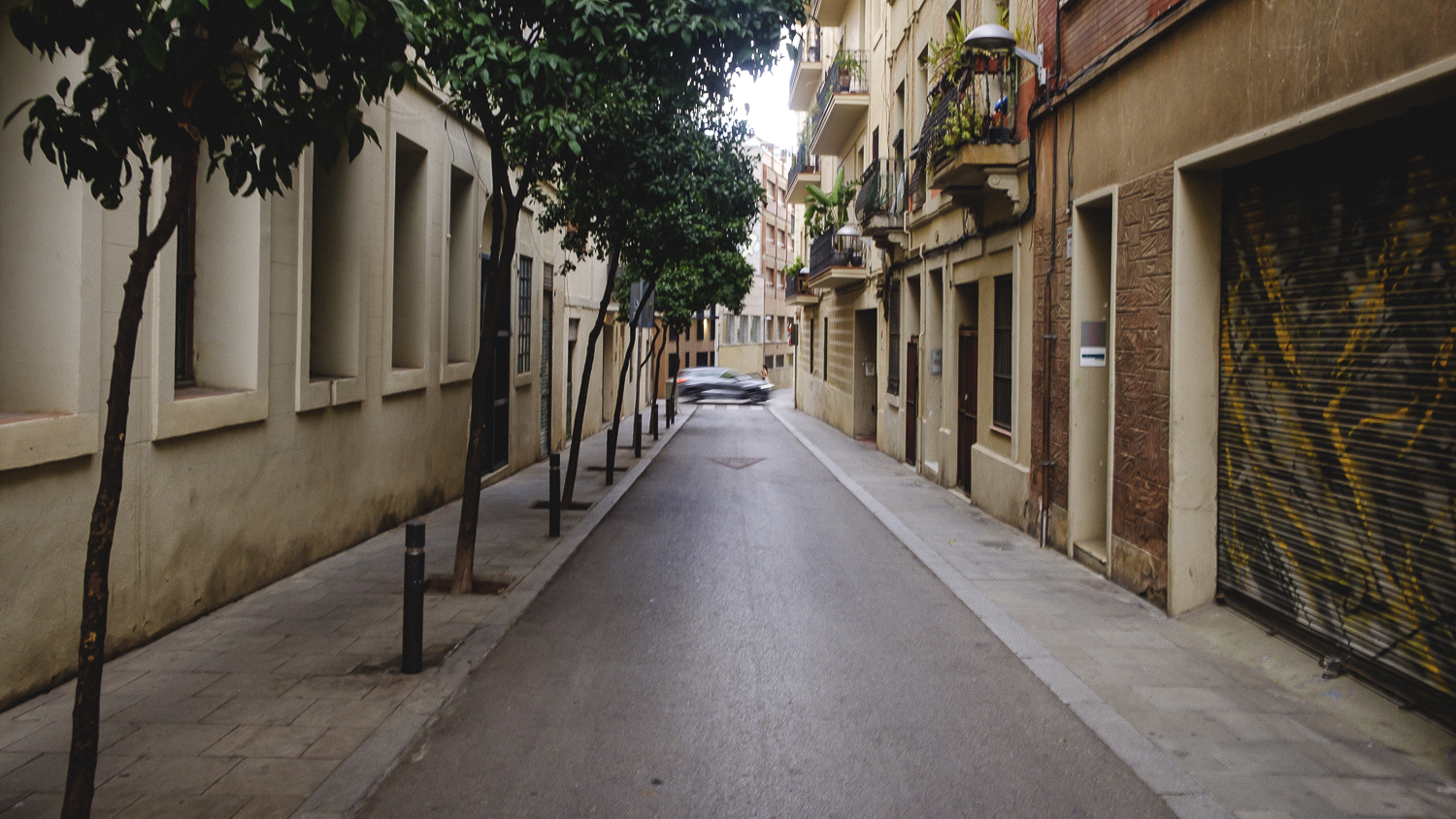
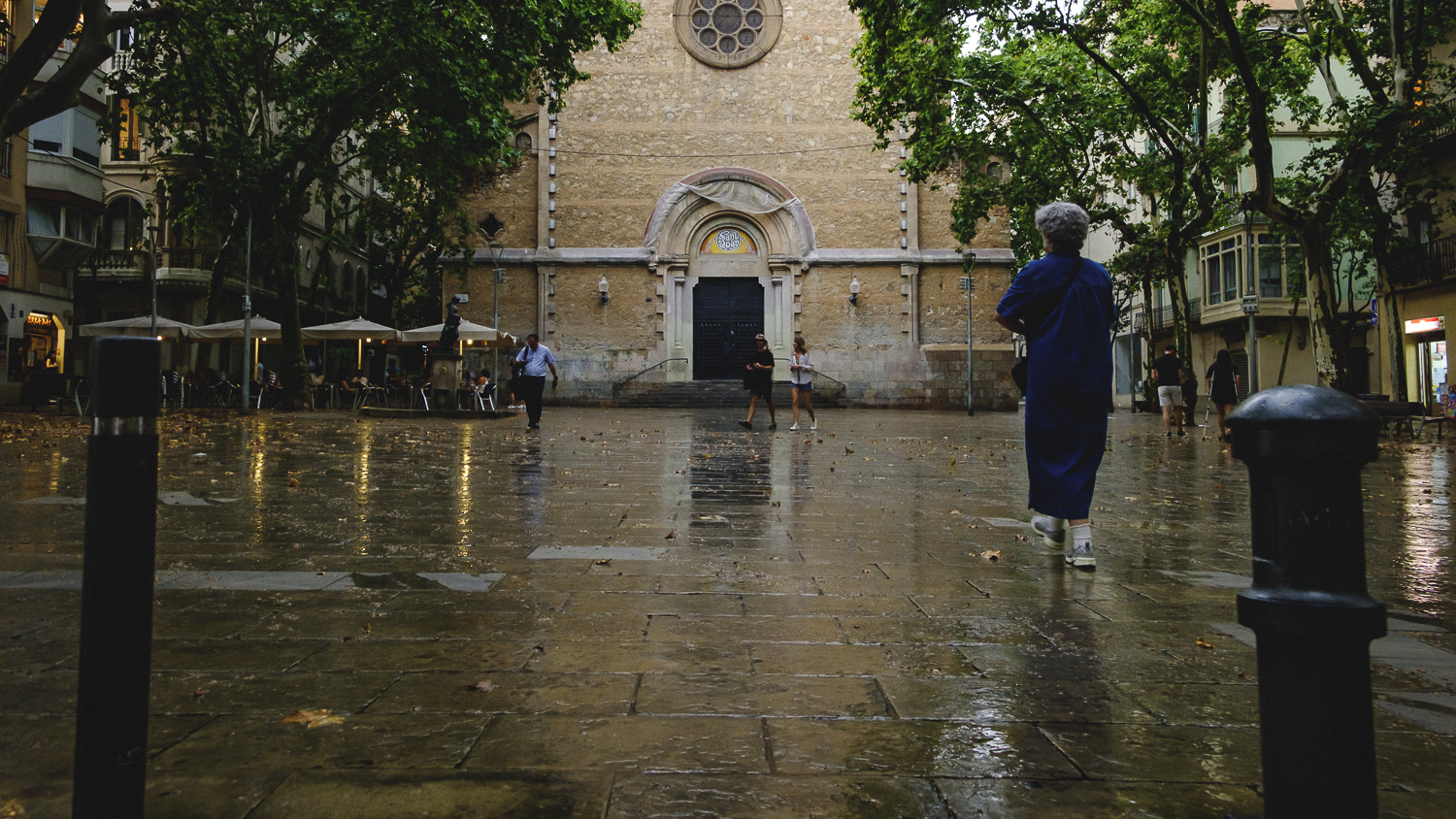
While we didn’t feel unwelcome walking near the hotel or on the thirty-minute walk to a vegan restaurant in the heart of Gràcia, there were numerous spray-painted signs advising ‘Tourists go home’ or ‘Tourists fuck off’ on walls and rubbish bins. It wasn’t intimidating in any way; in fact, I found the messages somewhat amusing, though I’m not sure I would walk around late at night.
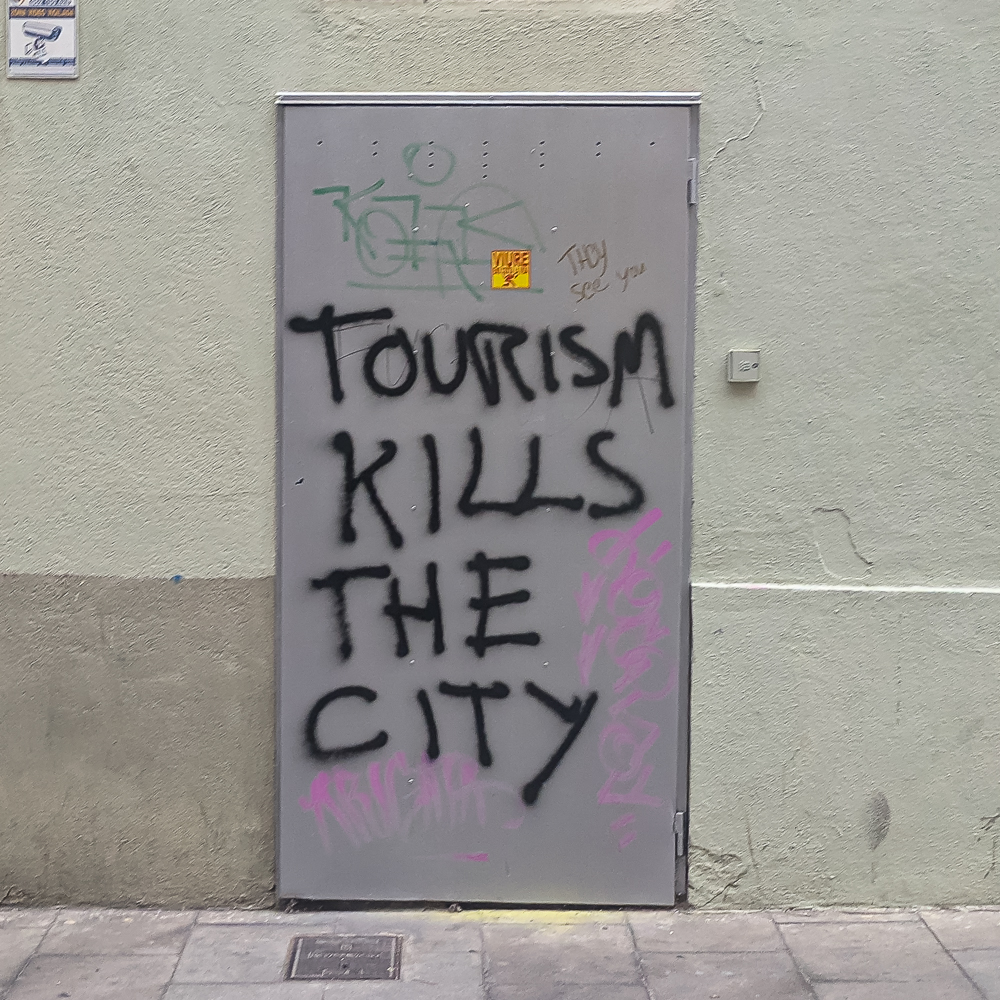
I sympathise. I know what tourism does to an area. In the seven years since I moved to St Leonards, the town has taken off: house prices have rocketed and there has been a proliferation of cafés and ‘fancy goods’ shops. None of these are of use to those who have lived in the town for generations and have been priced out. Yes, I know I’m part of the problem. St Leonards and Hastings have been promoted in all the main UK papers over the summer, in those ‘10 best seaside towns in England’ type articles. The town has become very popular with weekenders and day trippers, and these visitors are not the working-class south-east London families who have traditionally come to its bigger neighbour, Hastings (and still do); these are young couples or groups of friends who are happy to spend time and money in cocktail bars near the beach. I like the idea of it, though the reality can be painful at times.
The main issue I have with the increased popularity is the MASSIVE increase in the number of properties on Airbnb. When I was looking to buy down here in 2018, there were three rooms in Hastings on the site. I know it has become more popular over the intervening years, but there were 253 properties available when I looked a few weeks ago. That is insane. How many of those places have been taken from the local market? All of them. I digress.
I’ve been thinking a lot about fascism over the last few years; with the state of the Western world, it’s kind of unavoidable. I’m not thinking about it in a good way, by the way. With Barcelona in mind, I read George Orwell’s Homage to Catalonia recently. It’s a memoir of his brief time with the anarchists in Barcelona in the early part of the Spanish Civil War, where he was wounded fighting the fascists. I had a bit of a plan to walk past some of the places mentioned in the book where fighting took place; unfortunately, this fighting was between the various left-wing factions (seemingly we haven’t learned much since, though at least here in the UK, no one is shooting). This was the only thing we had planned other than meeting up with family.
In reality, there wasn’t a lot of Orwell to see; some buildings along La Rambla, that was about it. We took a short side trip to Plaça de George Orwell, which was nothing other than a square with some shops and cafés, and I was a little disappointed. We also visited the Church of Sant Felip Neri, the site of a terrible action by the fascist-supporting Italian air force during the Civil War, who bombed the church while it was acting as a shelter. Forty-two people were killed, including 30 children. The square acts as a memorial to that terrible night in January 1938 with shrapnel holes dotting the walls.
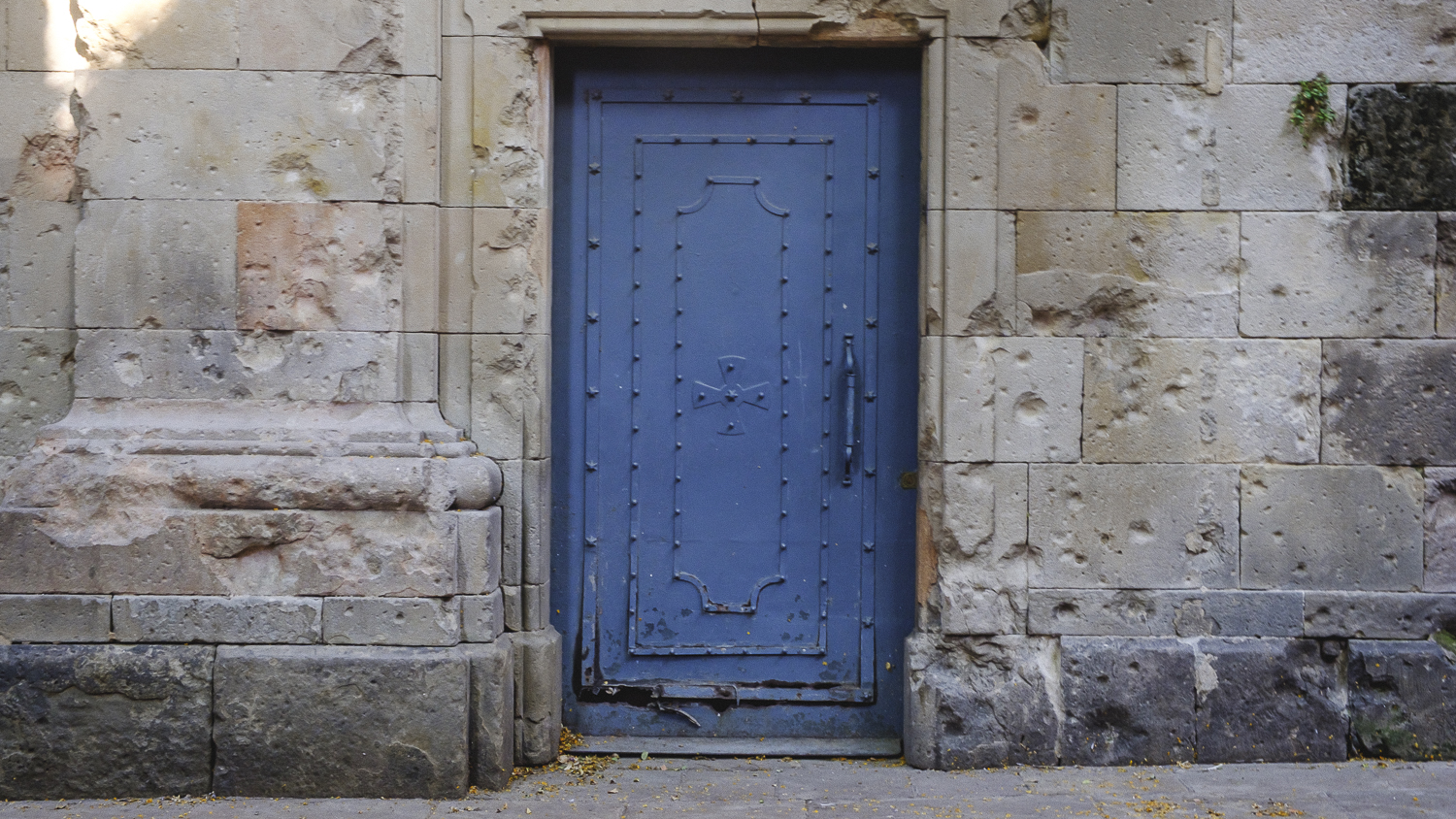
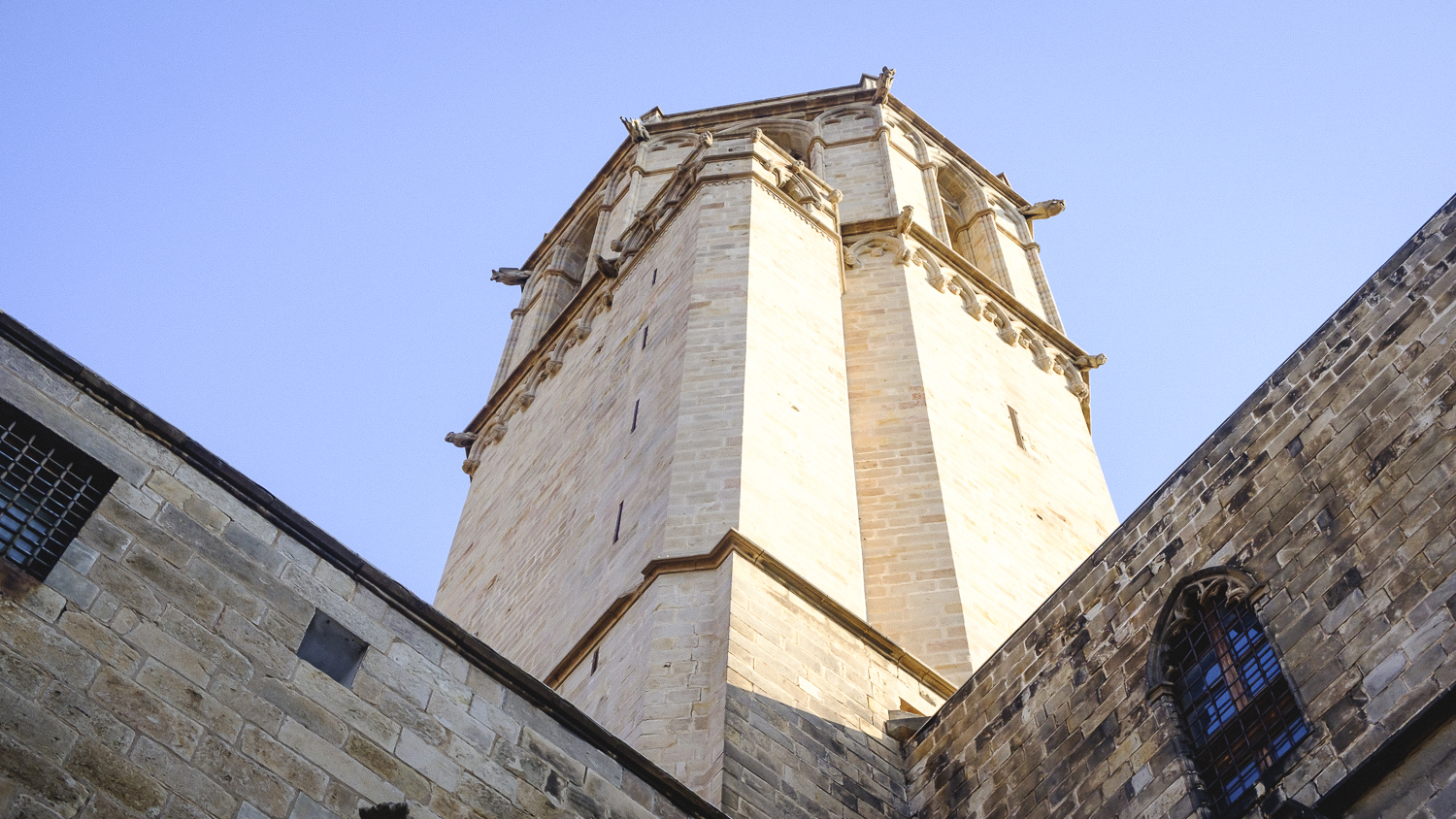
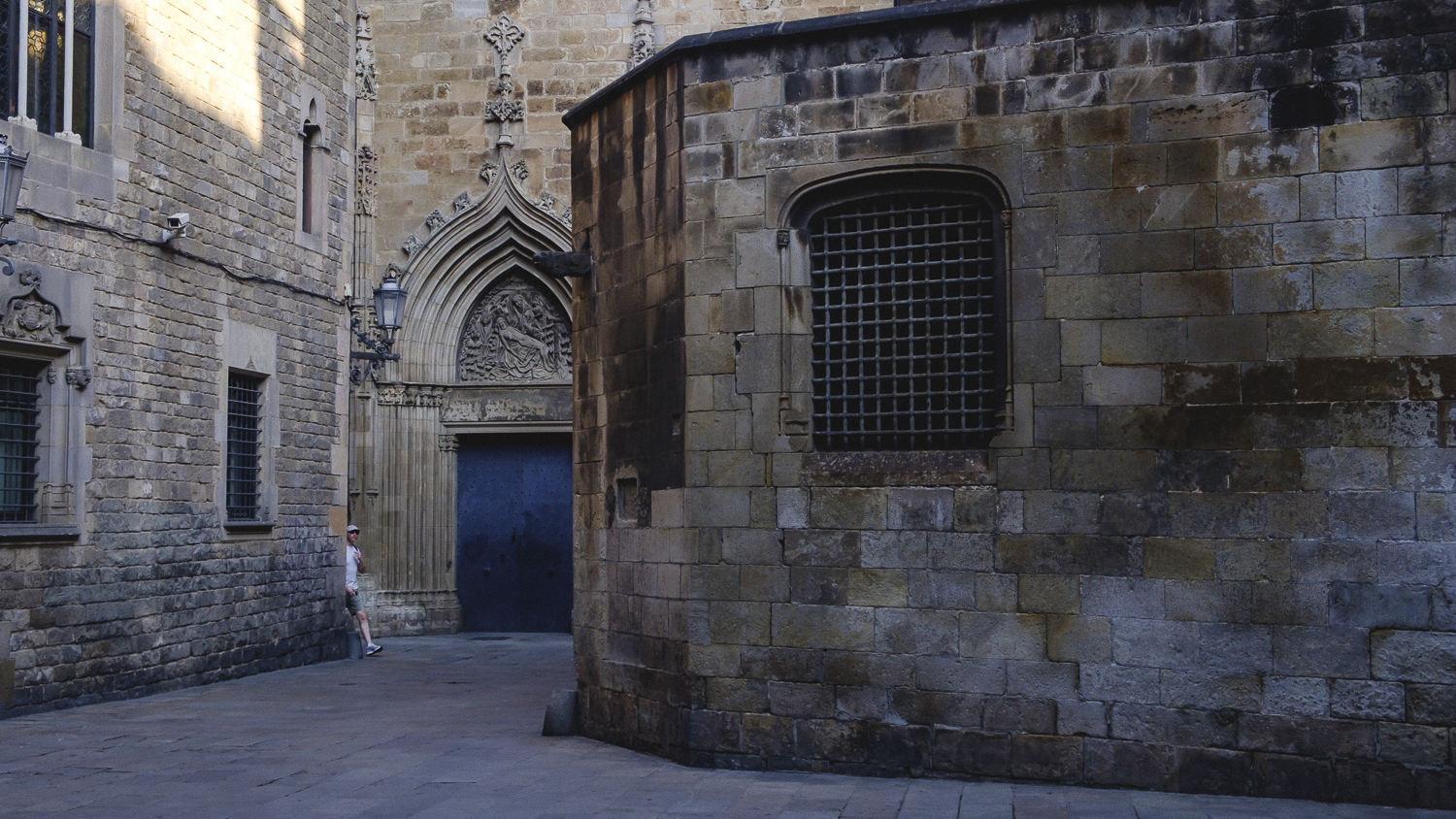
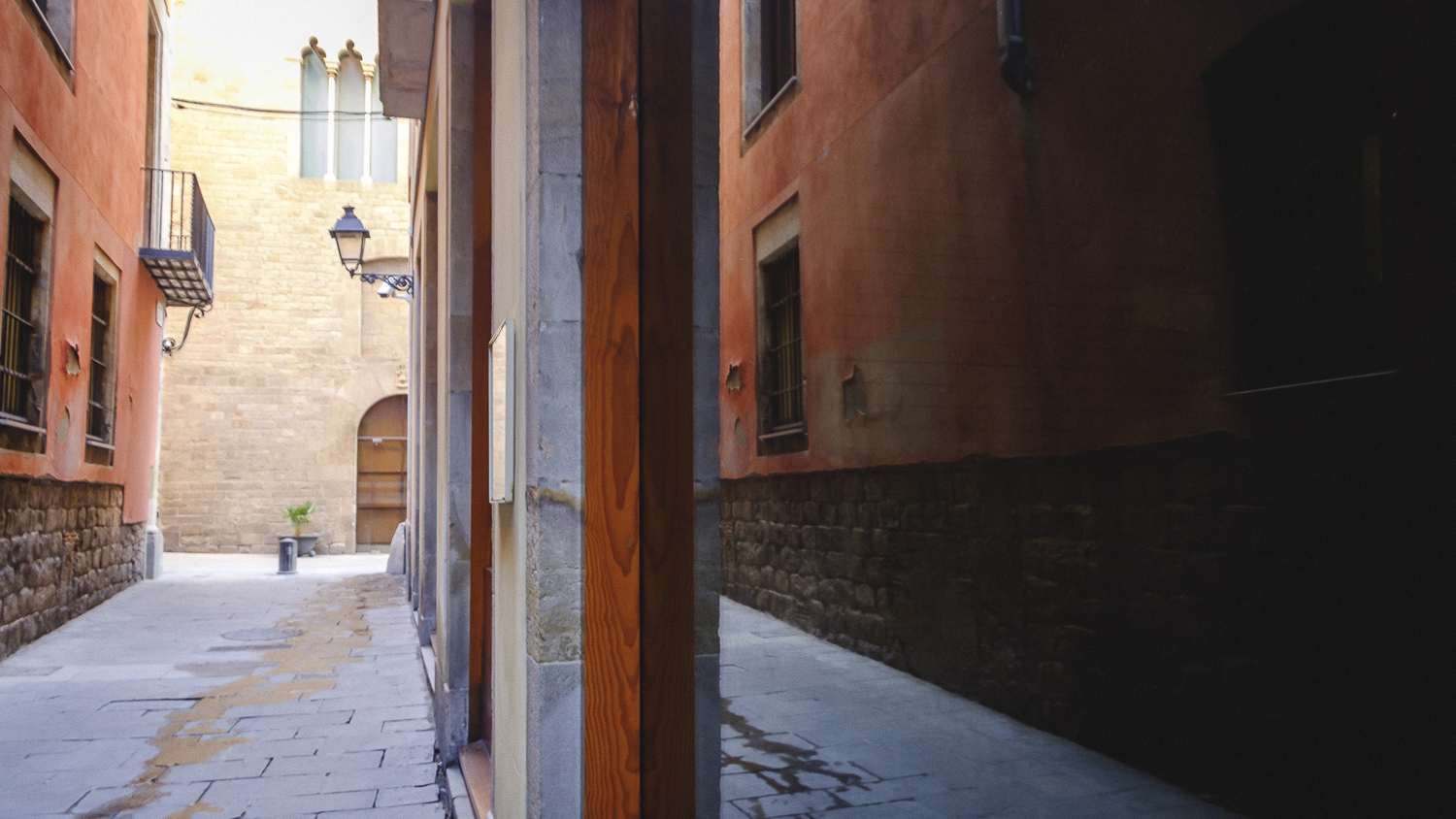
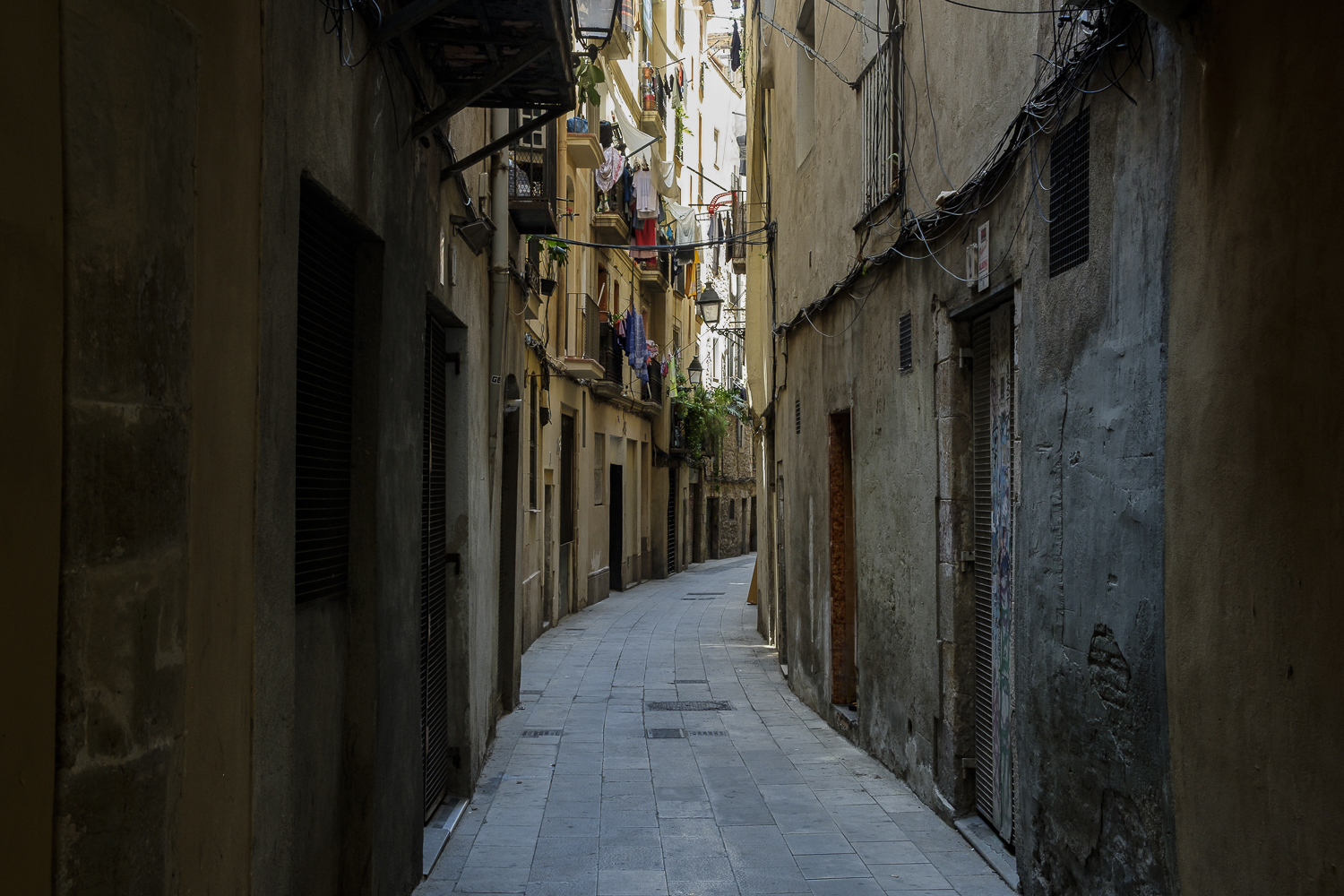
The church is in the Gothic Quarter, not too far from Barcelona Cathedral. The Gothic Quarter is the historic centre of Barcelona and my, and most tourists’, favourite part of the city. We spent some time wandering around the narrow, twisting lanes between the tall tenement buildings. Before 10am is the best time for me, as there are fewer people ruining the ambience and getting in the way of my photos. I wasn’t happy with the images I took, sadly, but I loved the walking, and the very nice coffee we bought from a café we will never find again.
A highlight of the trip was a guided tour of a small section of Cementiri de Montjuïc with Eleanor’s nephew and his wife; they have goth tendencies. I’d met them when they came to the UK last year, so it wasn’t an awkward first family meeting. We had a good time, though it was extremely hot under a cloudless sky and, after a couple of hours, it was enough.
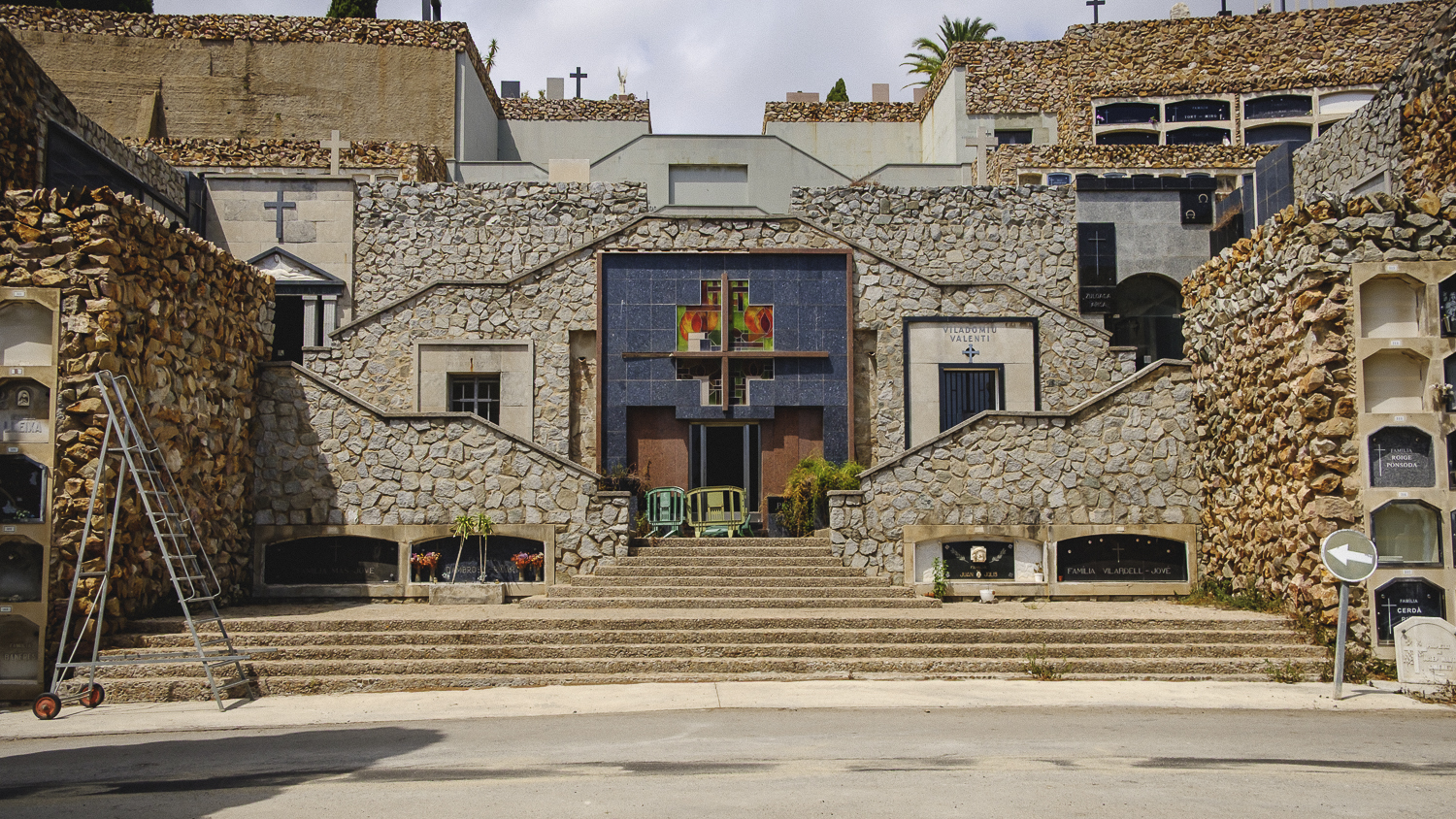
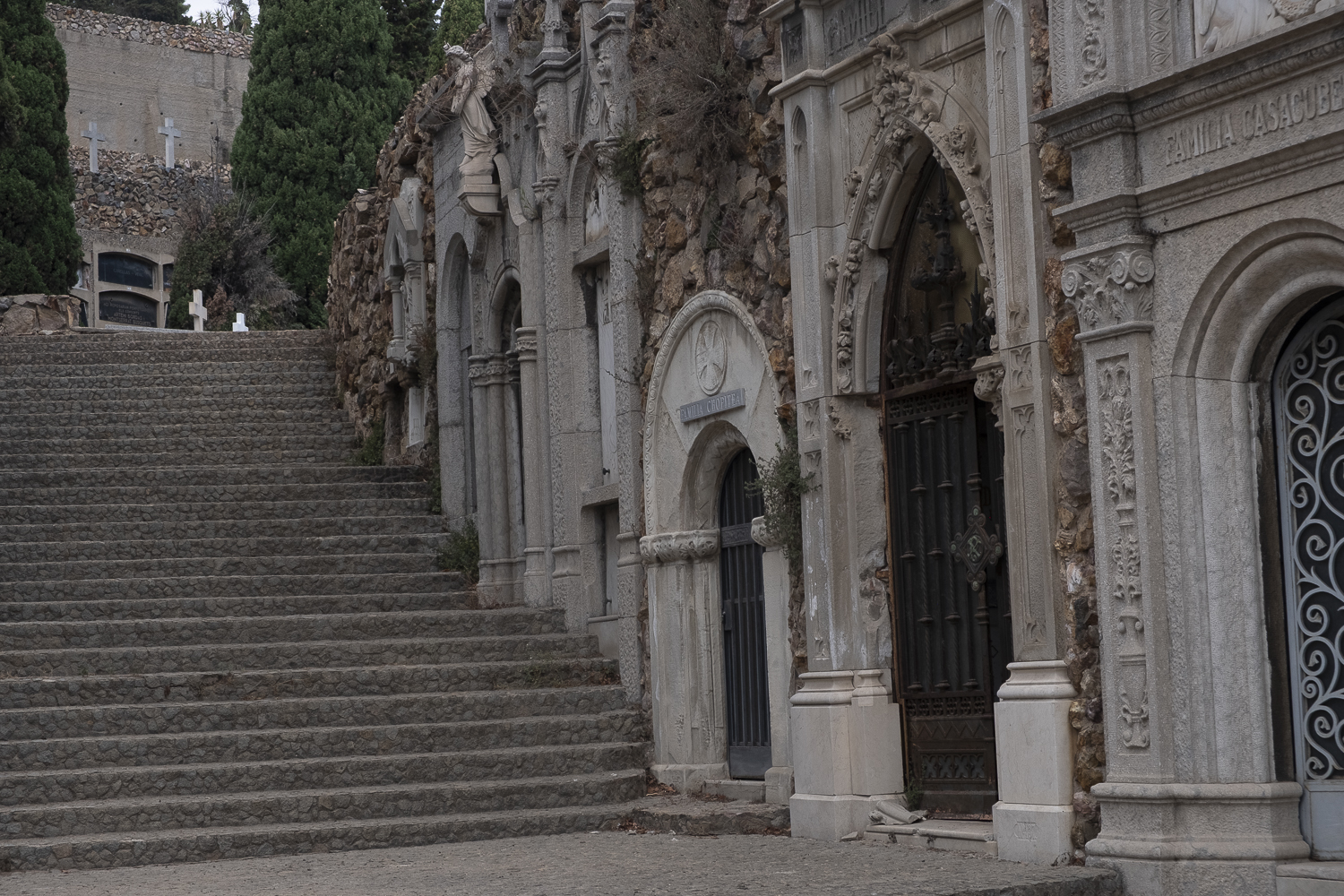
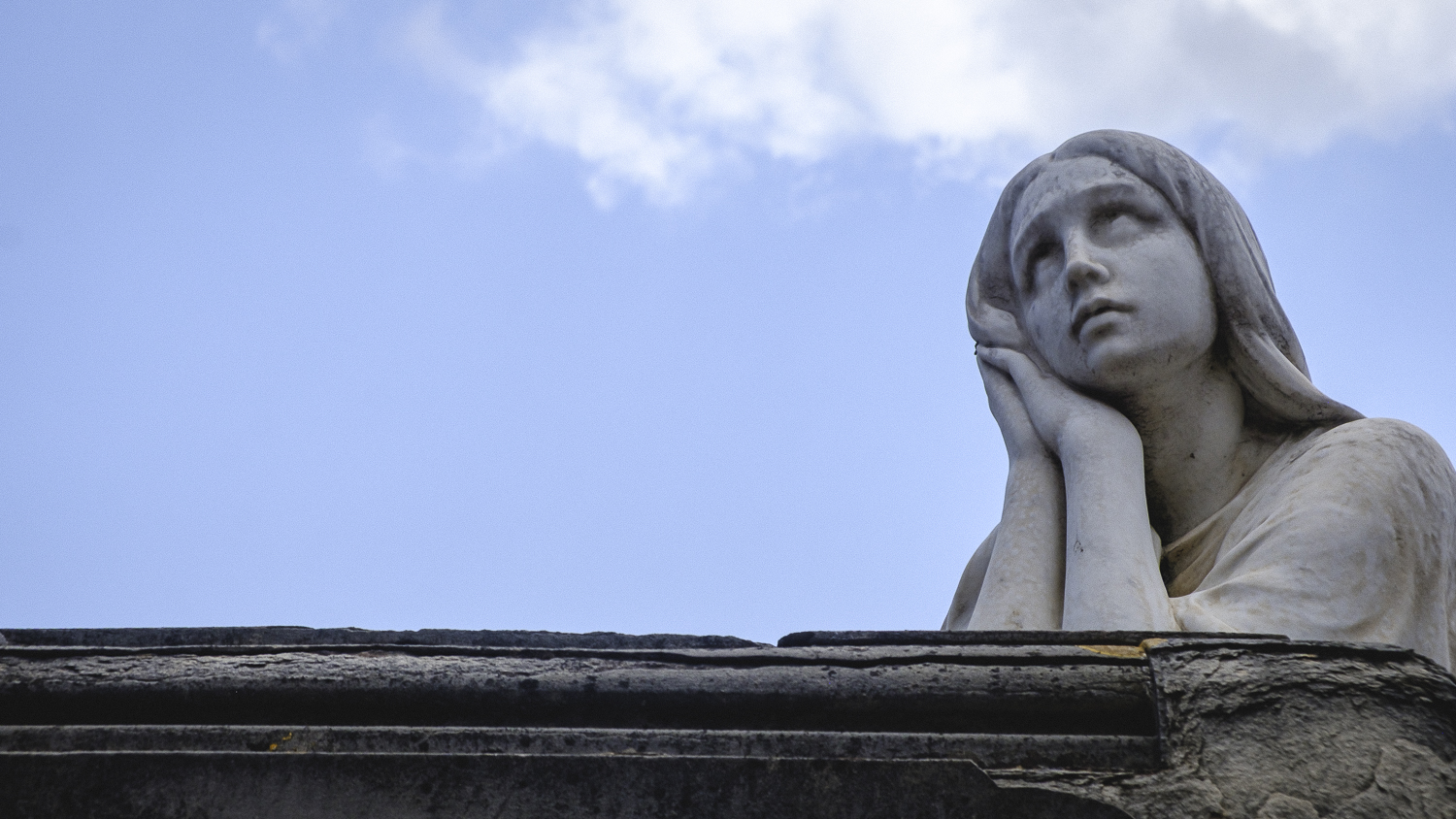
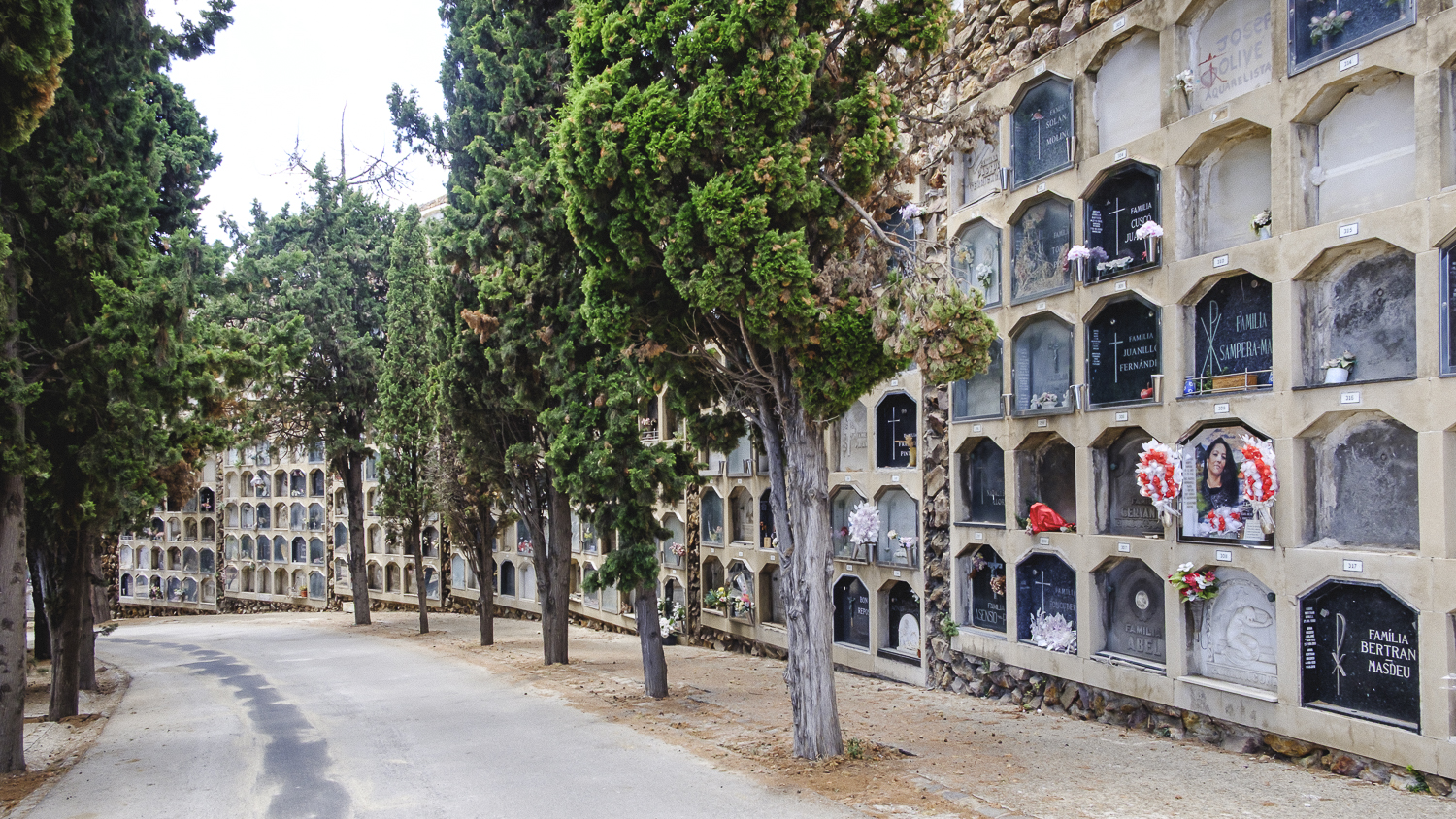
The cemetery is vast: thousands of graves, and there are a few famous Spaniards buried here. Our tour was confined to a tiny corner, but it was interesting and I took a lot of photos: photos of faded plastic flowers, interesting headstones and these small family tombs, made for generations of jars of ashes. I like the photos of the interred and their families, fading in the harsh sun. It feels easier to connect to what the cemetery means and what it is for.
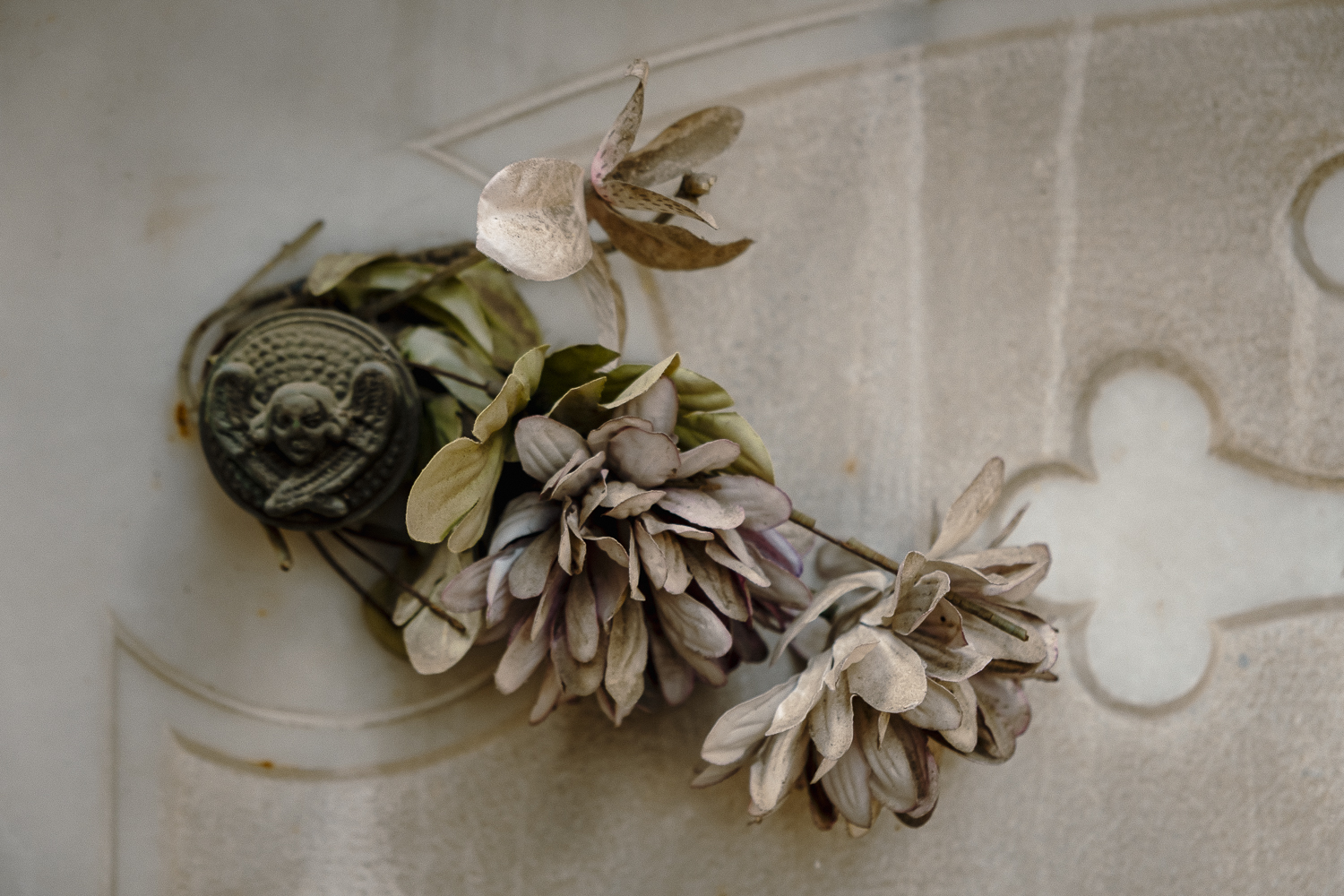
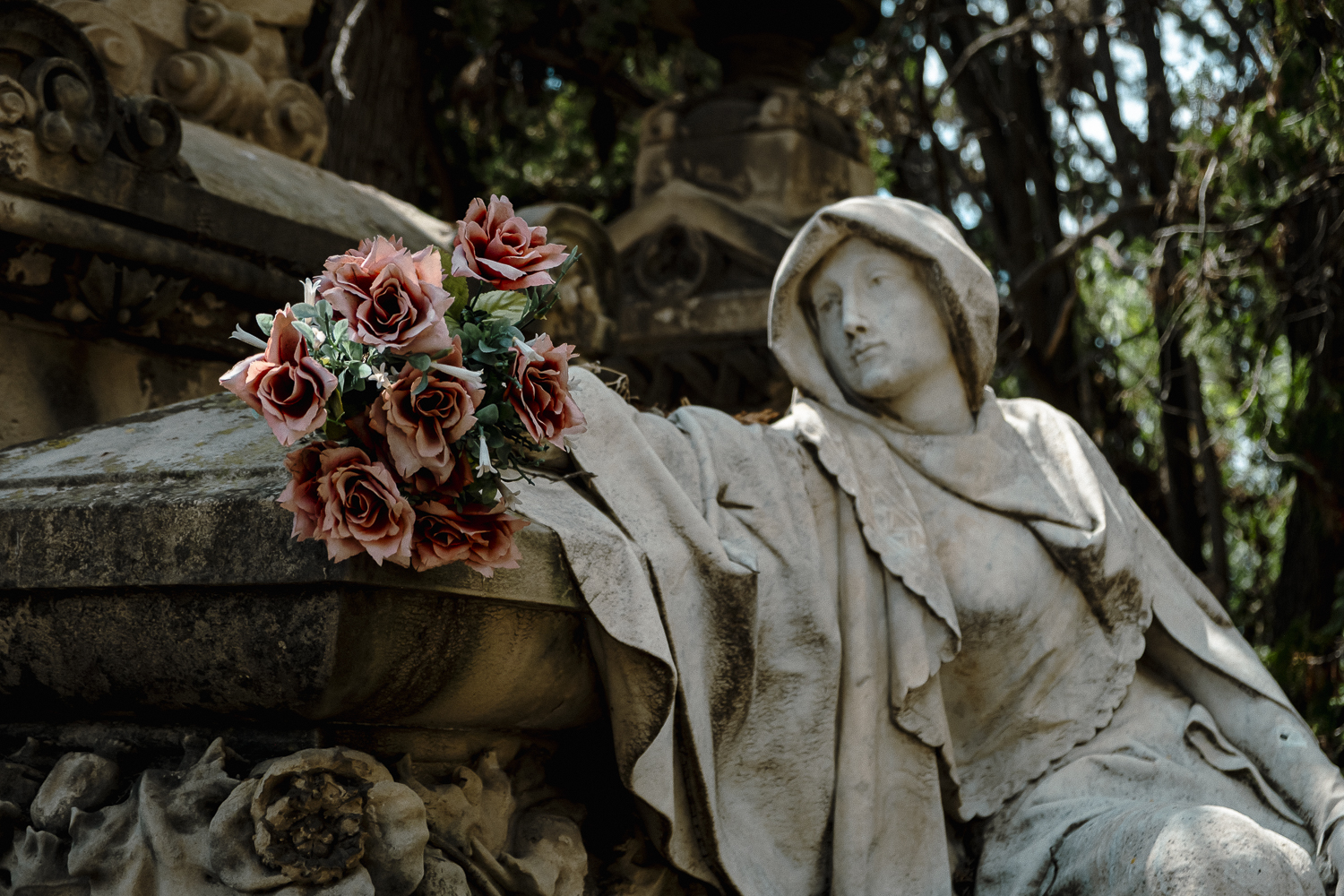
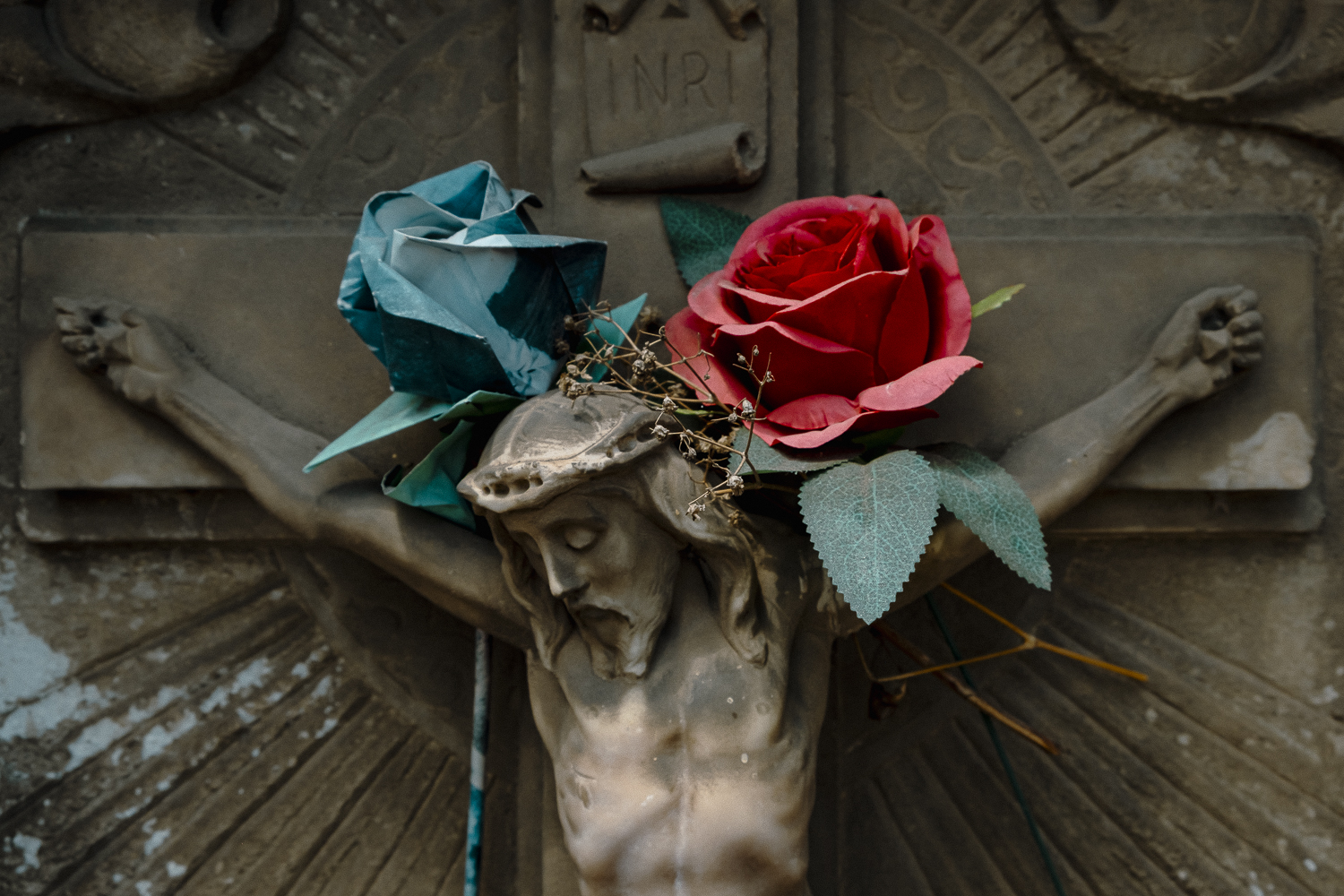
I’ve always thought that cemeteries were best visited in the rain, under dark clouds; maybe even in dense fog. But I’ve changed my mind: cemeteries are to be visited in the sun, the bright, hot, friendly sun.
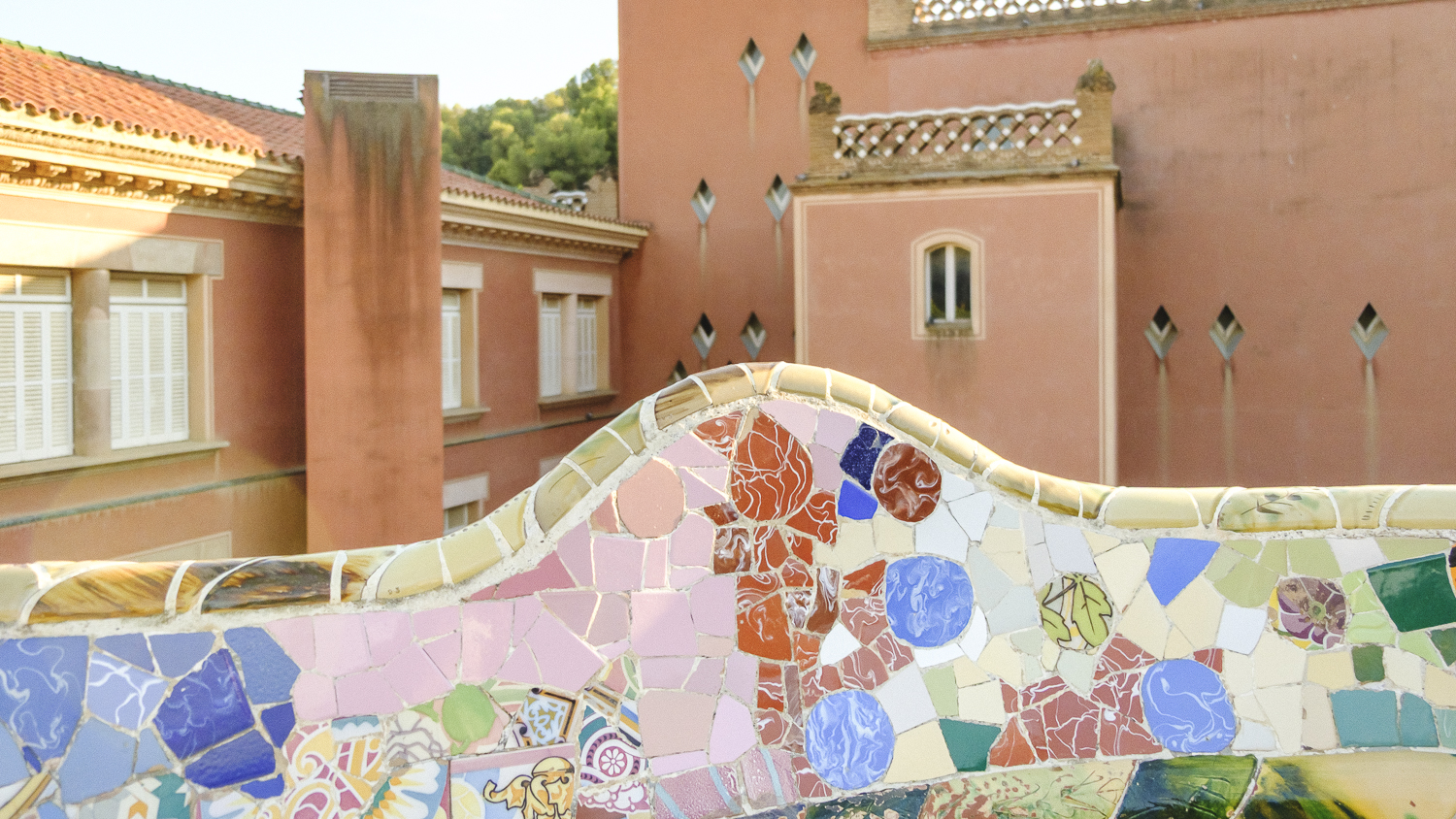
Our hotel was close to Park Güell, about a 25-minute walk away. We went there late in the afternoon, hoping the crowds would have abated a bit. It’s a very popular destination, as it contains a couple of buildings by Antoni Gaudí, the famous (infamous?) Catalan architect.
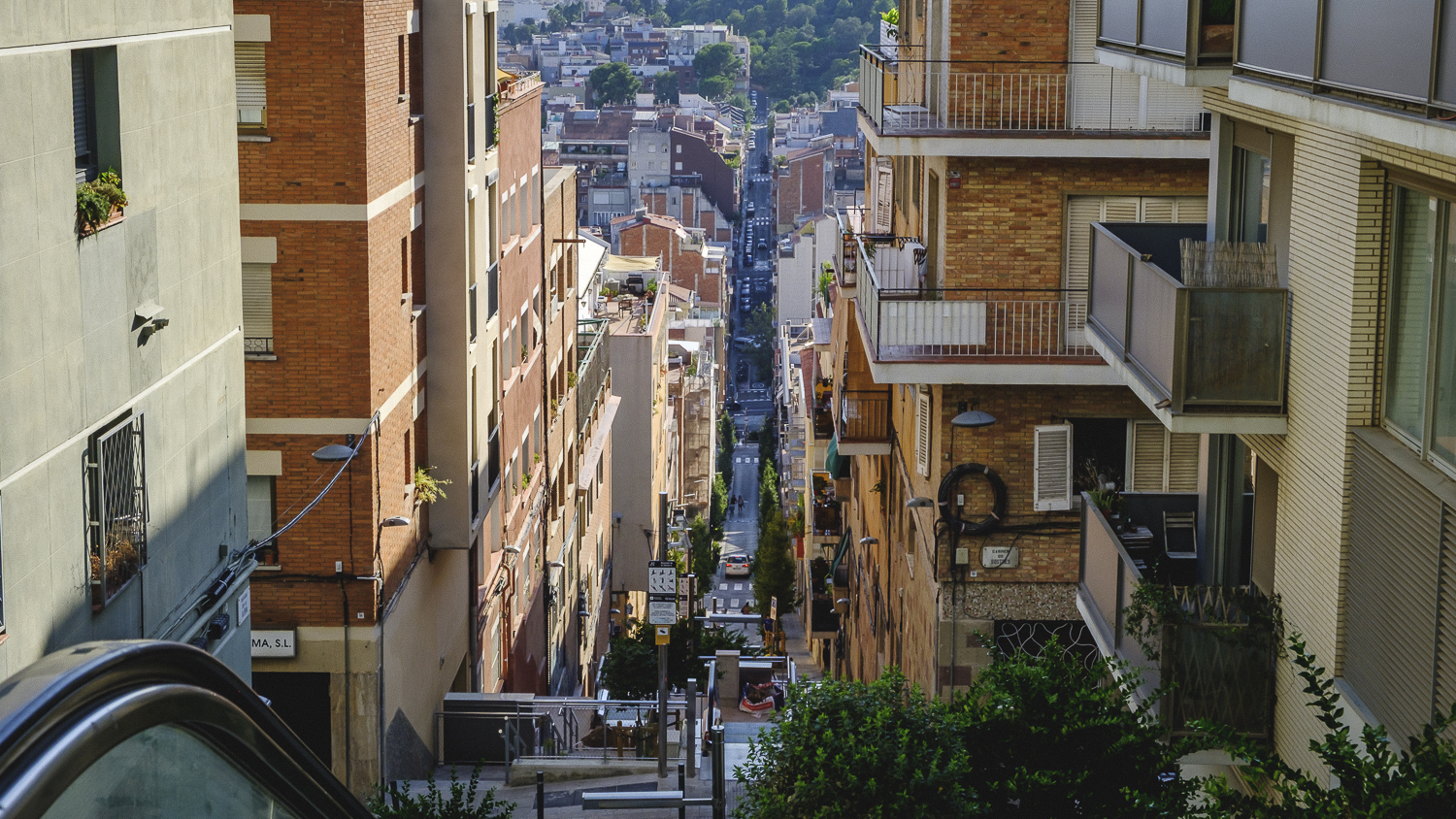
What I wasn’t expecting was that the park was up a very steep hill. Fortunately, there is an escalator, or series of escalators, up to the top: outdoor escalators. I’ve not seen too many of these before.
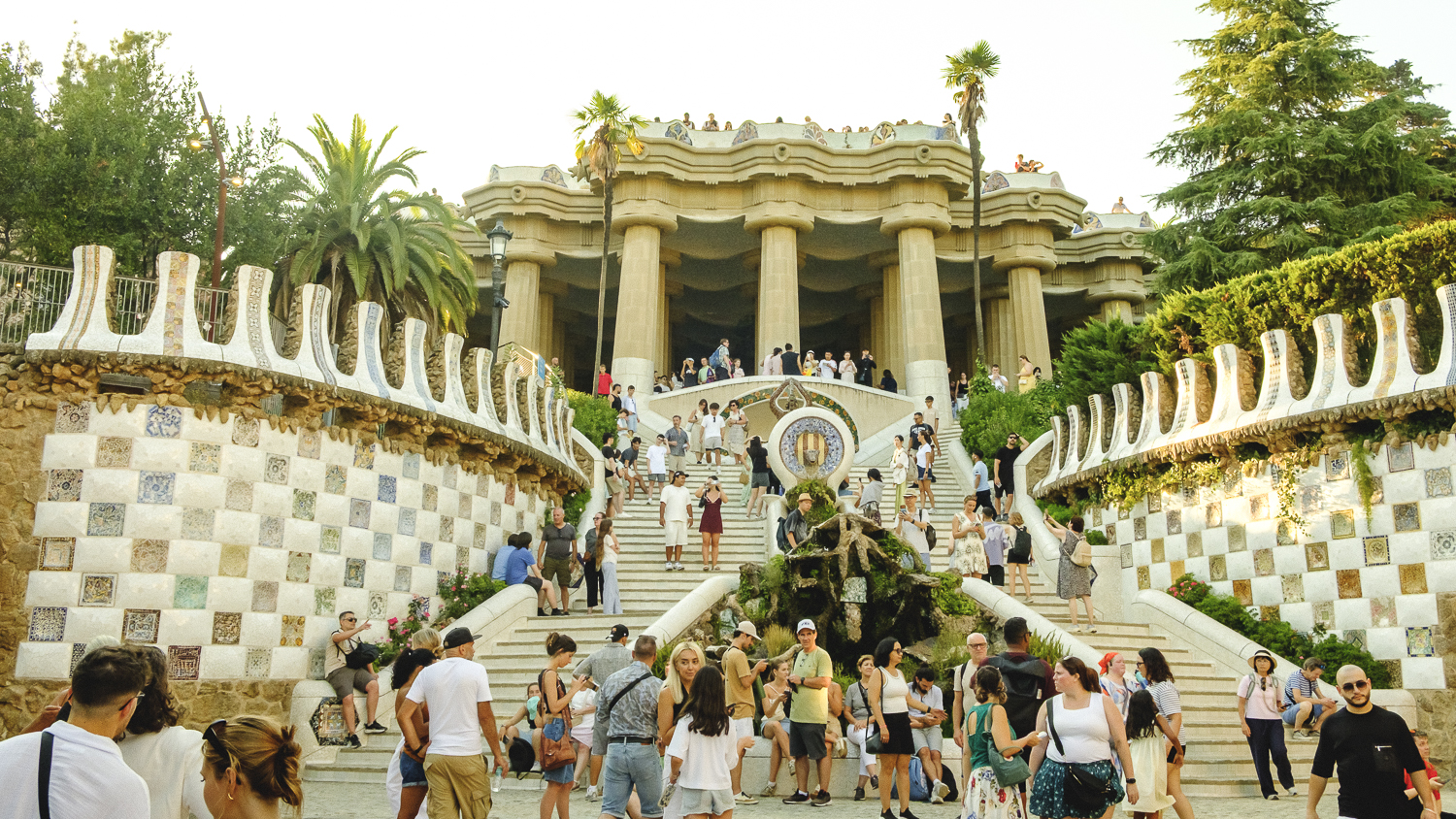
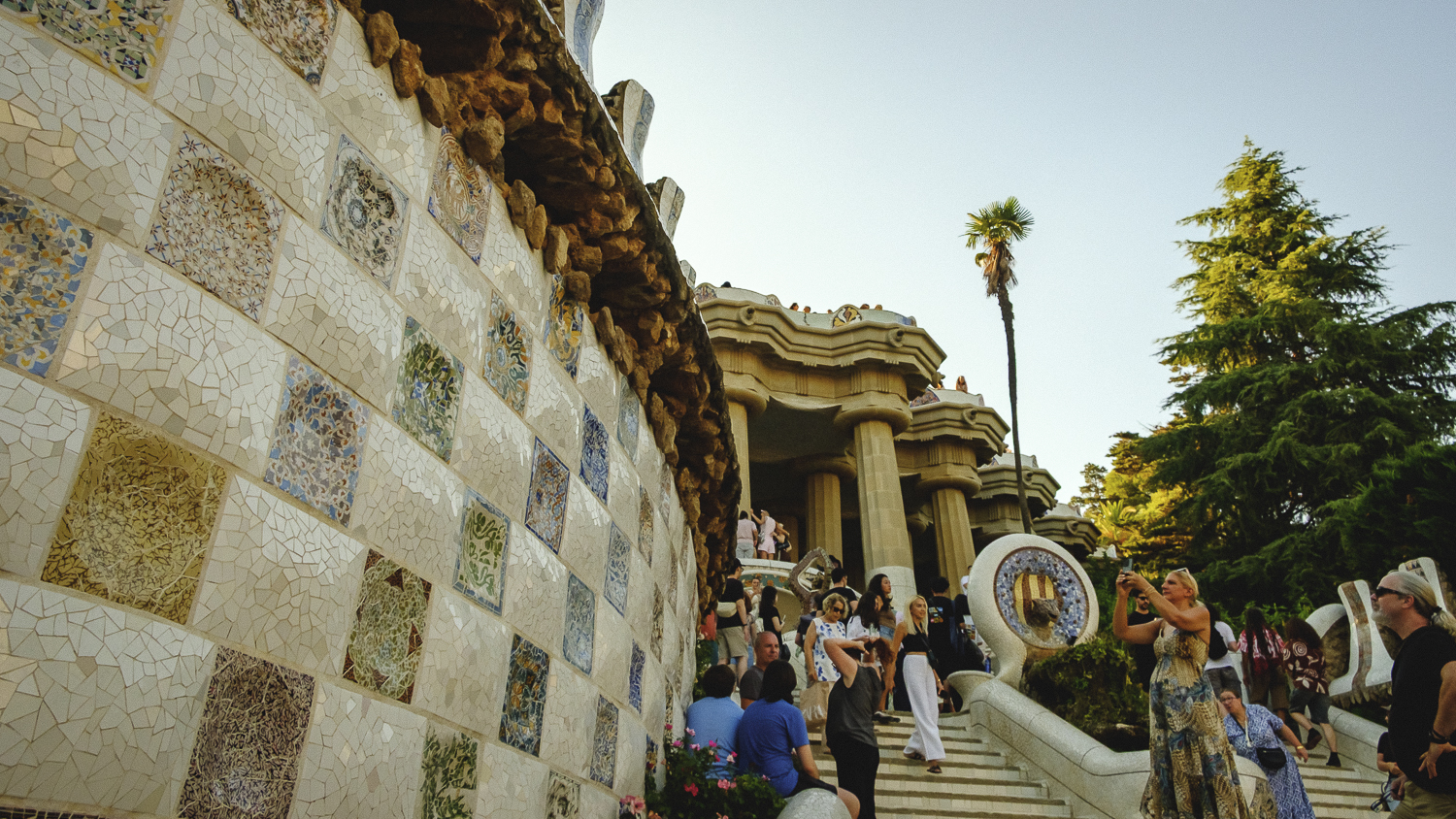
The park itself was not that interesting: hills and trees and people, and, man, it was humid. There were some interesting Gaudí constructions, the famous dragon being one of them. There are a lot of people there.
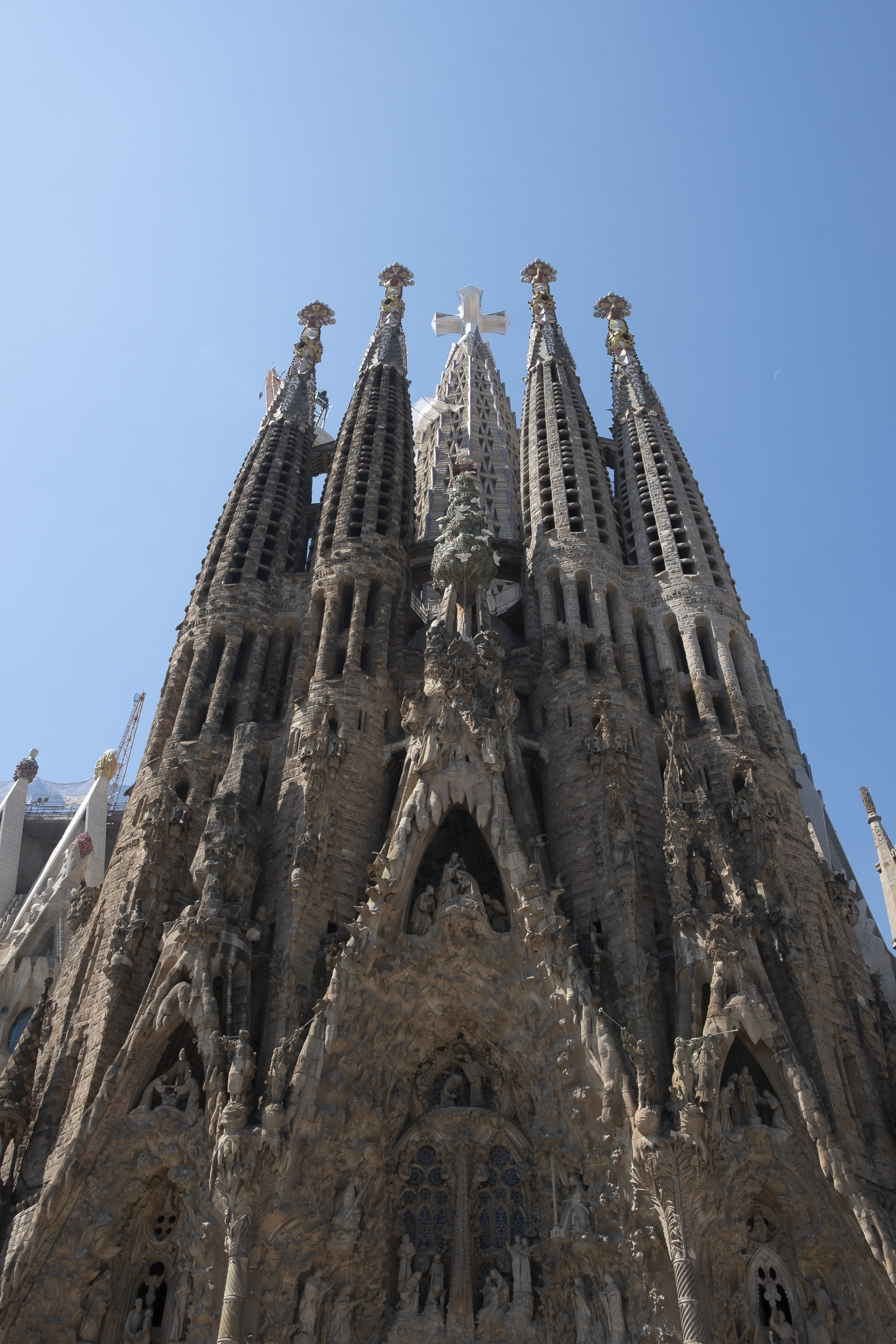
There is also a great view of the Basilica de la Sagrada Família, Gaudí’s greatest work.
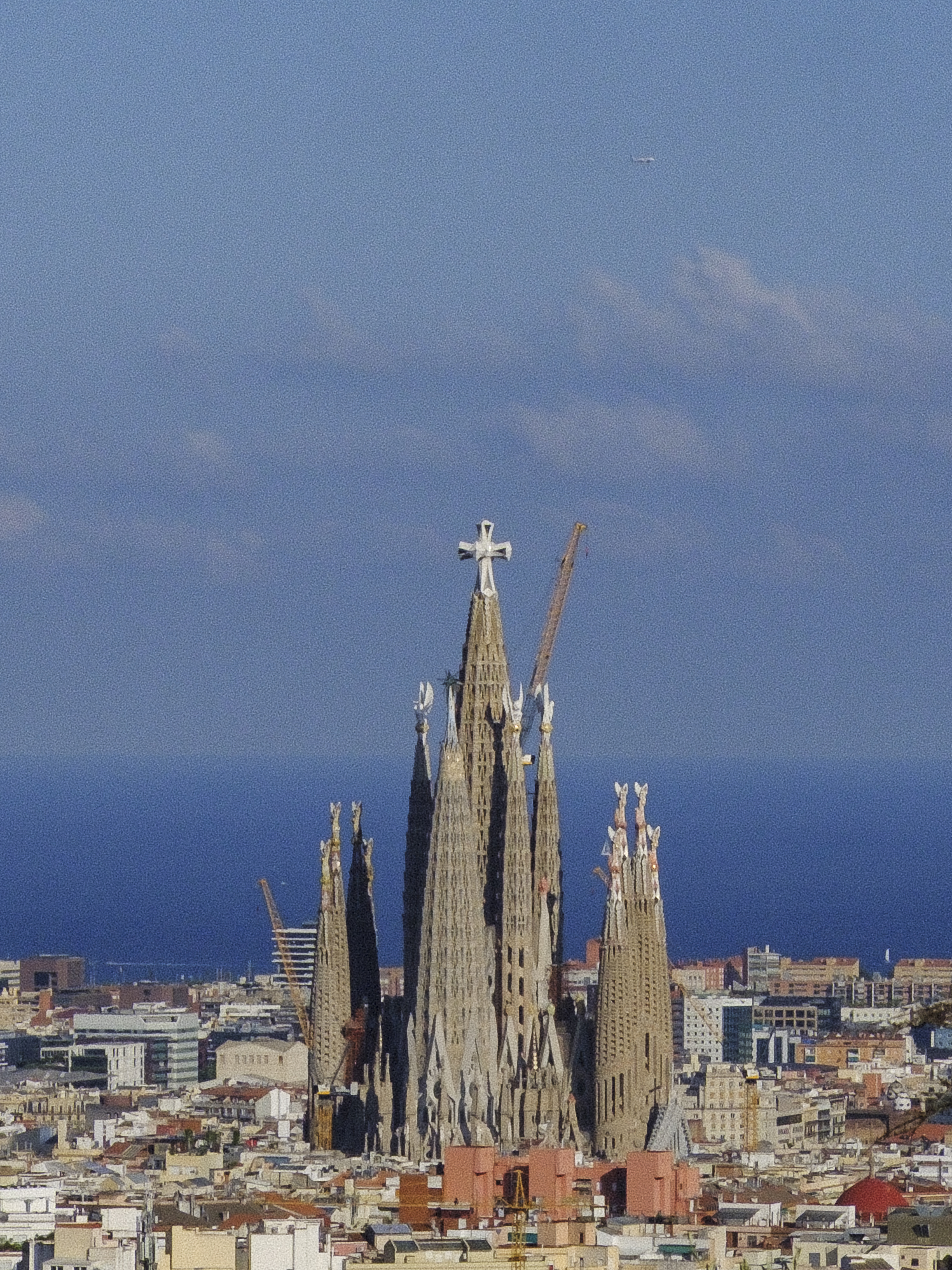
We had sort of decided not to visit the Sagrada Família, as we had seen it on our previous visits. However, seeing it from the park, how glorious it is and how it stands so majestically in the Barcelona skyline, we changed our minds. As we’re mad, and it was not THAT hot first thing, we chose to walk the 40 minutes from the hotel. I like walking through residential areas when I’m somewhere different; it was a nice walk, but the café at the end, opposite the cathedral, with its air-conditioning and cold drinks, was a welcome respite.
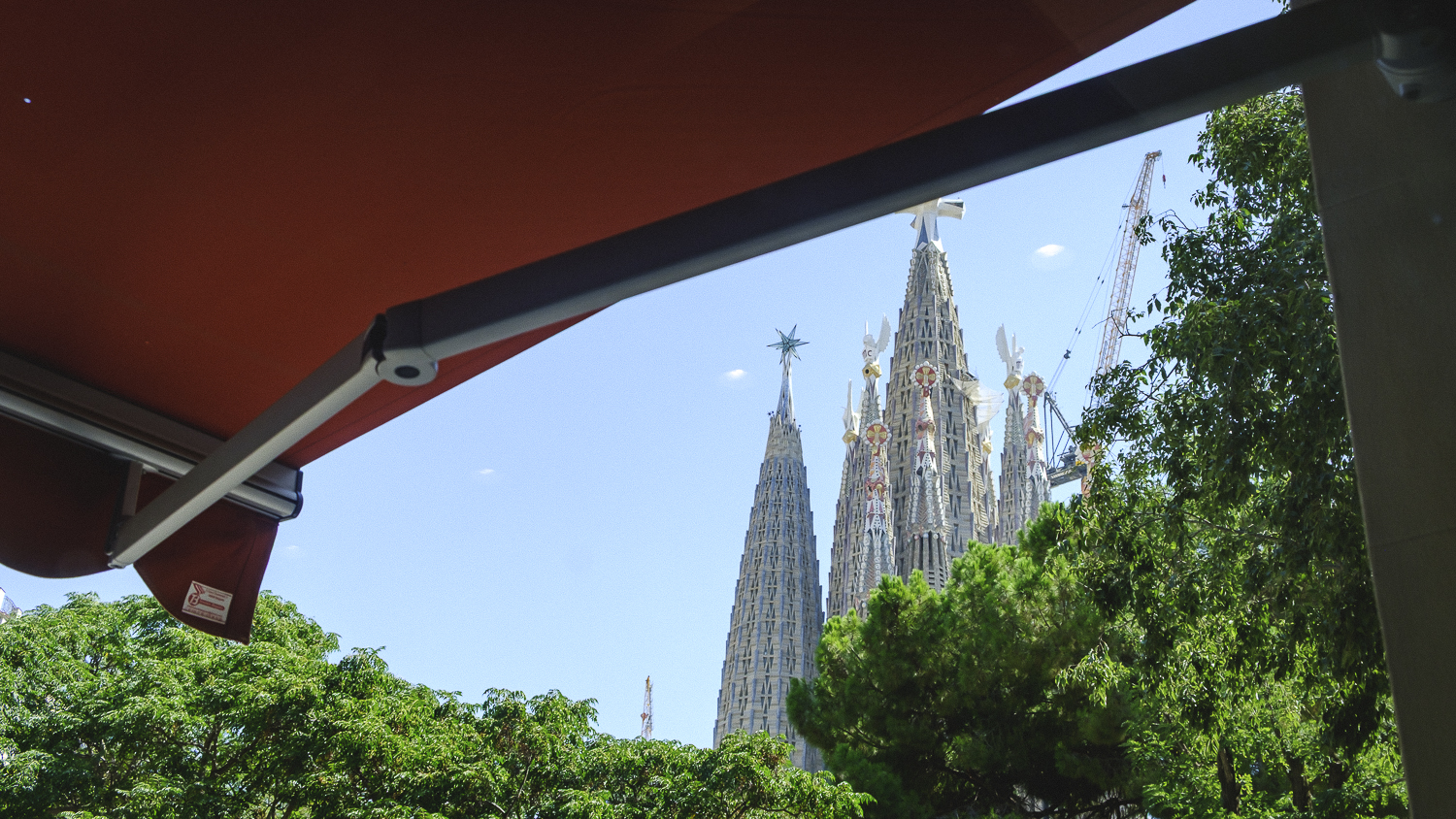
Last time I was here, there was scaffolding and cranes, as work was still to be done to finish the cathedral. It is, in theory, finished, but there are still cranes on the skyline. I guess this is how it will be. It was very busy; this is the premier attraction in Barcelona, after all. We briefly considered going inside, as I haven’t, but the queue was long and we had no pre-booked tickets. We could see how busy it was inside, so it was the right thing to do.
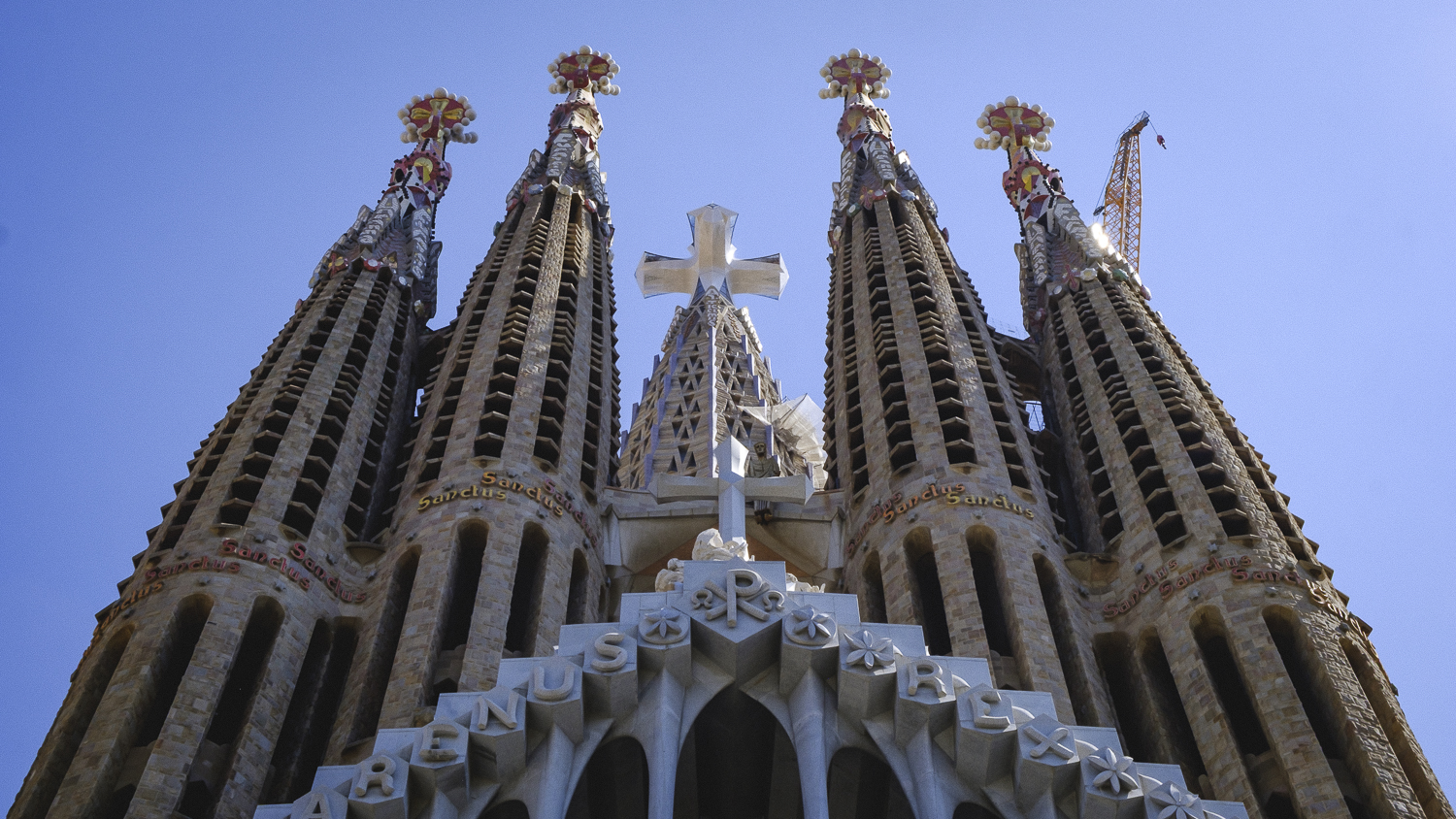
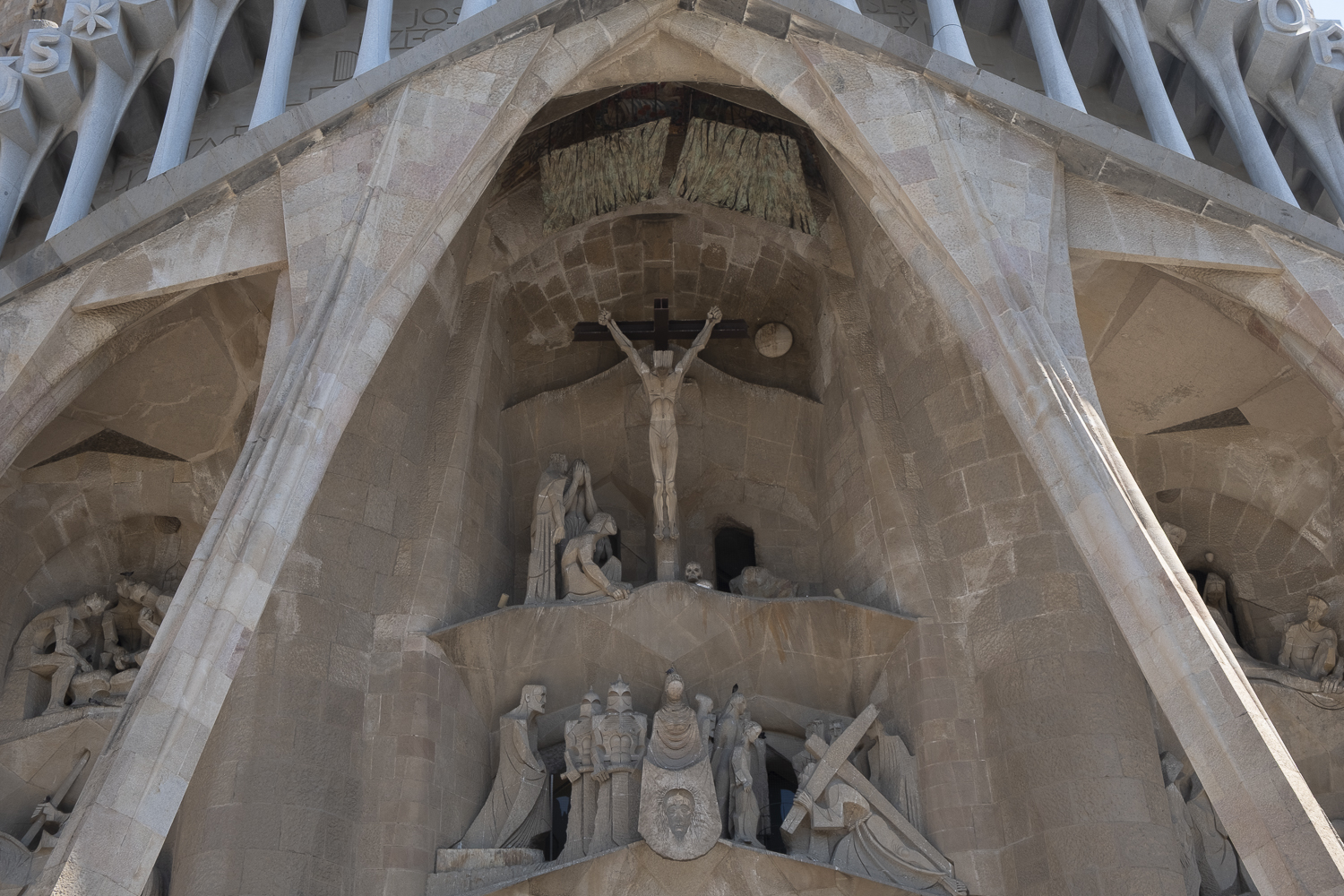
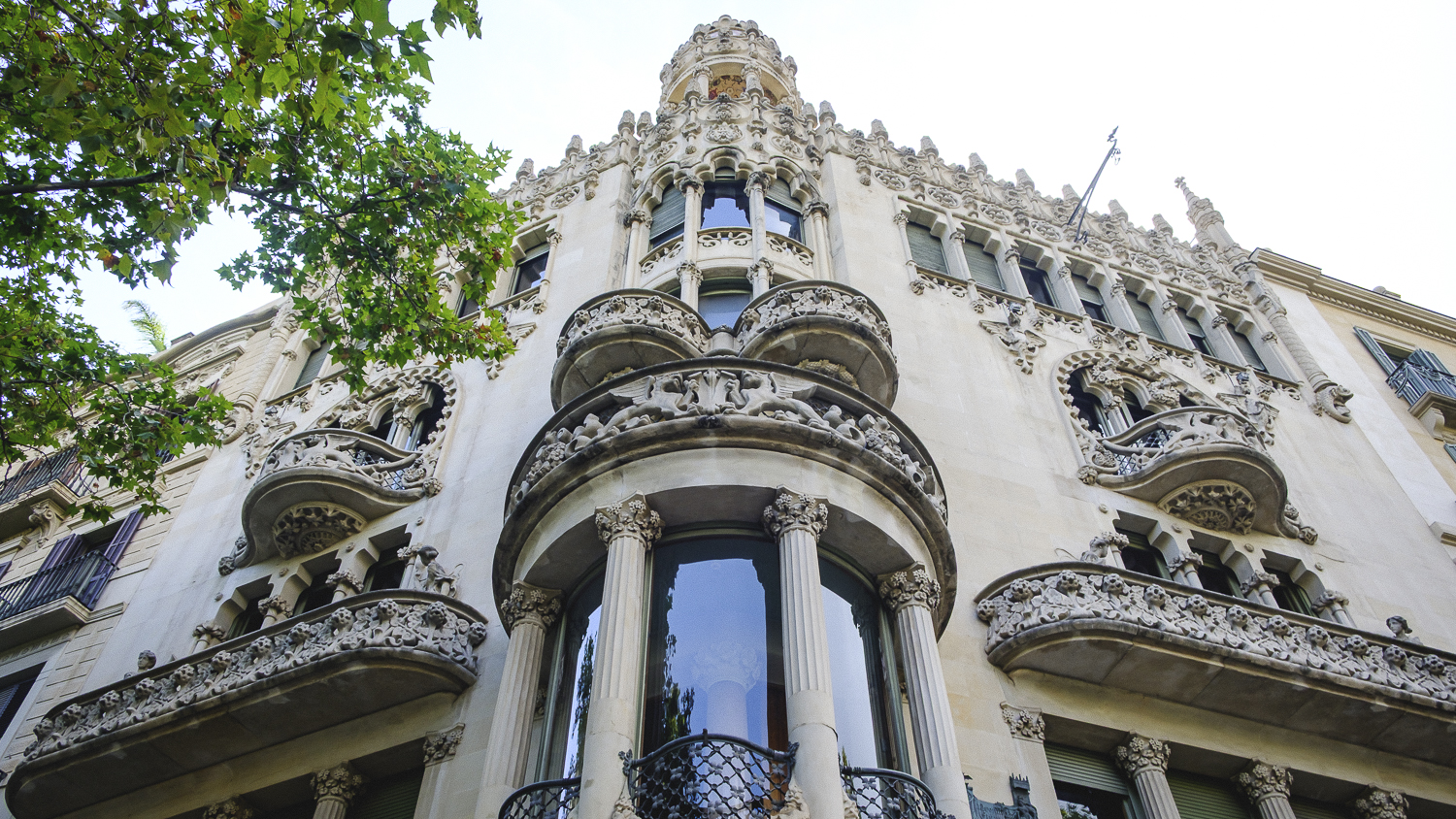
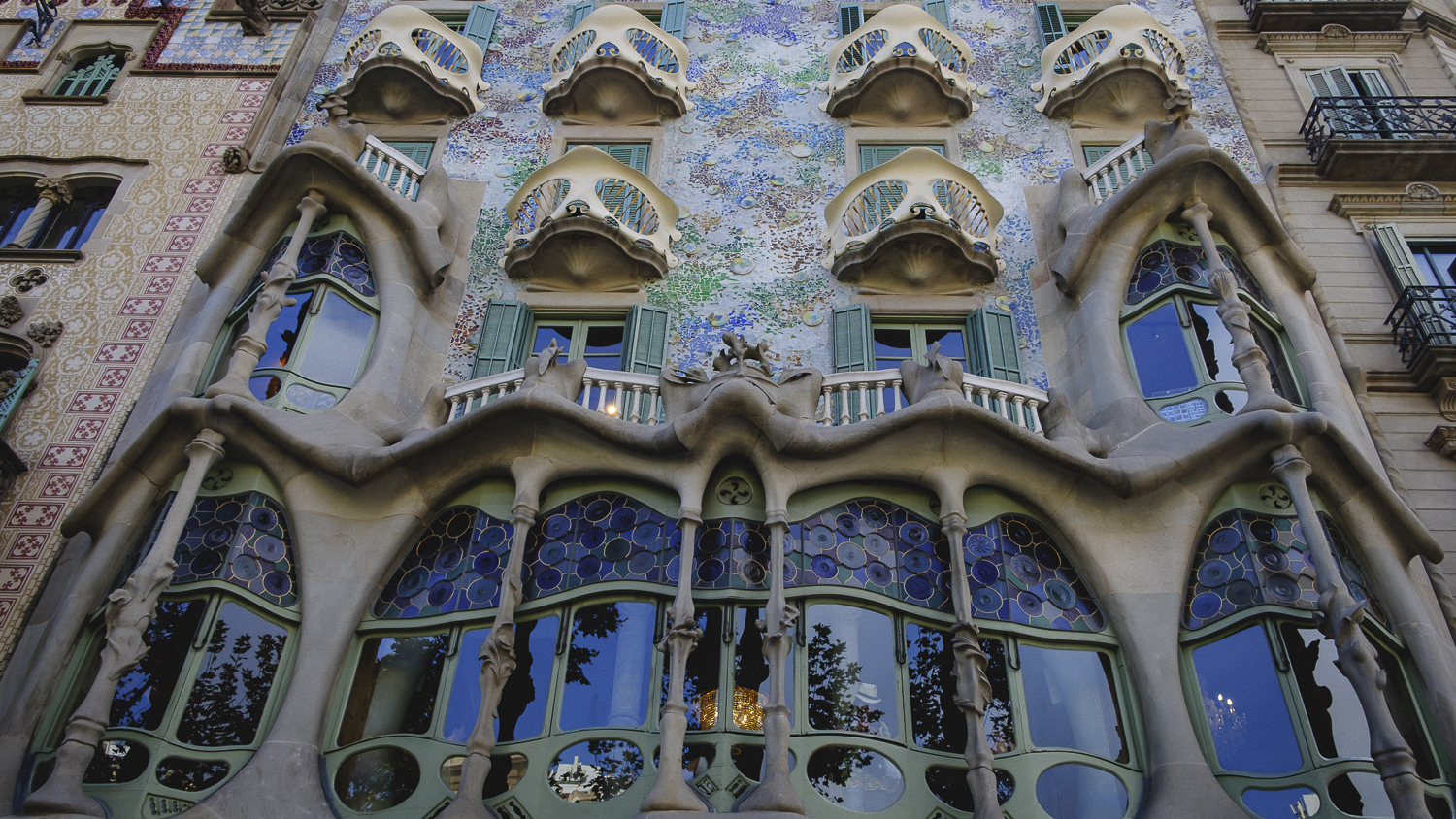
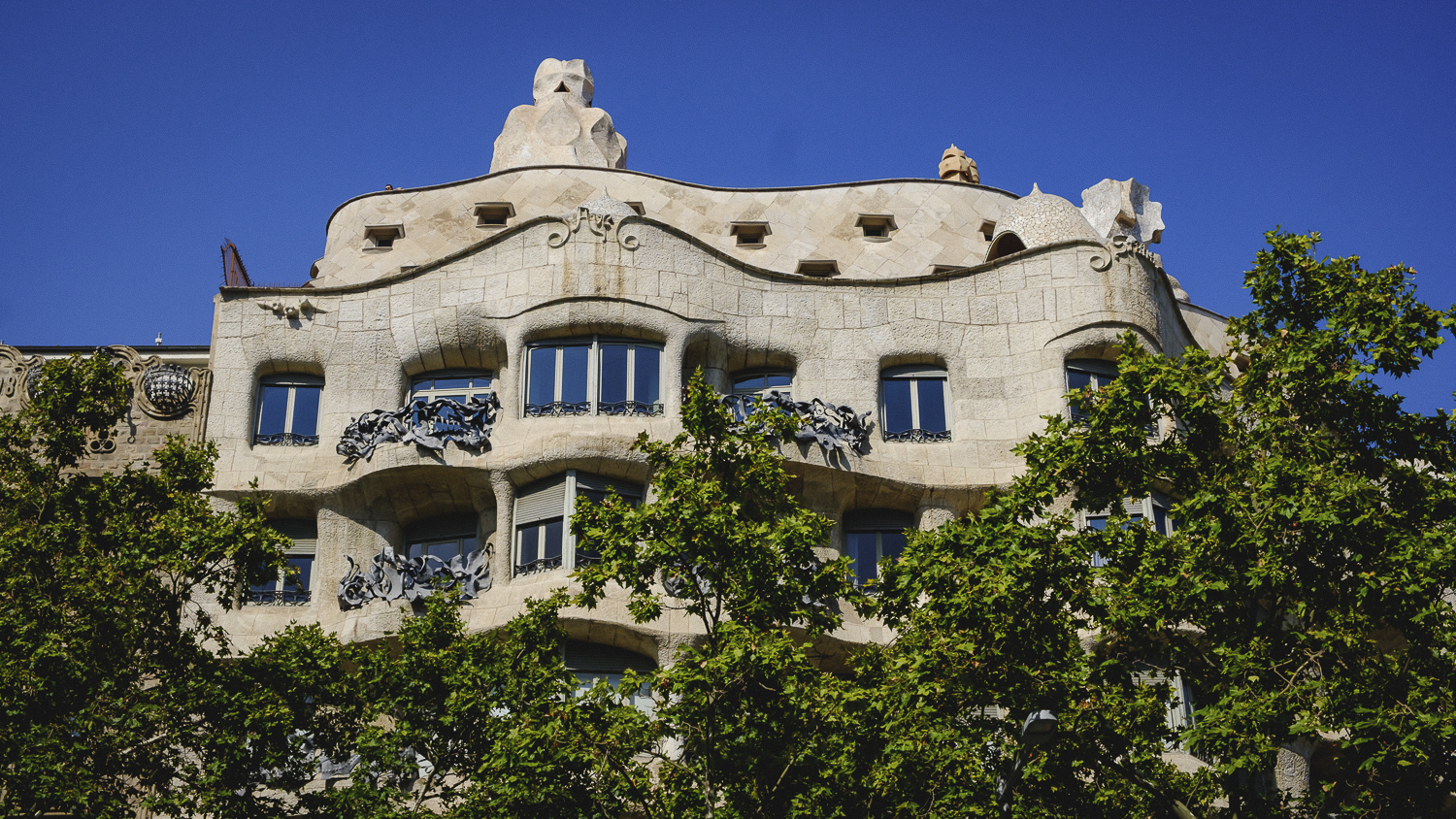
There are a couple of great Gaudí buildings on La Rambla. He was an amazing, visionary architect and I love the buildings he designed. Those curves!
Central Barcelona is very walkable, other than the main street, La Rambla, which is mostly dug up right now. It’s also a nice place to walk, even in the heat. We used the Metro a bit to get to and from a couple of places, but we did about 60,000 steps over the two and a half days on the ground. I liked it all very much.


You must be logged in to post a comment.