The Chair

Xelardo, Lliria, Valencia, Spain
18-21 March 2026

I have a thing about derelict and abandoned places, or rather, in the more heroic and adventurous section of my mind I have a thing about exploring abandoned or derelict places. Of course, the gap between where my mind is and reality is huge – I’m way too chicken to climb a fence, crack open a slightly ajar door or slither under a gate. Sneaking into places isn’t really my thing, especially on my own and in a foreign country. But, having said that…
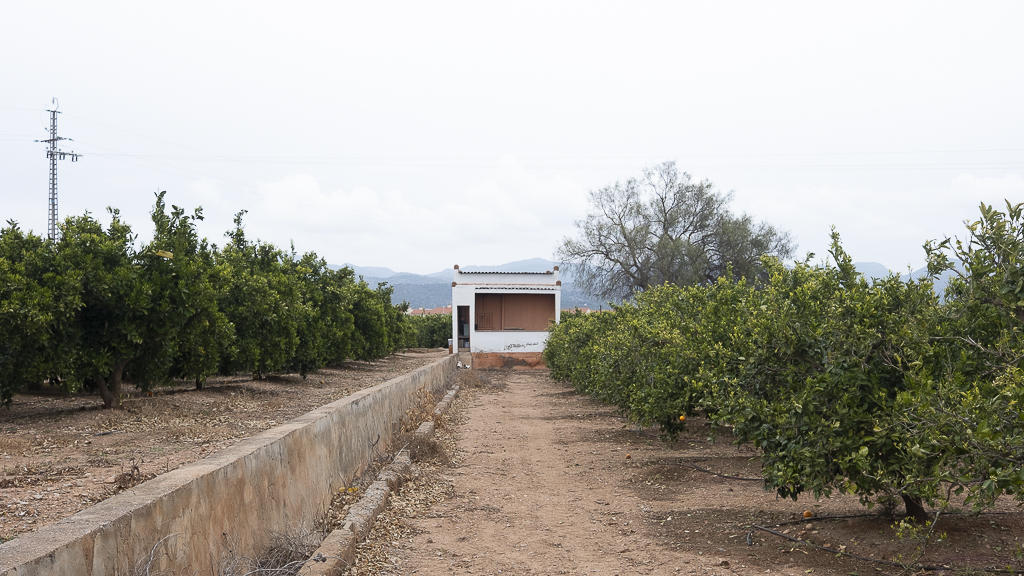
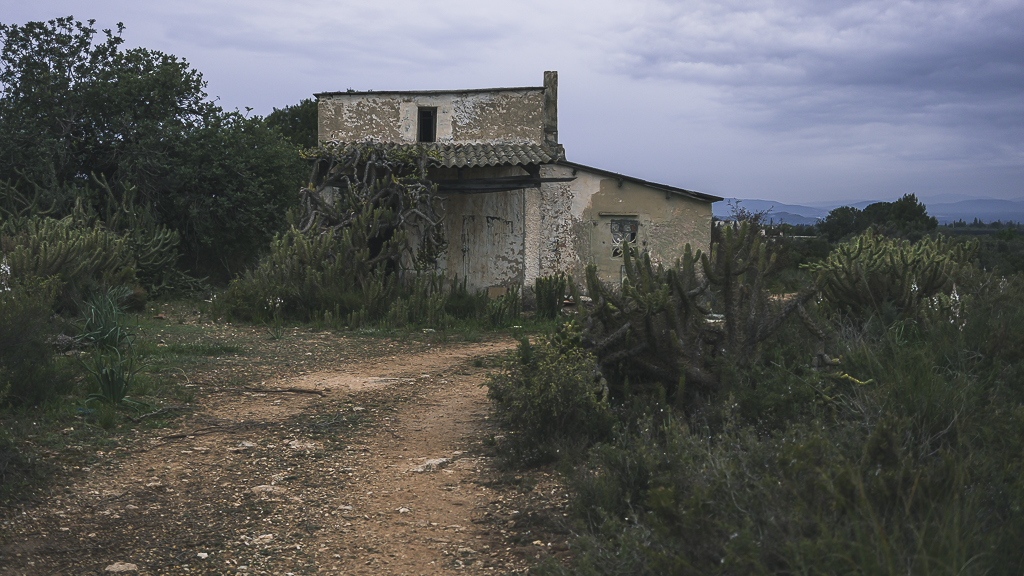
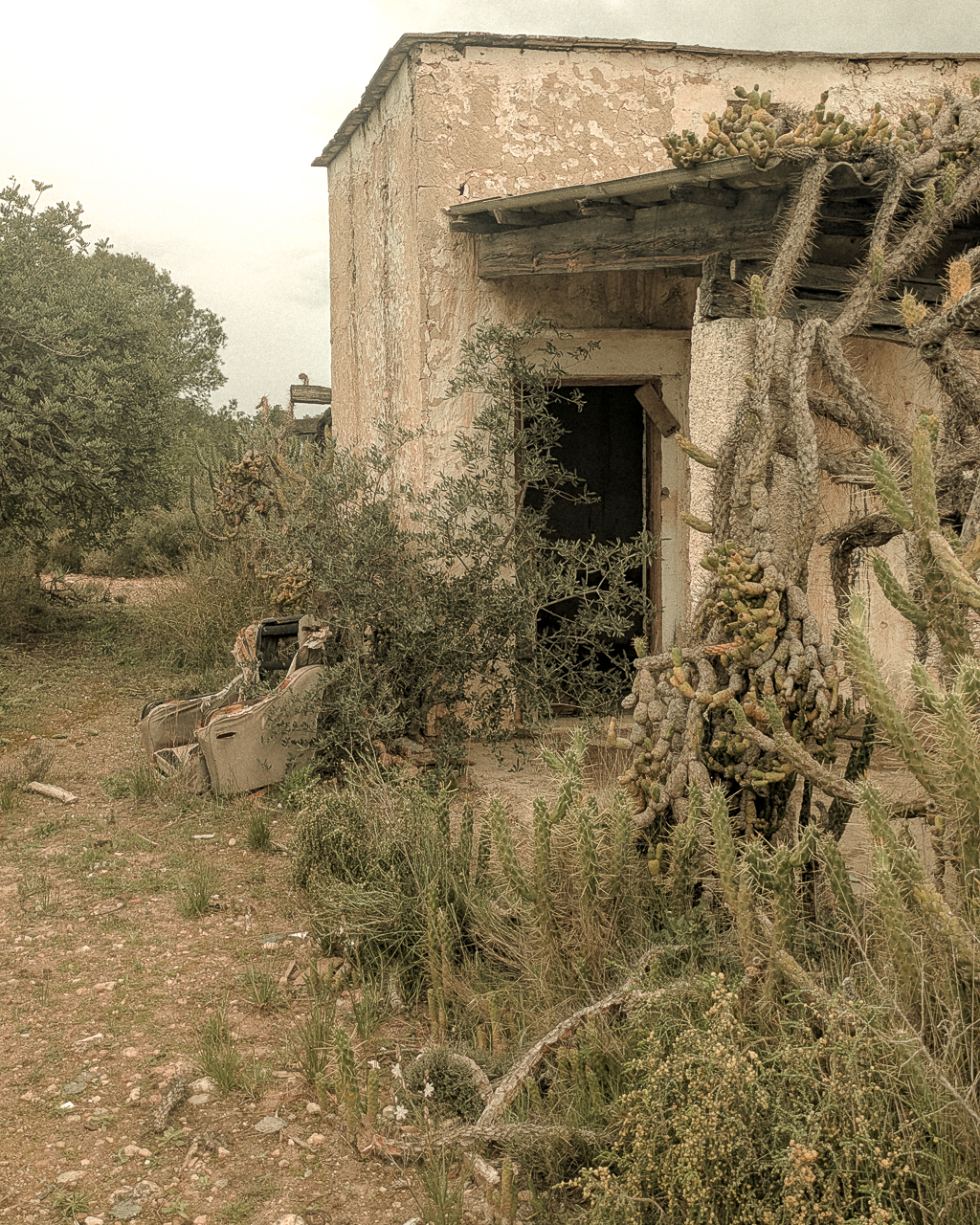
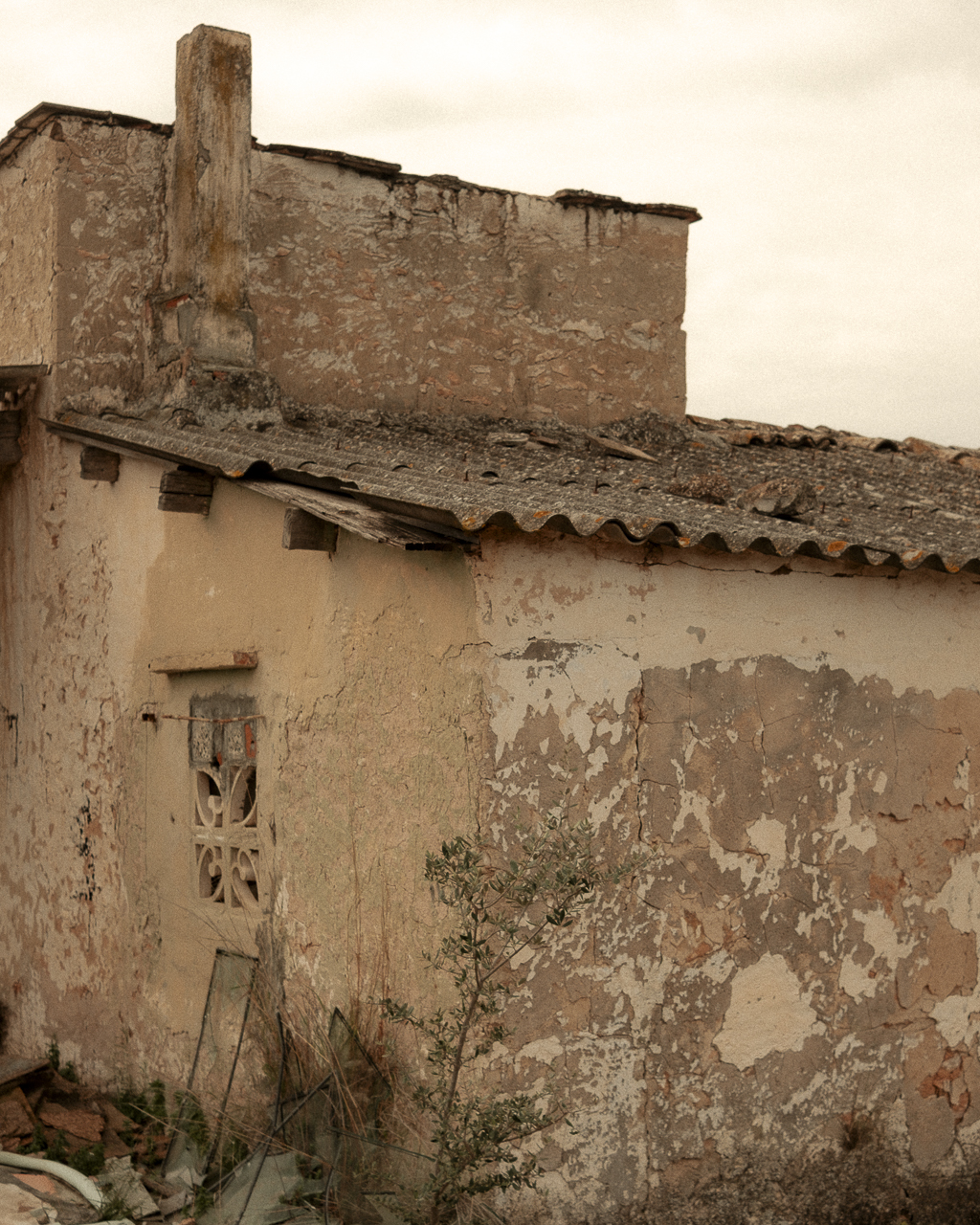
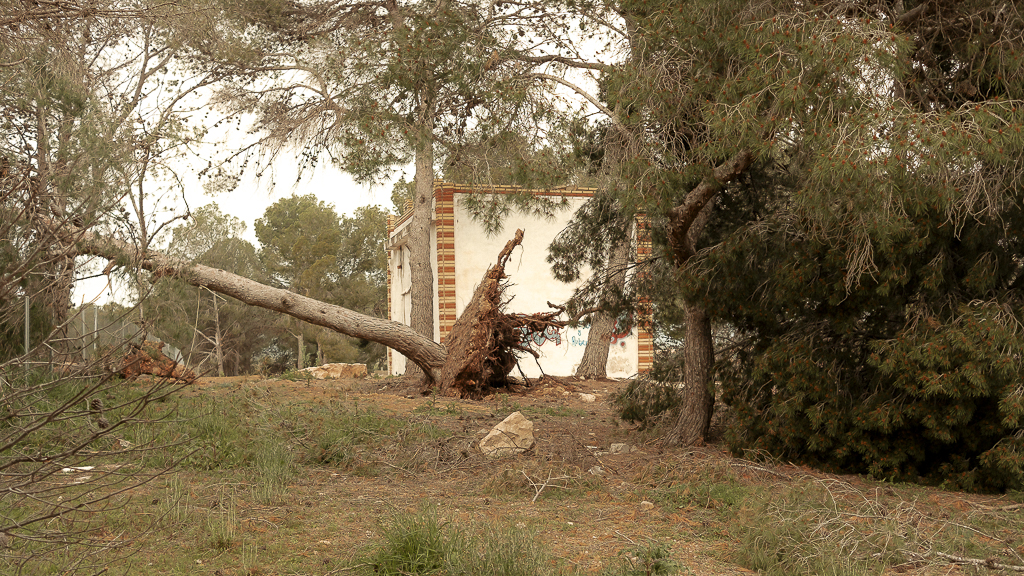
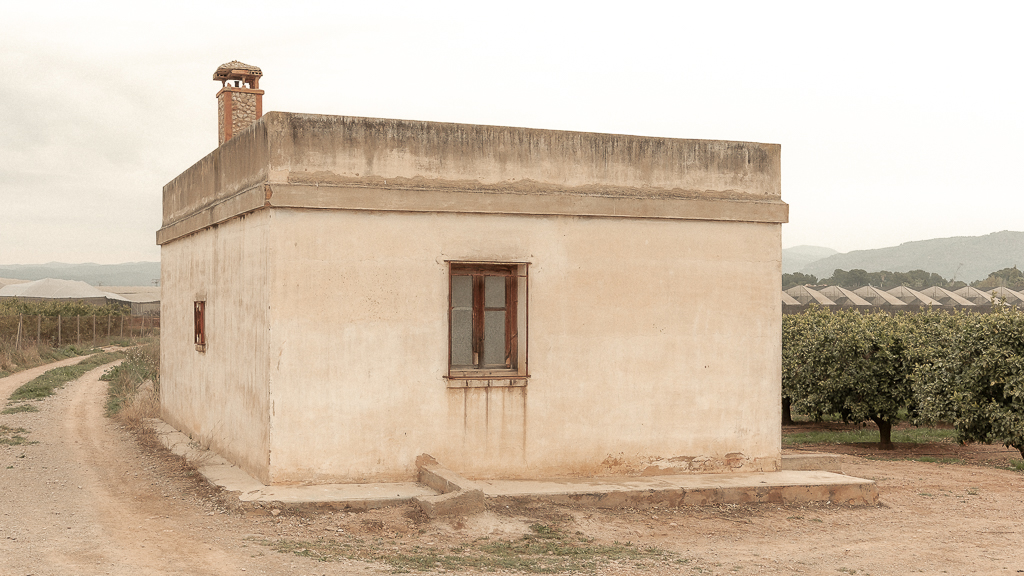
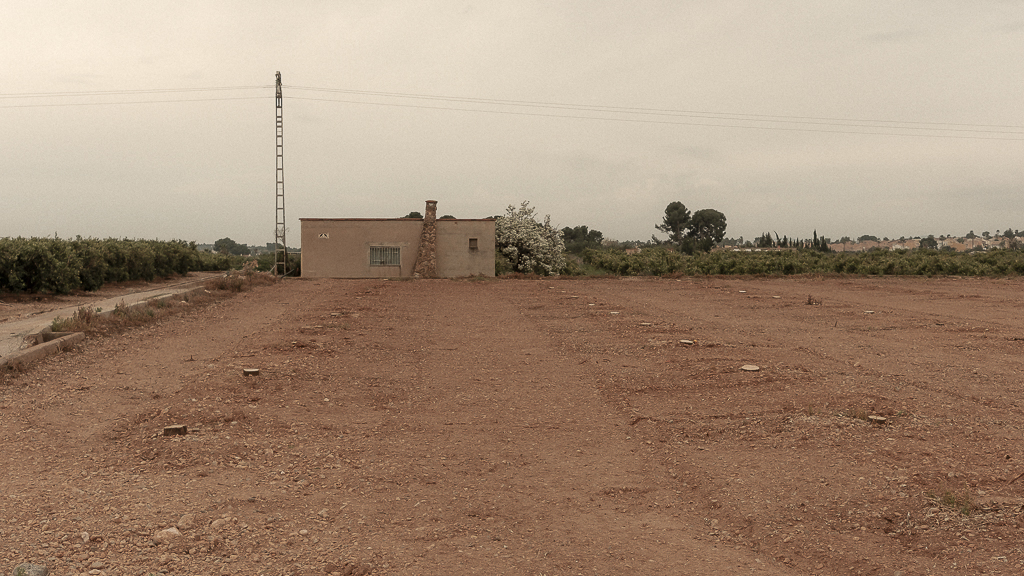
I’ve been into The House twice, the first was back in 2017, the second a year later. It sits alone and unloved at the end of a stony dirt road about 200 metres from our friends’ back fence. Back in 2017 a house that is now on the far side of that fence had yet to be built, though even before that The House wasn’t visible from their first floor deck.


I’m not sure whether The House was ever a home or just orchard workers’ temporary accommodation. There is no apparent sign of power; no plug sockets inside or powerlines running from the road, so whatever it was it was rustic. I’m also not sure when it was abandoned or why. It must have been a long time ago as there is no sign of an orchard in the hard scrabble field around it.


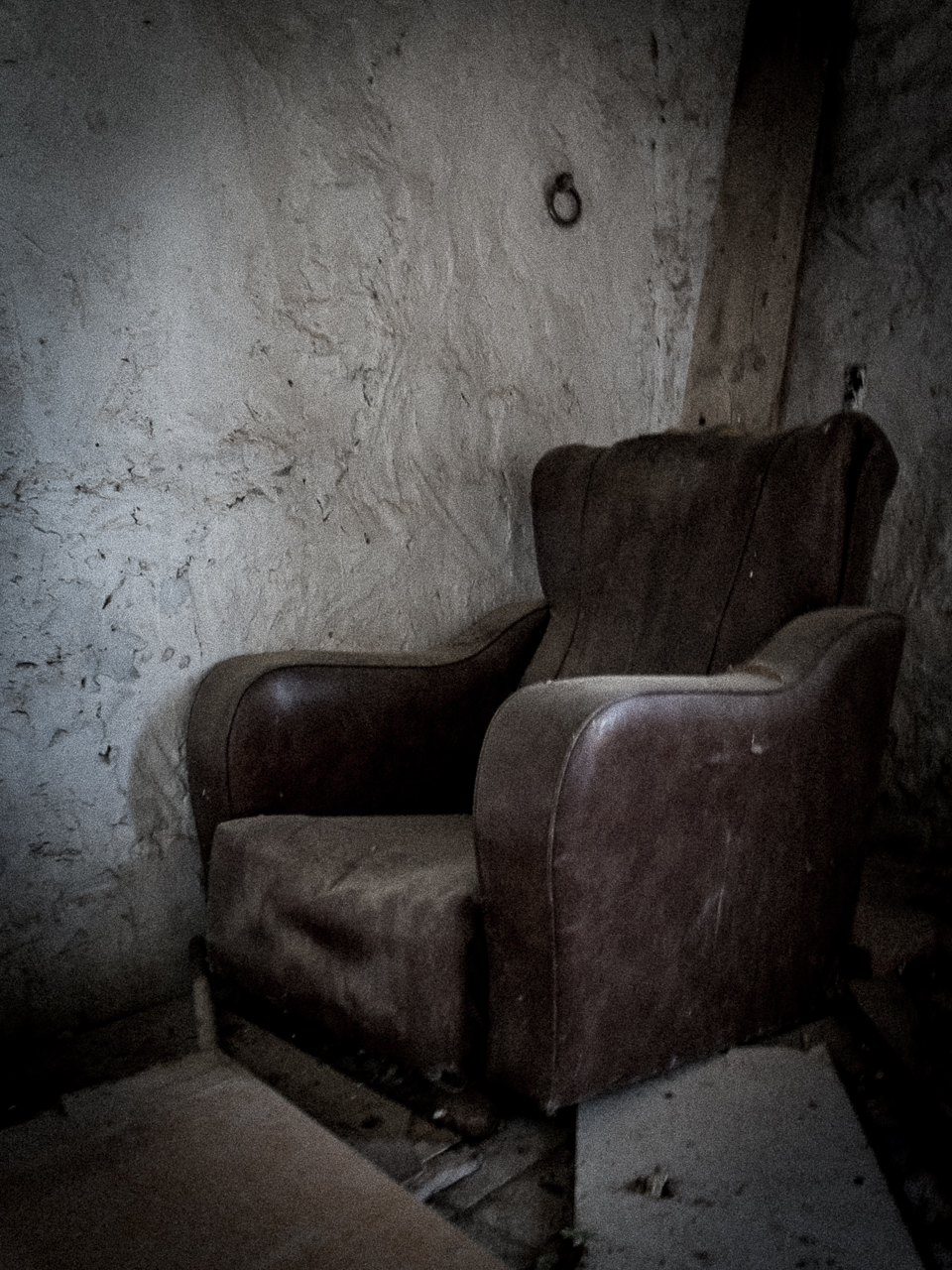
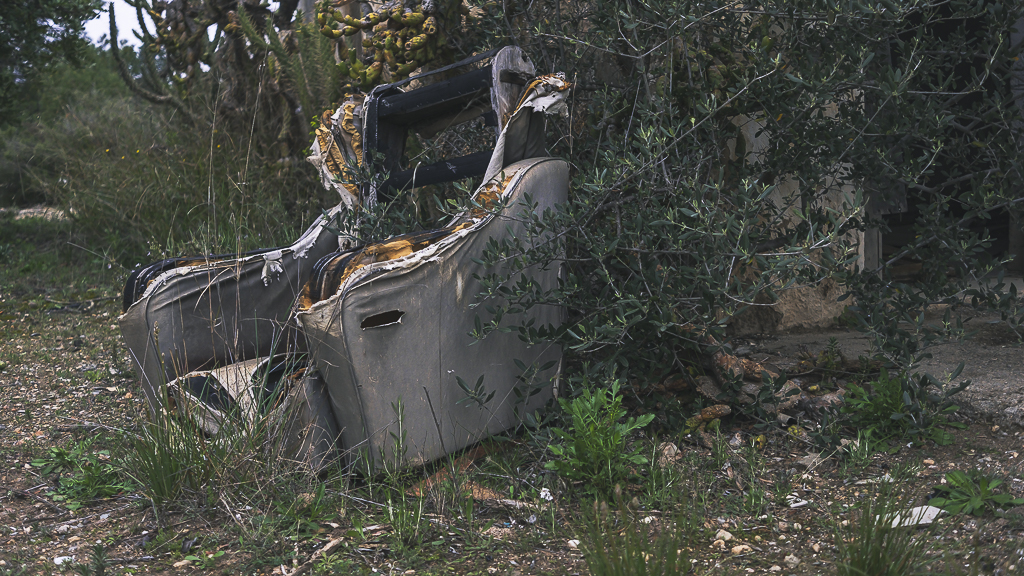
What drew me back to The House and will again next time I visit, is The Chair. I loved The Chair and wanted to see if it was still resident and what condition it’s in now, nine years after I first found it. This is from May 2017.

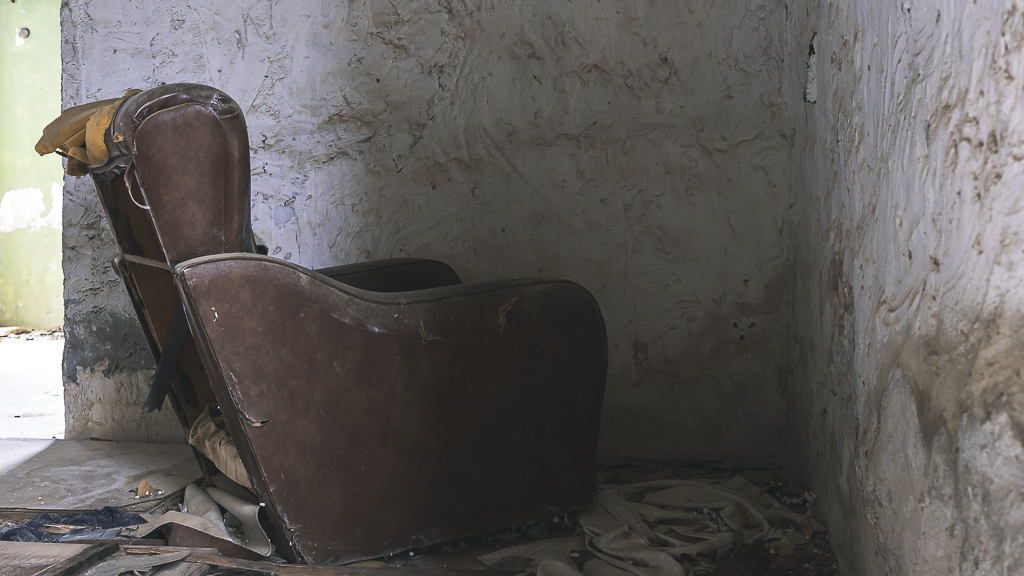
The Chair, it’s safe to say, is not beautiful. It’s an old 70s lump of wood, metal, springs and stuffing wrapped up in what I assume was fashionable at the time of purchase, brown leather. It’s not pretty, but it’s great and I’m so pleased that it’s still there and still in a reasonable state. There is some damage, but less than I expected, but it has been spun 180 degrees from when I last saw it.

I’m not sure what wild(ish) animals live in this area and I guess I should think about snakes as I yomp around in the low scrub, but I keep forgetting to check if they’re a thing around here.
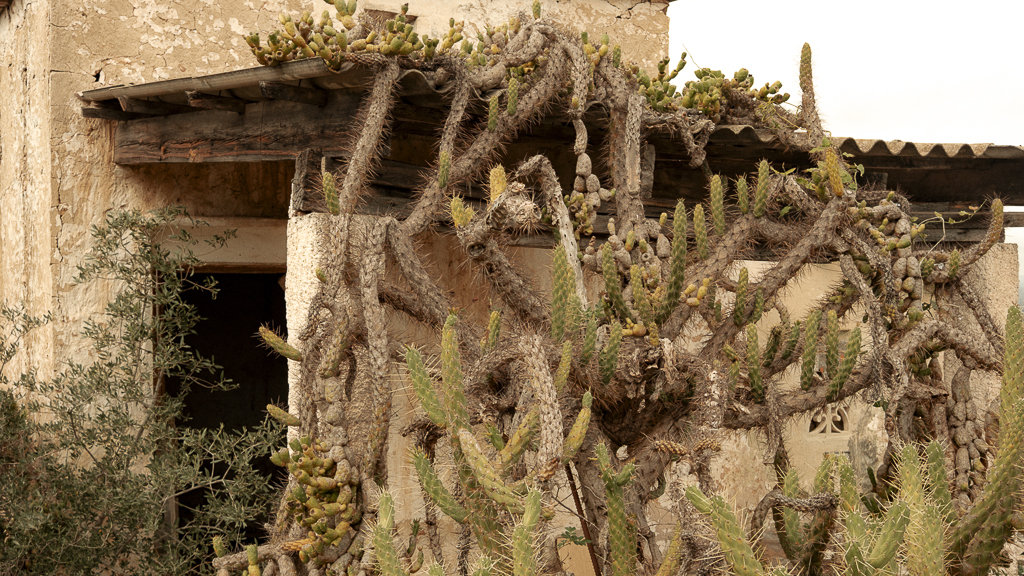
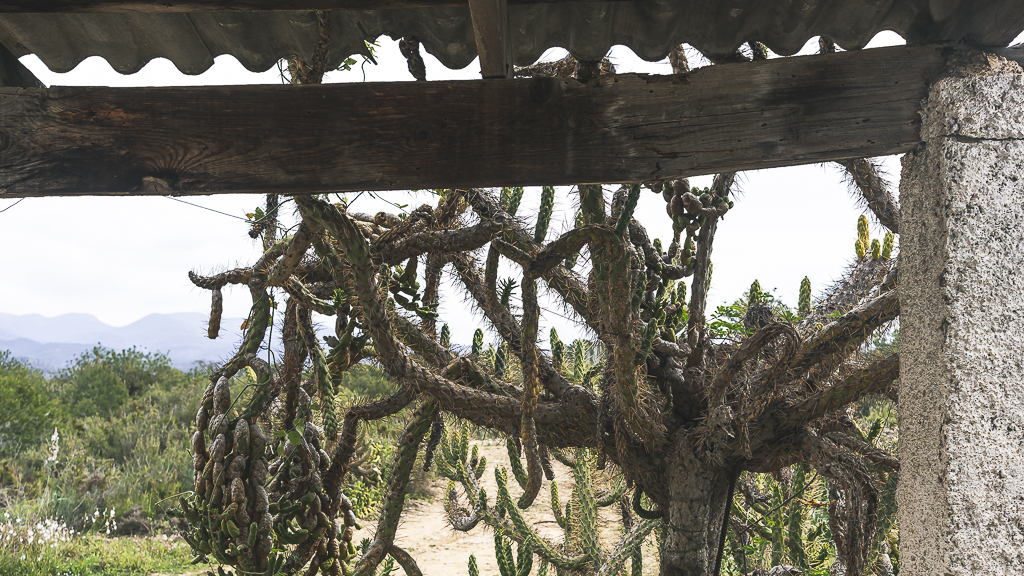
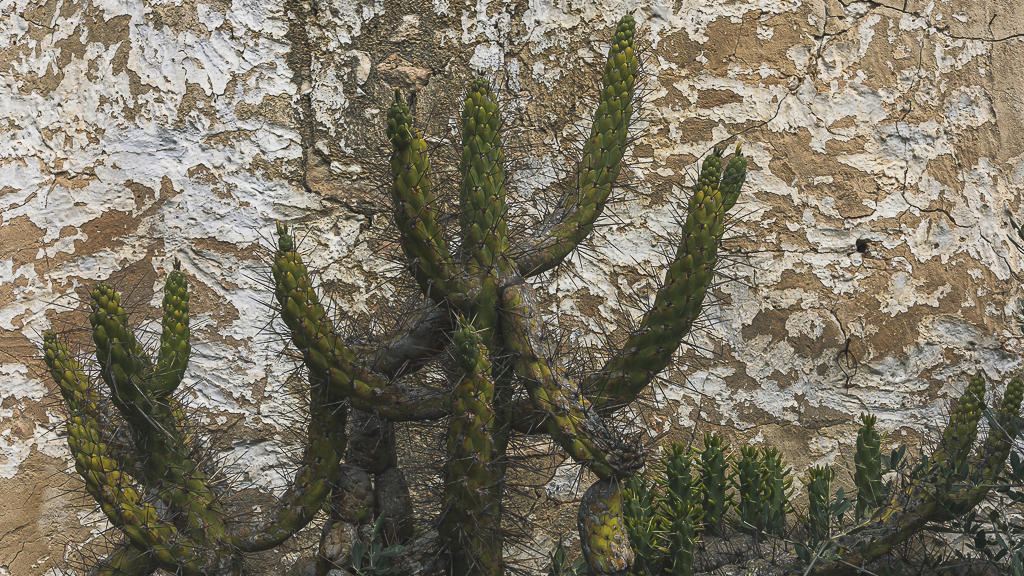
Xelardo is an urbanisation, a residential extension to the small town of Lliria, at the far end of the number 2 train line, 40 minutes from the centre of Valencia. It’s not remote remote, but it’s hardly urban. There are, of course, yoof here, but they’ve obviously not as much into vandalism as some, though a second chair that has been moved outside and left rotting amongst the cacti has been almost completely destroyed.

I made two attempts at viewing The Chair. The first, on the walk to Marines I mentioned in the last post, was disturbed by a man walking a dog and I didn’t venture into The House. On the return from Marines the coast was clear, so I nipped in and took my photo. If I was less chicken, I would have explored a bit more.

Xelardo 2

Xelardo, Valencia, Spain
18-21 March 2026.

Friday
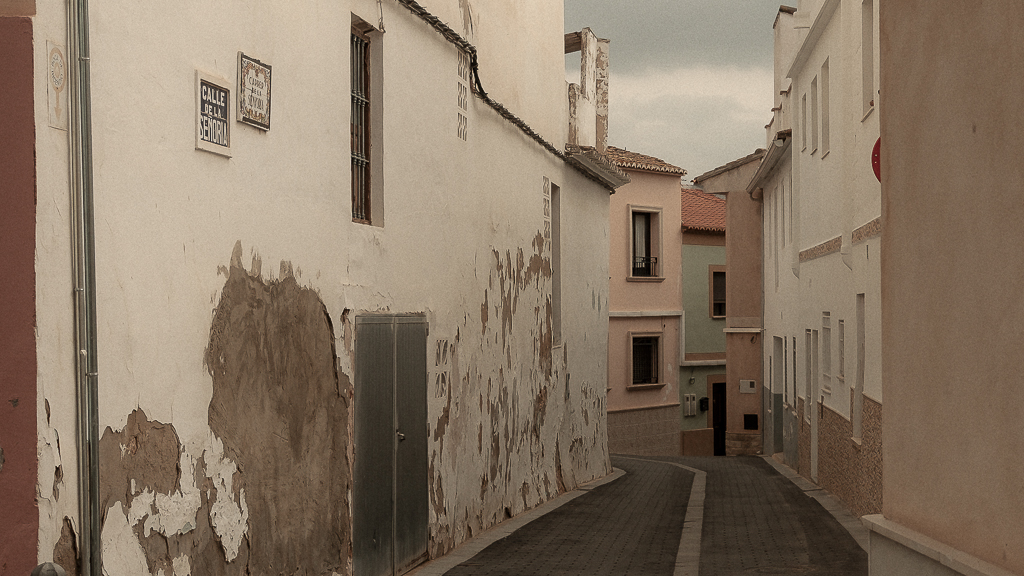
After the excitement of Fallas and a full day in Valencia Paul and I decided to keep it ‘local’ and stay in the Lliria area. I like it here. Good coffee, decent food and fantastic cheap wine are key draws, but the town has a decent vibe. It’s a workers’ town, though, like everywhere in the sunny parts of Europe there are plenty of Brits, Germans and Dutch, and quite a few out-of-town Spanish who are not working locally, or even here that often. People seem to get along and there are no overt signs of foreign influence.

After the walk around the edge of Xelardo I wrote about previously, and with lunch time pending and rumbling tummies, we mounted the electric bikes again and set off for the even smaller town of Vilamarxant, 15km away.

We follow the usual route to Lliria, through the mostly deserted suburban streets, across the highway and then bike path all the way to the other side of the town, passing through the Parc Municipal de Sant Vicent, a large quiet park with a church as its centrepiece.
For the first time I’m riding beyond the train station on the opposite edge of Lliria to where I’m staying. The train station is the second to service the town; the original station now sits at the start of an old national railway line that has been converted into a cycling and walking path and part of a circuit that crosses Spain.
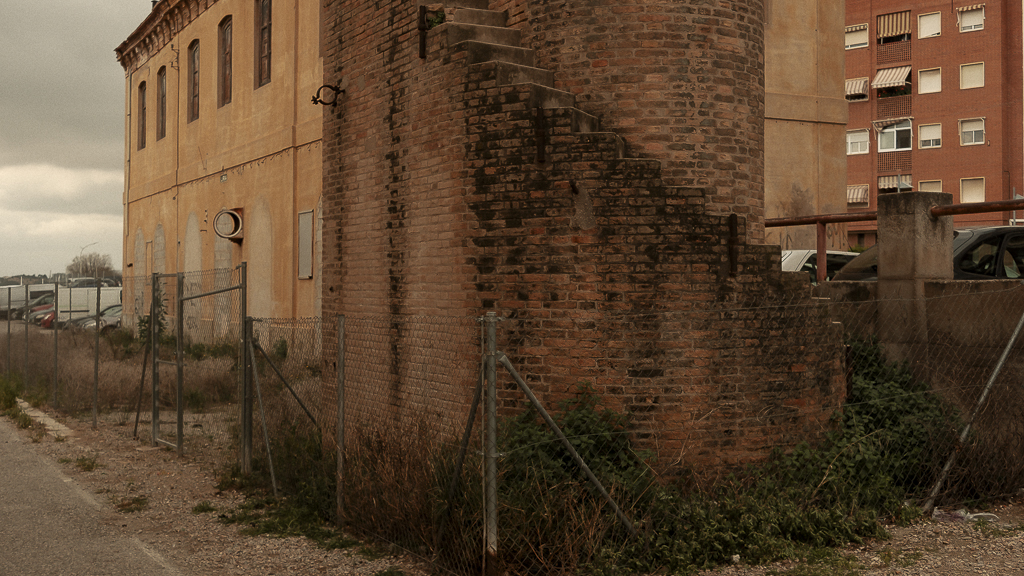
Leaving the southern side of Lliria is a reminder that this is a working-class agricultural service town on the edge of a vast valley full of orange and olive groves and vineyards. As we pedal past decaying infrastructure, closely followed by the modern infrastructure that replaced it I was expecting the gentle waft of orange to tantalise my nostrils; instead, it’s the most urban of smells, weed, from a group of lads having a not so sneaky spliff on a bench beside the path. It is the final Friday of the school holidays after all.
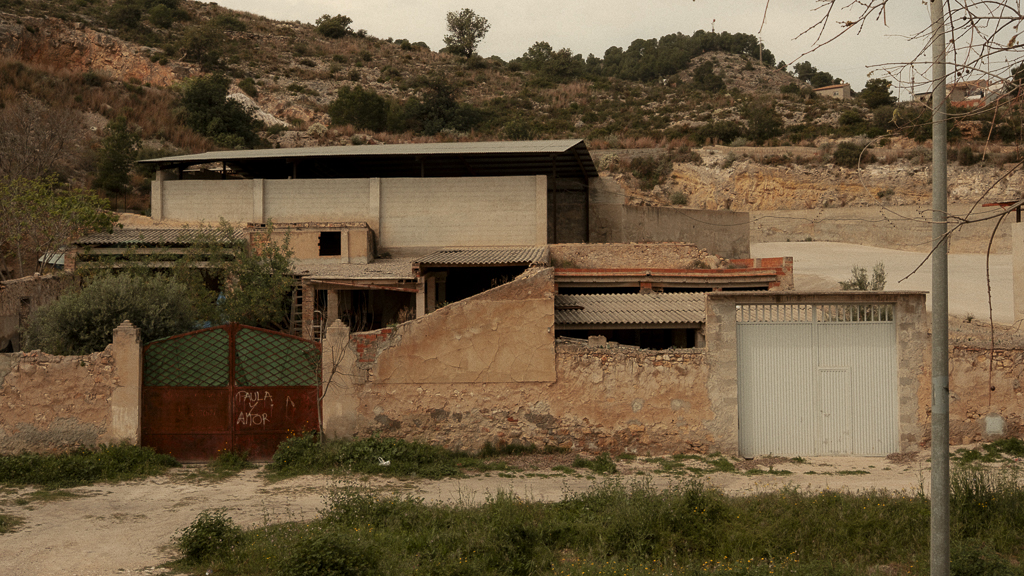
The path is sealed for most of the ride to Vilamarxant, a small town on the banks of a subsidiary of the Turia River. The normally placid river that feeds the vast irrigation system watering the groves all over this valley was on the front page of newspapers all over the world when nine months of rain fell in one day on 29 October 2024 when Storm Dana hit the region. The river flooded with devastating effect resulting in the deaths of 223 people across the Valencia region. Vilamarxant was ‘lucky’ as the centre of the town is uphill from the river, however, the main bridge across it was washed away and the town was cut-off for two days. It was hard to equate this peaceful early spring day with a storm that fierce, or that the river below was capable of such horrific damage.
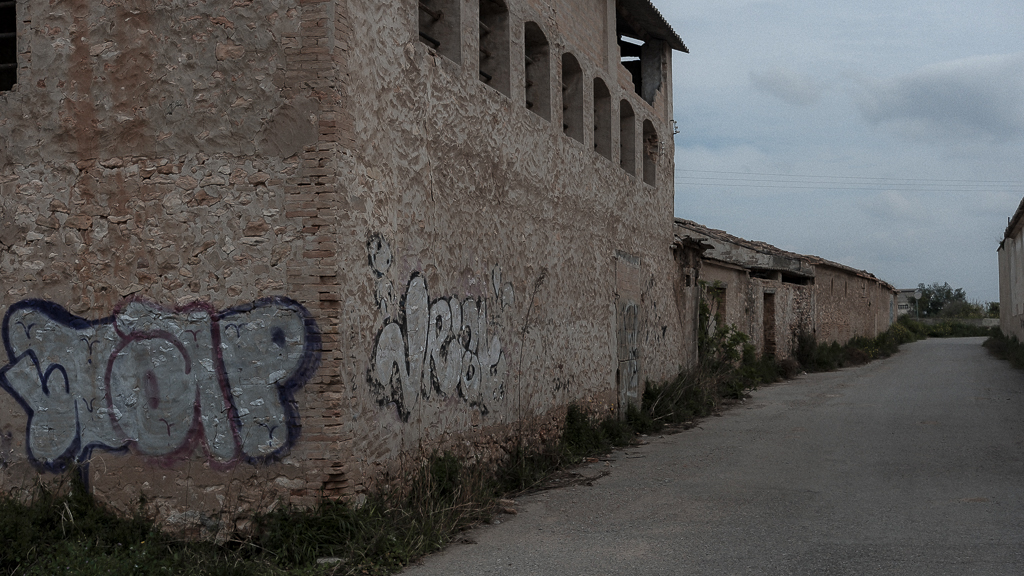
The ride there and back again is a joy, especially when the electric bike is put to use on the unexpected ‘hill’ on the return. We pass through Benaguasil and I stopped to take photos of the station, and to catch my breath. I was preserving battery on the way out as I had no idea how long it lasted and wanted to use my legs while they still worked. Not having done a lot of riding in the past few years I don’t have the same legs I used to 15 years ago when a four- or five-hour ride on a single speed was the norm. I must get on the bike again when we move back to London later in the year.
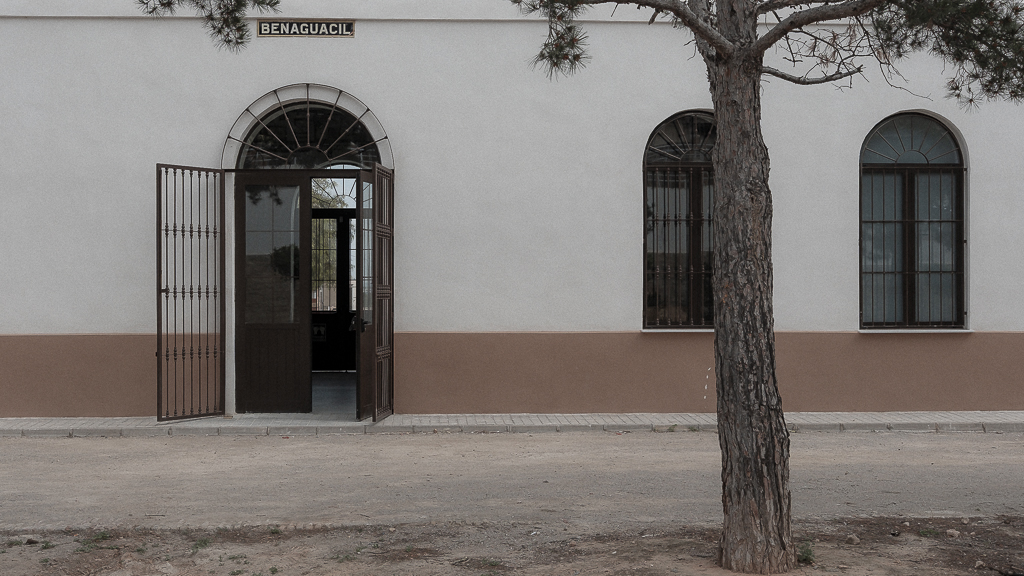
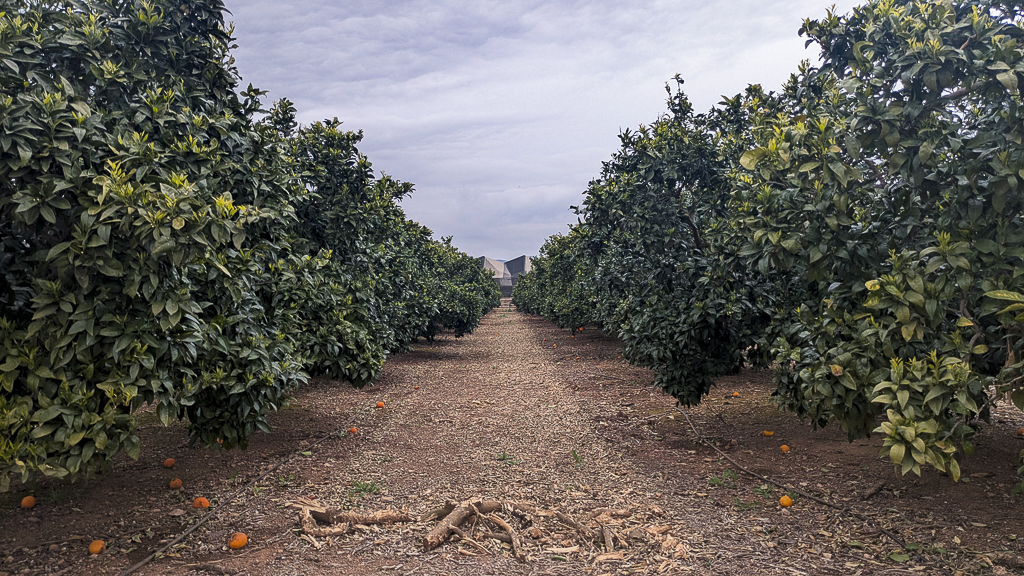
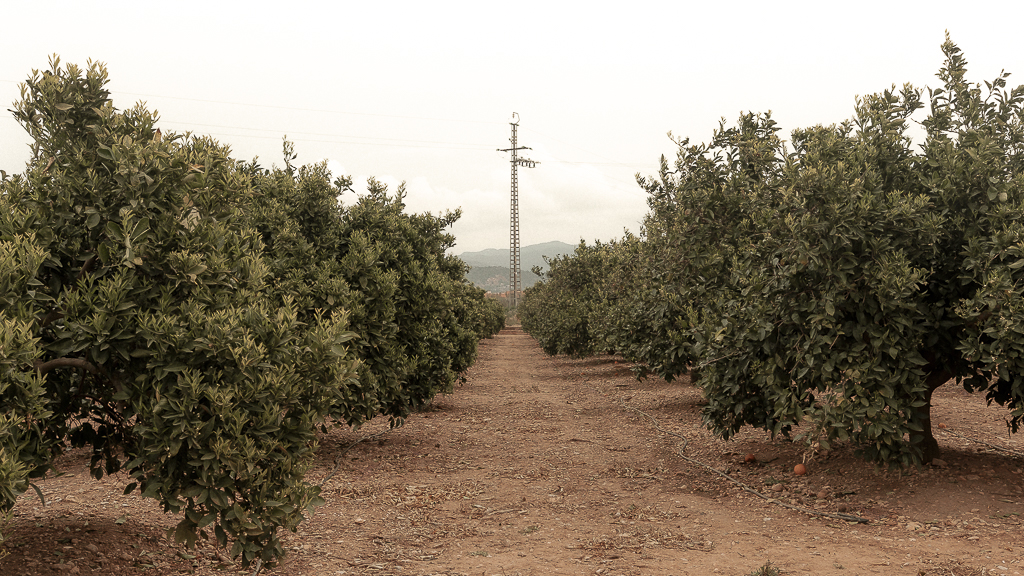
The surroundings are interesting. We are in Valencia orange country, so there are orange groves all around, there is a lot of olive-growing here as well. I’m guessing picking season is over, most of the trees were denuded of fruit, and there are plenty of oranges rotting on the ground under trees – one of the reasons why I was expecting a gentle orangey aroma as we pedalled through.
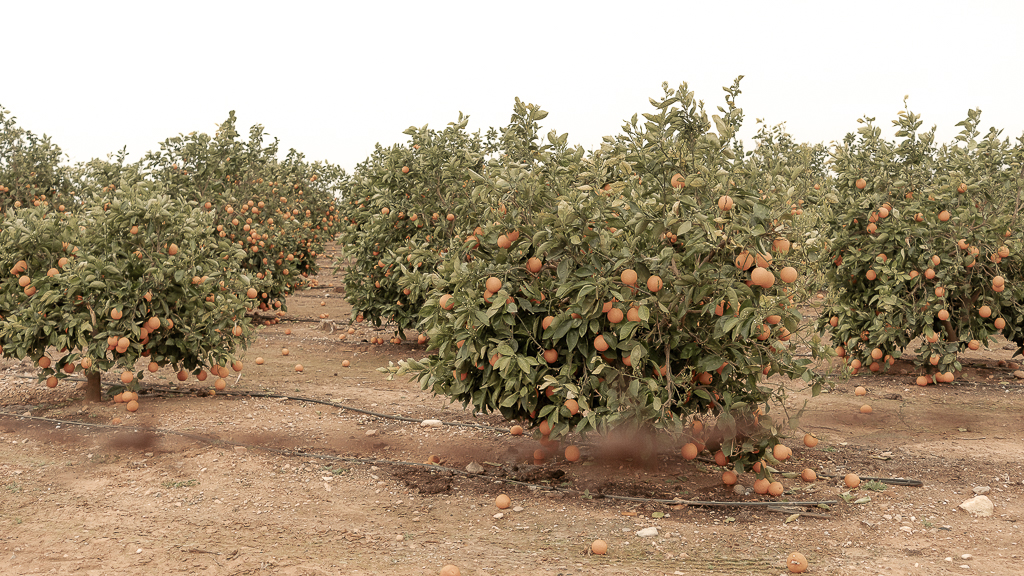
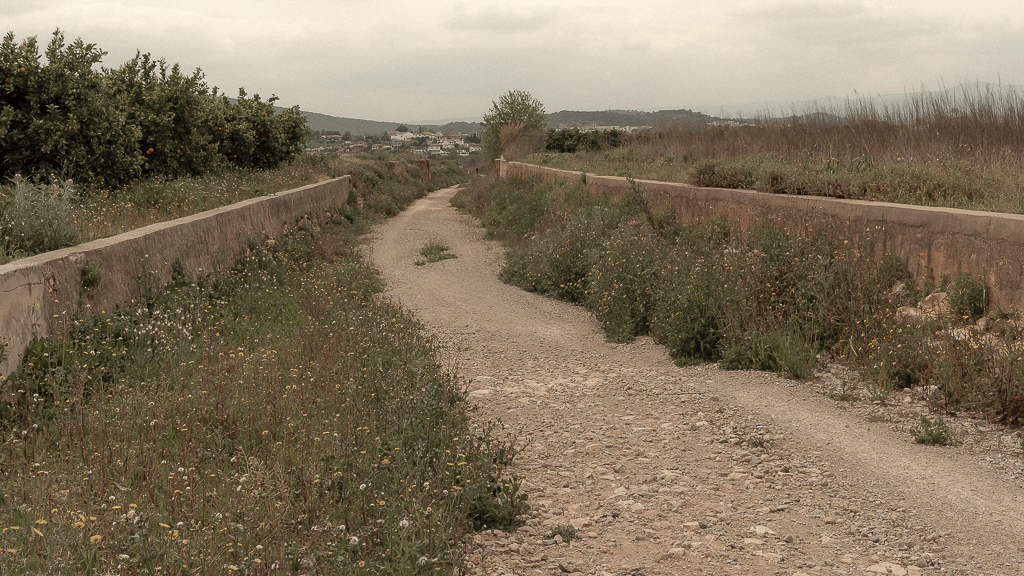
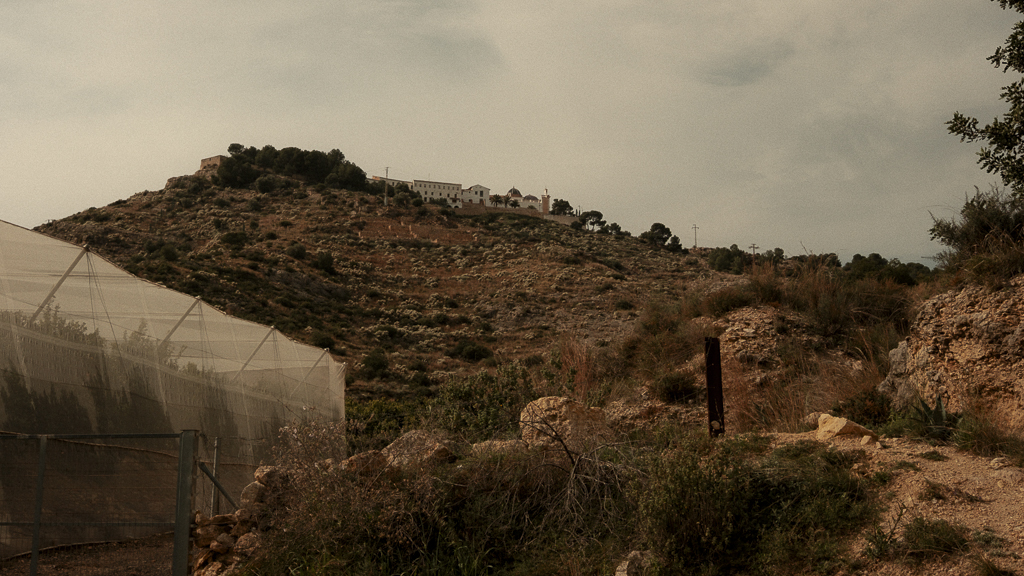
The Valencia region sort of sits in a big valley between some low slung hills – be hard pressed to call them mountains – though unlike some valleys there are plenty of ups and downs between the edges. A monastery and a convent each adorn a barren rocky hill we ride past.
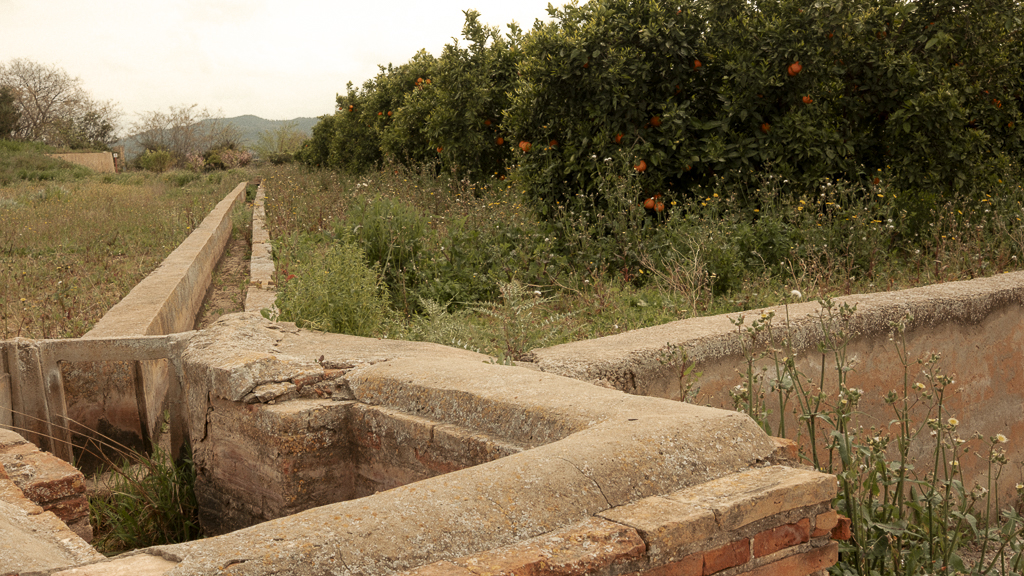
The ground is very dry; the earth is a reddy-brown and there are few old growth trees to hold things together. There is a vast network of manmade stone and concrete irrigation systems. These are all dry, though it had been raining before I arrived and it is due to rain after I leave; a rare holiday for me without getting drenched.
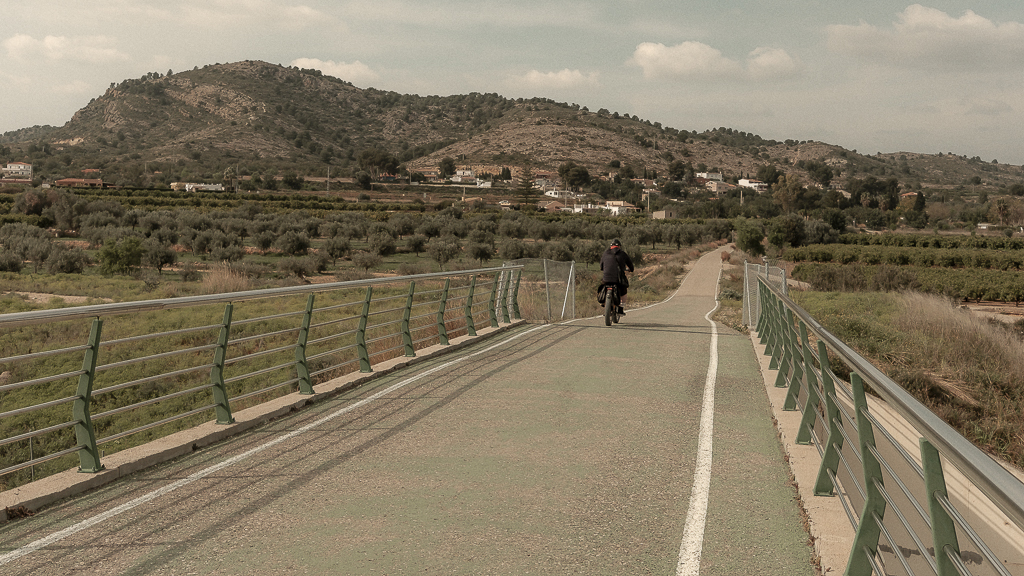
Crossing the river on a purpose-built bike/pedestrian bridge we leave the bike path and ride up the side of the busy highway on a narrow path. This is cycling territory so none of the cars that whizzed past come to close and us old blokes on our electrically assisted bikes were never in any danger.
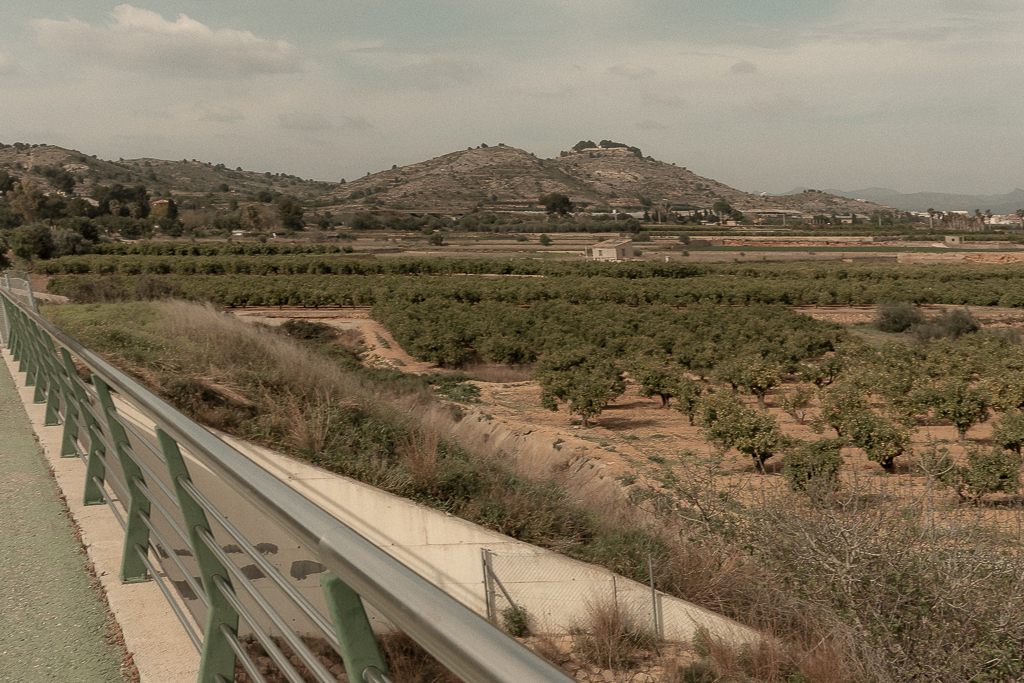
I stop on the far side of the river to take a photo of Vilamarxant before we cross the remaining narrow road bridge into town.
Other than for the journey itself, I can’t remember why we came here for lunch, though it was superb. A workers’ Friday lunch: three courses, a drink and a coffee. I had a small beer and squid ink paella for a starter and it was delicious, not the sort of food I’ve come to expect from a workers’ caff in England. We were there quite early, Paul had booked a table which seemed silly as it was almost empty when we arrived, however, by mid-service it was rammed, primarily by regulars, though there was a small group of road cyclists in their Lycra as well. There was a real hubbub as the staff rushed between tables, taking orders, refreshing drinks and handing out plate after plate of food. It was great.

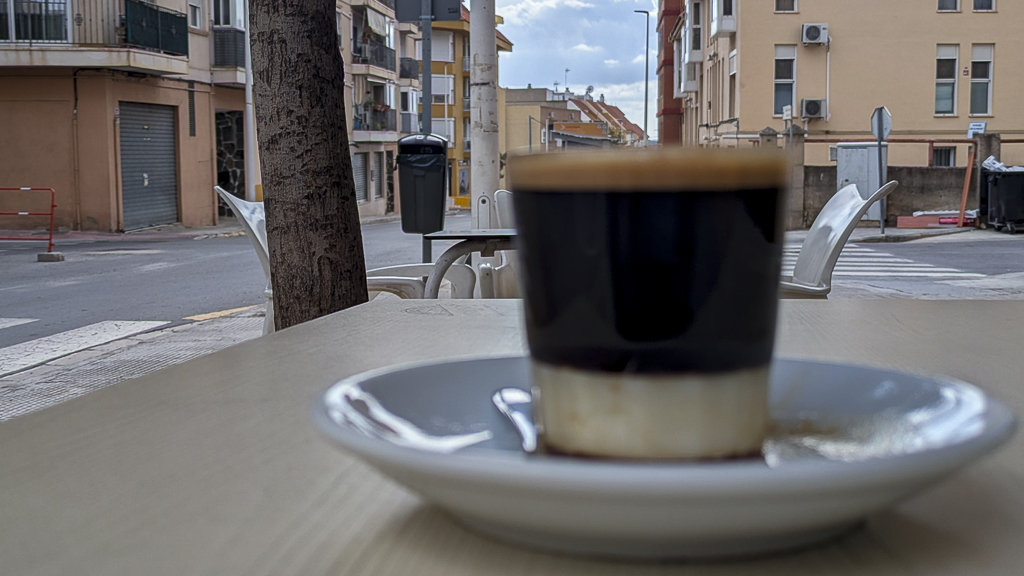
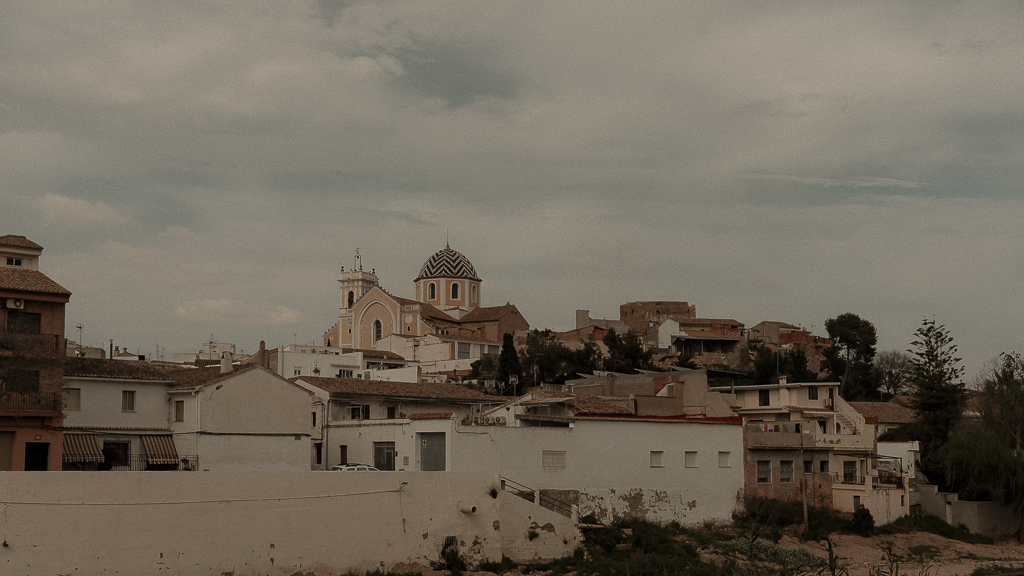
I finished my meal with a café bonbon, my new favourite coffee.
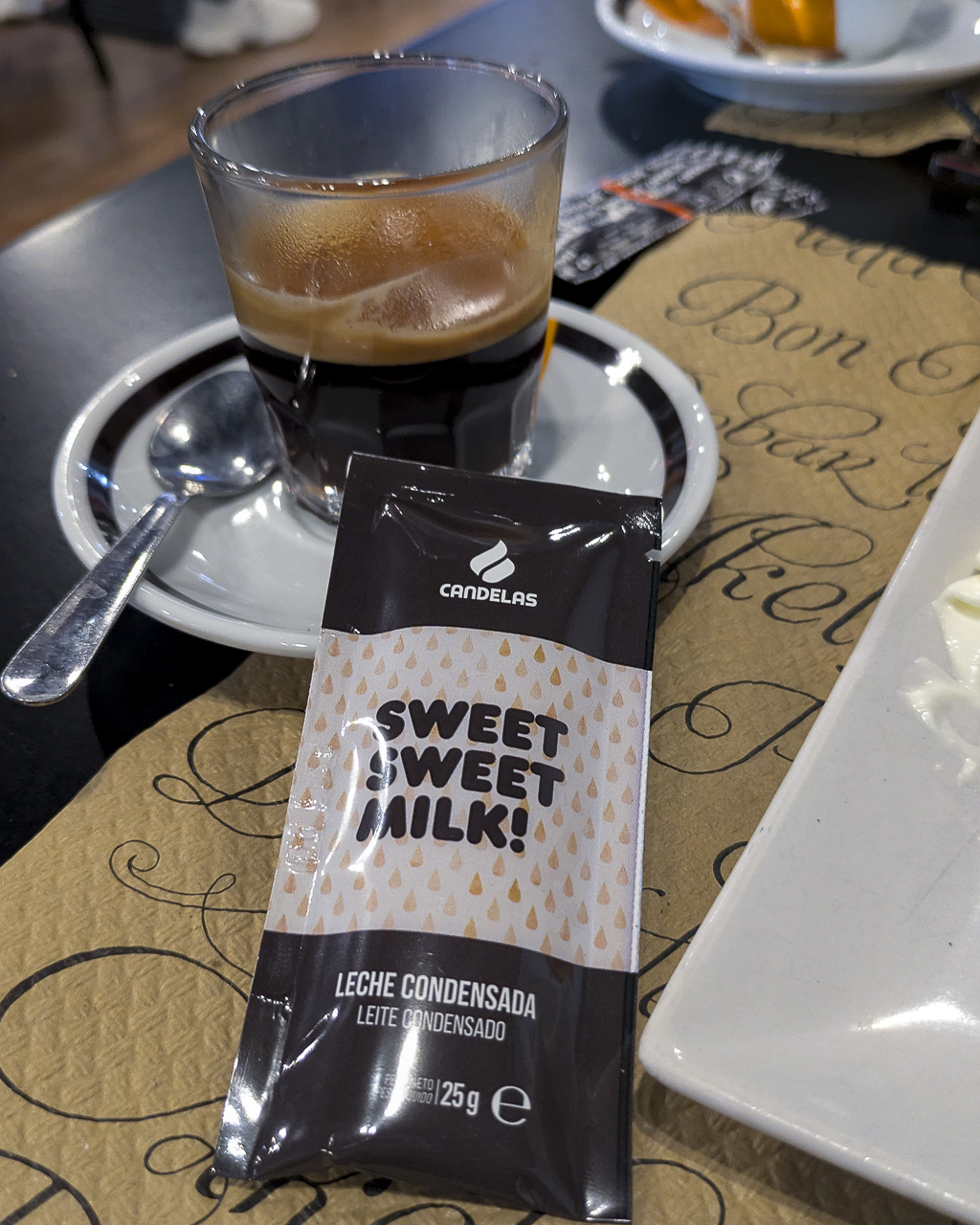
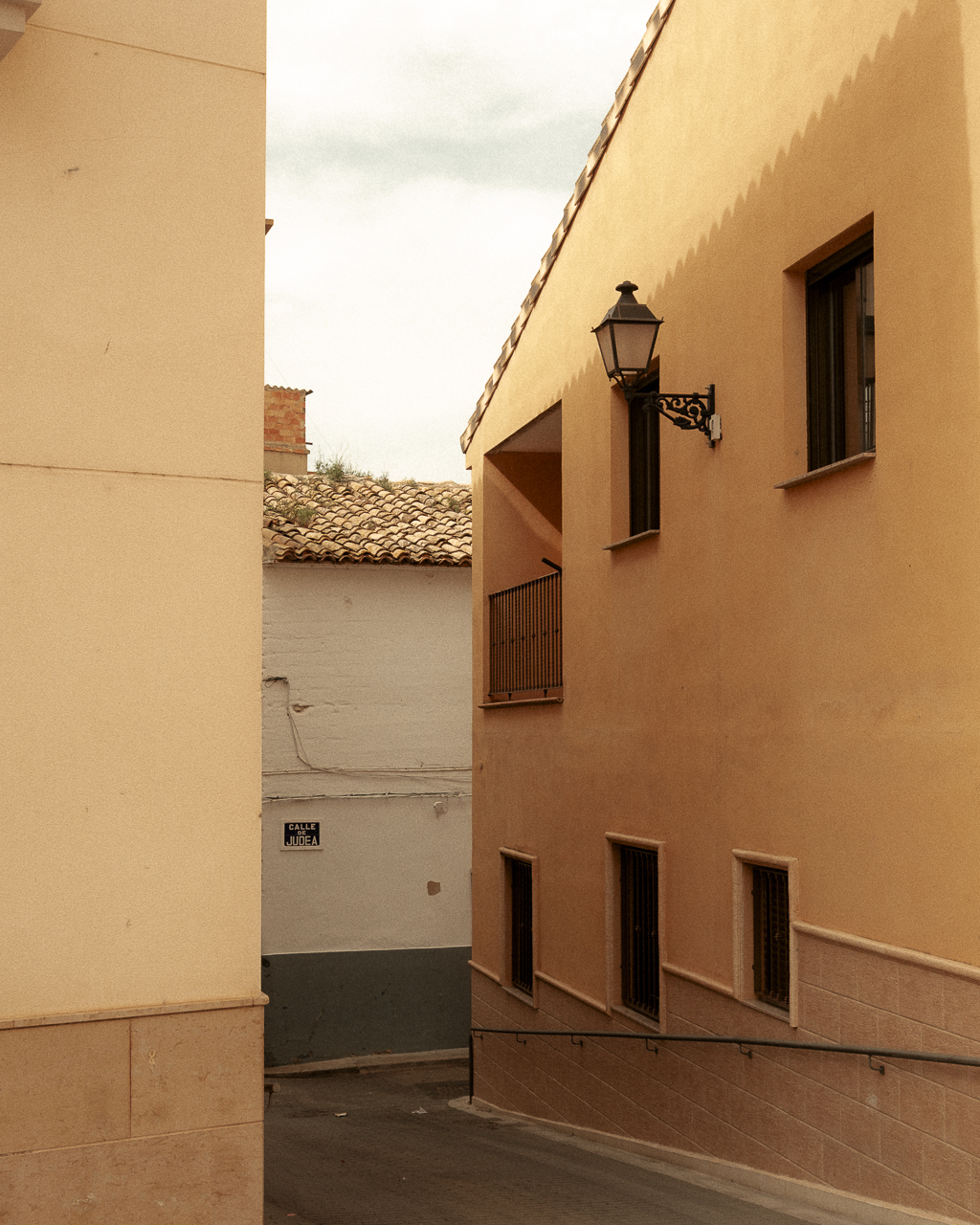
After lunch I wobbled off up the very short hill to take a photo of Santa Catalina Parish Church which sits at the top of the small peak that is the middle of the town. It’s a small village, but this is Spain and there is always room for a narrow street or two, and the old town lanes gently lead you up the church. It was late lunch, drifting into siesta time and the streets are deserted except for a tired woman pushing a pram up a steep hill before entering the top most house, followed closely by a second chid and a hunched over older woman.
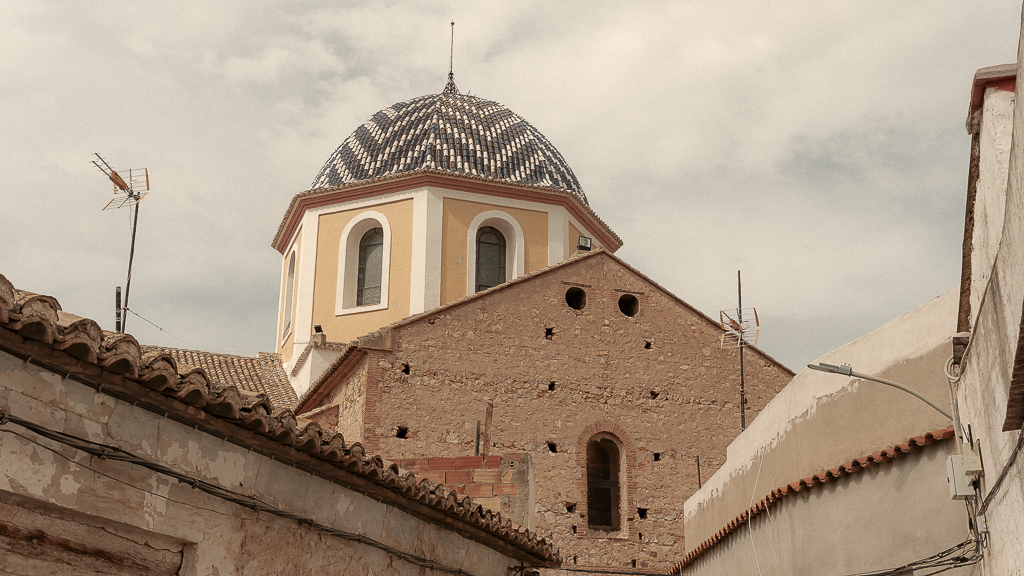
I wandered back down to join Paul at the bikes and we took a slow ride back to Xelardo. I must say I was most thankful for the power boost provided by the battery on the gentle climbs and the short sharp shock climb at the end of the park. I mean it’s really short and really sharp.
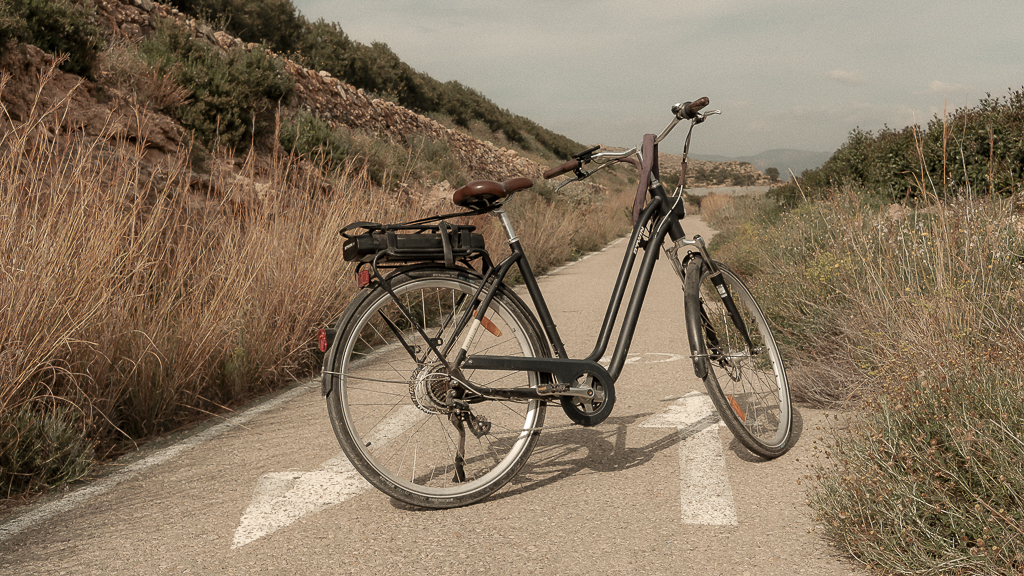
I needed that ride, it felt good to be back out on a bike again, especially as I didn’t need to pedal that hard!
Saturday

My final day in Spain for a while and the best way to end my trip was with the workers’ breakfast at a café whose name I never knew in the nearby town of Marines. Paul’s son had joined us overnight and as there are only two bikes I elected to walk the 40 minutes to the café. I’d walked there with friends about 10 years ago and was interested to see if the area had remained the same. I also had a sneaky sub-reason for going and I will cover that in the next post.
I always think of Spain as hot, but of course it gets as cold here, and while it wasn’t as nippy as at home in St Leonards it was still cool enough to head out the door in a jersey and a light jacket. The sky was smothered in a light grey blanket, which suited me perfectly.

The first surprise is one of the roads is now sealed, and there seem to be more houses than I remembered. The second surprise is that according to my map app and my memory the two roads I’m using joined up, but the reality is they don’t. I had to walk across a small field, then an adjoining small field and down the driveway of a, fortunately empty, home. A farm worker ploughing another field nearby ignored me, so I assumed it was OK. I returned the same way, and no-one got upset then either.
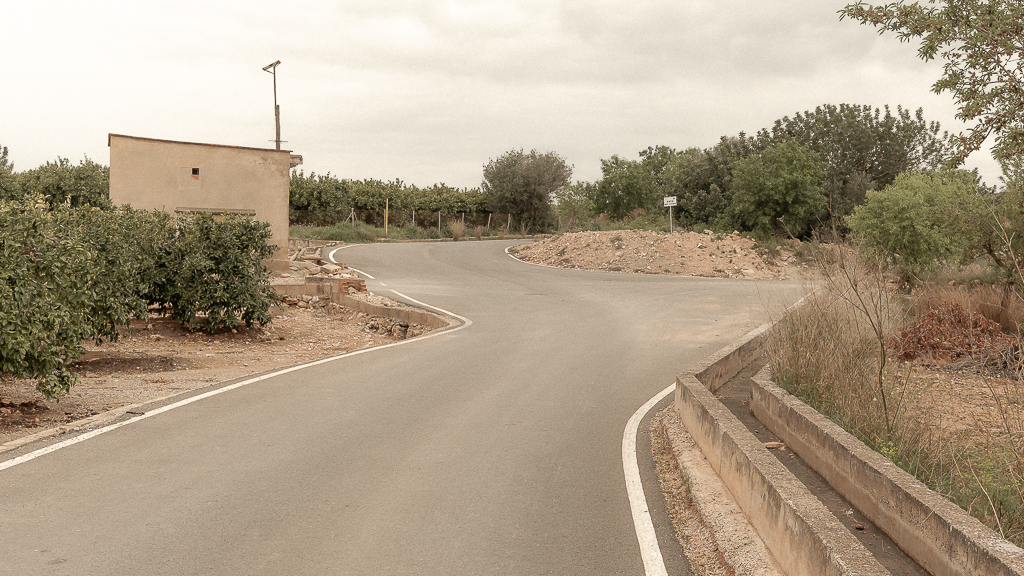
I enjoyed the walk, it was peaceful; other than the bark of dogs and the buzzing of propeller-driven planes taking off and landing from a small airport nearby. Barely any cars passed me and, other than the man on the tractor, I only saw a young couple walking a dog; it was a solitary and reflective time among the dirt and orange groves.
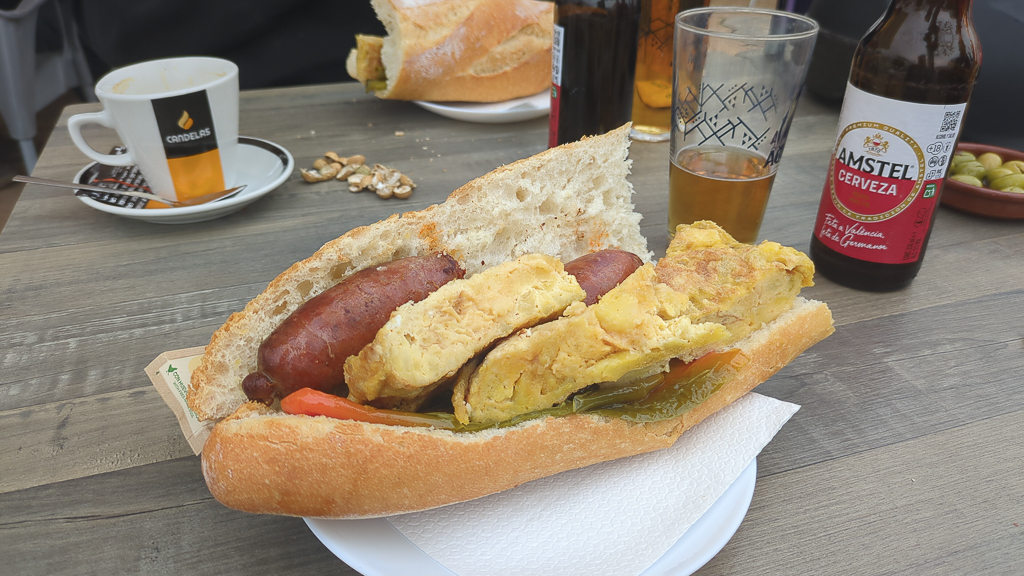
The others arrived just before I did and I saw them locking up bikes as I got to the main street of Marines. The café is busy, this is a popular place for the people of the village and its surrounds as well as road cyclists from who knows where. There seems to be a cycling theme to the cafes around here. There is a breakfast deal on Saturday morning, a drink of your choice; including beer, a coffee and a bocadillo – half a baguette with three fillings of your choice from a list of about 20 items. I went for red sausage (chorizo), tortilla and red pepper. I expected the fillings to be sliced thinly, but this is Spain so that was a silly idea. It is HUGE, rustic and perfect; though I was unable to finish it all.
After lunch I’m introduced to what is now my even newer favourite coffee by our young English-speaking waiter, a carajillo. A single shot espresso, a nip of rum and a touch of honey. A perfect heart starter on a cool Saturday morning.

I meander back to the house and after packing up my stuff I’m off to the airport and the flight back to London. A shame to be leaving so soon after arriving.
Valencia – Fallas

Valencia
18-21 March 2026

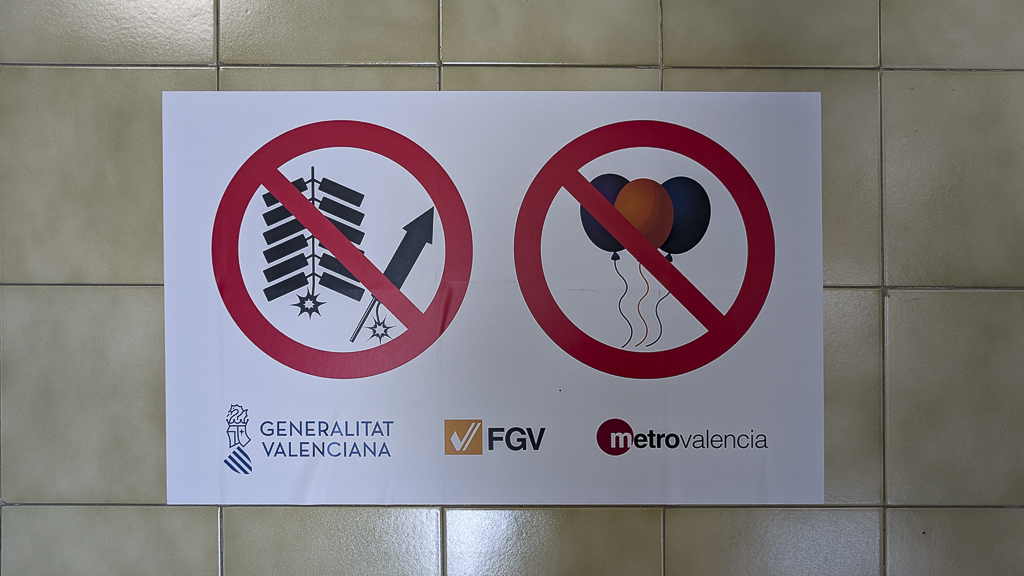
Every March, Valencia loses its mind in the best possible way. For 10 days and nights the Fallas festival, culminating on the feast of Saint Joseph on the 19th, fills the city with towering satirical sculptures, relentless fireworks, and the kind of noise that just doesn’t stop. Not for anyone, just ask Morrissey. I have zero sympathy.

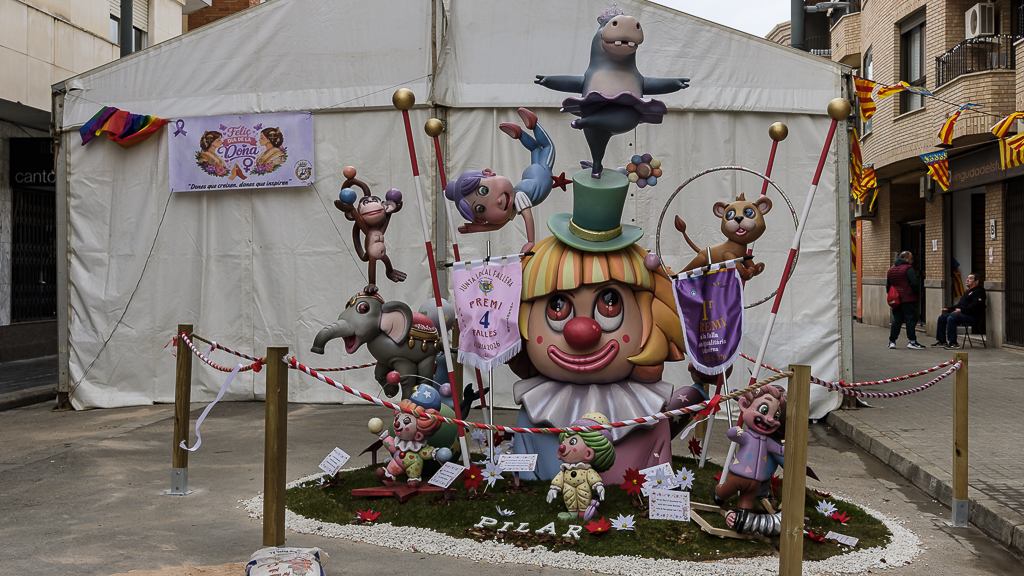
The origins go back to medieval carpenters, who’d burn off scraps of wood and their wooden candle-holders (parots) at the end of winter as a nod to the longer days ahead. Over centuries it evolved into something spectacular: over 700 enormous Fallas sculptures, months in the making, and built by community and neighbourhood groups from all over the city, are all burned to the ground on the final night, La Cremà.

In 2016 it earned UNESCO Intangible Cultural Heritage status and nearly two million visitors turn up for the five main days. It’s loud, chaotic, and utterly fabulous, and the purpose of this visit to Valencia.

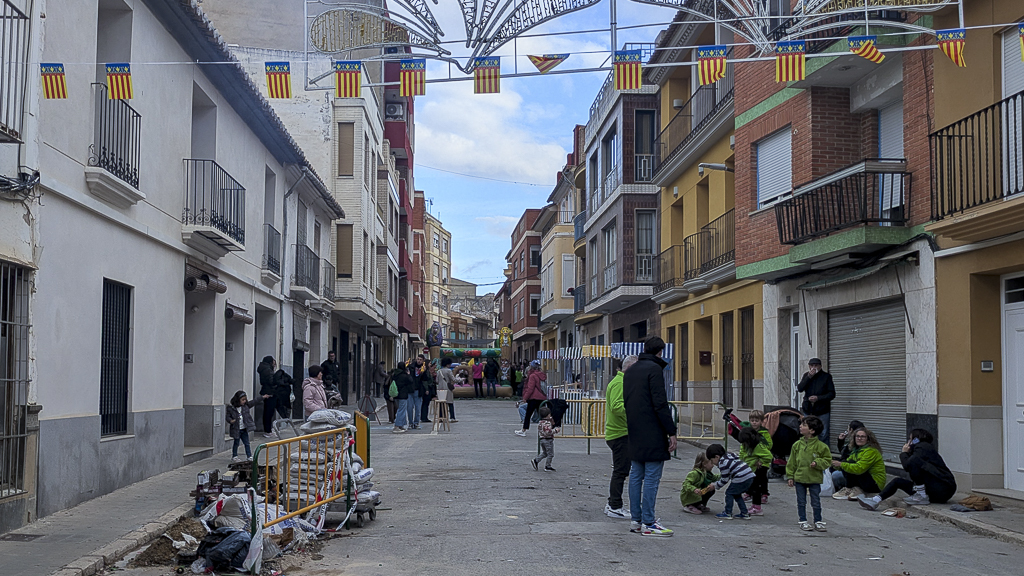
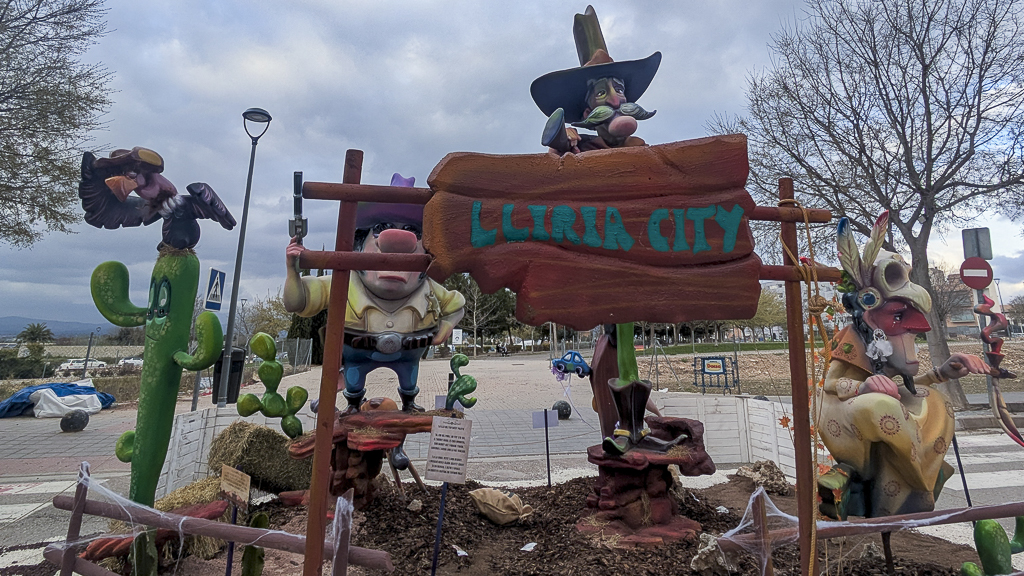
Paul and I cycled into LLiria where we rode around the centre looking for some of the local Fallas before heading down to the station, where we missed a train by a matter of seconds.

A good excuse to grab a café bonbon from the coffee shop near the station. I love bonbon; double espresso shot with sweetened condensed milk. My phone decided to focus on anything but the coffee cup.

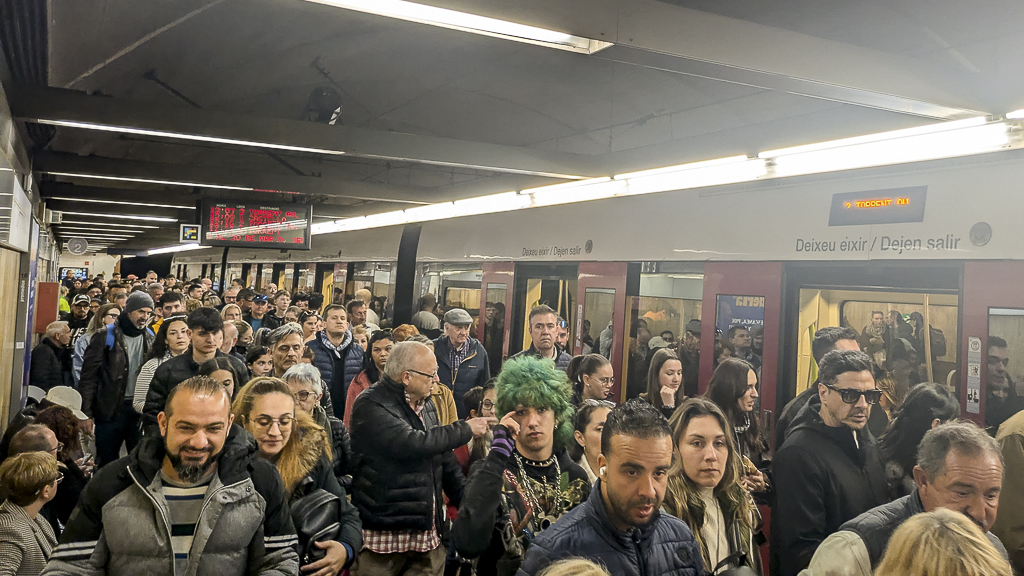
By the time the train arrived in central Valencia it was absolutely rammed, seemingly busier than the busiest commute. We let people exit the station before attempting to make our way out, though to be fair it’s not that we needed to consult a map to work out where to go, everyone was going in the same direction.

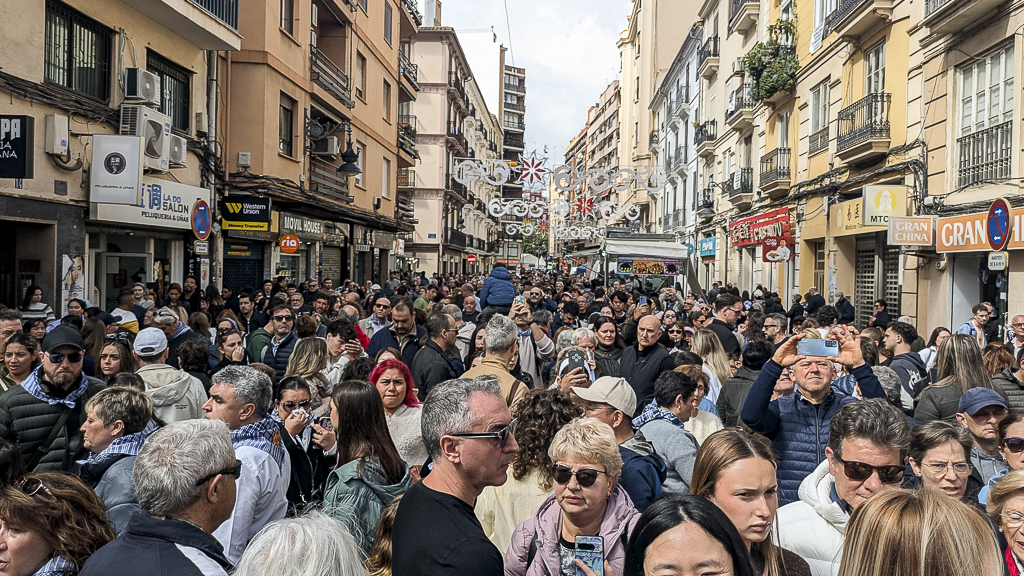
Fallas is a big festival for Valencia, and the local authorities take the number of visitors and the income they bring seriously. It was fantastic to see the entire centre of the city was closed to vehicles, there weren’t even bicycles; though in some places there would just be no point in trying to move anywhere other than at the speed of a slow-moving mass of humanity. Luckily the atmosphere was very much one of celebration. I saw police here and there, but my experience was they were unnecessary; even though many people were walking around with cans of beer and wine in their hands. I usually hate crowded events but this was an exception.

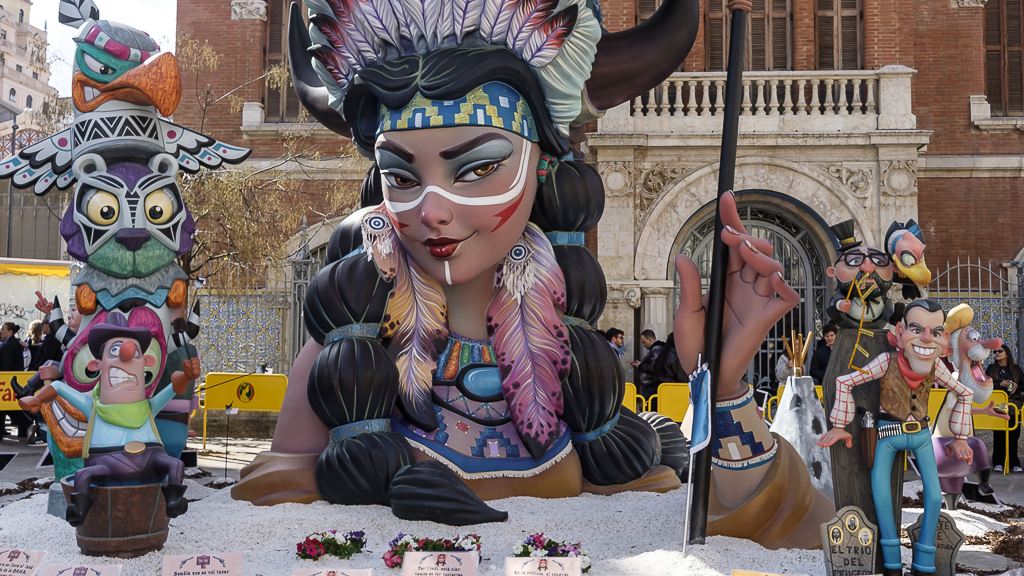
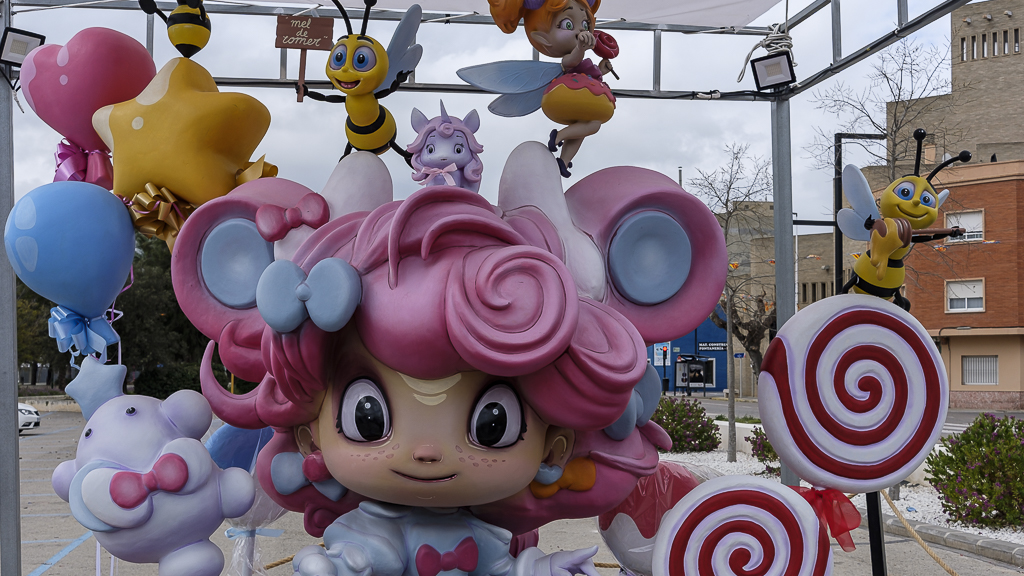
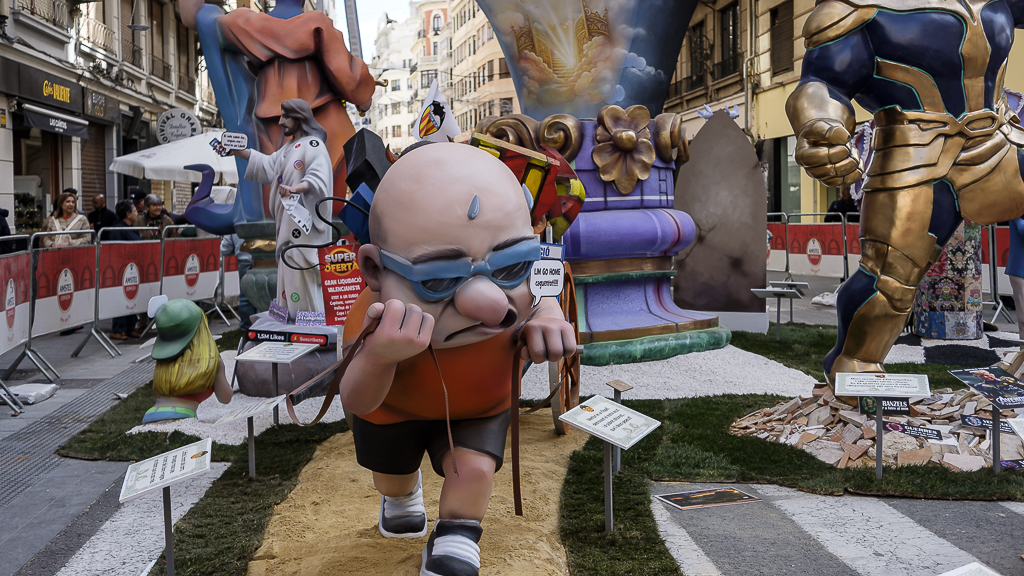
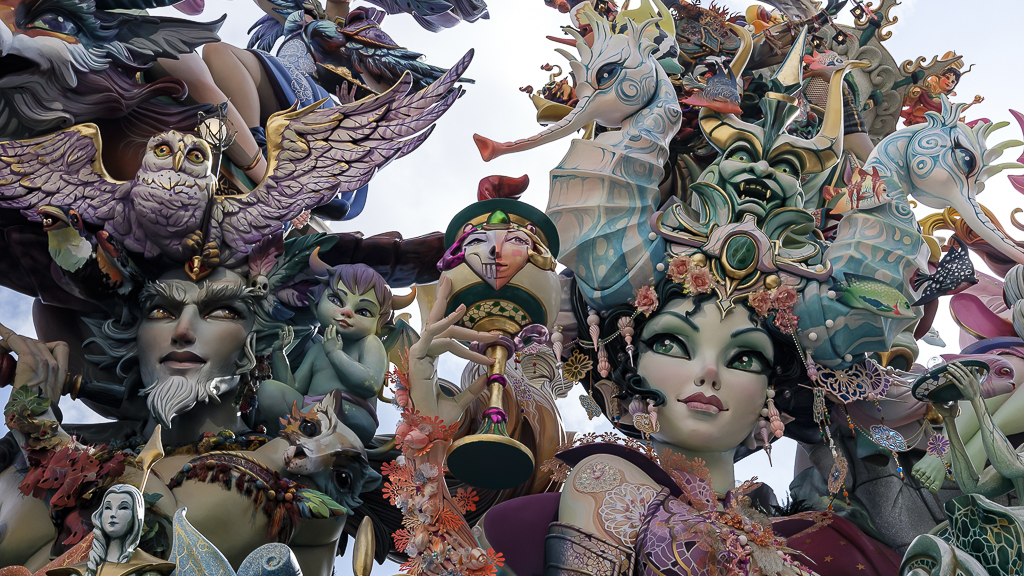
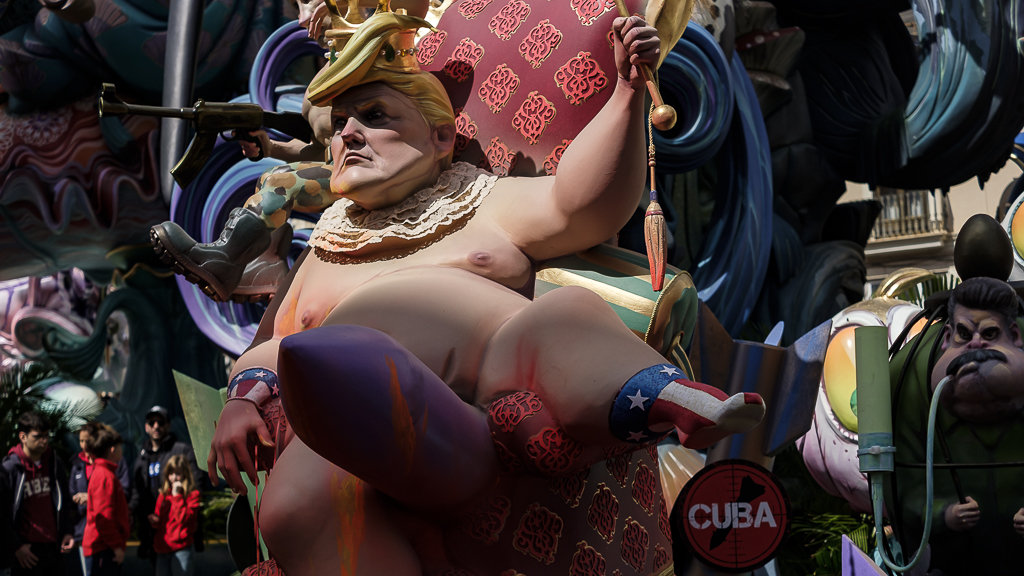
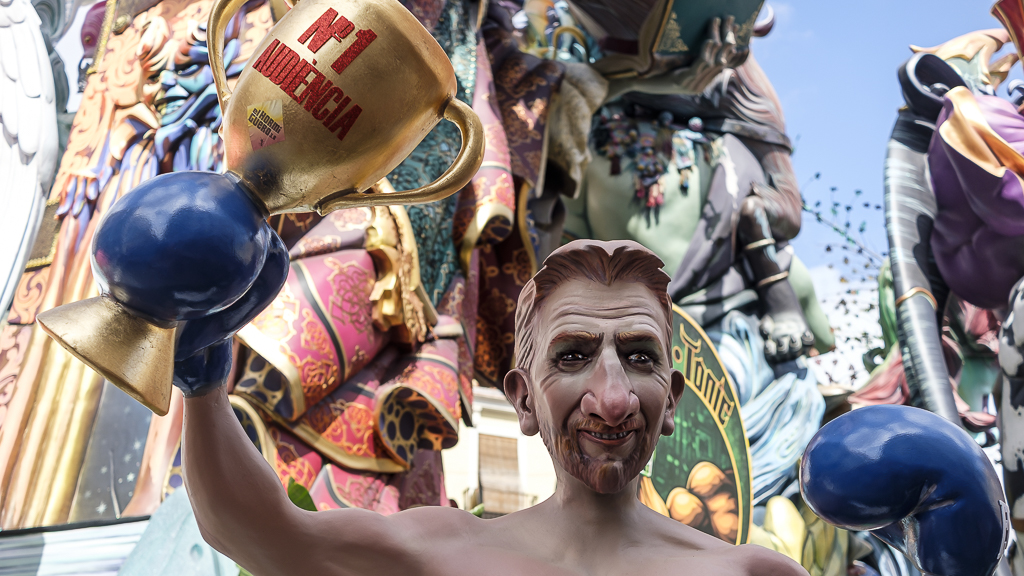
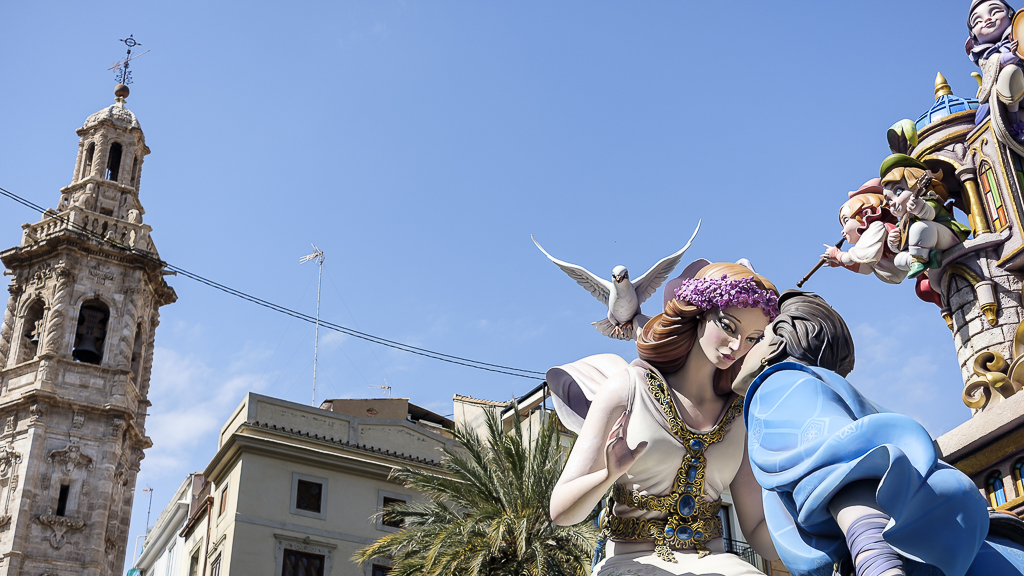
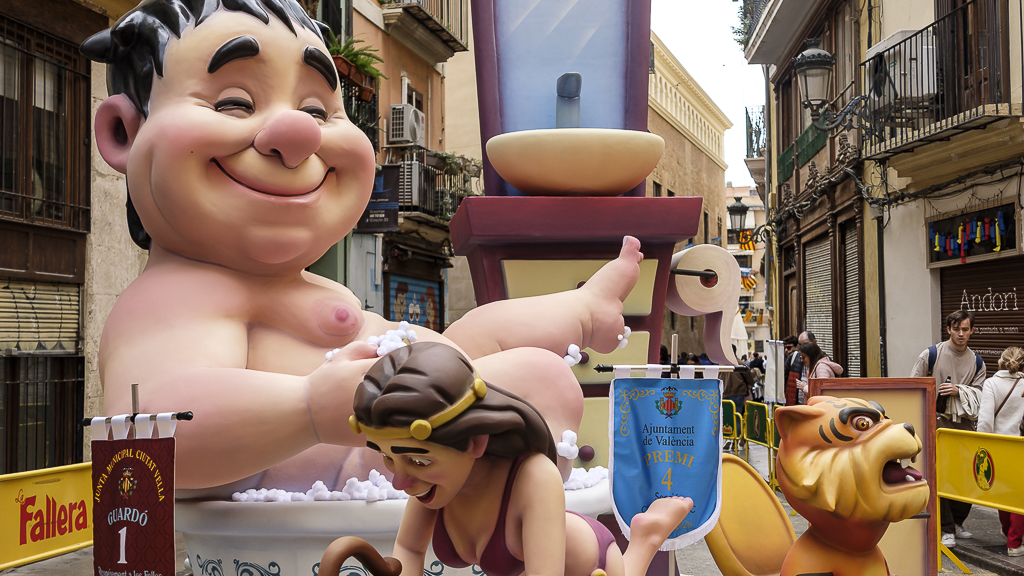
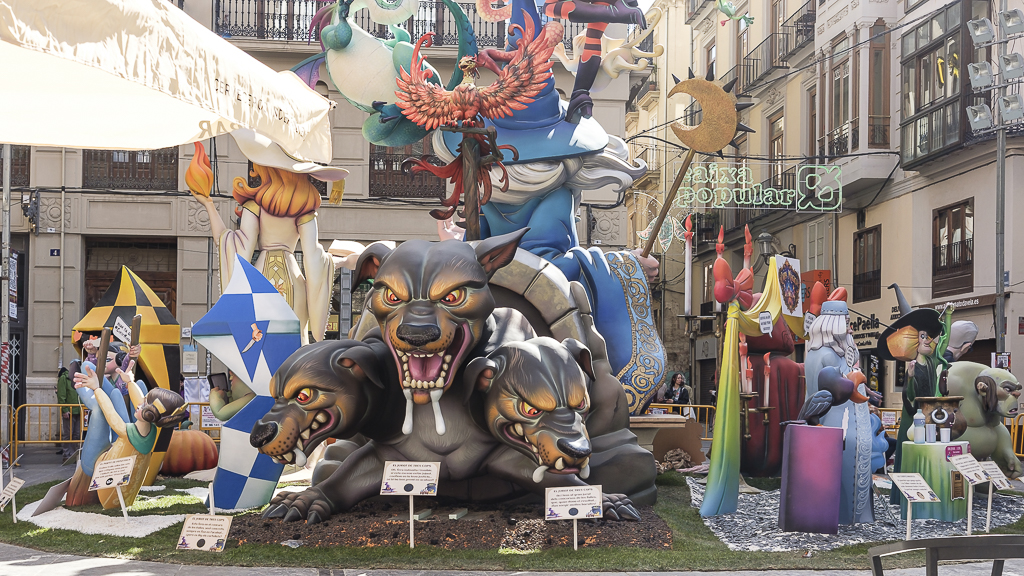
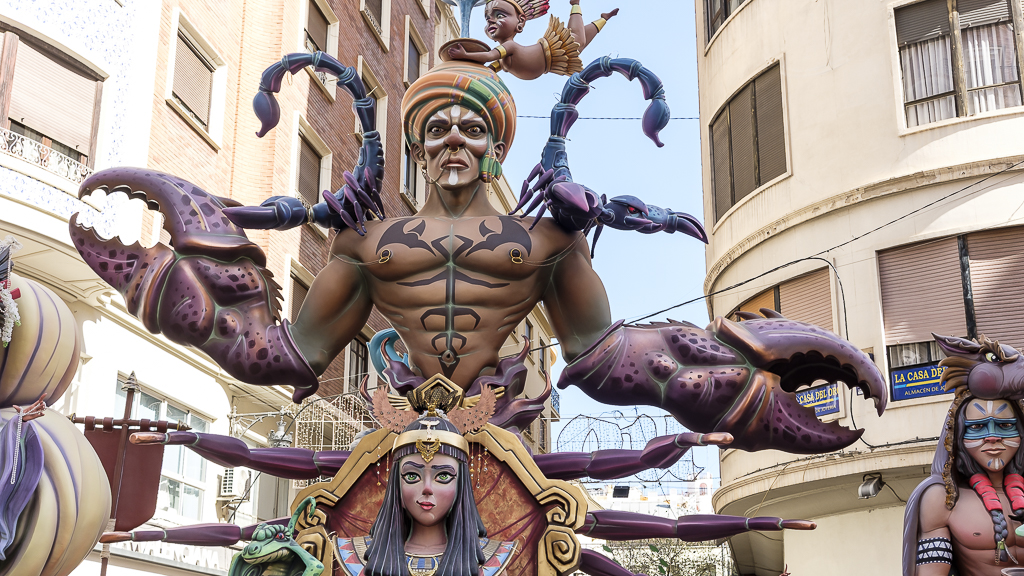
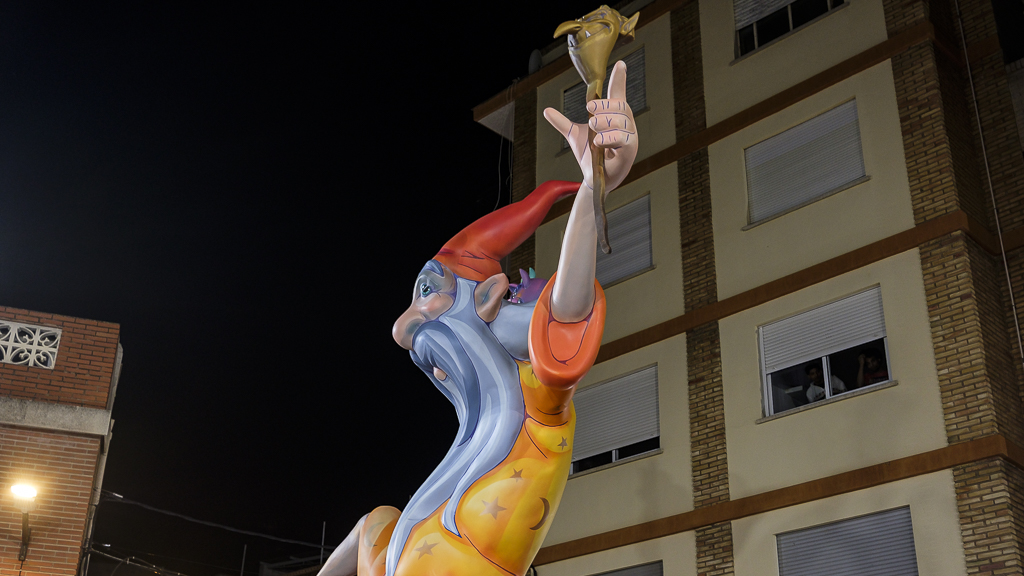
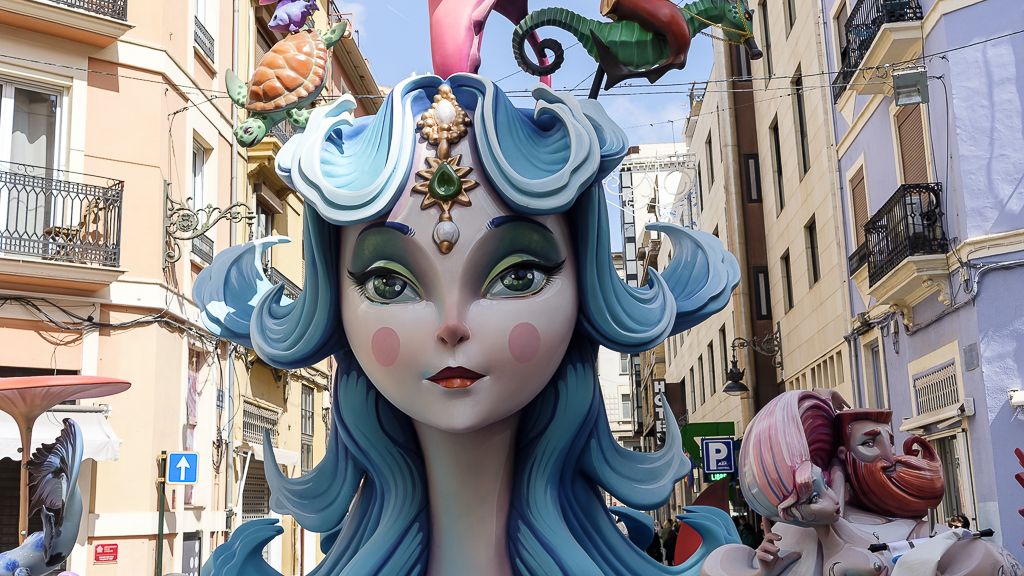
I was blown away by the quality, and quantity, of the Fallas, the biggest we saw, and this was from a distance as the street was so packed would have been about five stories high. It was huge. Most were about 40 or 50 feet tall, and most were stunning to look at. The amount of work that goes into them is inspiring, and they all get burned….

The first one we came across was one of the bigger ones. Many of them have some political context, a lot of the political commentary is local so I was out of the joke, but the Trump with a missile for a penis, was one of the least subtle ones.

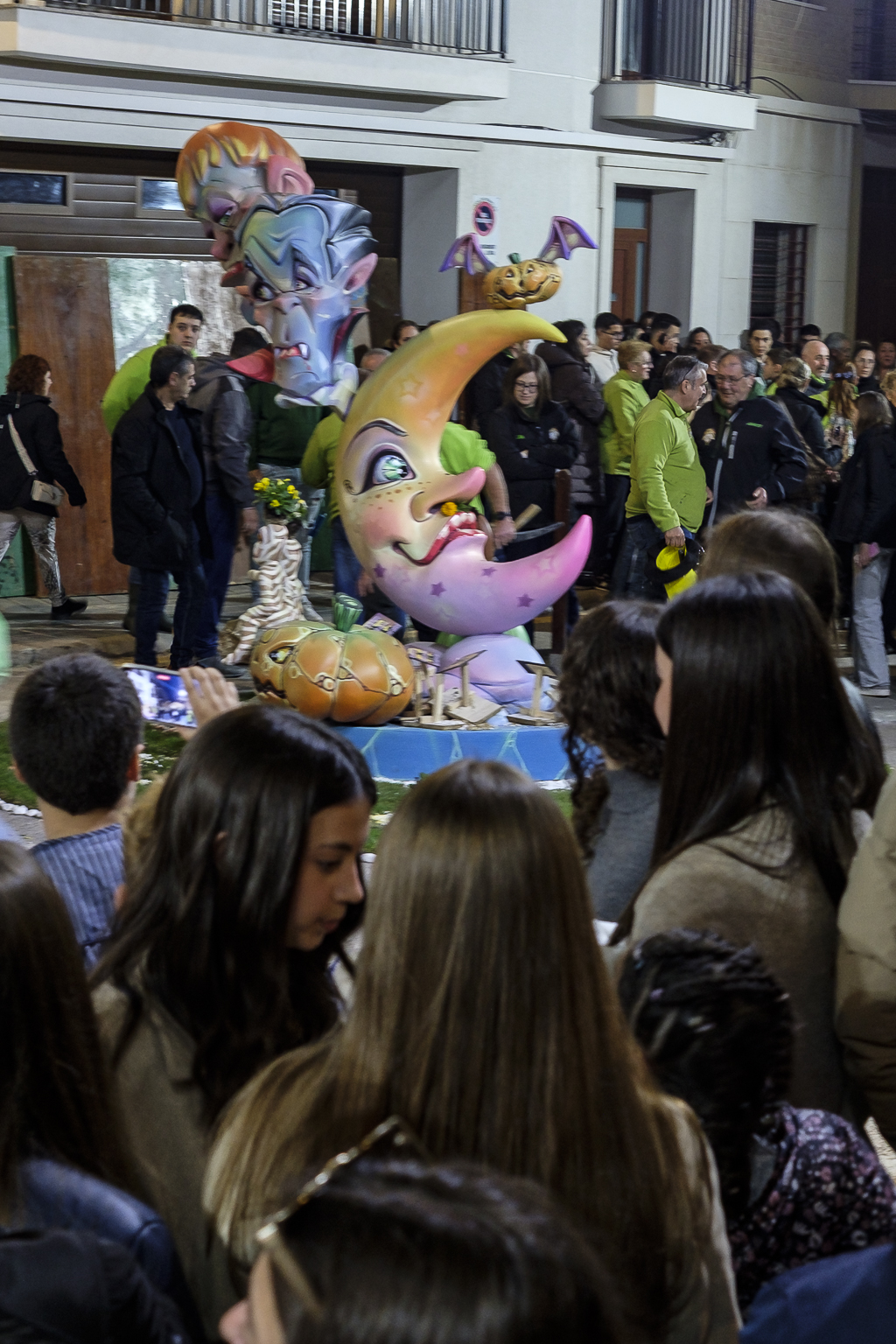
I took a lot of pictures, so this is just a collection of the best. By the time we left I’d stopped taking photos, there were just so many to see! The work that has gone into them is just awe inspiring, there is so much detail, so much colour and so much more than I exptected.

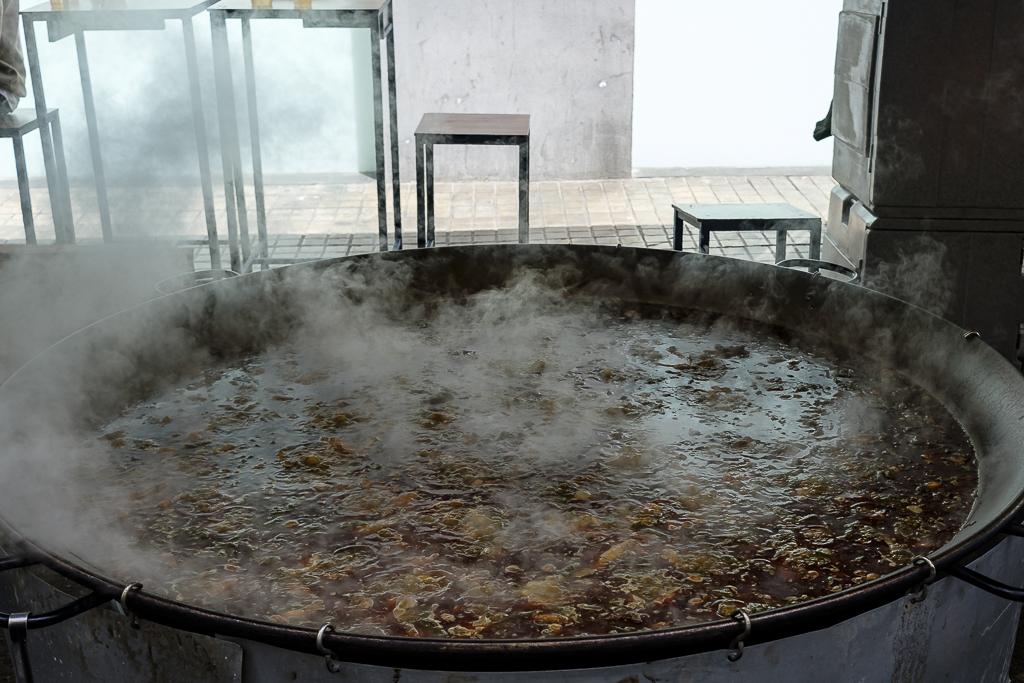
Fallas is a time of celebration, with family and community and church. Celebration comes with food and of course, as the home of paella, the was a lot of paella on the go, in huge pans all over the city though sadly just for the friends and families of those who made the Fallas their group was representing.

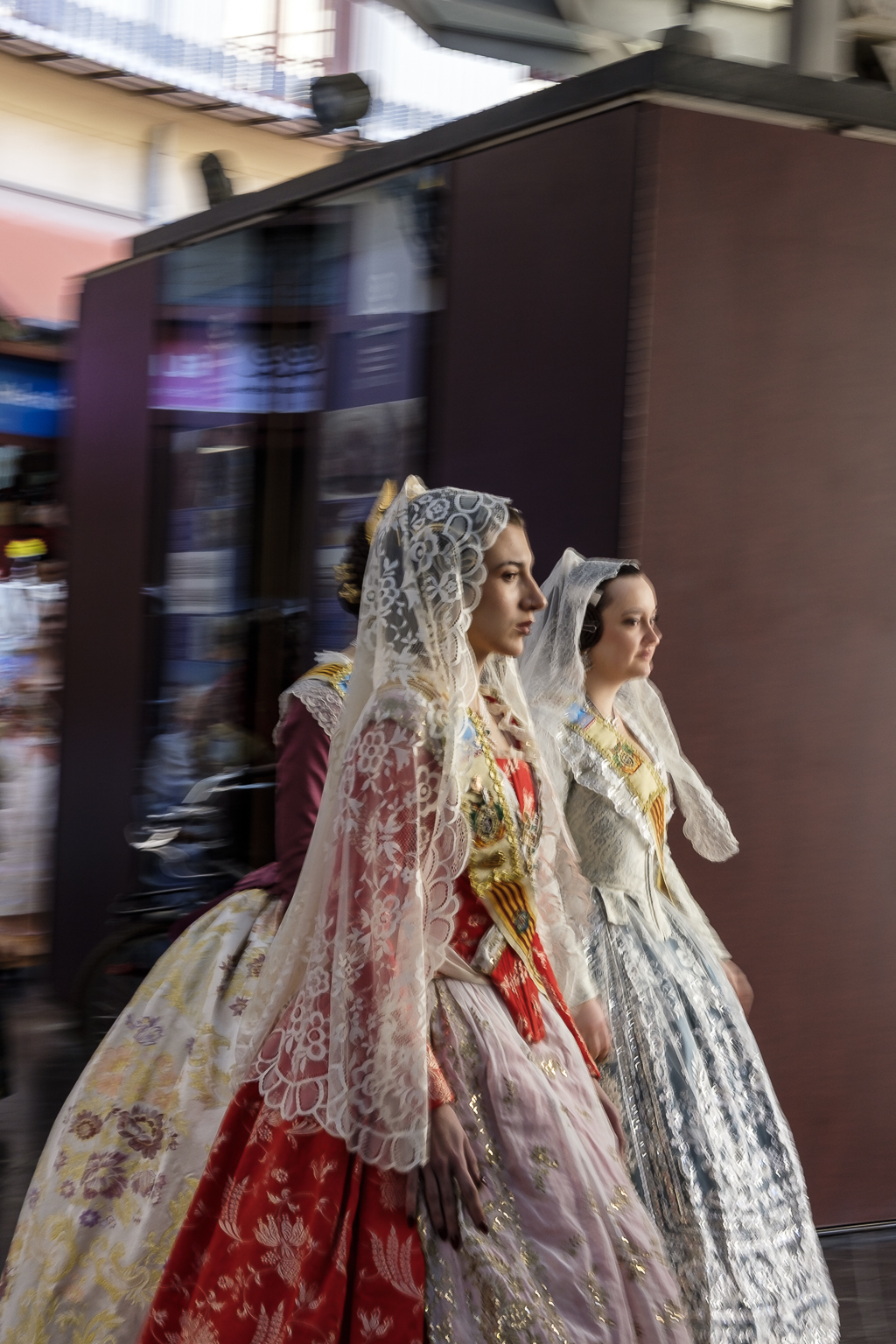
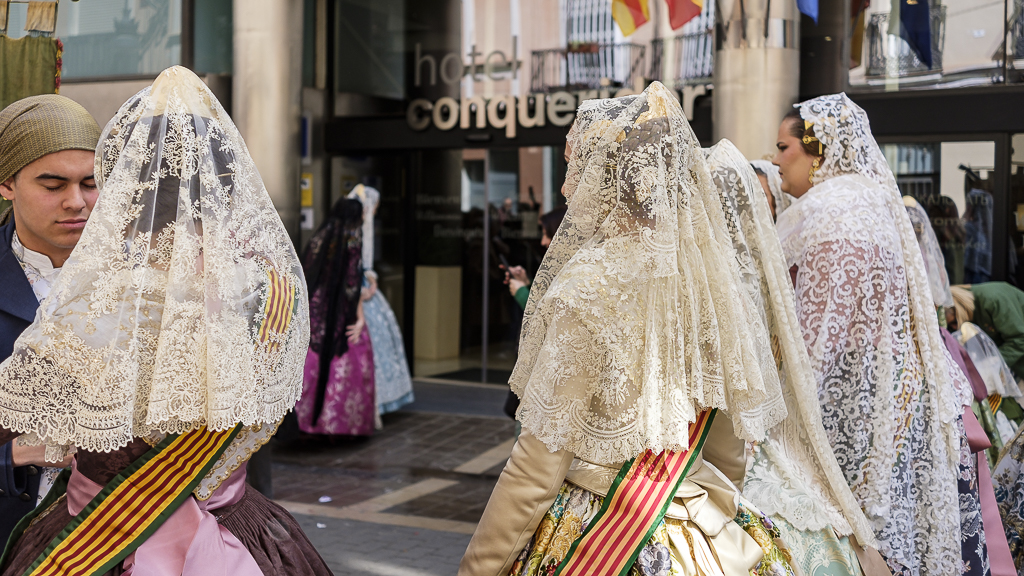
There are a lot of people in local dress, many walking in front with marching bands, if they can find space to march, and it’s a riot of noise, smell and visuals. Like I said, it was a lot of fun. This group walked past as Paul and I took a few moments over an iced vermouth and patatas bravas.

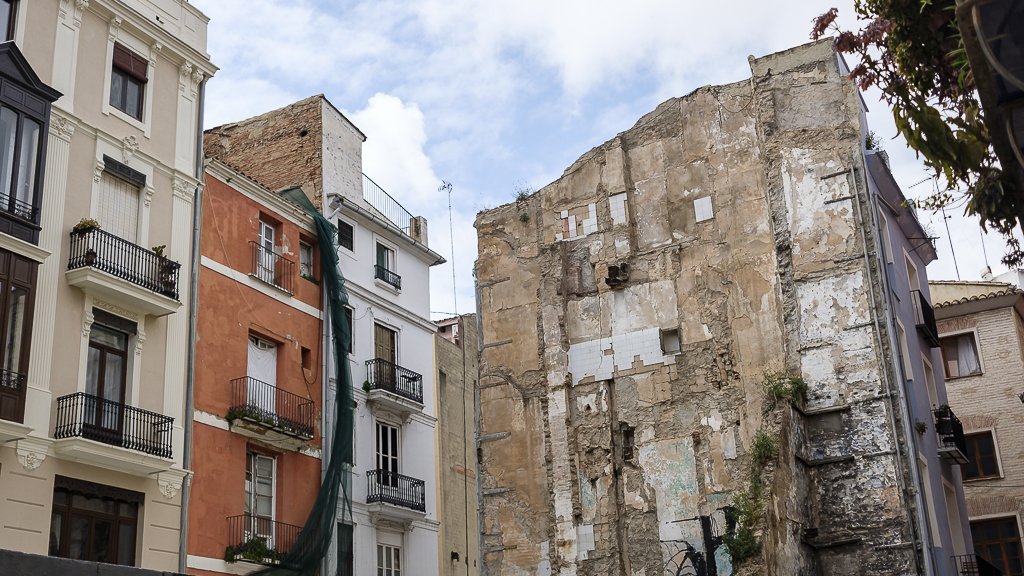
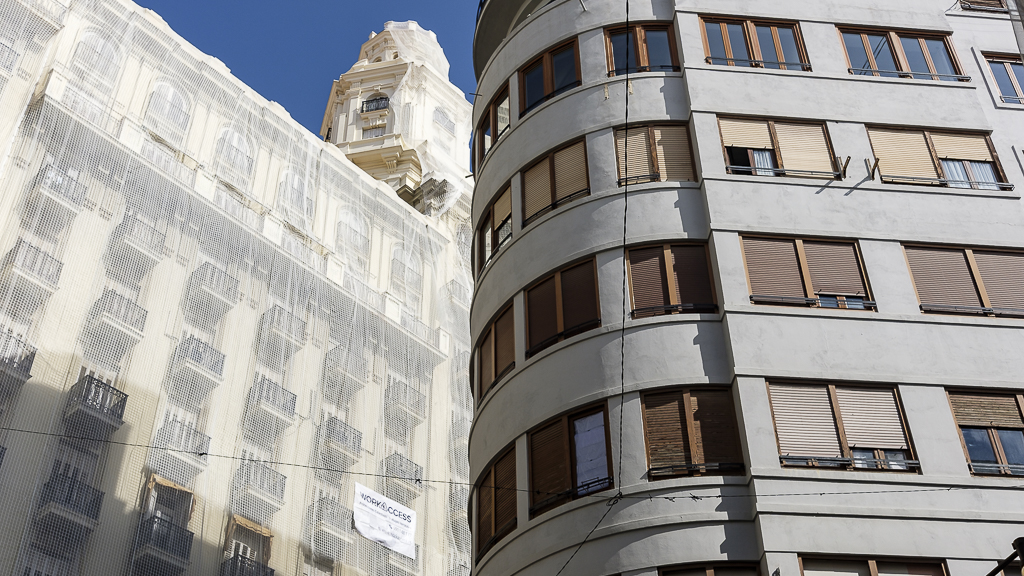
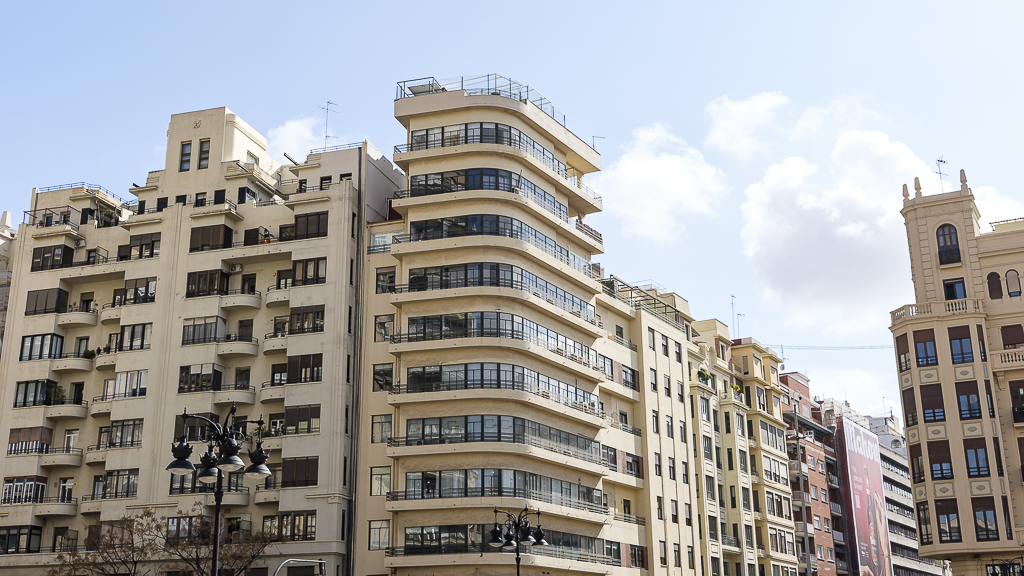
I like Valencia, this must be the fourth or fifth time I’ve visited. I like the mix of wide boulevards in the ‘new’ town and the narrow cobbled lanes in the old. On our first visit in 2016 (oh man, we look so young!) Eleanor and I loved roaming the graffiti covered narrow lanes with the occasional boutique or bar. Now it’s all boutiques and bars and the graffiti has mostly gone. At least the narrow cobbled lanes are still there. It remains a very attractive and very walkable city centre, one of my favourites, and especially so on a cloudless early spring day.

After stopping for a slice of pizza and glass of red we looked at trains back to Lliria. Annoyingly there were regular trains up to 10.30 and nothing until 1am. With the burning of the Fallas not starting until 10 we decided we should head back to Lliria early. There were so many people around that if we missed a 1am train we would be stuck. We’re not 20 any more!

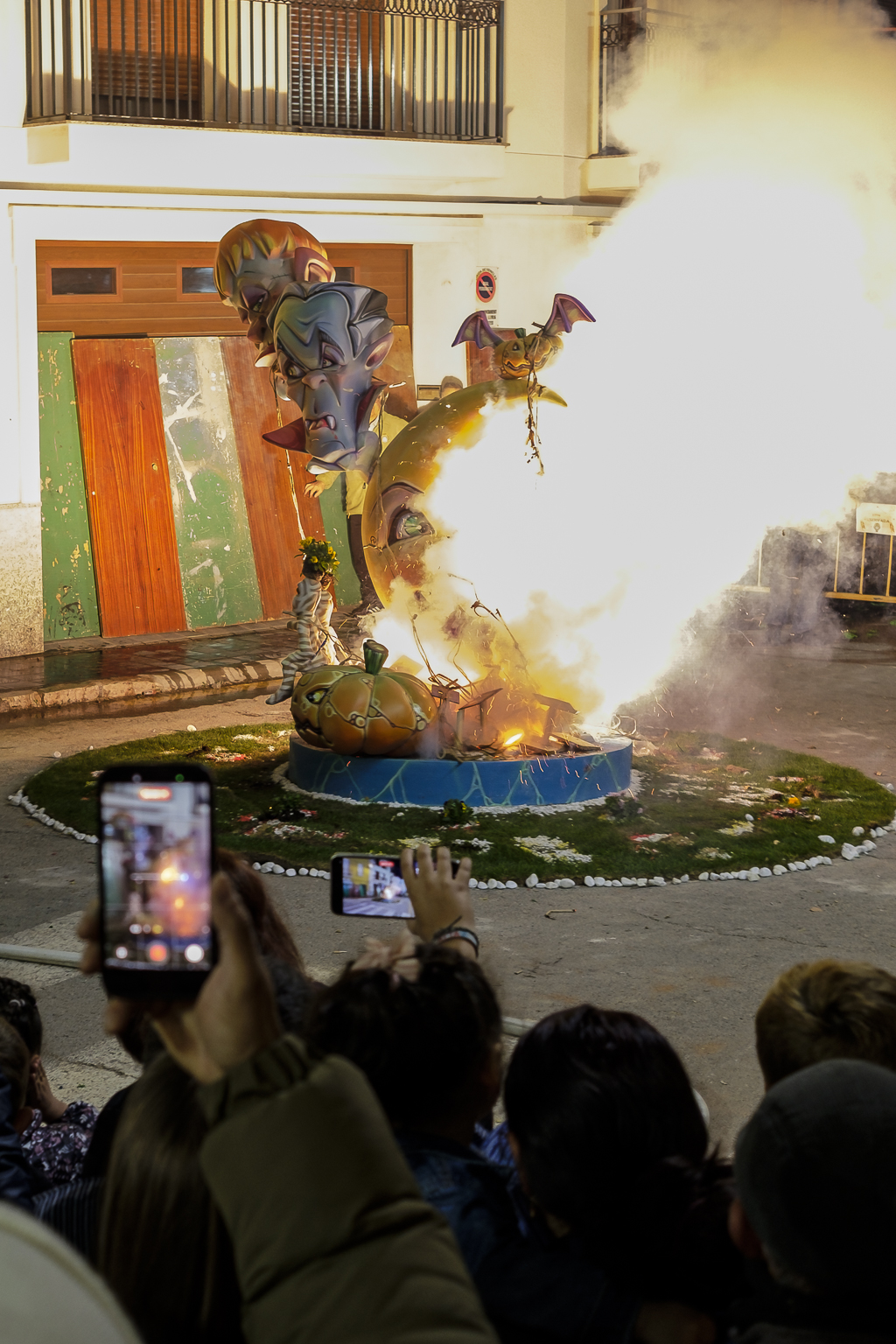
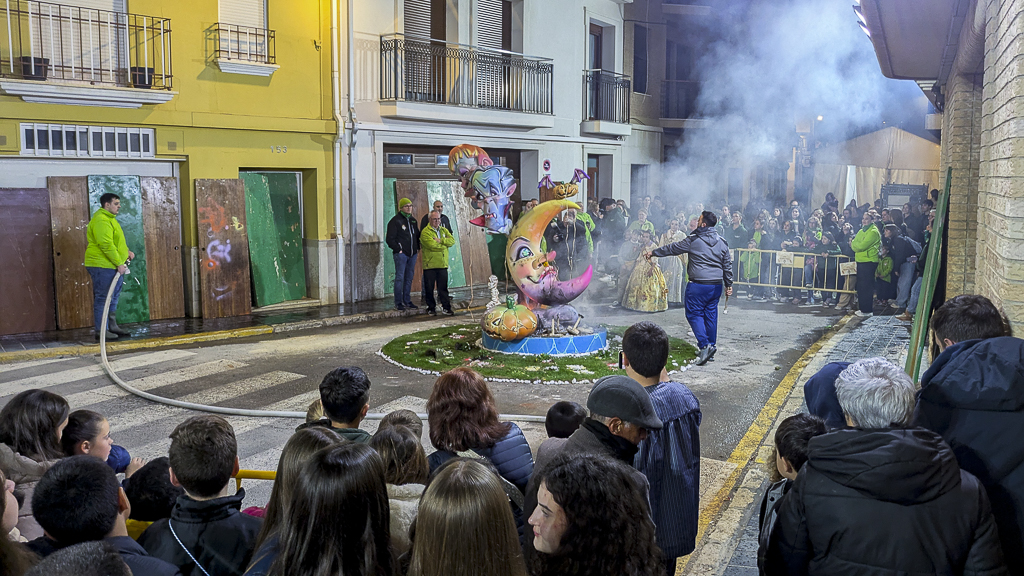
Taking the cautious option meant we were back in Lliria in time for the local, albeit it smaller, burnings. We walked about some of the Fallas in Lliria, watching more young children throwing fireworks about, then stopped for a beer and a snack in a local bar to wait until dark.

It was an excited local family crowd that gathered around, getting bigger and bigger (not compared to the city centre mind!) waiting for the countdown to the firing. Excited kids, and a few excited adults, firecracker bangs echoing from the walls of the buildings around us and bursts of colour in the darkened sky as rockets popped overhead as the tension built. Then the man with the flame arrived….

With a bright flash the fireworks draped over the Fallas ignited, burning bright and then the fire went out and nothing happened. A team of Fallas builders came out to try and get thing to burn and slowly people drifted away. Including Paul and I.

Back to the bikes and the ride to Xerlado and home.

It had been a great day; Valencia does this festival really well. I’d like to return in the future, but will get a hotel room in the city so I can stay for the bigger burnings, I can imagine they’re a load of fun.

Xelardo

Valencia 1
18-21 March 2026

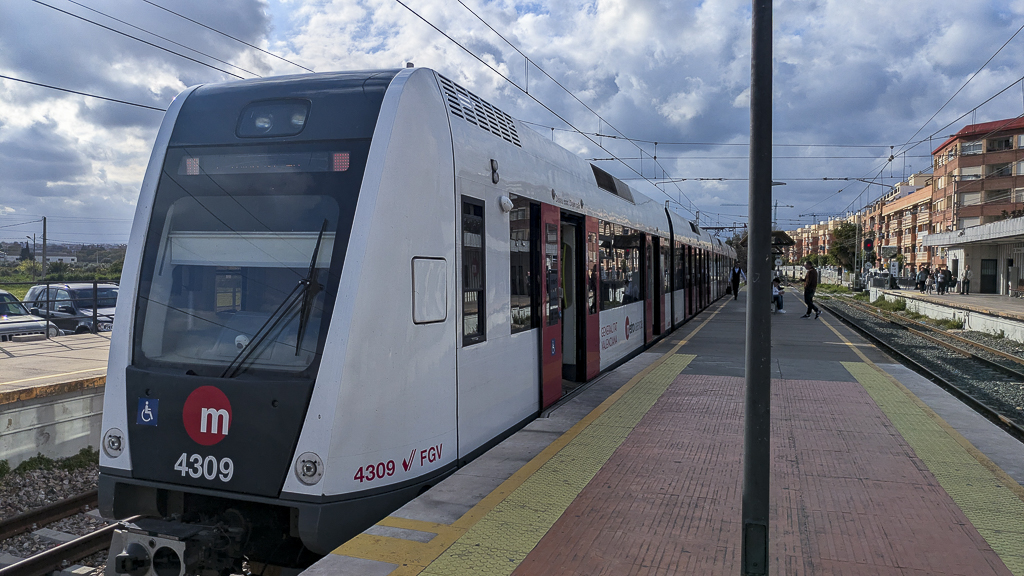
Our friends Paul and Paula have a holiday home on the northern edge of Xelardo, a small urbanisation (I guess this could be described as a distant suburb) to the north of the town of Lliria, which is about 30 km from central Valencia. It’s the final stop on the number 2 Metro line.

Xelardo is a residential area that seems to be predominately populated by dogs, especially the edgeland where our friends’ house is. The area has changed little over the last few years, though they have two new neighbours since I was there in 2018 and the view out the back over scrubland has been disrupted by a new house.

When I booked the flight, I was looking forward to getting out of grey, windy, rainy and cold England. We’ve been living at my flat in St Leonards On Sea since January and the weather has just started to perk up. It’s still cold, but the sun had been out on more than one occasion and we did have an afternoon on the seafront with a glass of wine in the sun; though we’re still wearing the big coats.

I’m flying out of Gatwick as its the nearest airport to St Leonards and there is a direct train; which naturally was cancelled at the last minute. Fortunately, there was an indirect train thirty minutes later and as I’m me, I was still at the airport early. I was through security and in the bar for a pre-flight G&T within 15 minutes of the train arriving.
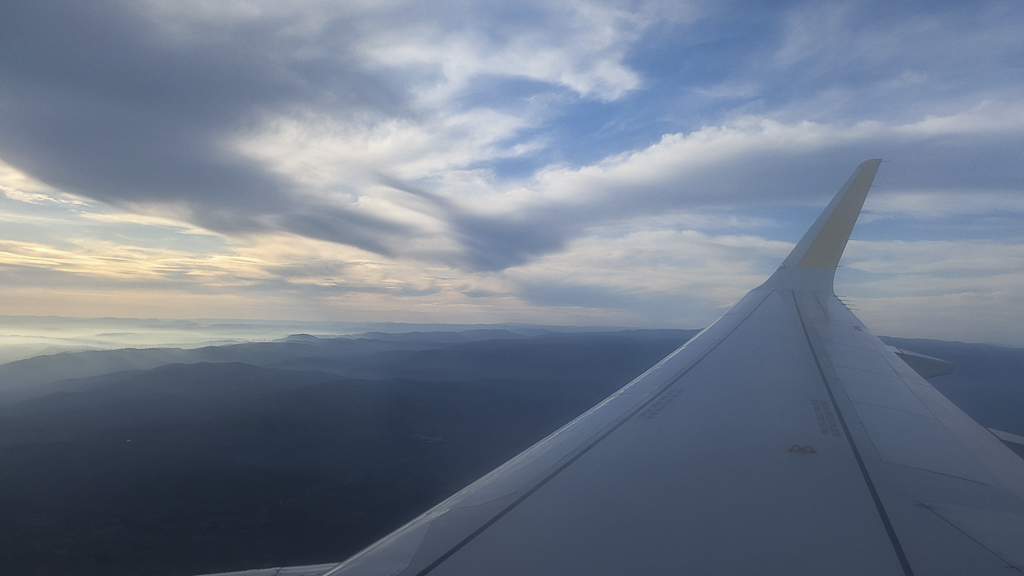
I landed at Valencia airport early after a fabulously smooth flight, the new EU arrival regulations for us Brits recently started and I was photographed and fingerprinted on arrival, though there were plenty of machines to do this and it didn’t cause the delay I expected. I was soon on the train into Valencia, then on the next train out to Lliria. It’s the penultimate day of Fallas (more on that in another post) and the platform in Valencia and the train to Lliria were very busy.

Paul met me at Lliria station, with a bike helmet in his hand and two electric-bikes by his side. We were riding back to his place but our first stop was dinner in one of the local restaurants. It was dark, I’d had two G&Ts at the airport and two red wines on the plane. I’ve not ridden an e-bike before and had barely ridden a bike in months. It was fun.

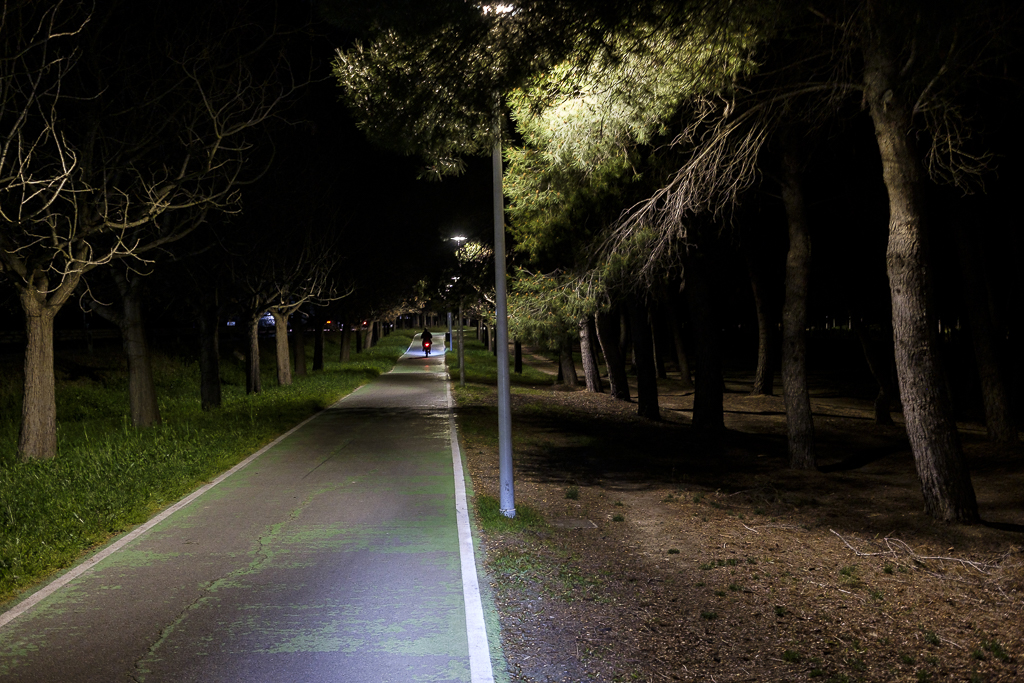
Dinner was good, typical tapas washed down with more red wine. I was decidedly unsober when we finally rode the 15 minutes to Xelardo, luckily most of it was on bike paths as I’m sure I was wobbling around a bit as we rode. We made good use of those paths and bikes over the next few days.

The next day, Thursday, we went into Valencia to join tens of thousands of others for the final day of Fallas celebrations, and like I said up front I will write about that soon.

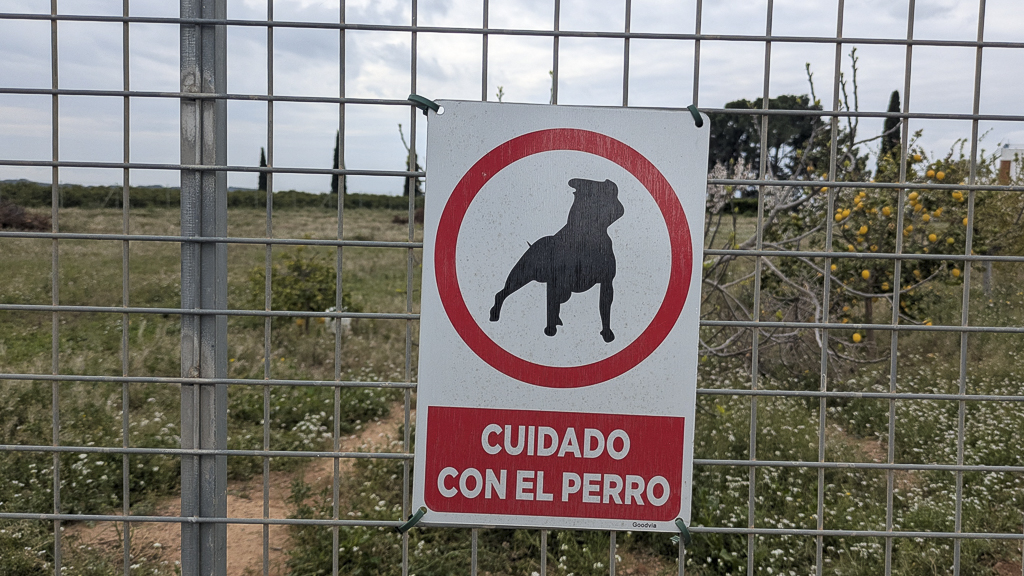
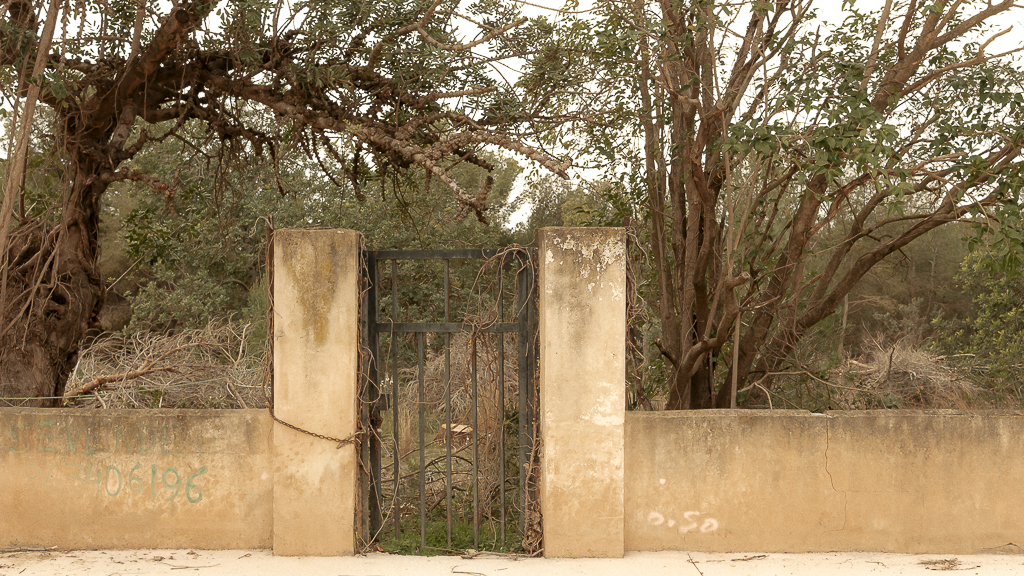
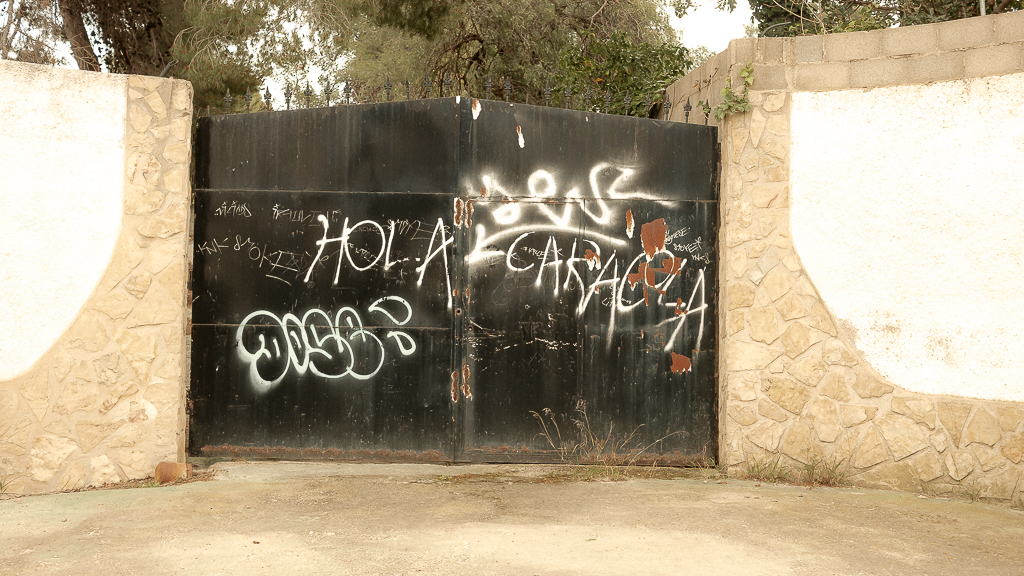
On Friday we took a walk around the bit of Xelardo where Paul and Paula’s house is. Xelardo is a residential area, I don’t think there is even a shop. It’s very quiet, a lot of the houses are second homes, and I guess most people who are here full time keep to themselves. There are a lot of dogs. A LOT of dogs, and they bark as soon as we get close to their homes. Fortunately, the dogs are behind high fences and big gates.

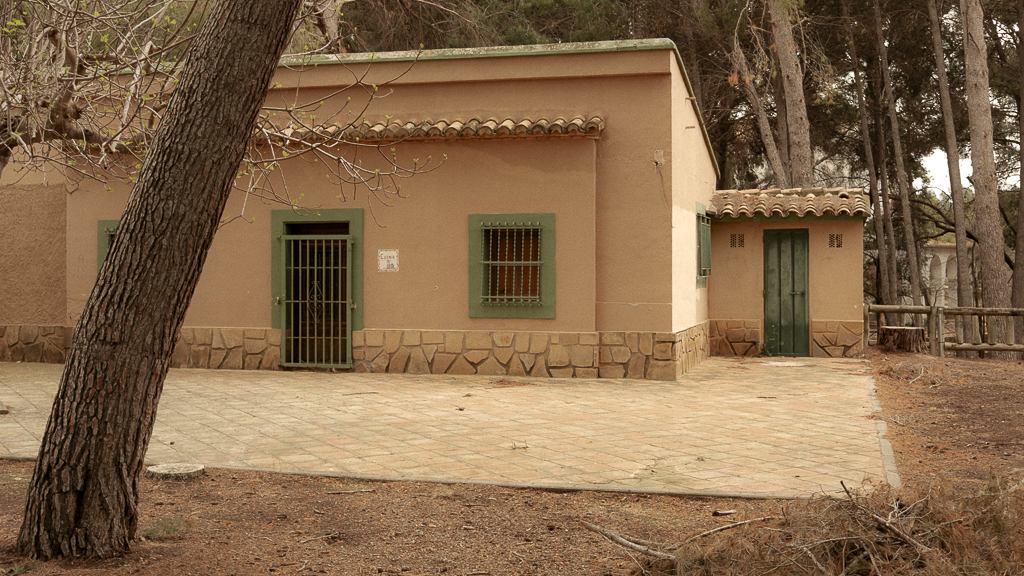
It’s strange on the edge of towns, especially quiet agricultural towns like this, where beyond the back fence lie empty scrubland or small orange or olive farms when picking season has passed. There are a few abandoned farm buildings beyond the fence, and these add to the eeriness of the place. It’s so quiet.


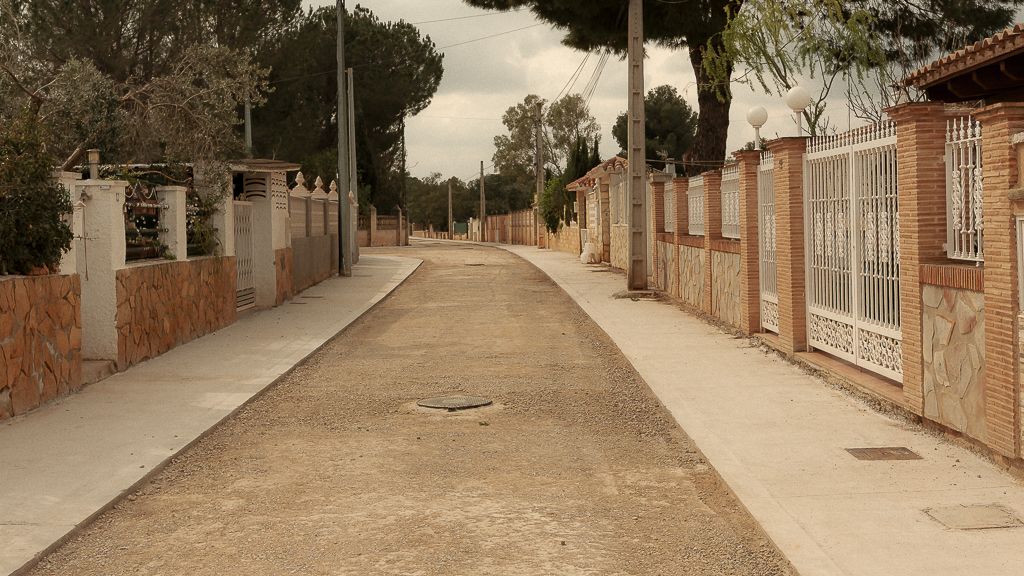
The streets we walked were largely deserted, not even parked cars to get in the way of photos. The ‘roads’ on the edge of town are still not much more than dirt tracks, perhaps flattened every few years.

Inside from the edge there has been road maintenance over the last few years, footpaths and sewage has been installed and some of the roads look like they’re about to be sealed.

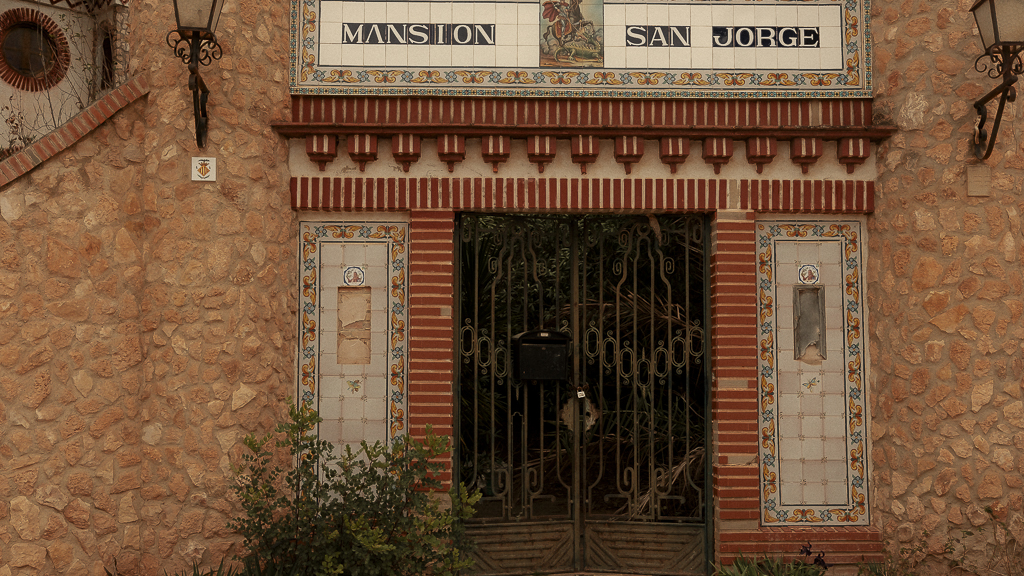
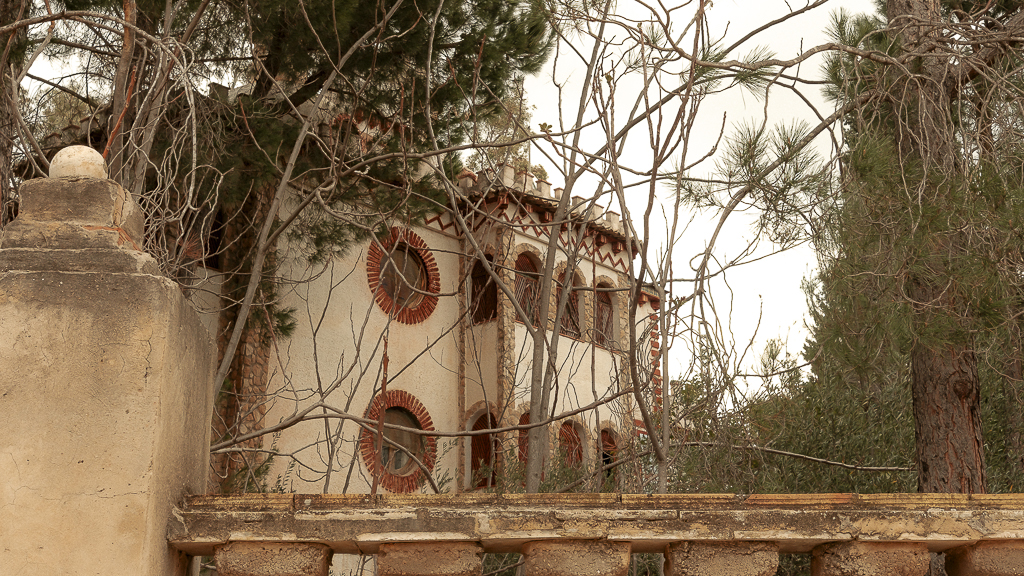
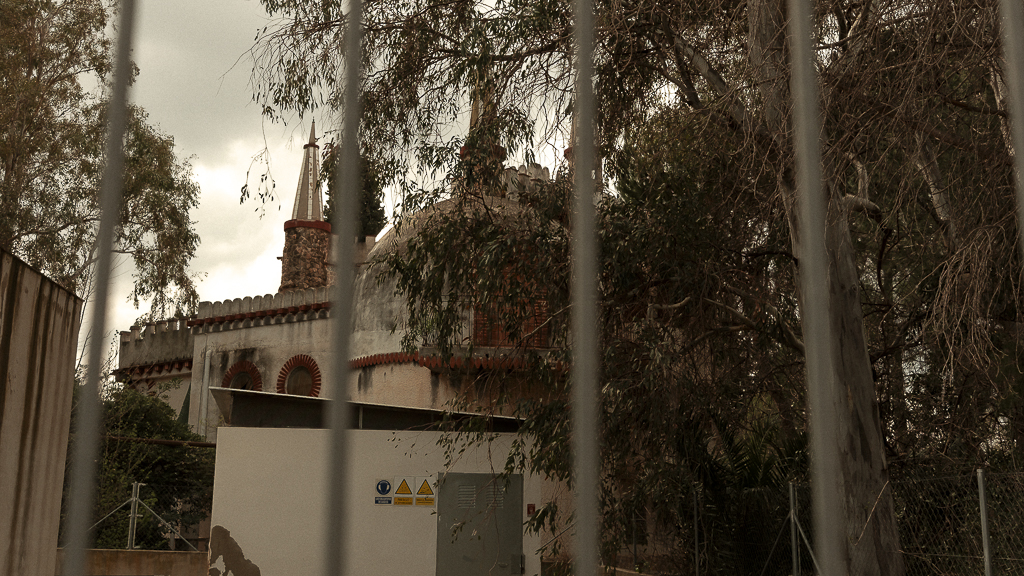
On one of these streets a man came out his gate and stared at us for a while as I took photos of an abandoned ‘mansion’ over the road. His dog barked incessantly from behind the gate as he stood. We didn’t feel like we were welcome in ‘his’ street, even though it was five minutes on foot from Paul’s. Maybe he is worried someone will buy the old mansion and convert into a hotel?


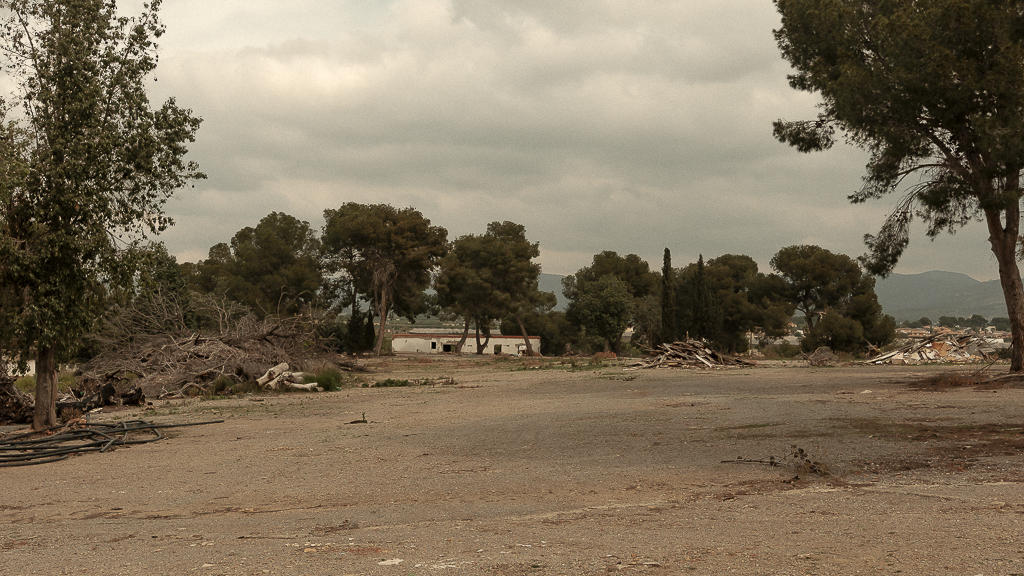
There was an abandoned campground nearby that I found a way into back in 2018 and I was keen to see what it was like now. Sadly, it was devasted by a huge fire in the Covid years, and the site has largely been cleared now. I was going to sneak in again through the solitary hole in the fence, but I heard someone working in one of the buildings so chose caution instead. I was a bit disappointed to be honest as I was hoping see what 8 years had done to the place.

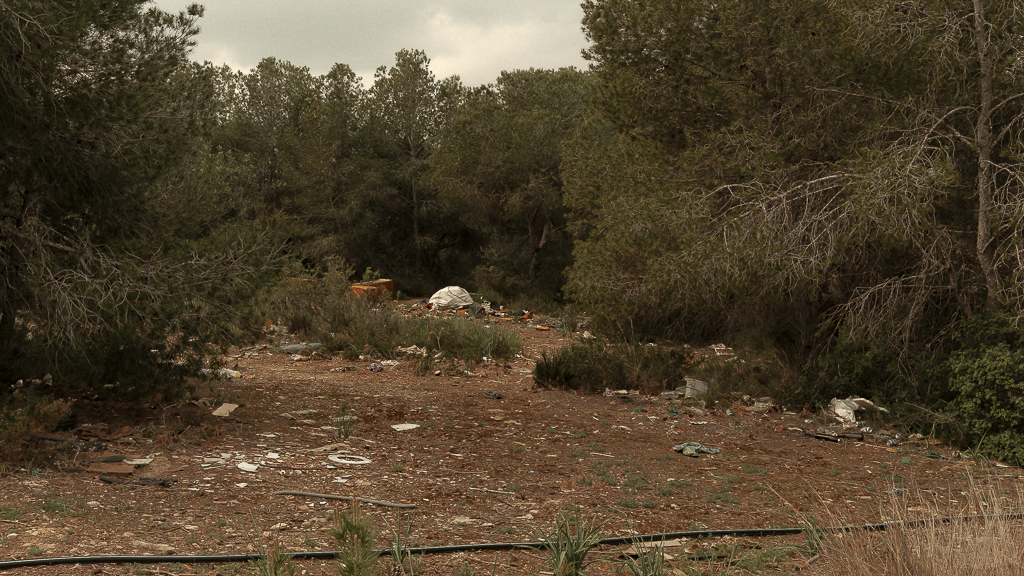
Next to the campsite is a small, forested area, I suspect this is used on the quiet as a firewood source by the locals. Since the campsite was cleared it’s become a bit of a dumping ground and is strewn with household rubbish.  The newly laid sewage lines run to the campground and the forest so I suspect these will soon be subdivided so more empty houses can be built.

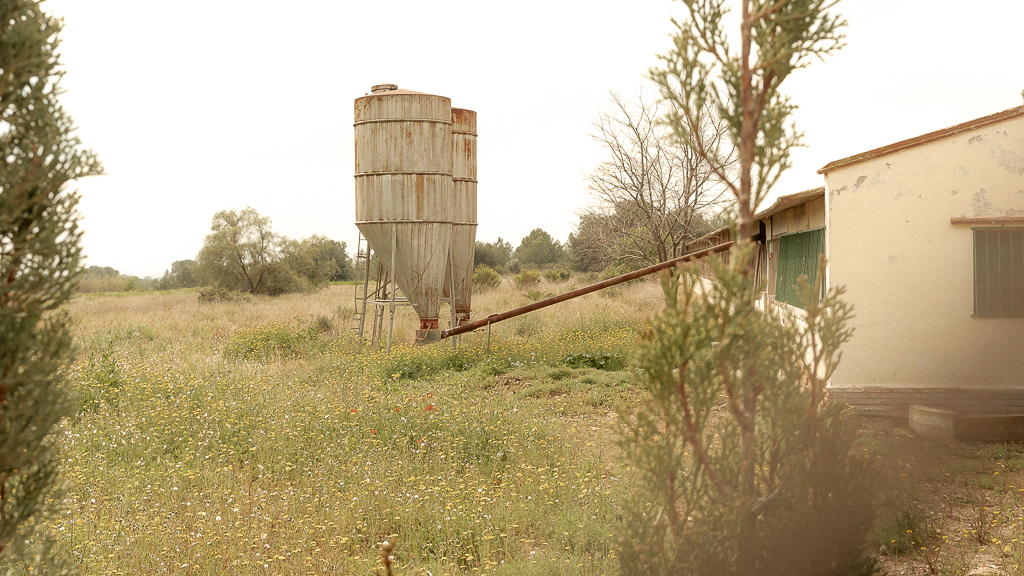
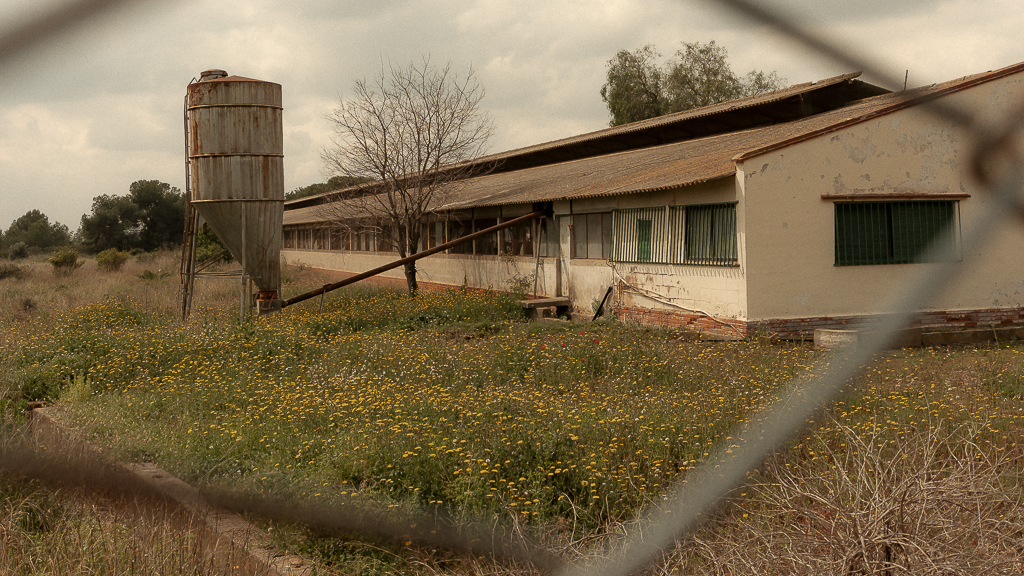
A derelict pig farm sits on one side of a sealed road on the northern edge of town, houses line the other. I can’t imagine what it was like living over the road from a pig farm, though I guess it was a local employer that hasn’t been replaced.

We loop back through the older streets, lined with houses on both sides, the barking of dogs still following us as we go. Drawing close to home we share a nod and a ‘hola’ with a woman walking a dog, the only human interaction in an hour of walking.
Living on the edge of town is weird.
P.S. I like Xerlado and it’s not weird, the people we do see are always friendly and welcoming, other than the guy outside the mansion.  I wrote this slightly satirically; definitely for effect and to complement the images.