Margate, Kent, England
May 2026
The ‘Hackney hipsters’ lead the way off this busy train from London to the sandy Kent coast at Margate. As we climb up the stairs from the far platform to the station exit ahead of us, we are surrounded by a sea of this season’s trainers, long ankle socks and fine line black tattooed calves under possibly too tight shorts. I feel old.
We pop out of the station ticket hall into the unexpectedly bright sun of a cloudless sky and a wall of noise, petrol fumes and black leather clad motor bike-racing aficionados. Its Margate classic beach racing day and it’s mad busy out there.
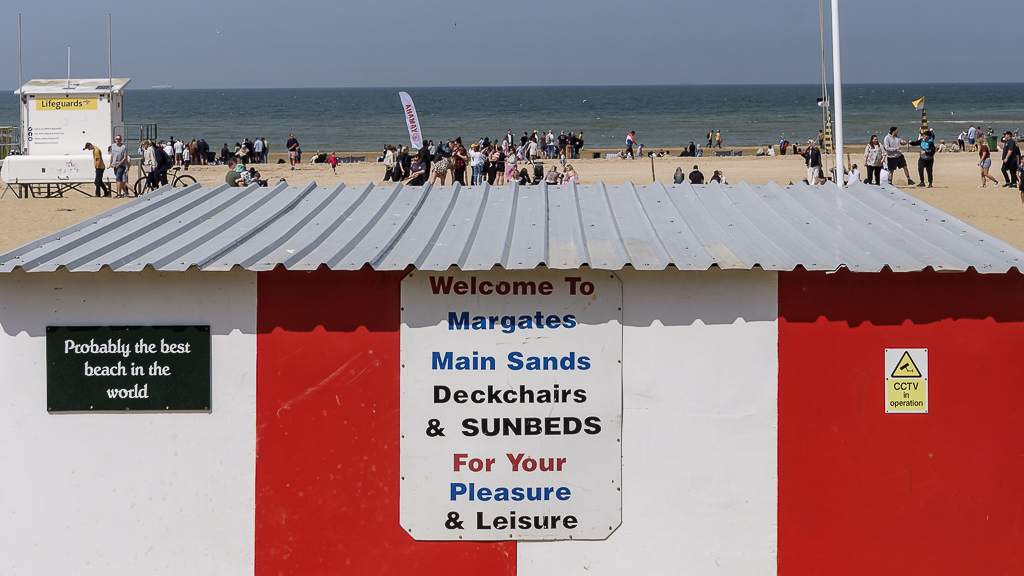
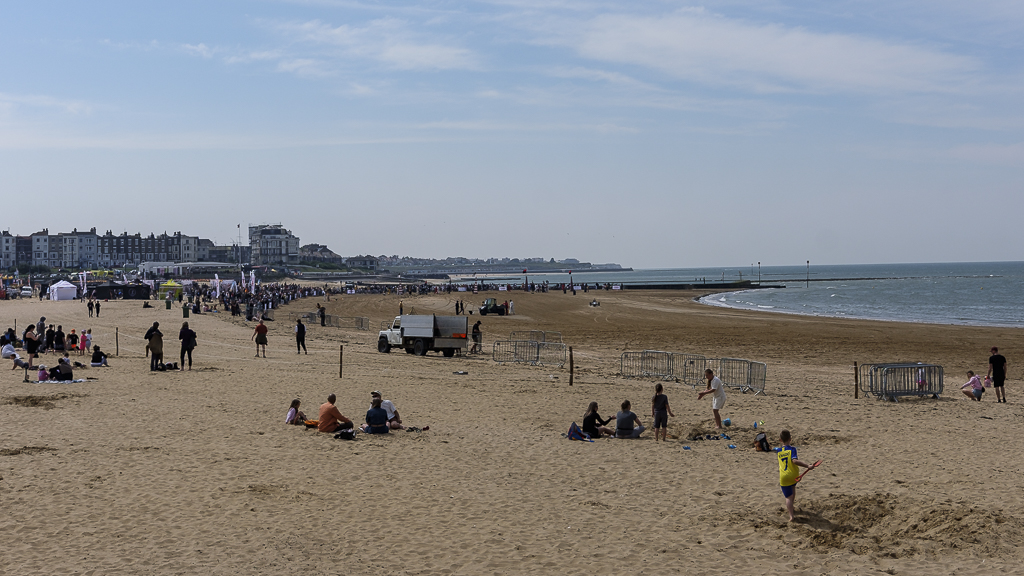
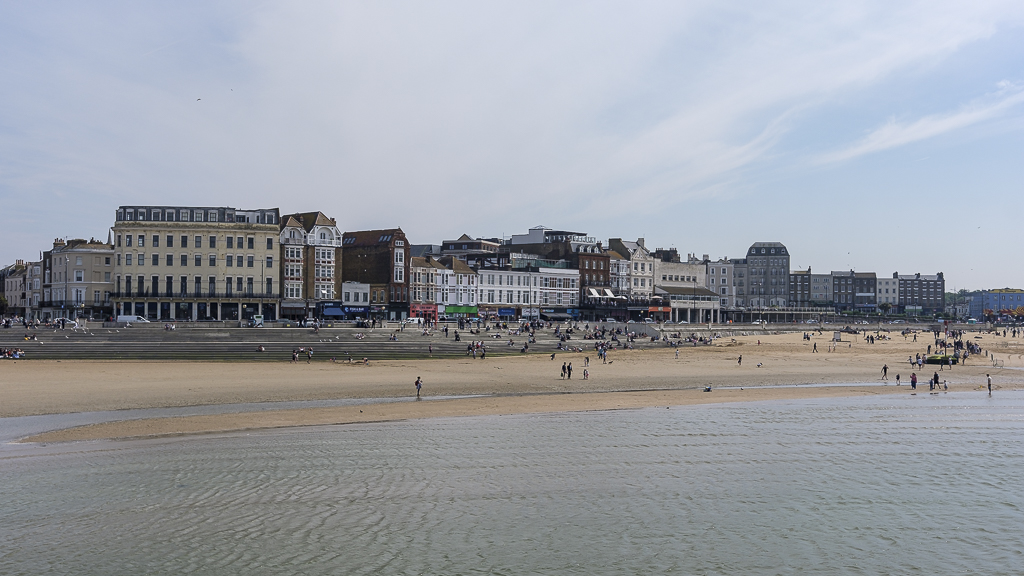
It’s another glorious day by the English seaside, but we’re not beachy types, we’re here for lunch and the Turner Gallery; which we last visited in November 2014. Margate has had a big upturn since then and has followed a similar trajectory to where I live in St Leonards-on-Sea further down the coast. Though they’re a similar time from London on the train, Margate has the advantage over St Leonards due to its sandy beaches, hence it’s a popular day trip destination for Londoners, motorcycle-loving or not. I prefer the relative quiet of where I am. It remains a classic English beachside town.
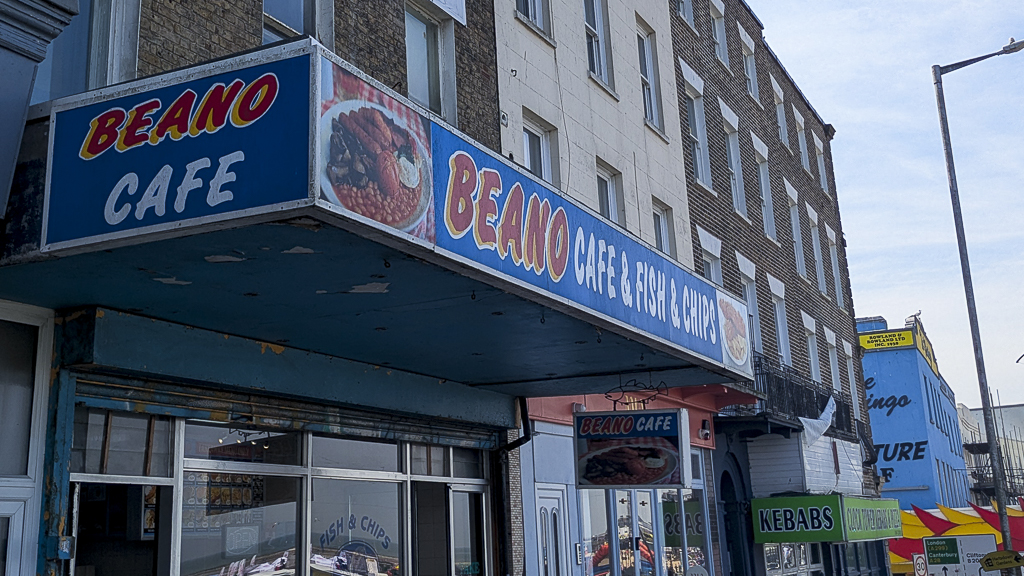

As in St Leonards. there are a number of popular modern cafes and restaurants serving a wide variety of food. We chose a small Vietnamese café on the edge of the old town, I chose a chicken Bánh mì that was just perfect for the day, fresh crisp baguette stuffed with mildly spicy chicken and topped with loads of crispy onions and coriander. It was surprisingly light and fresh. I’m enjoying the vibe and if wine was on the menu I would’ve been content to stay for a bit longer than we do; but the nearby Turner gallery was calling.
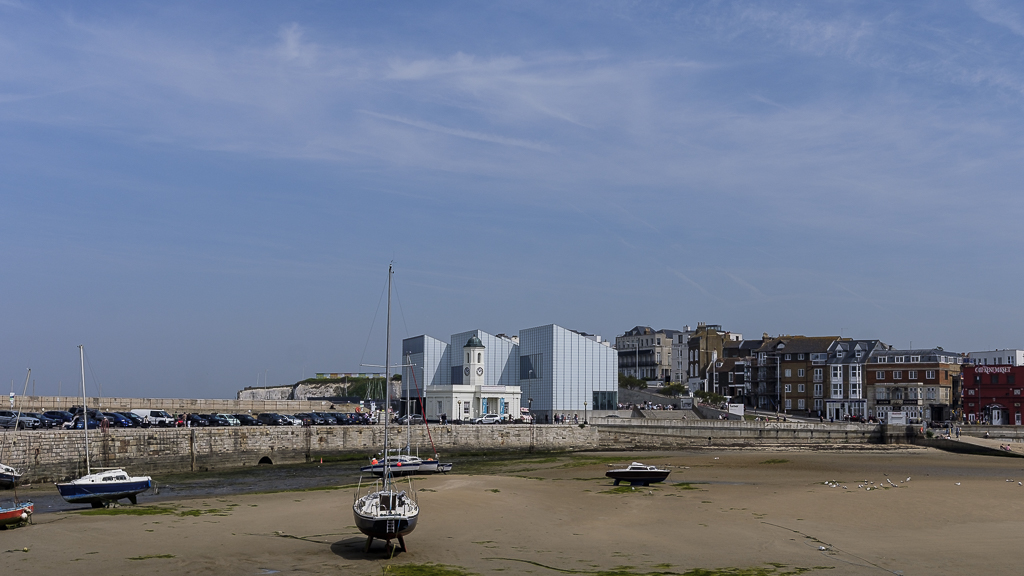
And, it’s closed. For two weeks while a new exhibition is hung. The café is open and is selling wine, so we take a glass each and lounge on the deck chairs outside. The sun beats down on us as we watch the world drift by; and sympathise as other potential Turner visitors turn away disappointed.
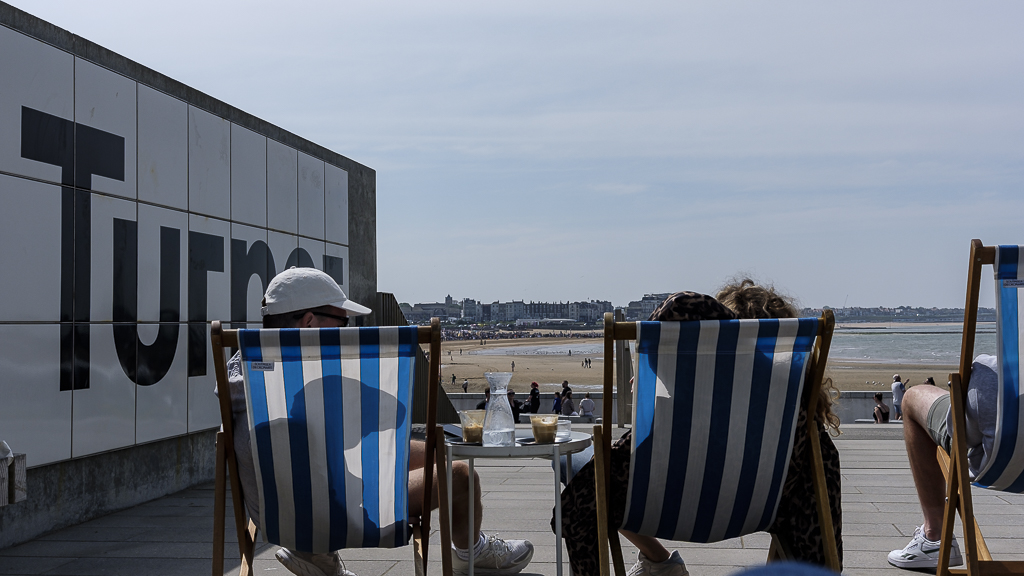
We haul ourselves out of the too deep chair and walk along the busy sea wall and sea front. Margate has made much better use of the sea wall than St Leonards has with its sea front – the end of the wall is packed with small bars full of people enjoying the sun and the summery beats from a single sound system and, most importantly, toilets. St Leonards has the fabulous and very popular Goat Ledge and a couple of other places offering food and drink on a small section of promenade, but it’s all disjointed and the lack of public toilets makes it less of a destination. Part of me is glad of this and part of me is sad.
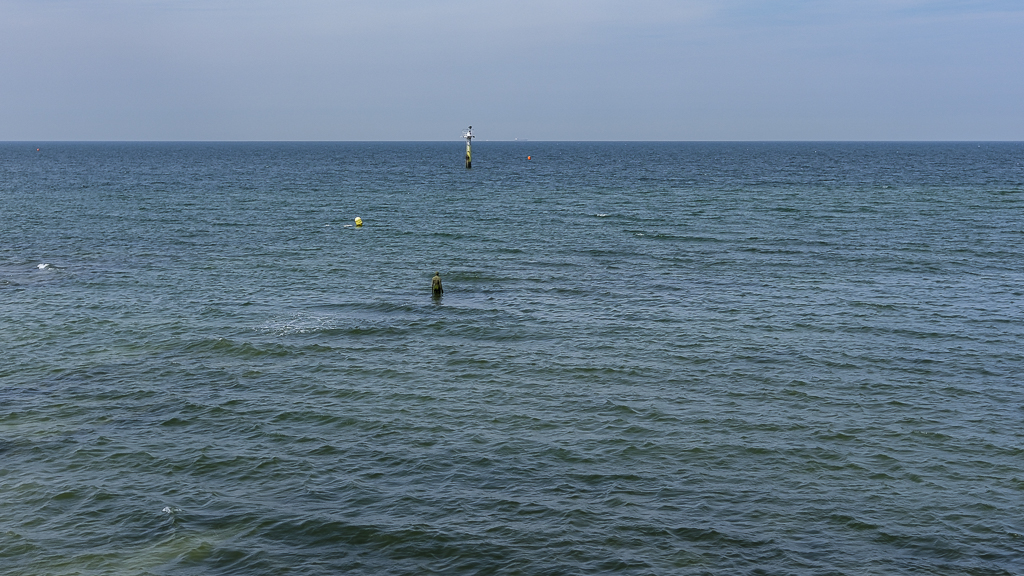
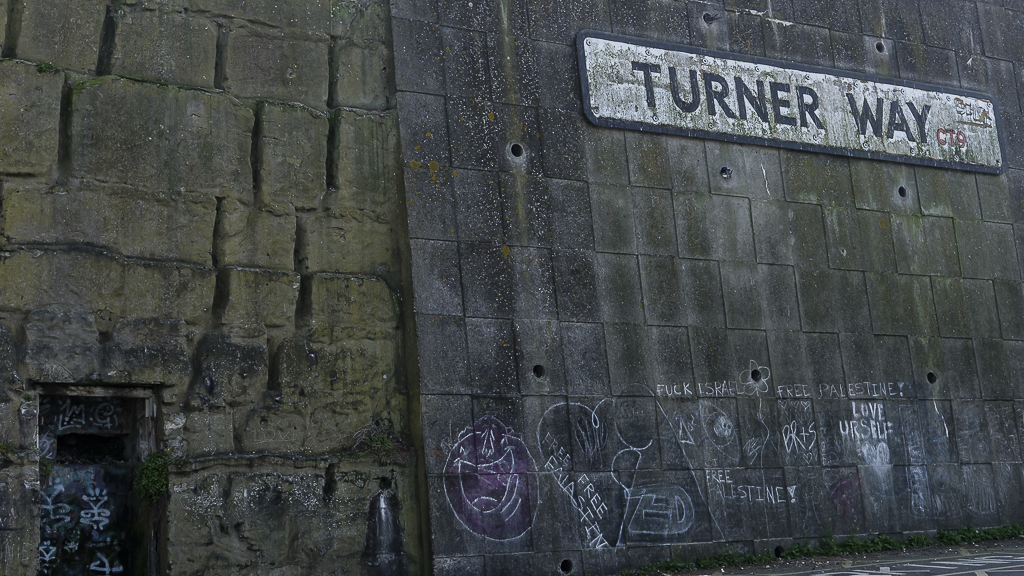
Behind the sea wall as the coast stretches away south towards Broadstairs, there is an Antony Gormley sculpture – ‘Another Time’ standing in the sea. One of a hundred similar statues around the UK coast; appropriately found near the large ‘Turner Way’ road sign on the cliff face over a carpark opposite the beach. Turner created a number of his famous paintings on this stretch of coast, claiming it had the best light in the world.
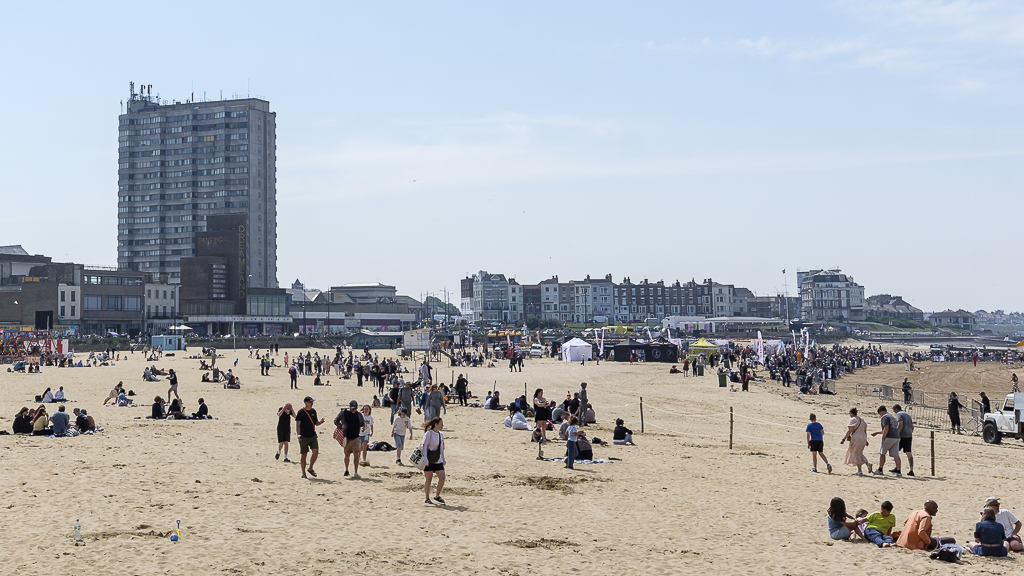
The beach races have certainly brought the fans and the sunny day means loads of visitors are also here to lounge on the beach; though the best beach is closed for the beach racing. With the art gallery closed and bellies full of lunch we decide to head back to the station ahead of the rush and get the train back home. Next time I will plan better.
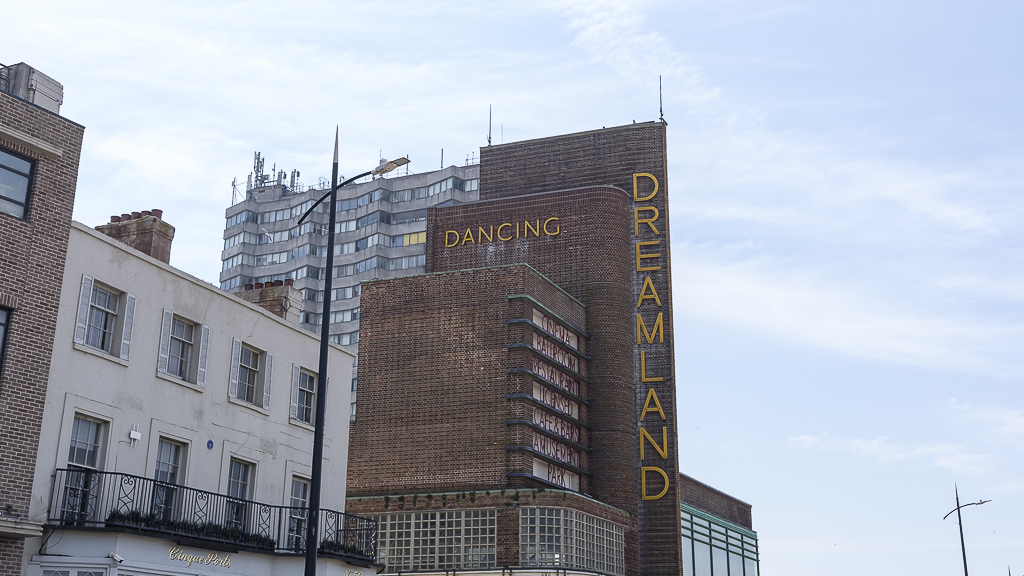
Dreamland is a theme park and a Margate institution that first opened in 1880. It fell into disrepair in the 1990s and closed for 10 years in the early part of this century while the council worked out what to do with the site that didn’t enrage the local population. It reopened in 2013 and hosts concerts as well as the more traditional seaside theme park fare. The building frontage is fabulous.
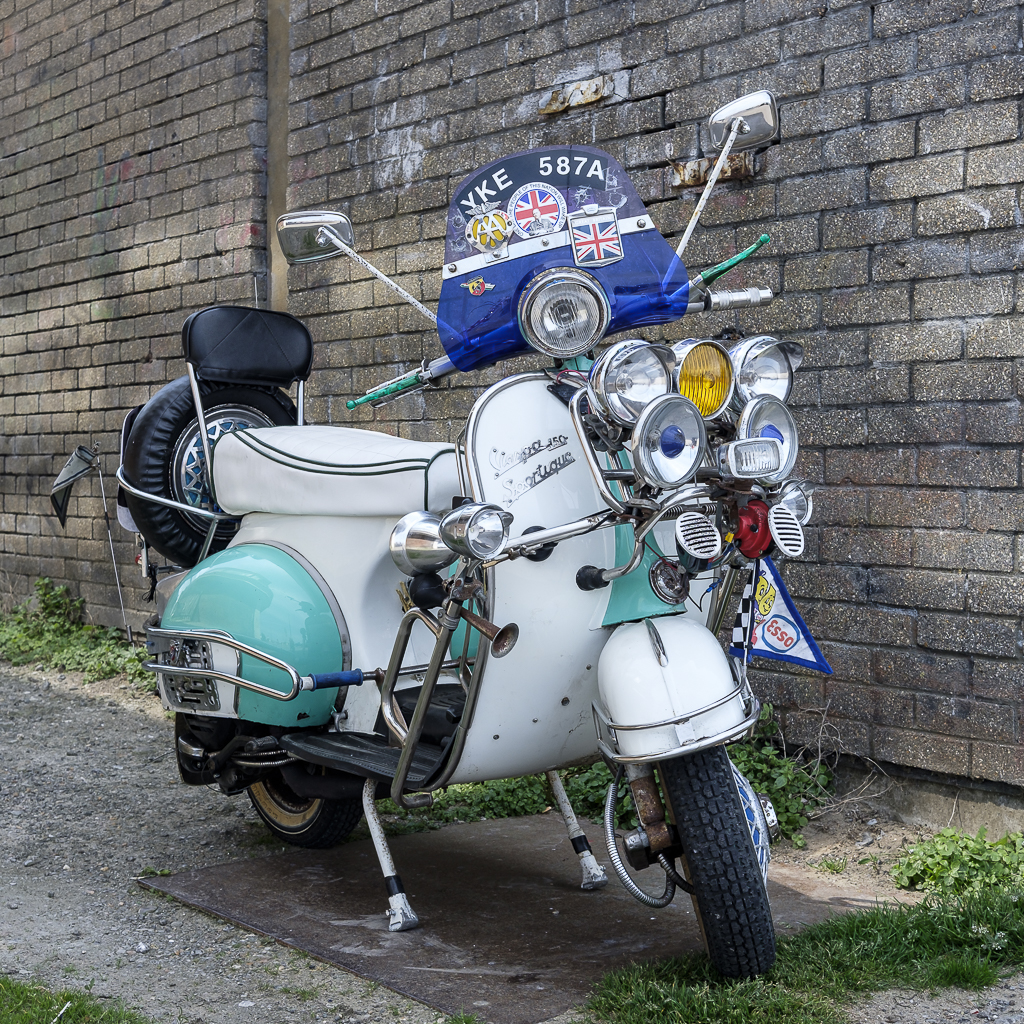
Beside a Dreamland fire exit was this fabulous old modded-up scooter. Carefully parked apart from the leather clad ‘rockers’ over the road watching the classic beach motor cycle racing. Like many England beachside towns, Margate was the scene of some ferocious mods v rockers battles in the early 1960s.
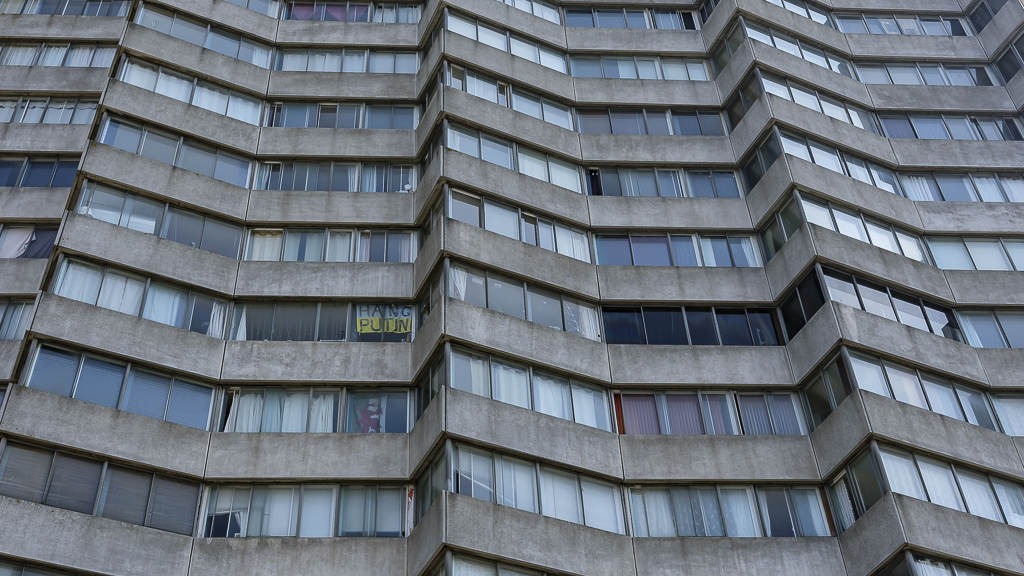
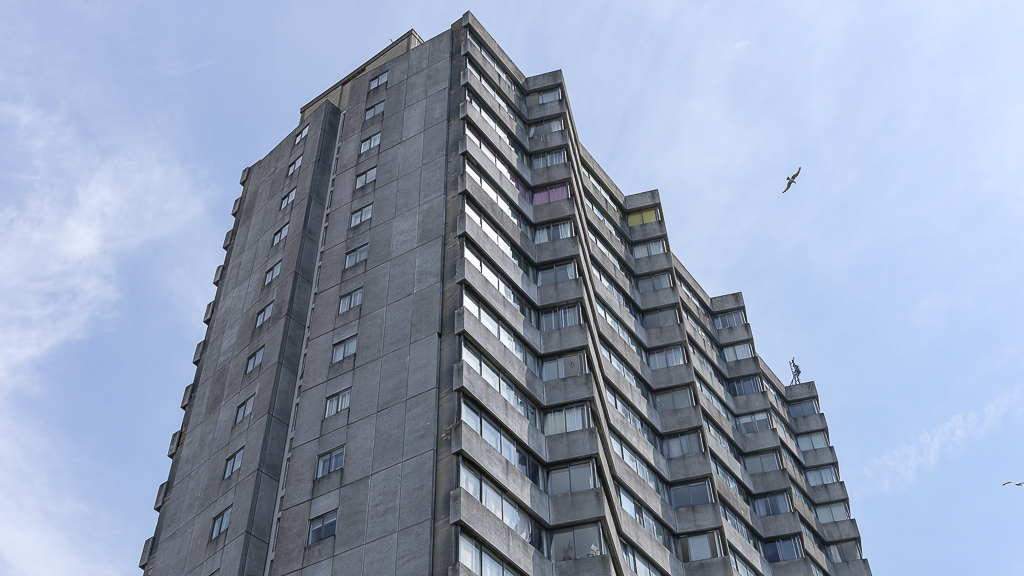
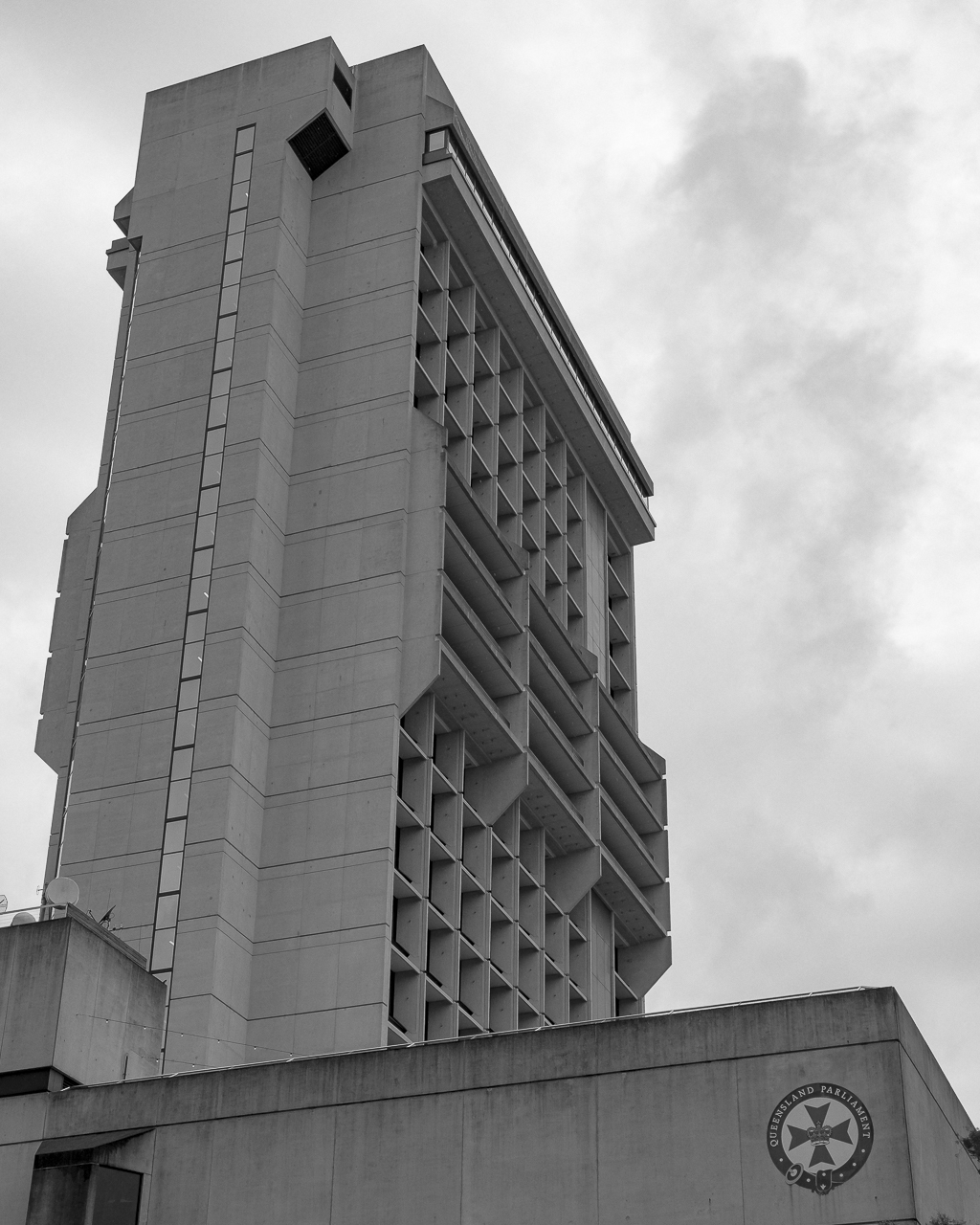
Arlington House is a bonus lump of brutalist architecture directly outside Margate station. Opening in 1963, almost right on the seafront, it has long been a controversial addition to Margate and its future remains in doubt.
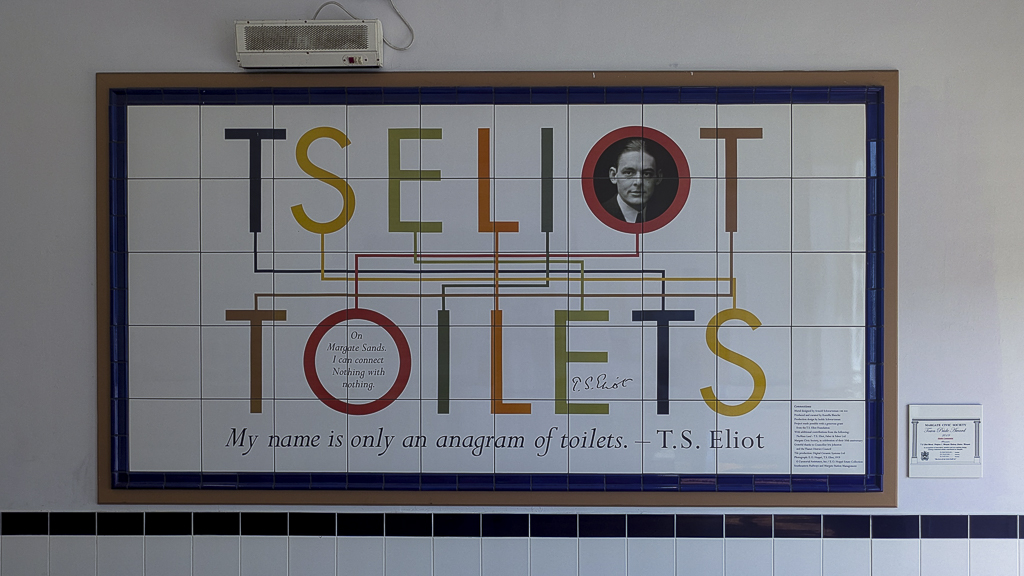
The station toilet has a fantastic quote from T. S. Eliot on the wall. The poet spent some time writing in the town in 1921 while recovering from what was called at the time, a ‘nervous breakdown’.
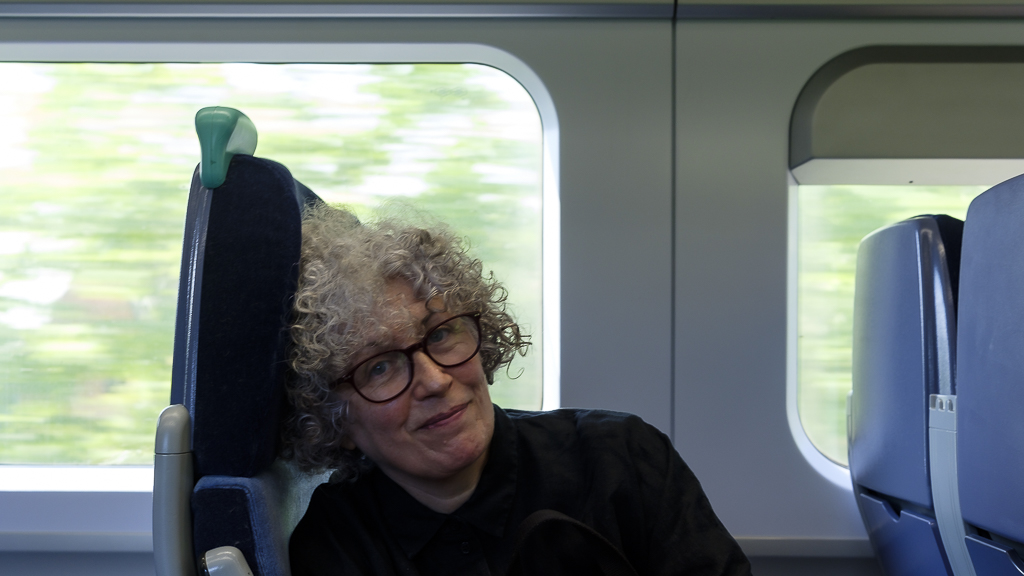
With trains running to St Leonards from the Ashford interchange only once an hour it’s a long old journey home, but worth it. Even with not being able to go the gallery it was a good day out.


You must be logged in to post a comment.