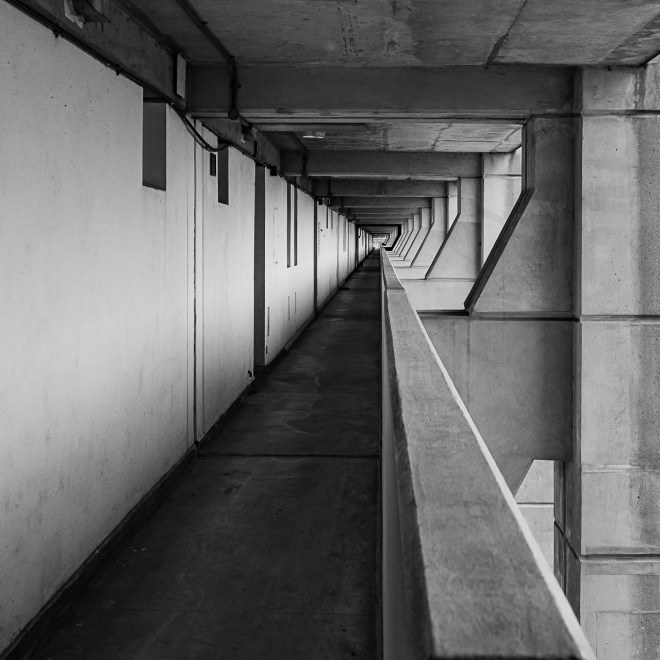
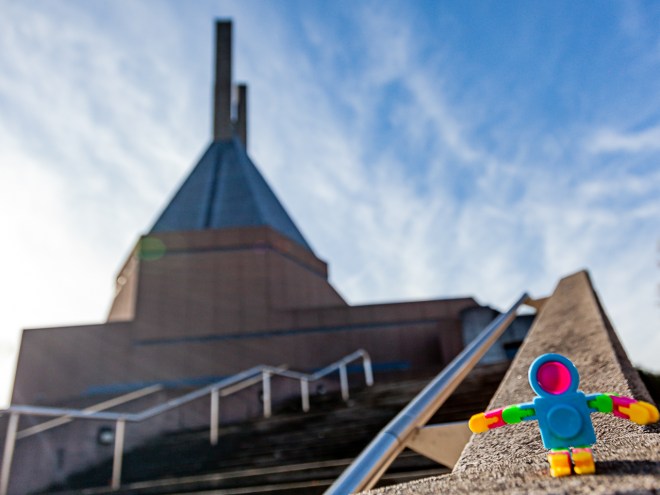
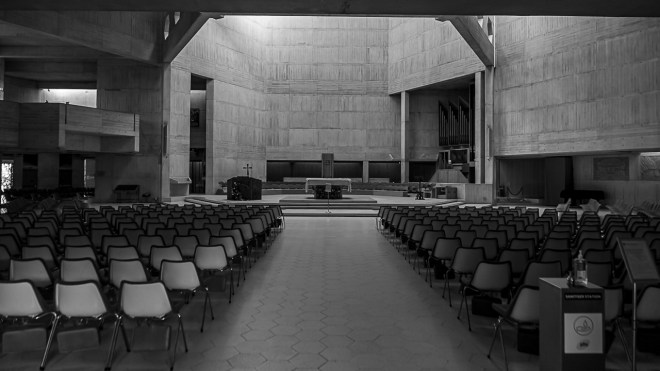
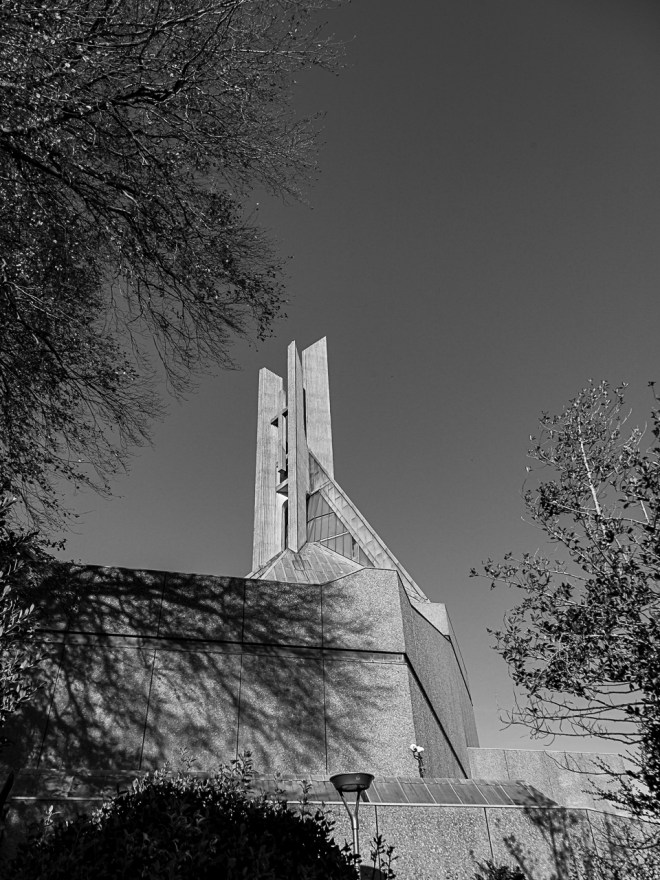
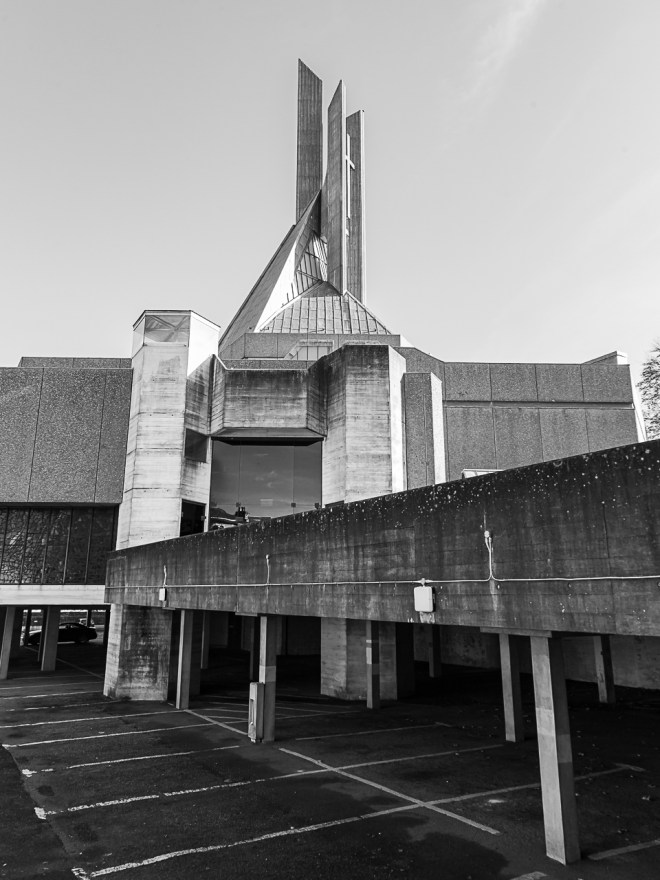
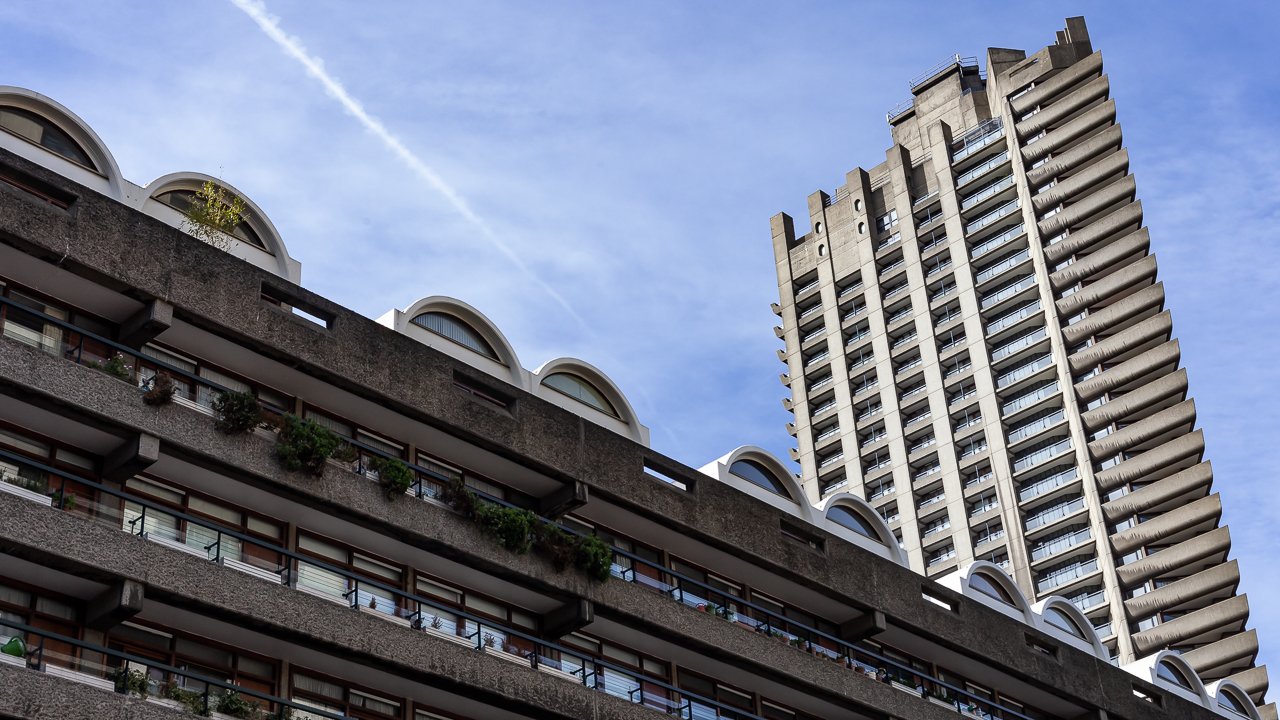
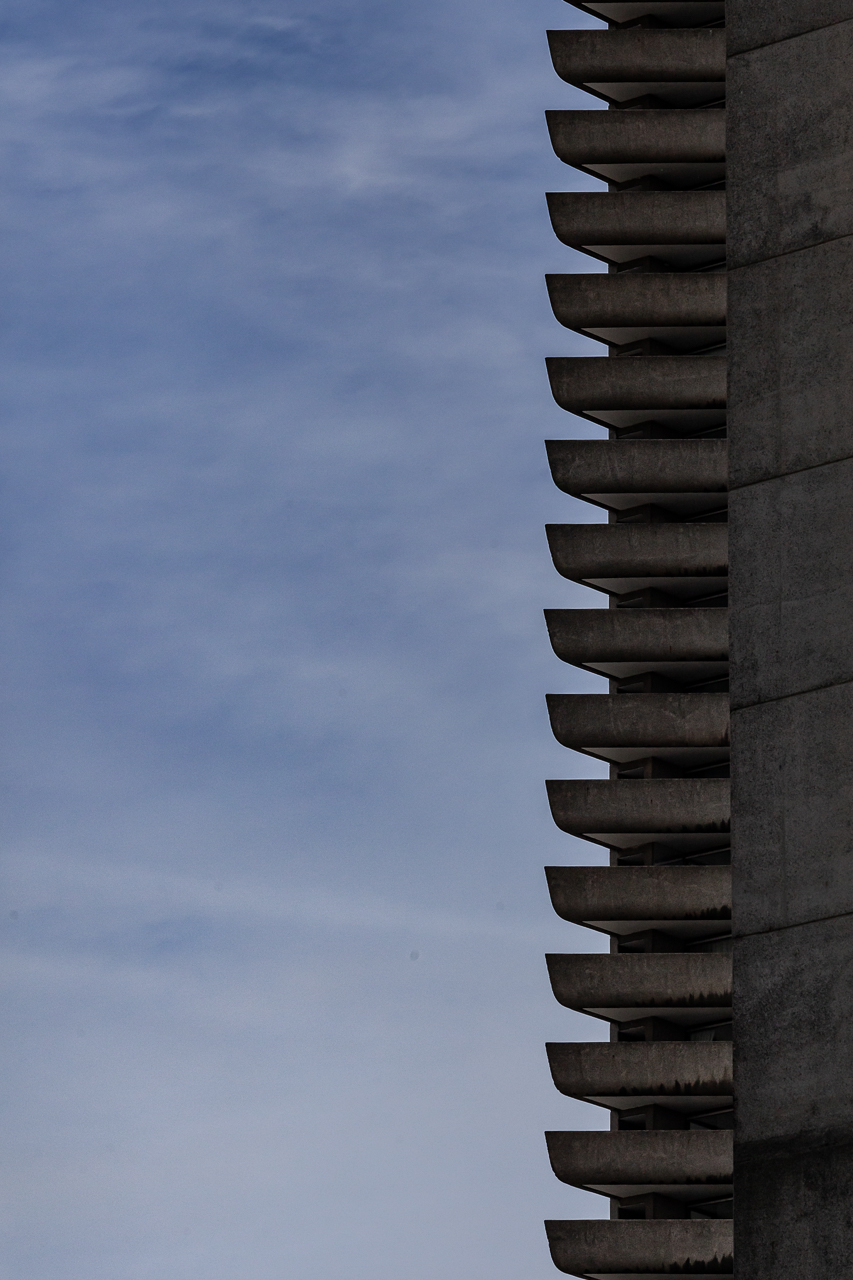
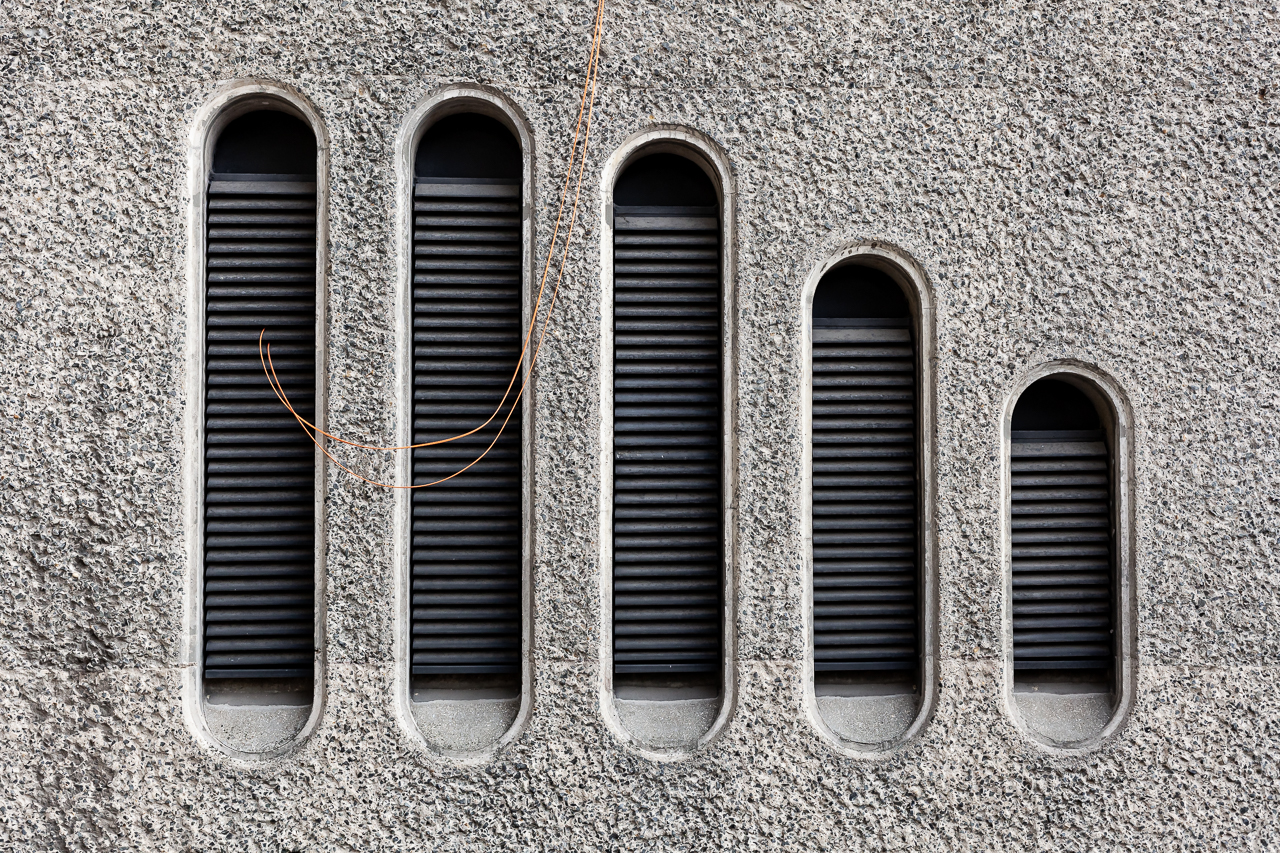
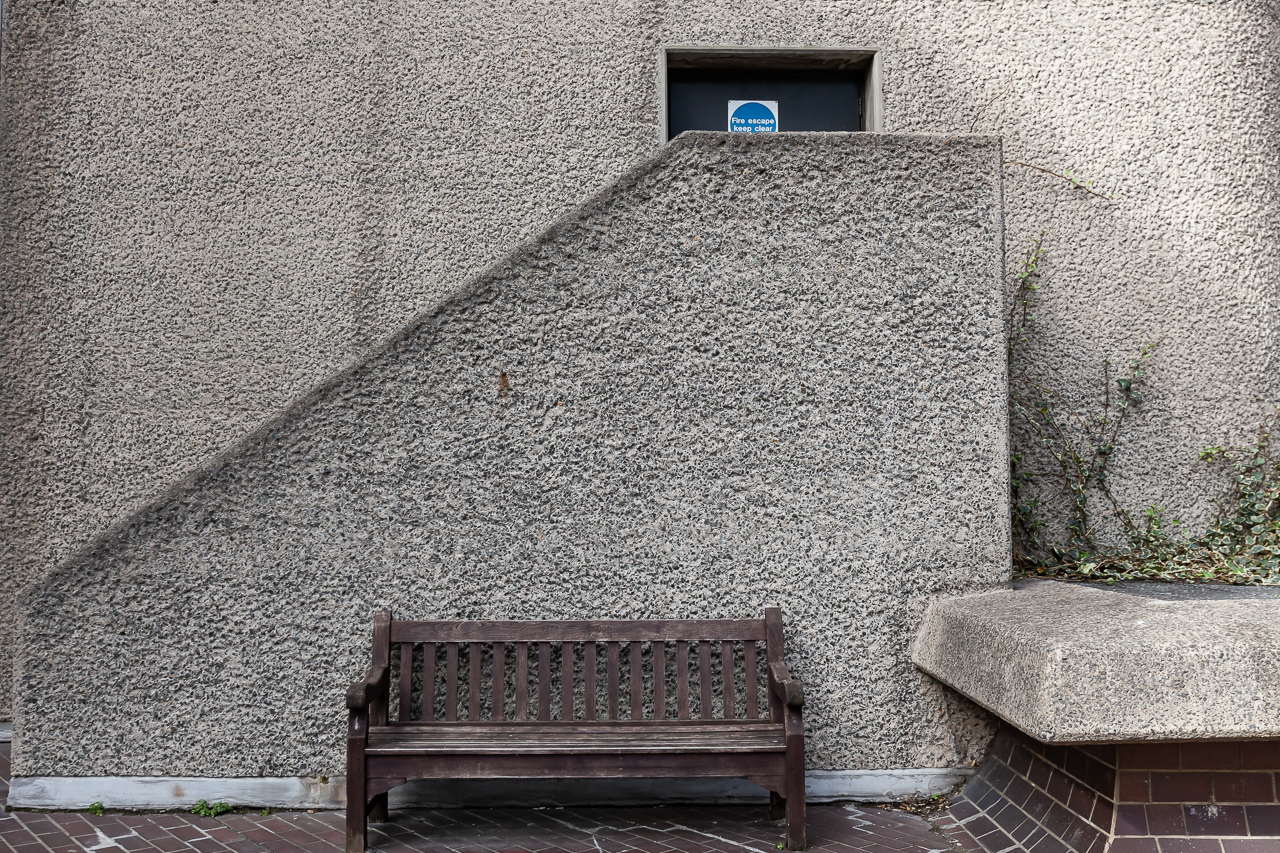
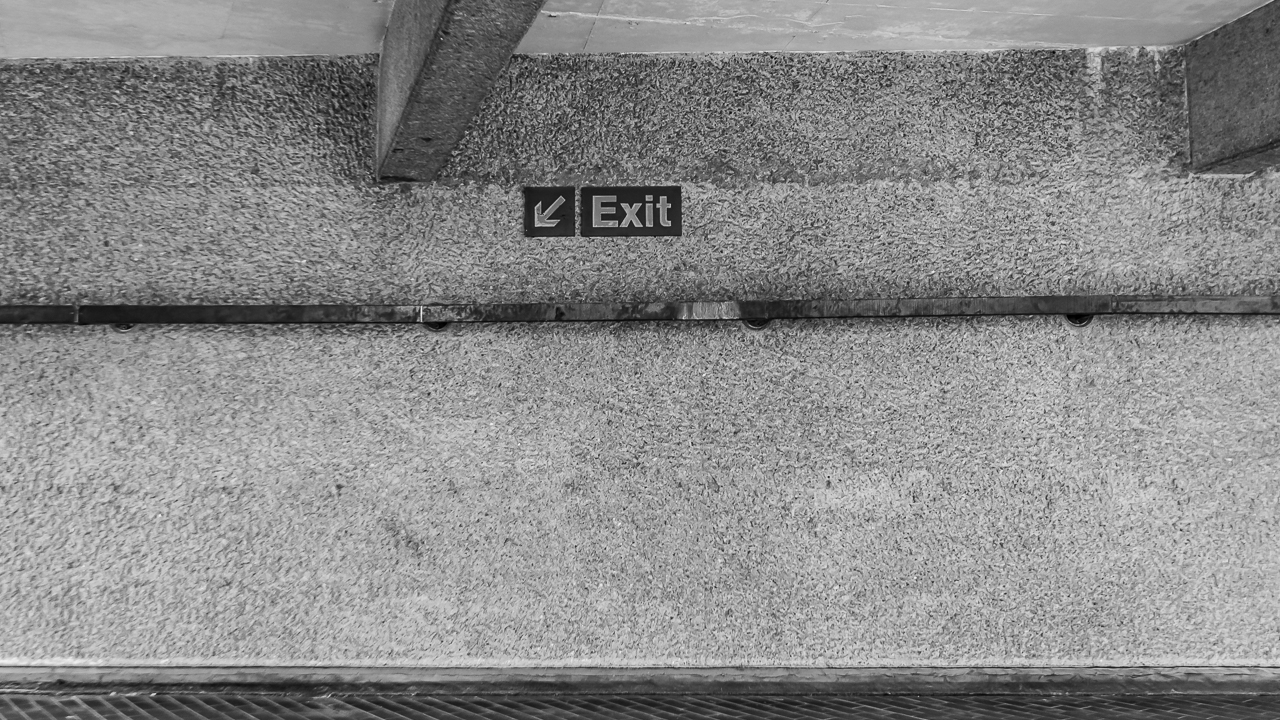
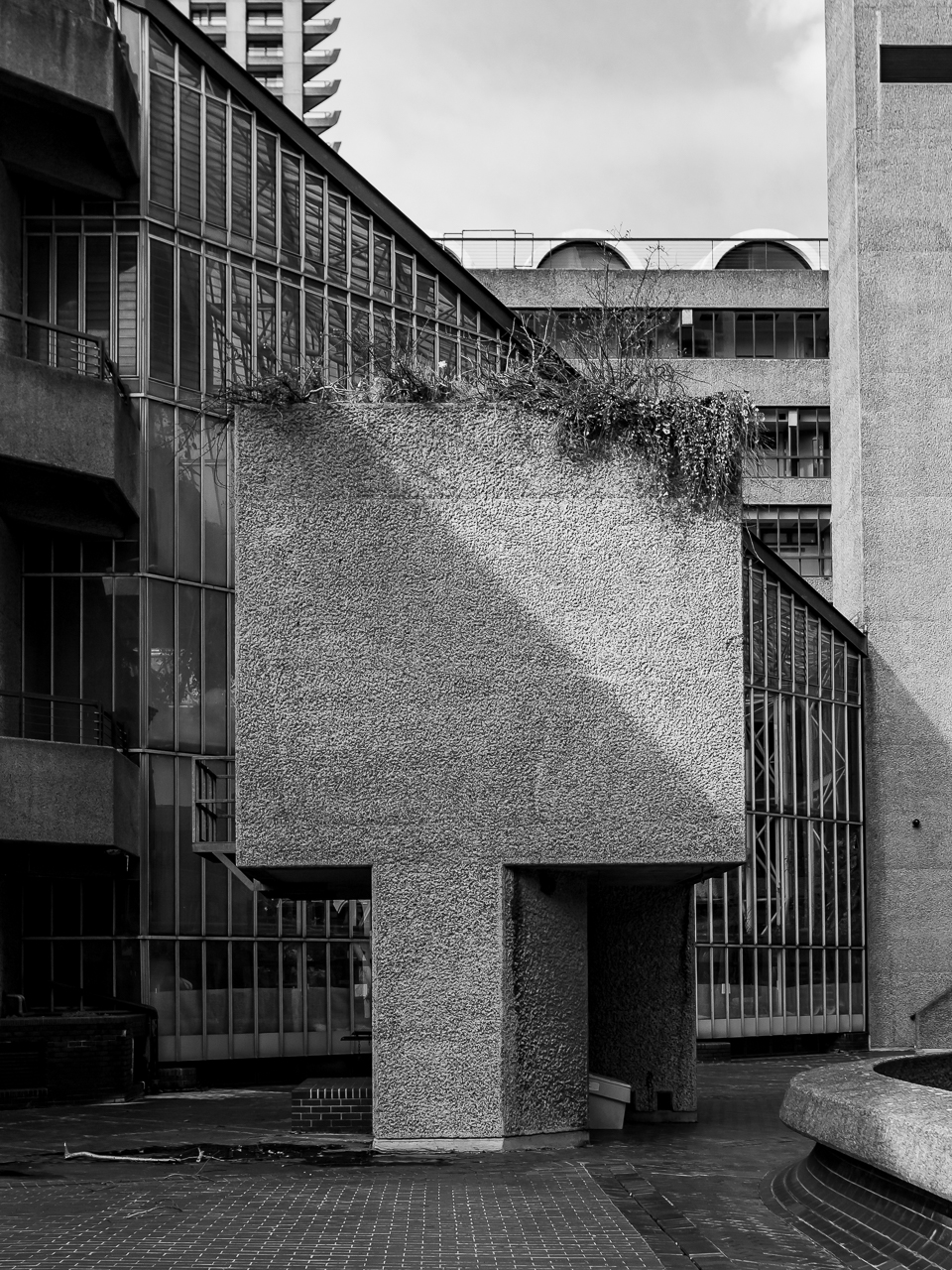
Brutalist Harrow

Saturday 06 April 2024 – Harrow, west London.

It’s been quite a while since I schlepped out to far west London, it’s definitely not been in the last five years at least and to be fair I’d no need to go there, until today. It wasn’t really a need either, I wanted to get out of the house, and visiting Uxbridge to take photographs of the John Heywood designed lecture theatre at Brunel University that features, among other Brunel buildings, in Kubrick’s dystopian masterpiece ‘A Clockwork Orange’ seemed like a good thing to do. I popped a question on the brutalist architecture Instagram group I belong to to see if anyone was interested in coming along as well and five of us took the hour long journey out west. There will be more on Brunel in the next post as I ended up taking too many photos to fit nicely into one.

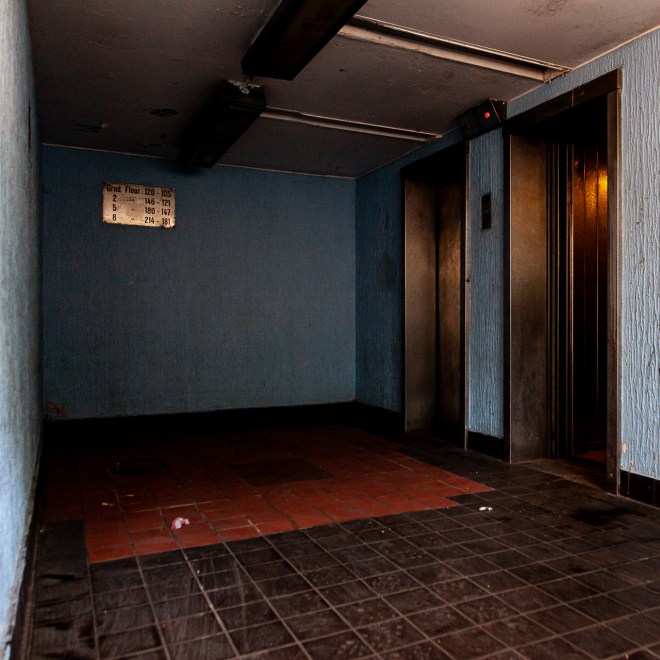
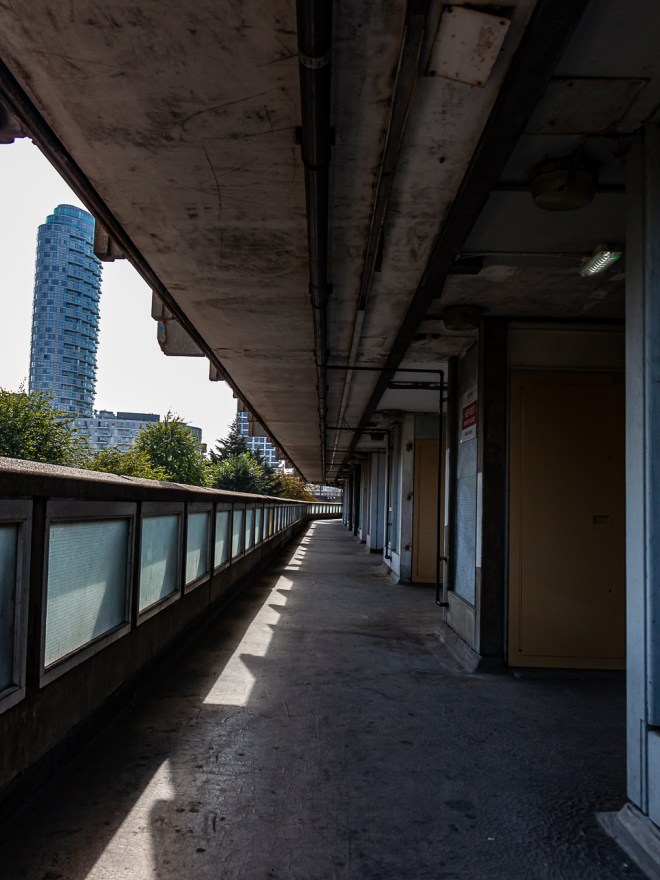
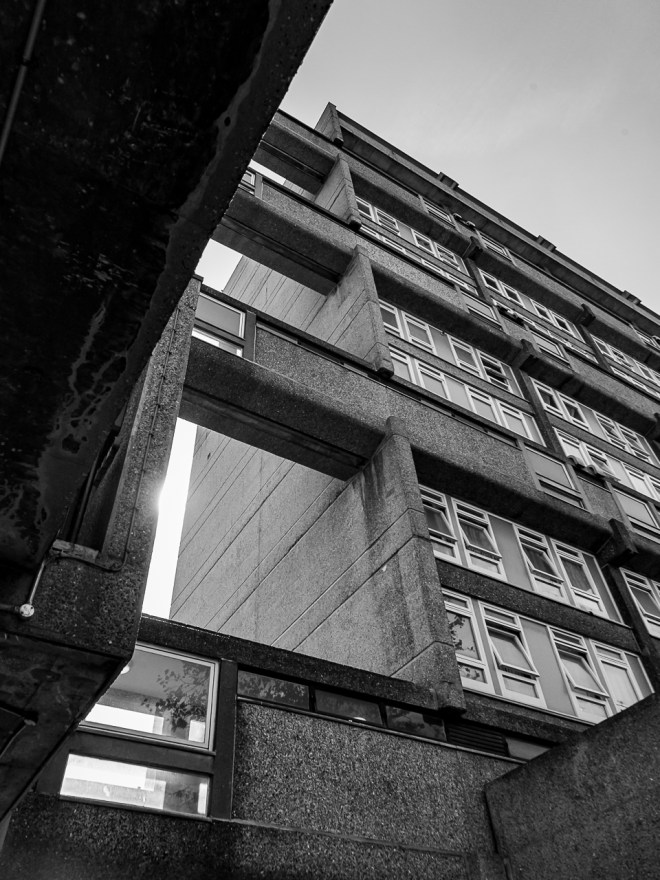
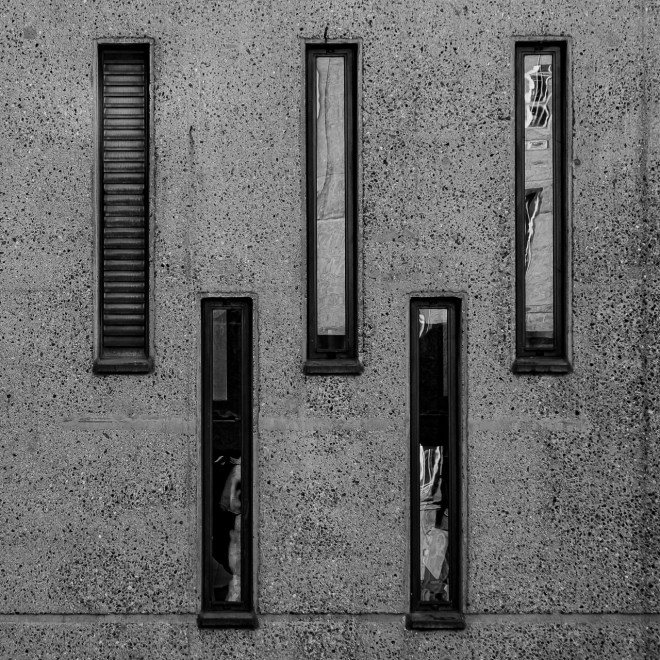
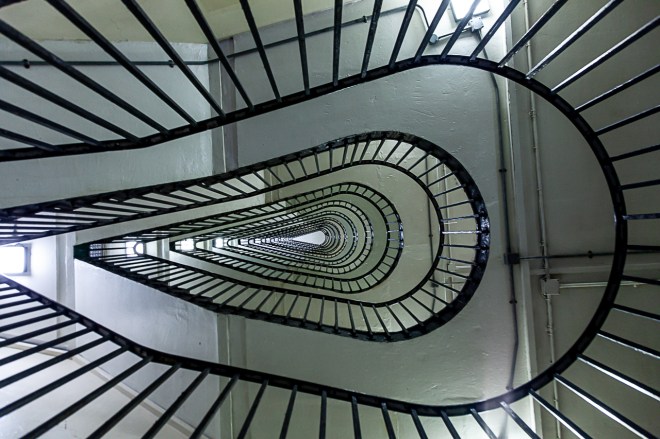
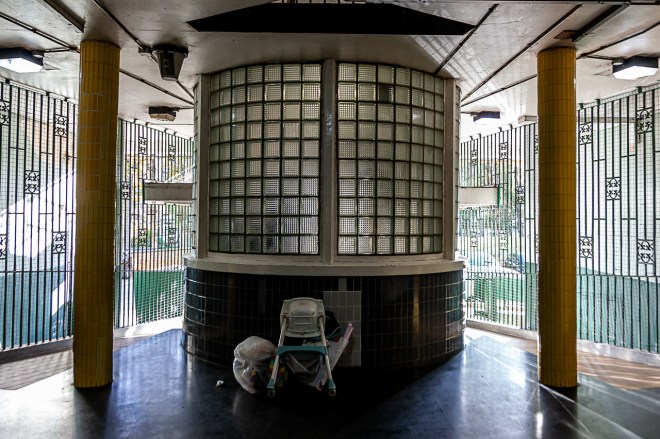
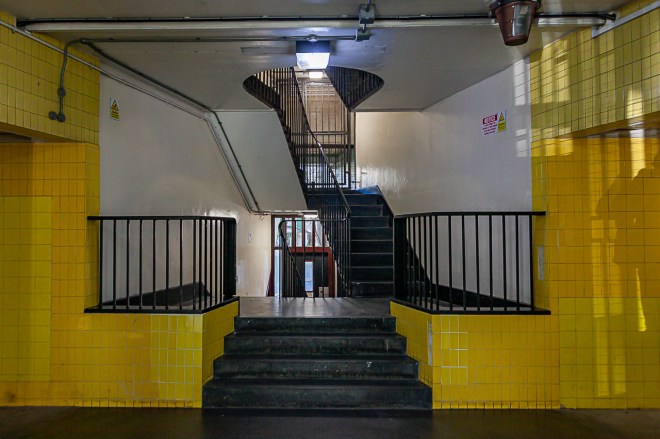
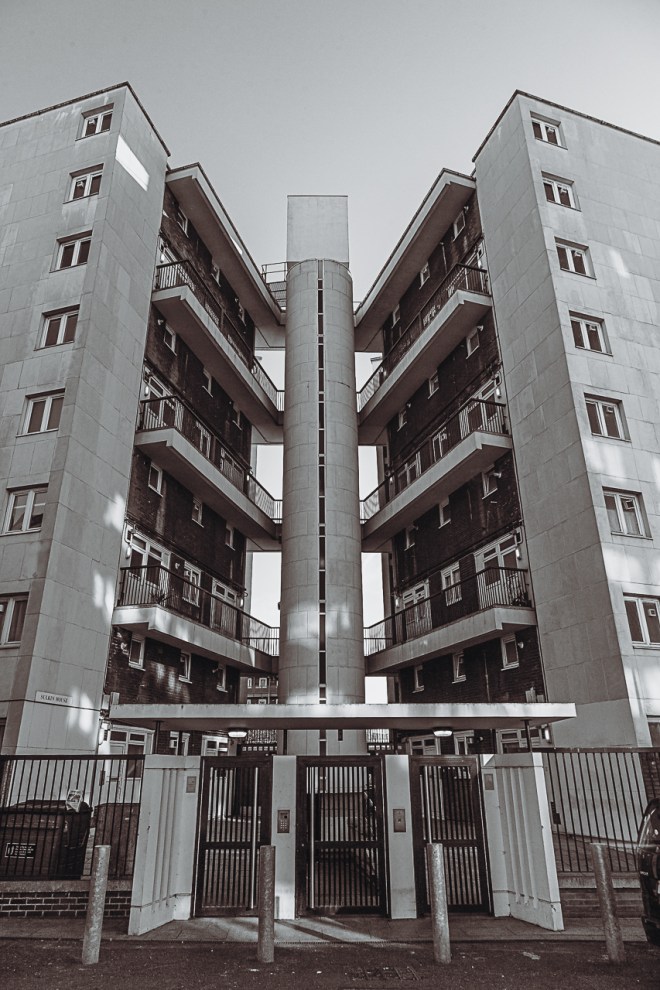
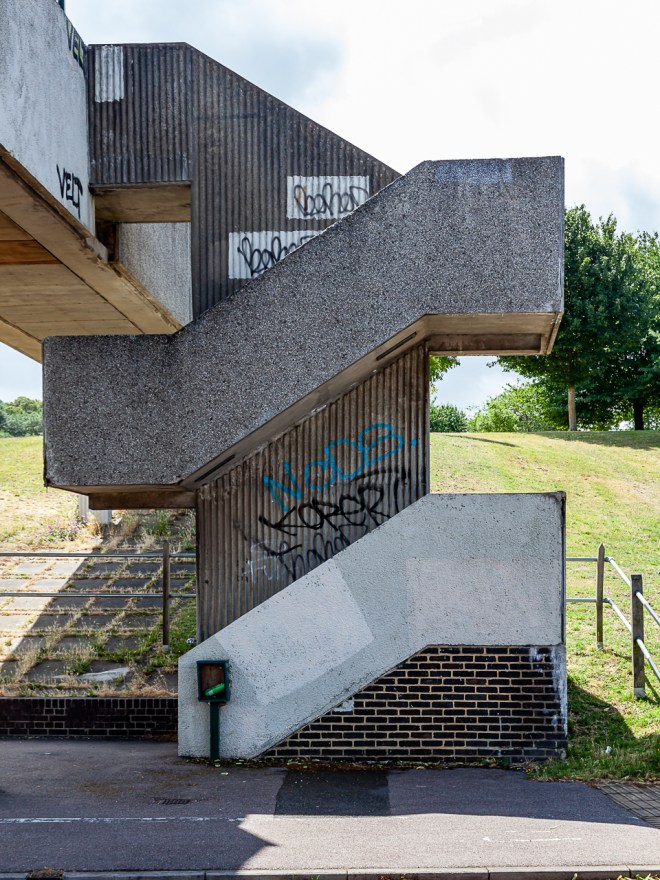
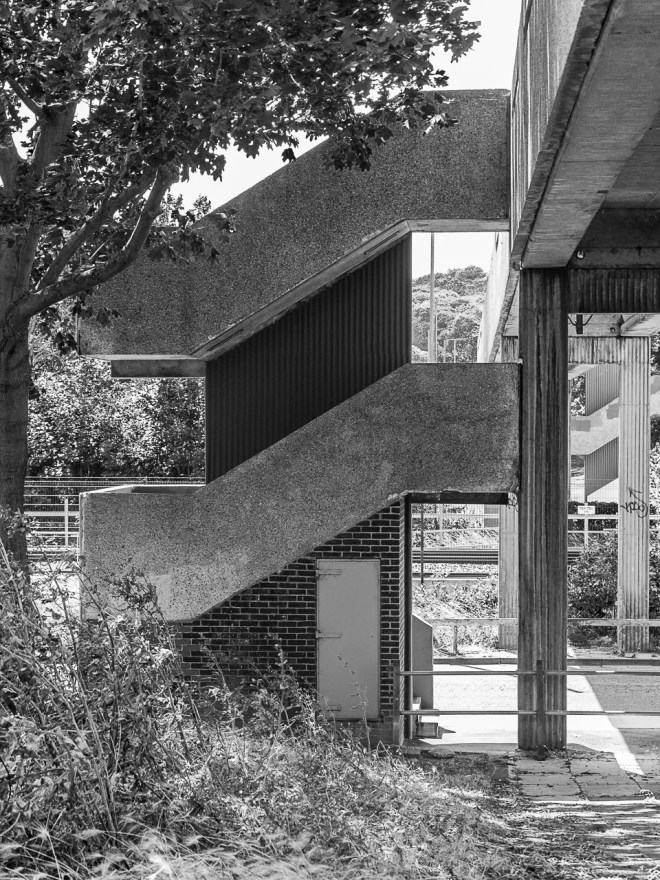
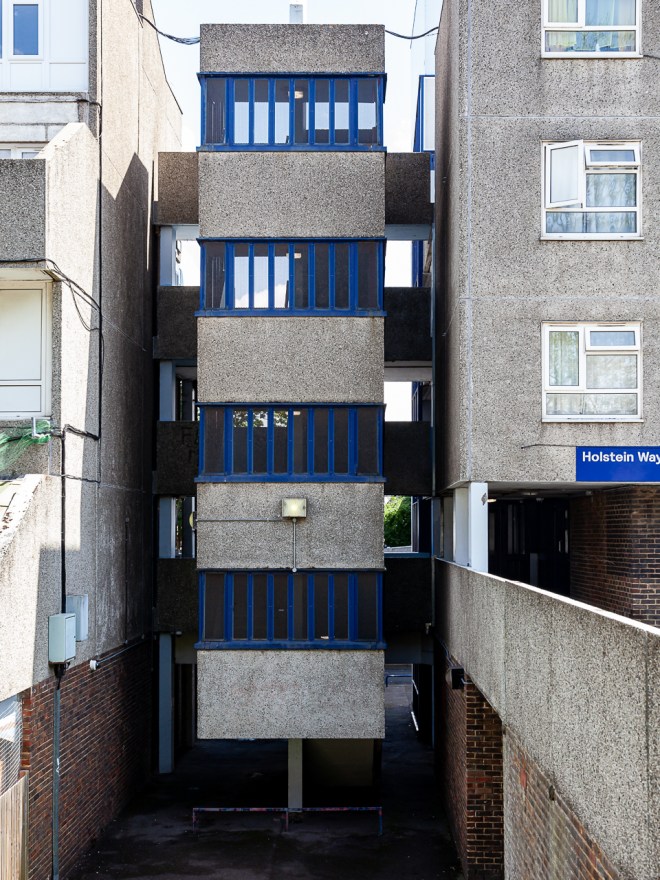
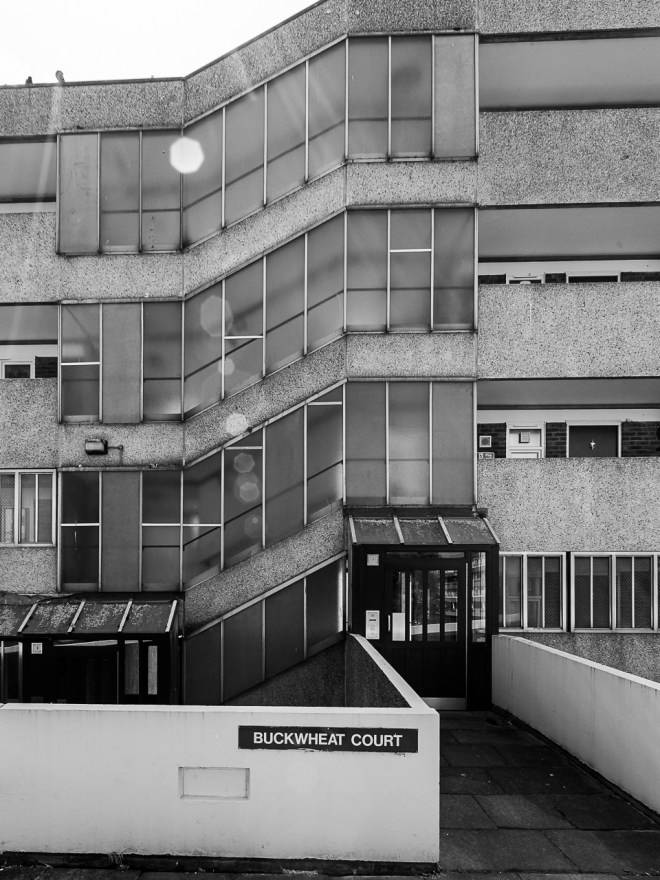
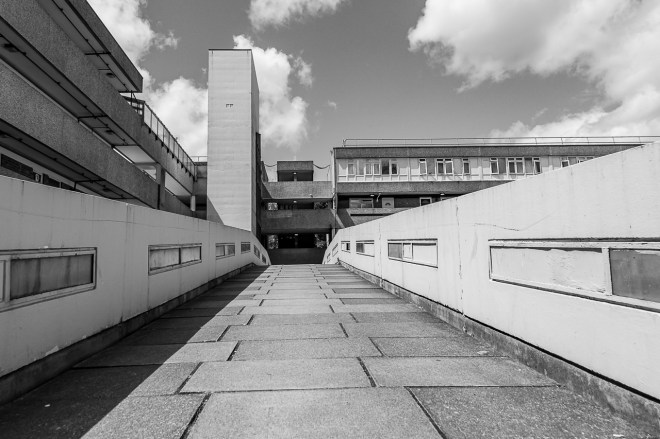
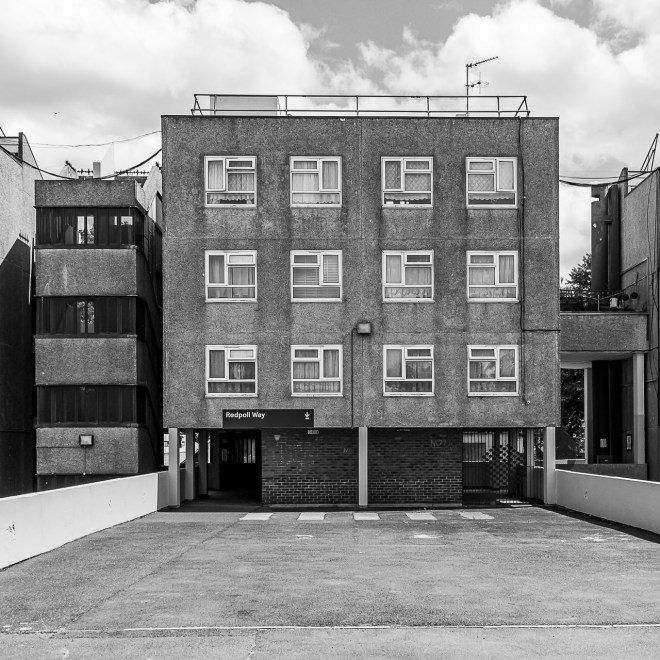
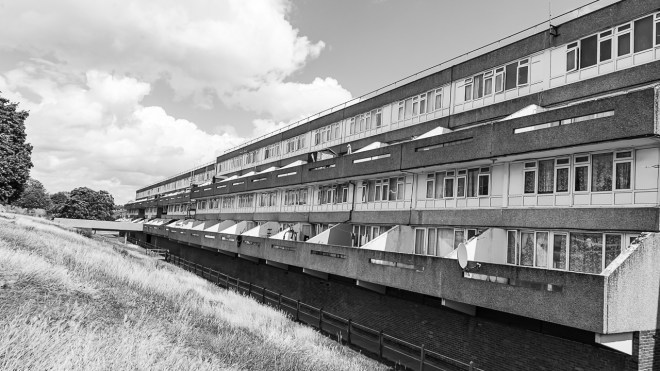
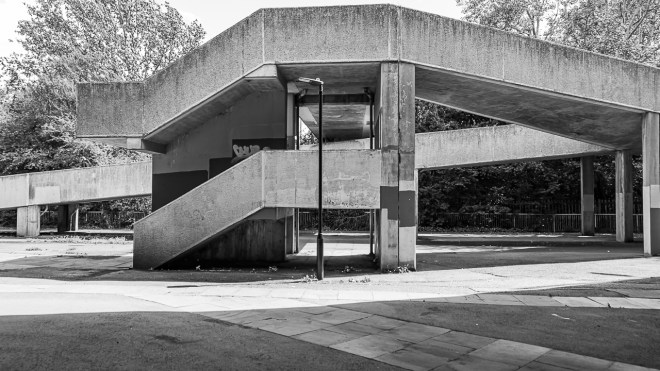
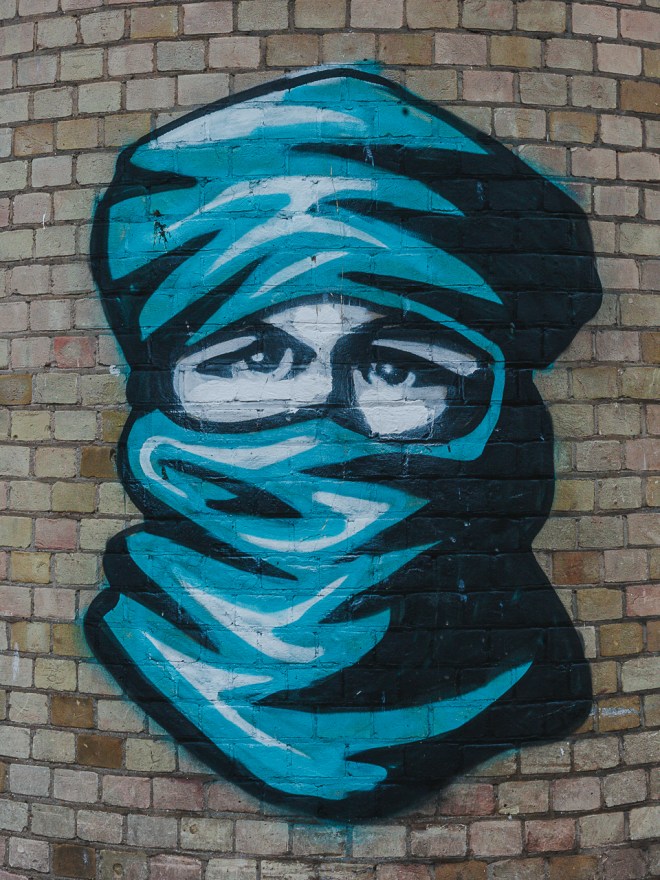
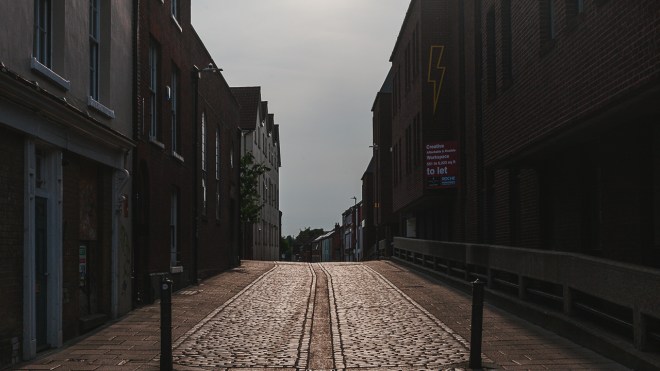
As we were travelling all that way out we decided to take in the Harrow Civic Centre and a ‘nice’ concrete underpass in Harrow-on-the-Hill, both of which make up the photos in this post.

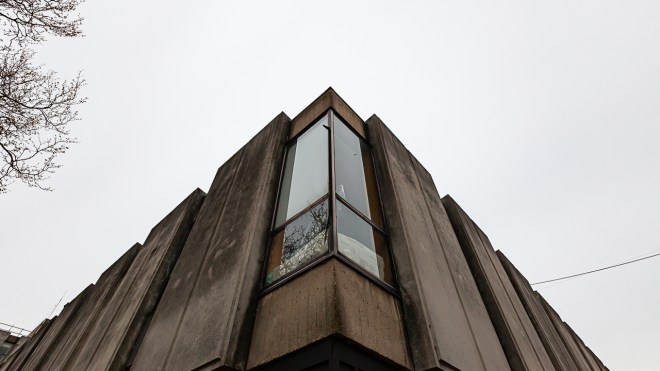
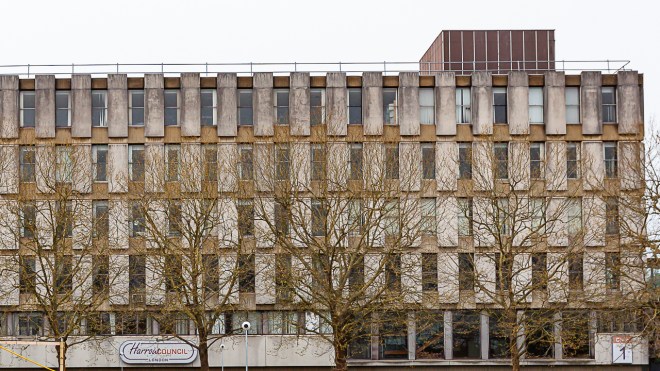
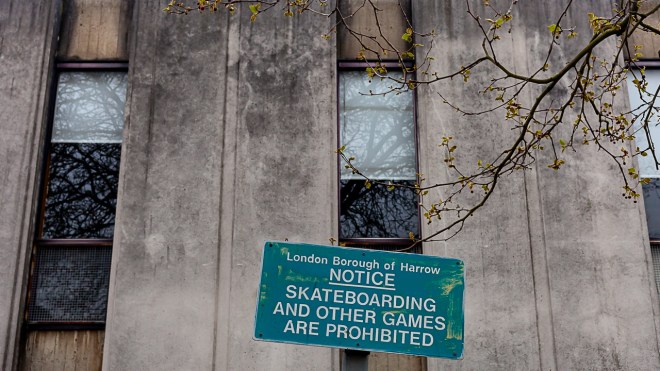
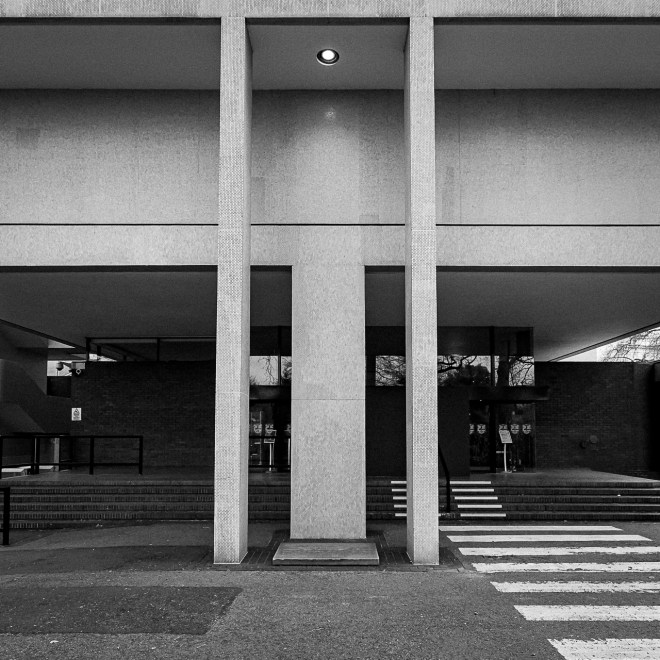
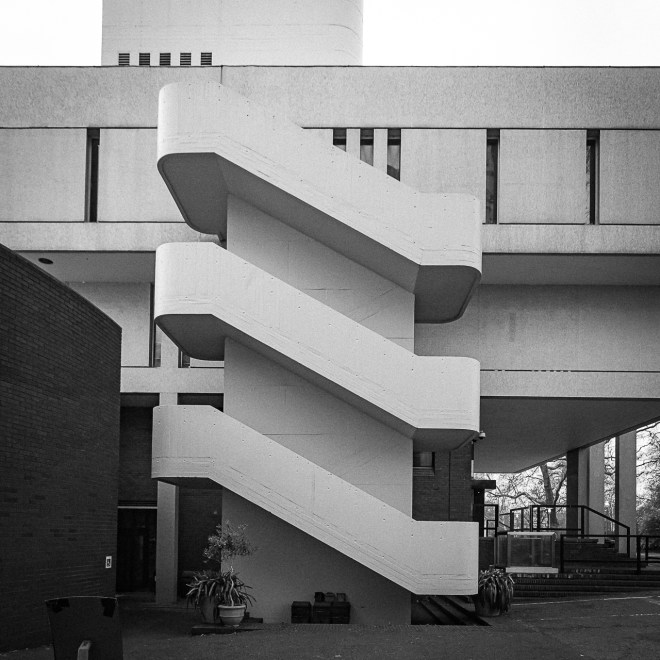
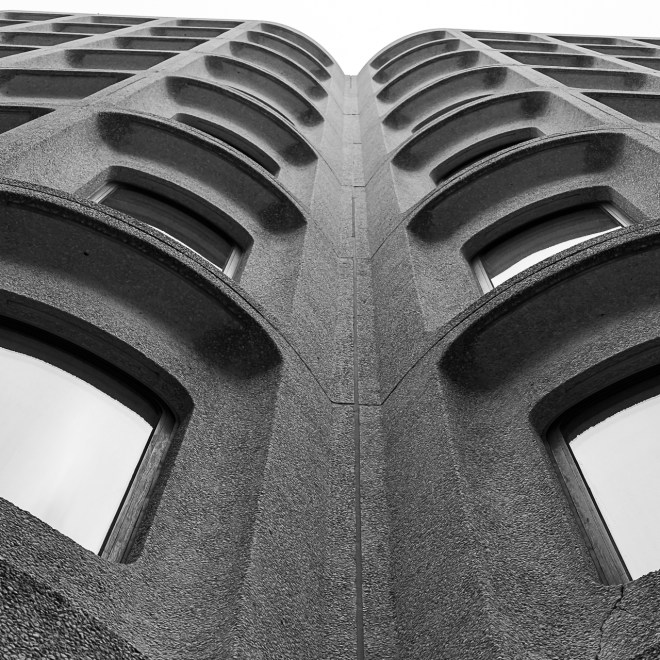
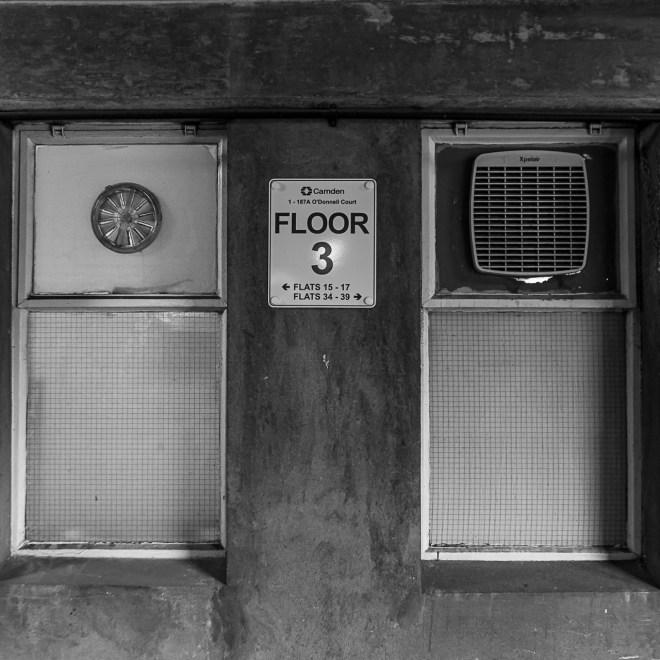
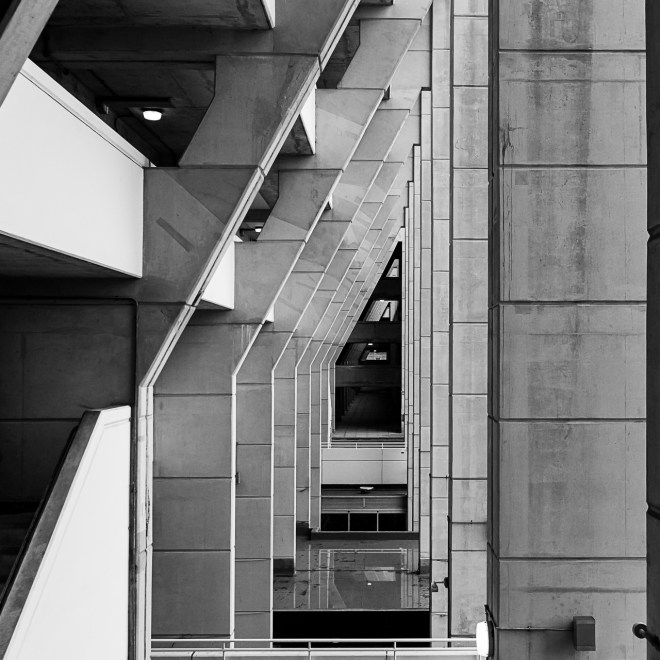
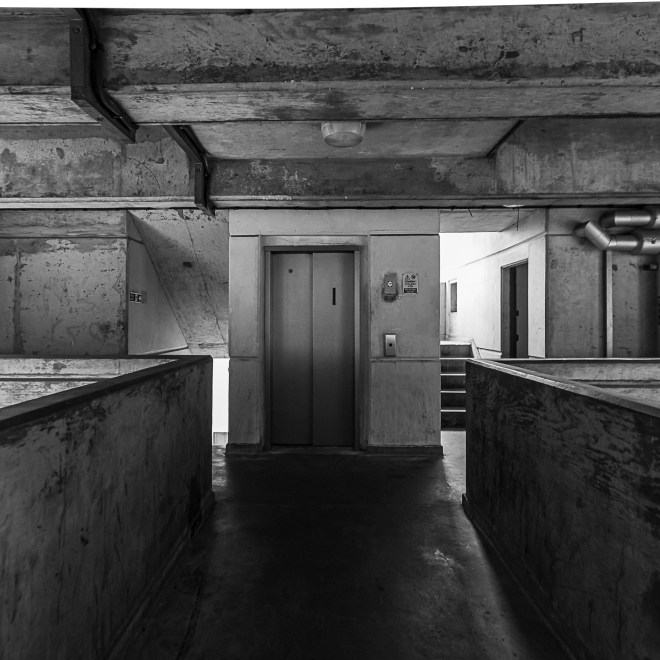
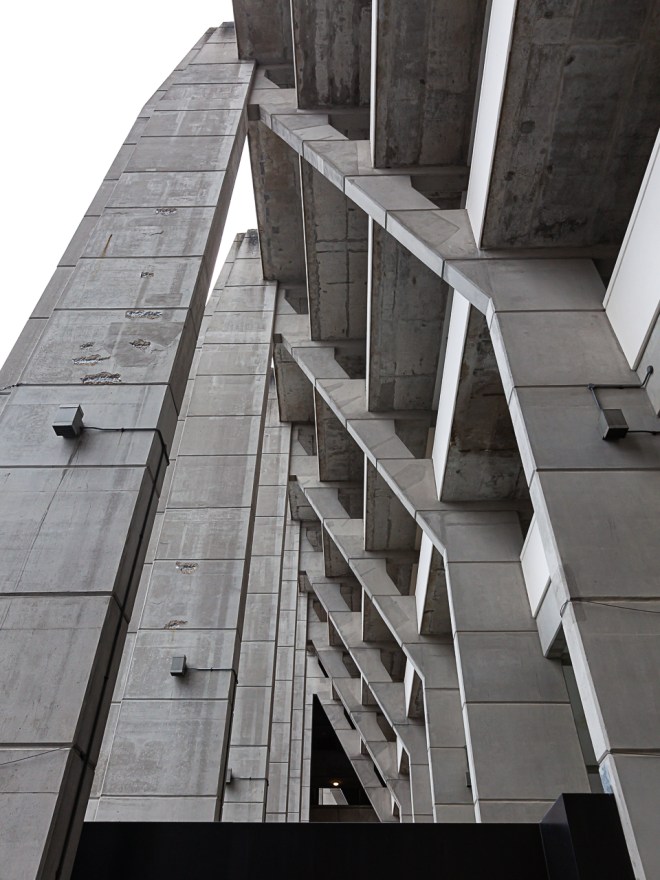
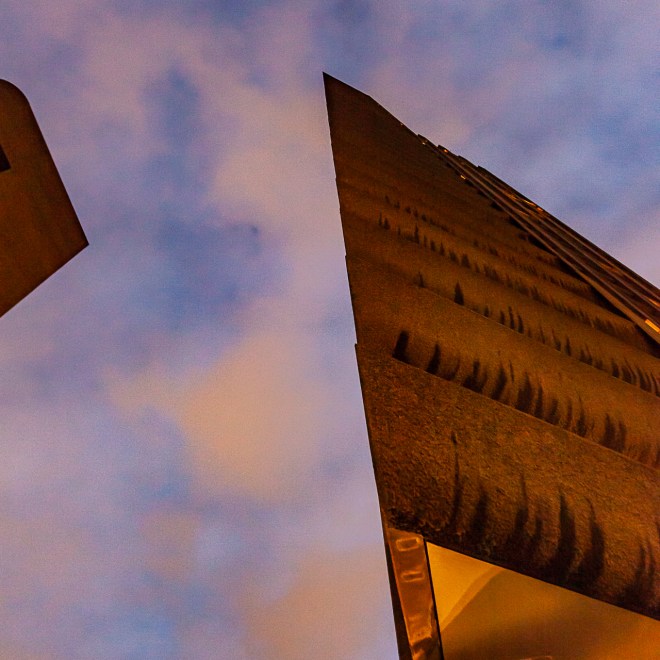
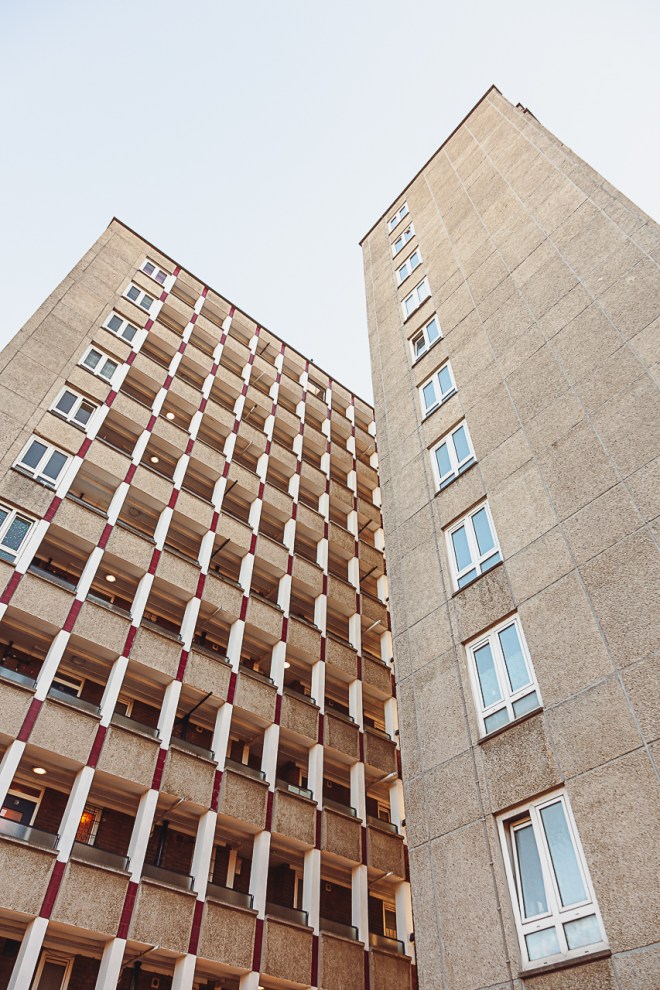
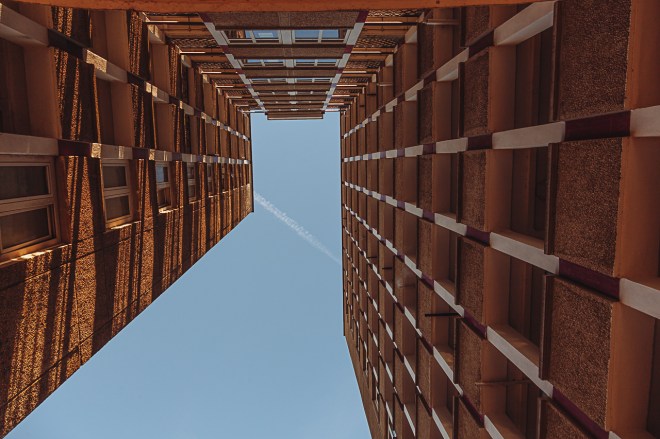
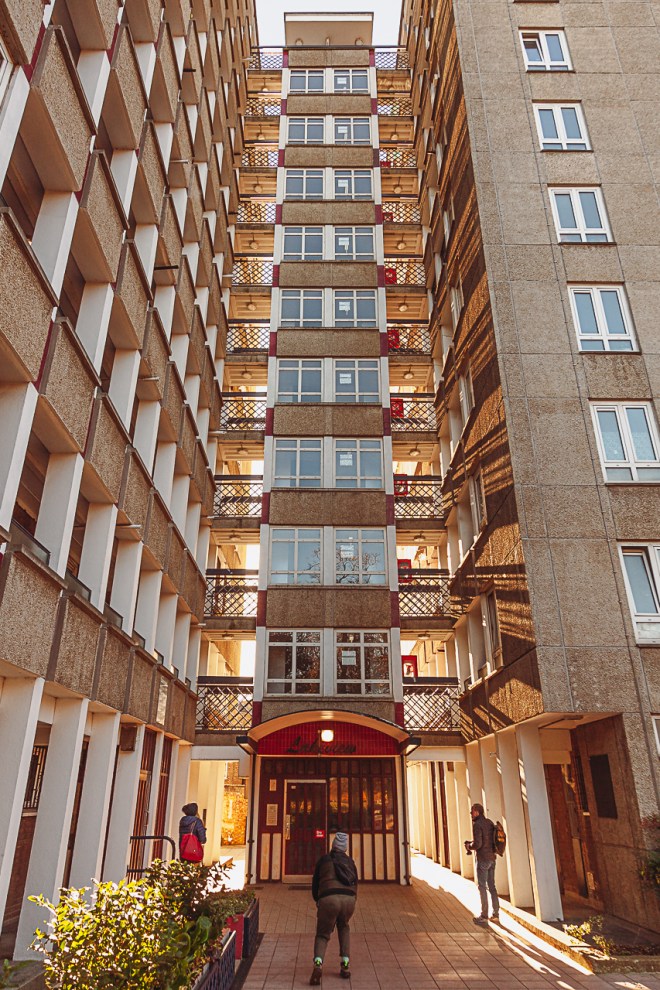
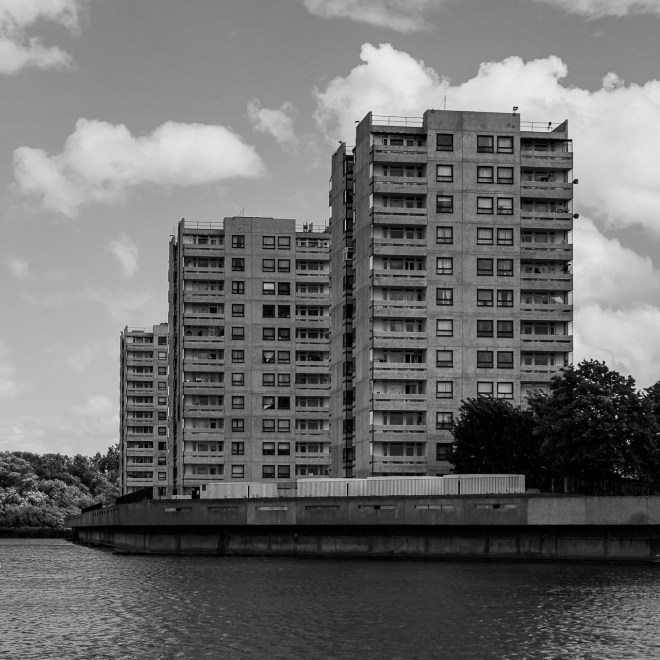
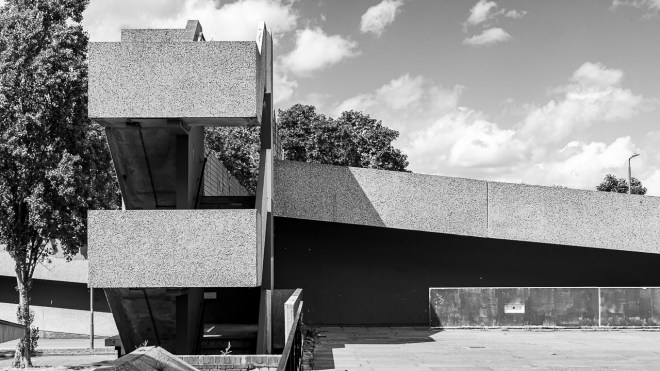
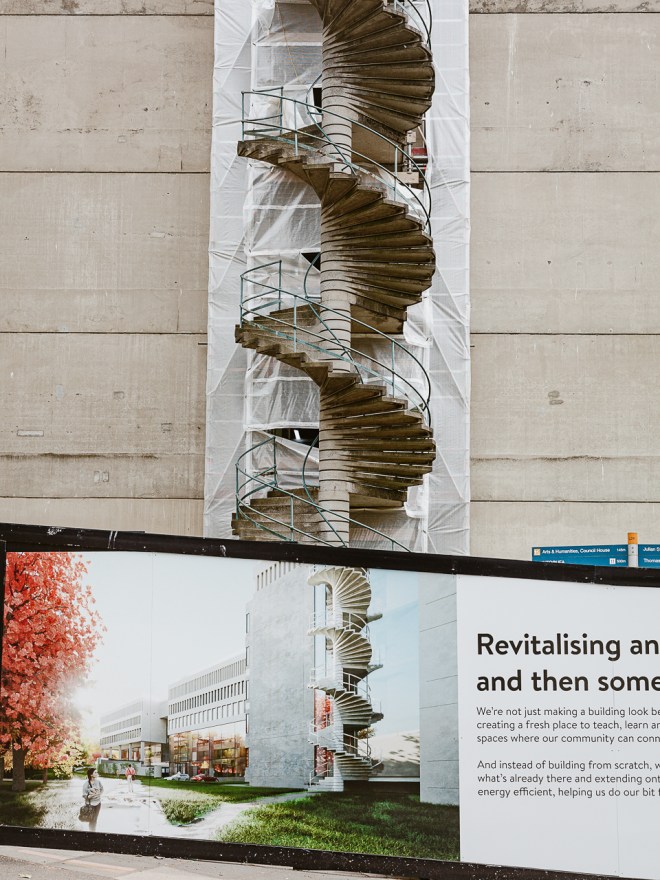
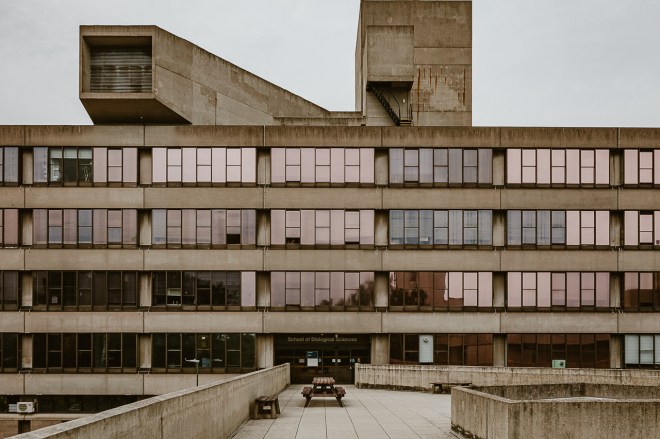
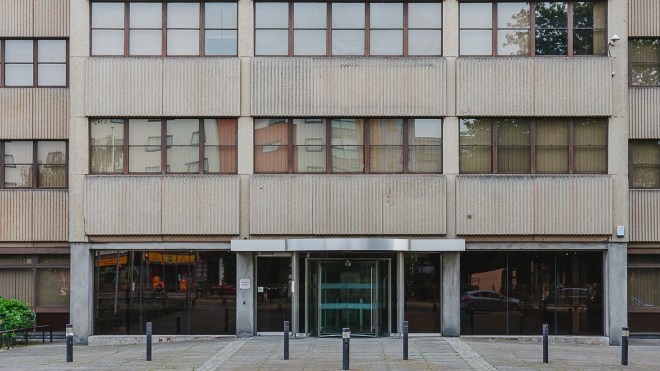
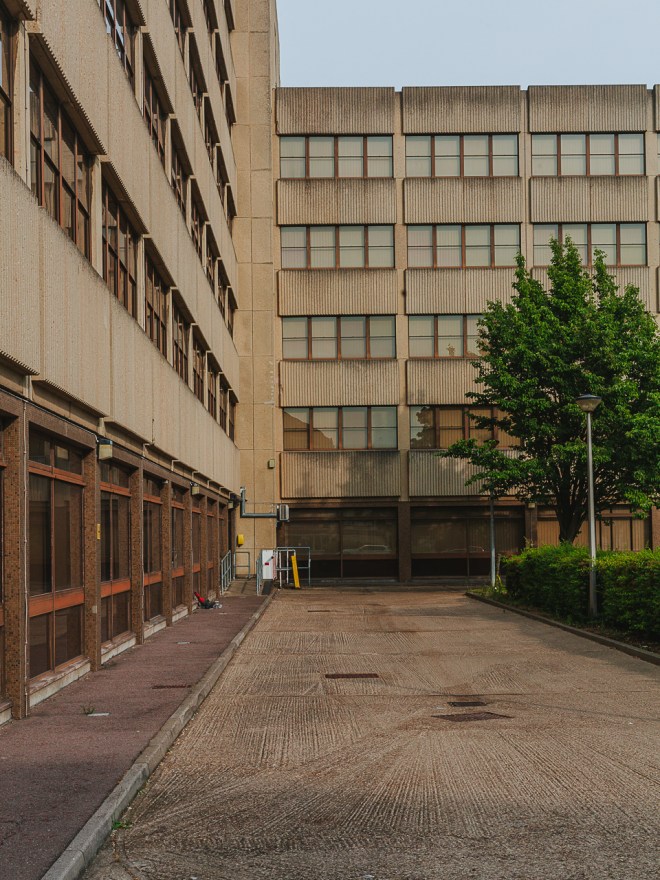
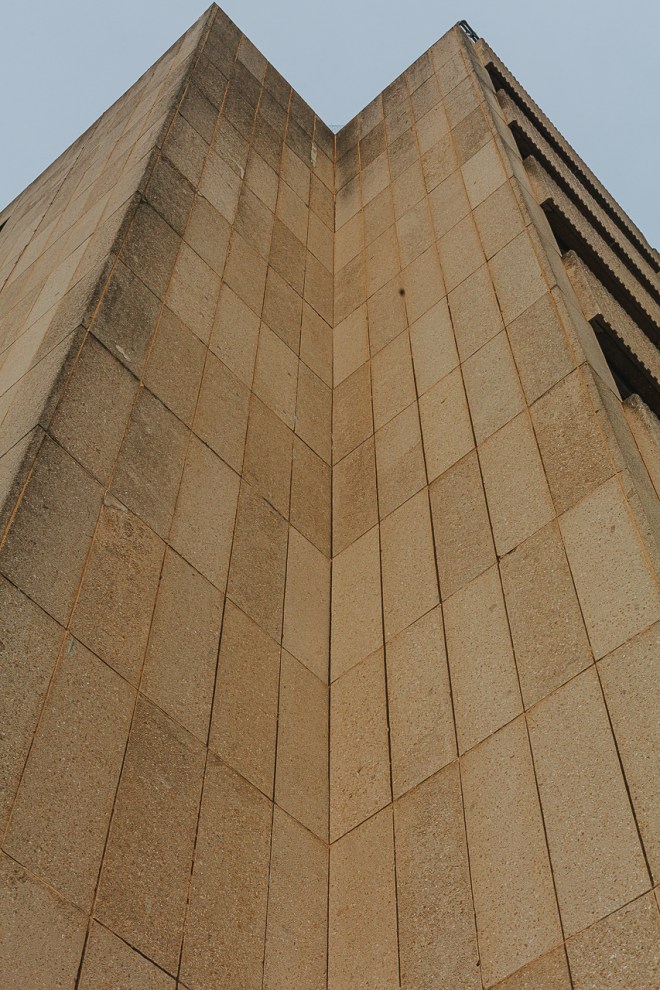
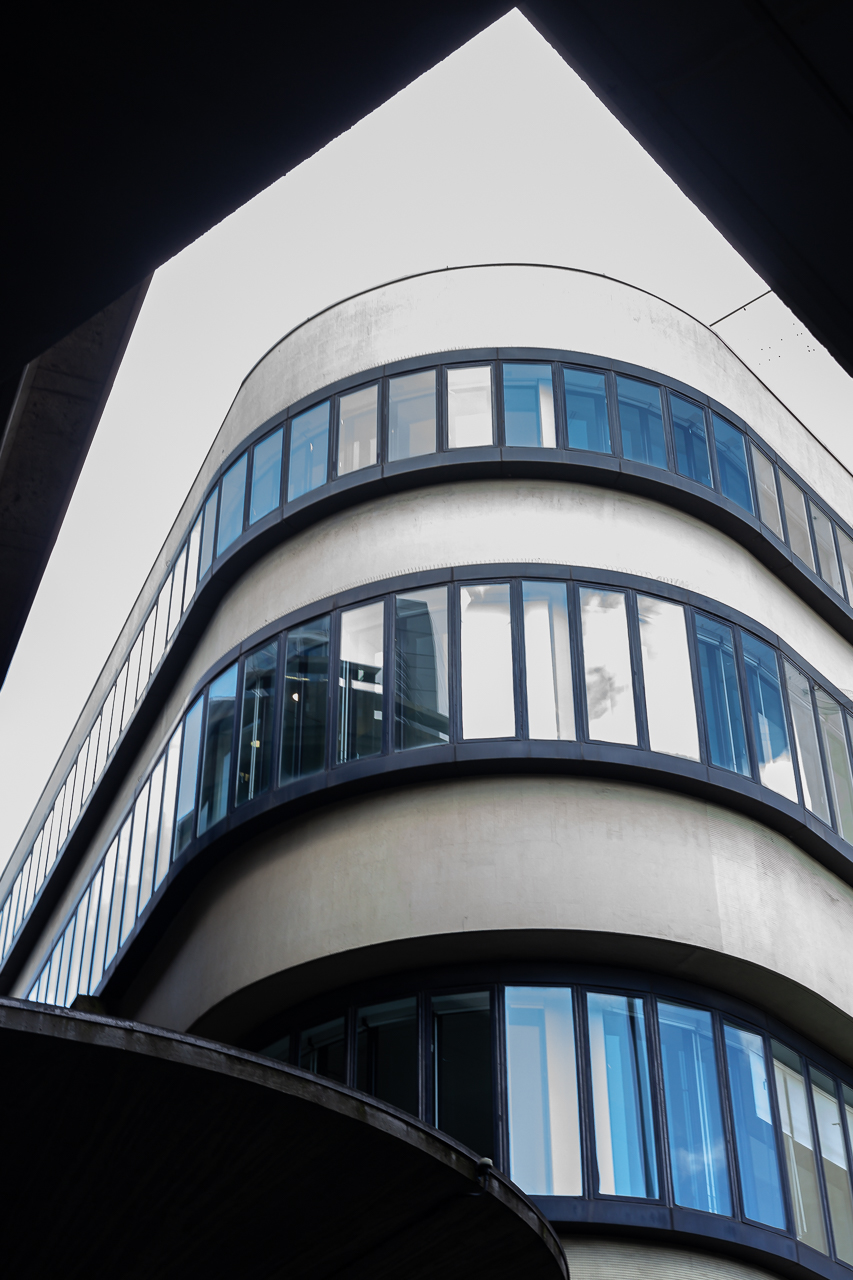
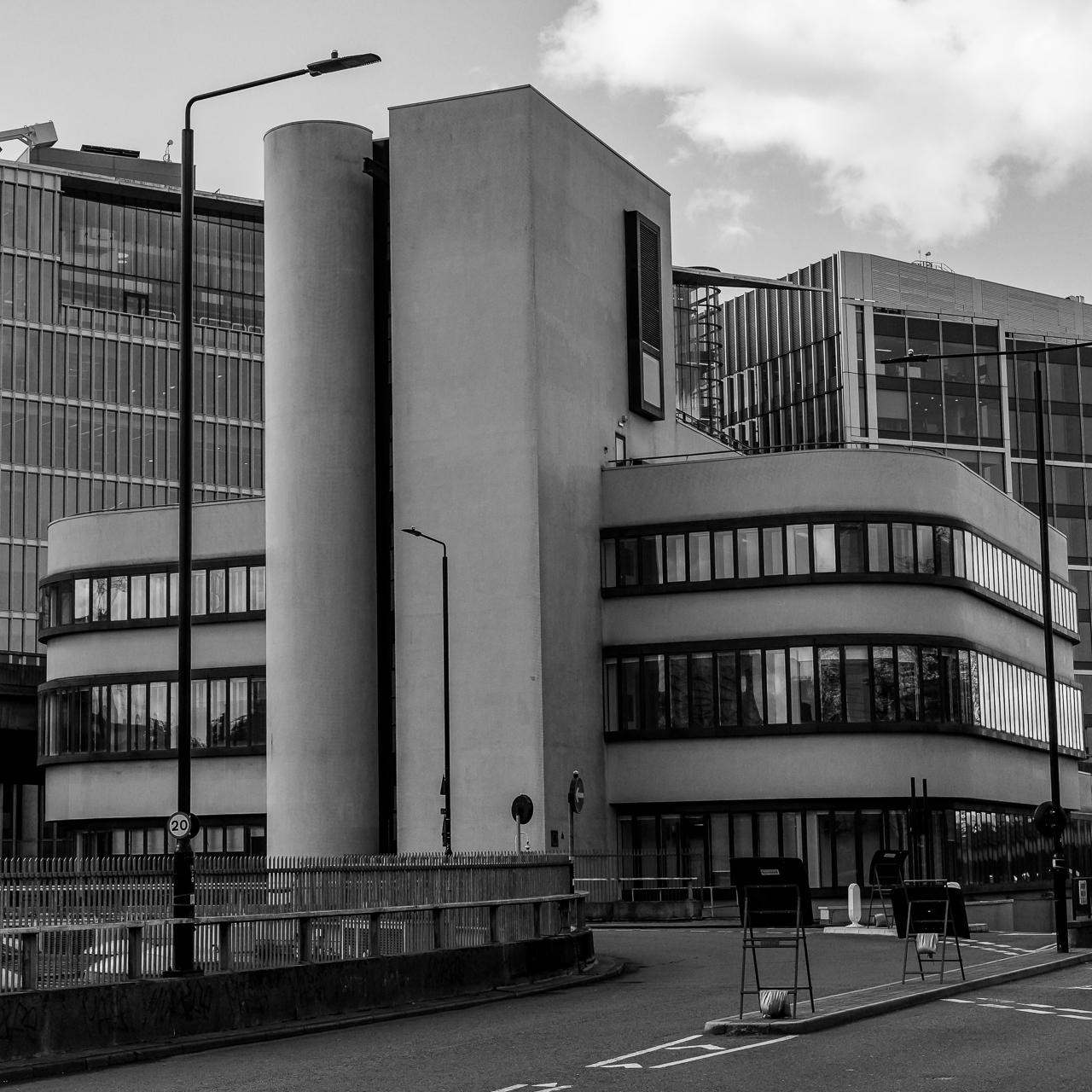
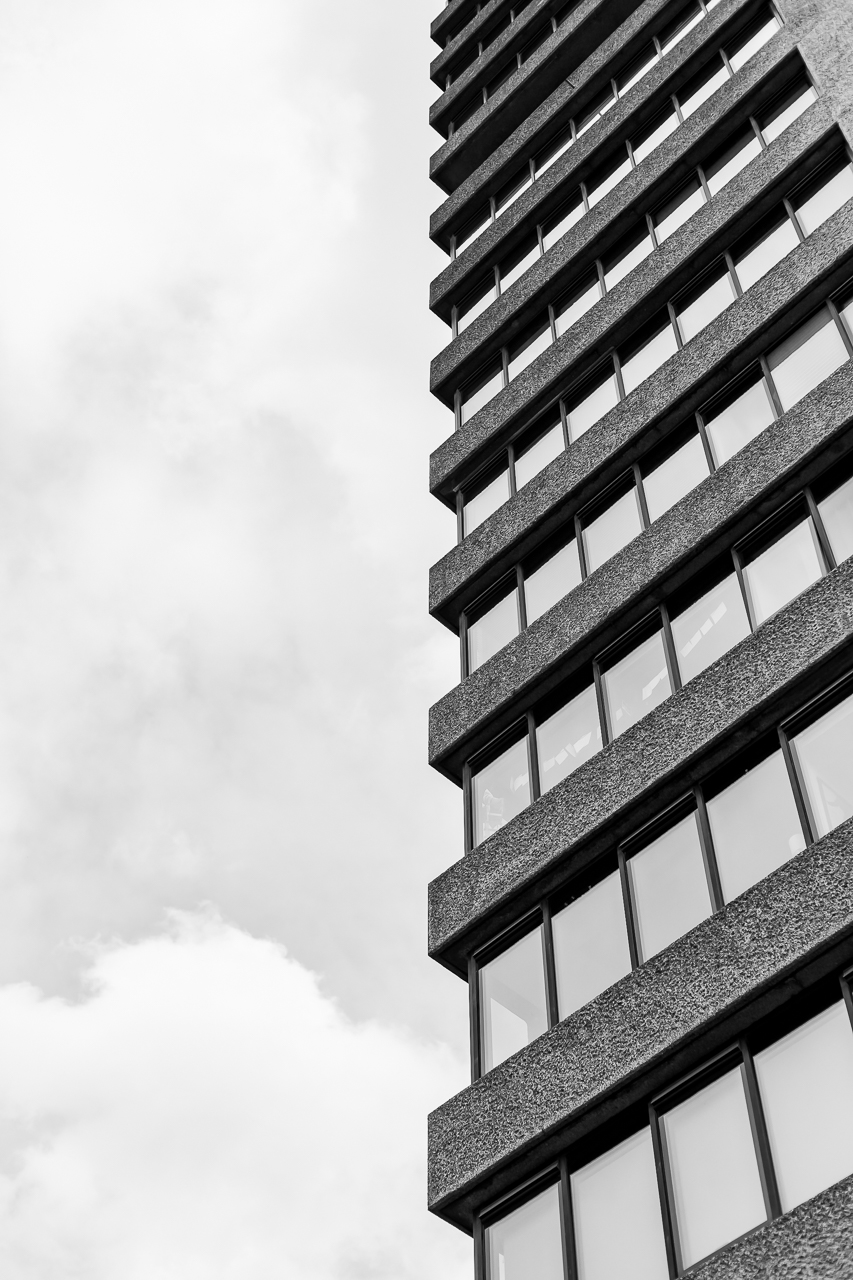
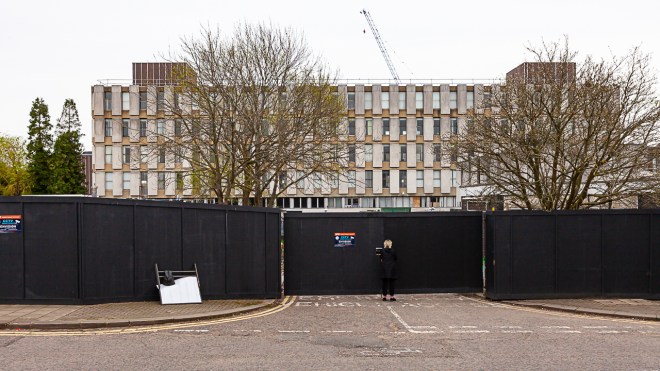
Disappointingly, and unknown to us when we left London, Harrow Civic Centre is being demolished to make way for some new developments and the downsize of the council’s office space. The entire building was surrounded by slightly too high to photograph over hoardings. Opened in 1973 the imposing concrete building apparently has a ceramic mural on the first floor comprising of 1000 photos of Harrow. I imagine it would have been really impressive and it hope it doesn’t get destroyed when the building is knocked down. 

IMG_6816

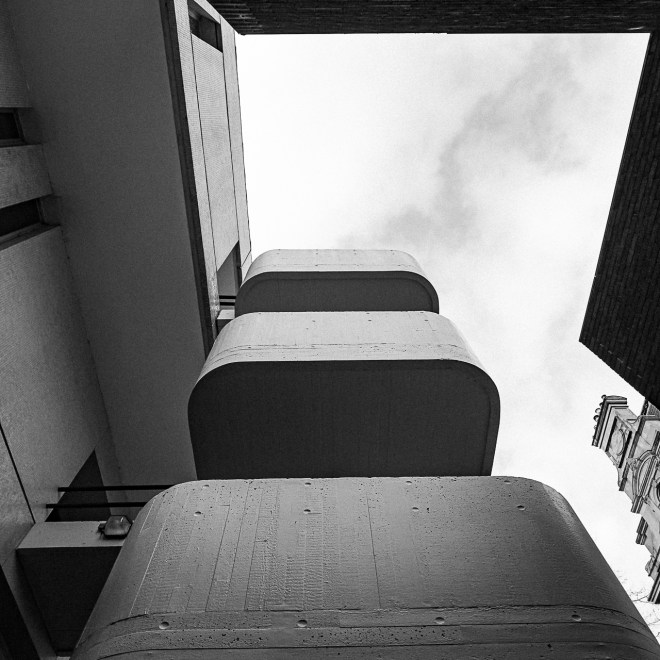
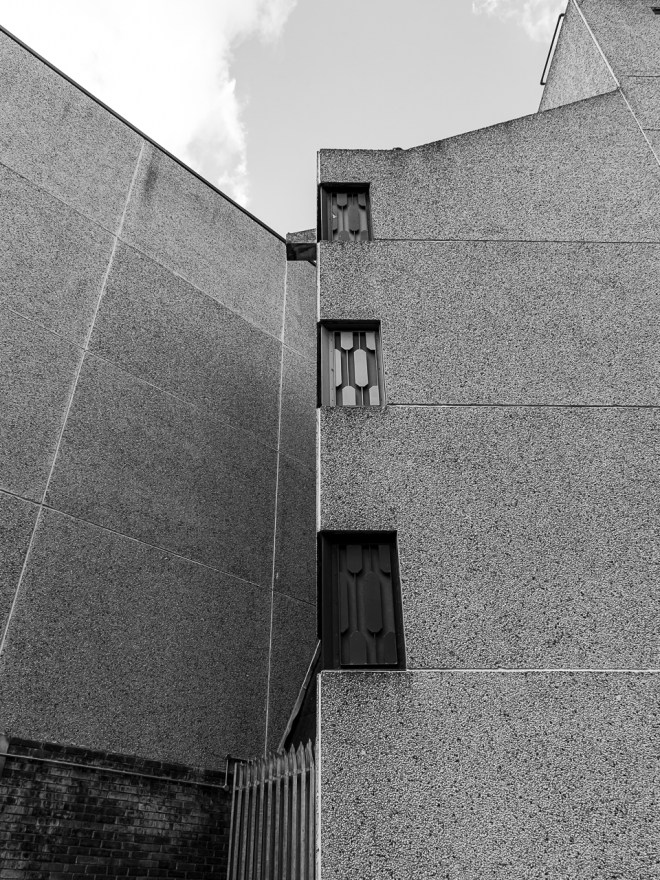
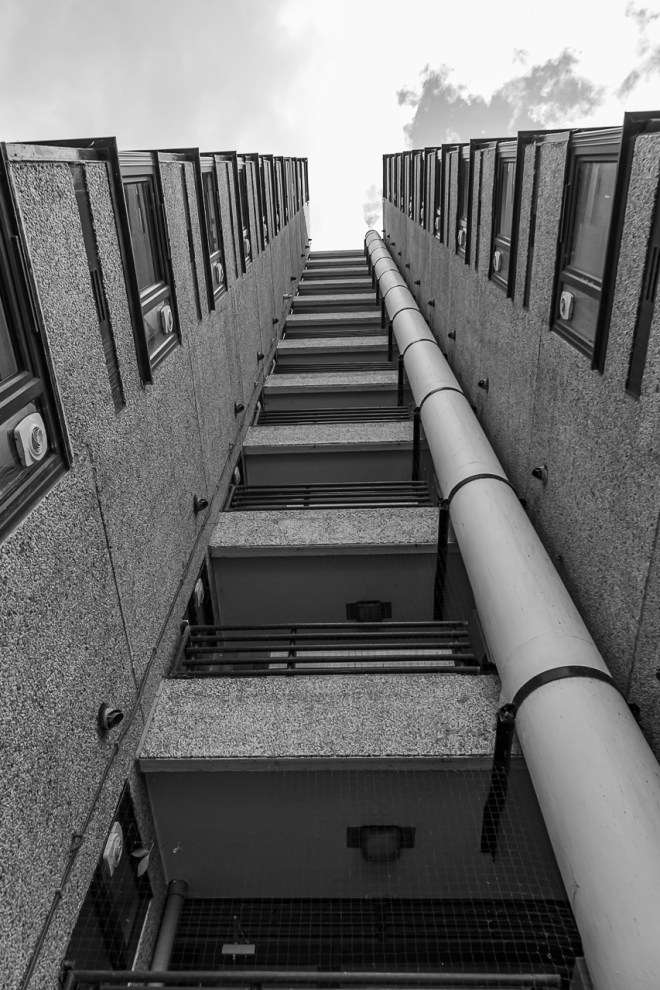
Most of the photos I took are of the top half of the building and I had a slight obsession with the security cameras.

IMG_6817

IMG_6822

IMG_6815

I understand why some of these ‘older’ buildings need to be replaced, I imagine they are costly to retrofit to modern needs, are not cheap to maintain or heat and cool, but I can bet the main reason it’s coming down is people think it’s ugly. I suspect what ever gets built to replace will be even uglier.

IMG_6819

IMG_6811

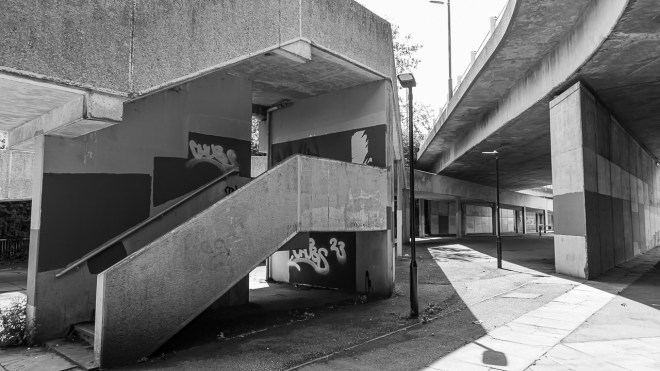
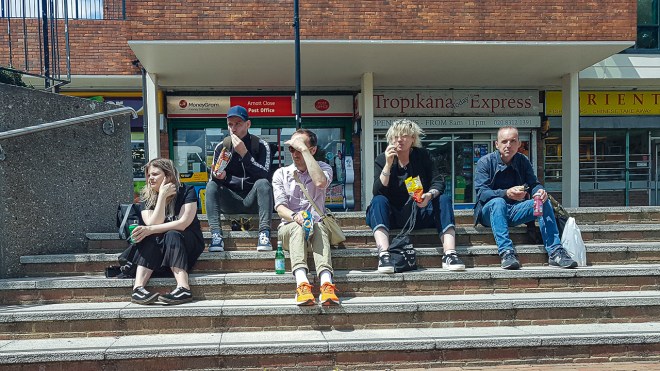
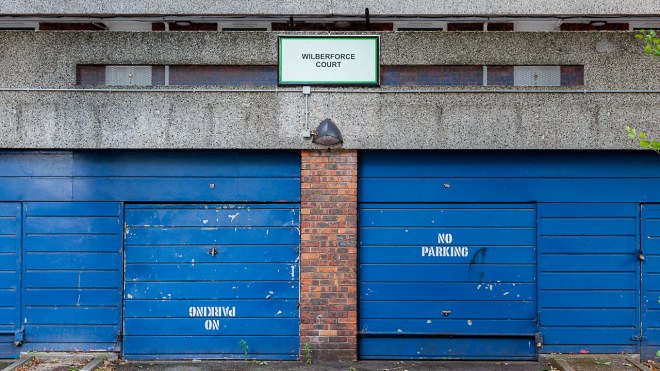
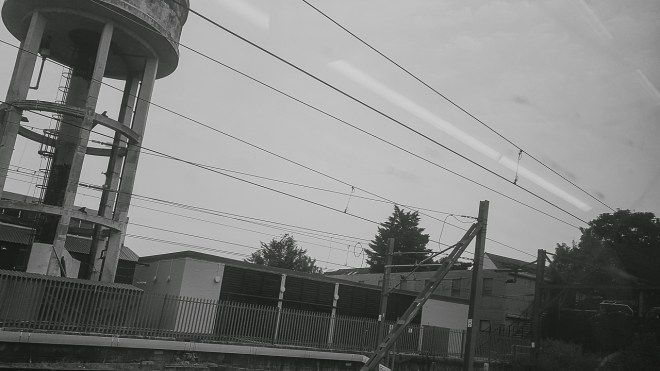
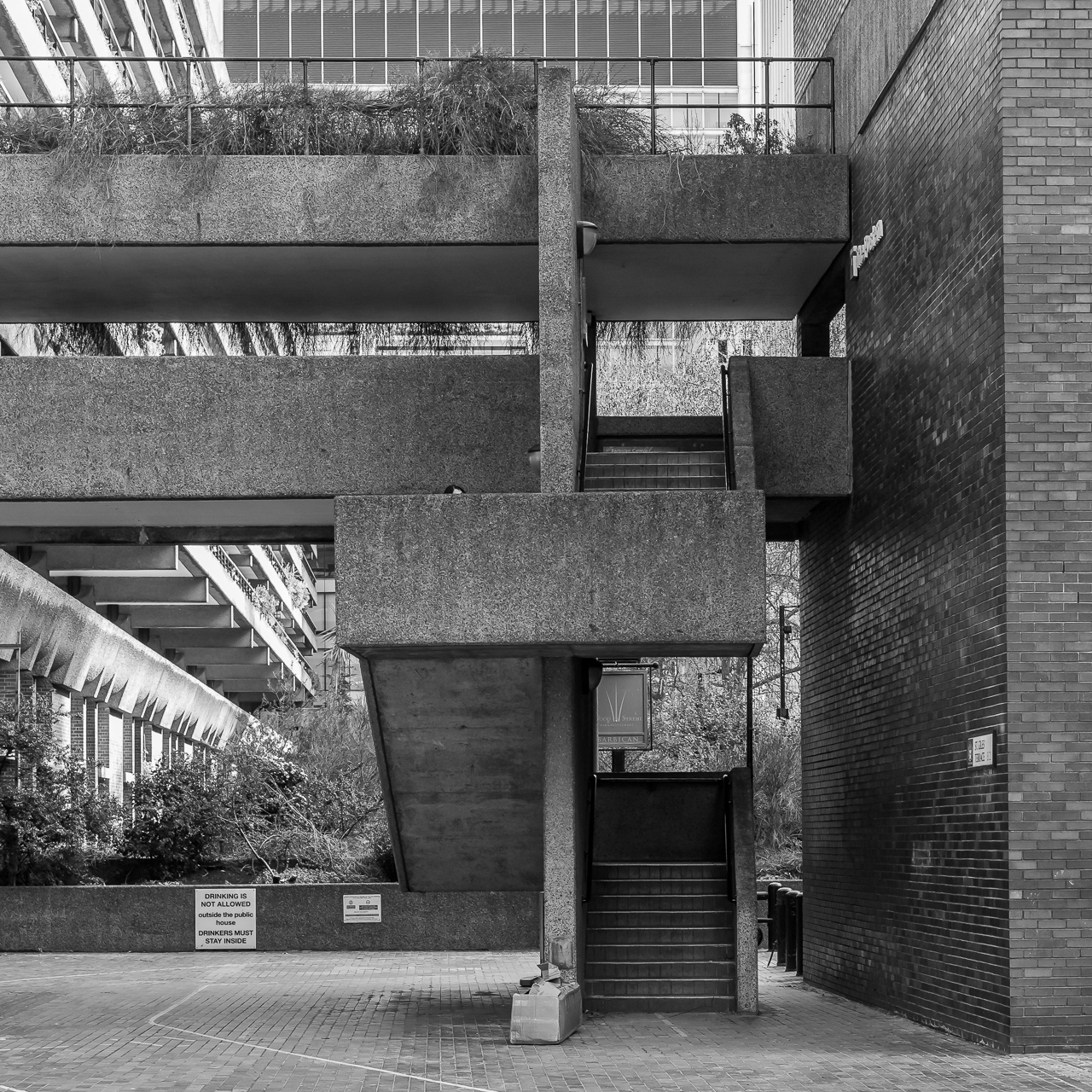
Moving on from the centre of Harrow we walked to nearby Harrow-on-the-Hill to get the train to Uxbridge; and to take a few photos of an underpass. I suspect people think we’re odd. We stopped to take some photos on the way… Architecturally this part of west London is very different to the part of east London I live in. There are similarities of course, both are quite clearly suburban England, but to the local they look and I suspect, feel, quite different.

PXL_20240406_110532852

PXL_20240406_110712915

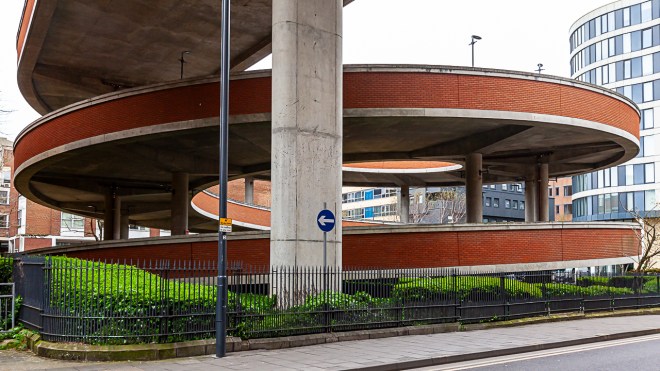
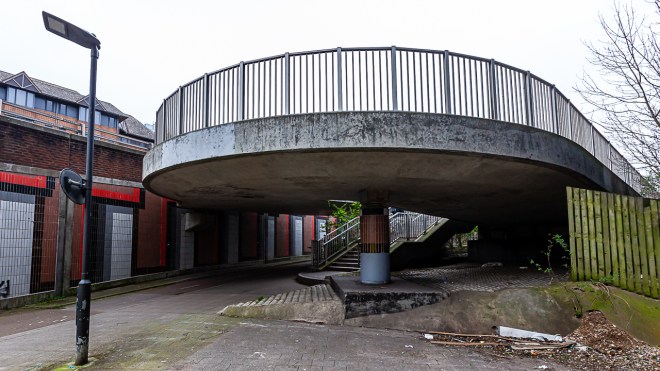
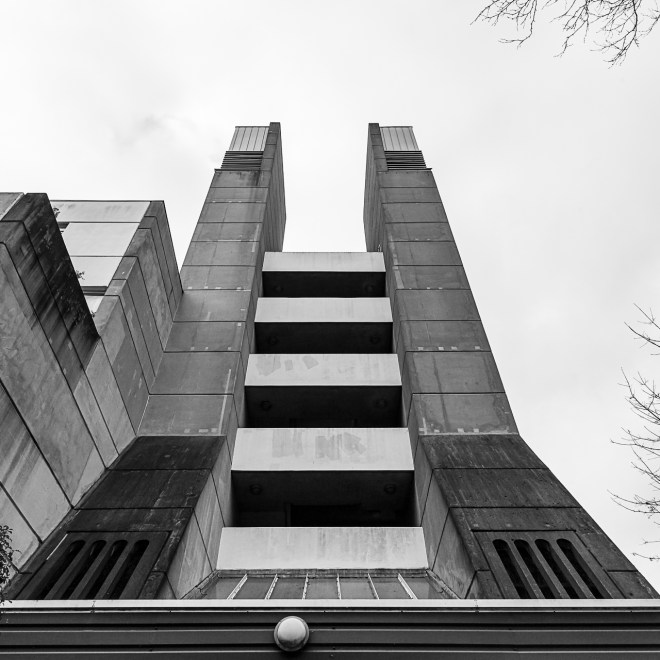
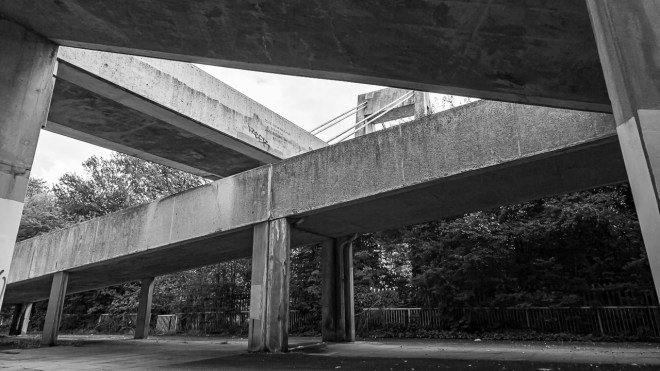
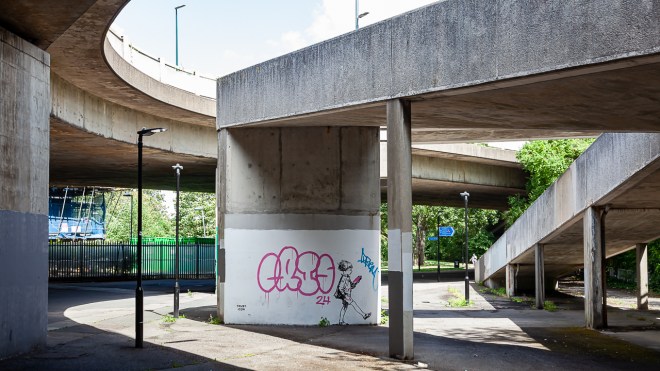
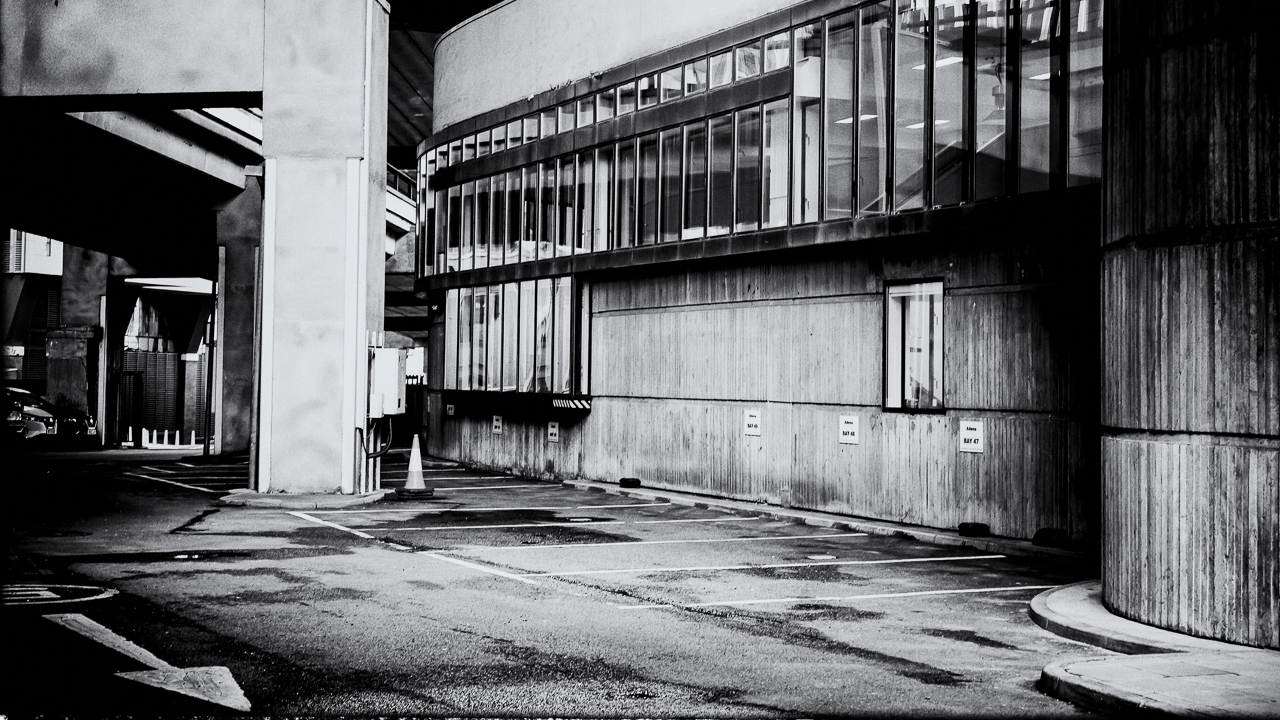
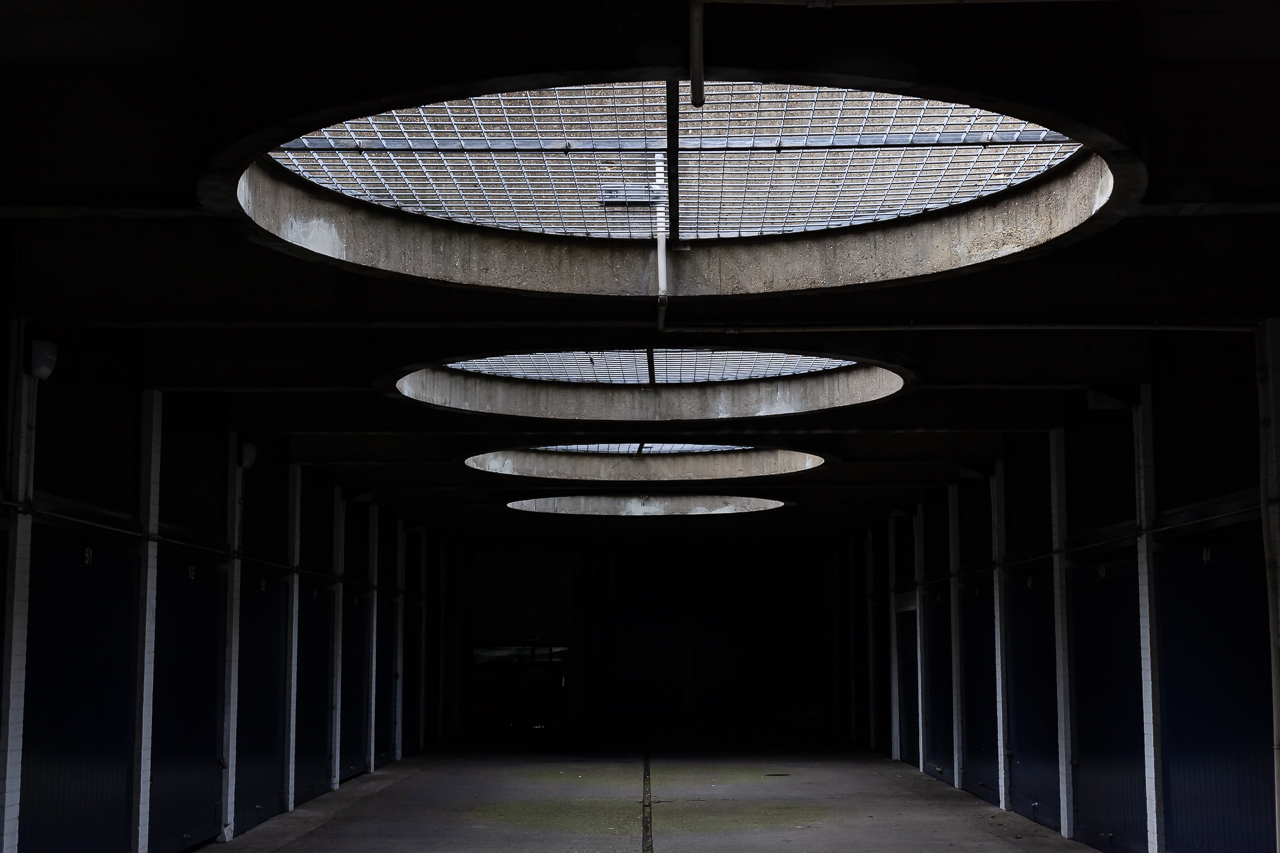
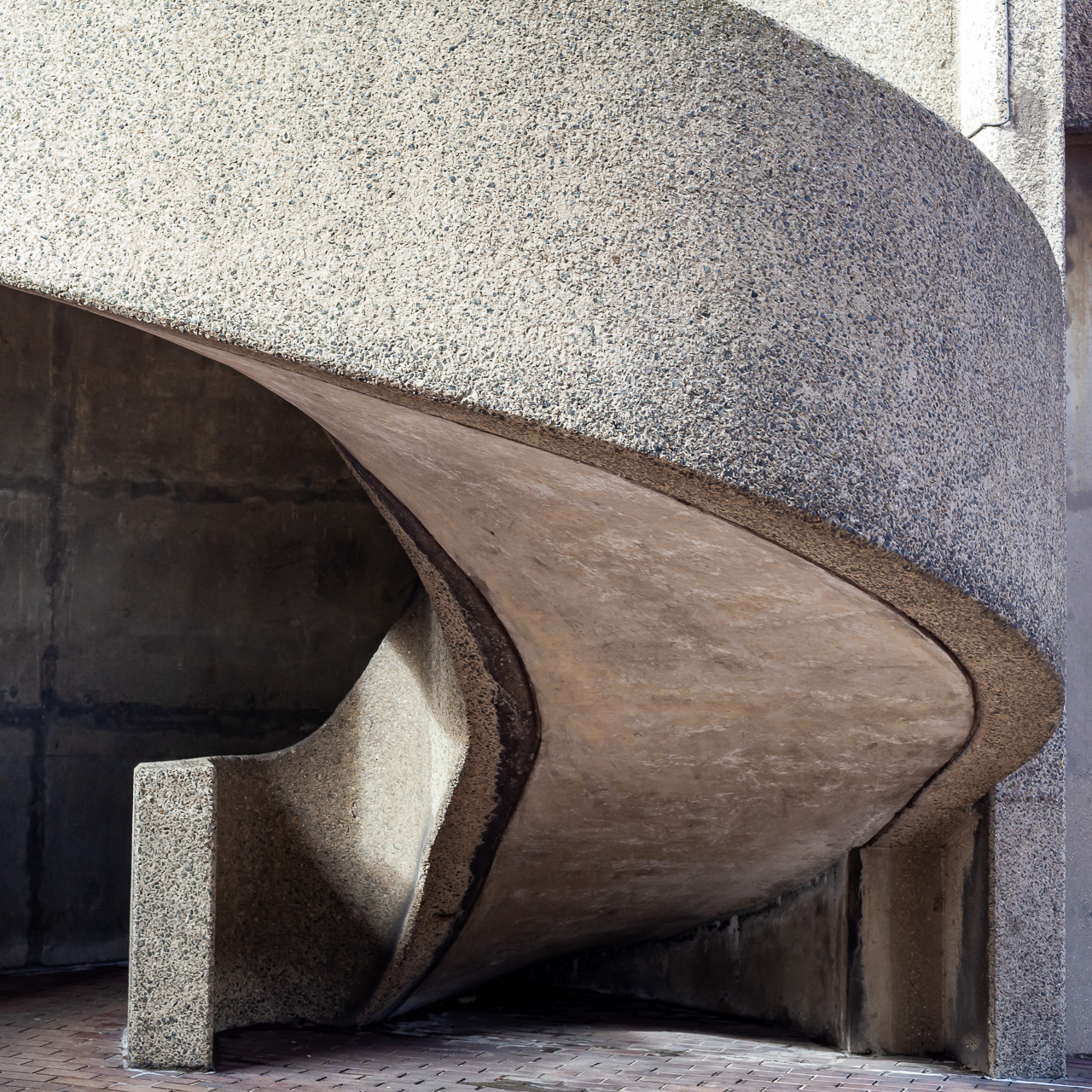
We also had the unexpected bonus of a carpark behind the shopping centre with a really fine orbital ramp, one that was very different to the carpark we visit in Uxbridge later in the day.

IMG_6823

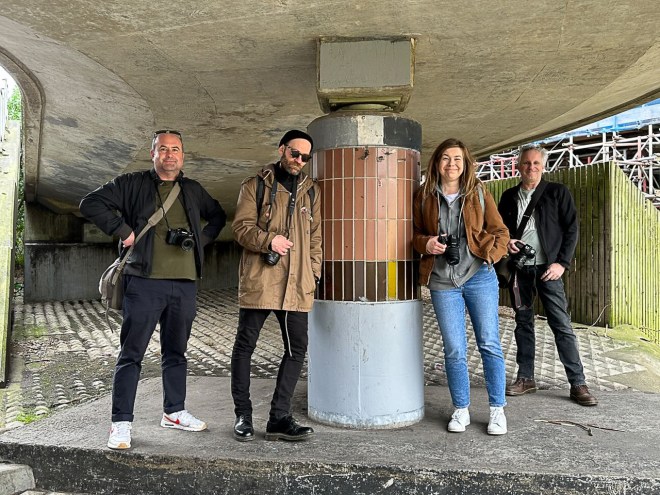
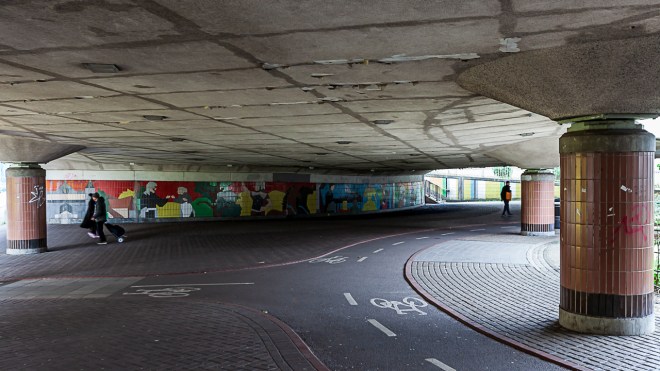
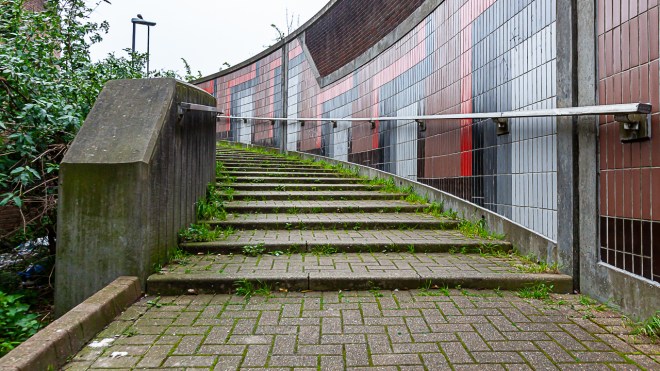
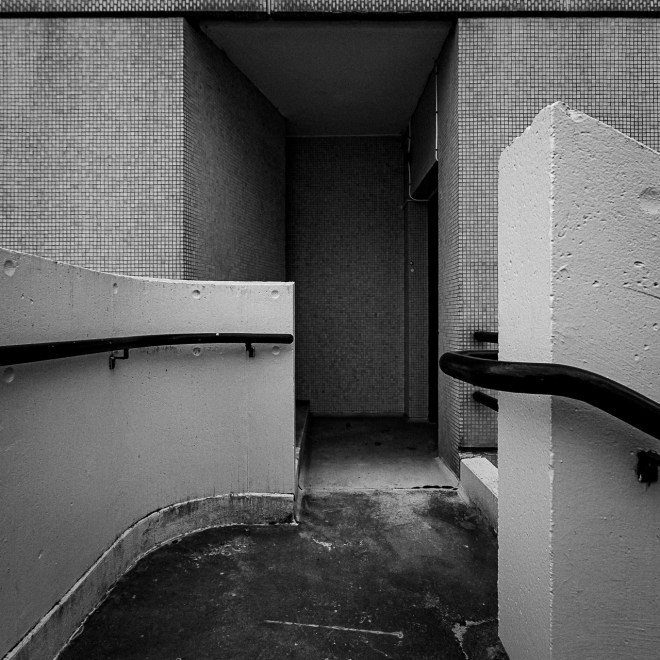
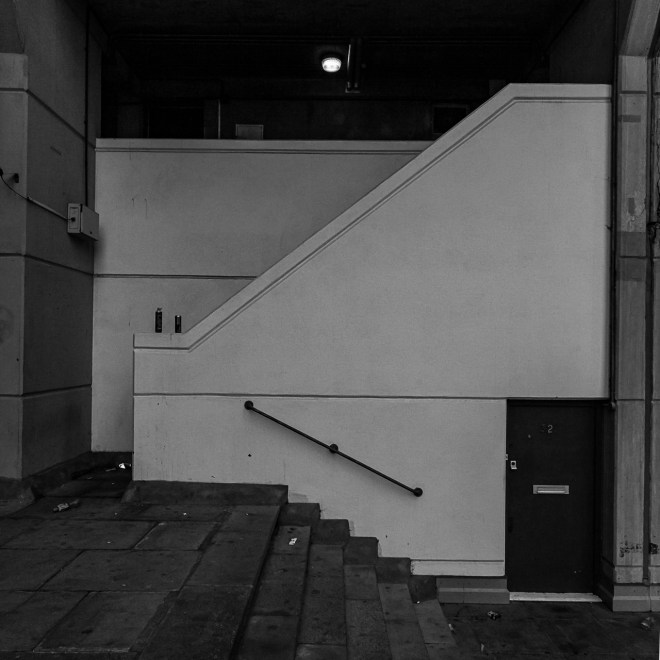
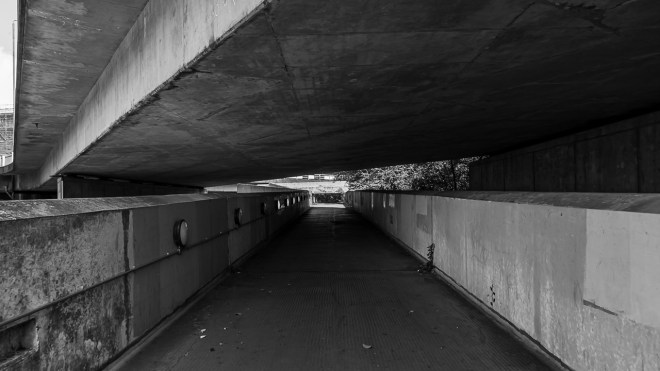
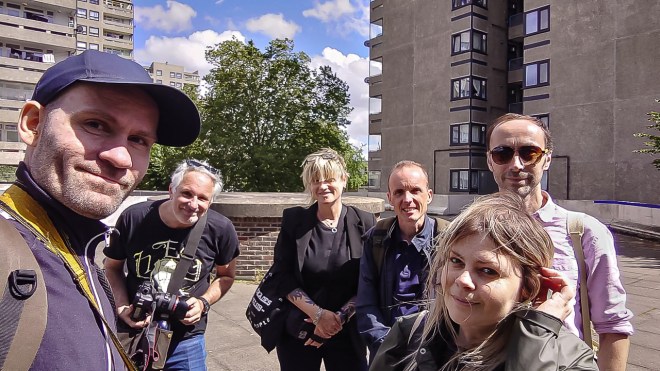
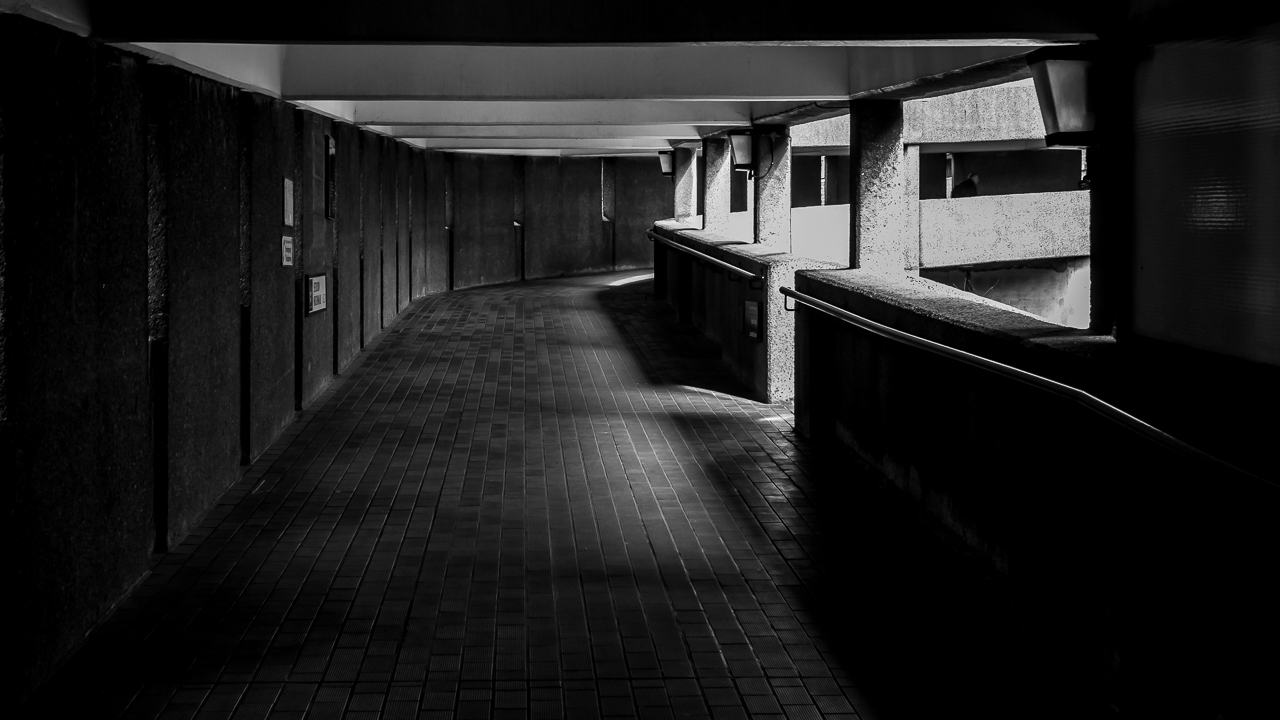
We stopped for the obligatory group photo in the underpass before walking to the station. I don’t know much about the underpass, or even what the road system is that passes overhead, but it’s quite nice is seemingly well patrolled as there was none of that commingled stench of weed and piss that you would imagine for such a place.

The band

IMG_6827

IMG_6829

IMG_6830


Brutal Day Out #7 – Bloomsbury

Sunday 14 January 2024 – Bloomsbury, London.

I’m going to claim all the credit for this most excellent Brutal Day Out photography walk. I posted on the group Instagram chat that I was going to go to Bloomsbury in central London to photograph the University College London’s two brutalist buildings; the School of Oriental and African Studies library  and the Institute of Advanced Legal Studies. I said that if people wanted to join me that would be great, the group organisers then turned into an ‘official’ walk and it was given the number 7. This is not a paid group or walk so I wasn’t put out by this at all, though they did drop the Royal College of Physicians from my list to add three other buildings that made more geographic sense. This was no bad thing as I wouldn’t have visited the Standard and it was great.

However, I chose to do a side trip to the Royal College of Physicians before we met at Kings Cross station as it was only a 20 minute walk away on the edge of Regents Park. I’m glad I did as it’s quite a cool building.

A quick note for anyone stumbling across this post looking for useful information on the buildings I photographed. There isn’t any; useful information that is, there are photos though.

Royal College of Physicians, opened in 1964, designed by Denys Lasdun.

I’ve been meaning to come here to photograph this building for a while and visited it briefly a couple of evenings ago before meeting friends for a drink nearby. I rarely come to this part of London. On that visit I was hoping for some interesting external lighting, but it was too dark and the rain was heavy and the light was poor so a daytime visit seemed like the right thing to do, so I just went to the pub.

IMG_6464

IMG_6465

IMG_6466

IMG_6468

IMG_6467

Back at Kings Cross I grabbed a coffee and met the rest of the 13 strong group, surprisingly most were on time and we didn’t have to wait long for the last straggler to turn up. Having people join from all over the shop, including two from Manchester, and with increasingly unreliable public transport, means patience is sometimes required.

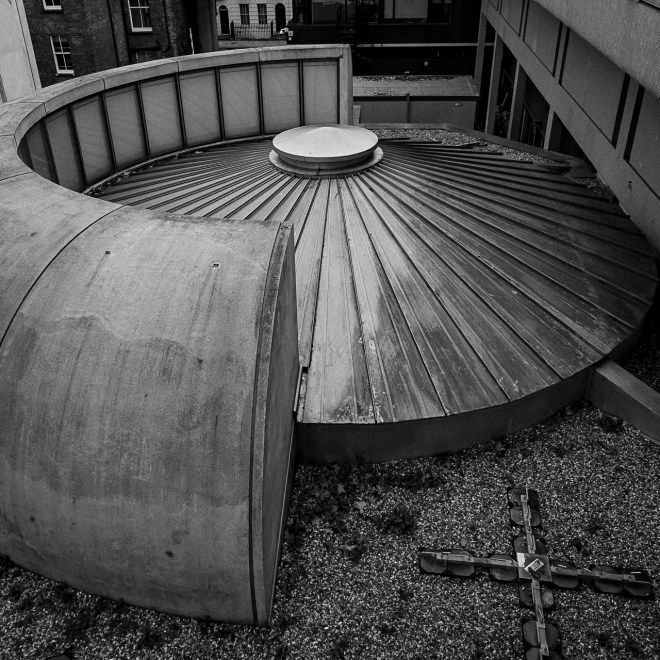
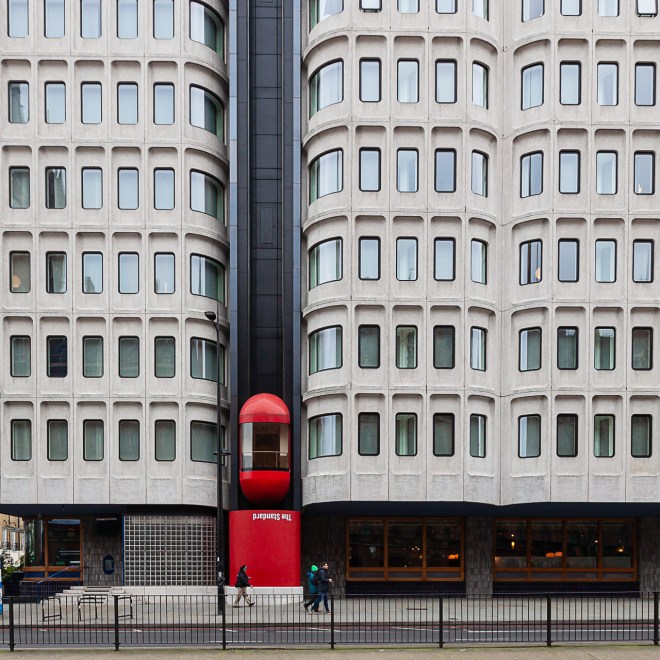
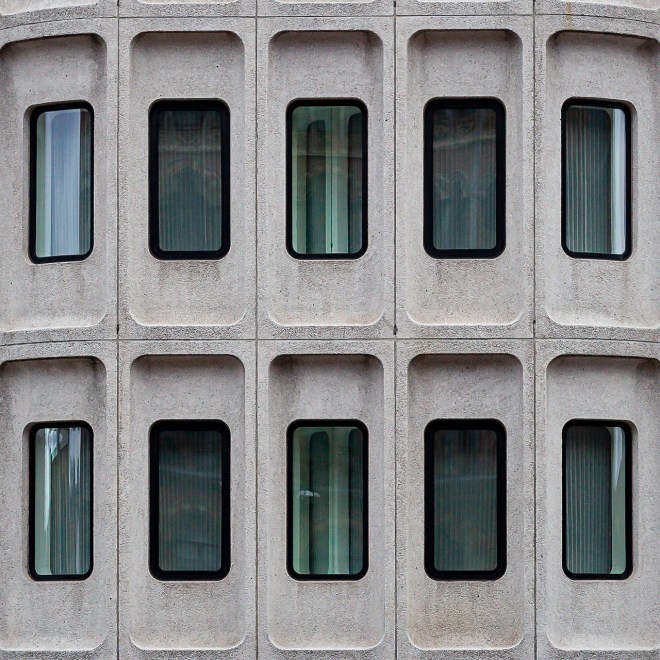
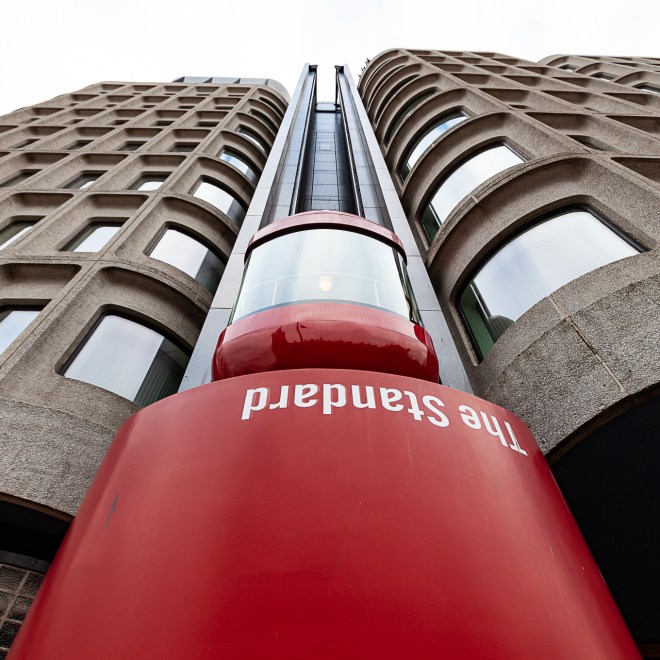
Our first building was almost directly over the road, the lovely ex-Camden Council head office building, now the Standard Hotel. I really like this building, though have to actually go inside. If I did I would want to be able to use the lift.

The Standard Hotel, originally built in 1974 for Camden Council, fully remodelled as a hotel, opening again in 2019.

IMG_6475

IMG_6479

IMG_6480

IMG_6481

IMG_6482

IMG_6484

IMG_6487

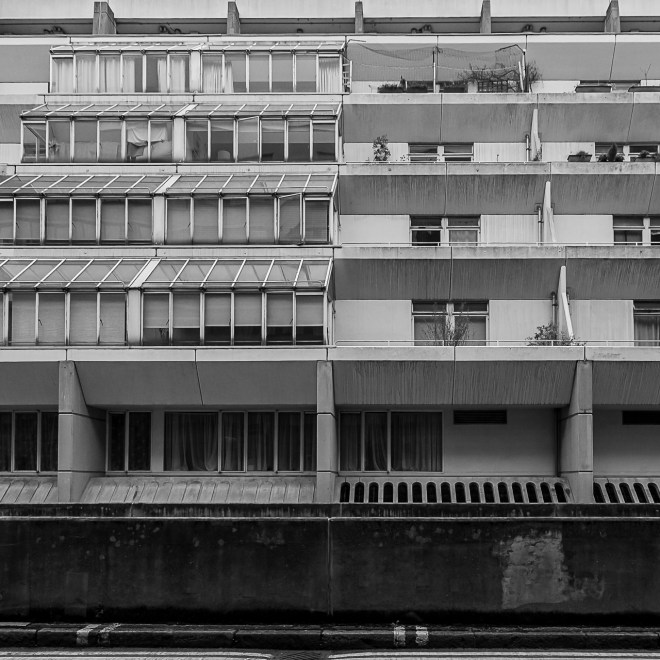
The Brunswick Centre, opened in 1972.

Mixed use residential and retail this estate was supposed to be bigger than it is but the developers couldn’t get all the land they wanted, which (familiar story) means they had to change the original plan of building a private estate and bring the council (Camden at the time) in to help out.  It was subsequently opened as part private and part council housing, and remains that way now, which I think is a good thing, though it needs a lot of money spending on it by the look of it.

IMG_6492

IMG_6489

I was very lucky to be invited into the residential block by a resident who saw me walking around with my camera and told me there was a great view of London from the top floor. There was, but I was more interested in the lovely concrete angles.

IMG_6508

IMG_6506

IMG_6505

IMG_6502

IMG_6495

Some of my walk mates got invited in to look at someone’s flat which I remain a bit jealous of, though apparently it wasn’t that interesting. I have visions of residents maintaining a flat like a museum of 1970s interiors, though of course reality isn’t like that. I’m going to back one quiet Sunday morning and take some photos of the street level window boxes outside some of the flats.

IMG_6501-2

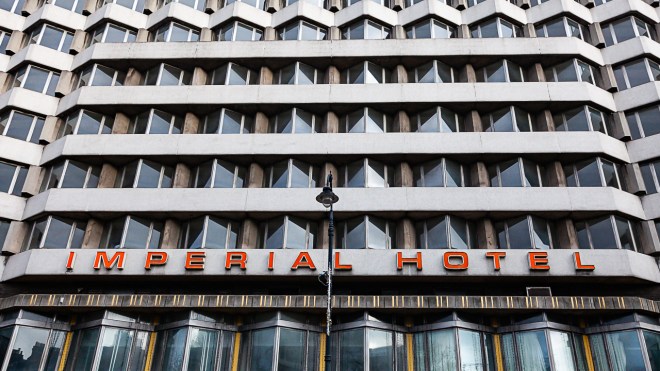
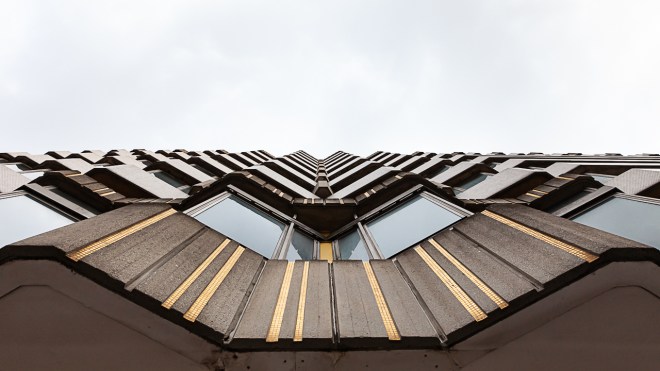
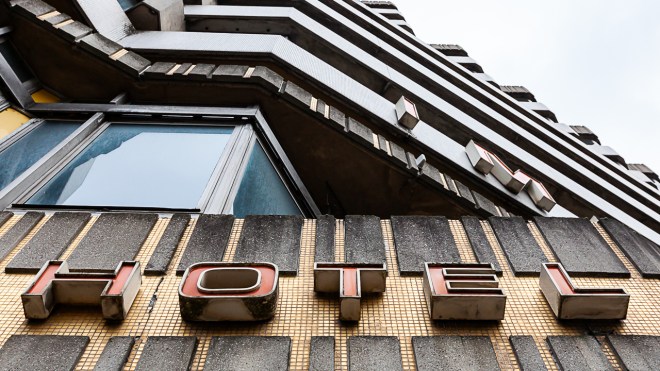
Imperial Hotel, under renovation.
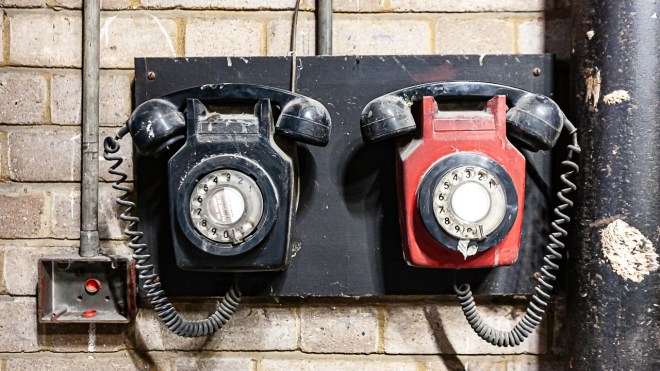
I found some fabulous old phones in the carpark. Always check the carpark is my policy.

IMG_6513

IMG_6514

IMG_6515

IMG_6522

University College London.
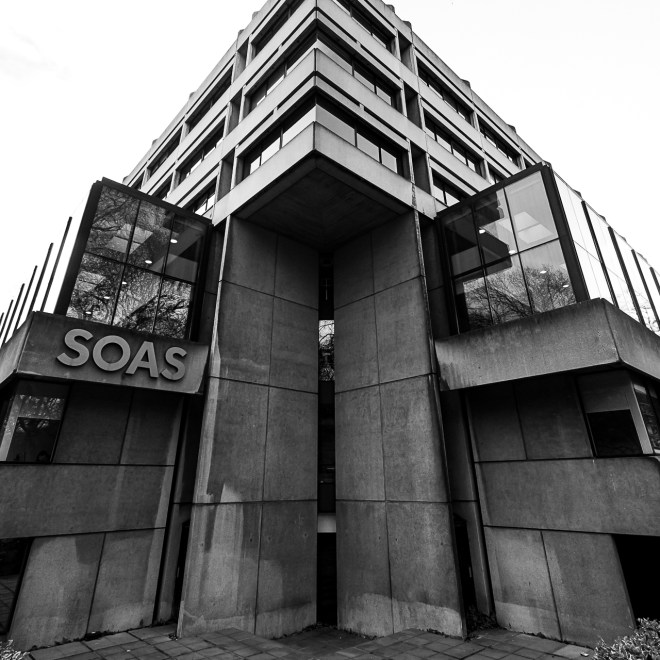
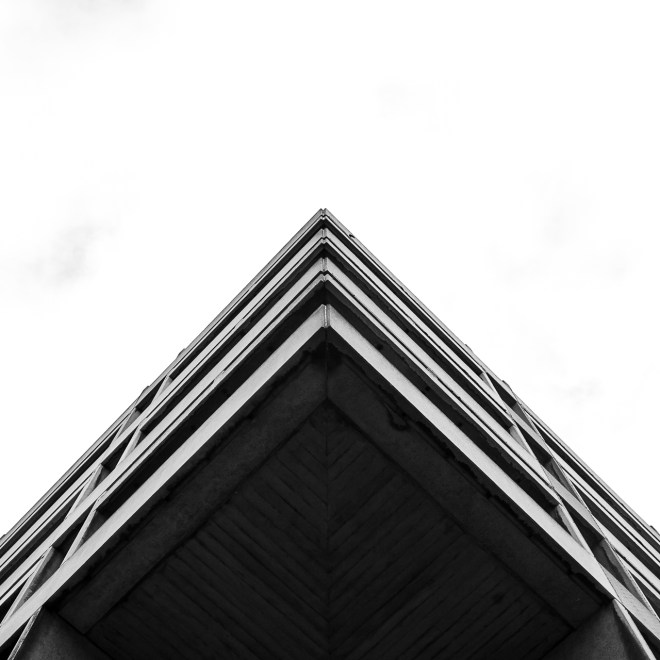
These buildings were quite difficult to photograph, or at least I found them to be. I took a few images but wasn’t really happy with the most of them. The buildings are big, and there isn’t a vast amount of space to get a decent angle to shoot that doesn’t end up making the building look really weird, and fixing in Lightroom wouldn’t really work either.

Charles Clore House, (Institute of Advanced Legal Studies), Denys Lasdun, 1976.

IMG_6531

IMG_6532

IMG_6533

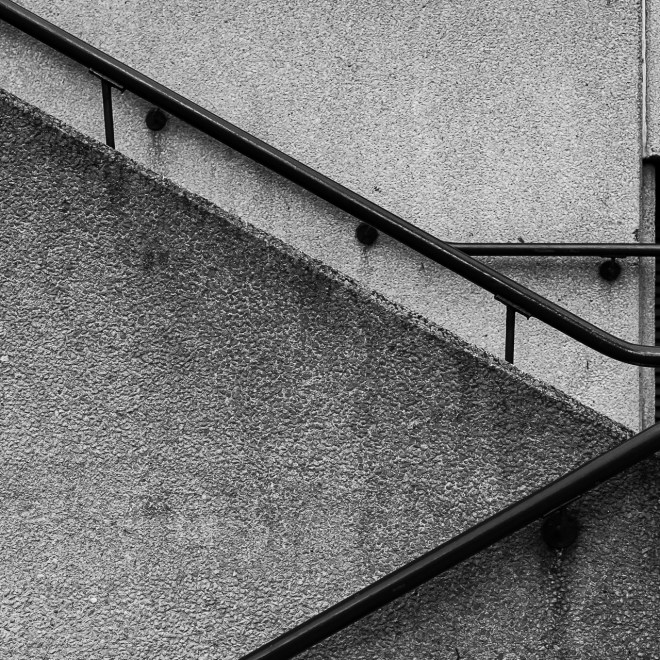
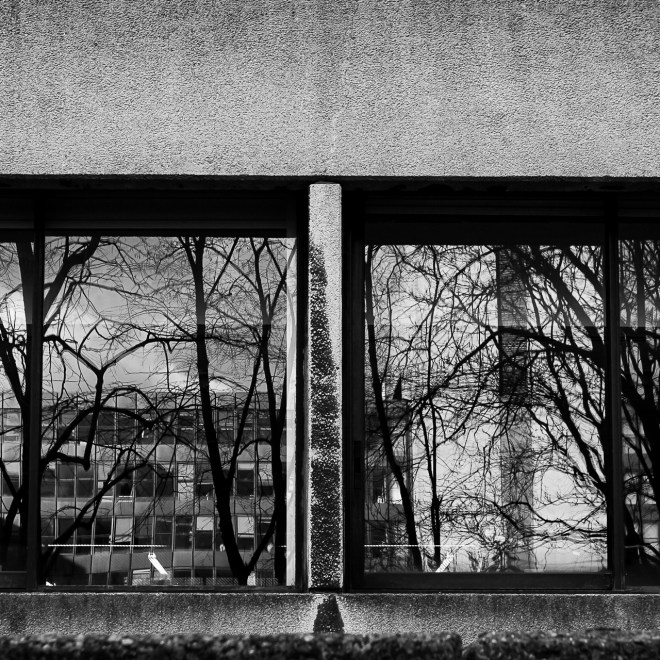
The Philips Building (SOAS Library), Denys Lasdun, 1973.

IMG_6544

IMG_6546

IMG_6549

Denys Lasdun featured a lot today, amongst other things he also designed the fabulous brutalist parts of the University of East Anglia in Norwich and the National Theatre on London’s Southbank. He is my favourite of the English based ‘brutalist’ architects.

It was starting to get a bit cold and we had been on our feet for 4 half hours so it was time to nip to the pub for a refreshing pint or two. It was another very enjoyable day out. One of the photographers who has been on all the walks had brought along a child’s camera, which uses till receipt thermal paper for instant black and white printing. I subsequently bought this one for next time and I’m really looking forward to trying it out on some lovely concrete.

Toy Camera

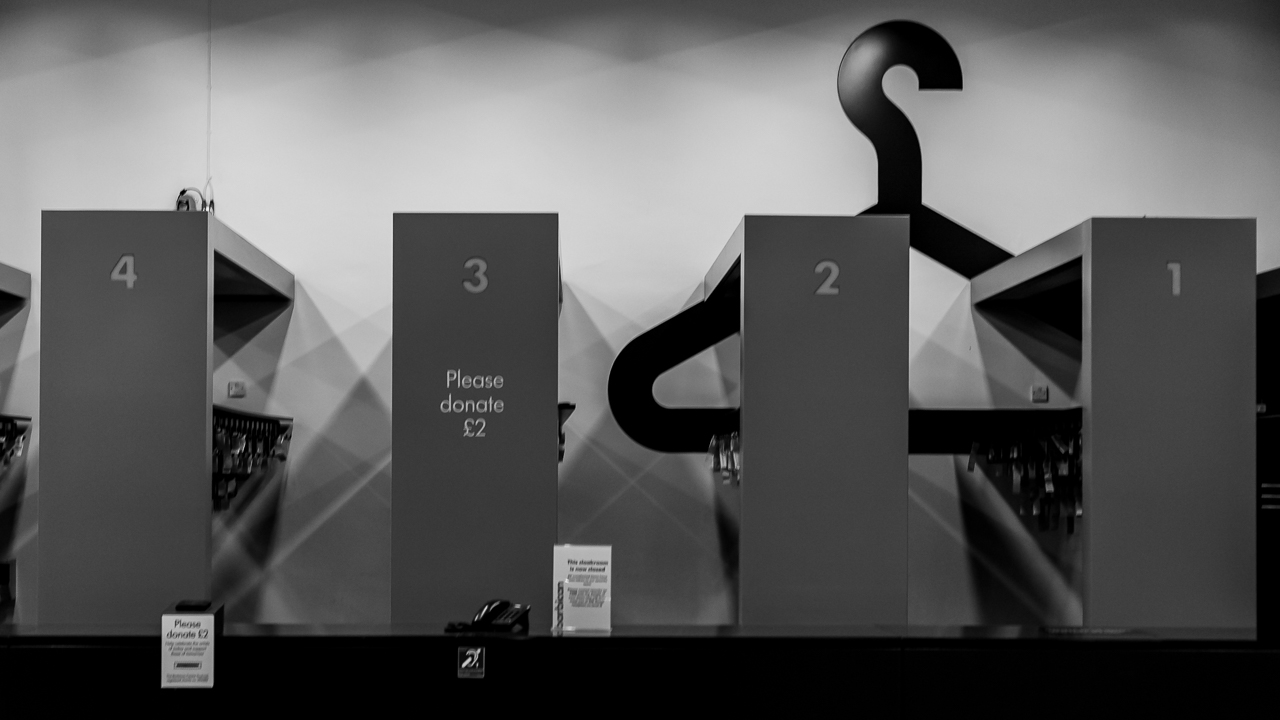
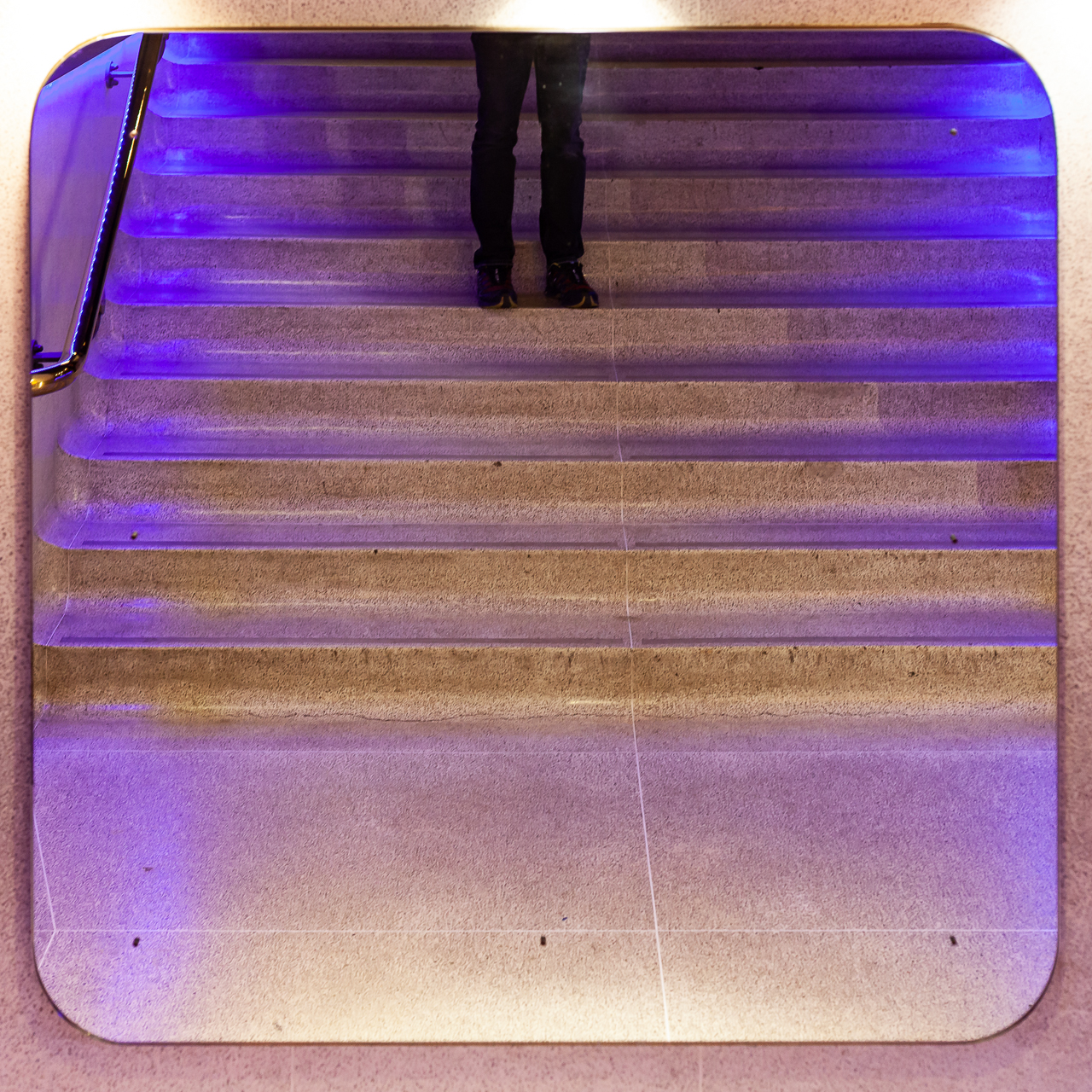
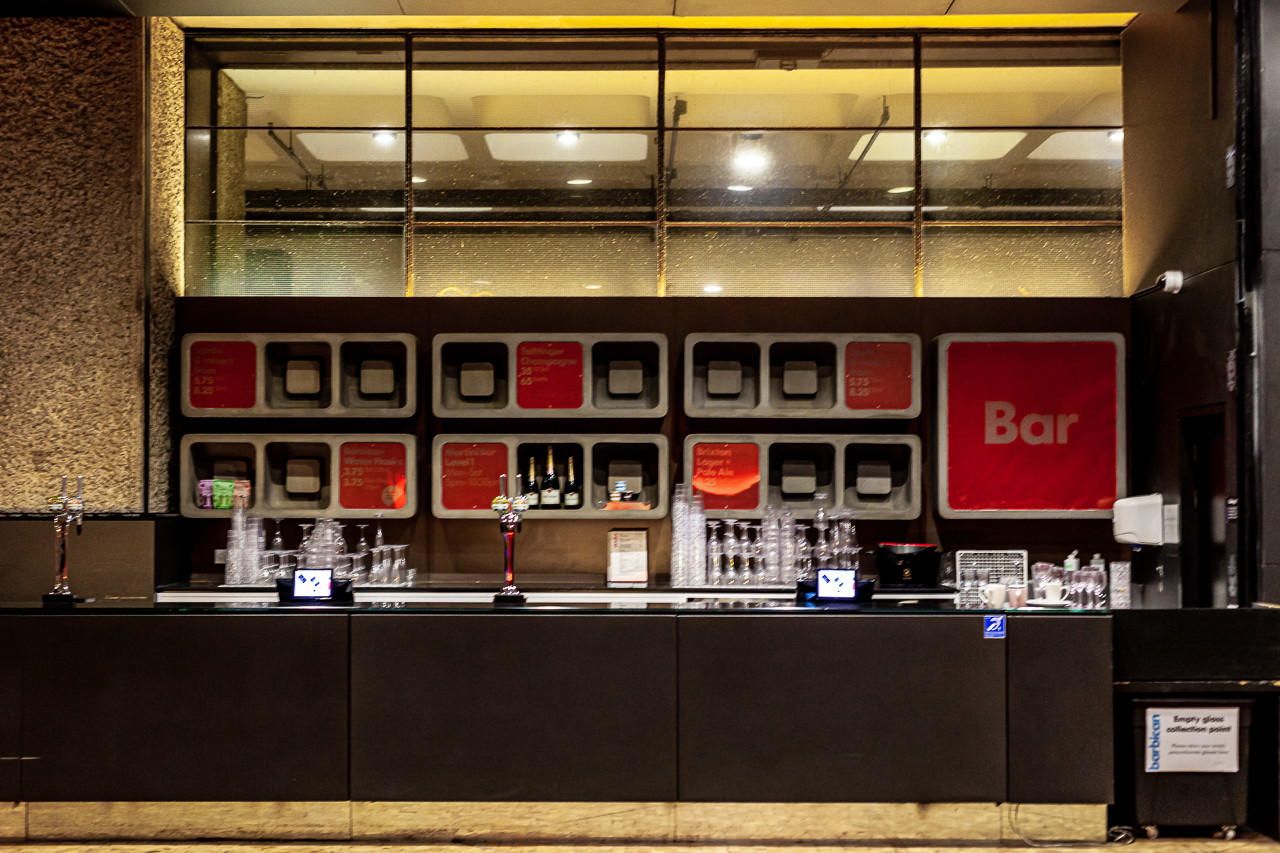
The Barbican

Saturday 6 January 2024 – Barbican, London

Happy New Year!

Another year has ended and a fresh one has begun; maybe this one will be better than the last, or maybe it will be worse, who knows? Not me. There’s an extra day this year so that could be the impetus for something positive happening; like an election in May for instance, and after 14 years we can have a more caring government in the UK. 

Anyway, to be more positive; I’ve booked or planned quite a few activities for 2024 and already had two booked for January (A brutal day out and a first visit to Glasgow) before I last minute booked a two hour guided tour of the Barbican for Eleanor and I. I love the Barbican. It’s close to, if not the, top of the list of my favourite places in London. I love the architecture, the design and the build of the theatre and art centre, that its clean and tidy, that the cafes and bars are decent, albeit not cheap, and that there is no hassle from security for photographers. The last point being the most important.

IMG_6436

The tour started at 3:00pm and there were about a dozen ‘tourists’, our guide was the best I’ve ever experienced. Knowledgeable, interesting and engaging; but not over the top, if you know what I mean. I really enjoyed the walk and learned a few things, most of which I’ve already forgotten. To be fair this isn’t supposed to be an architecture blog, though I guess it must feel like that sometimes; and yes the next post is also going to be loaded with photos of buildings made of concrete. I seem to have turned into a city-scape photographer. Roll on more travel in 2024.

We started the tour with a brief history of the estate and an introduction to the architects who designed the complex, a lot more of its interesting history was shared as we walked and the guide had some great photos from the past. The most interesting part of the introduction was the choice of materials used to surface the buildings. The original design called for white marble tiles, but the architects managed to dissuade the council who own the estate that concrete was the way to go; in polluted rainy 1950/60s London marble was not going to stay white and unstained for very long.

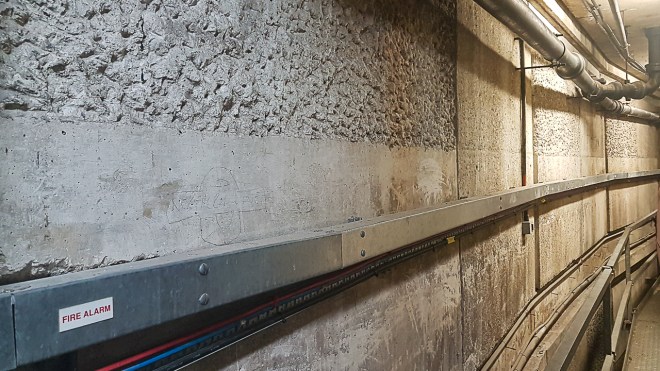
In a short passage behind a locked door was a concrete ‘sample board’; a long wall of different styles of concrete panels. This was used to influence the chosen ‘skin’ for all the buildings. We also learned that the concrete panels were cast on site then hand battered and drilled to provide the textured surface we see today. It was horrifically expensive in man hours and extremely damaging to the health of the men that did the battering and drilling.

20240106_152628

As the tour was quite late in the day, and it’s winter in London, daylight disappeared quite soon after we started. I took a few photos as we went, but ended up shooting so slowly it was hard to retain any focus. Having said that I have taken loads of photos here in the past, and am sure I will do so again so I wasn’t too concerned. I would quite like to come back for a night shoot, but suspect those friendly security folk will take a different view if tripods were involved. I’m going to add it to the list of possible shoots to do with my brutalist photography buddies.

So here are a small number of Barbican photos. The first camera outing of the year; there will be a few I hope. I’m planning on replacing my camera this year as I’m sick of lugging an old Canon 5d around with me. I love it as a camera, but it’s heavy and big and it’s time to downsize.

IMG_6438

IMG_6445

IMG_6455

IMG_6453

IMG_6457

IMG_6458

Brutal Day Out – Bethnal Green

Saturday 25 November 2023 – Bethnal Green, London.

One month until Christmas, wow, where has this year gone? I’m sure I’ve said it on numerous occasions in the past but the older I get the quicker the years go by. Sadly the same can’t be said for working days and weeks, they drag interminably. It’s now Christmas Eve eve, Eleanor is at Tottenham Hotspur Stadium watching Spurs beat Everton 2-1 and I’m home in the warmth drinking a large gin and tonic, listening to The Stooges and finalising this post. A win-win for both of us.

This was the fourth Brutal Day Out walk I’ve attended and it was the biggest yet, with 13 walkers, which made the group too big. Organising photographers is like herding cats and I liked it best when there was only half a dozen of us. It’s cool that the original group still come as I like all of them (a rare thing), and there are always good folk in the extended group, but it does make it slow going.

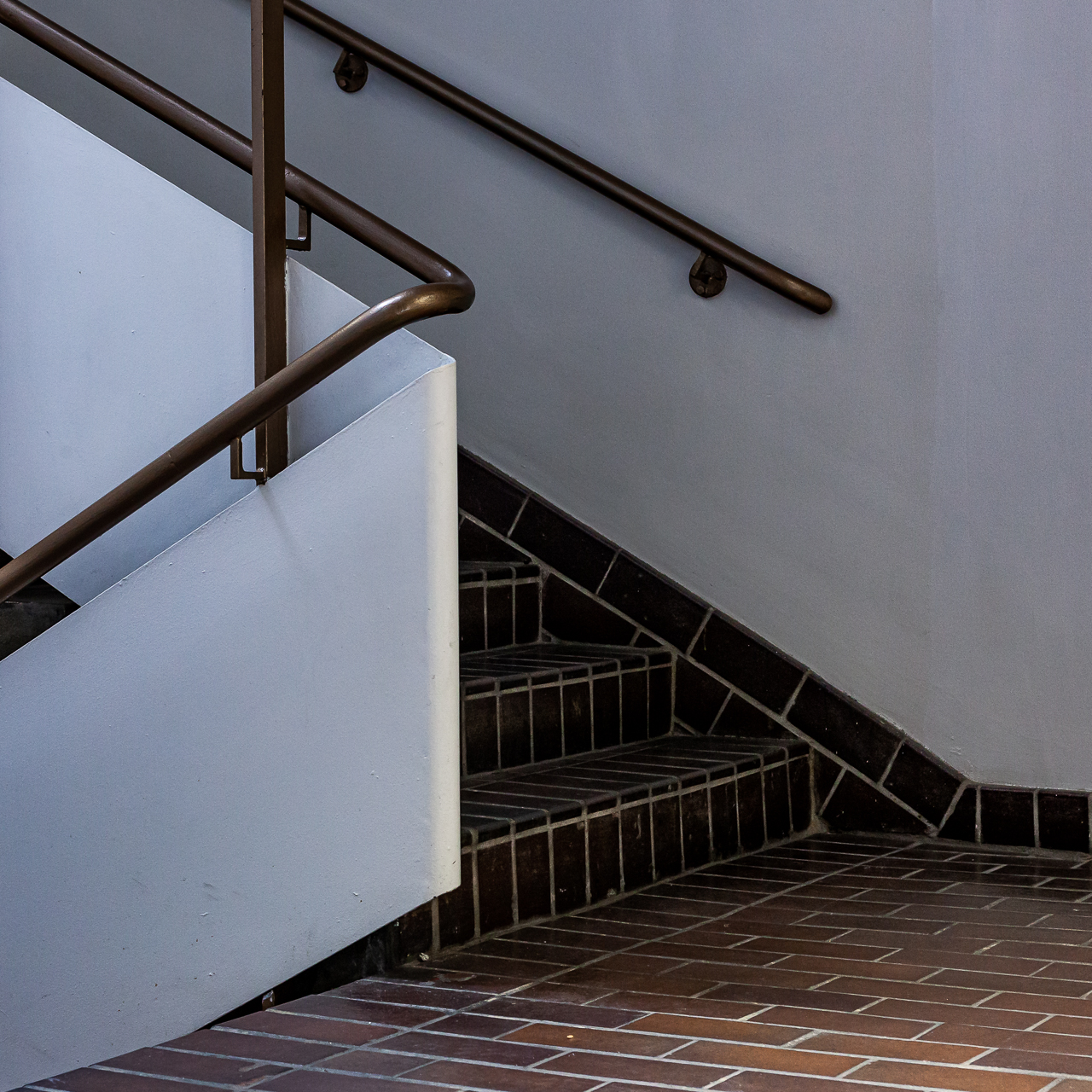
These walks are a good opportunity to see parts of London that most would not normally visit; housing estates for instance; and these were the focus of the walk today. There are a lot of 1960/70 estates in east London. We ended up being invited inside two tower blocks and made our way into a third by following someone in. All three we visited had the most incredible staircases, these buildings may look a bit drab and square and concrete on the outside, but the interiors are quite beautiful, as beautiful as concrete and basic function can get anyway. The first block we entered we were invited by an elderly resident who saw us outside with our cameras and phones and said we had to come in and look at the stairs, and they were pretty cool.

We met outside Mile End tube station, it’s a lovely clear day but very cold, and there is a biting wind, I’m glad I wrapped up warm. The light is a little harsh for architecture photography, or at least my type of architecture photography, but it’s nice to be outside under a a clear sky, it feels like it’s been a long time. Once the group had assembled we crossed the road and walked to our first destination, the Lakeview Estate, opposite Victoria Park. I was surprised to find it was so close to Mile End station; it’s good to be reminded that walking is the best way to learn how a city hangs together.

None of the buildings we visited today were brutalist masterpieces, at least that was the case from the outside and the Lakeview Building typified that. These buildings see the birth of the age of modernism in building construction. Designed in 1958 by the pioneering modernist architect, Berthold Lubetkin, for the then Bethnal Green Council it is an early example of how simple design and construction can be made into something aesthetically pleasing. Sometimes you need to look past the ‘bit ugly tower block’ and look for the details. Lubetkin’s work features a lot on this walk today.

IMG_6359

IMG_6365

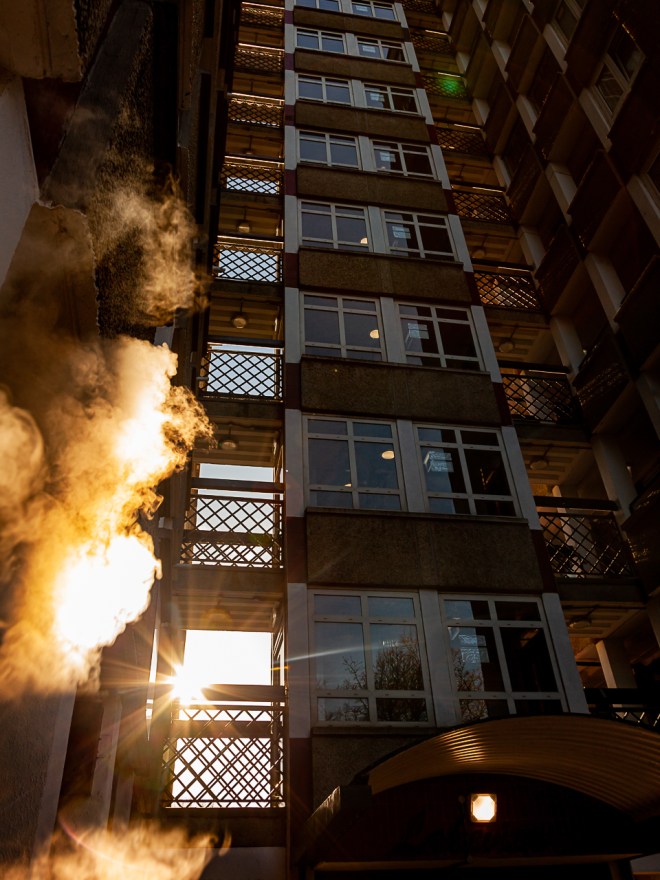
I particularly liked the way the sun came though the open passages between the stairwell and the flats; I may have been moaning about the harsh sun earlier, but the way it caught the steam rising from a gas boiler vent was a highlight for me.

IMG_6363

IMG_6370

Our next stop was the nearby Cranbrook Estate, another Lubetkin design, though this was a much large estate than Lakeview, comprising of six low rise towers and a series of small blocks making up 529 homes. It opened in 1963.

IMG_6372

IMG_6376

IMG_6379

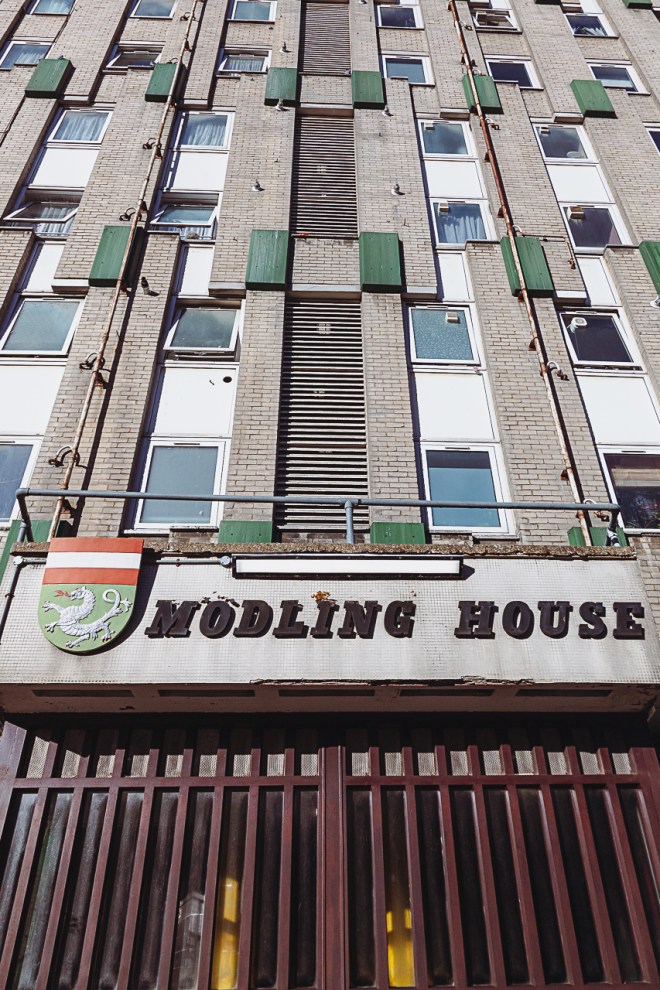
After walking around taking photos of exteriors we were regrouping outside Modling House when one of the residents arrived home.

IMG_6390

She asked what we were doing and once we told her we were interested in architecture she invited us into the building to look at the stairs, ‘because they’re lovely’. They were, though I’m not happy with the photos I managed to get of them.

IMG_6387

13 photographers milling about in a small space does make it difficult. I was also conscious that this place is home for lots of people and just because we were welcomed in by one resident didn’t make us welcome by all. We took up a lot of space in the lobby, which in itself was photo-worthy. I like the clean lines and uniformity of the lobby which are verging on ‘Wes Anderson’-ish. Lovely.

IMG_6384

IMG_6385

IMG_6382

The next two stops were quick, single towers, fenced off, similar in style and both designed by Denys Landon. The first is Trevelyan House.

IMG_6391

IMG_6392

The second is Keeling House; very similar in design to Trevelyn House, but with added scaffold.

IMG_6399

IMG_6400

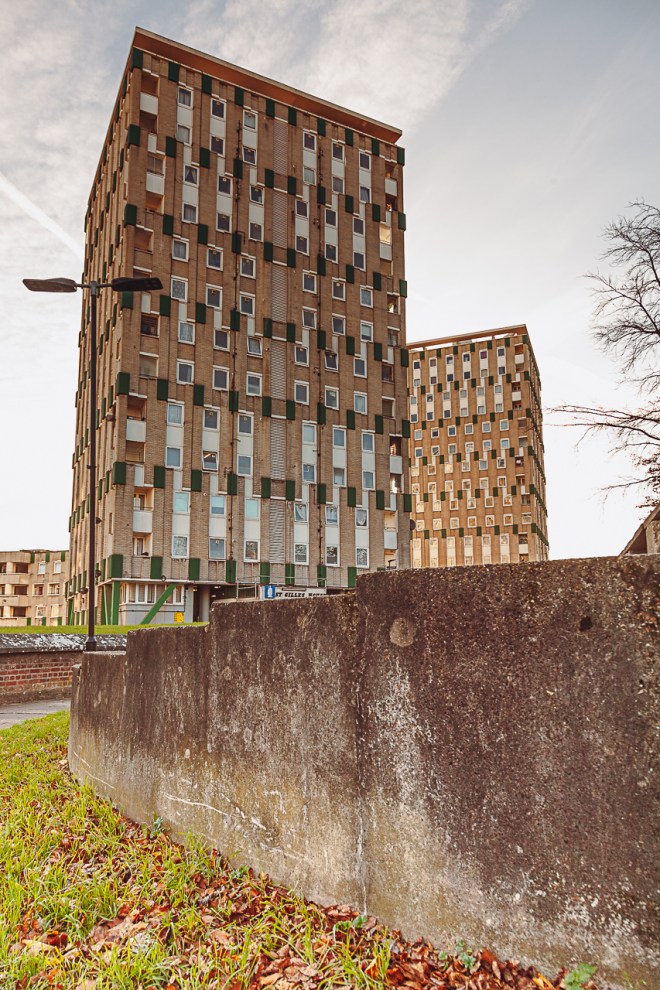
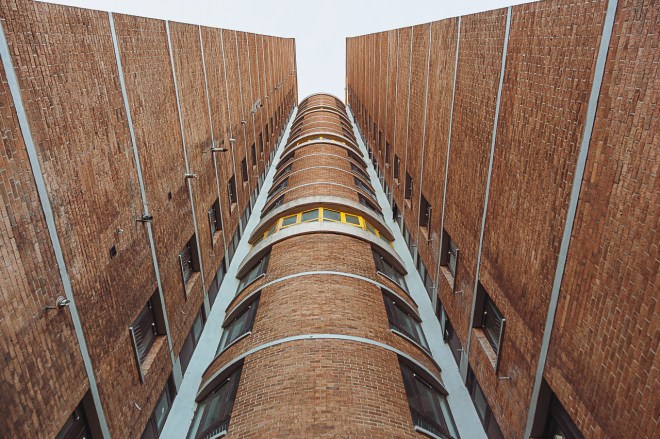
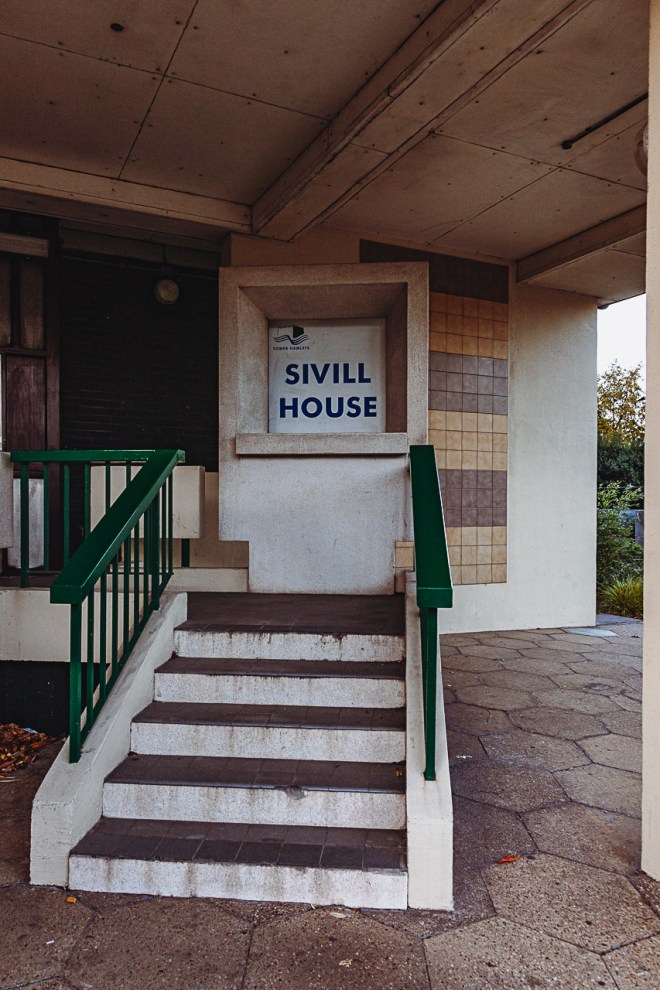
Sivill House on Columbia Rd was my favourite building of the day, it wasn’t overly interesting to look at from the side we arrived on, with just a 19 storey brick cliff face with windows, though the other side of the building with its curved stairwell exposed was much more interesting. Completed in 1962 it’s another fine Lubetkin designed construction.

IMG_6422

IMG_6413

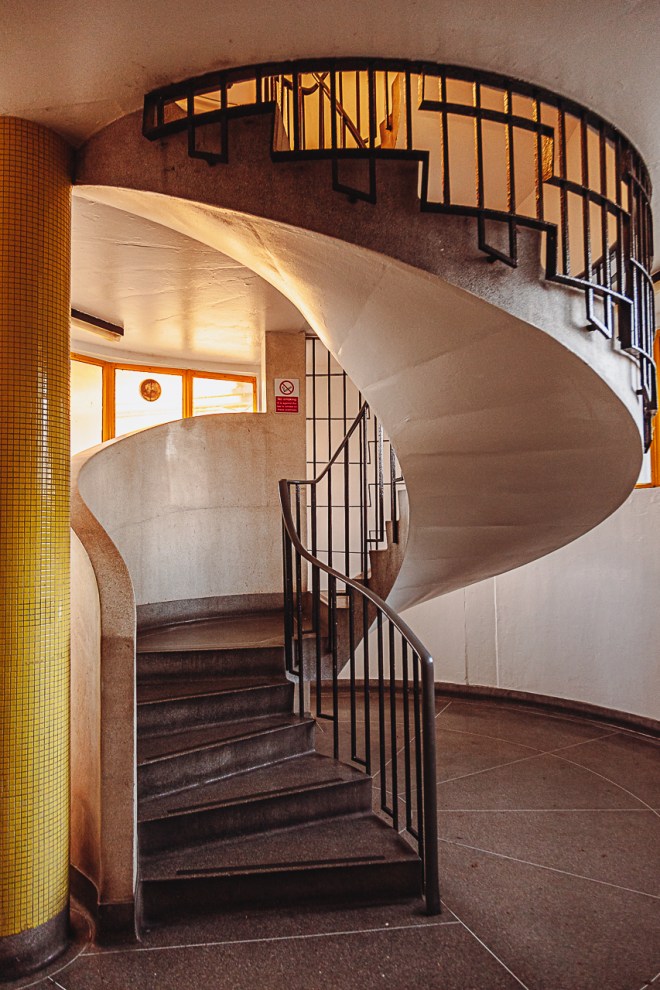
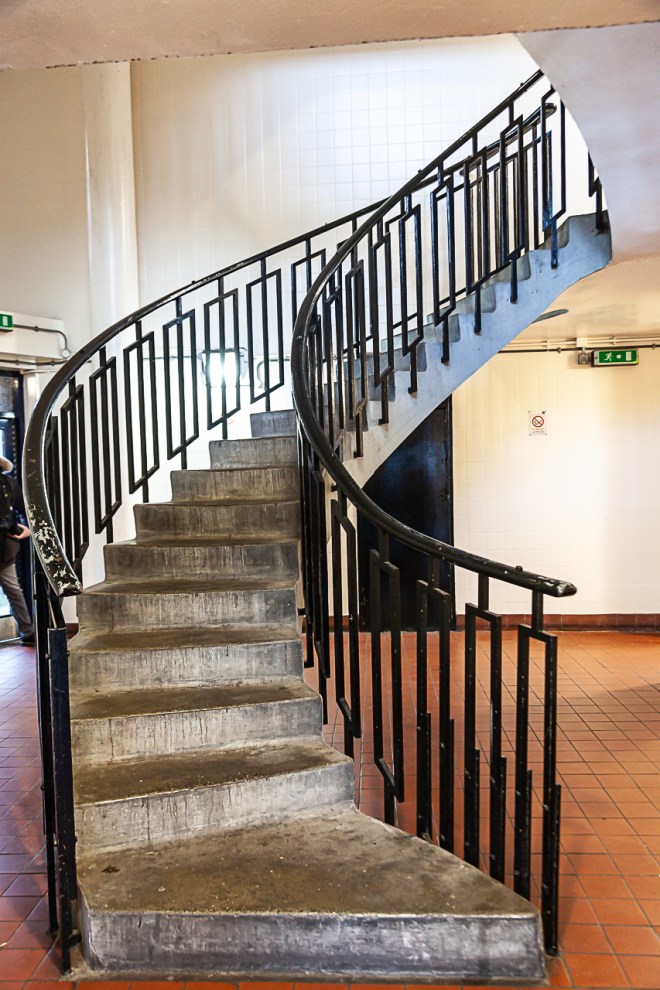
As with Modeling House earlier in the day we were invited inside to have a look at the stairs by one of the residents, though the stairwell is completely different; a 19 storey tightly wound circular staircase that would make anyone dizzy running down.

IMG_6419

IMG_6418

At the behest of the resident we took the lift to the 19th floor to take a look down the lift shaft and to take in the amazing view from the top. I would have liked to explore this building a bit more, it looks fun.

IMG_6415

IMG_6423

Our last stop was the least inspiring for me, or at least the exterior was. However, James Bryne had the maddest staircase I’ve ever seen. I tried to take a photo of it from below but it didn’t work very well, there seemed to be loads of interconnecting short stair cases crisscrossing all over the show. It looked very confusing from underneath. I just took a photo of the entrance instead. It was way less mind boggling. The architects really were into curvy concrete stairs in the 50 and 60s, and I like that a lot.

IMG_6424

IMG_6430

From James Byrne house most of us went to a pub near Liverpool Street Station, I had a swift pint and then caught the tube back home. It was a good day out and I took an awful lot of photos!

Clifton Cathedral

Sunday 12 November 2023 – Bristol.

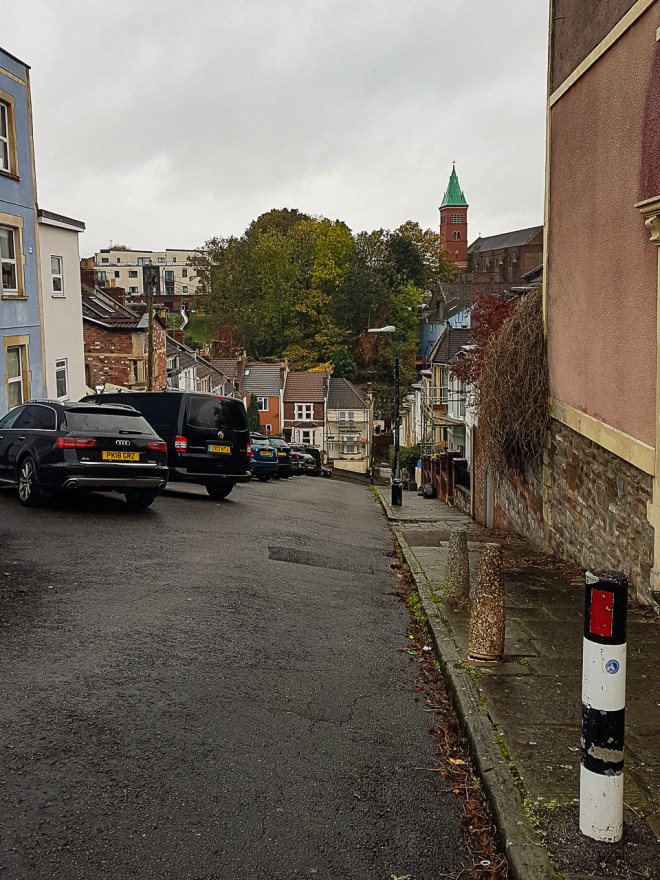
Eleanor’s youngest son and his partner moved from London to Bristol at the end of summer, his partner had recently joined me as a civil servant, but in another government department, and in Cardiff. They had been thinking about moving there for a while, it’s a city they know well and life there is much cheaper than London. It’s a city I feel fondly about too. This was to be our first visit to their lovely, slightly mad flat in the very nice suburb of Totterdown, near one of the steepest residential streets in England. It is certainly very steep!

20231112_104905

We caught the train down after work on Friday and came back early Sunday afternoon. In what seems to be the norm these days the Sunday journey was the least enjoyable due to cancelled and delayed trains causing our train to be over busy. We were lucky and managed to get seats for both journeys.

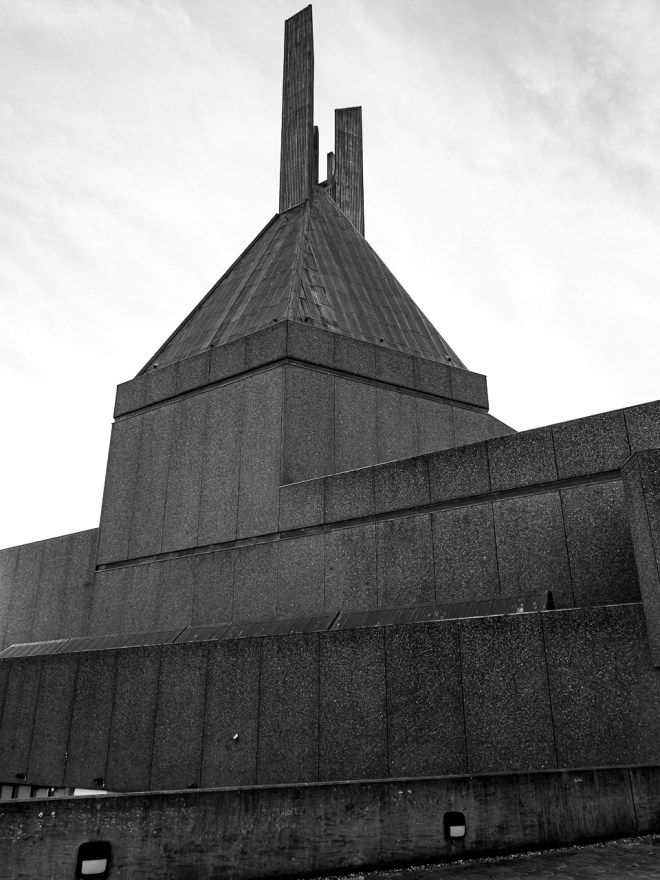
After a leisurely breakfast on Saturday morning we visited Bristol’s most visited area, Clifton; and not for of its famous bridge, nor for the loads of small independent shops, though we did do both of those as well. We went because I wanted to take some photos of Clifton Cathedral; Bristol’s Brutalist masterpiece.

IMG_6328

Consecrated in 1973, Clifton Cathedral is a magnificent construction with one of the most unusual and beautiful spires I’ve seen. Between 1962 and 1965 the Second Vatican Council met in Rome to discuss the place of the church in the modern world. It was decided that the church needed to be closer to the people it served and this decision played a key part in the brave design of this building with the 1000 strong congregation much closer to the high altar. Sadly the doors were locked and I was unable to look inside.

IMG_6322

Built in the ‘brutalist’ style out of precast concrete the building is all harsh angles and sheer walls. Many assume the word ‘brutalist’ has its root in the English word ‘brutal’, and in many cases there is clear argument that some brutalist buildings are quite brutal. However, the origins of ‘brutalist’ goes back to 1950s, to the French architect le Corbusier and the phrase ‘beton brut’, which translates to ‘raw concrete’. The cathedral is certainly that. It was also really hard to photograph, especially in the savage light that morning.

IMG_6318

IMG_6324

IMG_6329

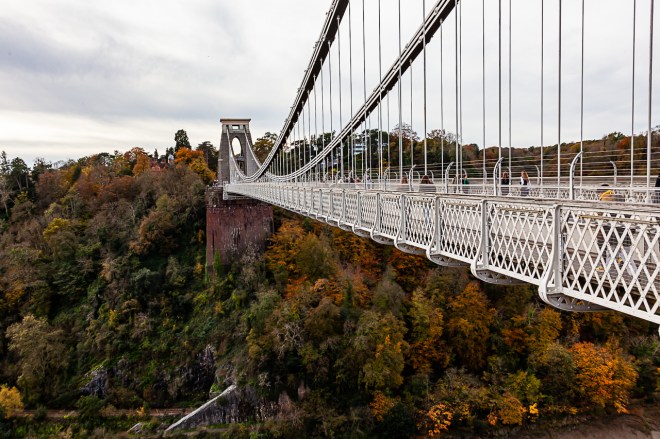
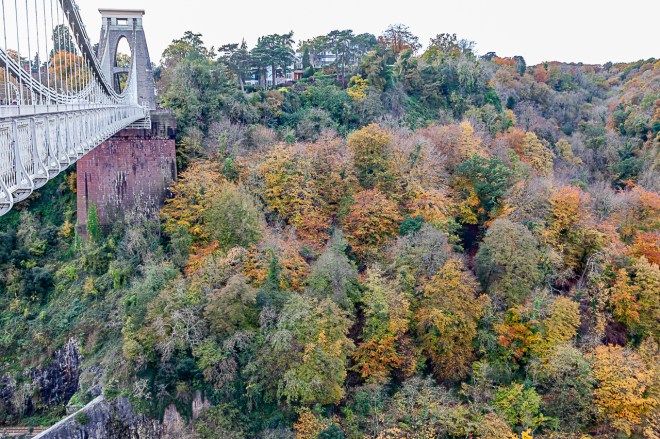
After stopping for a much needed coffee in a Clifton arcade that was extremely busy we walked up to the famous swing bridge. I’ve been here on numerous occasions before and always like visiting, it’s a marvellous structure; and it looks lovely backed with the autumnal trees.

IMG_6331

IMG_6338

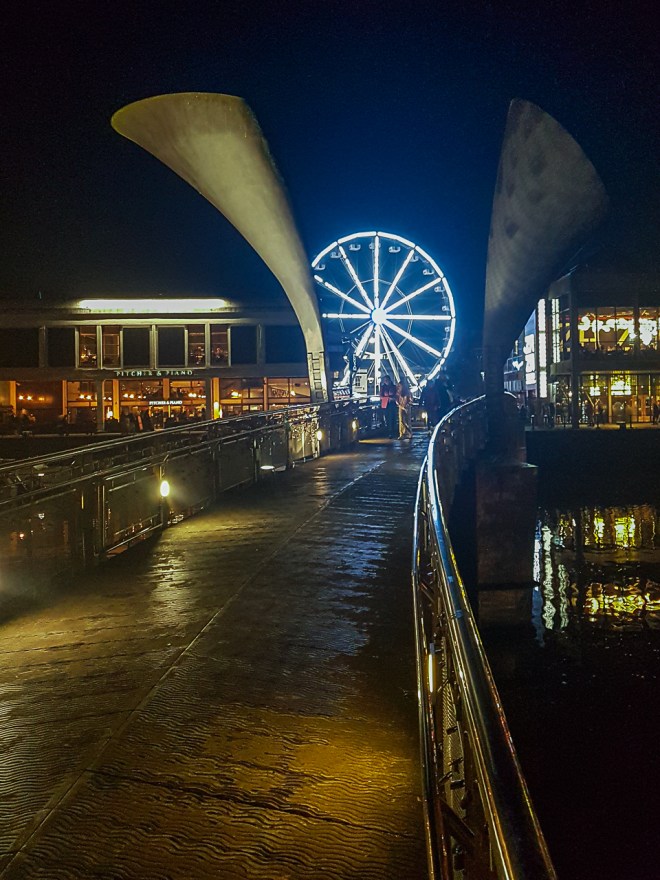
As the evening dark descended we walked down from the heights of Totterdown to Bristol waterfront to find somewhere to eat. I was really surprised at how busy it was, everywhere was packed and we even found it hard to find a bar with a free table.

20231111_192827

Though I was wrapped up, I wasn’t wrapped up well enough and was quite cold all night, definitely not wanting to be sitting outside over a drink. We wandered around town a bit eventually finding a small Chinese noodle house where we had one of the best Chinese meals I’ve had in a long time, and with the restaurant not being licensed it was cheap to.

20231111_194807

20231111_194416

The next day we had a late breakfast at a local ‘greasy spoon’ café and then schlepped back to London on an overcrowded train. We’re looking forward to going back to see more of Bristol, and I’m keen to visit Stokes Croft and St Pauls and the places I stayed in when my daughter lived here 10 years ago.

The brutal buildings of Poplar, East London

Saturday 16 September 2023 – Poplar, London.

I enjoyed the third #brutaldayout photo walk today. I’m familiar with the core of the group, though today twelve set out from the coffee shop outside Blackwall Tube station. There were thirteen in the group for a moment and we either lost someone before we set out or this person accidently joined in as we assembled then realised it was the wrong bunch of people. Either way, it was the largest group we’ve had on a walk.  Herding photographers is like herding cats, and we managed to lose two people over the five hours. It was a good group though and there was a lot of chat going on.

Boe and Irony mural outside All Saints DLR station.
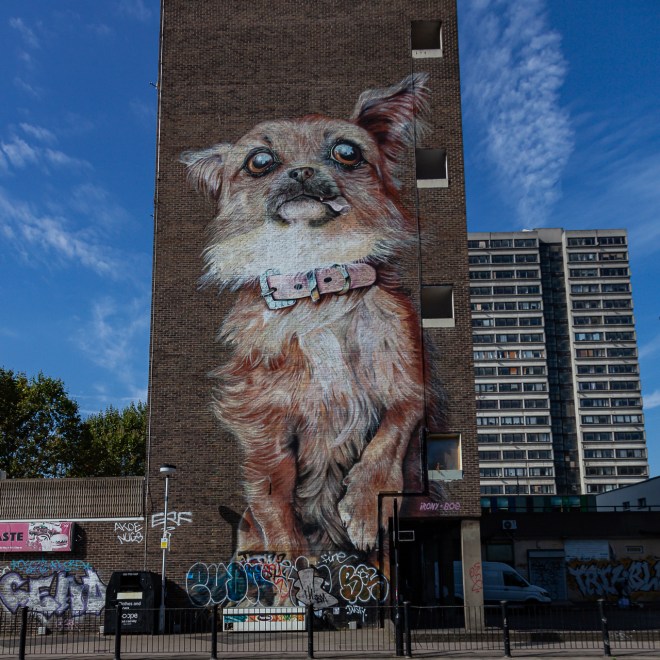
IMG_5396

Poplar is an area of East London that I don’t know well, though it is home to the first king of brutalist housing, the Balfron Tower and there will be more on Balfron in a later post. Poplar is proper London east end, it’s a working class area with a post-war mix low and high rise estates. It’s a multi-racial suburb and has, in parts, been allowed to rot, though I’m not necessarily saying race was a factor in allowing that decay. There are too few loud voices here nor enough of those willing to risk standing up to push the case for the borough. Poplar is part of the London Borough of Tower Hamlets, and let’s just say the council is not unafraid to make decisions very unpopular with its citizens, though seemingly very popular with developers.

Poplar should be fortunate as it rubs up against the global financial centre of Canary Wharf, whose shiny glass towers stand proudly over, but maybe casting disapproving shadows over its rundown neighbour. You would hope the wealth would roll on down to its immediate neighbour, but, as always, that is not the case. Poplar is being gentrified, and not in a ‘nice’ way. Social housing residents are moved out and those who have bought their home in ex-council properties are ‘encouraged’ to sell. The estates are flattened and ugly new shiny things are built in their place; of course there is the promise that tenants can move back in, or new housing will be built for them nearby, but as we all know this rarely happens. ‘Cost over runs’ or other excuses means the developer can never quite meet their social housing commitments. Councils just roll over and let their expanding tummy get stroked and accept the heartfelt apologies from those poor developers. The worst part is a lot of those shiny new flats are left empty, unsold or with absentee owners, almost taunting those who were dispossessed. More on this with my post regarding Balfron Tower.

Our first visit was Robin Hood Gardens Estate, or what is left of it anyway. The estate was completed in 1972 and comprised two low rise blocks, one seven storey and the other ten, with a large green space between them. It was designed by Alison and Peter Smithson and was their only housing estate to be constructed. The London Borough of Tower Hamlets was the landlord. After a battle to get the estate listed failed developers demolished the seven storey West Block in 2017 and new flats are now under construction.

IMG_5404

The East Block is now empty and awaiting the same fate as the West. 213 families lived here, now there are none.
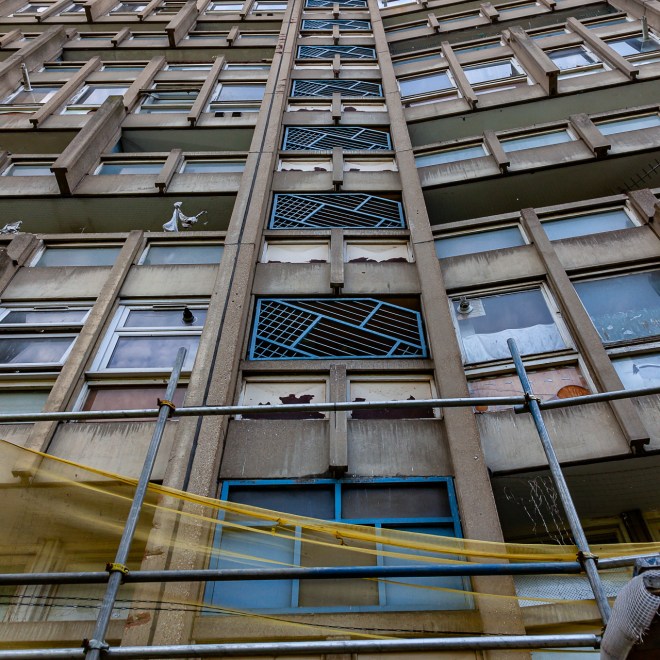
IMG_5406

After taking a photo of the scaffold surrounded front door I tried the door handle and remarkably the door wasn’t locked…
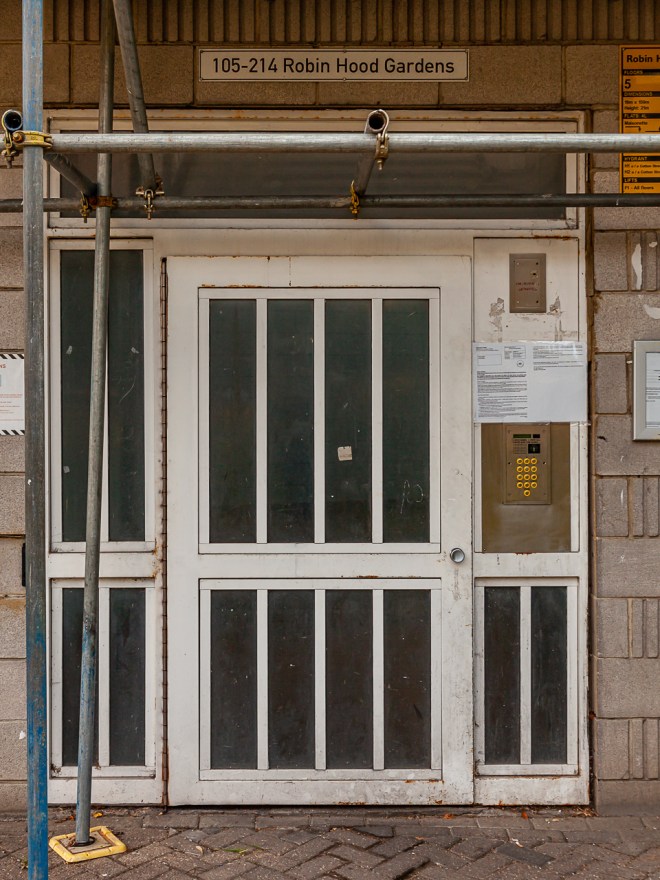
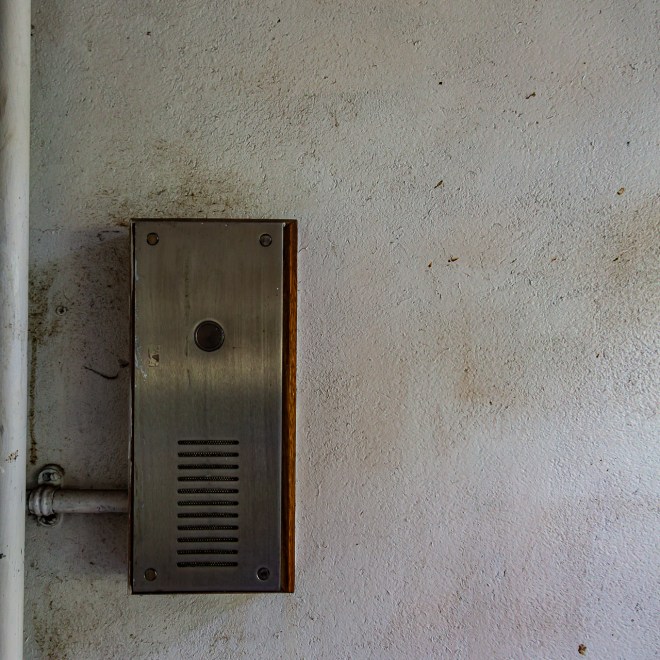
IMG_5409

IMG_5407

All the doors to the ground floor flats were covered in steel, so to be able to access the stairwell was a real surprise. A surprise too much to resist for some of us, so we took a quick foray into the building. Ignoring the ‘no trespassing’ sign. Bad I know. We didn’t go far, up a flight of stairs to the first balcony. All the flats are blocked off and we didn’t do anything other than take a few photos and then exit. It was a cheap, no harm, thrill; and no security or police turned up (phew).
IMG_5411

IMG_5417

IMG_5419

IMG_5413

IMG_5414

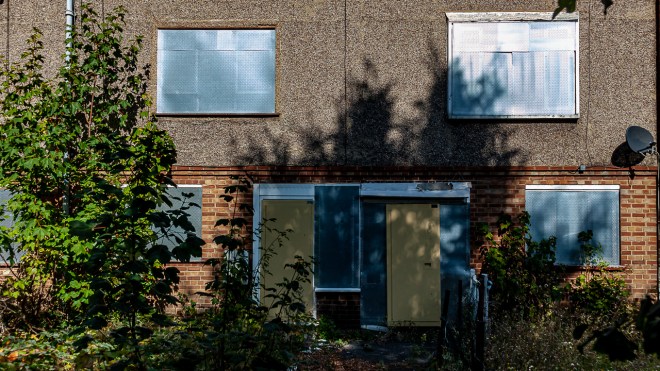
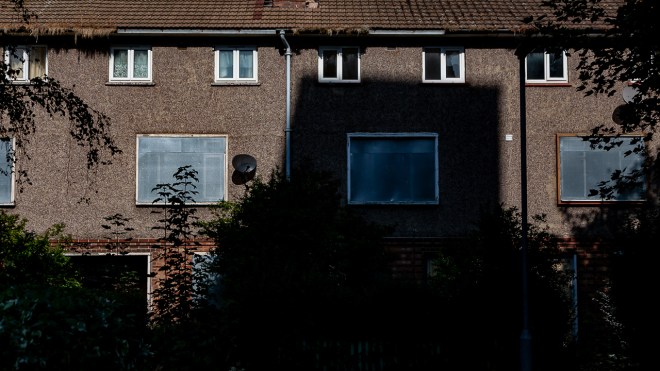
There is a short row of terraced houses at the end of the estate and those are all boarded up ready to be knocked down as well. I wonder what monstrosity will be built on this site and when? All these empty properties and we have a major housing crisis in this country. I shake my head sometimes.
IMG_5430

IMG_5433

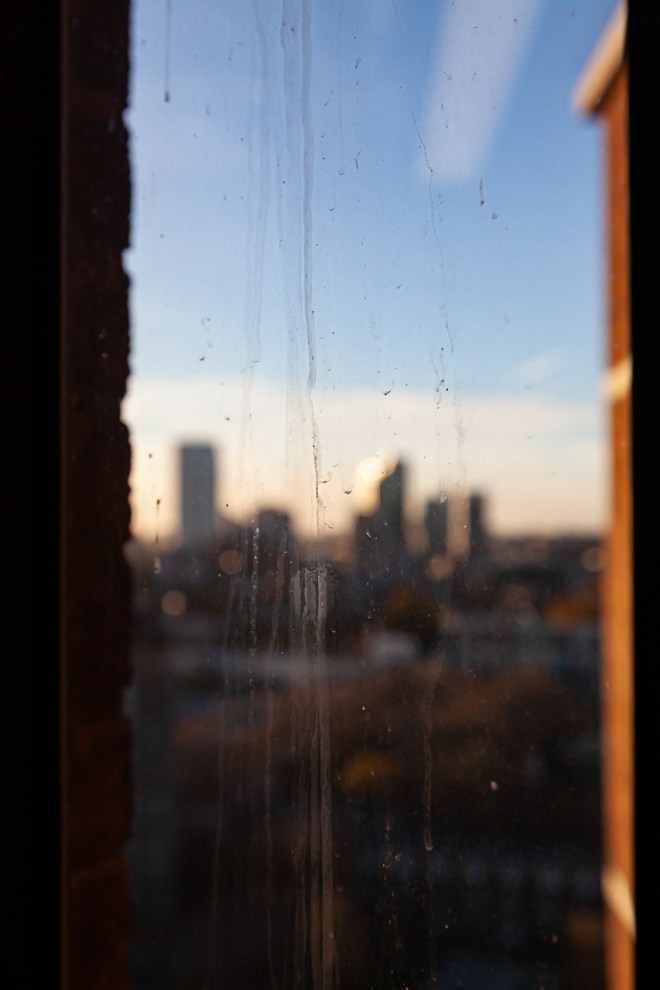
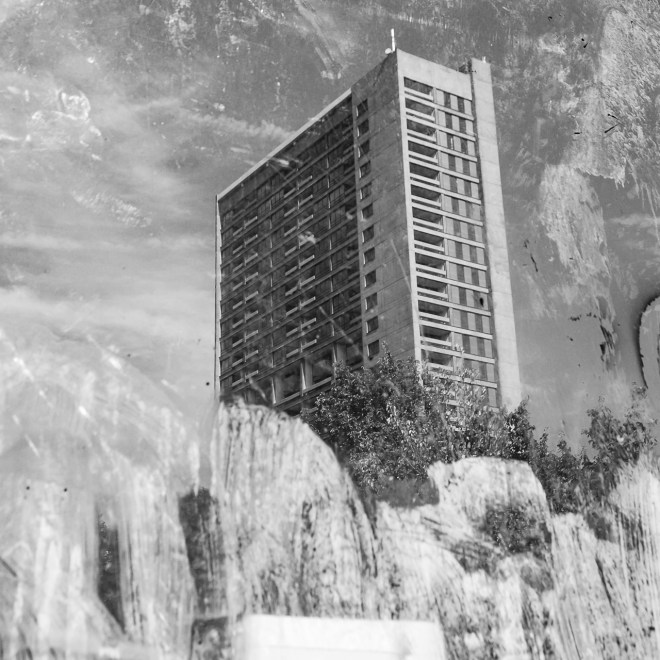
From a small, litter strewn and slowly overgrowing hillock in the gardens we could get a glimpse of our next stop; Balfron Tower in the Brownfields Estate; a 10 minute walk away. My first proper view of Balfron was through this filthy graffiti smeared window. I was quite excited; this is a major work of brutalist architecture in the UK, though maybe not from this angle.
IMG_5436

Anyway as I said above, Balfron gets its own post later. The Brownfields Estate also has the much shorter Carradale Tower situated at right angles to Balfron. Unlike Balfron, Carradale is still very much lived in. Though here is a sneak preview of why Balfron so cool.
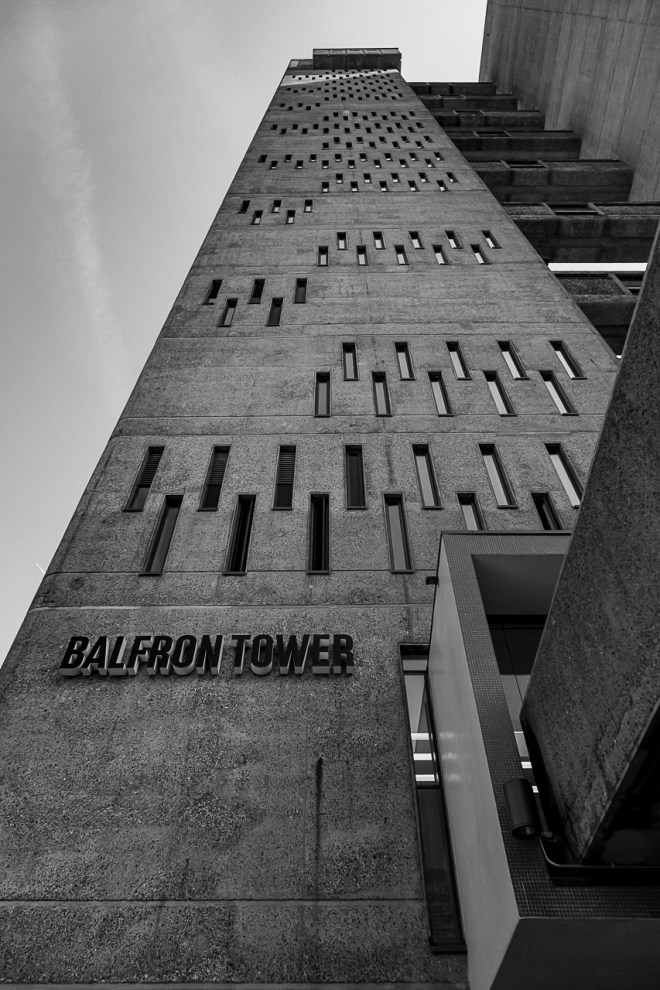
IMG_5457

The entire area around Balfron is fenced off, including the, possibly, excellent play area. We could only see if from afar.
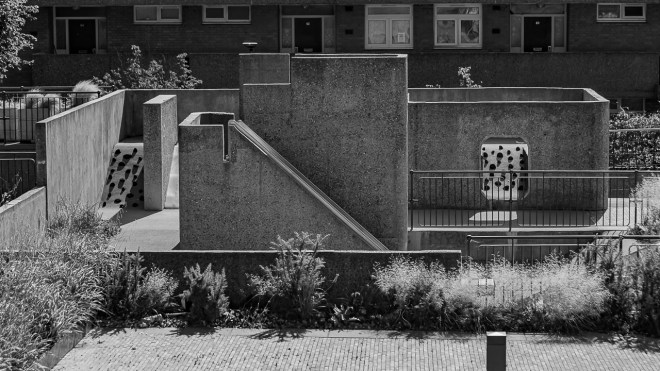
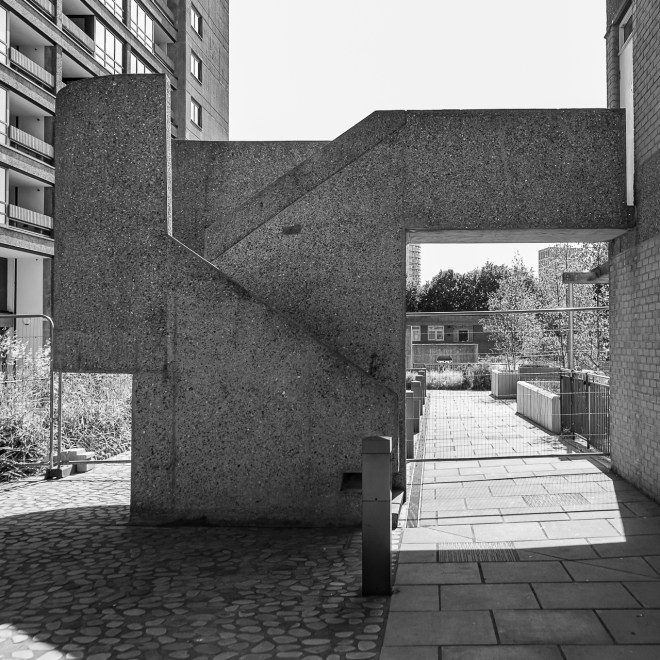
IMG_5452

IMG_5446

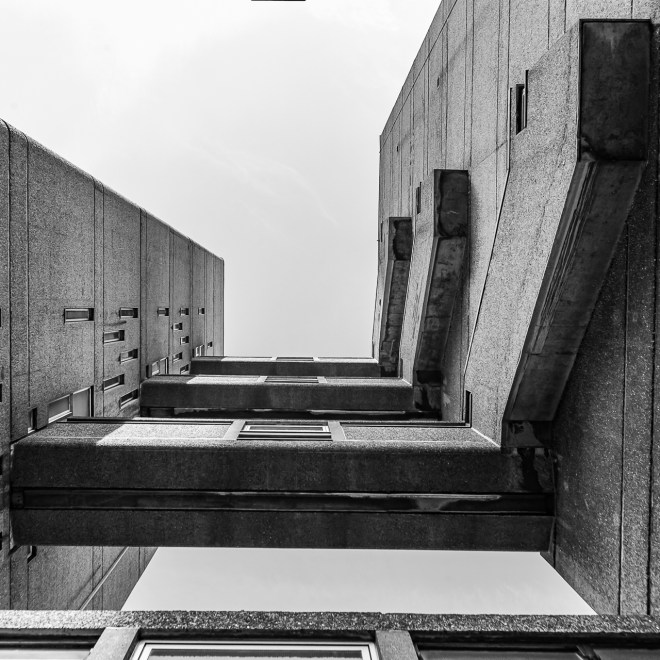
The towers were both built to complement each other and to create ‘communities in the sky’, by the Hungarian design genius (and inspiration for the name for the Bond villain) Erno Goldfinger. They were built between 1965 and 1967 and (thankfully) listed in 1996, else I’m sure someone would have tried to knock them down. Goldfinger lived onsite for a few months on completion and spoke to residents about what did and didn’t work and incorporating their ideas in his next project of similar design, the Trellick Tower, which I walked past back in August last year.

As Carradale is a lived-in block there was some space to wander around the perimeter, while I don’t support taking photos of people in or near their homes, I also think it is important to acknowledge that there are certain buildings that are important works of art and need to be preserved for what they are. One way to do that is to take and share photos.

IMG_5441

IMG_5461

IMG_5462

Glenkerry House sits over the road from Carradale and is also part of the Brownfields Estate. It was designed by the Goldfinger practice to mirror its predecessors opposite. Construction was completed in 1977. It’s supposedly the pinnacle of brutalist design and was the final brutalist tower constructed in London. The building is owned and run by those that live there.
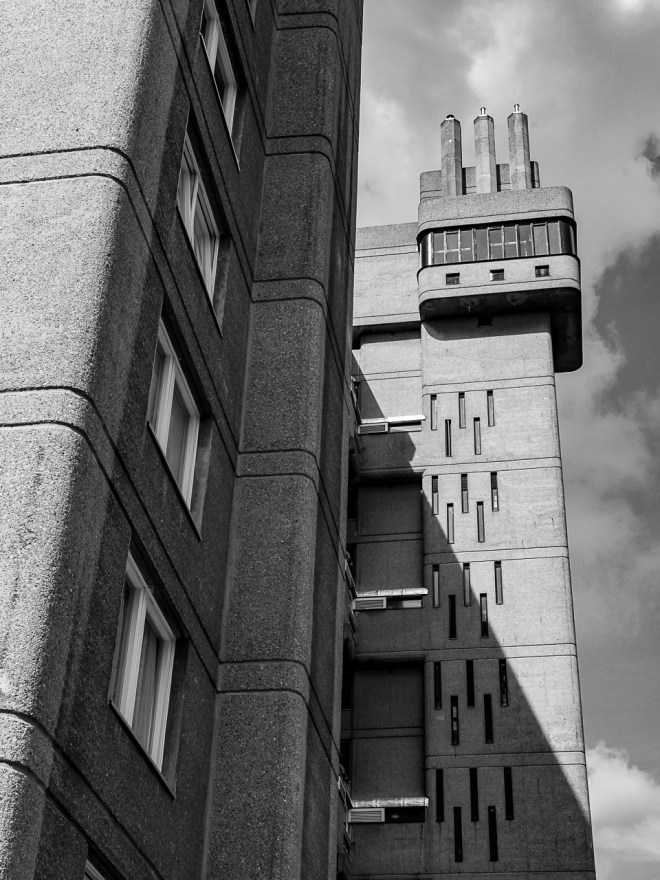
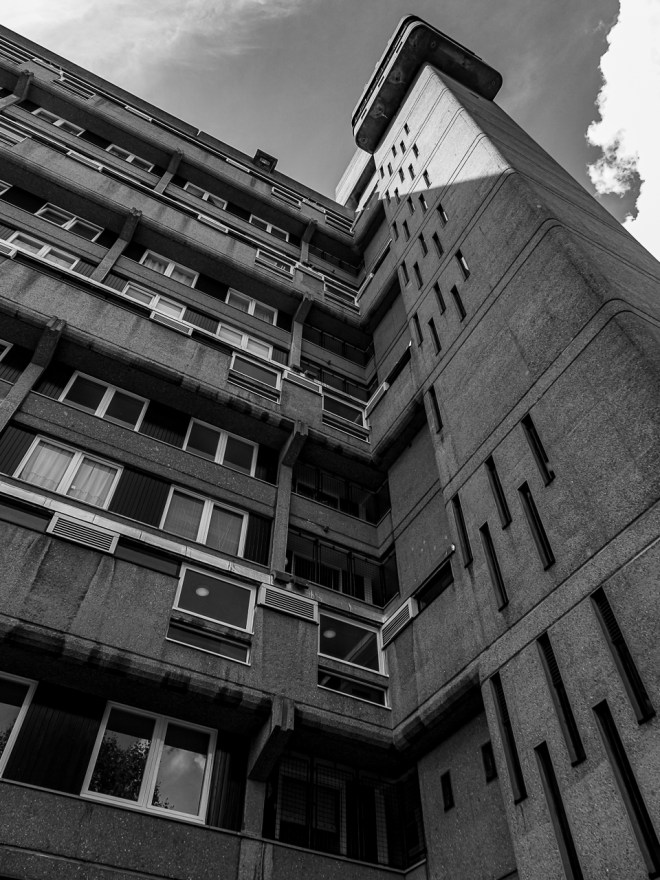
IMG_5471

IMG_5473

IMG_5466

IMG_5474

We stopped at the pie and mash shop in Chrisp Street Market for lunch and a short rest, Chrisp Street is the oldest purpose built pedestrian shopping area in the UK. It’s the heart of Poplar and thankfully is yet to be ‘regenerated’, though you can see it’s coming. It was busy. A lot of the flats around the market are empty, including a nearby tower block. The market has a marvellous clock tower, designed in 1951 for the Festival of Britain delays meant it wasn’t finished until the following year.
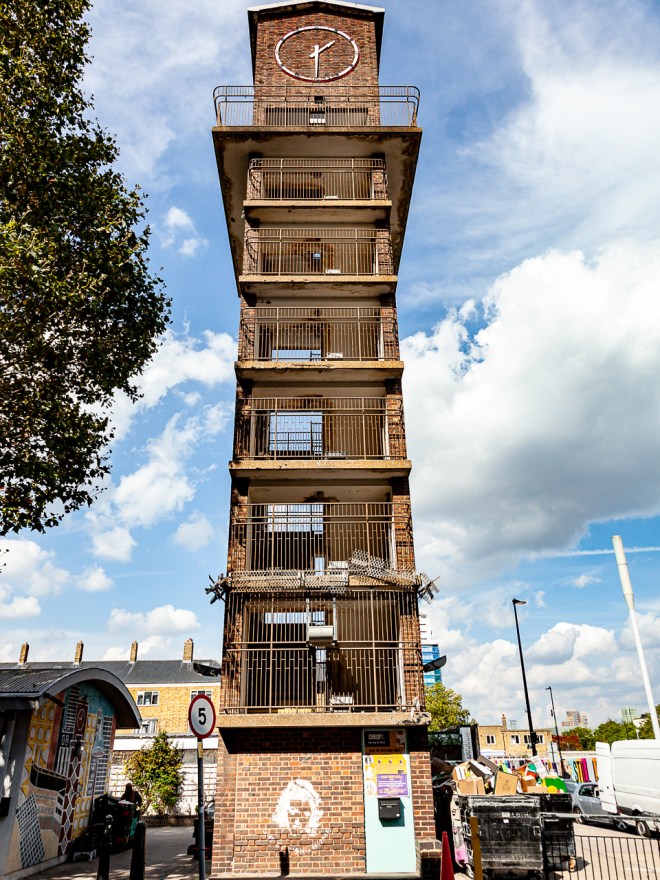
IMG_5478

St Marys and St Josephs Catholic Church was our next stop, a magnificent building, completed in 1952 to replace the original church that was heavily damaged during the Second World War. It definitely has a mosque vibe to its construction and wouldn’t be out of place as a Christian church somewhere in Asia.
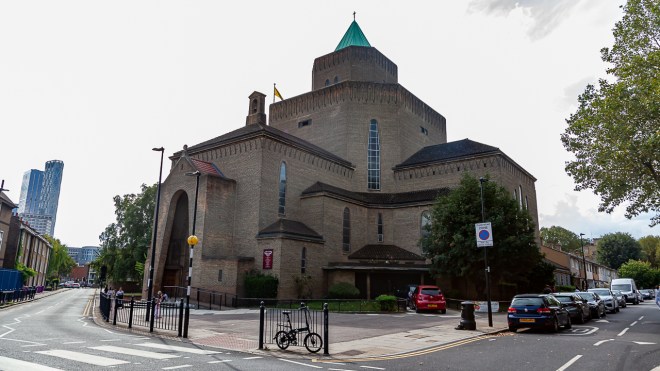
IMG_5482

IMG_5484

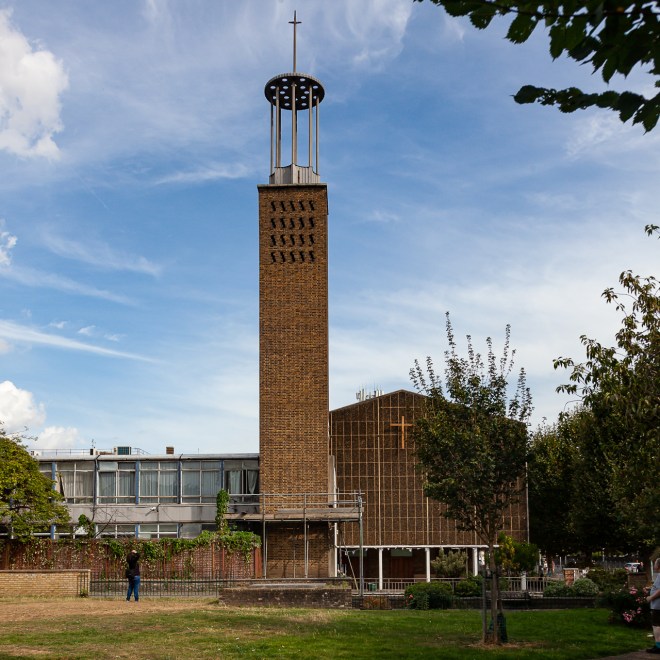
This was followed by the equally impressive, for its amazing tower, Calvary Charismatic Baptist Church.
IMG_5485

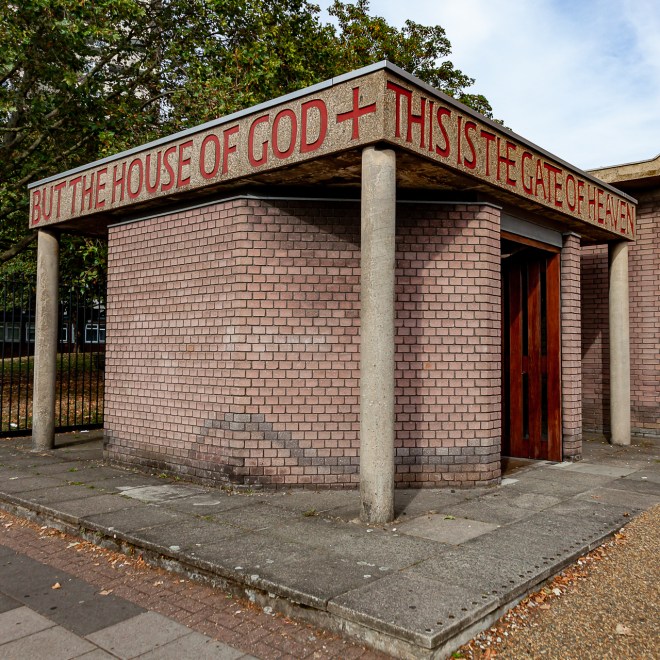
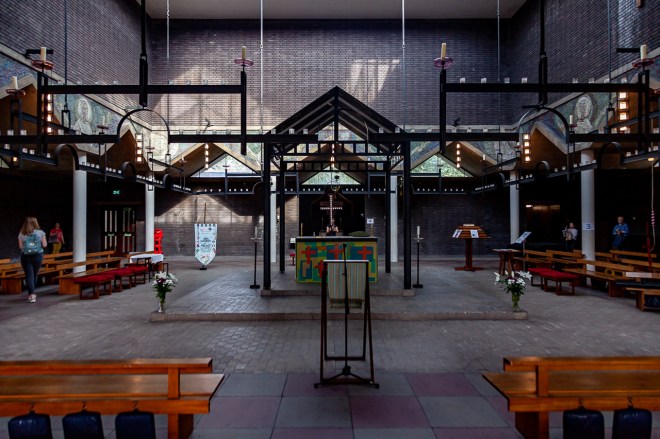
We completed the walk at another post-war church, St Pauls at Bow Common. Built in 1960 it has been voted the best post-war church in Britain. It was certainly different with its pulpit in the centre of the building and the parishioners sat around the minister. I quite like it.
IMG_5490

IMG_5491

IMG_5494

Actually we completed the walk at a pub near Mile End station where we stopped to refresh after a hot afternoon of walking, talking and photographing modernist and brutalist architecture. It was another enjoyable outing and if you’re interested in joining the next one then let me know via a comment, we don’t have a date or a location yet; though it will probably be around Kilburn.
Brutal Day Out–Thamesmead

Saturday 15 July 2023 – Thamesmead, London.

Friday 21/07, home writing.

Eleanor is at book club so I’m sat with my feet up on the coffee table supping gin and tonic, listening to records and catching up on photo editing and blog writing. After hitting publish on the Elan Valley post and typing in the date of this one I took a moment to reflect on how busy I’ve been over the last few months; it felt like there’s barely been a weekend with nothing on. After the long and seemingly quiet period of 2021 and 2022 it now seems like there is almost too much going on; we’ve gone back to the old normal. On Monday we’re off to Cornwall for three days, we have friends round for birthday drinks when we get back, the following Saturday I’m in St Leonards and the weekend after we’re going to see Eleanor’s friend in Macclesfield. There’s no letting up and I’m really happy to be active again; though flipping heck, it’s all gotten really expensive. Anyway, back to Thamesmead…

Thamesmead was (and still is) a housing estate designed and built in the 1960s on marshland on the southern bank of the River Thames. It was a new design and supposedly lessons had been learned from other housing estates built since the end of the war; with an aim to provide homes for local people rather than create an estate and move people into it. It was to be modern estate with a mix of low and high rise. Sitting here in 2023 with a brutalist architecture hat on the design looked amazing; however the promised Jubilee tube line never materialised and with the nearest shops cut off, first by a rail line and then by a busy road, it failed to be the utopia it could have been.

It was very brutalist and future looking with its clean concrete construction and hard angles and was made famous as the location for the equally brutal and dystopian film A Clockwork Orange.

I’ve been wanting to visit Thamesmead for ages, and finally got around to putting a call out for interest on the Whatsapp group that was created for a brutalist photowalk in May last year. Unsurprisingly there were other photographers who wanted to visit so we arranged to meet today. One of the crew who has visited previously agreed to be a loosely defined tour guide which was really helpful as there’s a large area to explore.

We met at Abbey Wood station, on the recently opened Elizabeth line. It was nice to be presented with a good concrete staircase  that could be seen from the station platform. A promising start.

IMG_5074

I was only expecting a couple of people to come to walk so was pleasantly surprised when 5 others turned up, including one who came all the way from Cardiff for the day, that is dedication to concrete. Our guide, Chris, started the walk by taking us in the opposite direction to Thamesmead, up towards the ruins of the Abbey on the edge of the large wood which between them gave the area its name. We didn’t visit the abbey, but stopped just short and took some photos of the stairway up to a bridge and the start of a walkway through to Thamesmead. I’m a big fan of brutalist stairs so this was a really promising start.

IMG_5075

IMG_5083

As you could imagine I took quite a few photos as we walked around for round, splitting the massive site into small zones.

IMG_5084

IMG_5088

IMG_5091

IMG_5092

IMG_5093

IMG_5094

Crossing over another lovely concrete road bridge we arrived on the eastern side of South Mere ‘lake’, the western and southern sides being a stage for some of the scenes in Clockwork Orange. Sadly a lot of that section of the estate has been knocked down and new flats and a building site have been left in its place.

IMG_5097

IMG_5102

IMG_5105

We crossed the ‘Eastern Way’ motorway via another great bridge and found a great area of interlinked concrete walkways, bridges, ramps and stairs and my favourite type of place for shooting. There were few people about and I wasn’t pointing my camera at occupied homes; something I’m uncomfortable doing, though some of the group are less shy than me. I took quite few images.

IMG_5111

IMG_5116

IMG_5118

IMG_5119

IMG_5131

IMG_5132

After passing through a low rise estate and taking a couple of images we stopped for lunch outside one of the very few shops we passed; I had a pretty bad sausage roll and a Snickers; there are no fancy sourdough bread cafes round here. We sat on the steps and watched the water rats running in and out of the nearby stream.

20230715_134742

IMG_5123

IMG_5124

We looped back along the edge of the construction site that is all that remains of the area used  in a scene for the famous scene in Clockwork orange where Alex pushes one of his fellow droogs into the lake, all that is left are the steps down to the water. The tower blocks and walkways were knocked down down 10 plus years ago.

IMG_5133

Some parts of the high rise estate remain and we walked round those as we headed back to the elevated pathway that got us here in the first place.

IMG_5134

IMG_5140

IMG_5142

IMG_5152

The clouds started to hang heavy as we walked and the rain that had been forecast and threatening all day arrived a few minutes before we got to the pub next to Abbey Wood Station; luckily we didn’t get too wet. I stopped for a pint with the crew before jumping on a train back over to the northern side of the Thames and my normal habitat.

IMG_5153

It was a cracking day out and a walk in Poplar has already been booked for mid-September. Thanks everyone for a most enjoyable afternoon.

IMG-20230715-WA0001

A brutal weekend in Norwich

Sunday 18 June 2023 – Norwich.

I haven’t gone away by myself for quite some time, and now I’ve a tenant is in my flat the option for a weekend or a couple of days away with little cost has also removed itself. I like some time to myself so decided I’d go to Norwich for a night and spend the two days walking about looking for and photographing the brutalist architecture the city is known for.

I used to really enjoy  taking weekends away in random places before I bought the flat and have visited a few places around the south of England, mainly walking and photographing things. I was sitting in a pub on Saturday afternoon sheltering from a brief, but heavy shower on the way back from walking around the university when I realised that I rarely go to countryside/beach places anymore and most of my walking trips are now urban. I barely even walk in Epping Forest anymore and that is 10 minutes from home. I’ve become almost exclusively an urban walker.

I took a train from Liverpool Street Station arriving in Norwich 100 minutes later. Time that disappeared in a blur of bad station coffee and a terrible fruit muffin, music and gazing wistfully out the window. I love train travel.

20230617_094134

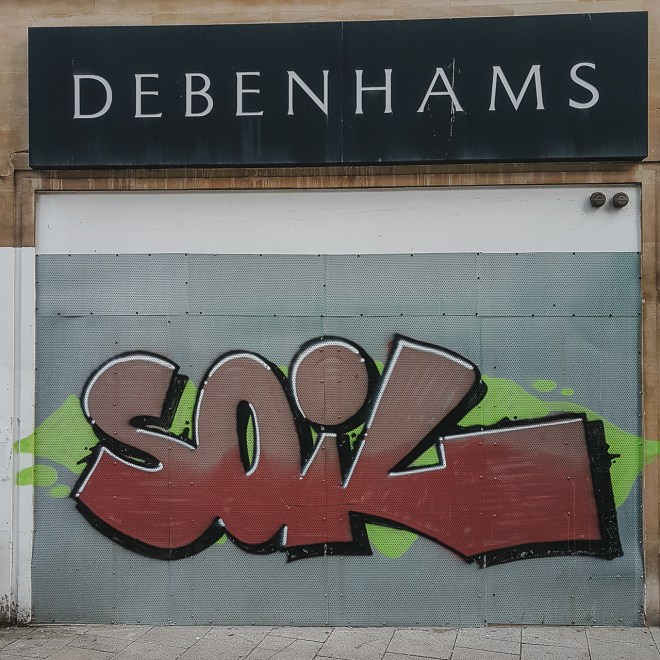
I walked around for a bit looking for a record shop that might have some keen local enthusiast who could advise if there was any gigs on tonight, the internet was telling me nothing other than dire cover bands were performing in a student orientated city, something I found hard to believe. I got misplaced and couldn’t find the street I was looking for so walked to my hotel instead. The city centre is busy but like a lot of city and town centres it’s looking a bit sad, especially with large chain stores like Debenhams closing down.

20230617_202125

I needed to dump my backpack and work out how to get from the hotel to the University of East Anglia (UEA) campus, the site of some very good brutalist buildings and the main objective for the weekend. UEA was only a 40 minute walk from the hotel so I walked there though it was a bit warm out.

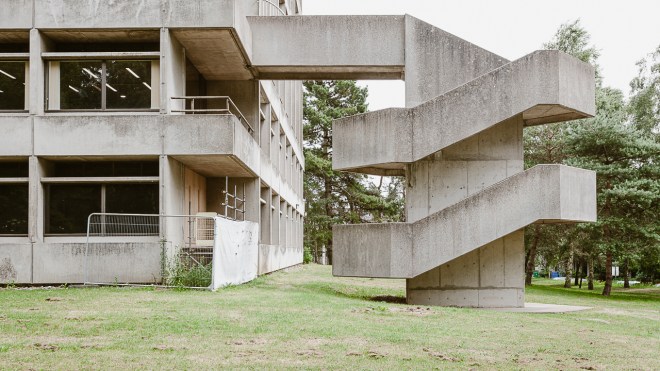
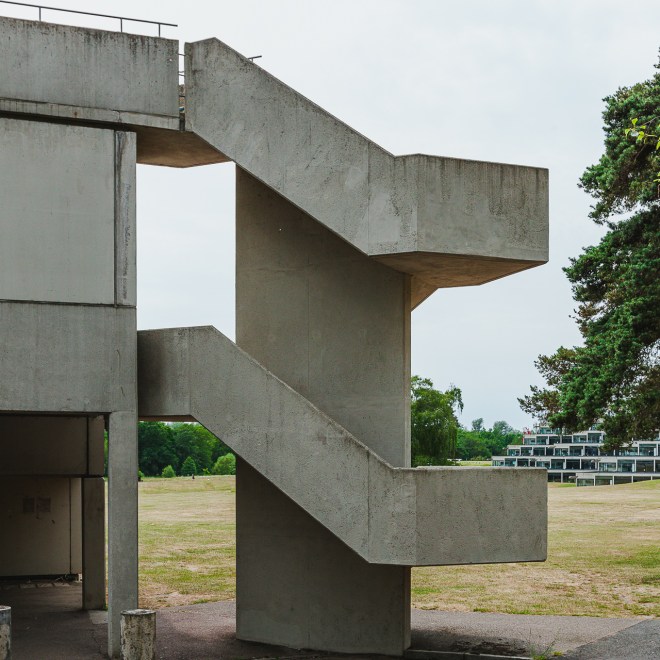
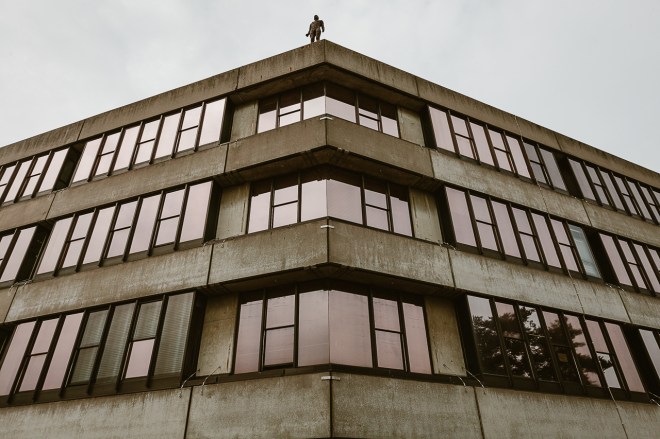
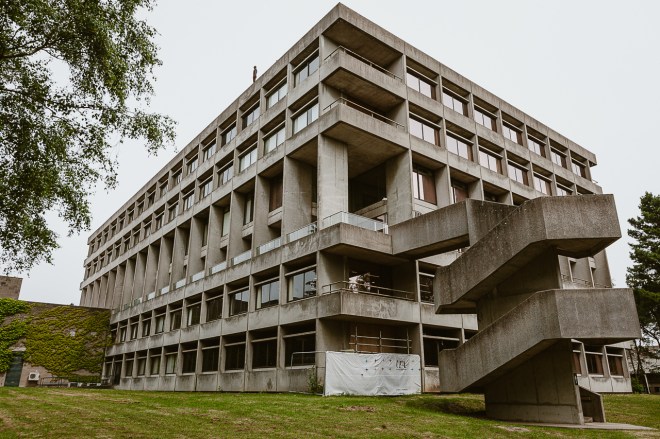
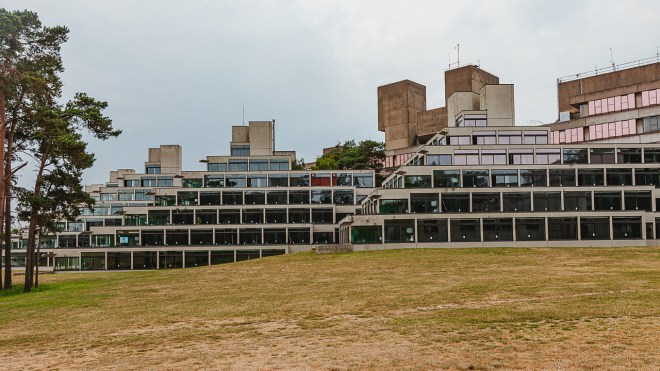
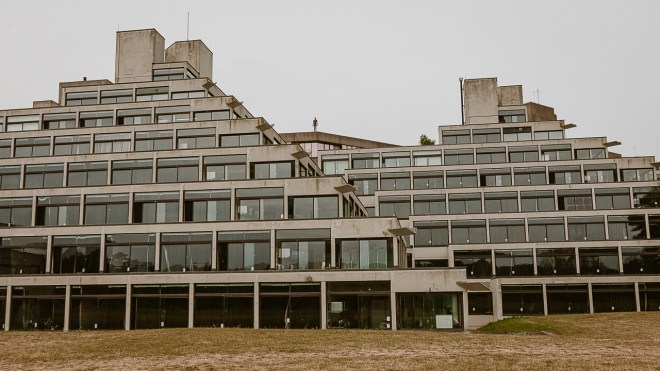
I have to say right up front that I totally loved the brutalist bit of UEA, it would have been so much nicer if bits of it weren’t covered in scaffold and if there were less students behind the huge slabs of glass that make up the front of their flats in the Norfolk Terrace building; though I guess they are more entitled to be there than I am. I took a lot more photos than those below. 

IMG_4869

IMG_4894

IMG_4896

IMG_4901

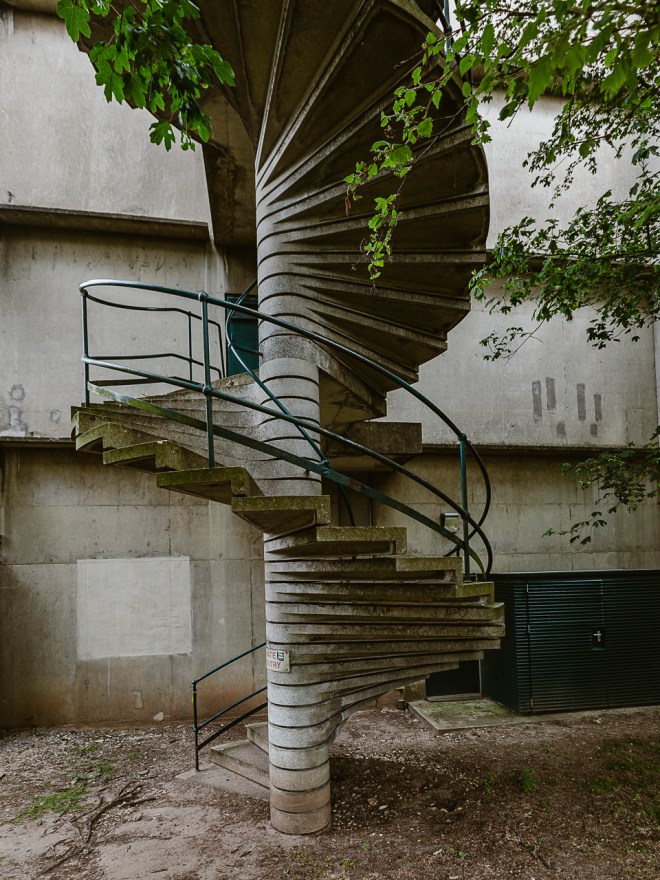
I’m a big fan of concrete brutalist stairs and UEA had some great examples.

IMG_4881IMG_4878

IMG_4885

IMG_4891

IMG_4892

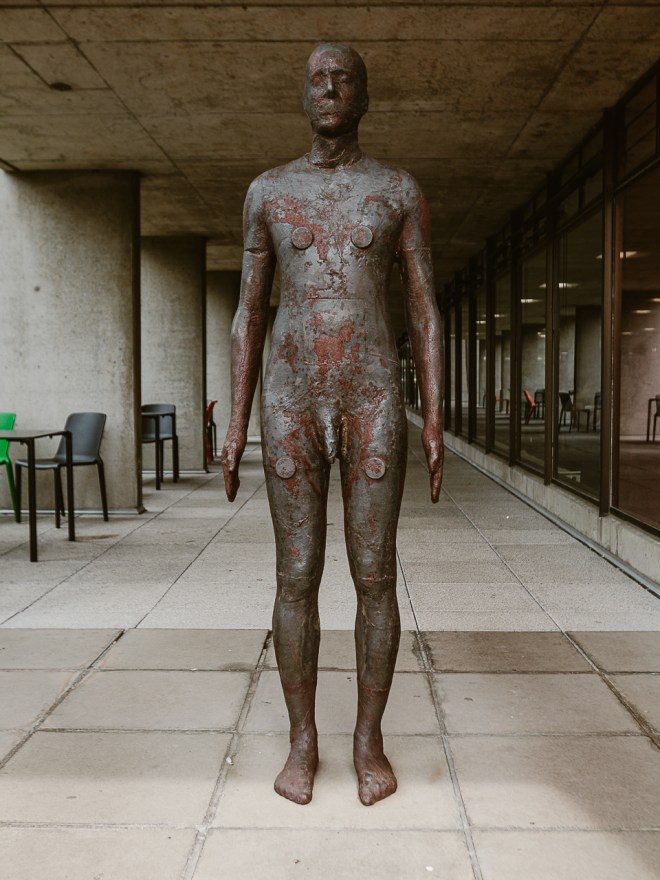
I was also really surprised when I arrived at the top of a set of stairs and was confronted by an Antony Gormely statue. There are three of them on the campus, and they’ve not been without controversy. Which is good in some ways, art should be talked about.

IMG_4882

IMG_4895

IMG_4884

The highlight of the visit is the student accommodation block, like the rest of the interconnected brutalist part of the university it was designed by Lasdun and construction was finished in 1970. The site is true brutalist megastructure and the student block is the crowning glory. I tried to get up close but there were too many students working away in their lounge spaces behind those huge windows.

IMG_4900

IMG_4887

IMG_4899

Leaving the university I caught a bus most of the way back to the hotel, stopping for a rehydrating pint at a decent pub on the way. I’m glad I stopped as the rain came in a sudden and heavy downpour just as I sat down. I waited out the rain before carrying on my journey. That evening I walked into the centre and found a not too bad tapas bar to sit down for some food and a glass of wine or two while I read my book.

IMG_4908

IMG_4907

Sunday I got up lateish after a lacklustre sleep, my room was warm but otherwise comfortable but I drank that frustrating amount of red wine that had me too drunk to fall asleep quickly but not drunk enough to drop straight off. I had planned a walk around central Norwich to look for some of the brutalist era buildings that fringe the old city centre.

There was plenty of concrete about and some classic late 60s/early 70s buildings that may take the fancy of a brutalist purist, but my god they were photographically dull and I pretty much spent two hours walking round the city with a backpack of clothes, laptop and a novel and bag with camera and a spare lens and a bottle of water. 

IMG_4904

IMG_4903

IMG_4902

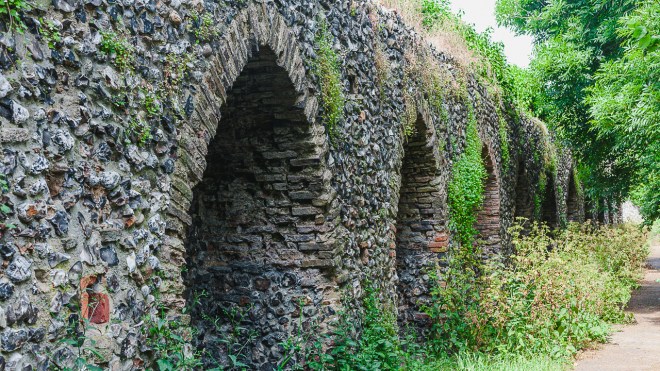
I got hot and wished I’d had an open return train ticket rather than the significantly cheaper booked service at 14:00. I did find some great bits of city wall down a dusty and overgrown path which was nice.

IMG_4911

IMG_4910

My main objective for the day was a visit to the Anglia Centre which sounded like it was due to be bowled over any time soon. The Anglia Centre was in the north of the city and on the far side of the river so I took a slow and enjoyable walk along the bank, looking for shade where I can.

IMG_4915

IMG_4914

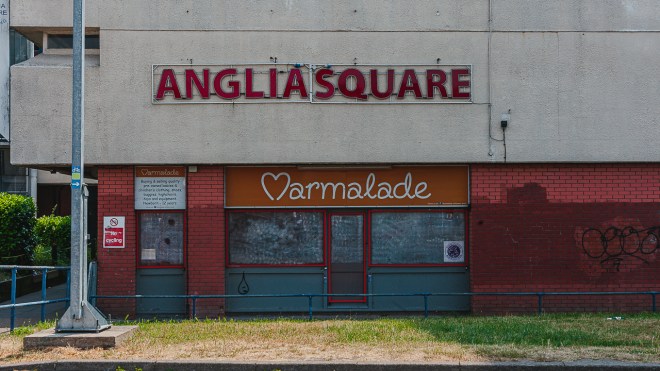
I had kinda hoped that any shops that were still there would be closed on a Sunday morning and it would be a bit deserted, though annoyingly that was not the case. It had the right rundown feel and was nice and grey and concrete but there were too many people about and it’s a bit run down and it felt wrong to be taking photos; I’m not into poverty porn.
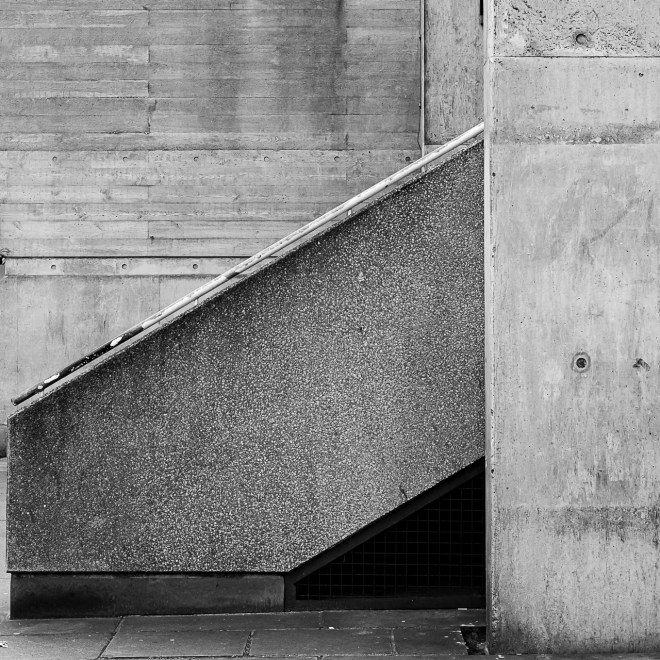
IMG_4916

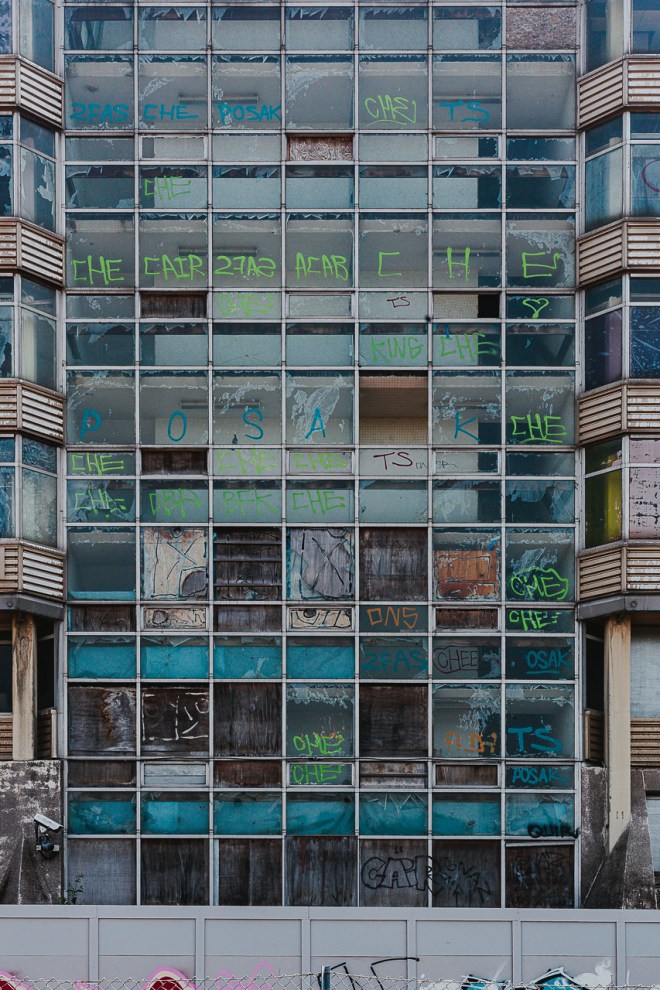
I walked through the shopping area to the carpark at the back and took a couple of photos of the graffiti covered tower above the centre and briefly wished I could go inside then realised I’m on my own and a chicken.

IMG_4917

IMG_4918

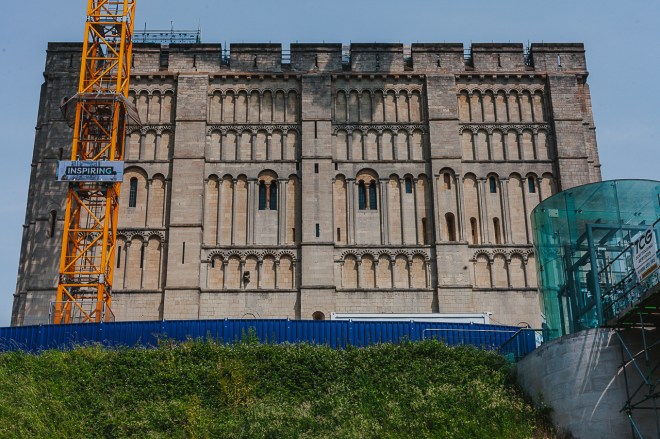
I wandered back through town and up to the castle trying to find coffee that wasn’t from a chain. I found a place in the mall, but the coffee was pretty bad, I should have a gone to a chain. I took a photo of the original and most brutal building in Norwich, the castle, and then carried on to a pub near the train station where I had lunch and a cooling pint. It was hot out and I’d earnt it.
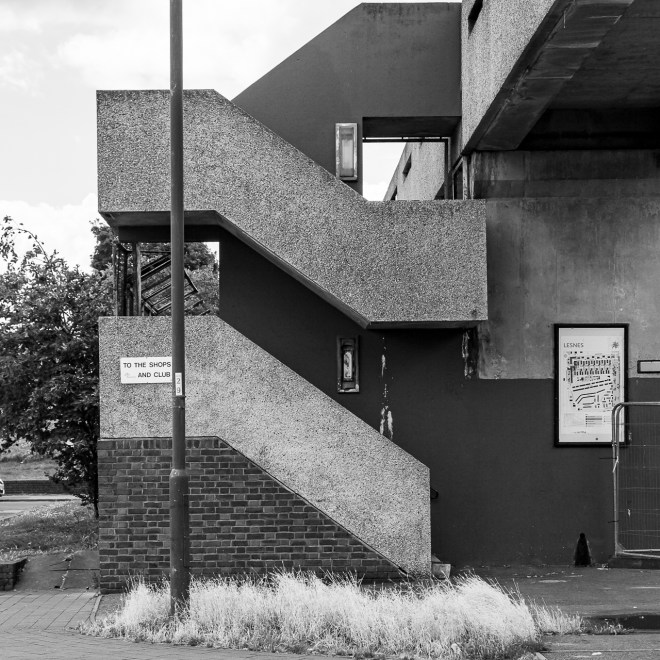
IMG_4919

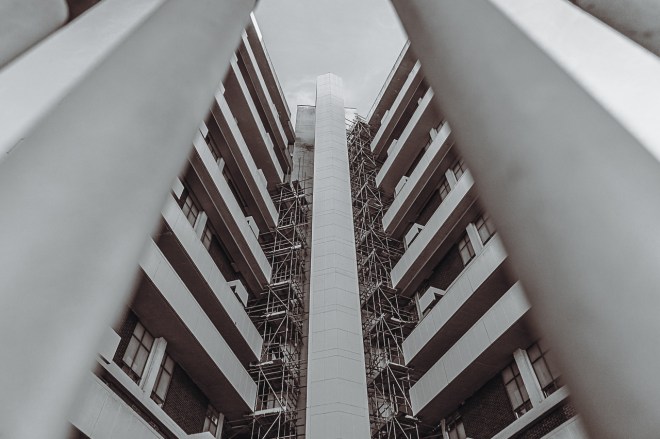
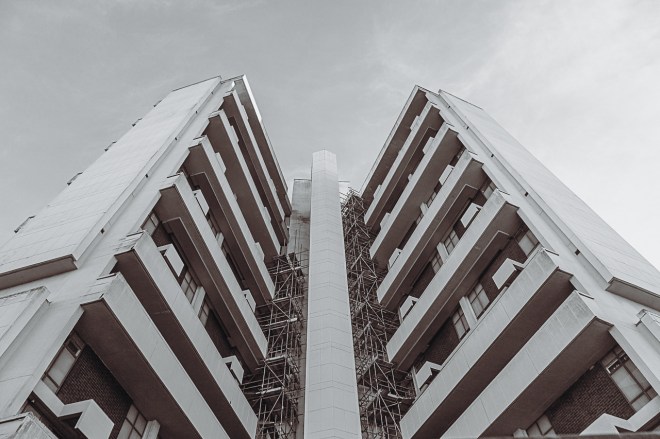
The Battleship Building

Tuesday 25 April 2023 – London.

If I count weekends then this is day four of ten days off between jobs; next Monday is the May Day bank holiday in the UK. I’ve prepared myself a massive list of things that need to be done while I have both time and the mental capacity available. There is a massive backlog on the to-do list that I hope to get through, and getting though it will release the weight I feel building on my slowly sagging with age shoulders.

The break isn’t just going to be work and today I popped my camera into my day bag and caught the tube to Liverpool St just after 9. I was after some photos from the interior of the Barbican Centre and (forlornly) hoped that by getting there soon after it opens at 9:30 it would be quiet; I was then going to go on and find the magnificently named ‘Battleship Building’, which is located somewhere behind Paddington Station.

IMG_4721

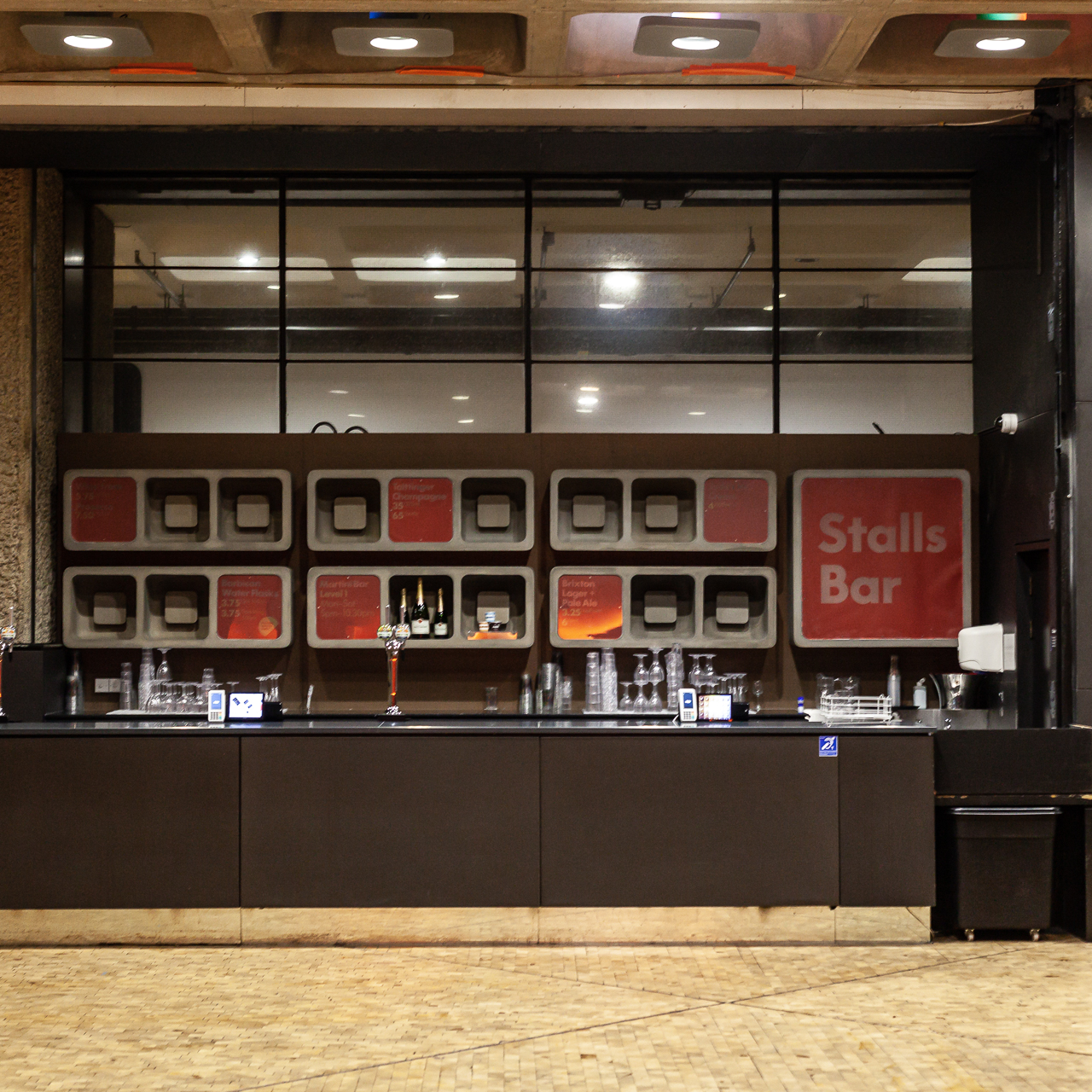
Arriving in the Barbican Centre I was frustrated to find it busy, with people huddled in conversation or slumped over expensive laptops in every corner and on every photographically nicely spread-out set of table and chairs. I should’ve realised this would be a popular place for remote workers and those who want to be seen hanging out in a creative environment. I bought an expensive coffee and took one of the few empty seats and joined those getting in the way of anyone who had the same mis-thought idea as I did. Perhaps we are all frustrated photographers waiting for space to clear?

IMG_4724

I wandered about and took a few photos, though I didn’t really find much that excited me and just wished I had the wide-angle lens as it would have been useful; even more so at the Battleship.

IMG_4723

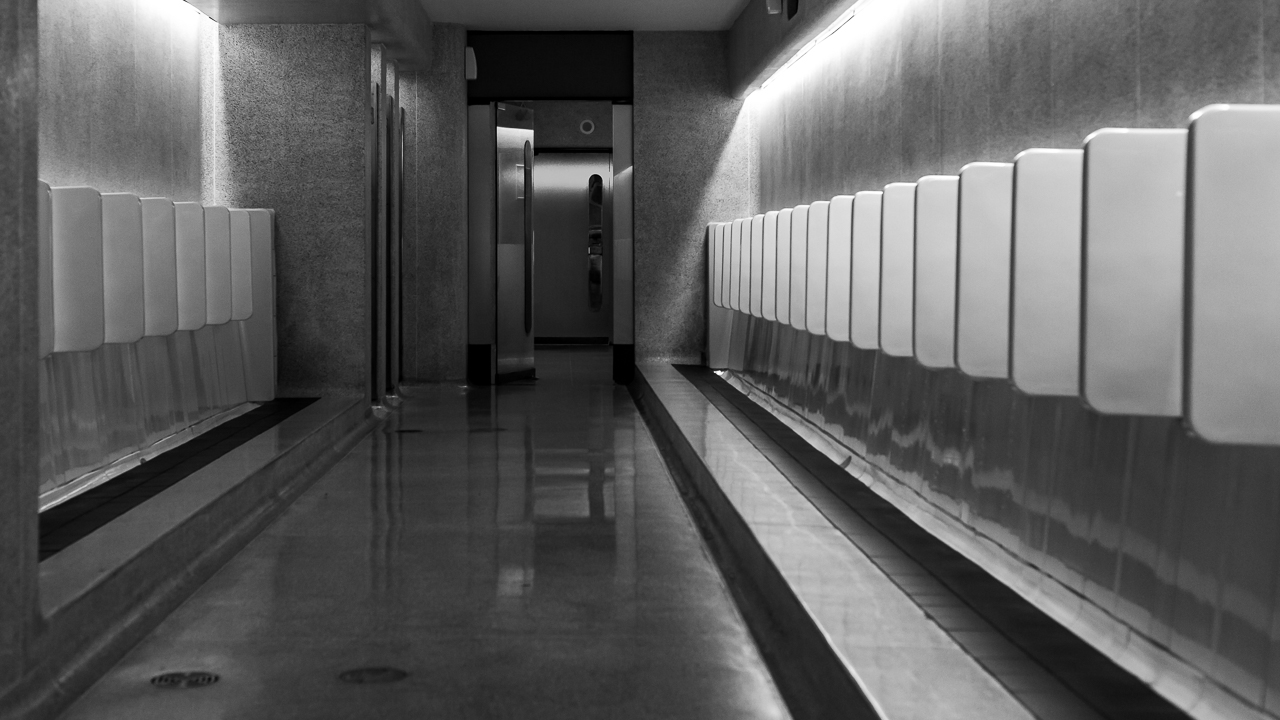
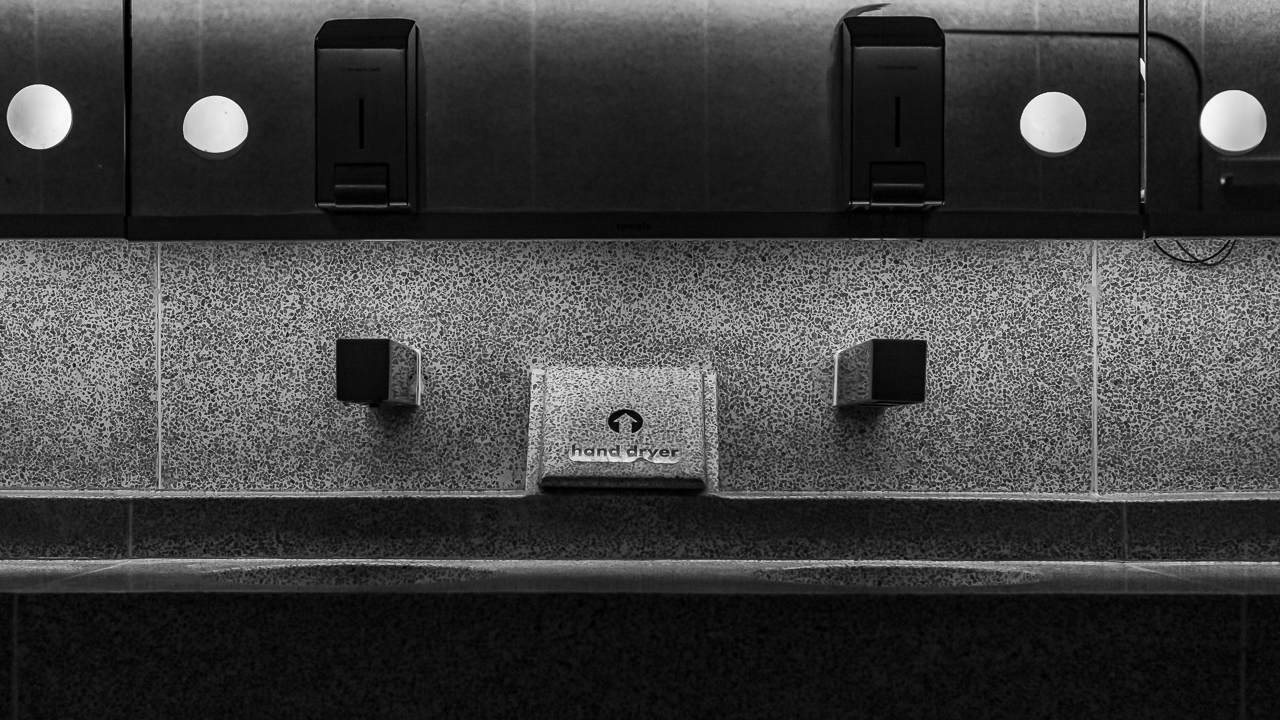
The men’s bathroom is fantastic though, very mid-century modern. It must be one of the best looking urinals in England. Fortunately no-one was in here, or came in while I was taking this photo.
IMG_4718

IMG_4719

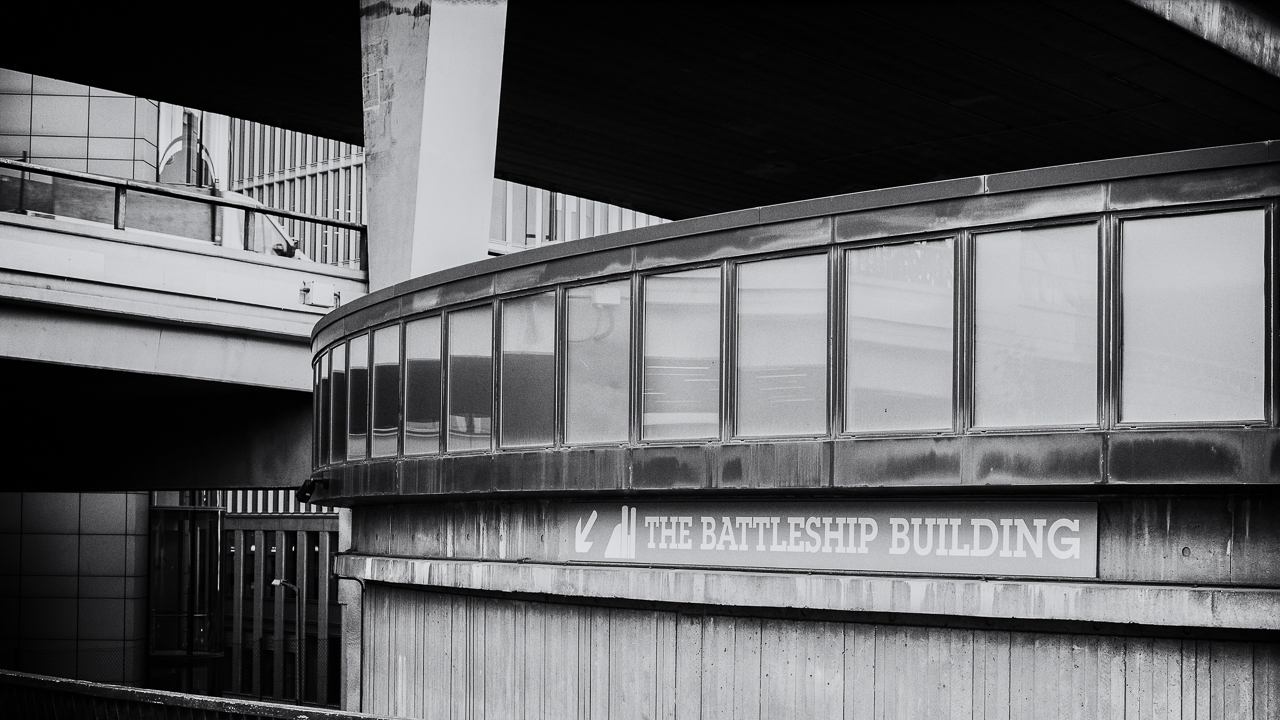
I hopped onto the tube to Paddington Station and found the Battleship Building easily enough, only taking one wrong turn down a dead-end street. It was cold among the mid-rise building canyons that have, and continue to be built behind the station.
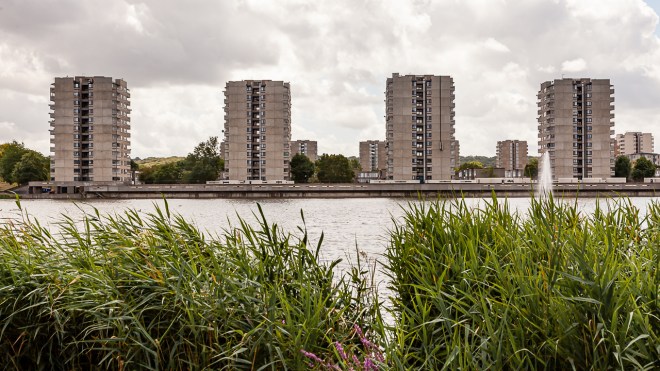
The Battleship building was constructed during 1968 and 1969 as a maintenance depot for British Rail but was converted into offices in 2000. It sits under the very noisy (and equally iconic) Westway section of the A4 motorway. I might do a Westway photo-walk one day, it could be interesting, or equally it could be properly dull.
IMG_4725-Edit

It was difficult to photograph with a standard 50mm lens as it is crowded between other buildings and a slip road; as I said just above I wished I had brought the wide angle lens with me as well.

IMG_4726

The building isn’t particularly brutalist and doesn’t appear on the main Brutal London maps, though it has some classic brutalist features and is, in part, lovingly made from concrete; perhaps it’s too curvy, too faux art-deco? It’s a great looking building though, just difficult to photograph. Those concrete towers are great. 

IMG_4732

IMG_4727-Edit

IMG_4728-Edit

IMG_4730-Edit

I passed this great derelict frontage on my walk from Paddington to Oxford Circus to get the tube home, though I don’t recall where it is; my path was rather meandering. To meander is the best way to traverse inner London.

IMG_4733

MeetUp Barbican photo walk

Saturday 11 March 2023 – Barbican, London.

We’ve been back from the sabbatical in New Zealand for just over a year, and the year seems to have completely disappeared. I haven’t shared a lot of news over that time, in some ways it felt like not much happened that was worth reporting; however, when I put everything down on ‘paper’ it was a very busy time indeed. In no particular order we’ve;

· Both had at least one (thankfully) mildish dose of Covid.
· Eleanor sold her house of 26 years in Walthamstow and bought another one in Leytonstone.
· We’re in the middle of having the kitchen replaced and have been microwaving and air-frying dinner in the sitting room and washing dishes in the bathroom for the last three weeks.
· There has been a lot of work being done on the building my flat is in and as director of the residents association it was a very busy, and stressful time.
· I’m trying to rent my flat so I can save some money when my mortgage goes up in June.
· I’ve got a new job that I start in May.
· Eleanor’s one year contract has been made a permanent position.
· I turned 60, (sad-face).
· We’ve taken two short and enjoyable breaks in Europe.

We want to do more of the European thing; and if I can rent the flat and save some money then European holidays will be definitely be on the plan over summer.

In the meantime, other than being busy with house related things and going to concerts I’ve been trying to beat my lethargy and get out and do more photography. I’m also keen to meet some new people and expand my friendship group a bit beyond the group we mainly hang out with now.

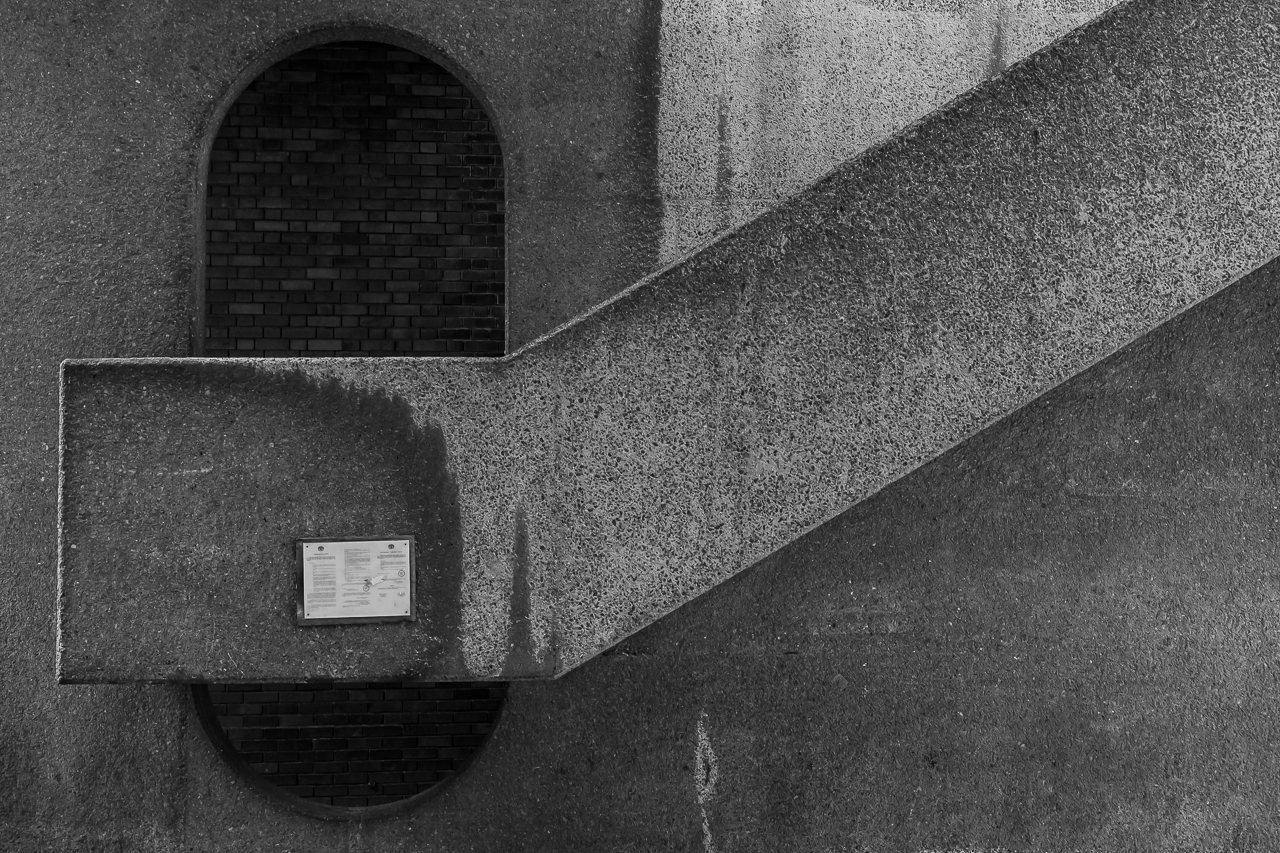
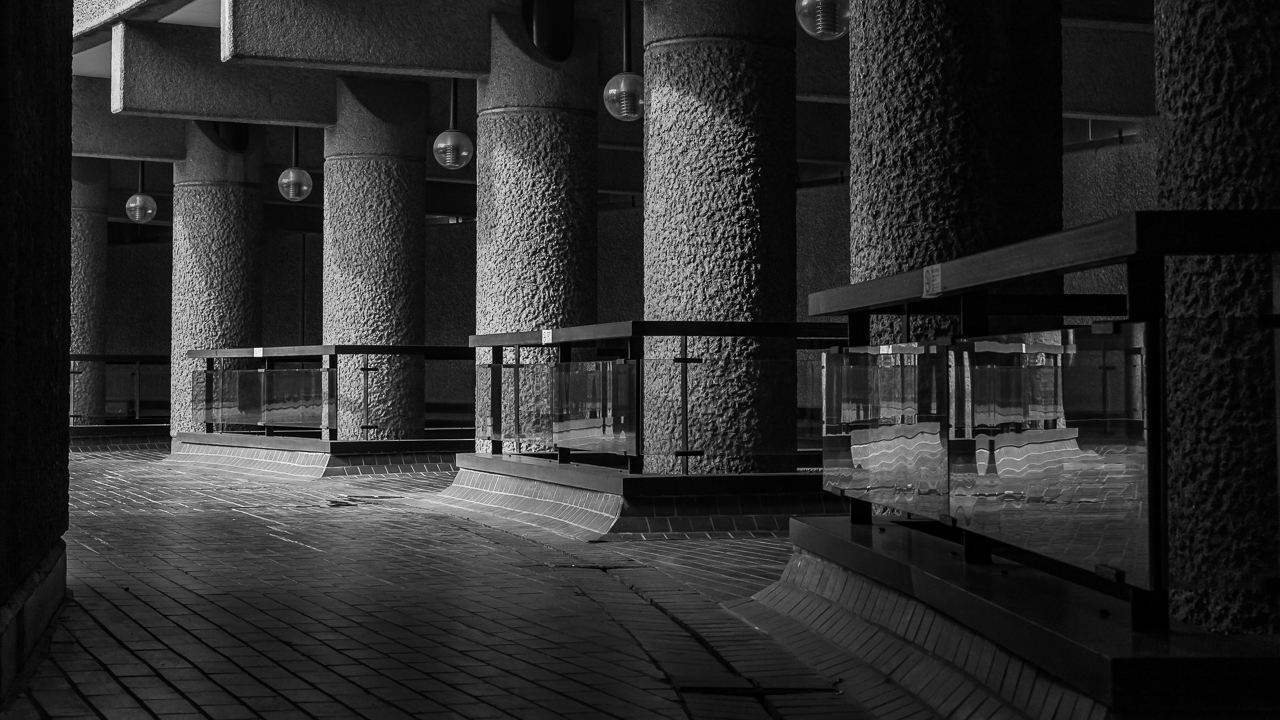
With those things in mind I signed up for a MeetUp Photography walk in the Barbican, which I think is one of the best places for brutalist architectural photography in London. I was hoping to be shown some new spots to take photos and had my fingers crossed I would meet some other photographers interested in walking round taking photos of buildings and things while not talking about camera kit as we go. I’m not that sort of photographer; I like the exploring and act of taking photos rather than all the technology that goes with it.

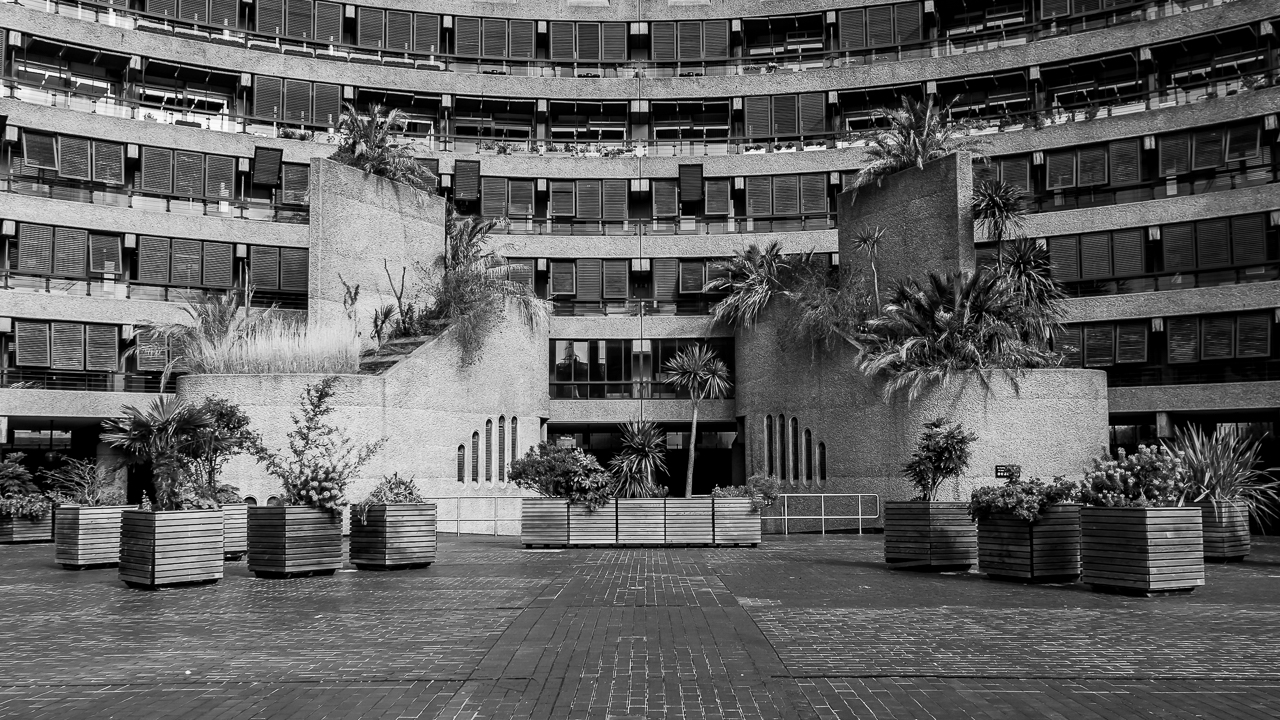
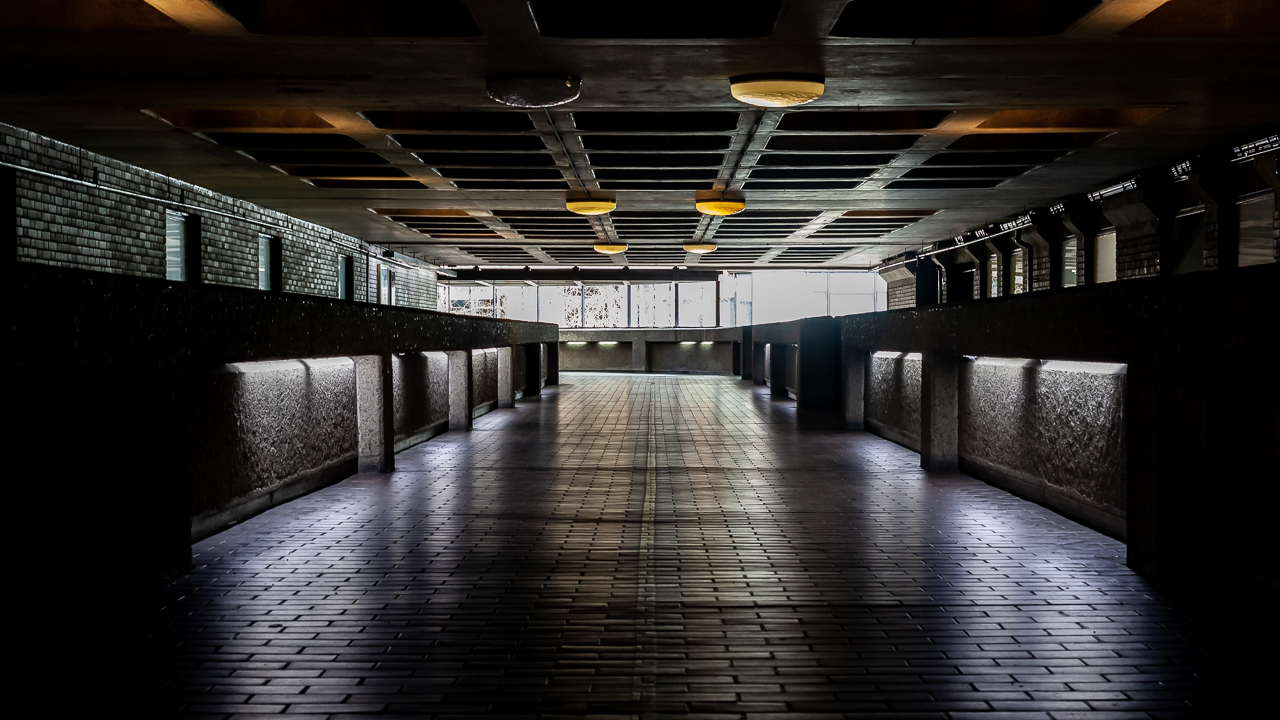
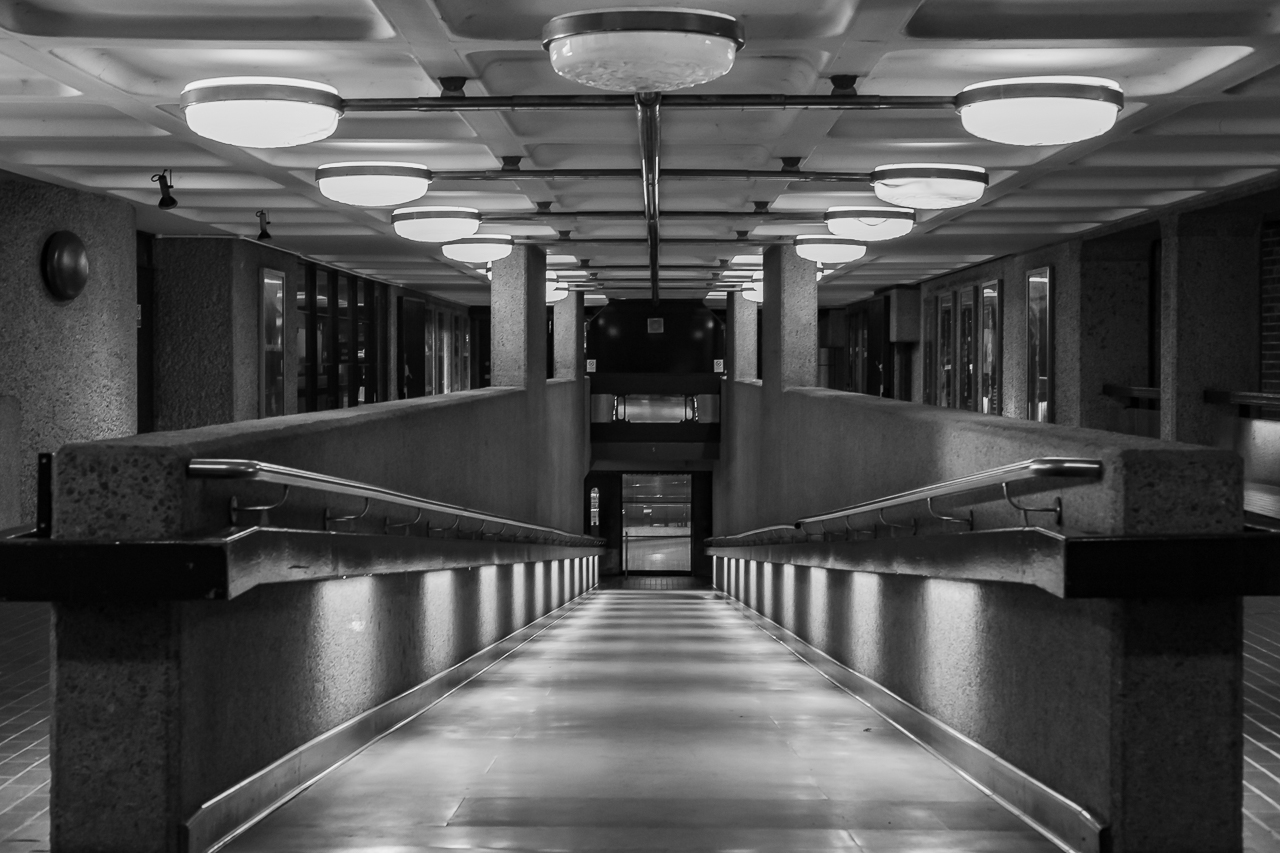
The Barbican Estate was constructed between 1965 and 1976 and comprises of some 2,000 flats and houses across three towers and some low level blocks. There is also the Barbican Centre mixed usage venue which has a fabulous mid-century interior. I’m planning on going back just to take some photos of the interior, a lot earlier in the day.

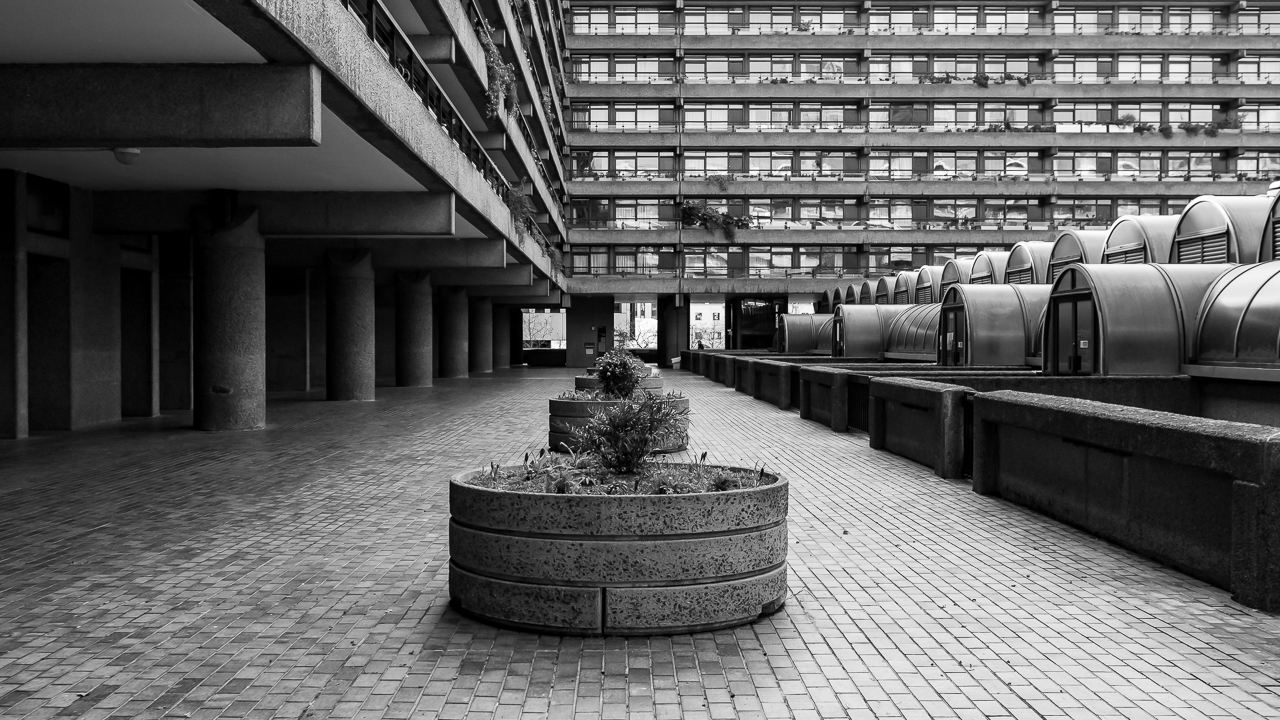
IMG_4551

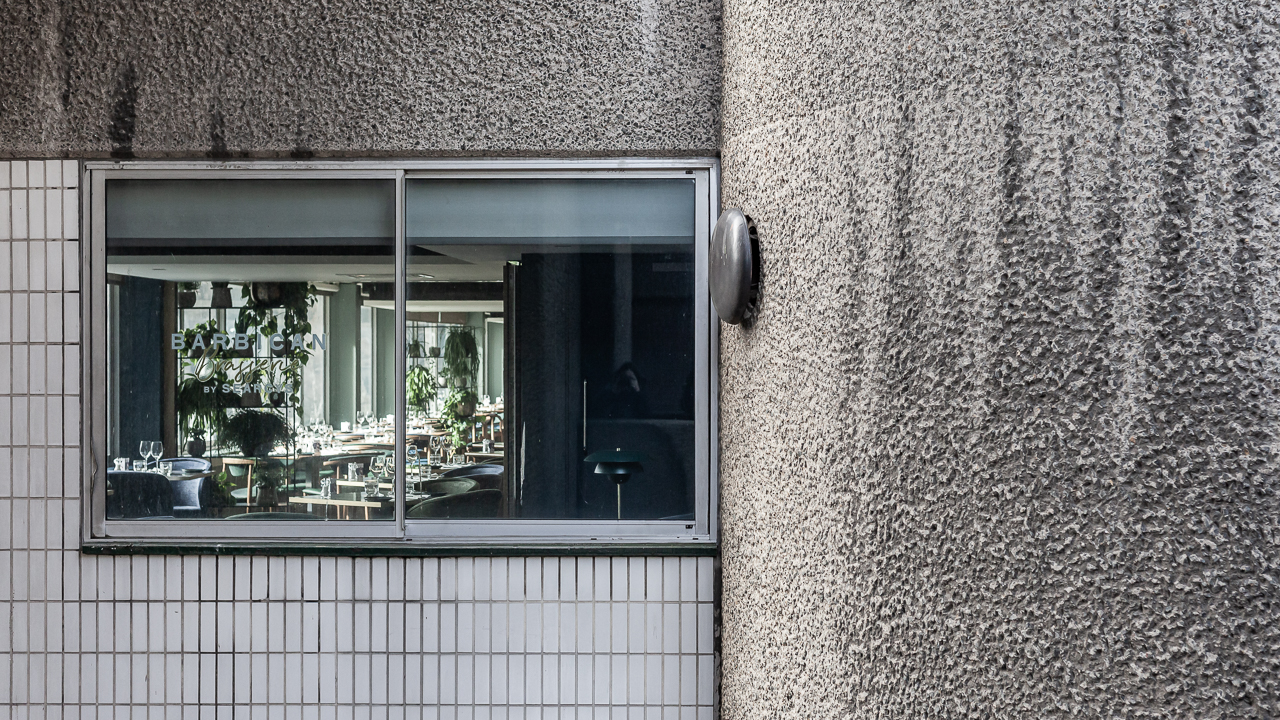
The whole thing is comprised of lovely concrete and to my constant surprise is mostly open to the public and the security guards don’t stop people taking photos. I hope this never changes.

IMG_4513

It was an enjoyable three hour session, there were about a dozen of us photographers led by Alex from the London Centre for Photography who shared a few ideas and things to look out for to make the most of the environment we were in. We had 20 minute sessions across a number of zones in the Barbican precinct and I was shown couple of places I hadn’t been to before. Objective one met. I can’t believe I missed this place before.

IMG_4475

While objective two was to meet more photographers I pretty much spent the three hours shooting on my own, which is I must confess, absolutely my preference. I chatted to people when we all got together between assignments and I did share Instagram names with a couple of people, one who I got on well with and had similar photographic inspirations to me. The rest of the group were really nice, but I didn’t specifically click with anyone. I will do one of these again though as it was fun and interesting and most of the things I wanted from the day.

IMG_4526

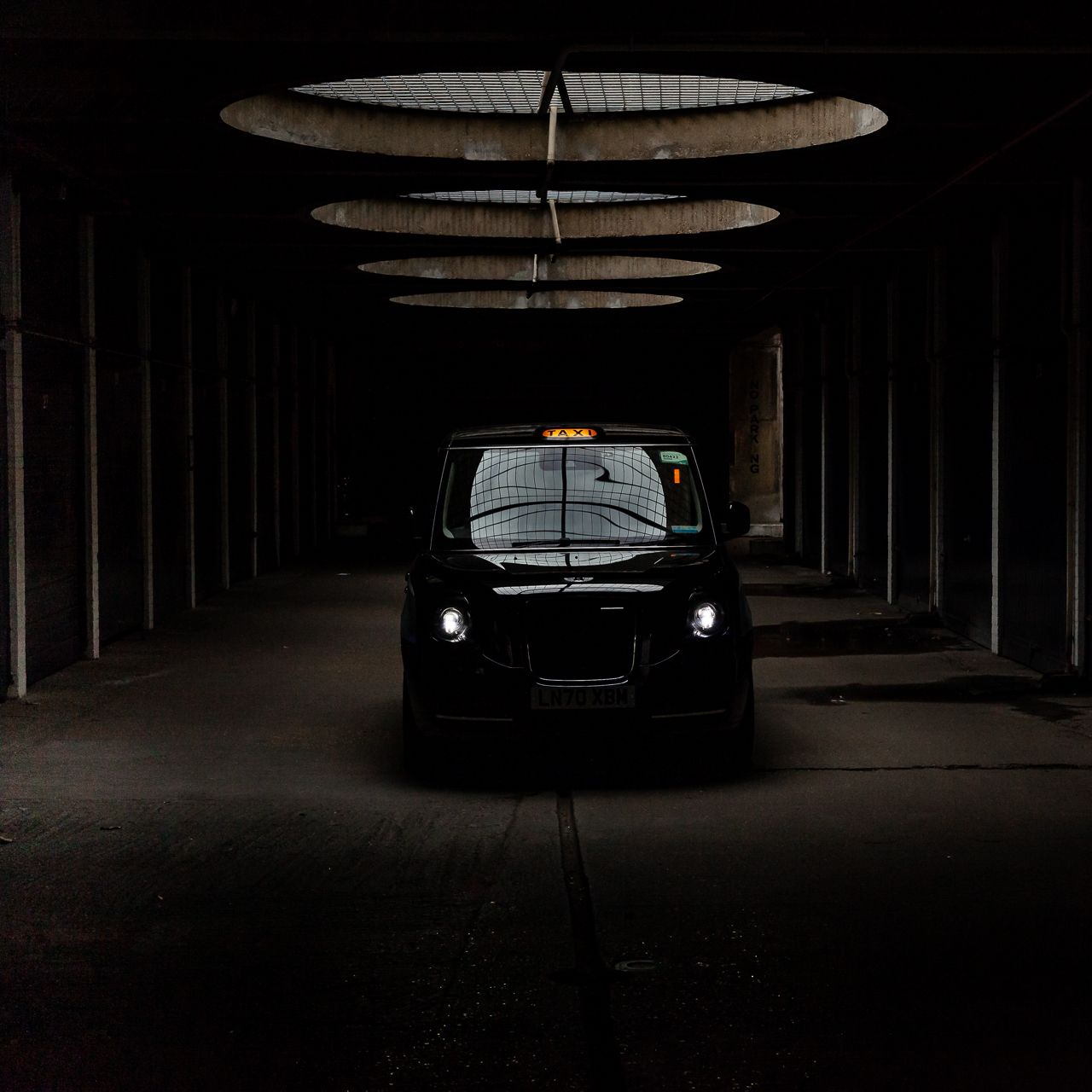
After the session ended I went off with a couple of photographers to a nearby parking area to take these two images. we were so lucky this taxi was there and the driver was more than happy to move and stop under the light well. This is my favourite from the day.

IMG_4566

IMG_4560

I was really pleased with my photography though, liking most of the images I took. I am a fairly selective photographer and tend to shoot like I was still using film and rarely taking more than one photo of any given subject. I have been very happy with the standard of photo I’ve been taking lately and I take that as a good thing.

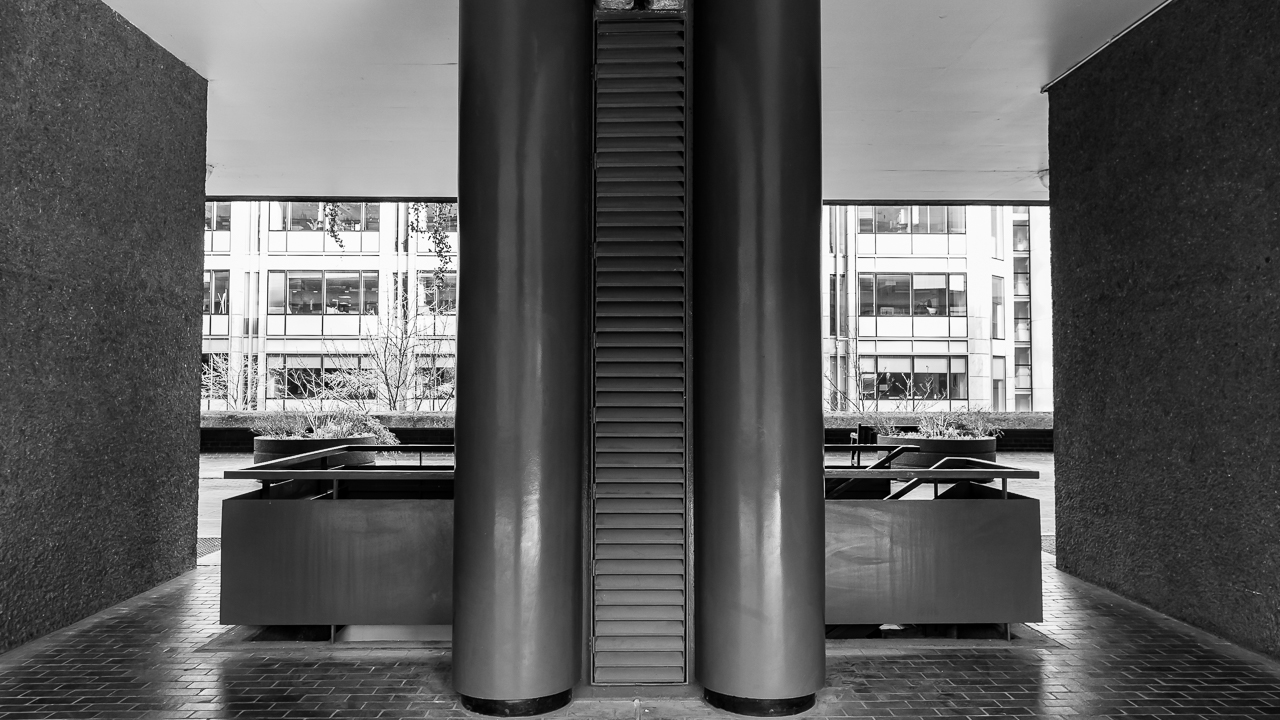
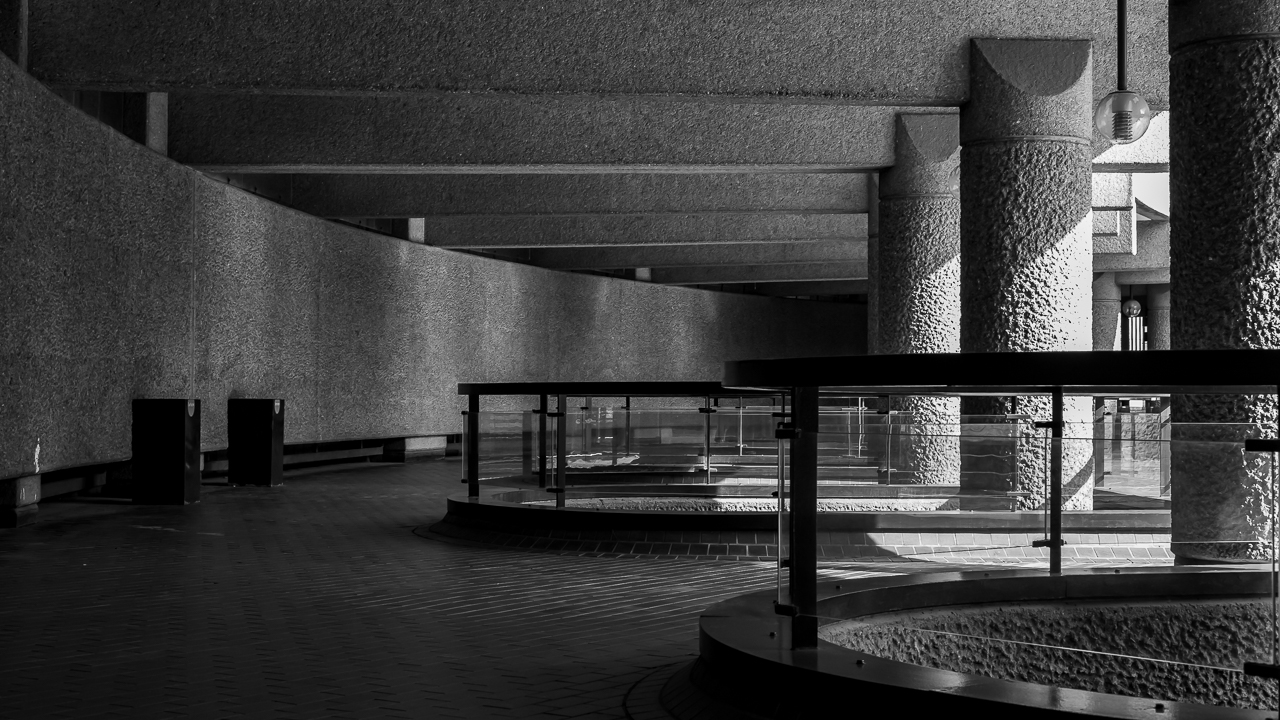
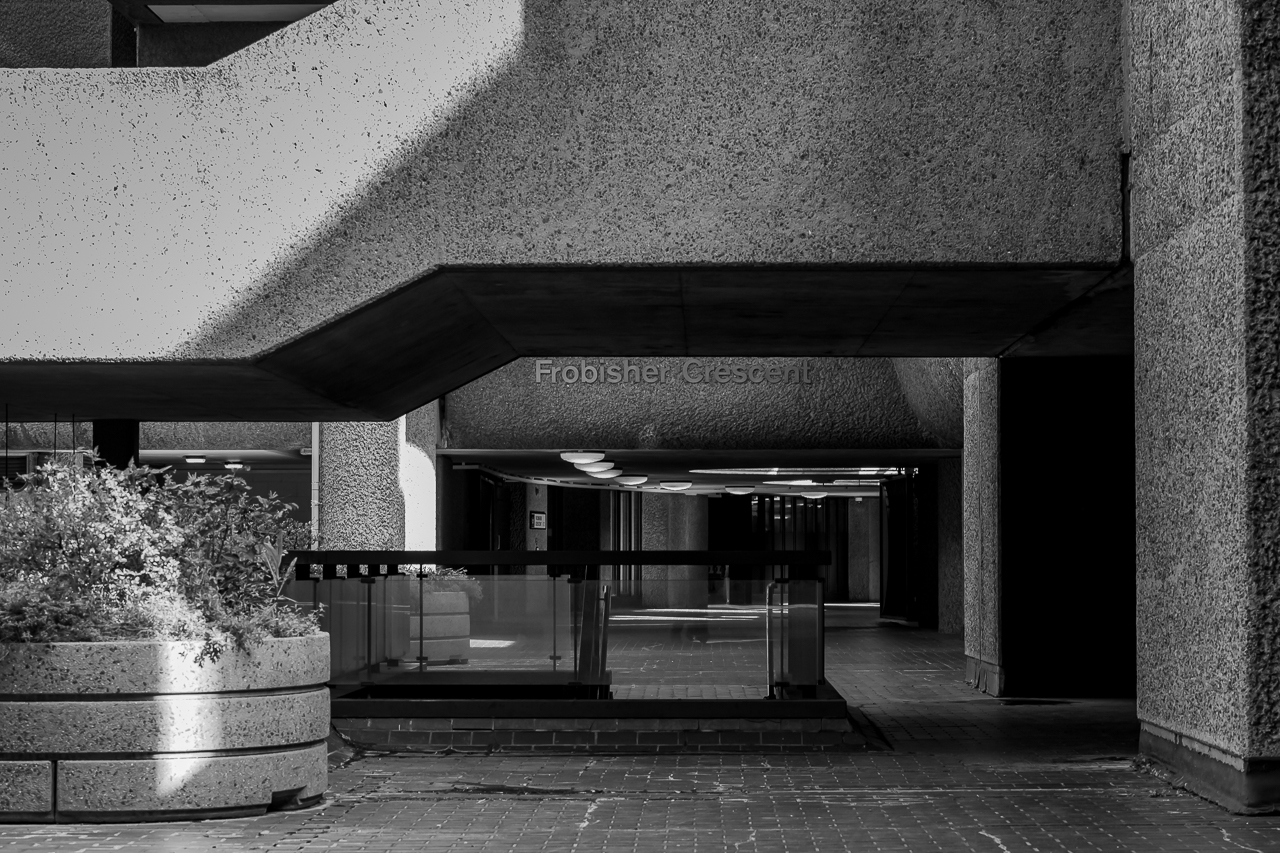
Here are the rest of the images I took. I’ve converted most to black and white as that format perfectly suits 60s and 70s architecture. 

IMG_4555

IMG_4524

IMG_4509

IMG_4491

IMG_4489

IMG_4453

IMG_4448

IMG_4449

IMG_4432

IMG_4435

IMG_4447

IMG_4466

IMG_4472

IMG_4480

IMG_4477

IMG_4482

IMG_4464

IMG_4461

IMG_4533

IMG_4540

IMG_4542

IMG_4543

IMG_4549

IMG_4460