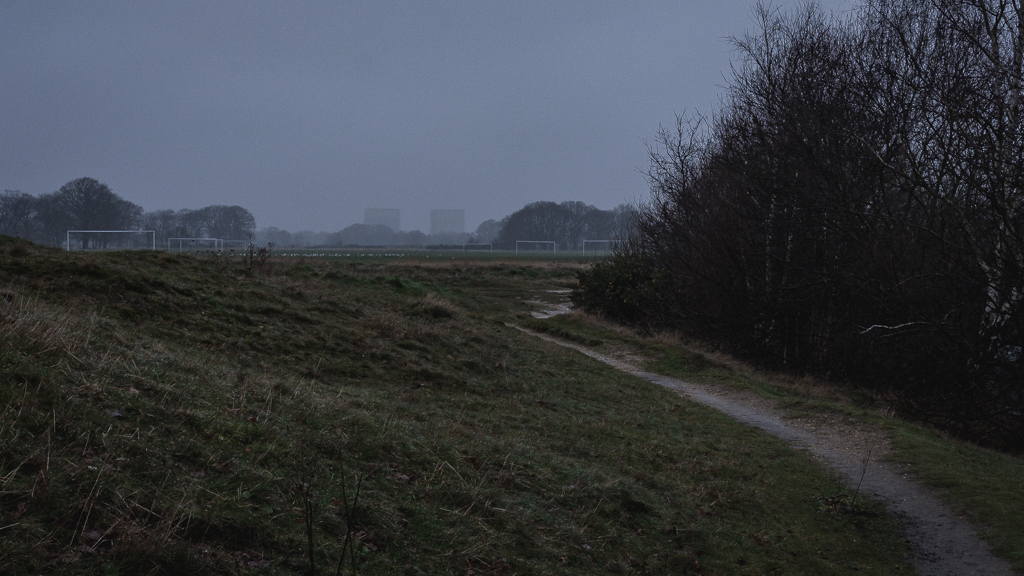
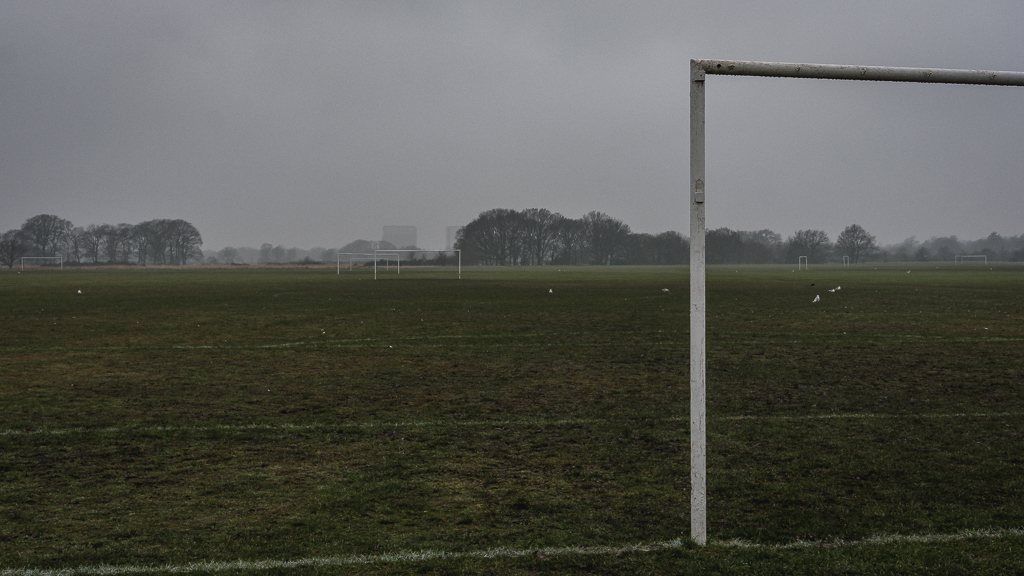
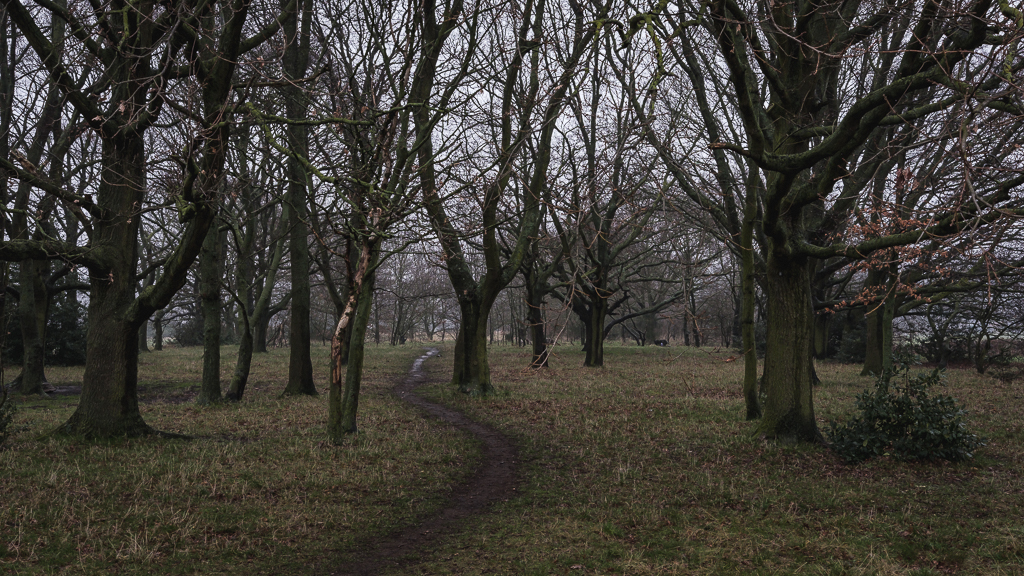
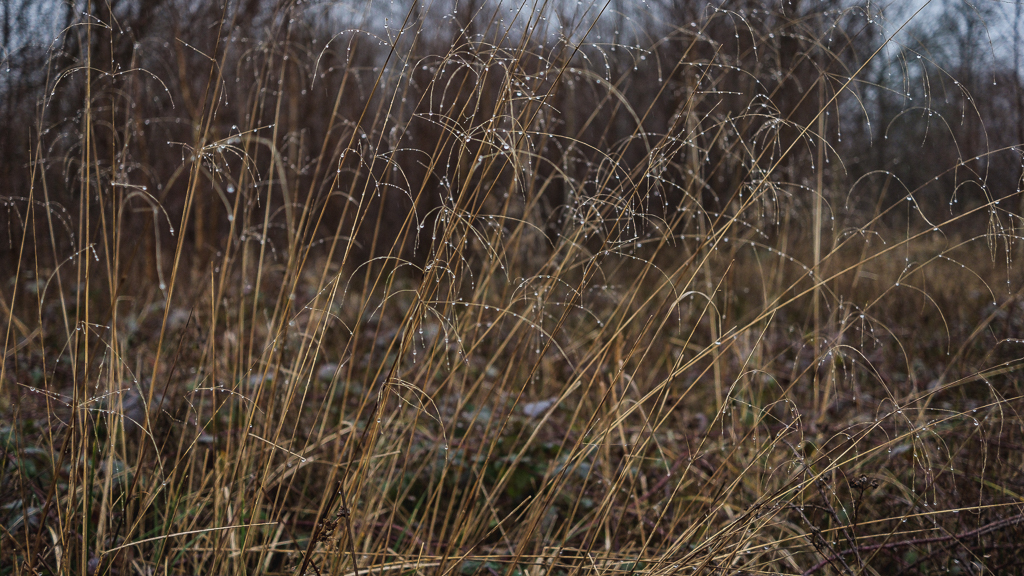
The bluebells of Chalet Wood

Chalet Wood, Wanstead Park, London
19 April 2026

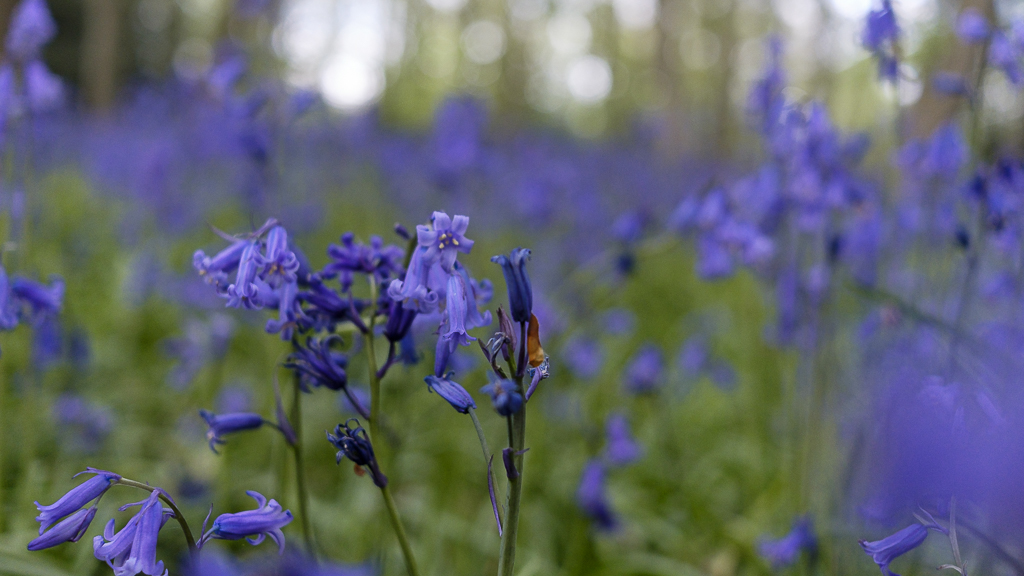
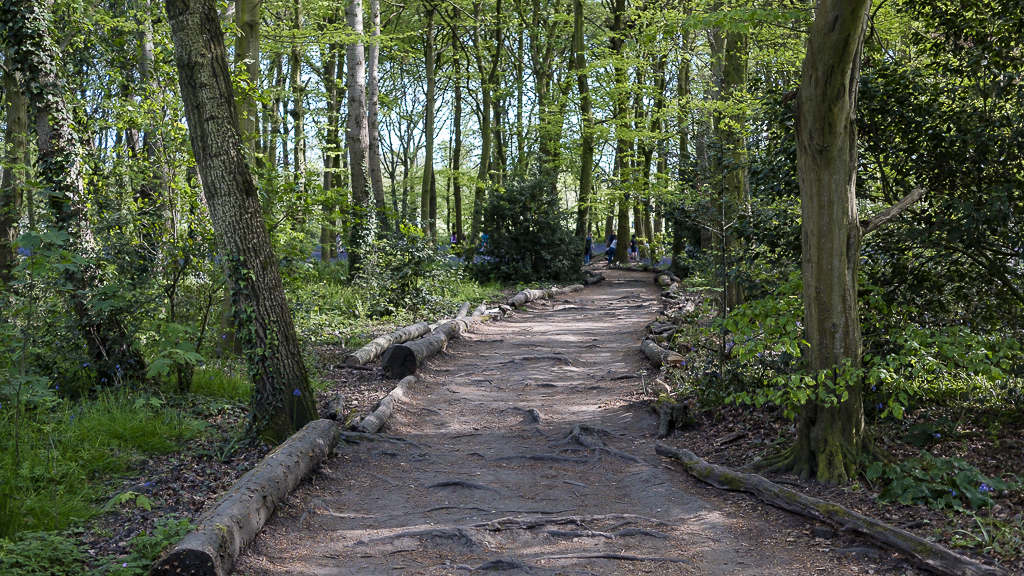
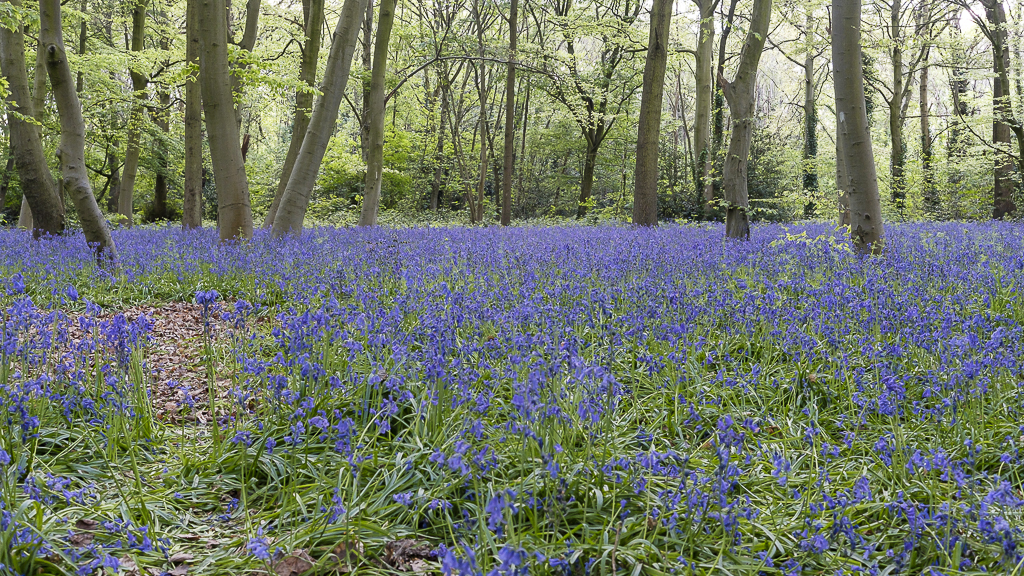
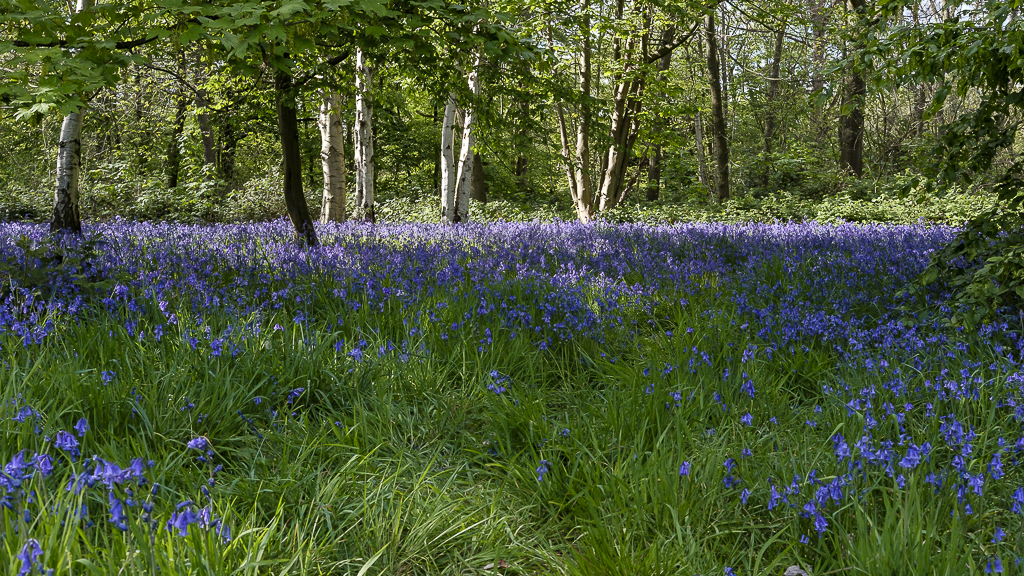
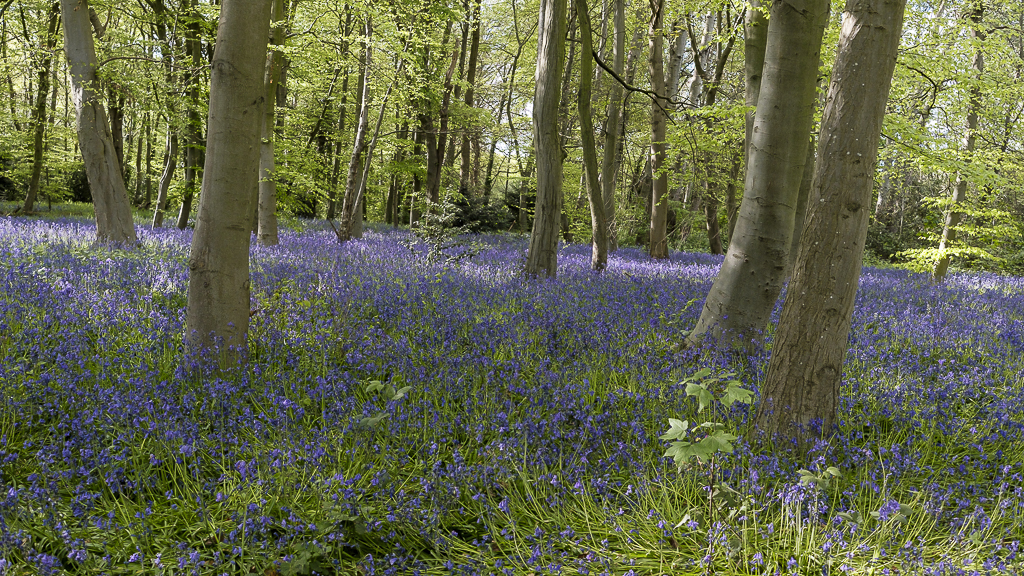
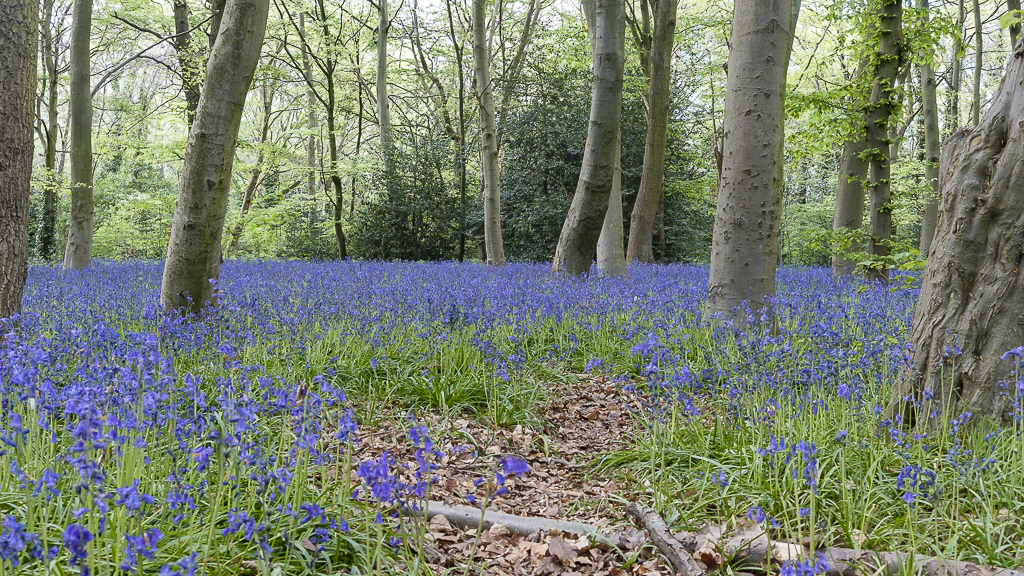
We should get the awkward, some could argue, controversial, bit out of the way nice and early. Bluebells are not really blue, at least not a proper blue like the sky has been over the last few days, their hue tends more towards violet. This is especially so when there are thousands of them all packed side by side in a lush springtime woodland. However, violet bells just doesn’t sound quite right.

Bluebells are an English annual joy, blooming for about a month in early spring, typically late March to mid-April with the best blooms around the third week. They predominately grow in what remains of ancient English woodlands and take a few years to gestate from seed to full plant. There are very few places to see them in or near London and we’re very lucky to have one of those places so close to home.

The 40 minute walk from home to Chalet Wood on the northern edge of Wanstead Park has become a bit of an annual ritual, at least it is when are in the country at this time of year. Last year we managed to sneak in a quick visit just as the ‘blue’ bells were turning a few days after we returned from our New Zealand, Australia and Delhi/Tokyo travels. 

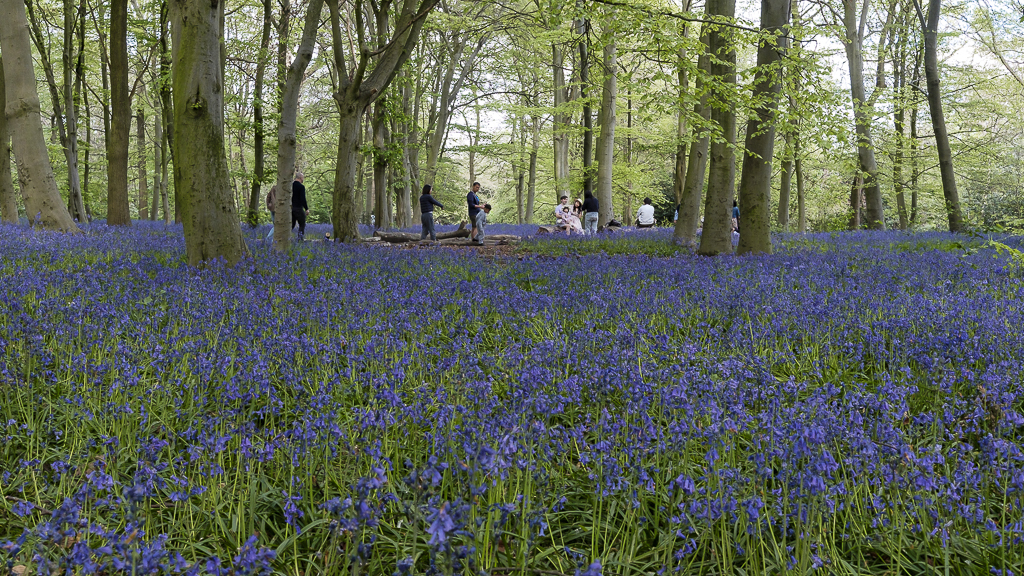
With typical Phil-like impatience we left home earlier than we planned and consequently arrived at the bluebell glade late afternoon rather than early evening and there were still quite a few people enjoying the blooms. We’d seen a lot of people leaving as we arrived so we definitely missed the peak numbers. It is a very popular place, especially for those with young (or old) families. I’m getting better and allowing strangers to appear in my images.

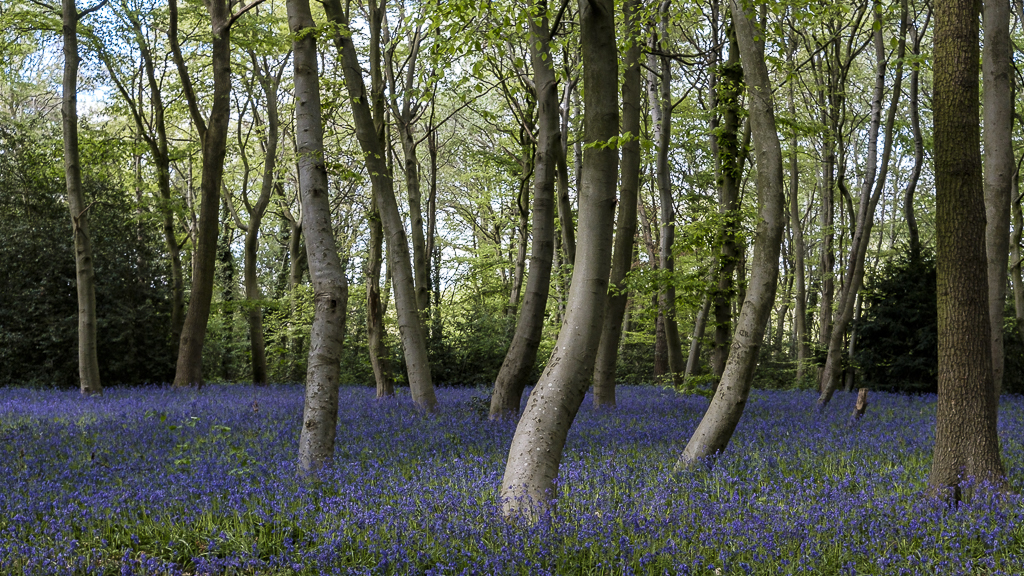
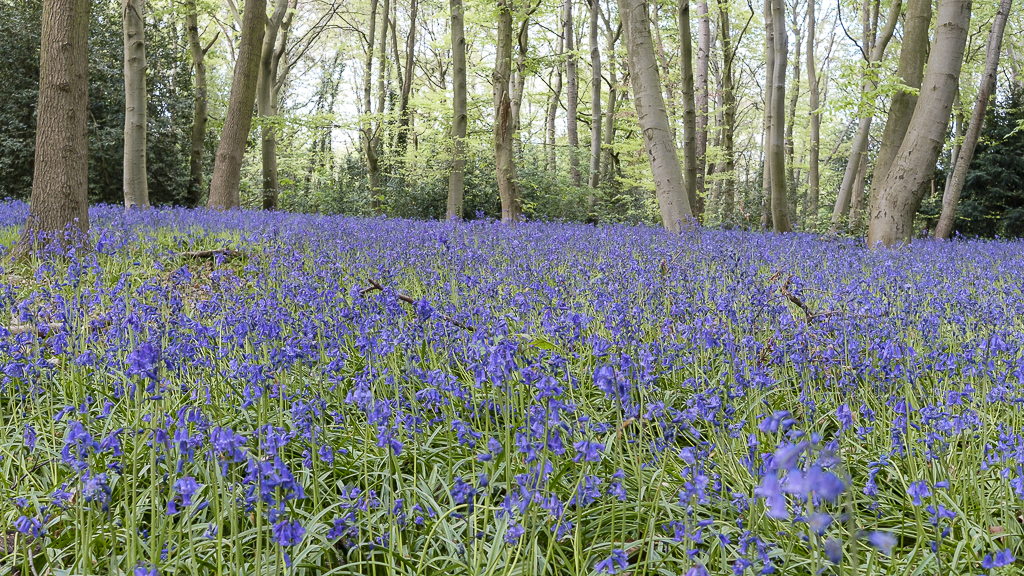
As expected, a beautiful view greeted us as a we walked along the short dusty path through the trees that were also bursting with that bright green spring growth, adding a nice contrast to the violet-blue of the mature bluebells.

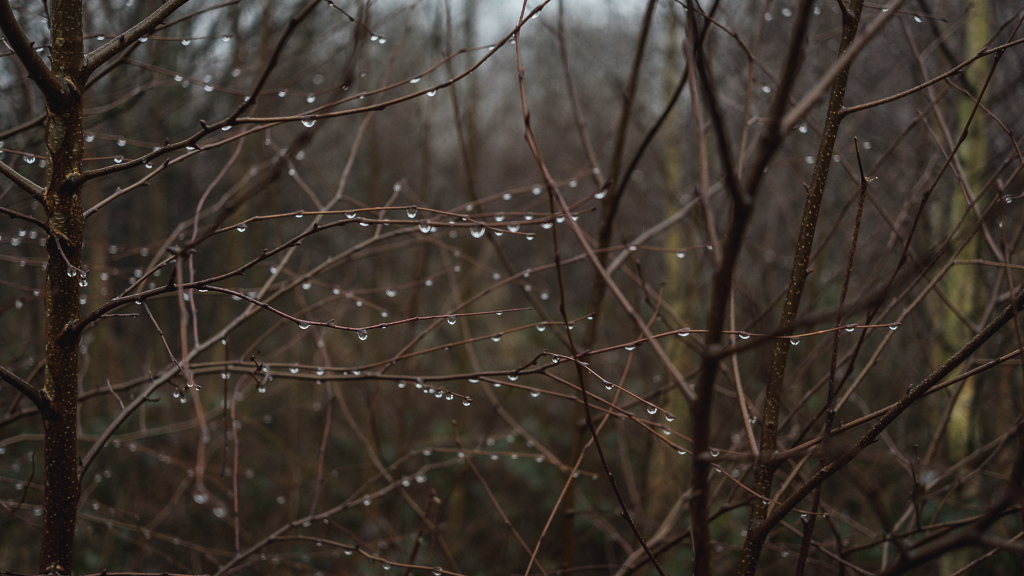
I will let the images do the talking now!

Chalet Wood is about an hour from London’s Liverpool St station on the Underground’s Central Line; 20 minutes on the tube to Leytonstone (40 minute walk) or five minutes further to Wanstead (30 minute walk).

Valencia – Fallas

Valencia
18-21 March 2026

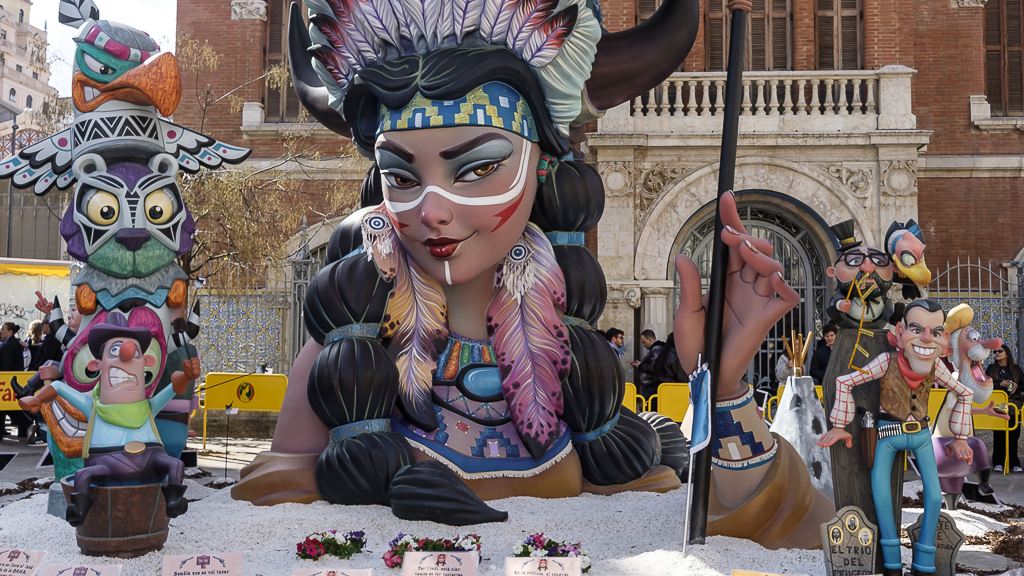
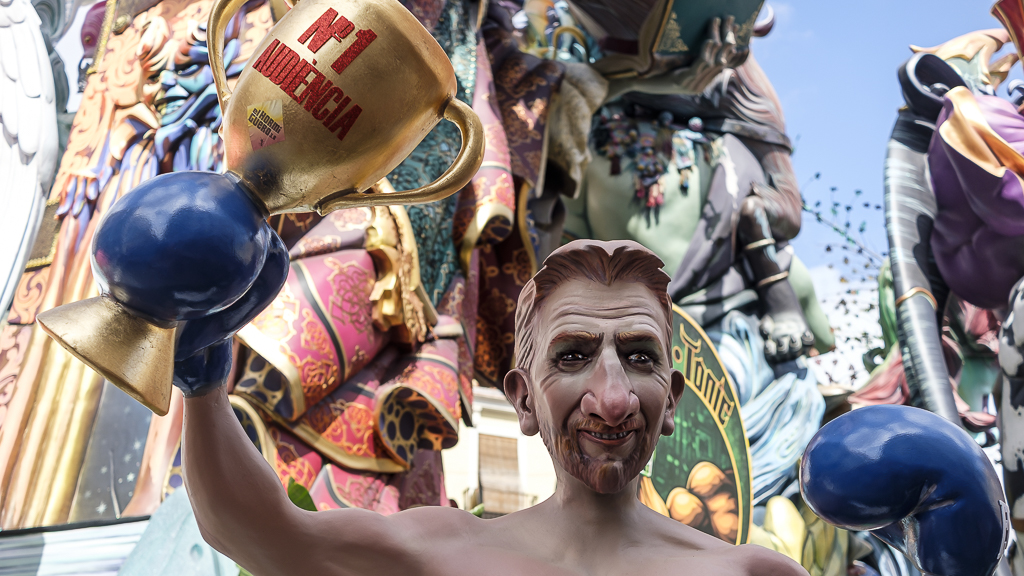
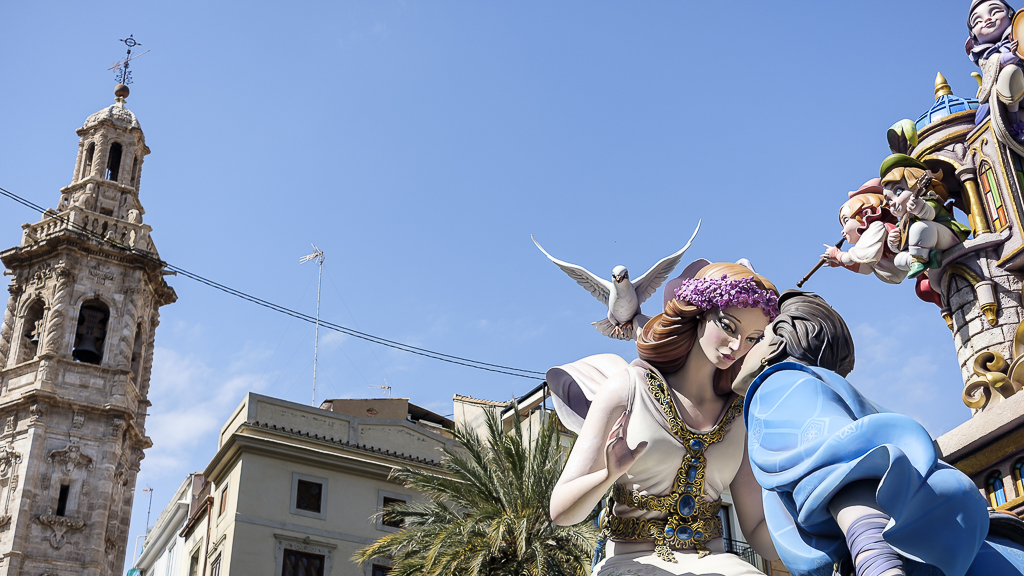
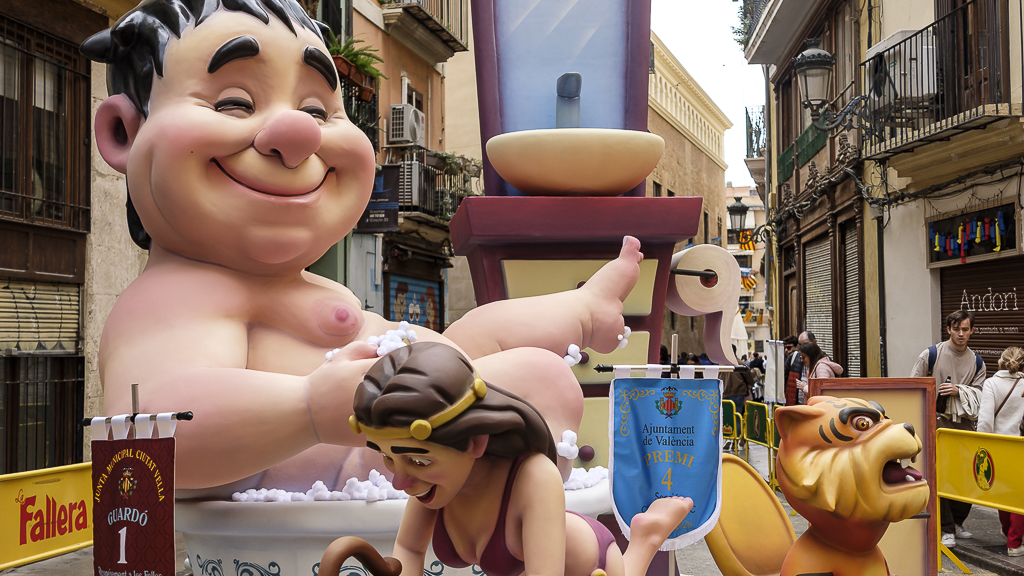
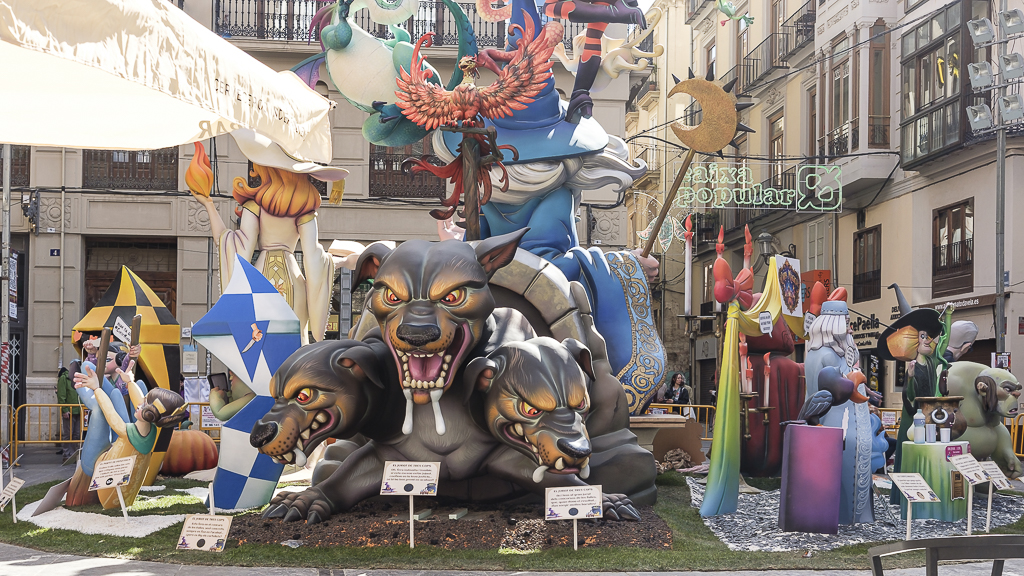
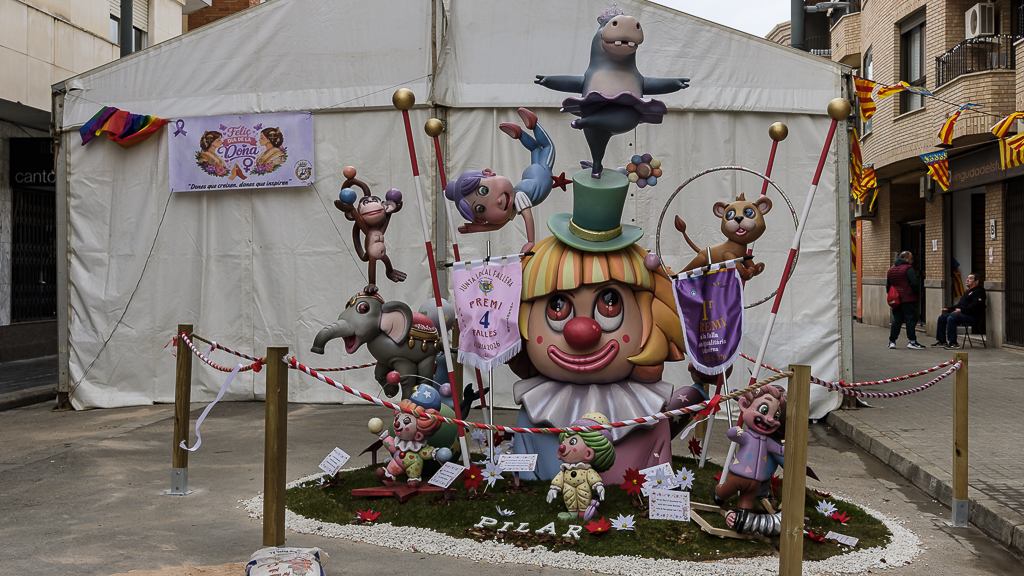
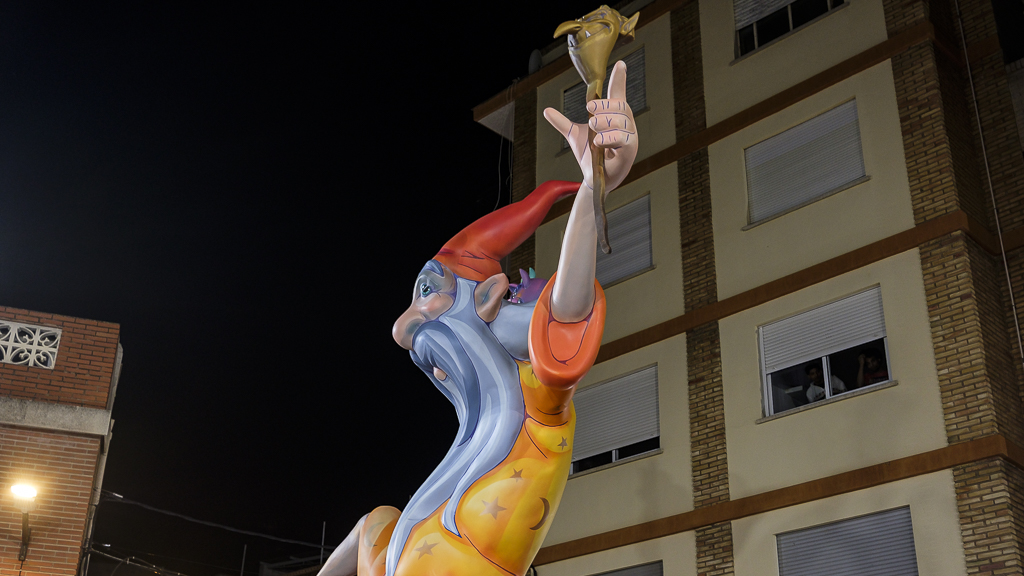
Every March, Valencia loses its mind in the best possible way. For 10 days and nights the Fallas festival, culminating on the feast of Saint Joseph on the 19th, fills the city with towering satirical sculptures, relentless fireworks, and the kind of noise that just doesn’t stop. Not for anyone, just ask Morrissey. I have zero sympathy.

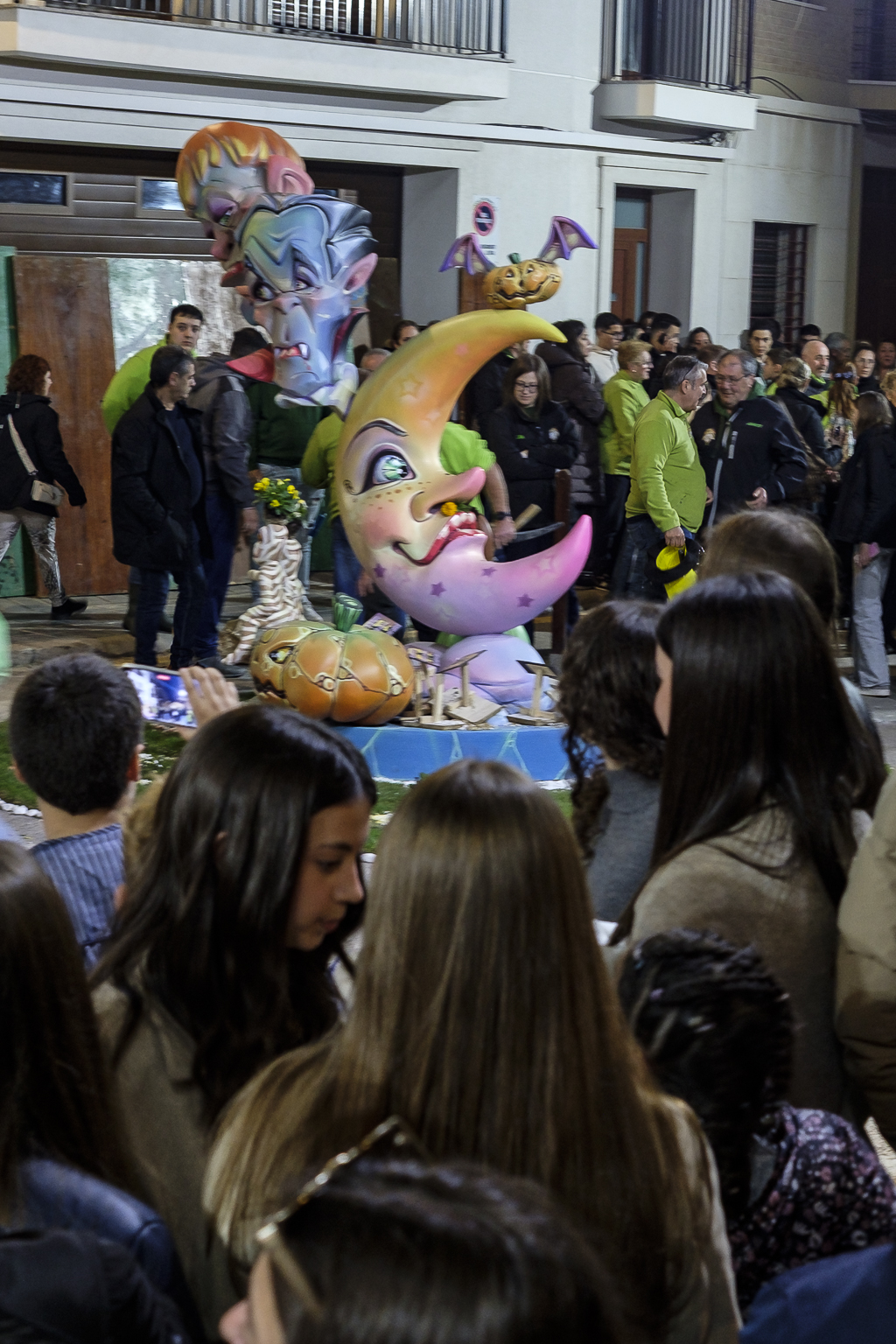
The origins go back to medieval carpenters, who’d burn off scraps of wood and their wooden candle-holders (parots) at the end of winter as a nod to the longer days ahead. Over centuries it evolved into something spectacular: over 700 enormous Fallas sculptures, months in the making, and built by community and neighbourhood groups from all over the city, are all burned to the ground on the final night, La Cremà.

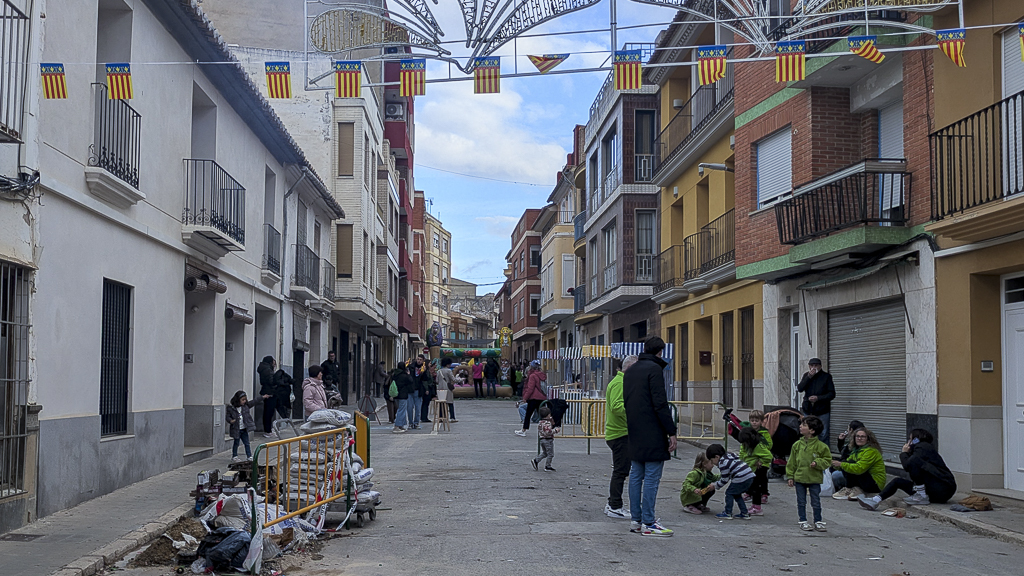
In 2016 it earned UNESCO Intangible Cultural Heritage status and nearly two million visitors turn up for the five main days. It’s loud, chaotic, and utterly fabulous, and the purpose of this visit to Valencia.

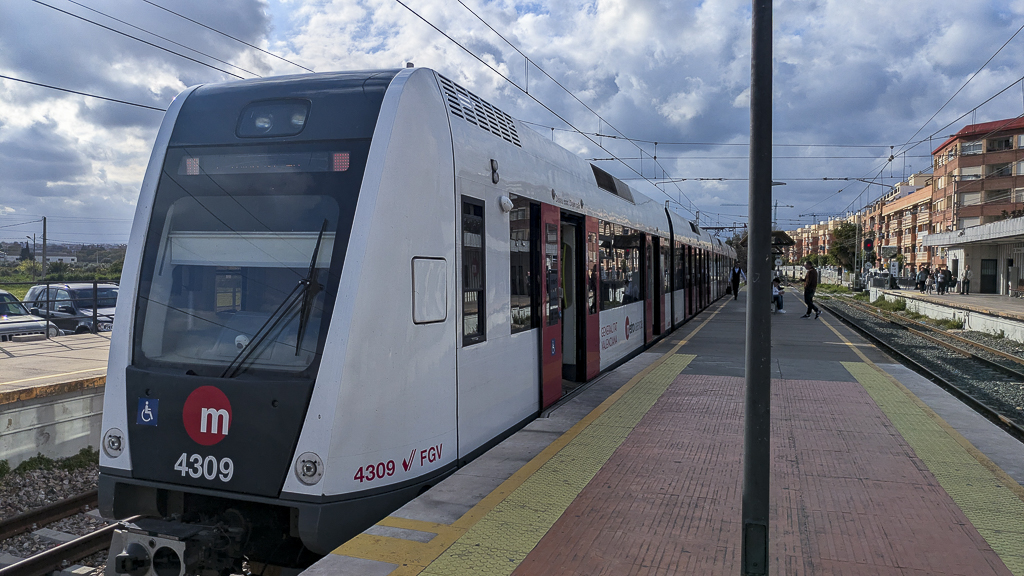
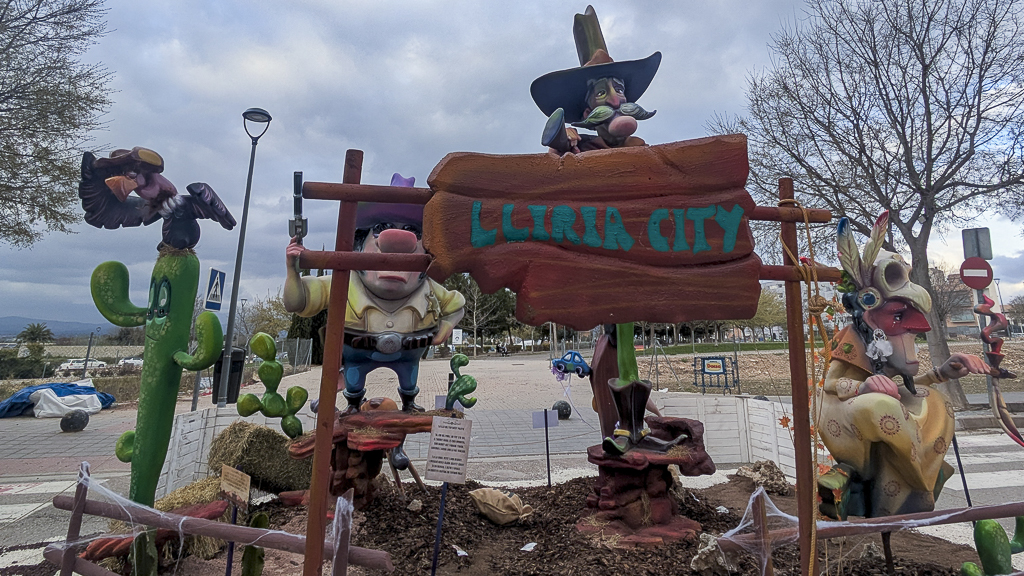
Paul and I cycled into LLiria where we rode around the centre looking for some of the local Fallas before heading down to the station, where we missed a train by a matter of seconds.

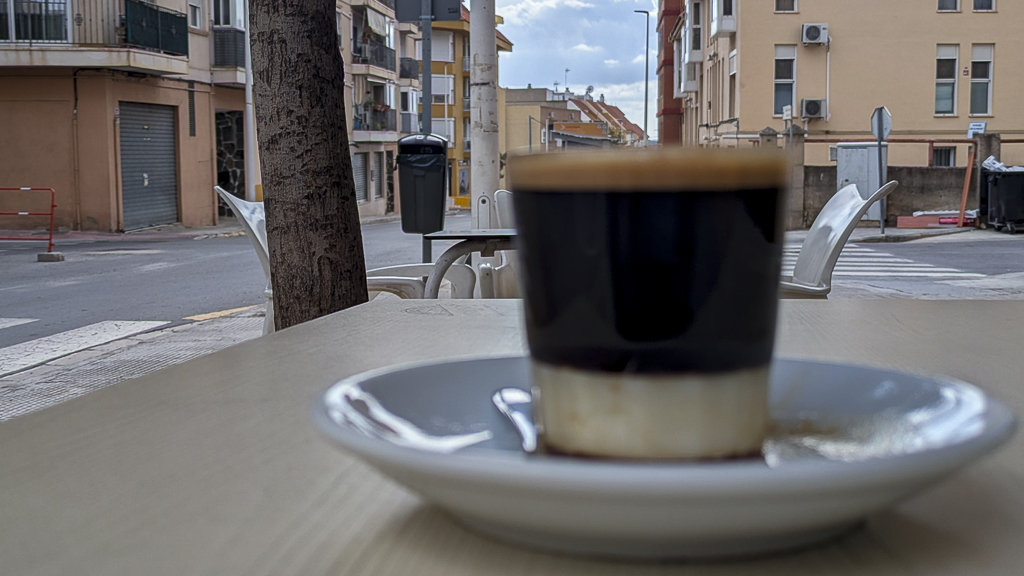
A good excuse to grab a café bonbon from the coffee shop near the station. I love bonbon; double espresso shot with sweetened condensed milk. My phone decided to focus on anything but the coffee cup.

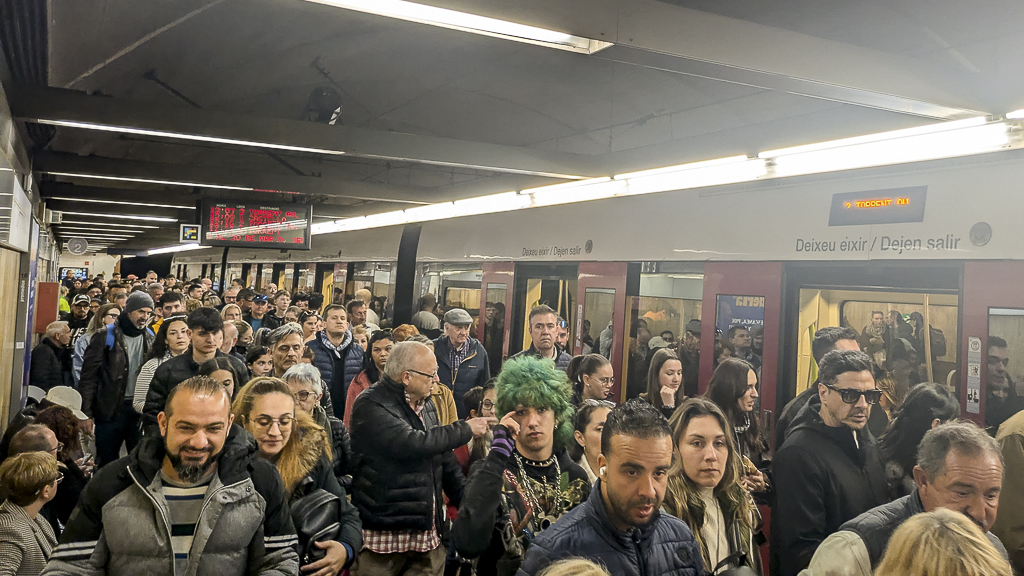
By the time the train arrived in central Valencia it was absolutely rammed, seemingly busier than the busiest commute. We let people exit the station before attempting to make our way out, though to be fair it’s not that we needed to consult a map to work out where to go, everyone was going in the same direction.

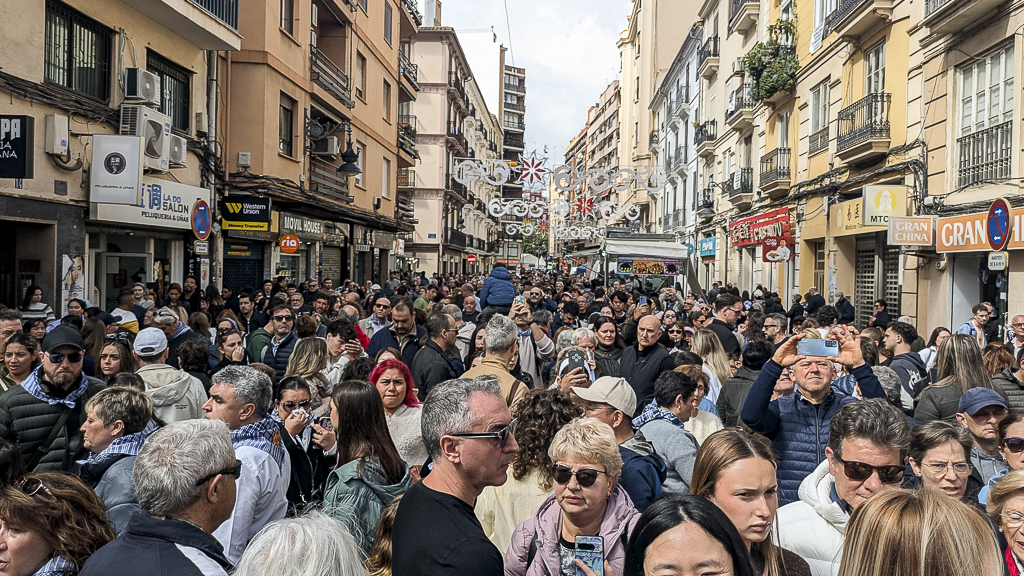
Fallas is a big festival for Valencia, and the local authorities take the number of visitors and the income they bring seriously. It was fantastic to see the entire centre of the city was closed to vehicles, there weren’t even bicycles; though in some places there would just be no point in trying to move anywhere other than at the speed of a slow-moving mass of humanity. Luckily the atmosphere was very much one of celebration. I saw police here and there, but my experience was they were unnecessary; even though many people were walking around with cans of beer and wine in their hands. I usually hate crowded events but this was an exception.

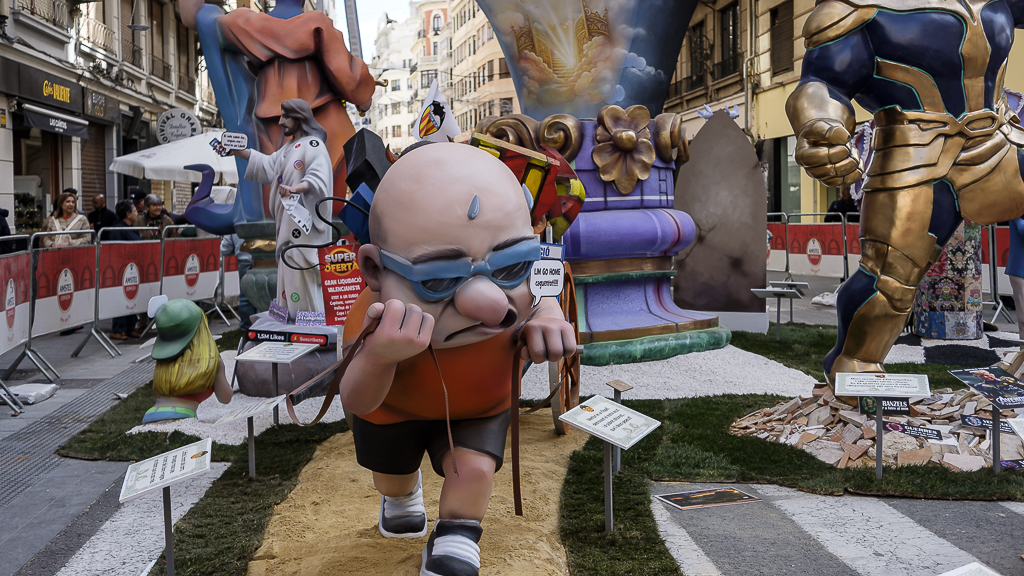
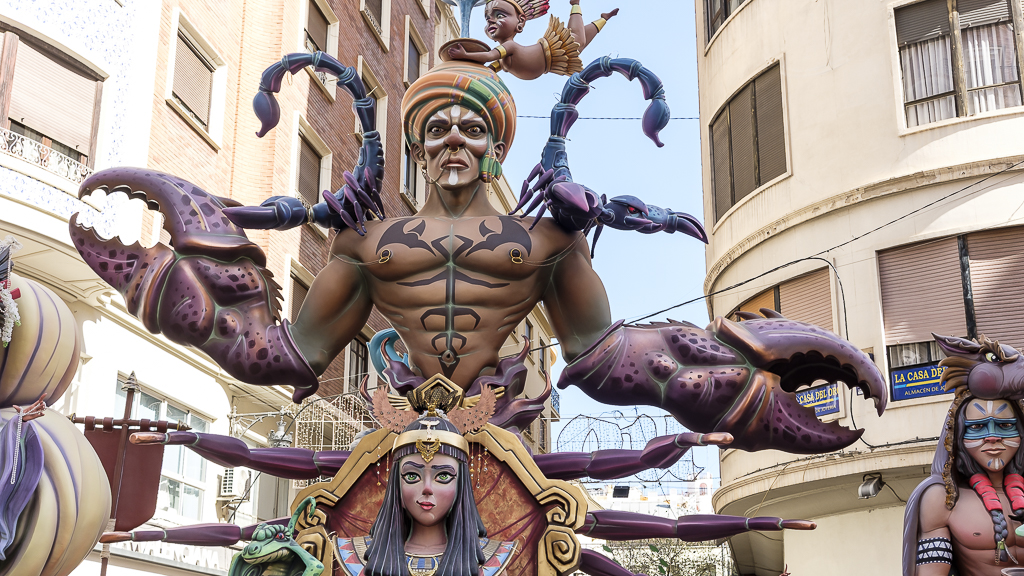
I was blown away by the quality, and quantity, of the Fallas, the biggest we saw, and this was from a distance as the street was so packed would have been about five stories high. It was huge. Most were about 40 or 50 feet tall, and most were stunning to look at. The amount of work that goes into them is inspiring, and they all get burned….

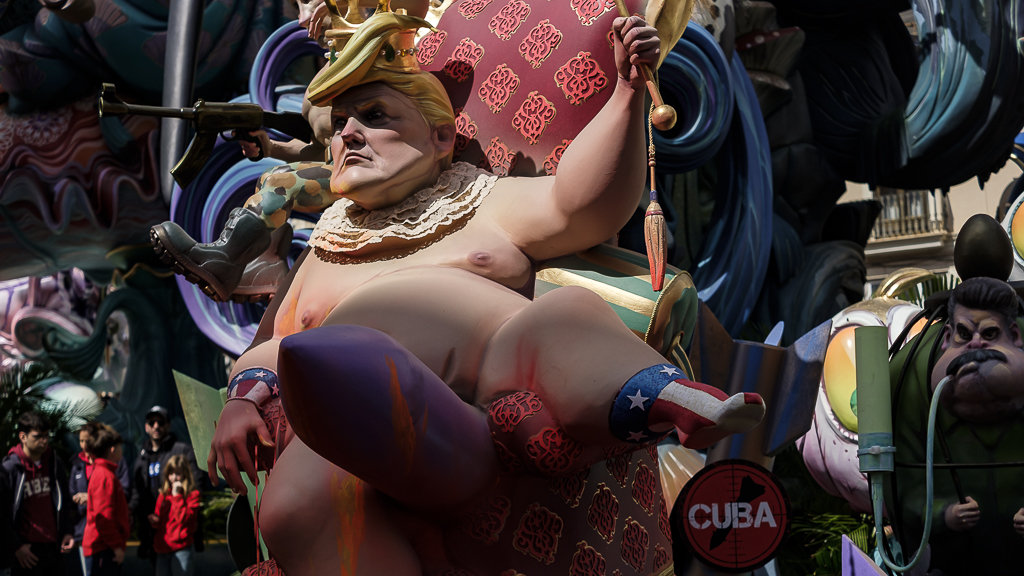
The first one we came across was one of the bigger ones. Many of them have some political context, a lot of the political commentary is local so I was out of the joke, but the Trump with a missile for a penis, was one of the least subtle ones.

I took a lot of pictures, so this is just a collection of the best. By the time we left I’d stopped taking photos, there were just so many to see! The work that has gone into them is just awe inspiring, there is so much detail, so much colour and so much more than I exptected.

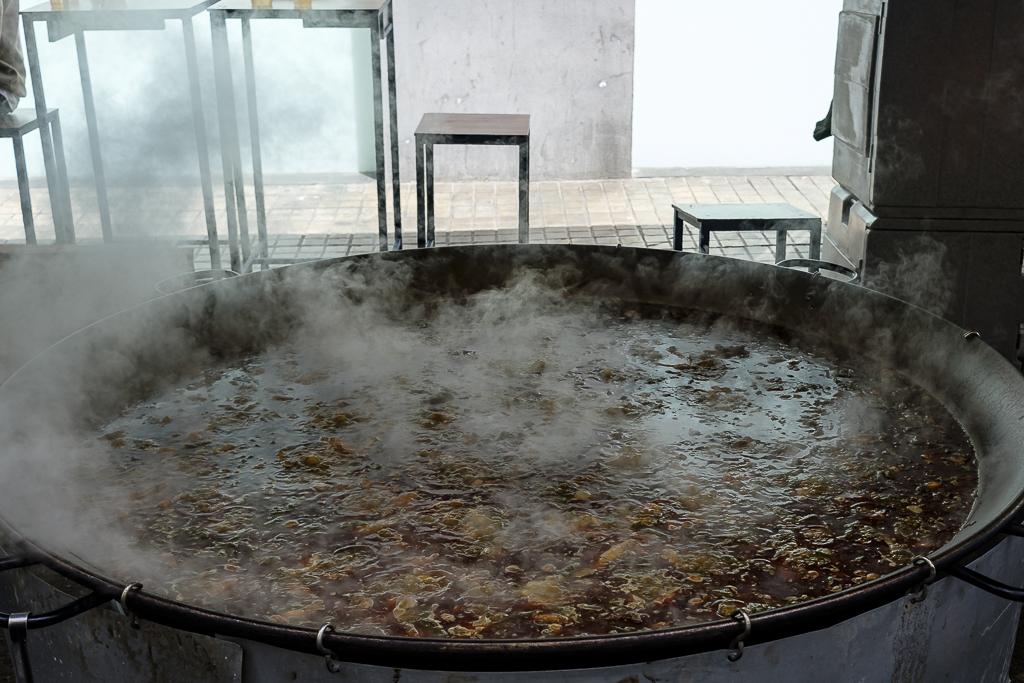
Fallas is a time of celebration, with family and community and church. Celebration comes with food and of course, as the home of paella, the was a lot of paella on the go, in huge pans all over the city though sadly just for the friends and families of those who made the Fallas their group was representing.

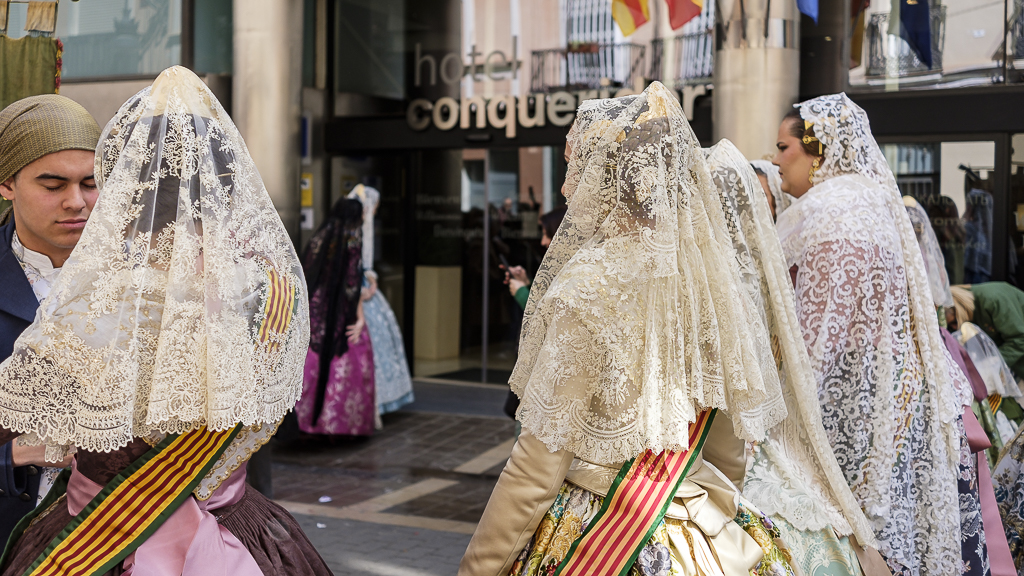
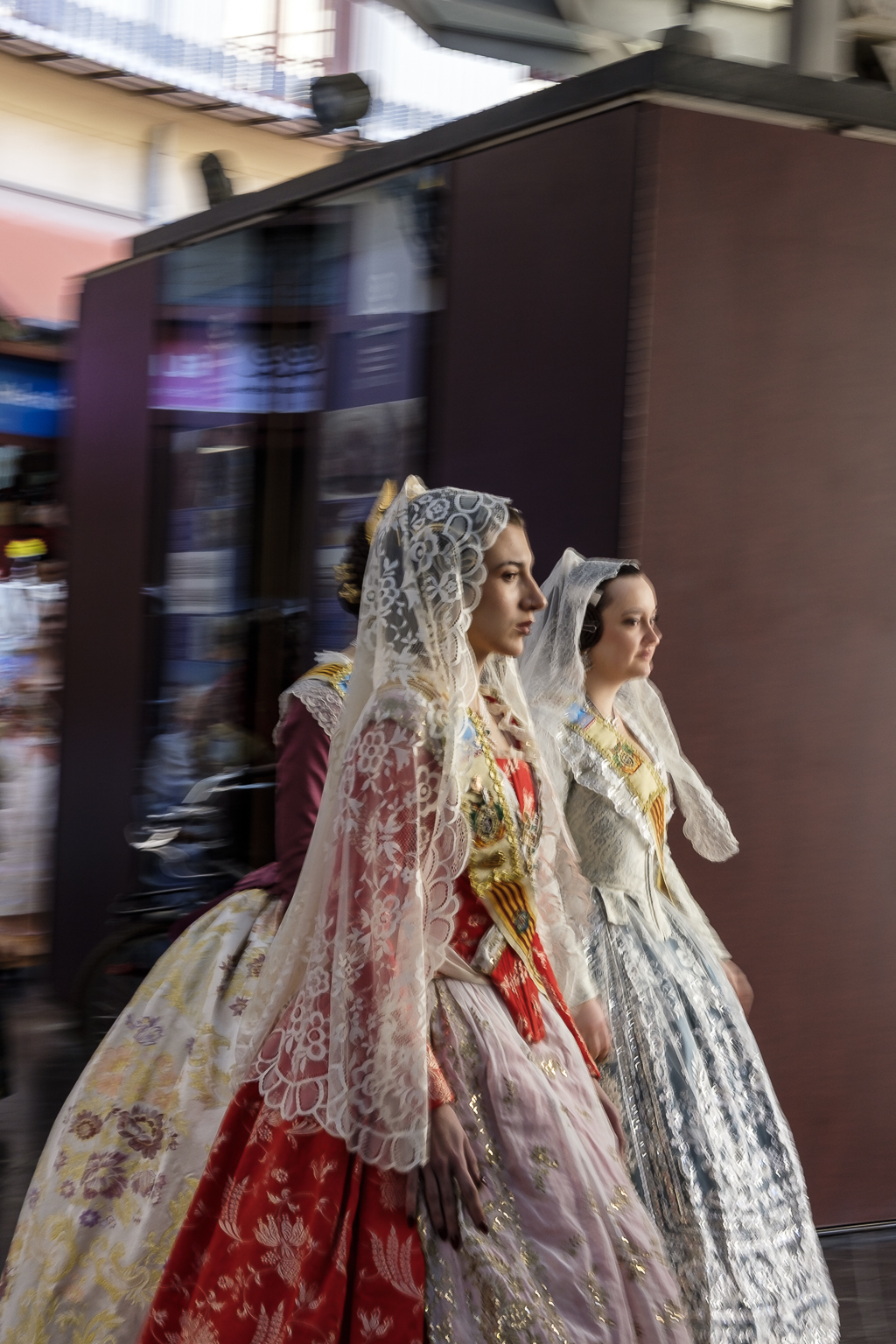
There are a lot of people in local dress, many walking in front with marching bands, if they can find space to march, and it’s a riot of noise, smell and visuals. Like I said, it was a lot of fun. This group walked past as Paul and I took a few moments over an iced vermouth and patatas bravas.

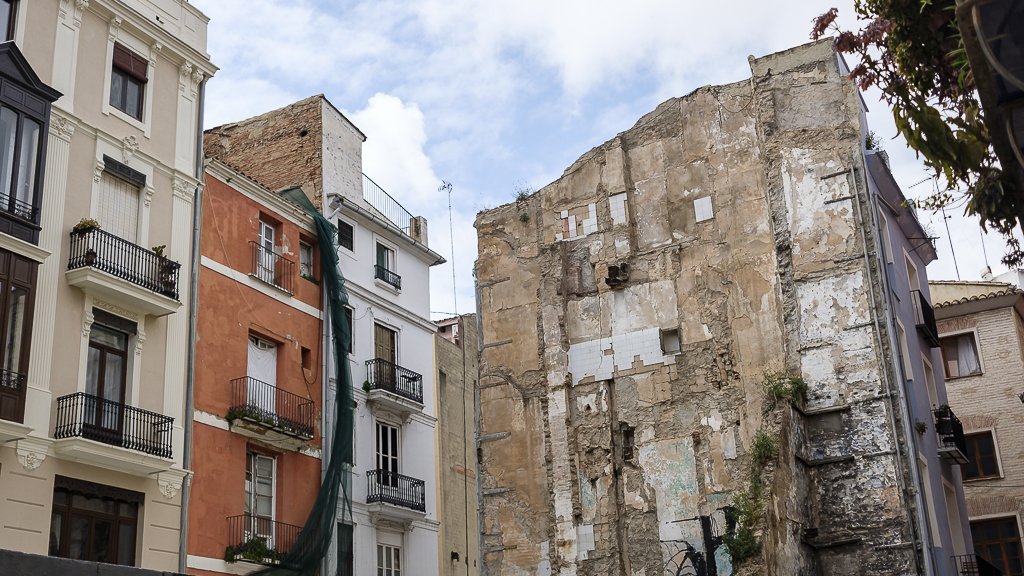
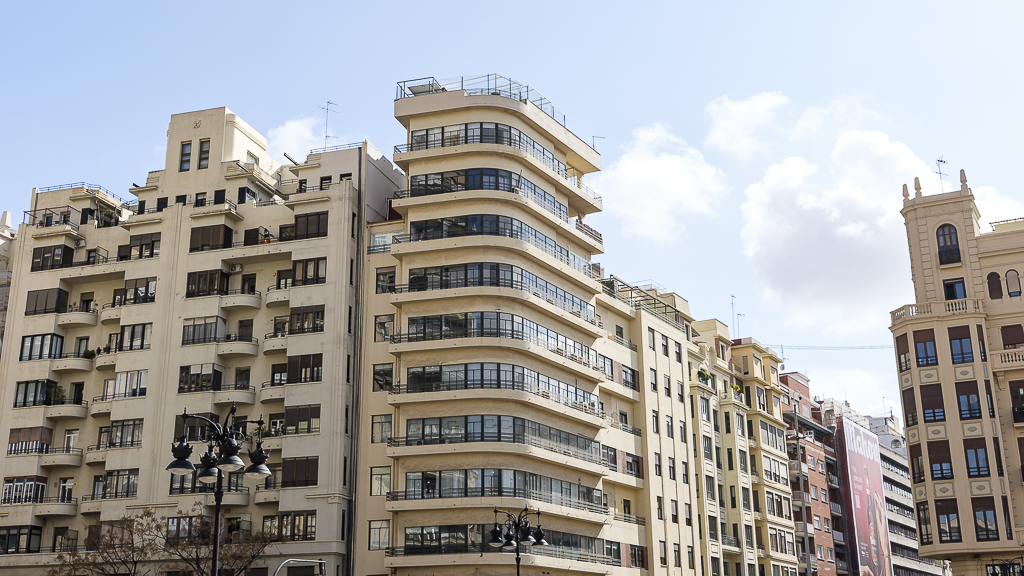
I like Valencia, this must be the fourth or fifth time I’ve visited. I like the mix of wide boulevards in the ‘new’ town and the narrow cobbled lanes in the old. On our first visit in 2016 (oh man, we look so young!) Eleanor and I loved roaming the graffiti covered narrow lanes with the occasional boutique or bar. Now it’s all boutiques and bars and the graffiti has mostly gone. At least the narrow cobbled lanes are still there. It remains a very attractive and very walkable city centre, one of my favourites, and especially so on a cloudless early spring day.

After stopping for a slice of pizza and glass of red we looked at trains back to Lliria. Annoyingly there were regular trains up to 10.30 and nothing until 1am. With the burning of the Fallas not starting until 10 we decided we should head back to Lliria early. There were so many people around that if we missed a 1am train we would be stuck. We’re not 20 any more!

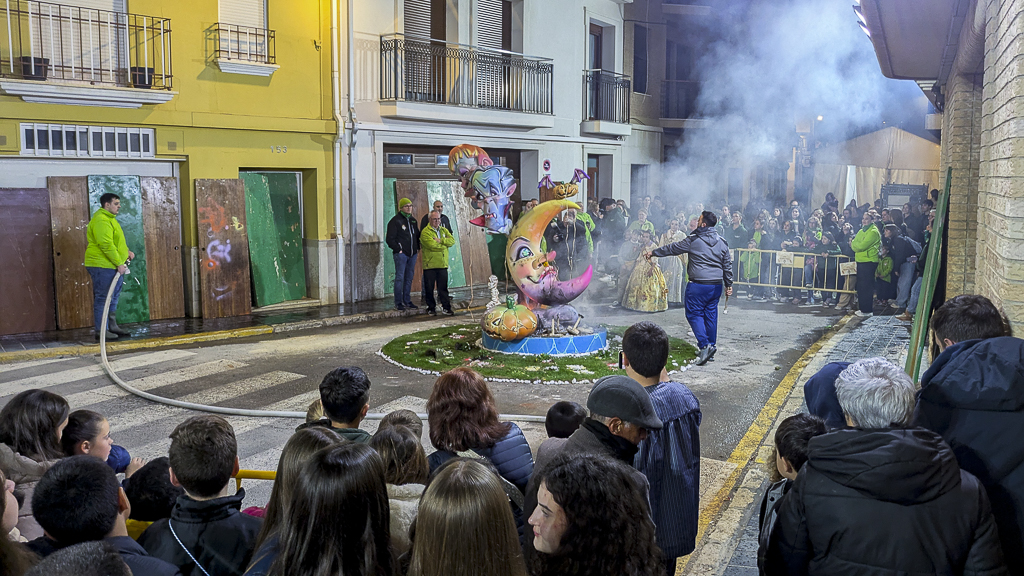
Taking the cautious option meant we were back in Lliria in time for the local, albeit it smaller, burnings. We walked about some of the Fallas in Lliria, watching more young children throwing fireworks about, then stopped for a beer and a snack in a local bar to wait until dark.

It was an excited local family crowd that gathered around, getting bigger and bigger (not compared to the city centre mind!) waiting for the countdown to the firing. Excited kids, and a few excited adults, firecracker bangs echoing from the walls of the buildings around us and bursts of colour in the darkened sky as rockets popped overhead as the tension built. Then the man with the flame arrived….

With a bright flash the fireworks draped over the Fallas ignited, burning bright and then the fire went out and nothing happened. A team of Fallas builders came out to try and get thing to burn and slowly people drifted away. Including Paul and I.

Back to the bikes and the ride to Xerlado and home.

It had been a great day; Valencia does this festival really well. I’d like to return in the future, but will get a hotel room in the city so I can stay for the bigger burnings, I can imagine they’re a load of fun.

Xelardo

Valencia 1
18-21 March 2026

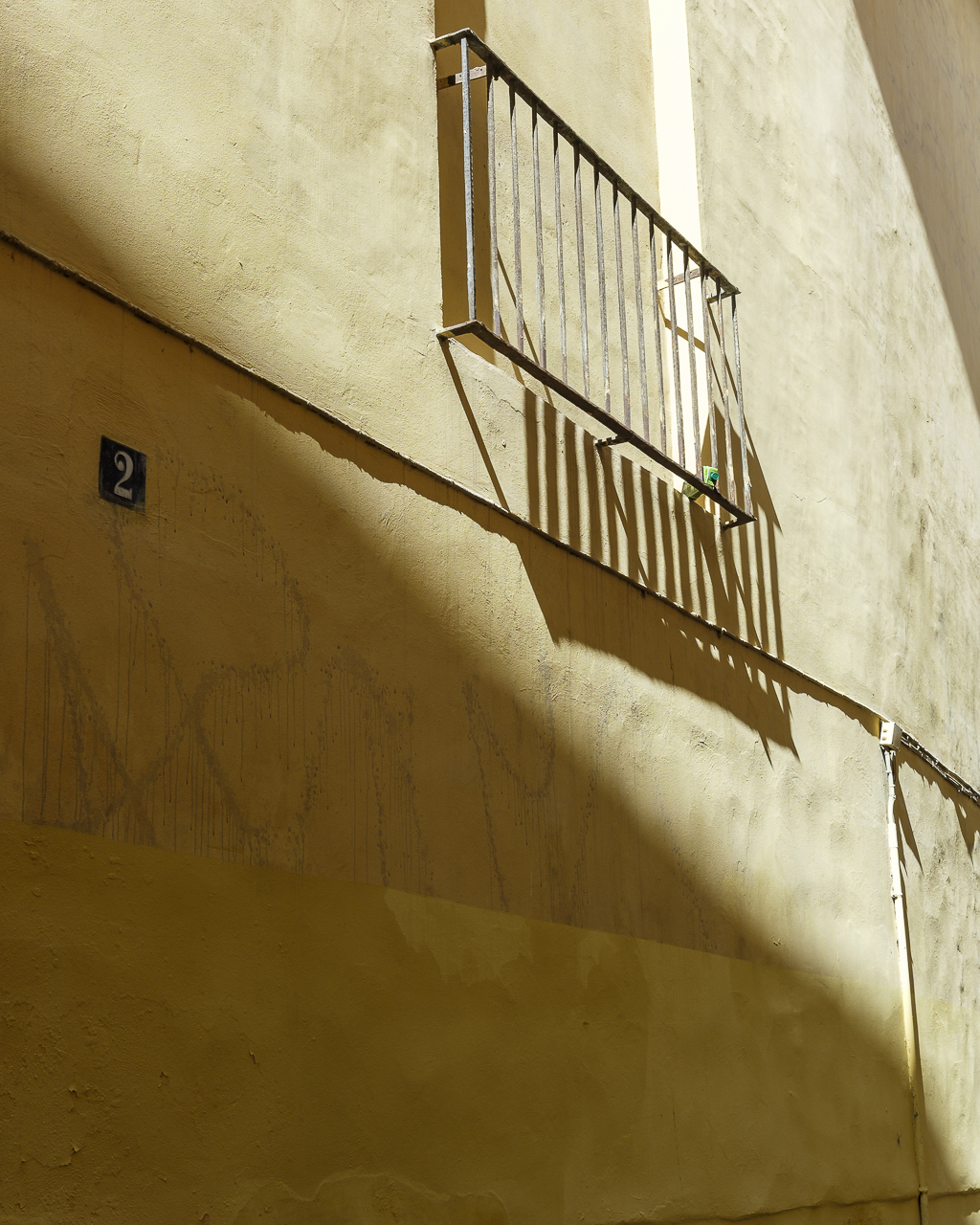
Our friends Paul and Paula have a holiday home on the northern edge of Xelardo, a small urbanisation (I guess this could be described as a distant suburb) to the north of the town of Lliria, which is about 30 km from central Valencia. It’s the final stop on the number 2 Metro line.

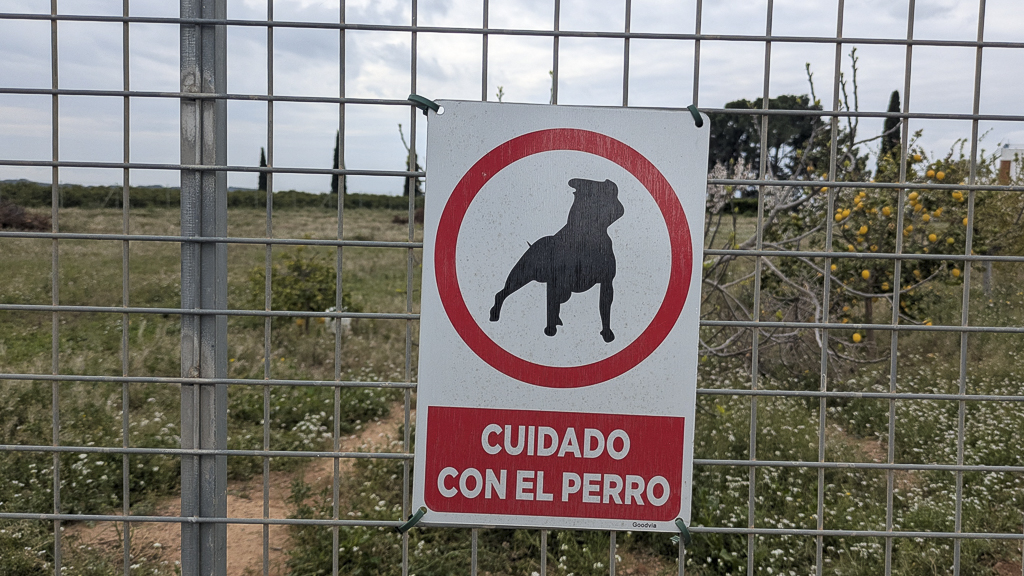
Xelardo is a residential area that seems to be predominately populated by dogs, especially the edgeland where our friends’ house is. The area has changed little over the last few years, though they have two new neighbours since I was there in 2018 and the view out the back over scrubland has been disrupted by a new house.

When I booked the flight, I was looking forward to getting out of grey, windy, rainy and cold England. We’ve been living at my flat in St Leonards On Sea since January and the weather has just started to perk up. It’s still cold, but the sun had been out on more than one occasion and we did have an afternoon on the seafront with a glass of wine in the sun; though we’re still wearing the big coats.

I’m flying out of Gatwick as its the nearest airport to St Leonards and there is a direct train; which naturally was cancelled at the last minute. Fortunately, there was an indirect train thirty minutes later and as I’m me, I was still at the airport early. I was through security and in the bar for a pre-flight G&T within 15 minutes of the train arriving.

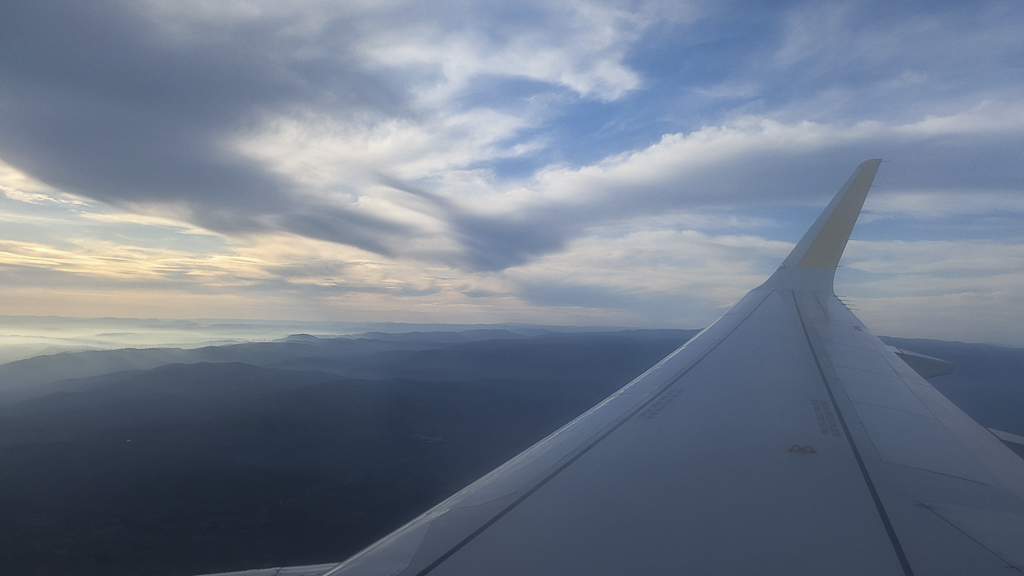
I landed at Valencia airport early after a fabulously smooth flight, the new EU arrival regulations for us Brits recently started and I was photographed and fingerprinted on arrival, though there were plenty of machines to do this and it didn’t cause the delay I expected. I was soon on the train into Valencia, then on the next train out to Lliria. It’s the penultimate day of Fallas (more on that in another post) and the platform in Valencia and the train to Lliria were very busy.

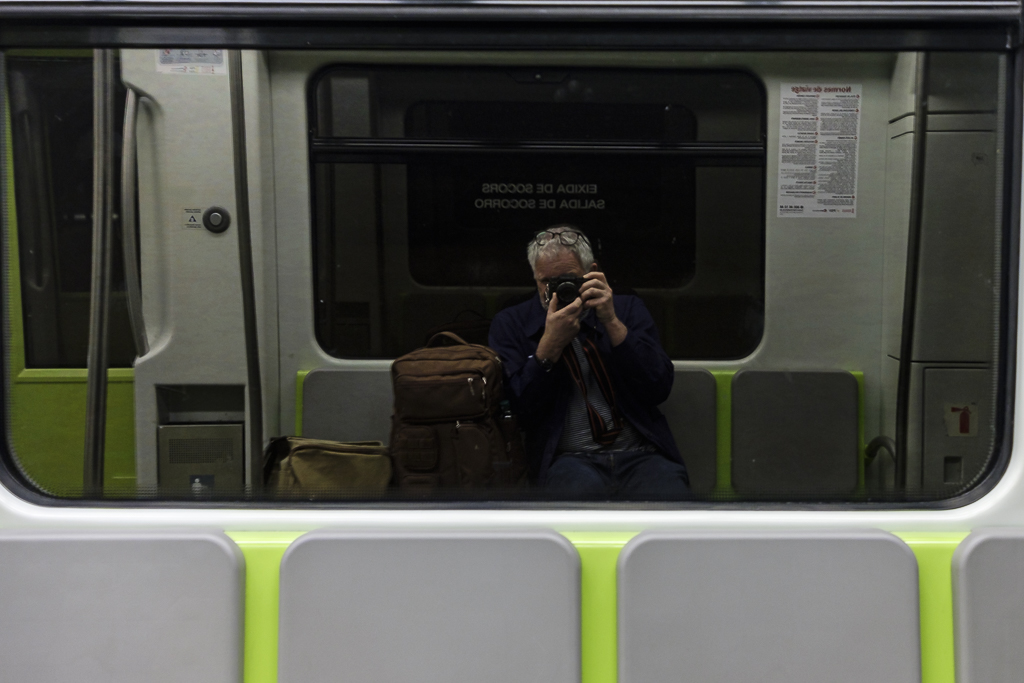
Paul met me at Lliria station, with a bike helmet in his hand and two electric-bikes by his side. We were riding back to his place but our first stop was dinner in one of the local restaurants. It was dark, I’d had two G&Ts at the airport and two red wines on the plane. I’ve not ridden an e-bike before and had barely ridden a bike in months. It was fun.

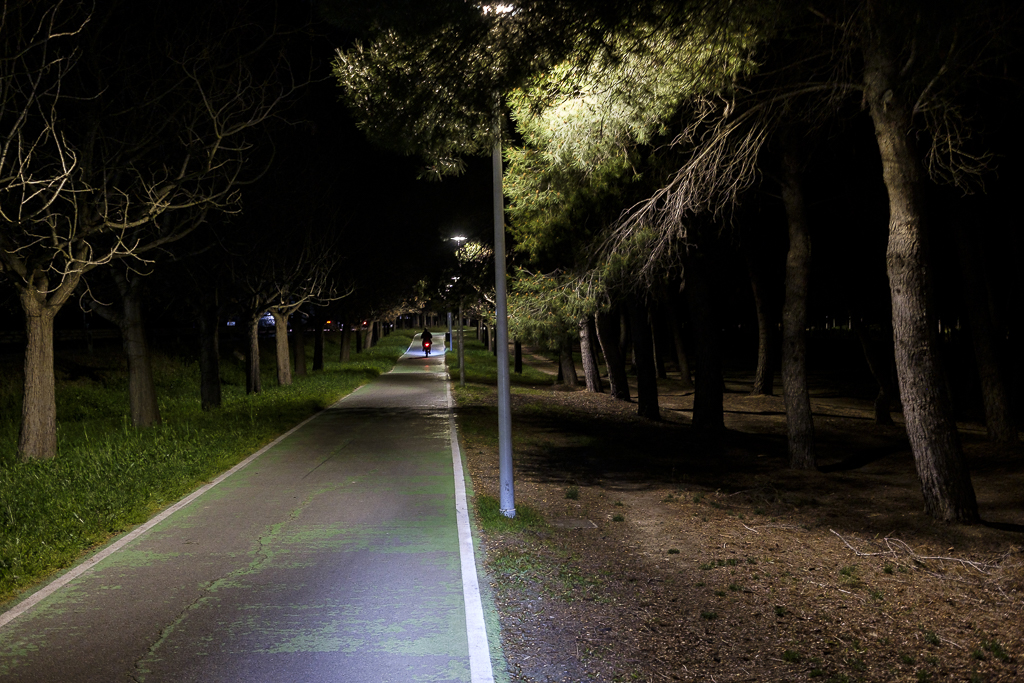
Dinner was good, typical tapas washed down with more red wine. I was decidedly unsober when we finally rode the 15 minutes to Xelardo, luckily most of it was on bike paths as I’m sure I was wobbling around a bit as we rode. We made good use of those paths and bikes over the next few days.

The next day, Thursday, we went into Valencia to join tens of thousands of others for the final day of Fallas celebrations, and like I said up front I will write about that soon.

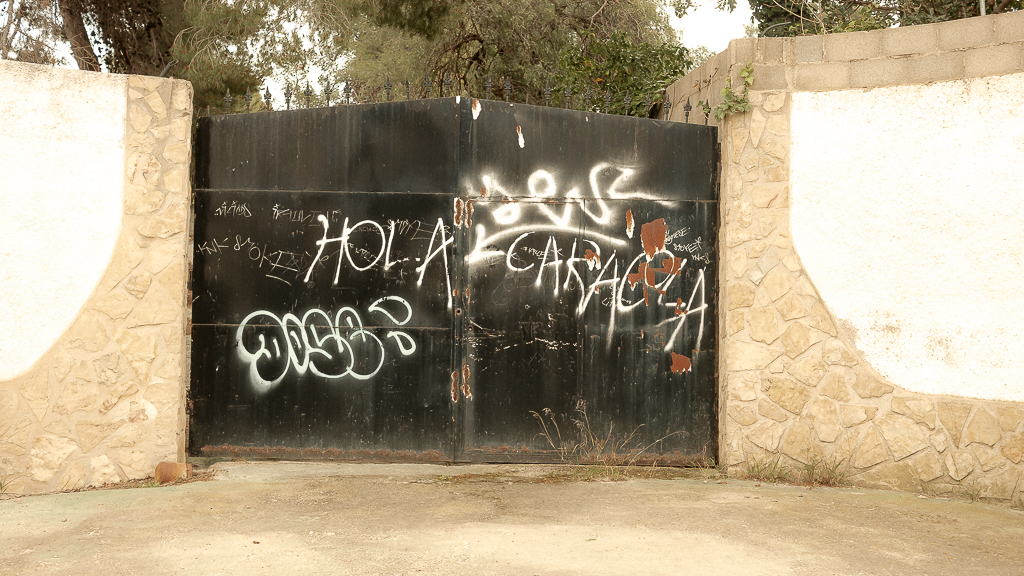
On Friday we took a walk around the bit of Xelardo where Paul and Paula’s house is. Xelardo is a residential area, I don’t think there is even a shop. It’s very quiet, a lot of the houses are second homes, and I guess most people who are here full time keep to themselves. There are a lot of dogs. A LOT of dogs, and they bark as soon as we get close to their homes. Fortunately, the dogs are behind high fences and big gates.

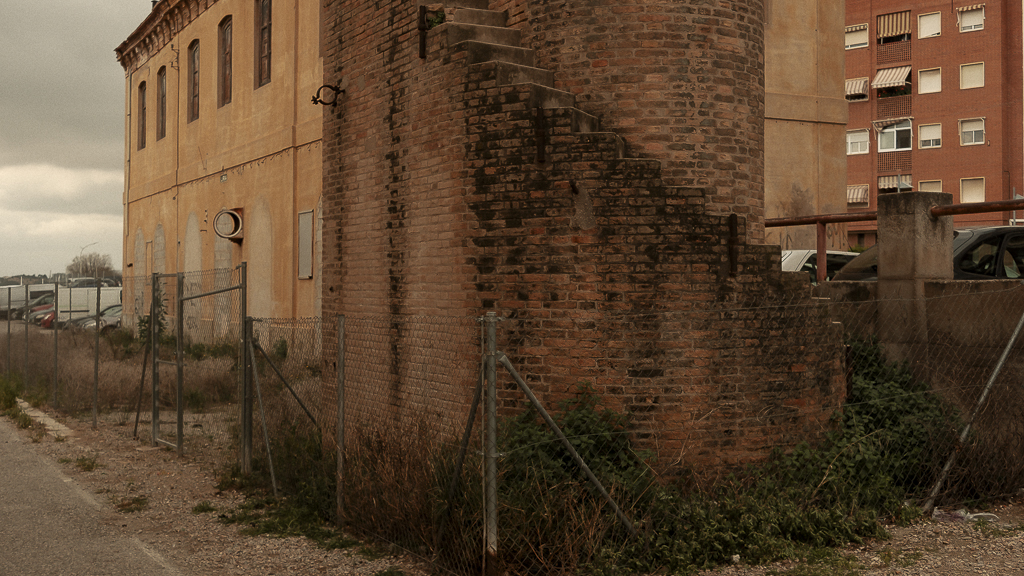
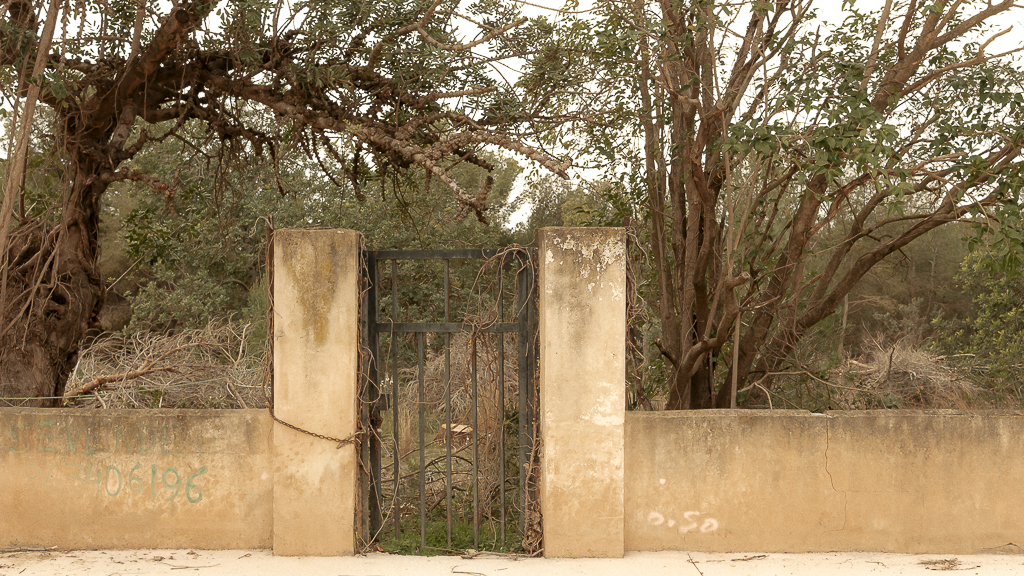
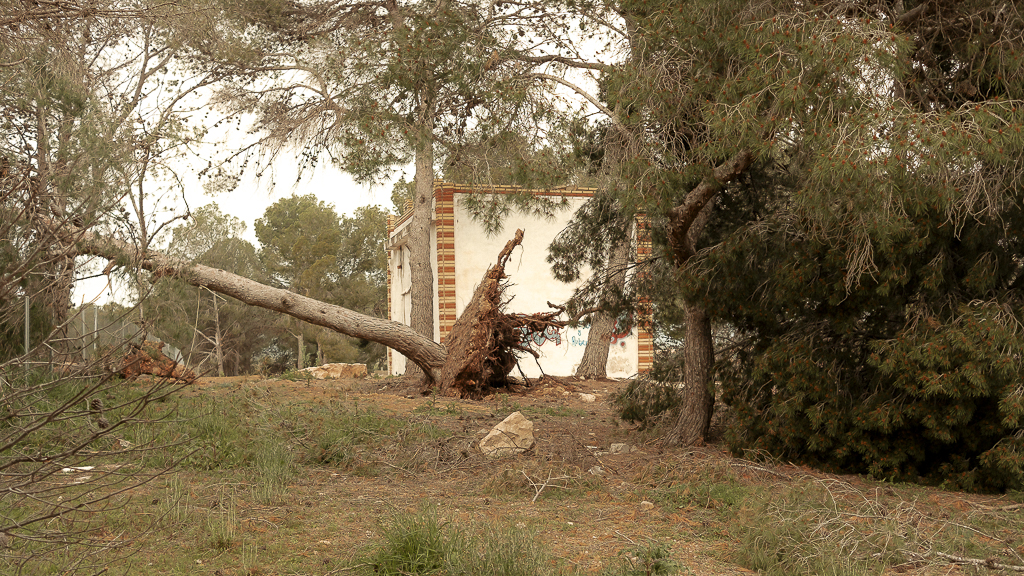
It’s strange on the edge of towns, especially quiet agricultural towns like this, where beyond the back fence lie empty scrubland or small orange or olive farms when picking season has passed. There are a few abandoned farm buildings beyond the fence, and these add to the eeriness of the place. It’s so quiet.


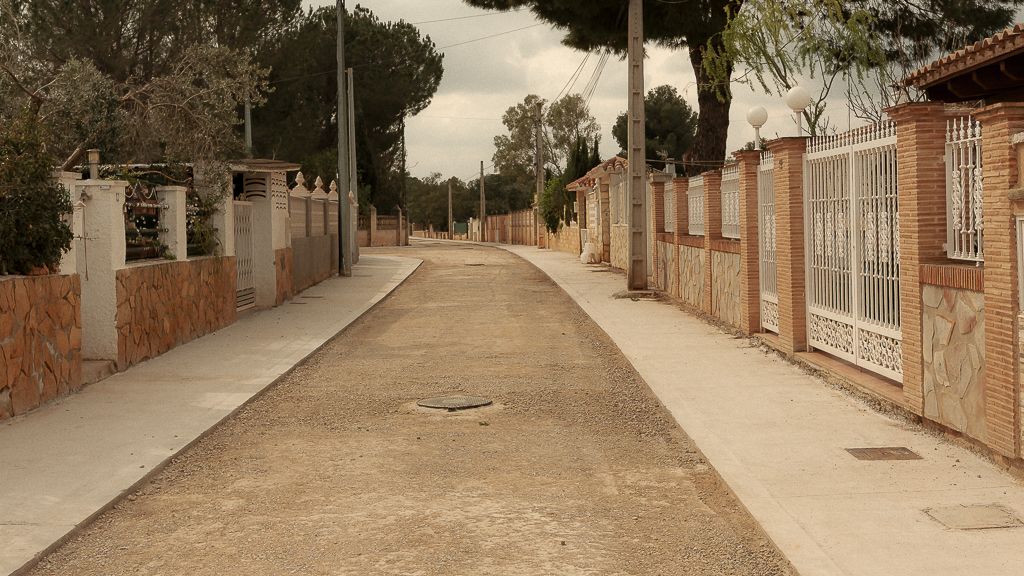
The streets we walked were largely deserted, not even parked cars to get in the way of photos. The ‘roads’ on the edge of town are still not much more than dirt tracks, perhaps flattened every few years.

Inside from the edge there has been road maintenance over the last few years, footpaths and sewage has been installed and some of the roads look like they’re about to be sealed.

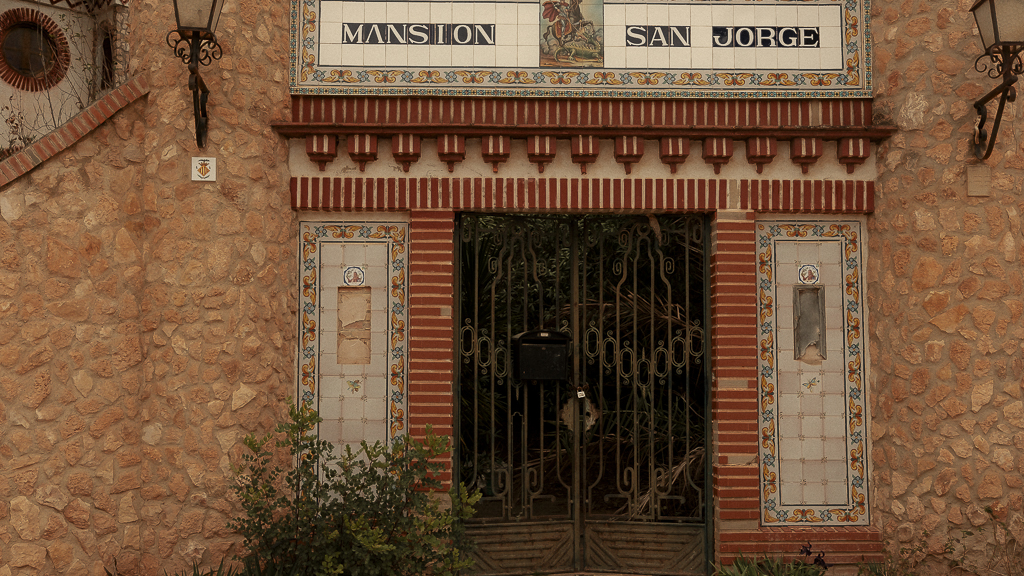
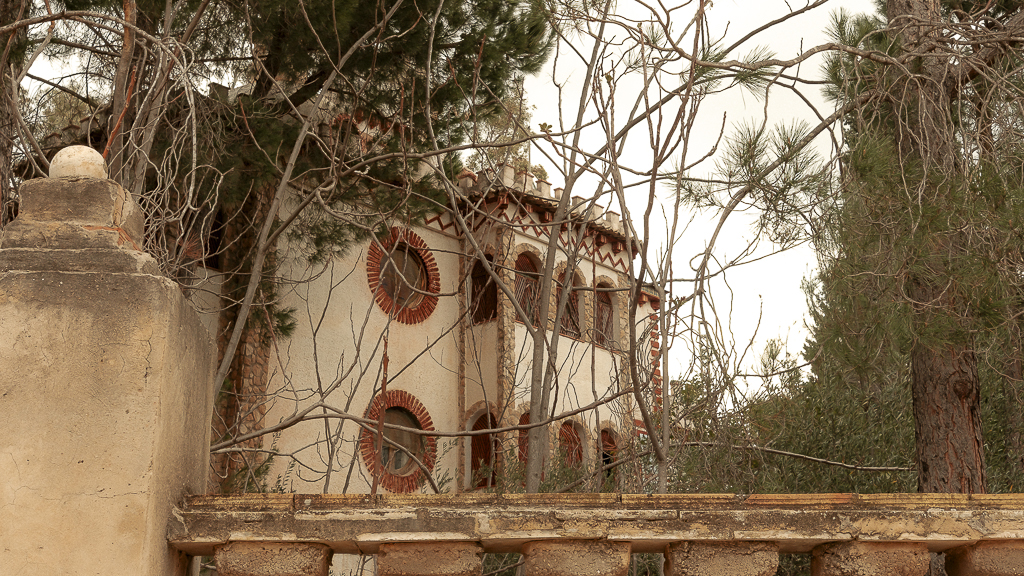
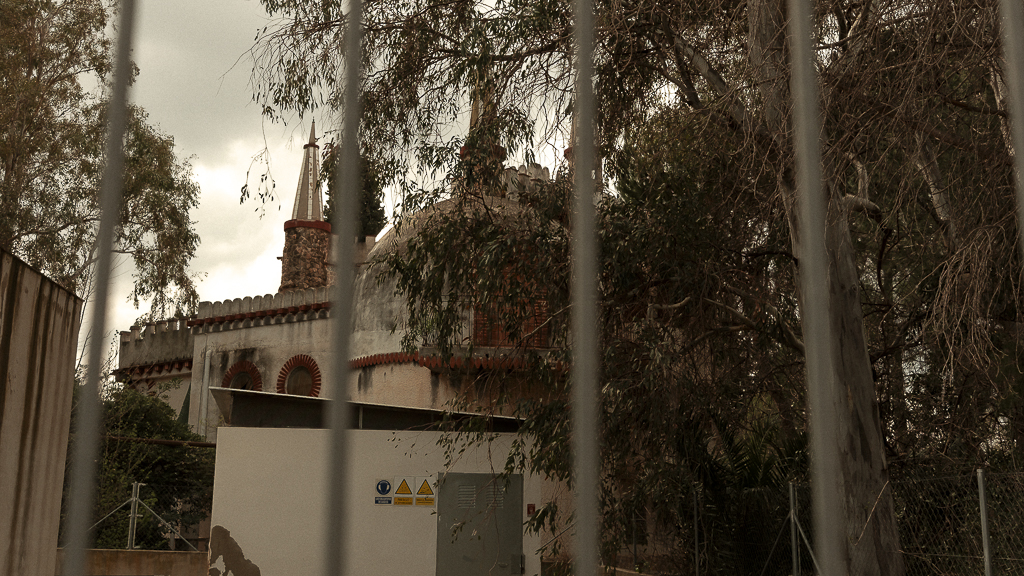
On one of these streets a man came out his gate and stared at us for a while as I took photos of an abandoned ‘mansion’ over the road. His dog barked incessantly from behind the gate as he stood. We didn’t feel like we were welcome in ‘his’ street, even though it was five minutes on foot from Paul’s. Maybe he is worried someone will buy the old mansion and convert into a hotel?


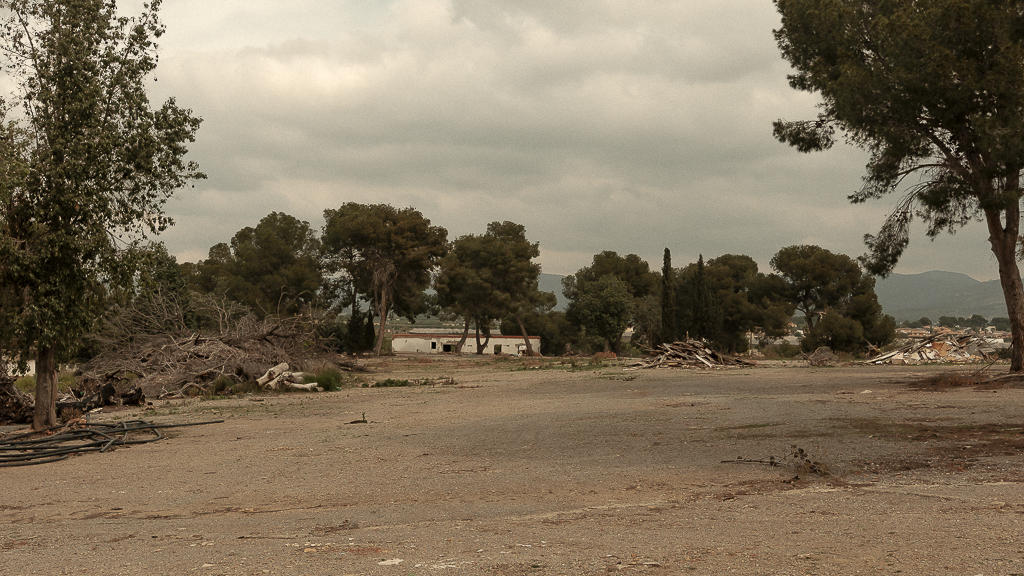
There was an abandoned campground nearby that I found a way into back in 2018 and I was keen to see what it was like now. Sadly, it was devasted by a huge fire in the Covid years, and the site has largely been cleared now. I was going to sneak in again through the solitary hole in the fence, but I heard someone working in one of the buildings so chose caution instead. I was a bit disappointed to be honest as I was hoping see what 8 years had done to the place.

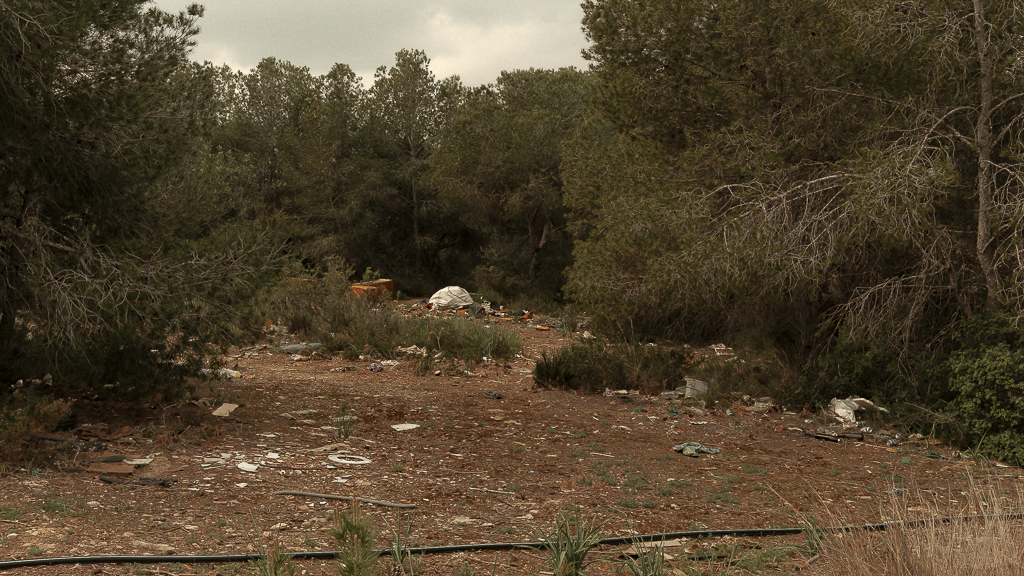
Next to the campsite is a small, forested area, I suspect this is used on the quiet as a firewood source by the locals. Since the campsite was cleared it’s become a bit of a dumping ground and is strewn with household rubbish.  The newly laid sewage lines run to the campground and the forest so I suspect these will soon be subdivided so more empty houses can be built.

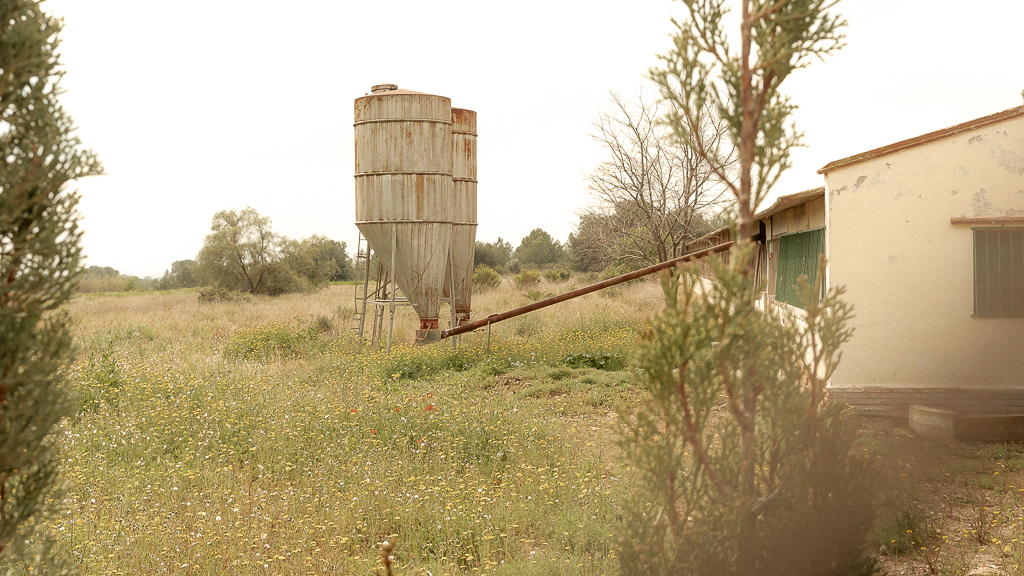
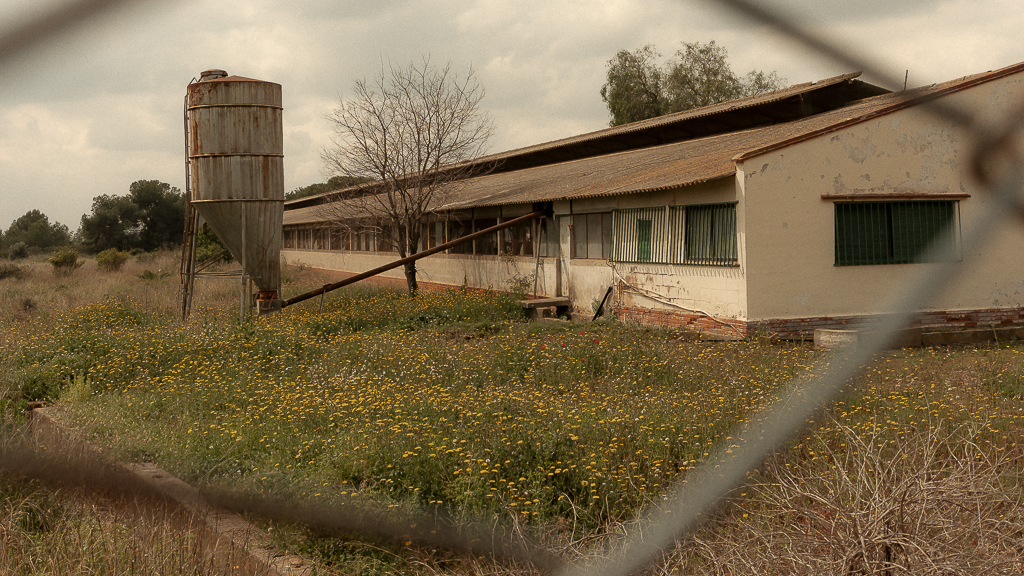
A derelict pig farm sits on one side of a sealed road on the northern edge of town, houses line the other. I can’t imagine what it was like living over the road from a pig farm, though I guess it was a local employer that hasn’t been replaced.

We loop back through the older streets, lined with houses on both sides, the barking of dogs still following us as we go. Drawing close to home we share a nod and a ‘hola’ with a woman walking a dog, the only human interaction in an hour of walking.

Living on the edge of town is weird.

P.S. I like Xerlado and it’s not weird, the people we do see are always friendly and welcoming, other than the guy outside the mansion.  I wrote this slightly satirically; definitely for effect and to complement the images.

Blenheim to Christchurch on the scenic train

Christchurch, New Zealand – Saturday 22 March 2025

The cost of picking up a rental car in one location and dropping it off in another is just sheer lunacy, at least it is in New Zealand, I’ve not done it anywhere else. When I was planning this holiday I discovered the cost of renting a car in Picton, where we got off the ferry from the North Island, and leaving it in Christchurch where we all flew out from, was five times the price of just renting and dropping in Christchurch itself.

Luckily, there is a fantastic train between Blenheim, where we stayed last night, and Christchurch. The train is a scenic tourist train and is therefore not cheap, but even for the three of us it was still less than half the difference in the car rental. It was a no brainer really.

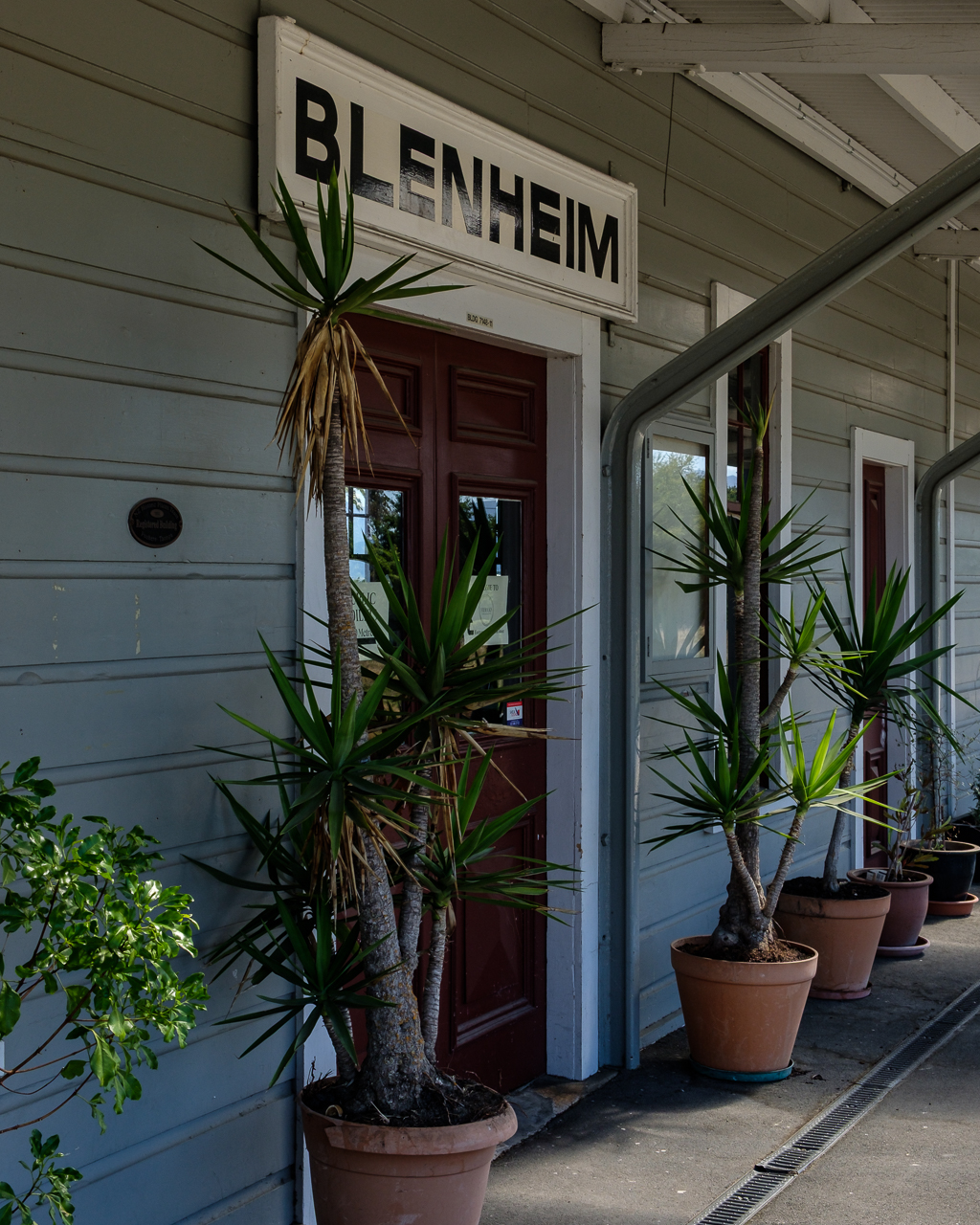
There is only one train a day, in the early afternoon, so we killed the morning over a leisurely breakfast in a café not too far from the motel. There isn’t much to Blenheim town centre and I think we saw most of it when we walked there for dinner last night. We did a quick circuit of the town centre then waited for the train over a glass of local pinot gris in the station.

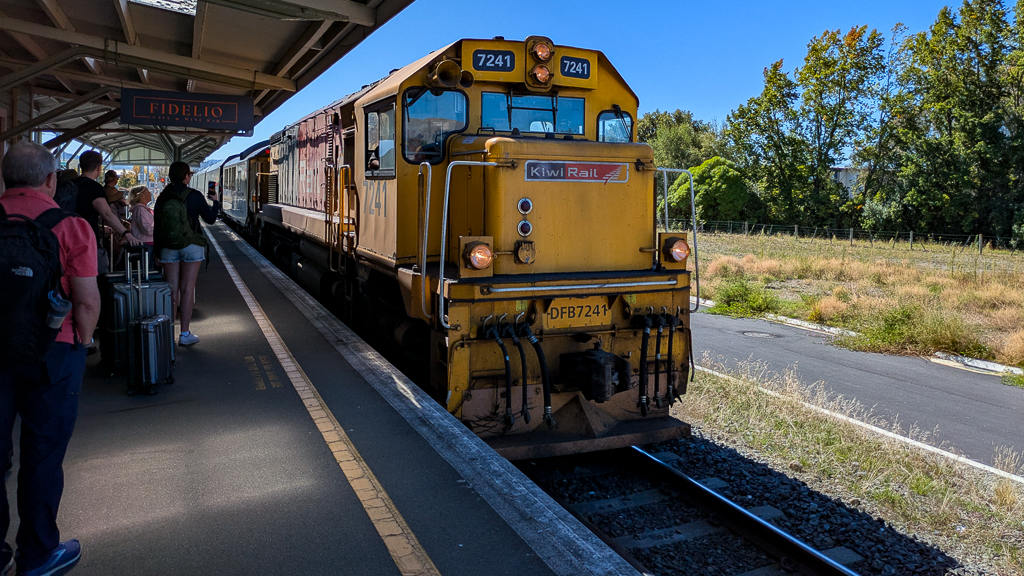
The train arrived a few minutes late and was, surprisingly, but not surprisingly, pulled by a big old diesel engine. Which did make sense when we started slowly grinding up through hills towards the coast on the single train line that runs from Picton down towards Christchurch.

The train was full and I would guess that we were almost the youngest people on the train, which was mostly full of foreign tourists like us. There were definitely some Americans, we could hear them.

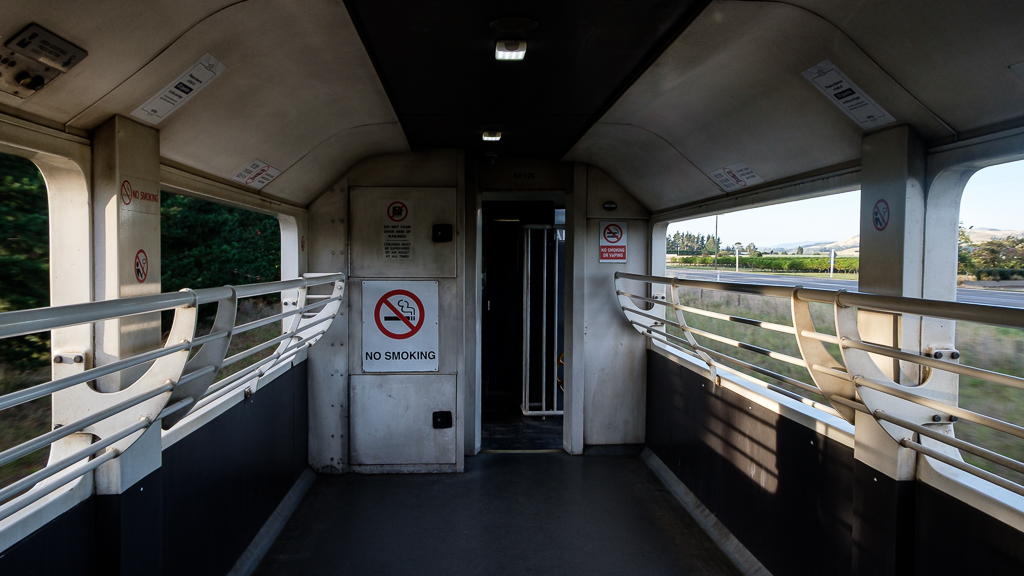
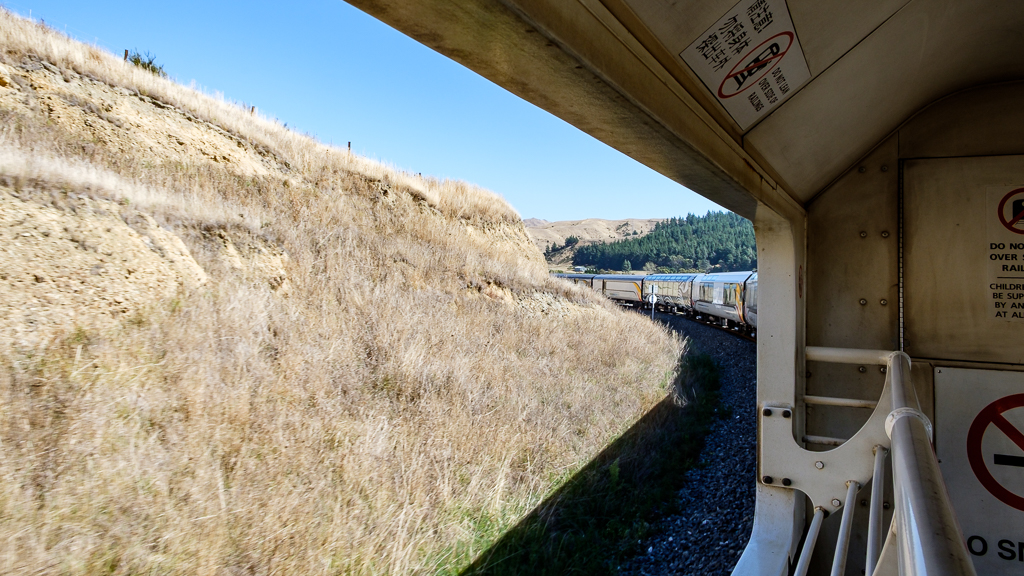
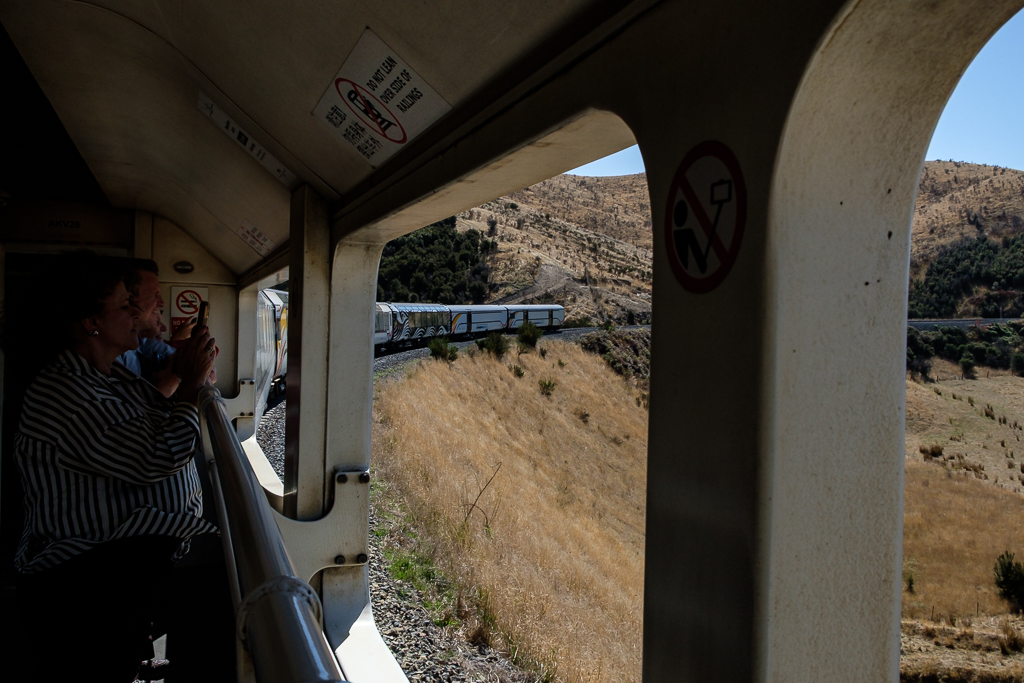
As this is a scenic train, the main carriages had larger windows than normal, but the best feature for me was an open carriage which meant no window reflection. 

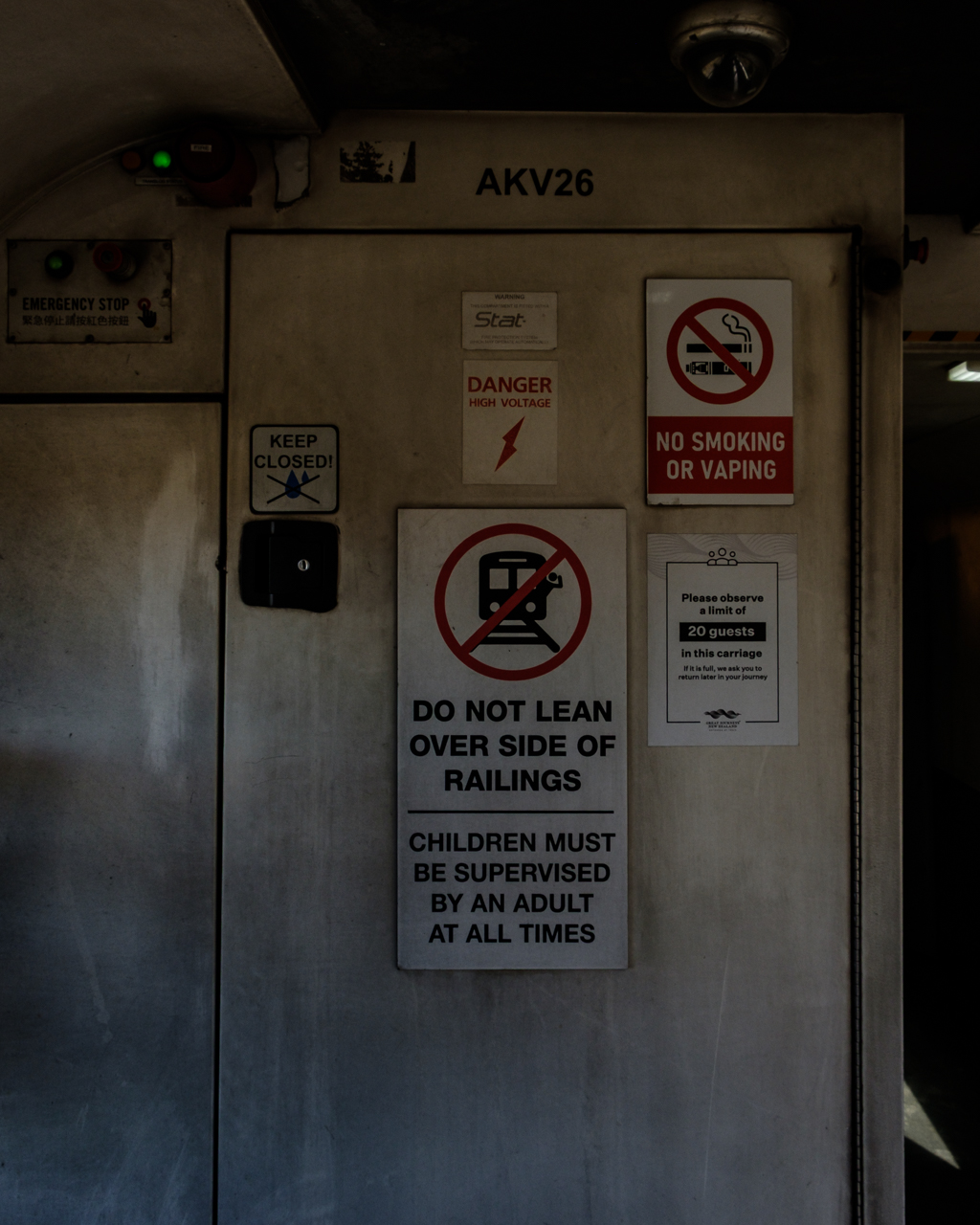
The one downside to the open air carriage was that it was right behind the engine and the diesel fumes got quite oppressive when the train was slowly winding up hills or through speed restricted tunnels. When the train was at full pace there was plenty of wind-blown hair action going on.

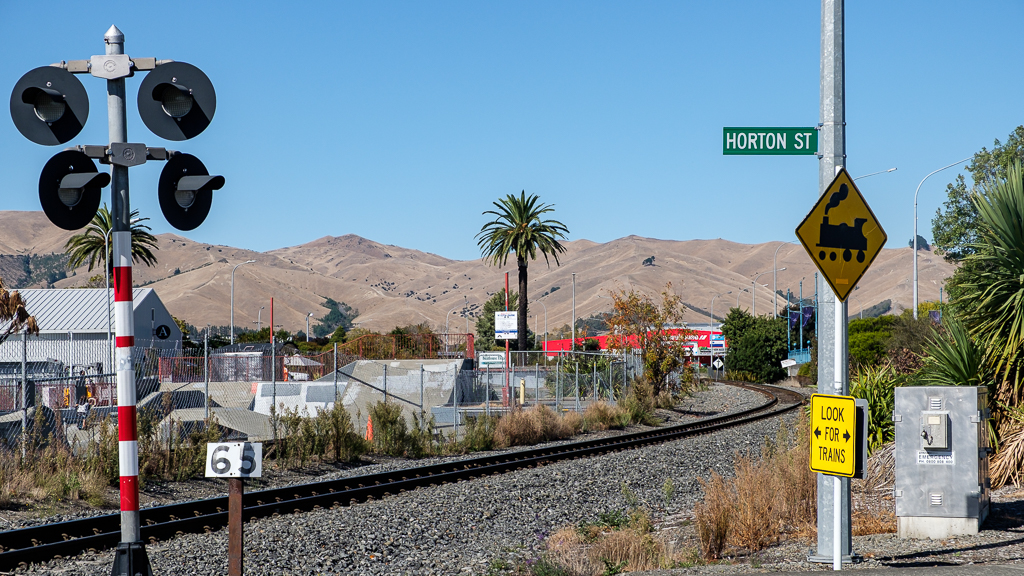
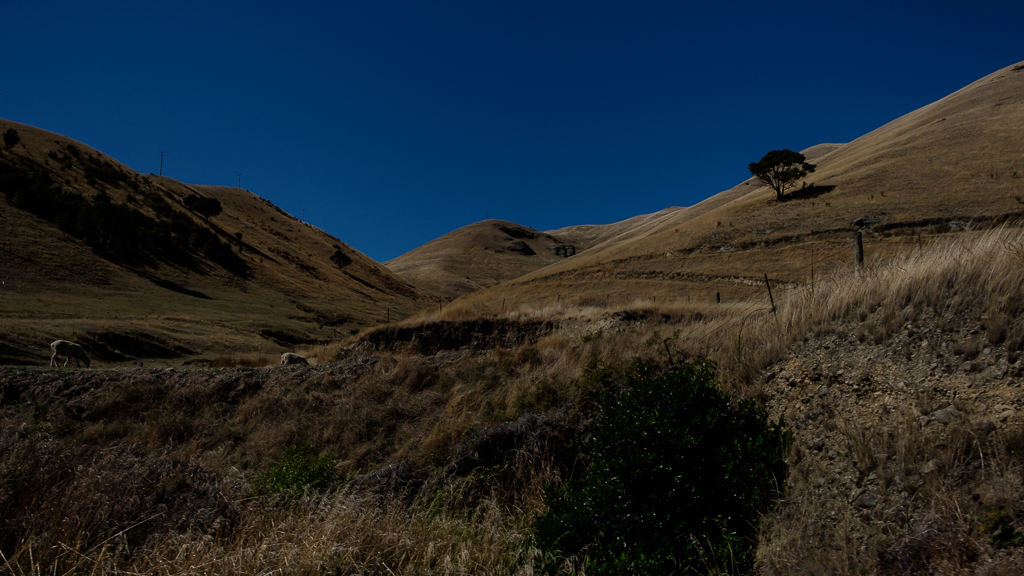
The train line mostly follows State Highway 1 all the way from Blenheim to Christchurch, and we were soon grinding our way very slowly up and over the bone-dry Wither Hills. It was a spectacular start to the journey.

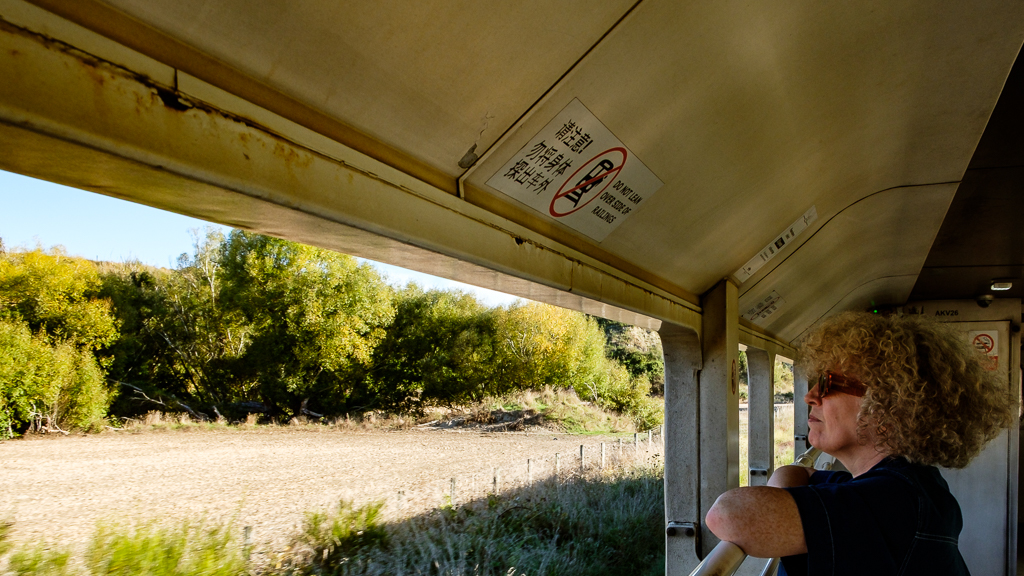
I spent a lot of time standing in the outside carriage, occasionally with a glass of wine in hand. I was shocked to see so many other passengers sleeping, or reading or worse – staring into their phones. The early stages of the journey were spectacular, I couldn’t keep my eyes off the countryside.

Admittedly it is a five and a half hour journey and there were some dull bits as we worked our way through the farmland of North Canterbury, but crikey – how could you not be looking out the window at the start!

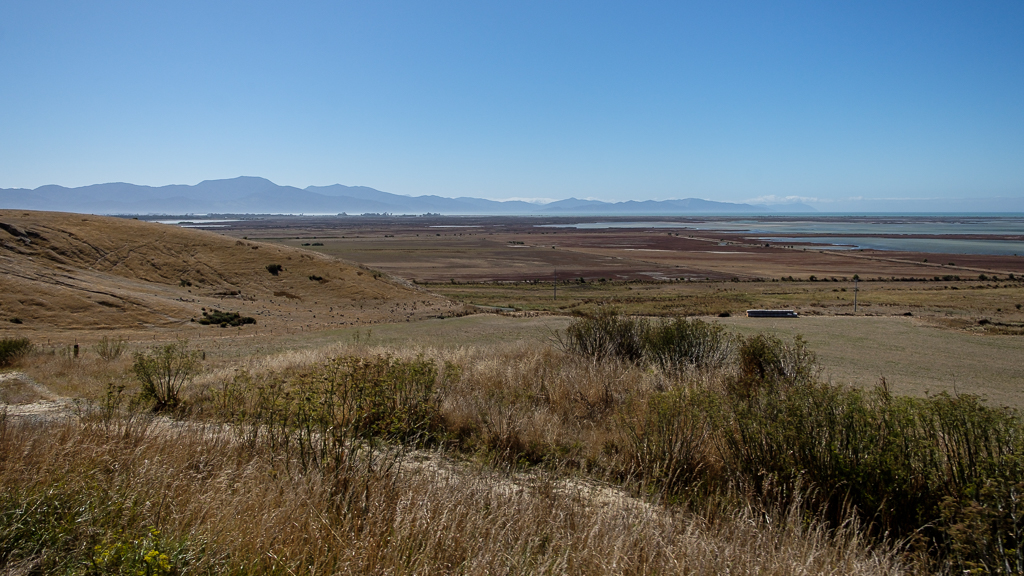
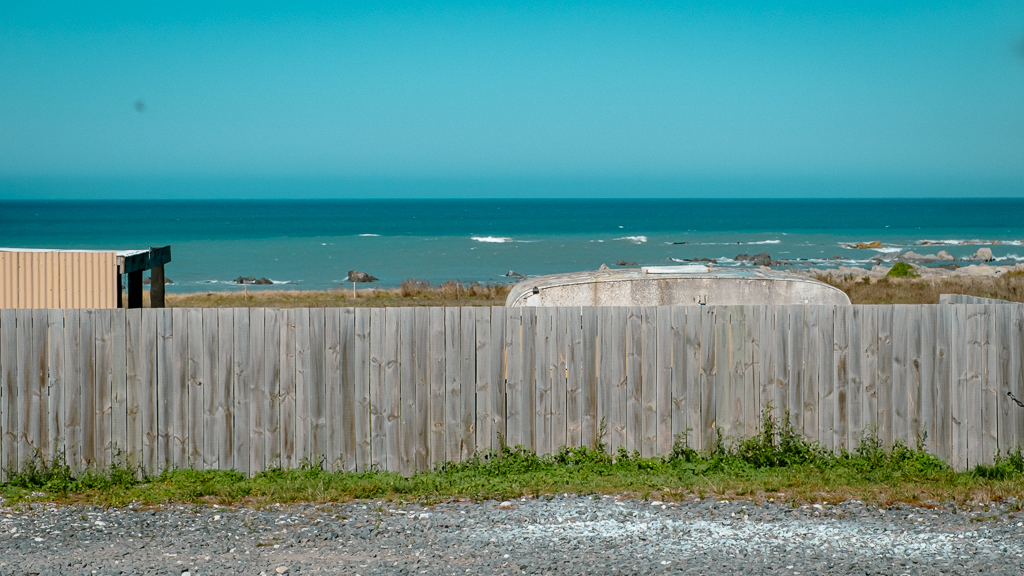
Once through the hills and passing through the small town of Seddon, we were on the coast which we followed the rest of the way, criss-crossing with the highway all the way south. This was taken through the window from inside the carriage.

It’s remarkable that this train journey exists. A 7.8 magnitude earthquake near the coast devastated the land, the road and rail line in 2016. Fortunately this is a fairly rural area and the earthquake occurred in the middle of the night, meaning only two people lost their lives; tragic as that still is. The rail line was closed for two years and though the highway has been fully open for some time, there is still significant work to be done. I’m glad we weren’t in a car.

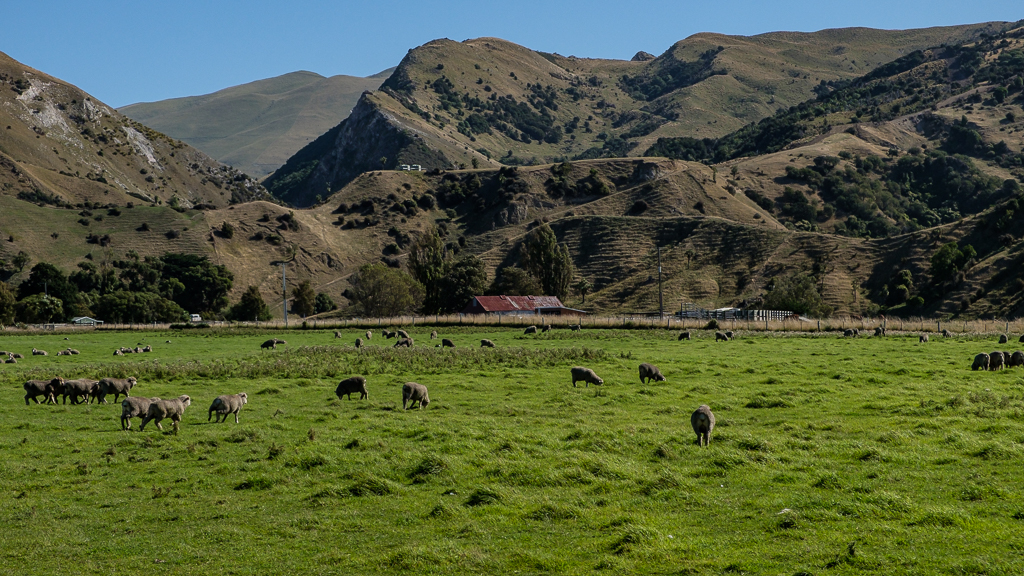
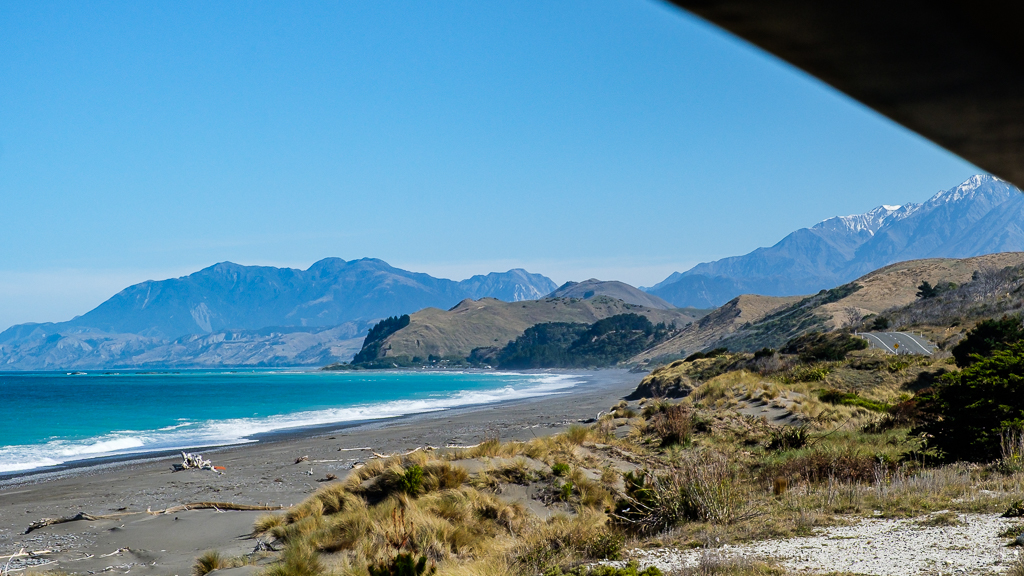
Past Kaikoura the view settles into the sea on the left hand side, flat farmland with snow capped mountains popping in and out of sight on the right. Small towns ‘flash’ past as the not particularly fast train rumbles on through.

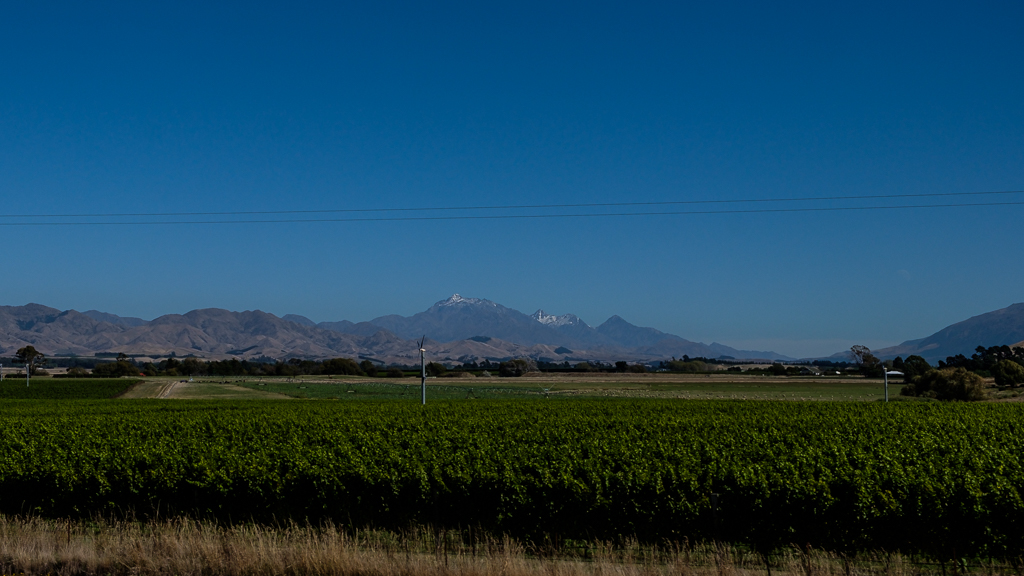
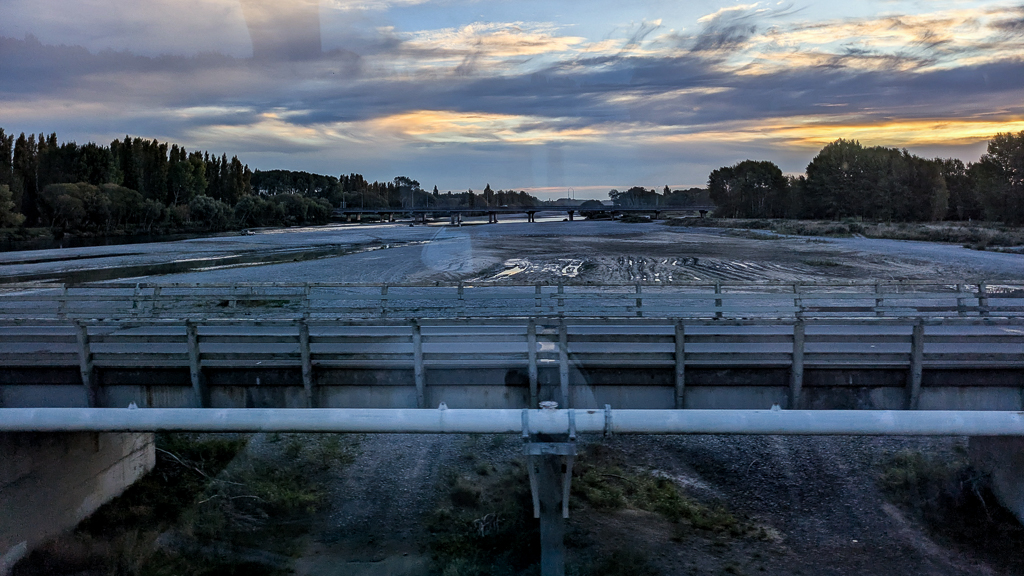
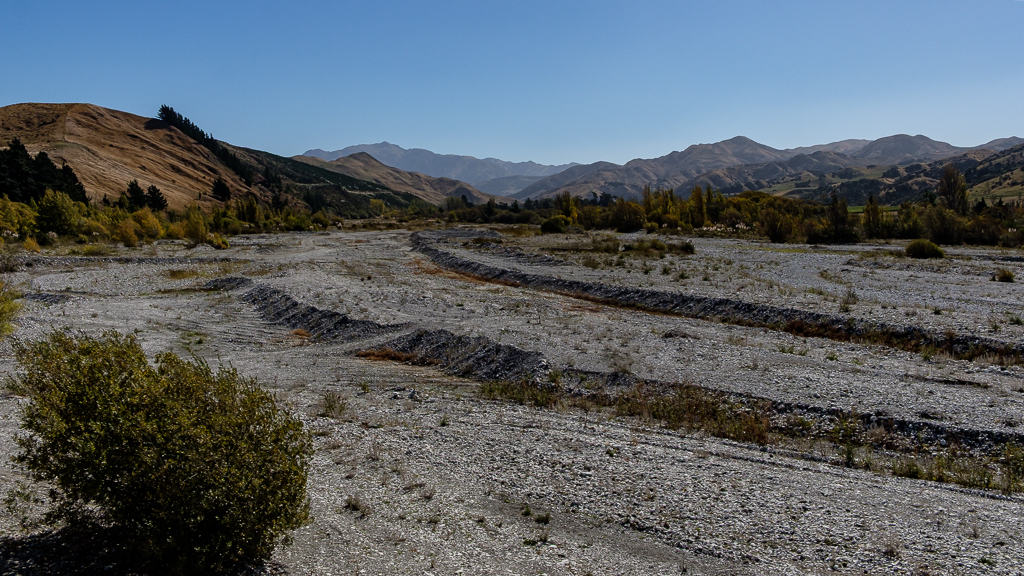
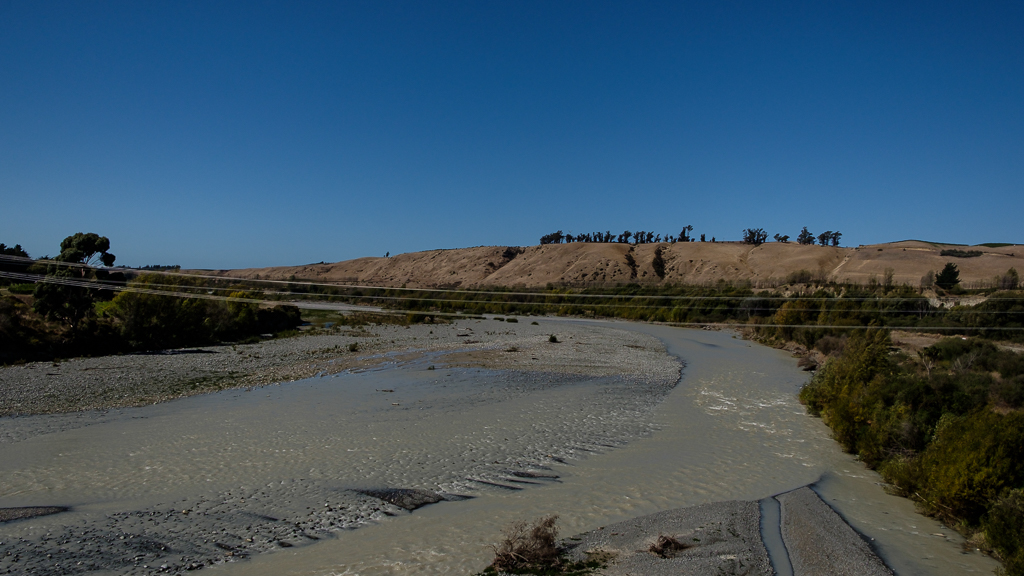
We cross some spectacular riverbed/flood plains on extremely long bridges. I was sitting in the cabin when I took this one through the window.

Soon enough we were pulling into Christchurch Station, slightly late as the train in front was on the single platform. Hard to believe this is the second biggest city in New Zealand! We were met on the platform by an old friend, who we are staying with for the two nights we’re in town.

The journey is fantastic and highly recommended if you’re looking for an alternative way of travelling from Picton to Christchurch or one of the stops in-between.

Cook Strait crossing

Blenheim, New Zealand – Friday, 21 March 2025

The Interislander Ferry left it’s berth in Wellington Harbour on time, at 8:45am. We’d arrived as requested at 7:45 for an airline style check-in and the big bags were taken off our hands and stowed somewhere on the ship where they store big bags. It was great not having to lug them around. The ferry is pretty big, it’s a vehicle ferry and it was full of all sorts of vehicles and all sorts of people.

We had an average breakfast and a terrible coffee as soon as we got on board, then discovered the proper café and got a much nicer coffee once we were settled and on the way out of the harbour. We wanted to beat the rush for food, but patience should have been exercised instead. I was desperate for a caffeine fix mind as the machine in the ‘departure lounge’ wasn’t working.

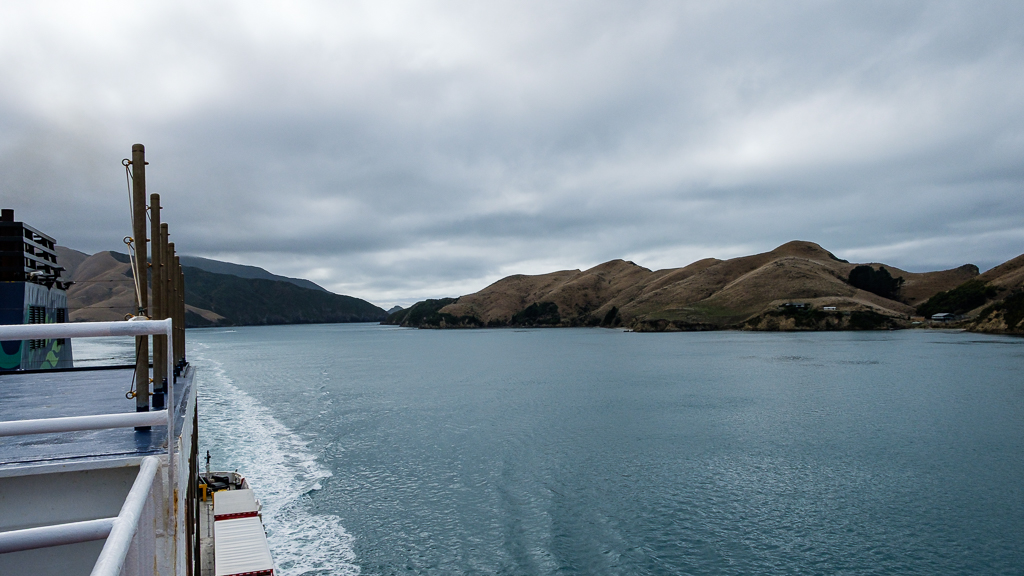
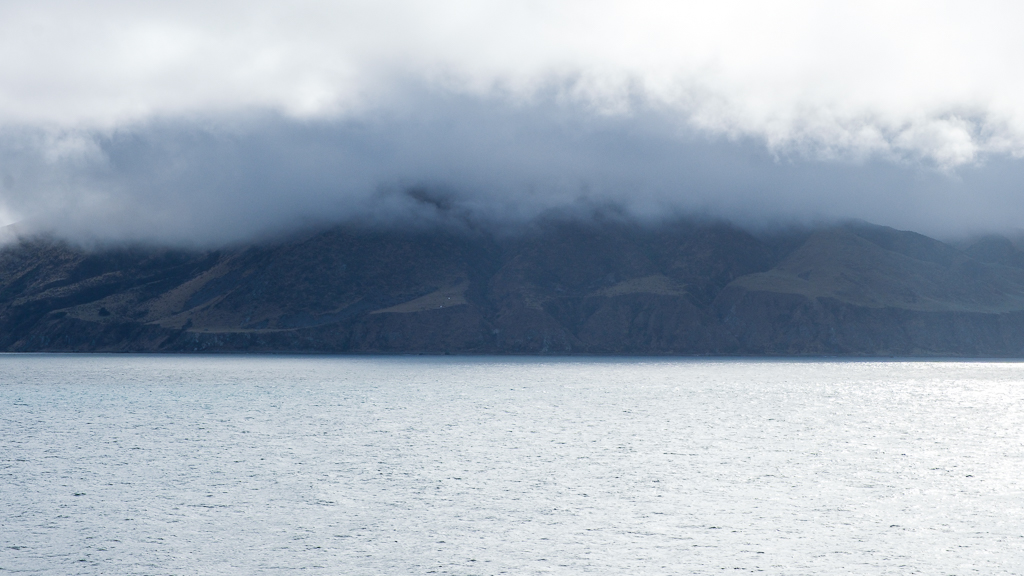
We were lucky with the weather; it was a stunner of a day, warm, calm and clear. Everything you want for a crossing of the Cook Strait, the band of water between New Zealand’s North and South Islands. We were heading south, across the strait and down through the Marlborough Sounds to Picton; about 3 hours and 30 minutes away. It’s about 93 kilometres in total, with two thirds being inside the sounds.

Eleanor and I have done the journey before, but I was keen to share it with Paula, as on a good day like today, it’s a stunner of a trip. It lived up to the reputation I’d given it as well.

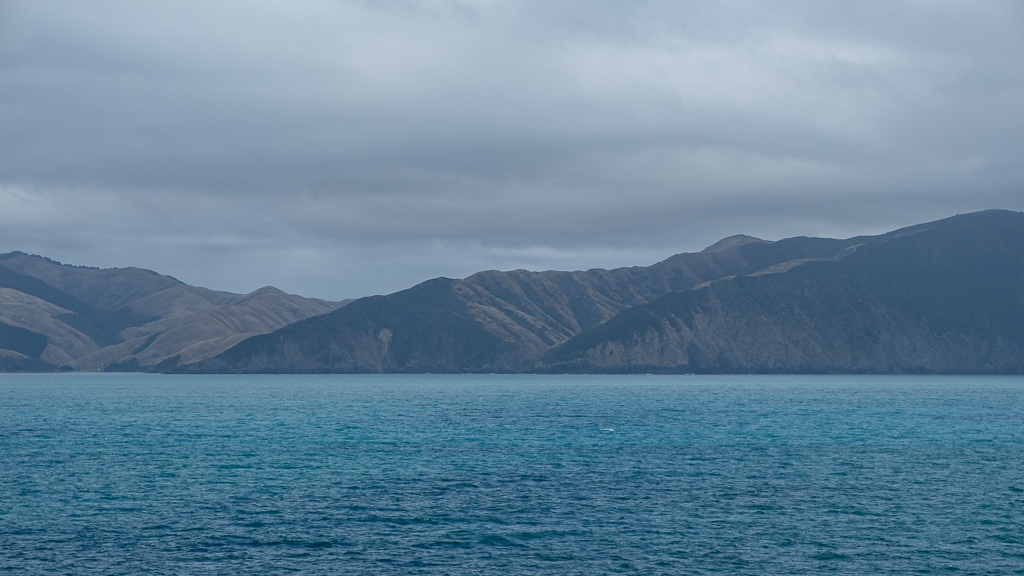
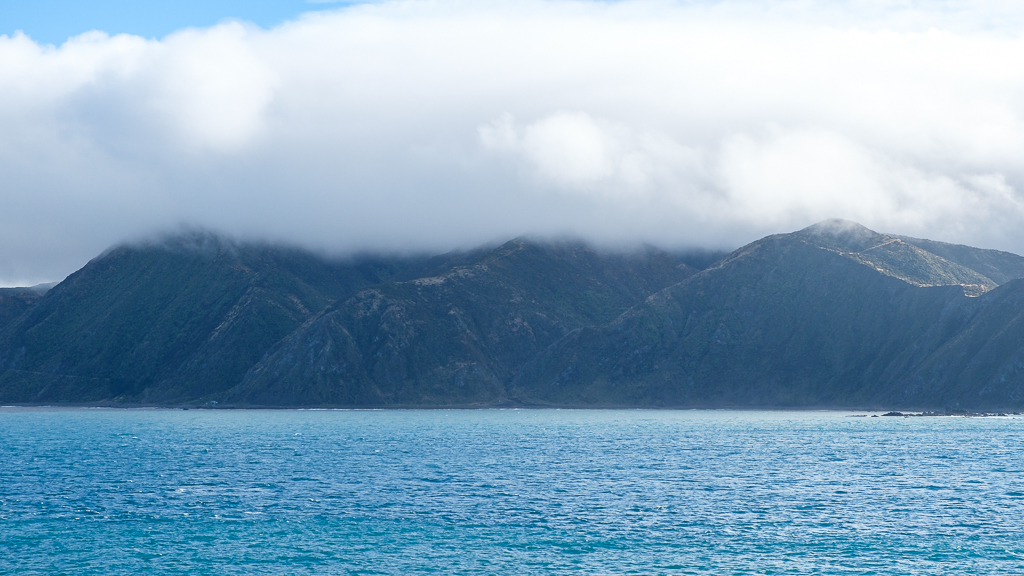
The ferry sort of hugs the southern coast of the North Island for a while, providing some great views of the rugged coast line. I spent a lot of time on this part of the journey trying to spot dolphin pods, or even better whales; but sadly, other than a few seagulls, there was no other wildlife to see today.

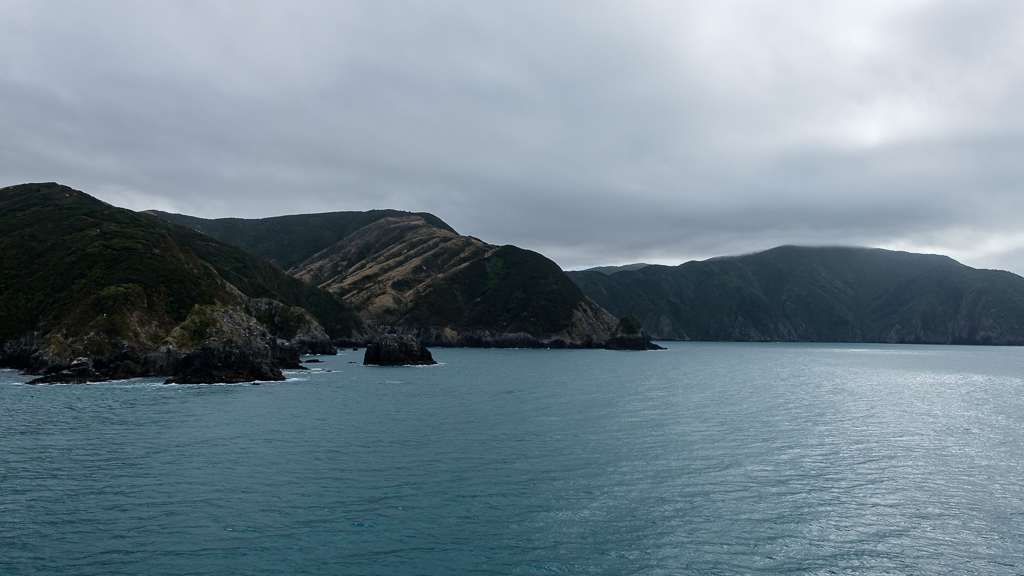
As we approach the top of the South Island it is almost impossible to see the narrow entrance to the sounds from the strait and it sort of pops into view at the last minute.

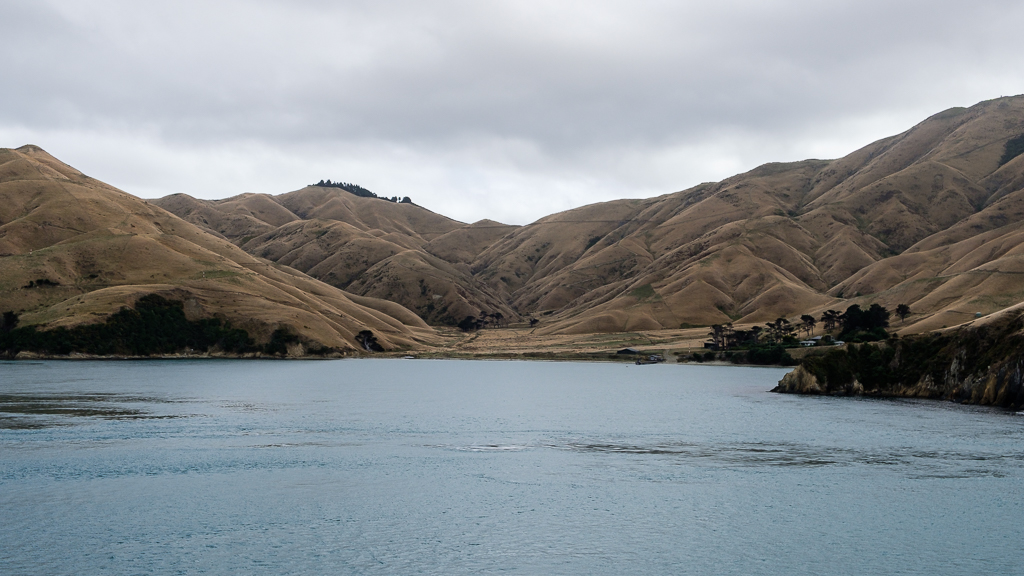
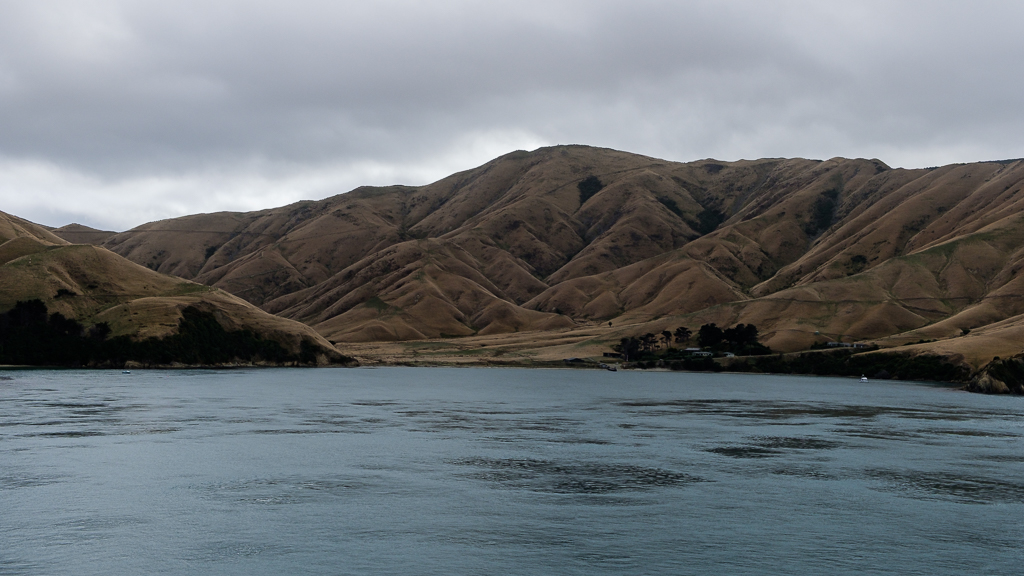
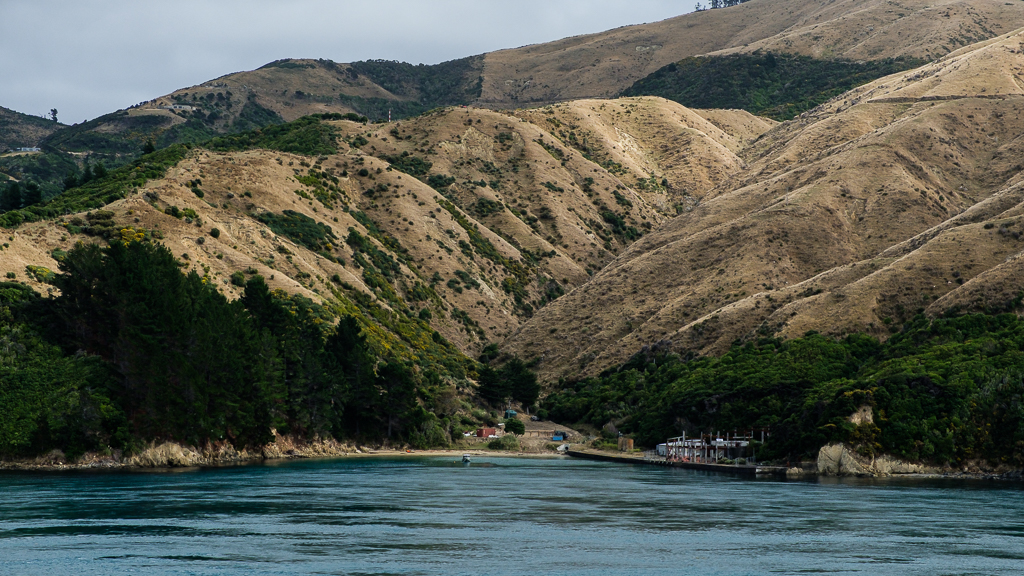
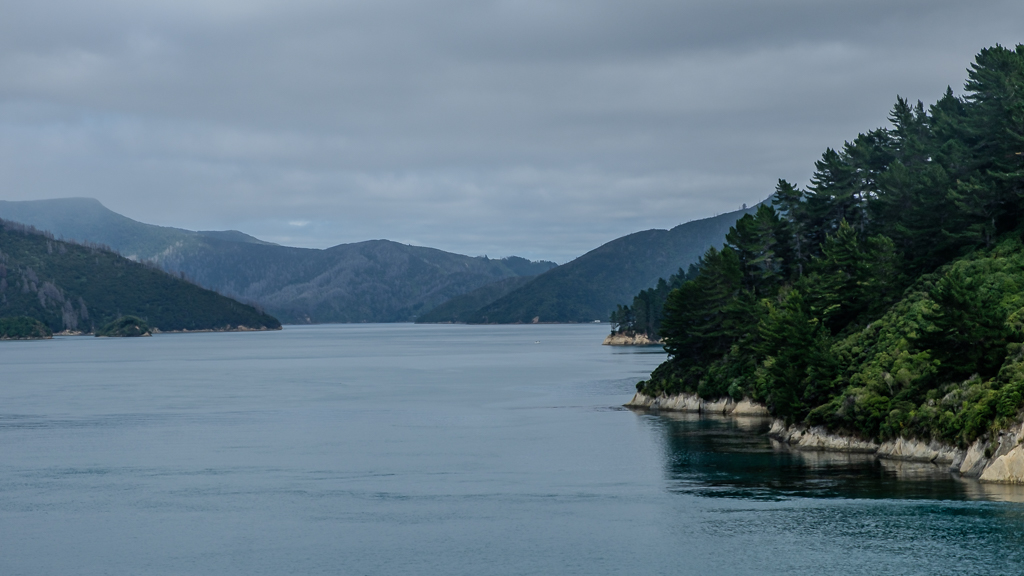
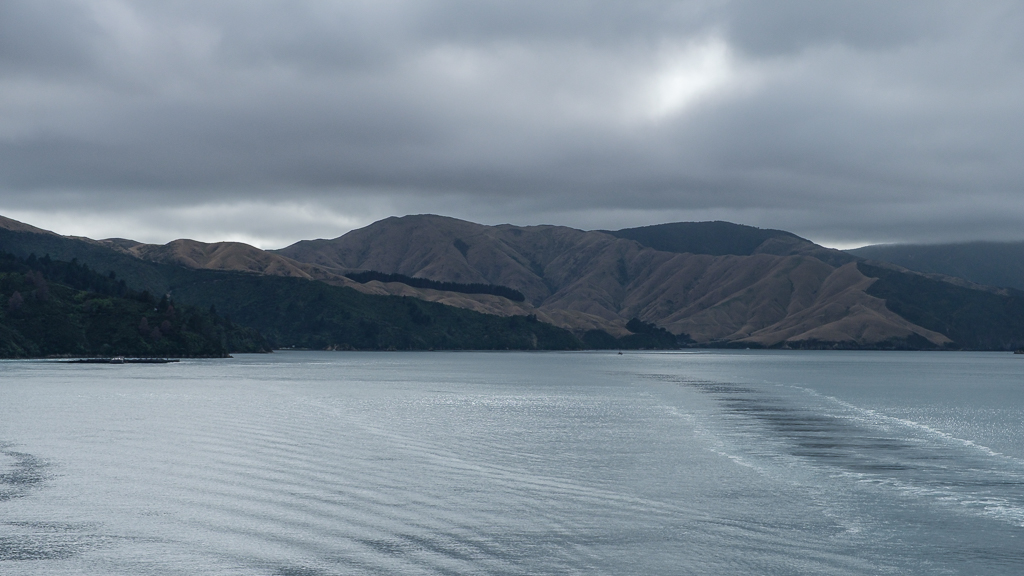
The highlight was undoubtedly the final hour navigating through the stunning Marlborough Sounds. The water turned a deep turquoise as we weaved between the hills that plunged dramatically into the sea. Small isolated homes appeared occasionally along the shoreline, accessible only by boat.

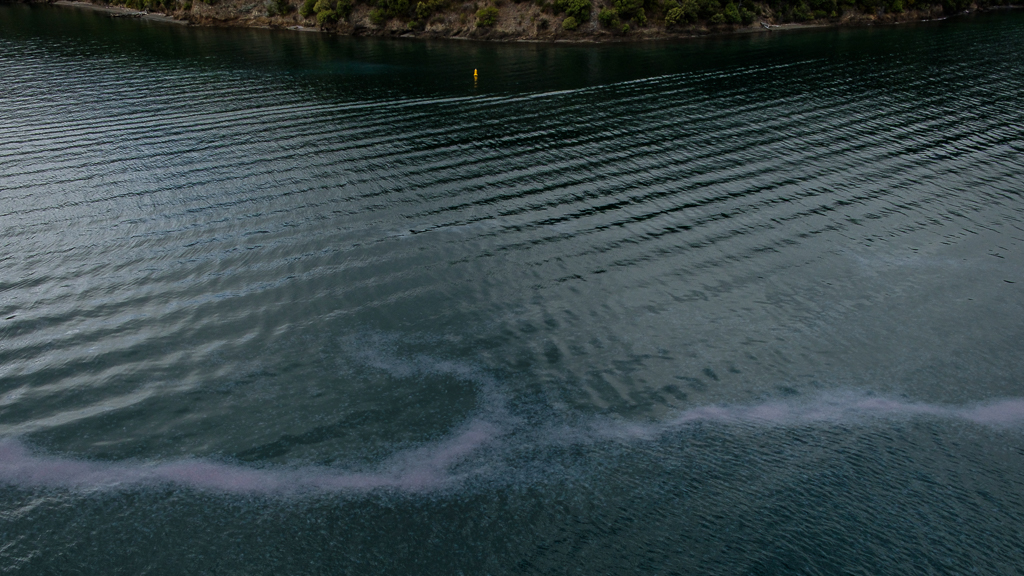
As we approached Picton we carved through a monstrous pod (swarm? herd?) of jellyfish.

I’d tried to arrange a shuttle ride from the port in Picton the thirty or so kilometres to Blenheim, where I’d booked us into a motel for the night. I thought the booking had failed, but the driver was waiting for us with a sign with my name on it as we got off the ferry and collected our bags. It was an expensive ride.

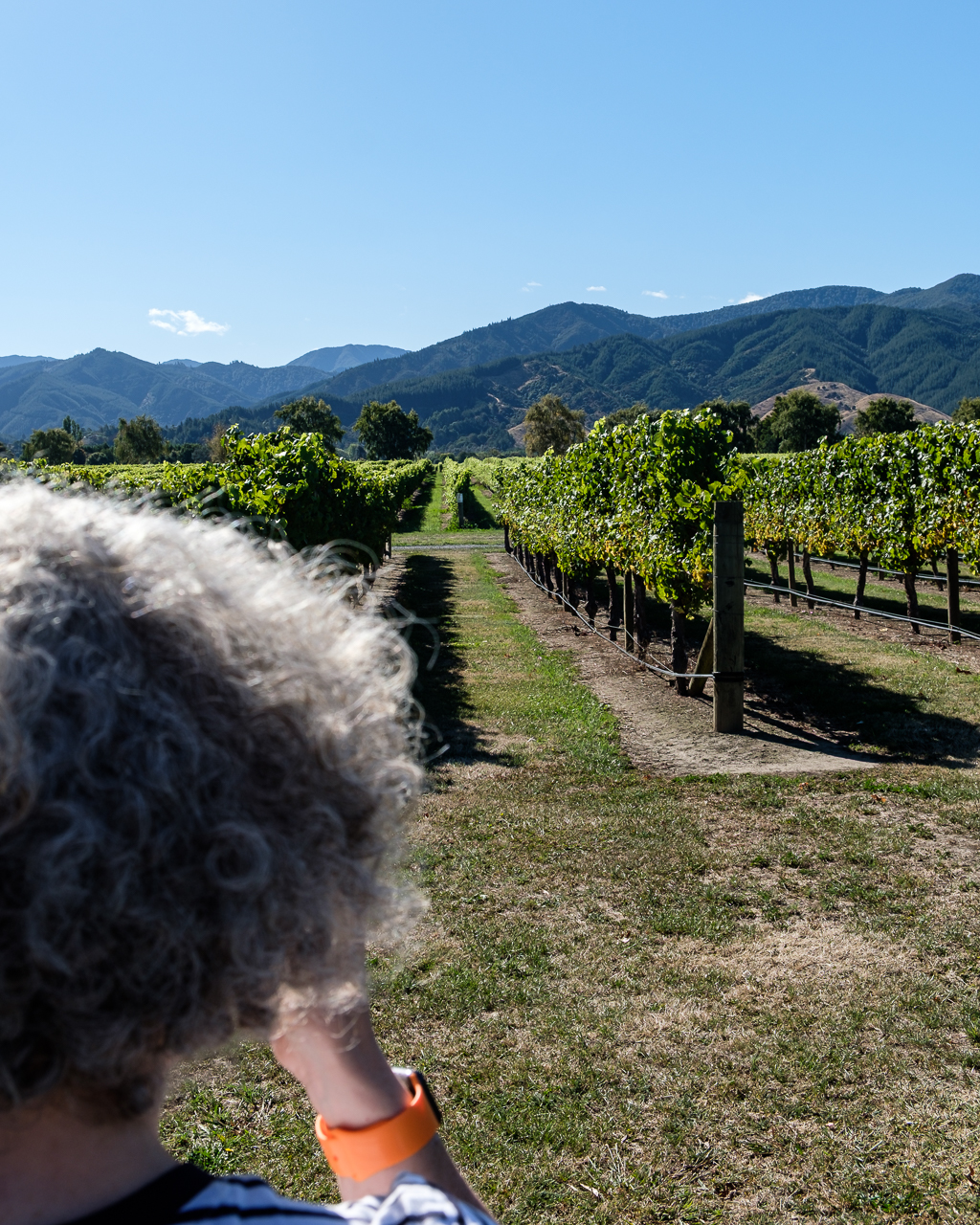
We had a fairly simple motel, it was comfortable, quiet and perfectly fine. We weren’t planning on spending a lot of time in the rooms. The shuttle driver had recommended the St Clair Vineyard for lunch so we took a taxi there and were lucky to get a table – only because we’d booked ahead just before leaving the motel. It was very busy.

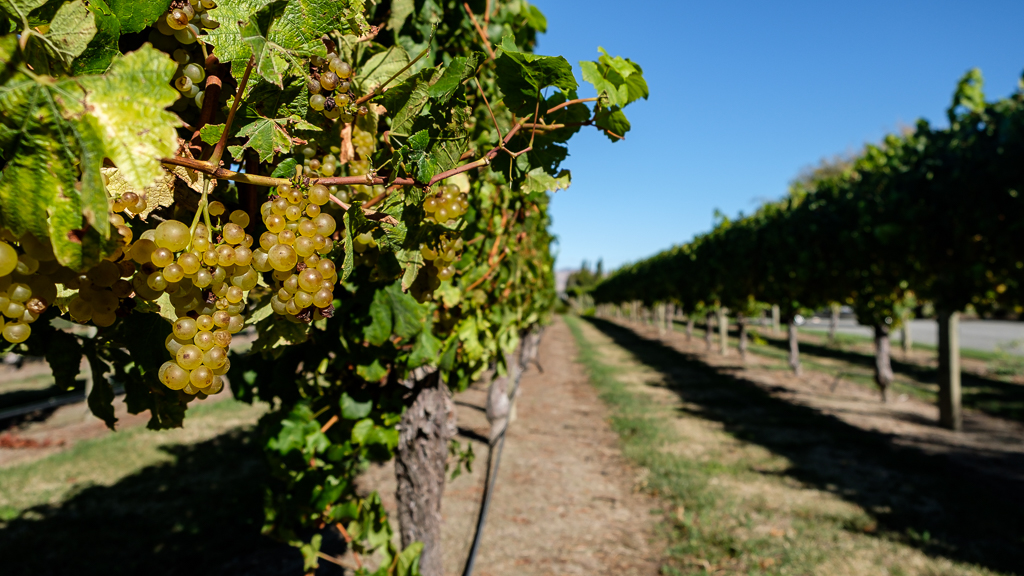
Marlborough is wine country and there are a significant number of vineyards in the surrounding area. Some brands, like Cloudy Bay, are very well known in the UK. I think it would be fair to say that sauvignon blanc is the primary grape variety grown here. Marlborough sauv blanc is available in most places in the world that sell wine.

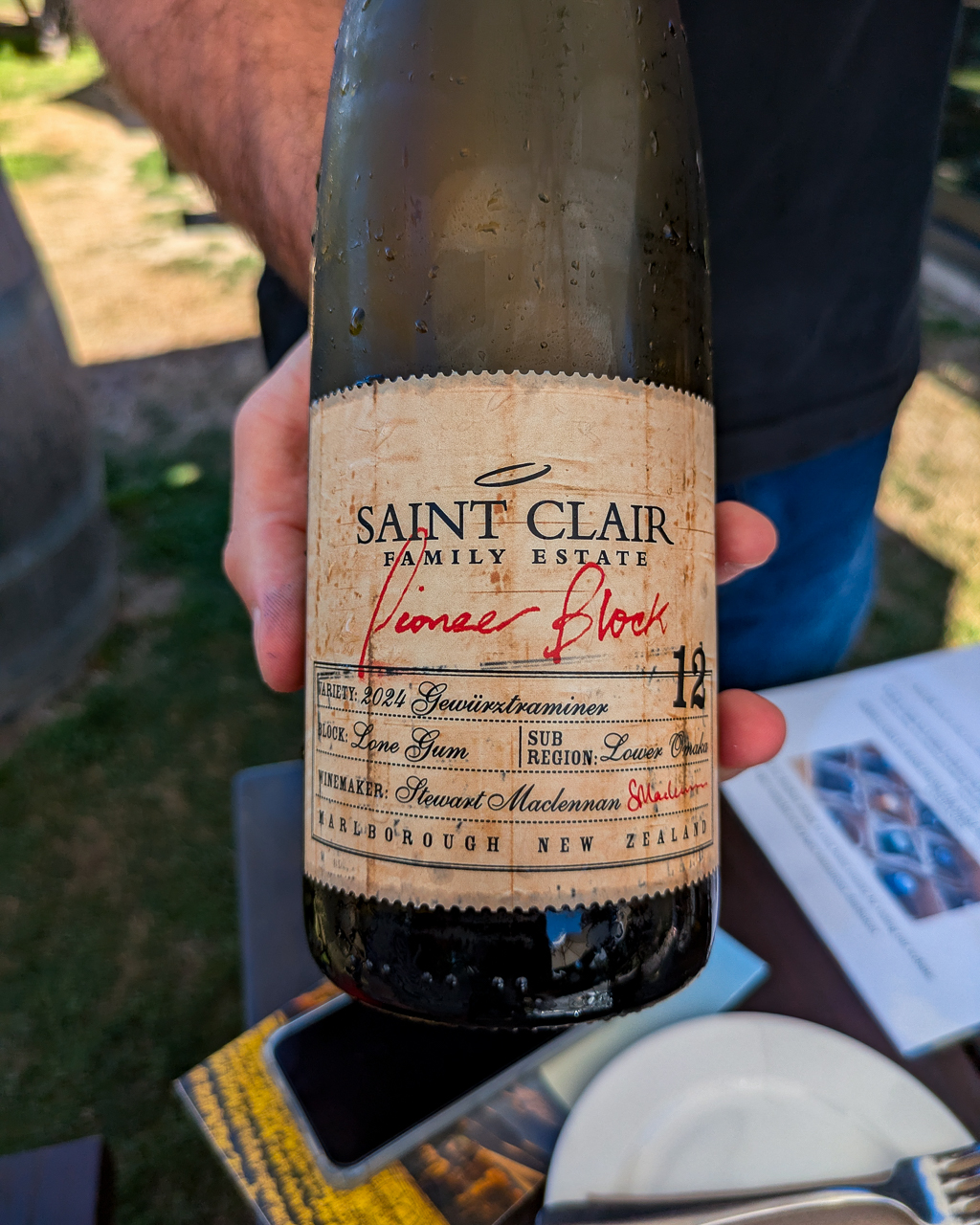
St Clair wasn’t a wine producer I’d heard of before so I was keen to sample some of their product. We’re not huge fans of sauvignon blanc, much preferring the pinot gris variety of white wine. We also like a gewürztraminer, which is less well known in New Zealand, though St Clair had a very nice one.

Fortunately the vineyard only allows bookings for a couple of hours so we were turfed out nice and early. I could have sat there in the sun drinking cold wine and eating cheese for hours; though would have been broke and a bit ‘under the weather’ if that had happened.

Our South Island adventure was off to a cracking good start.

The ‘art deco capital of the world’

Napier, New Zealand – Wednesday, 19 March 2025

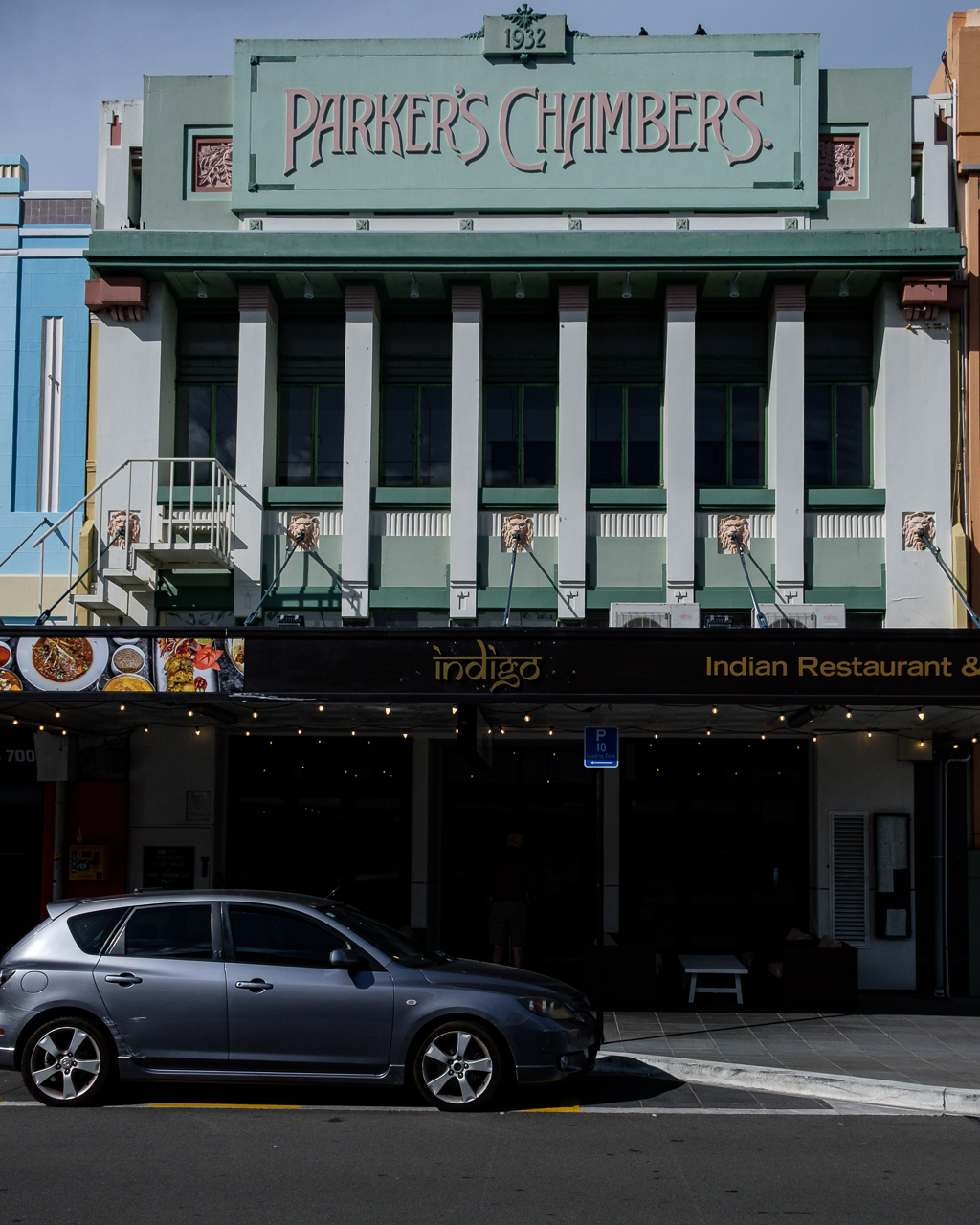
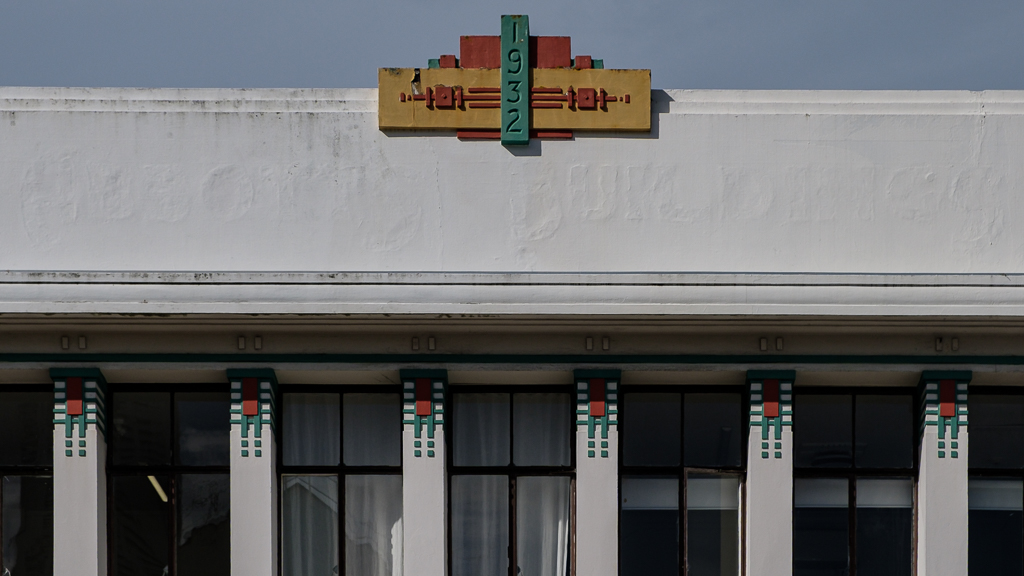
When planning our New Zealand travels, Napier was high on the list – especially after missing it on our previous trip due to Covid restrictions. What makes this city particularly fascinating for me is its remarkable architectural story, born from a terrible (and probably terrifying) event.

On 3 February 1931, Napier experienced a catastrophic 7.8 magnitude earthquake that lasted just 2.5 minutes but completely transformed the city. The earthquake tragically killed 256 people and almost totally destroyed the city centre, as well as causing severe damage to residential areas and the surrounding countryside. 

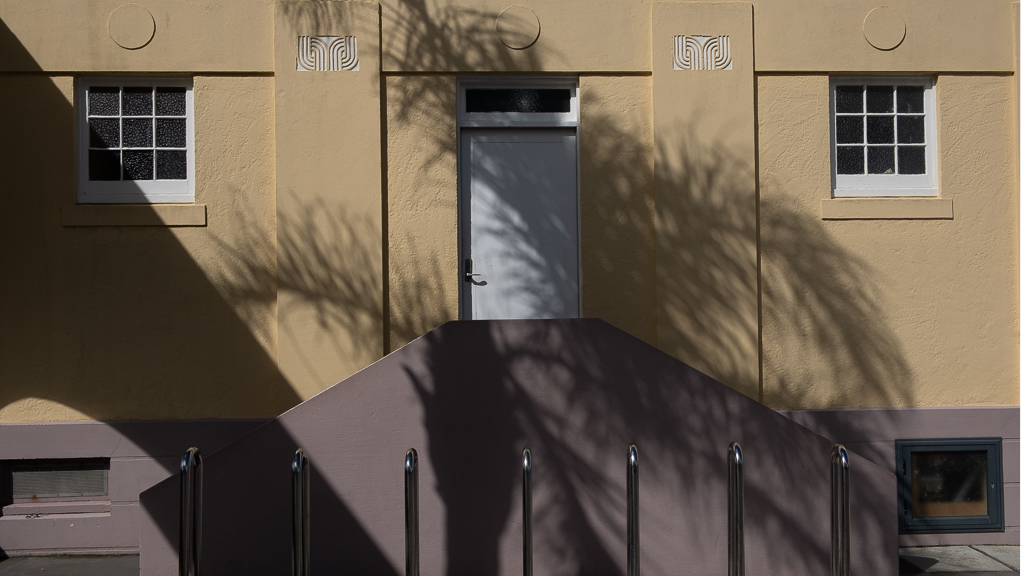
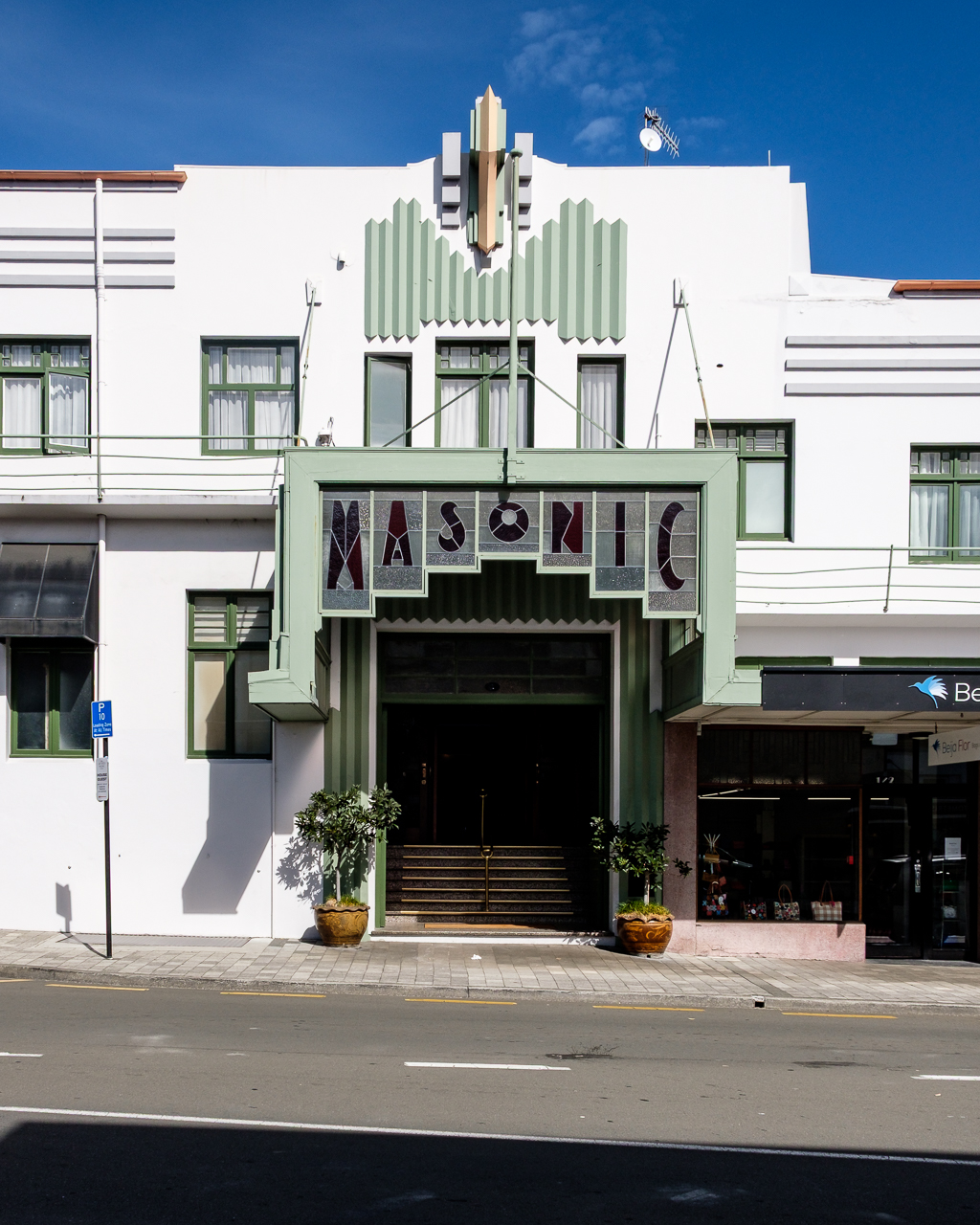
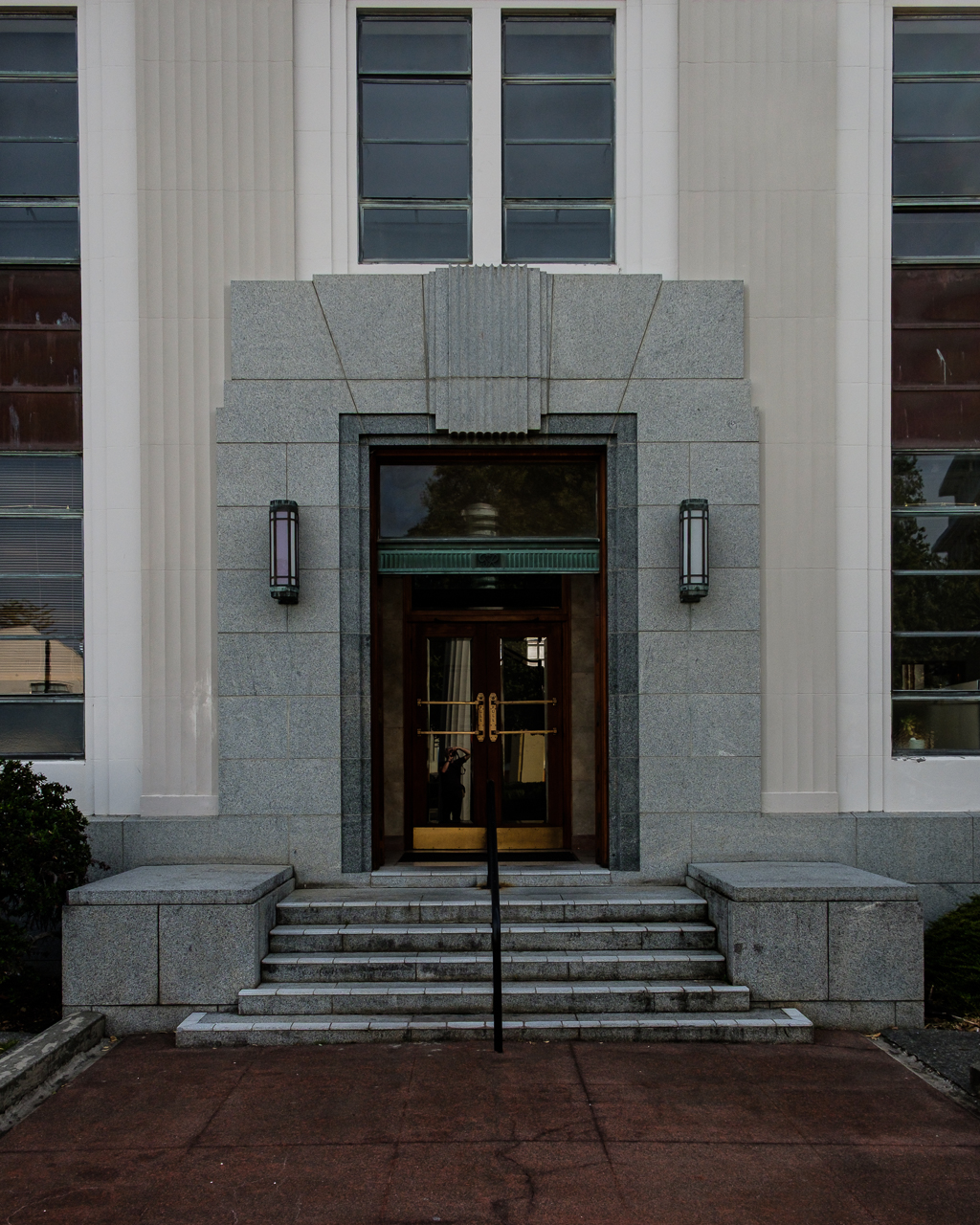
By 1933, Napier had completely reinvented itself as an art deco city. Embracing current design trends, with a local flavour, the city was rebuilt from the ground up. Remarkably, much of that 1930s rebuild remains behind and walking through the city centre today feels like stepping into a perfectly preserved 1930s film set.

With over 140 well preserved art deco buildings, the city now markets itself as the “Art Deco Capital of the World.” I would love to visit when they properly celebrate this and ban all those pesky modern cars that park in front of all the interesting bits.

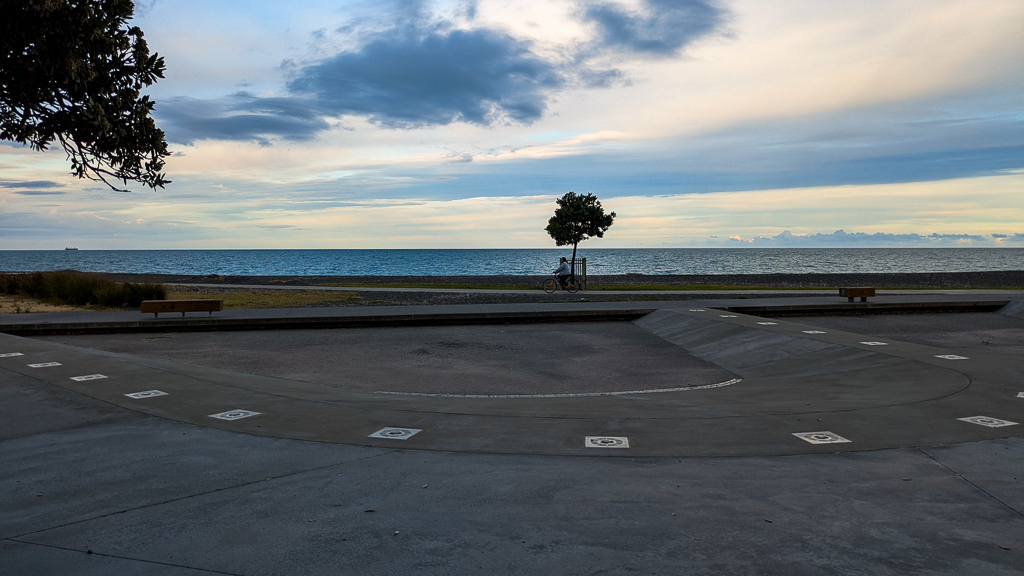
We arrived in Napier after a 5 hour drive from Rotorua, and with only an afternoon in town we were out looking at buildings soon after dropping our bags in the motel, which was directly over the road from the beach. It’s always relaxing being near the sea.

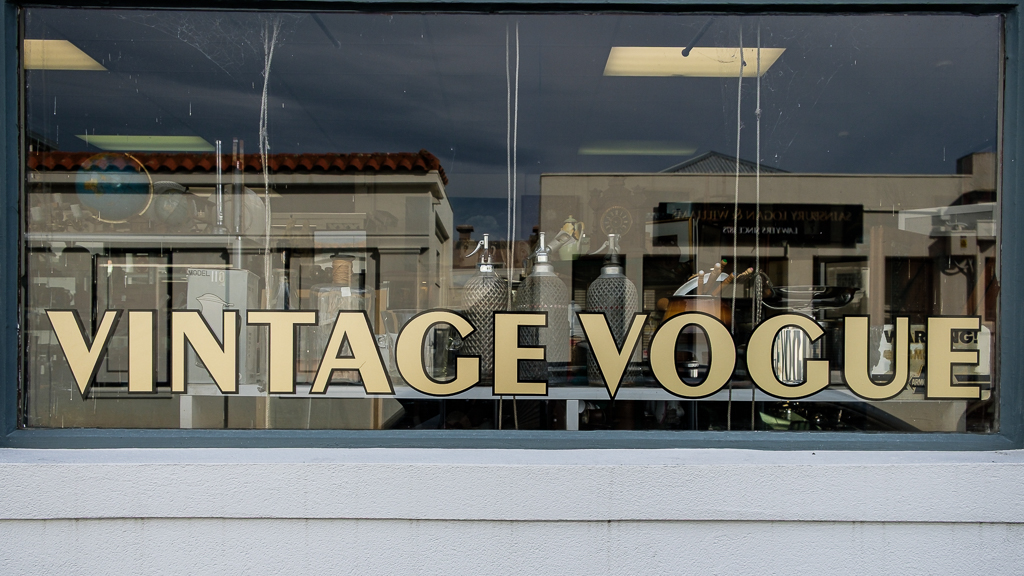
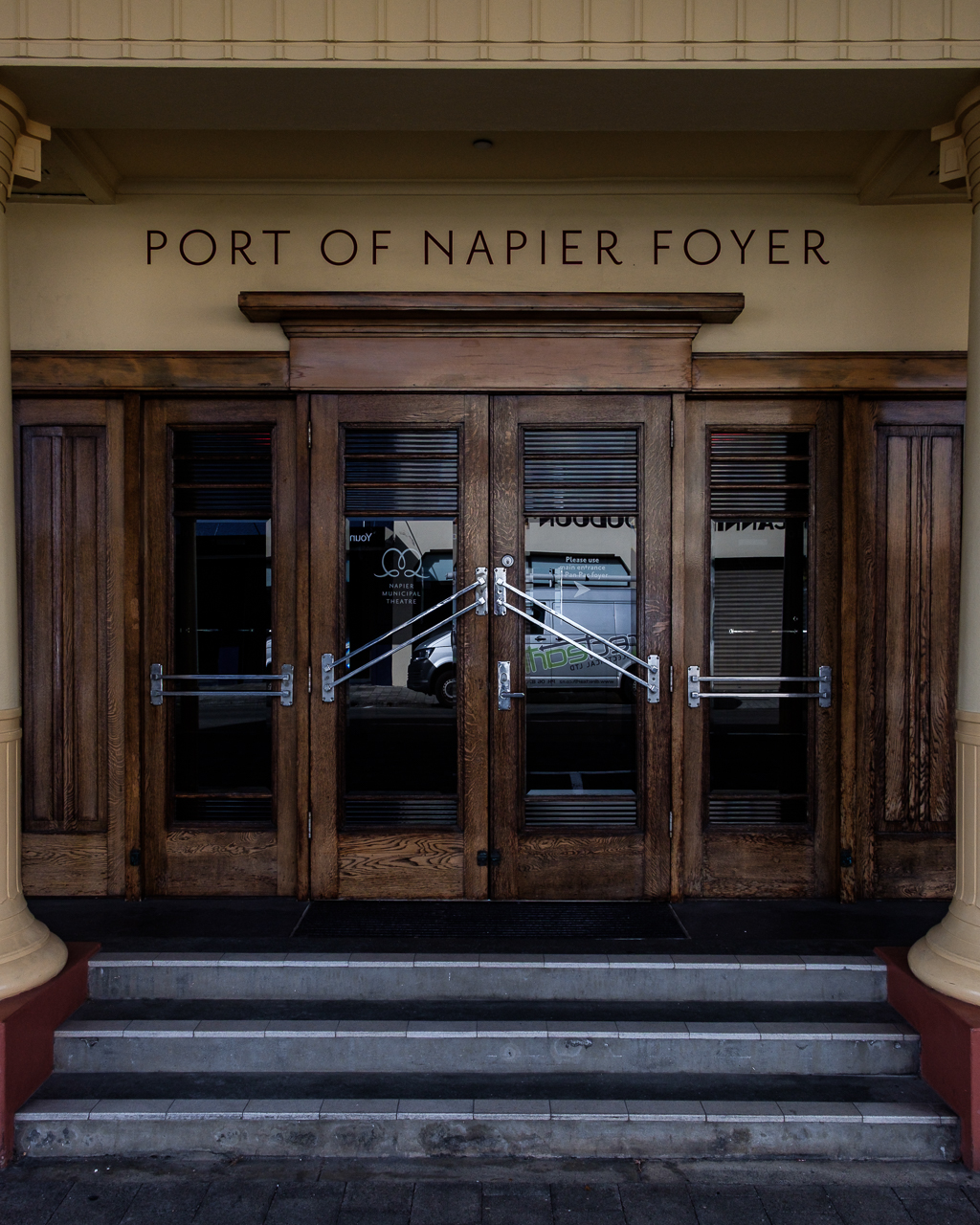
We loved Napier, and I wish we’d had more time to just walk around the city centre and admire the beautifully maintained buildings under a nice blue sky. There is a (mostly) friendly vibe here.

I took a lot of photos as we walked.

It’s a small city centre and with little time we focused on the central streets. There are a couple of locations away from the business and commercial centre, though we didn’t really have time to visit them. I would have liked to have seen some of the residential properties. I’ve saved those for next time.

Late afternoon we stopped for a drink and a sit down at Community Burgers, a really nice little bar that I would’ve been very content spending more time in if I hadn’t had a burger for dinner last night. A rare bar playing decent music.

Walking back to the motel for a break before convening again for dinner, we had the only unpleasant moment of the entire trip. We got engaged in a random conversation with an oldish man, who stopped us on the street. He was clearly drunk or on something, and it started off being just a bit weird but moved on to him making an extremely racist comment, at which point we left the conversation. This resulted in him telling us to ‘F off’ and us returning the compliment, before heading off in different directions.

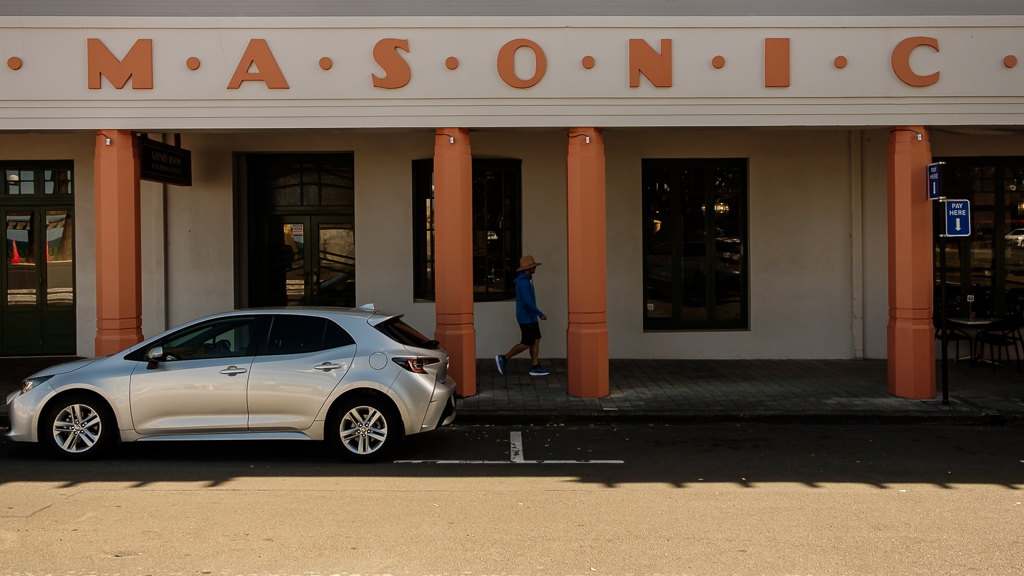
Luckily, we only let it ruin our day for a few minutes, and after a planned rest, we walked to the beautiful Masonic Hotel for a very nice dinner and a settling glass of wine, or three.

A walk in the park

Wanstead – Saturday 08 February 2025

Every great adventure starts with a train journey. Though, it’s fair to say today’s adventure wasn’t great, and neither was it that adventurous, but it did start with a train journey. All 15 minutes of it.

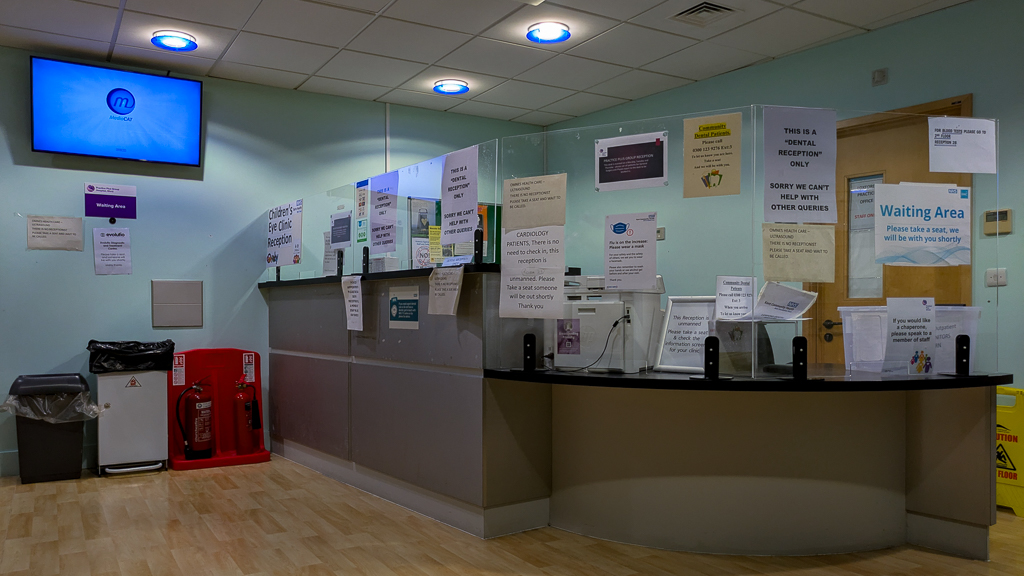
For the past few months, I’ve had some discomfort/mild pain in my groin. I thought it might be a hernia so my doctor referred me for a scan at the Loxford Polyclinic in Barking, 15 minutes along the Suffragette Line from home followed by a 10 minute walk from the station. There are an awful lot of signs advising that the reception area I was sent to (1b) didn’t have a receptionist; this didn’t stop every person who arrived after me asking if there was a receptionist on today. I did get seen quite quickly.

I wanted to make this visit a little more enjoyable and “adventurous” so mapped out a walk home via the large heath/common area that I just lump into the generic name of Wanstead Flats, though there are official names for all the chunks of open land that is carved up by busy edge of London roads. One of those bit is Wanstead Flats, I just have no idea where is starts or ends.

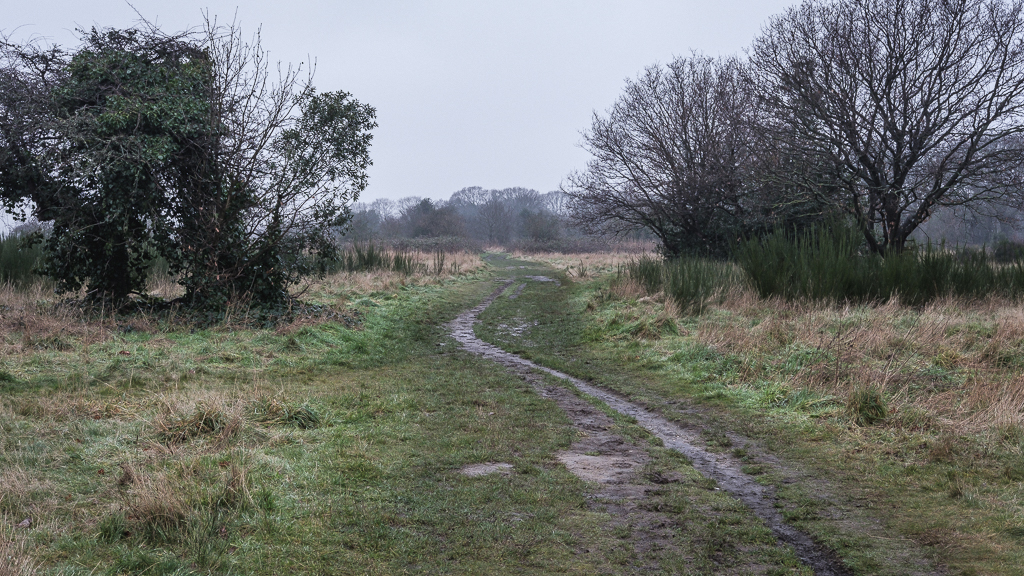
I was expecting a grey old day but I wasn’t expecting to walk for 90 minutes with cold drizzly rain as my constant companion. However, the rain and very low cloud kept the people away and muted the noise of the traffic to a dull hum. It also blanketed any buildings on the flats’ edges making the walk feel endless and isolating and I really enjoyed the solitude. I walked without headphones and just ‘was’. It was nice. Cold, wet, but nice. My working week just seems so full of noise and I’m starting to appreciate quiet when I can get it, and this means listening to less music than normal. I’m finding this change quite liberating. Music has been with me for decades, and is critical to my wellbeing and I’m not giving it up, just slowly releasing it as a crutch, and allowing myself time in my own head has it’s own rewards. 

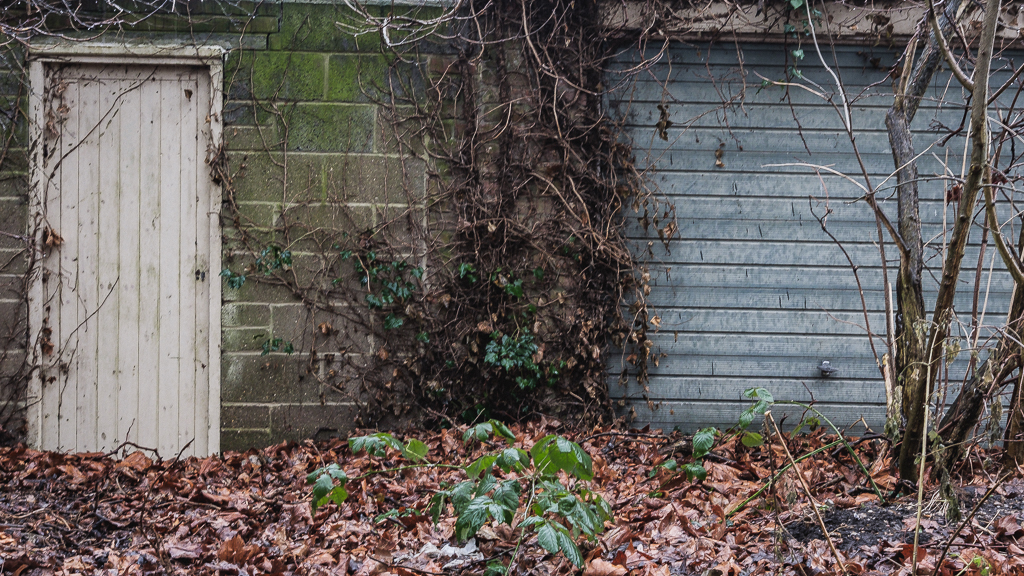
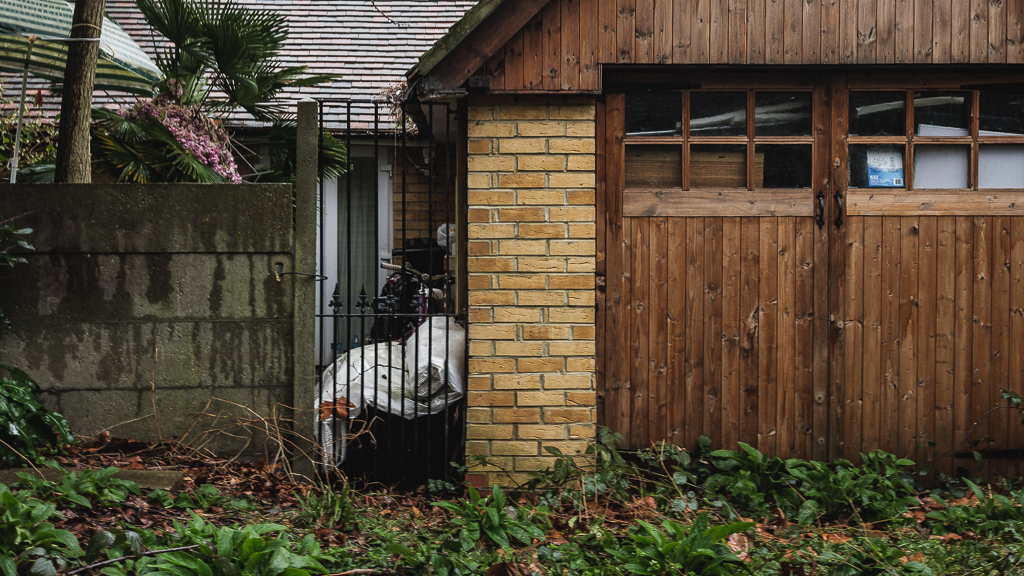
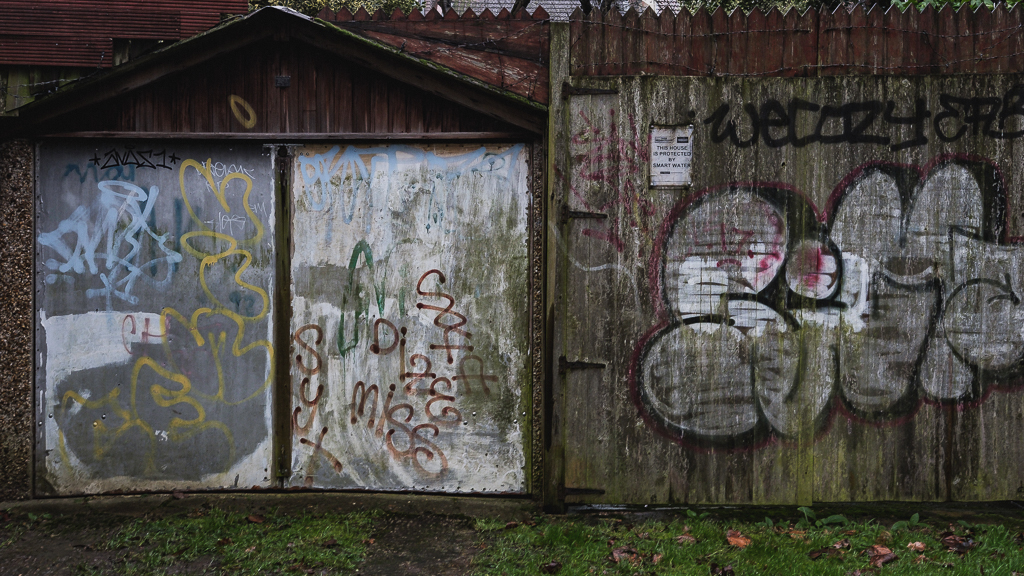
Other than getting some miles into my legs before we go to New Zealand in four weeks (less three days; and I’m very excited), I’ve been wanting to photograph some garage doors that back onto a dirt path on the edge of the health for quite some time. I know that ‘garage doors on the edge of a heath’ is quite a ‘Phil’ thing to want to photograph, but I’m interested in these luminal spaces where human-made things butt up against natural things. Admittedly, the heath is hardly natural, particularly at this particular point as it’s just football fields, but you (hopefully) get what I mean.

On Thursday I bought myself a new 27mm lens for the Fujifilm xt2 camera I use and wanted to test it out before we go on holiday. It’s a very small lens and makes the camera a little less obvious, something I wanted for when I go to Delhi where I hope to try some street style photography.

Many of these garage doors are blocked by scrub, some are graffitied and some are pristine and obviously used. It’s also kinda weird that these garages back onto parkland that is part of Epping Forest, I’ve no idea how that happened.

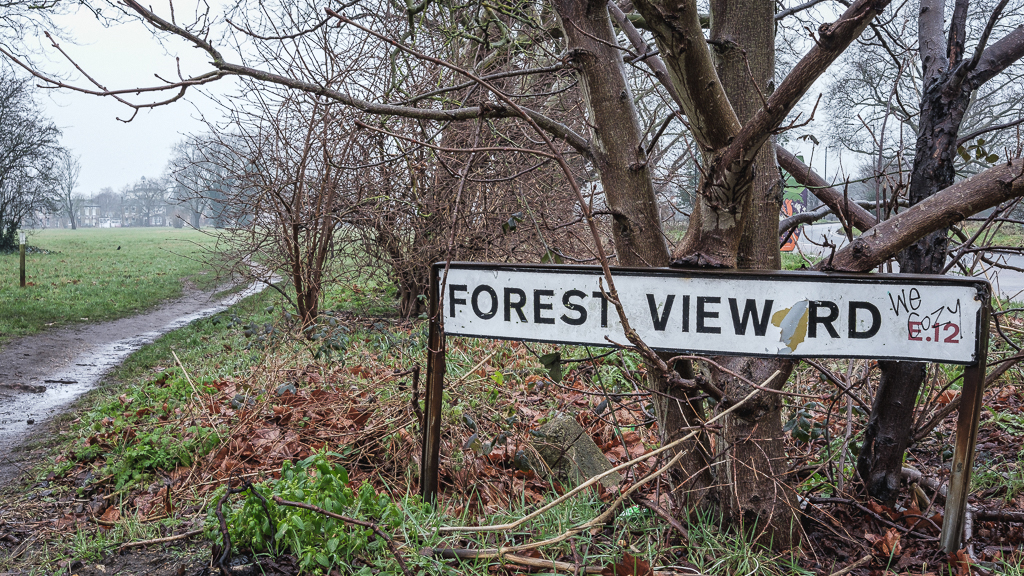
I started the nicer second half of the walk just inside the A406, the dreaded North Circular road that slices through a large portion of northern London and is just a constant traffic jam. I’d just walked from Barking to Ilford so it was a relief to not be walking on the pavement of a busy road. I entered the ‘flats’ at the end of Forest View Rd, and it must be the most southern point of Epping Forest. There is not much forest at this point.

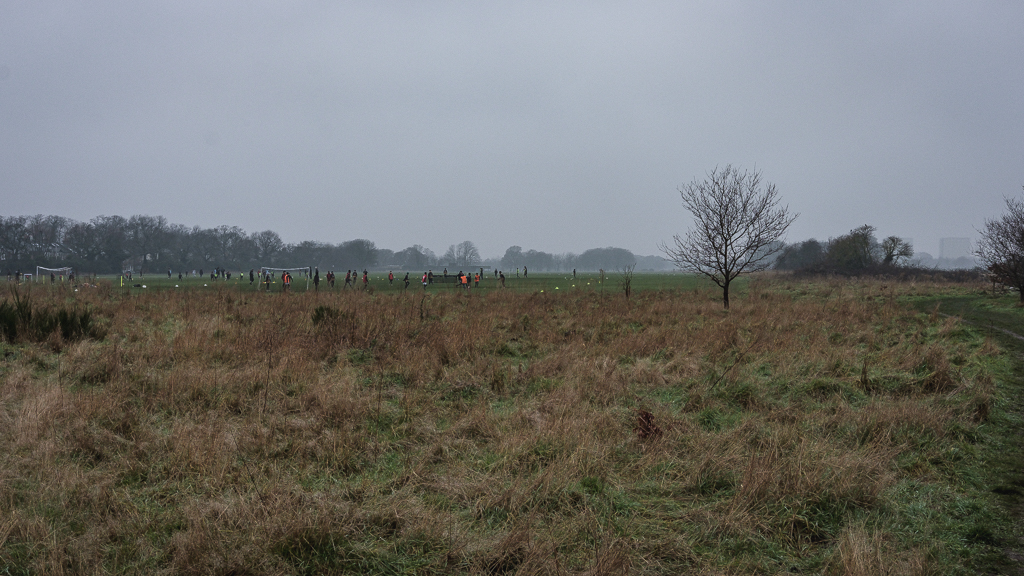
I walked past Alexandra Lake before cutting around a couple of football pitches with kids’ matches going on before I headed north west towards the ‘garages’.

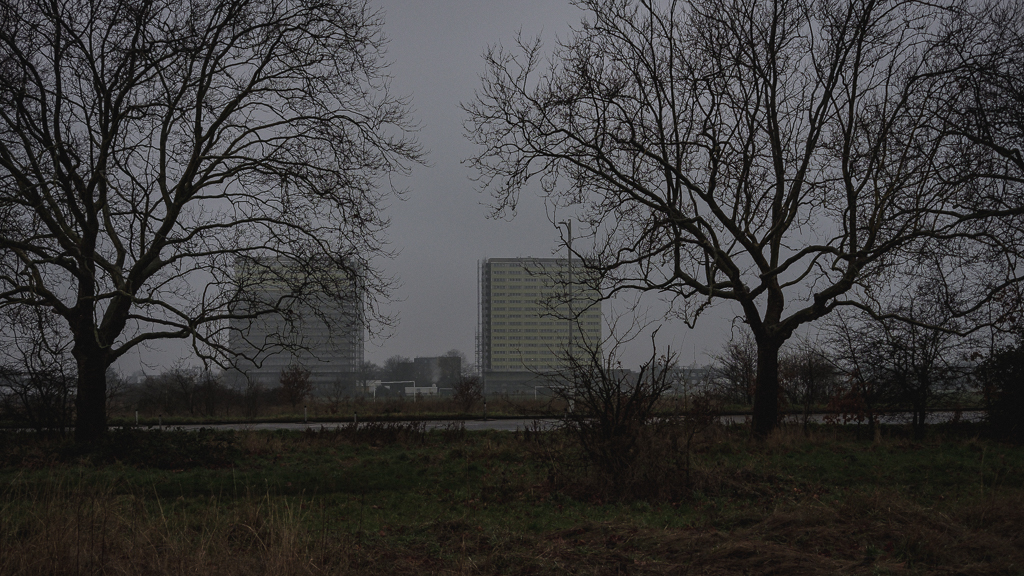
I kept local landmarks Fred Wigg and John Walsh Towers as an earthly North Star as I walked. I’m trying to plan walks before I leave home so I rely less on the maps app on my phone. I feel like my memory is waning rapidly as I just rely on technology too much another thing I want to practise before I go away; though I suspect mobile phone theft is less endemic in Delhi than it is in London.

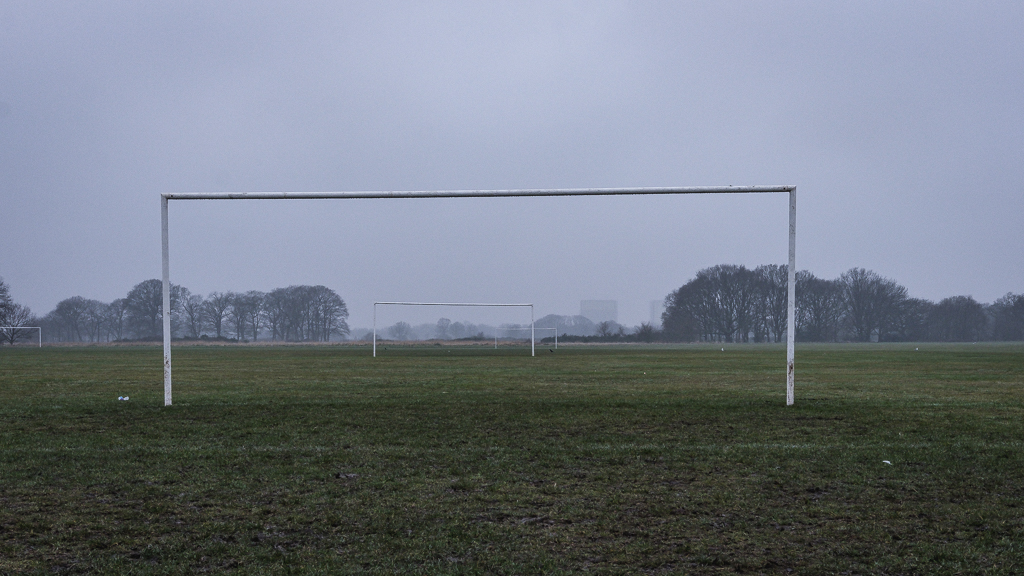
The heath is a mix of football pitches; mostly unused today, and small patches of bramble and scrub, with the occasional clump of trees tossed in for good measure. It’s criss-crossed by roads though both the heath and roads were quiet today.

It took about 40 minutes of weaving and wandering to get to the ‘garages’, and to be honest I was a little surprised I found them, my vague plan had worked!  I’ve only ever walked to them from the other end and then taken a sort of random path back towards home. I’d never approached from this angle before so it was a confidence boost to know that my brain hasn’t fully atrophied with constant mobile phone use.

The new lens was perfect for these conditions; a narrowish tree and scrub lined path between fields and houses, the low, dull sky and drizzle needed a crisp and ‘fast’ lens and I’m happy with the results. The weather suited the subject material as well. This is a not-quite grotty bit of east London edgeland, it shouldn’t be photographed under a warm blue sky. Today’s conditions were perfect.

Fred and John stayed as my marker beacons as I cut across the deserted football pitches back towards a warm and dry home. It’s hard to believe it’s only 1pm.

When I woke up this morning I’d intended on making a full day of today, Eleanor is out with friends and I’d wanted to get a really long walk in, but after two hours out I was cold and my trousers and boots were wet from the long grass so I went home, put music on, edited photos and wrote this instead. No regrets, I’d had a good day, and not just because I bought chips from Leytonstone’s best chippie on the way home

Five photography exhibitions

London – Friday 17 January 2025

With the trip to New Zealand and India now only a few weeks away, I’m doing a bit of practice, but what for I’m less certain of. My world has become quite cocooned since Covid and the eight days I will spend in India will be the longest I’ve been away by myself since a solo trip to New Zealand in 2018.

Eleanor will hate me saying it aloud, but I have become quite dependent on her for company and emotional support over the past few years. She has been encouraging me to get out more, do things and meet people and I have bursts of enthusiasm on occasion, but there is a way to go yet. I’m capable of entertaining myself, but eight days away is a long time, so I want to practice independence at least.

Eleanor is away in Bristol visiting one of her sons for the weekend and I have time at home so I plan on getting to some photo exhibitions today and then finding a pub to sit in to read my book over a pint and some food. Practise eating with only a book for company. Not wanting to be seen eating alone is definitely a ‘thing’, and it is a ‘thing’ I’m uncomfortable about. I don’t like being noticed, and of course the stupid thing is other diners/drinkers don’t really care, if they notice at all. It took a while, but I got comfortable with solo life when I travelled all those years ago so I should be able to do it for eight days, and practise makes perfect, apparently.

I also need to get some leg miles as there is a lot I want to see in Delhi and Chandigarh. I nailed the leg miles today with over 15km of walking done, the most for quite a few weeks, though I was getting a bit leggy by the end. I aim to get another 10-12kms done tomorrow and a few more on Sunday if I can. The final thing I wanted to practice today was just walking slowly, without headphones in and just enjoying the moment while it exists, good or bad. I need to stop needlessly rushing everywhere. This final thing will take some work I think.

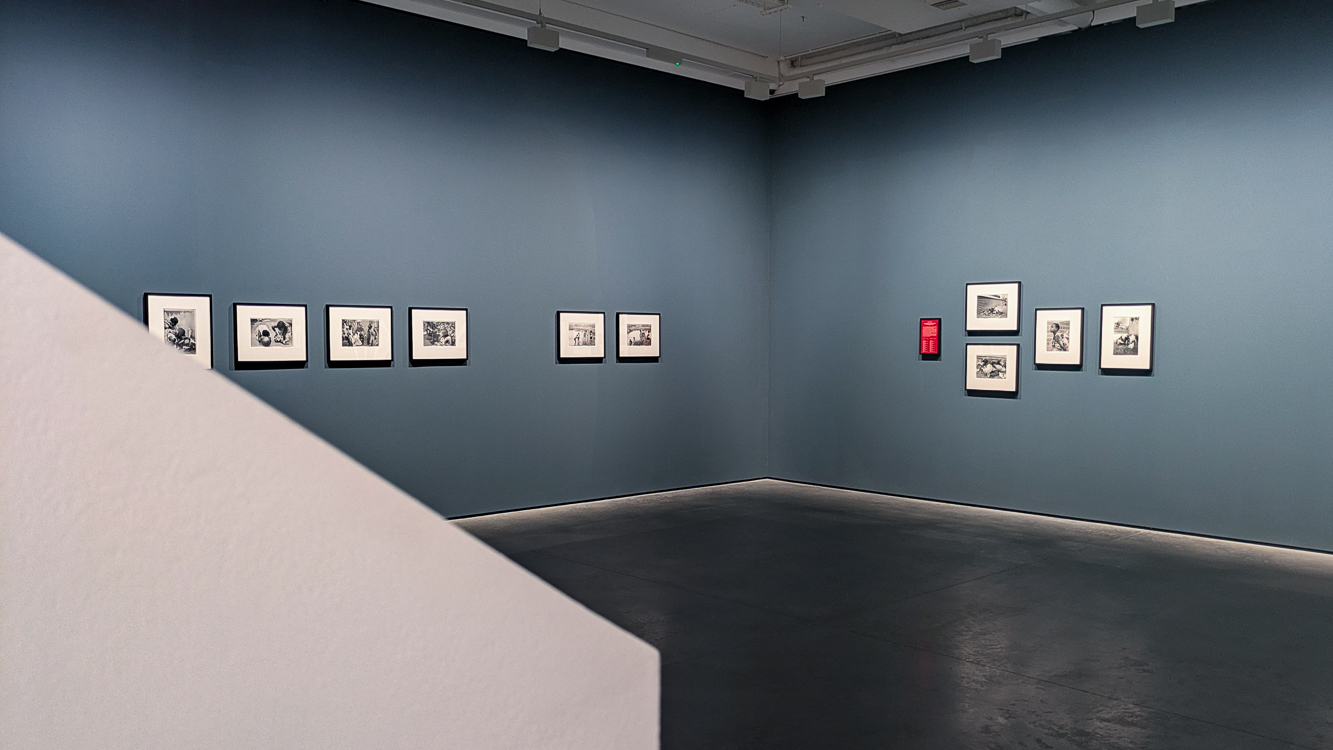
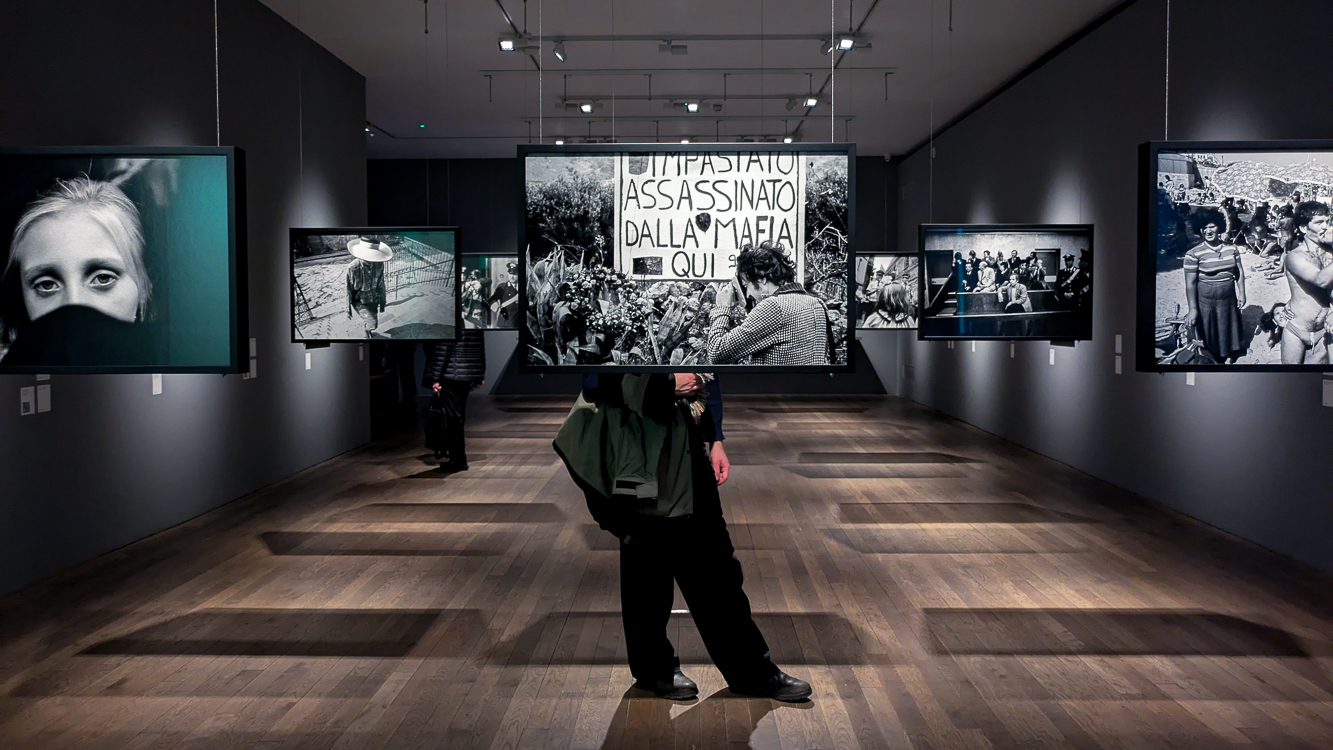
I had a good go at practicing all of those things today. I got to five photography exhibitions across three different London galleries. All of them were different and all of them were brilliant in their individual way. Some of the images were quite sad, a small number were disturbing and an even smaller number were humorous. There was a decent balance of colour and monochrome.

I was inspired to visit all these galleries by a recent Substack post from fellow New Zealander, and Lynfield College alumni, Garth Cartwright, though he was not in my year.

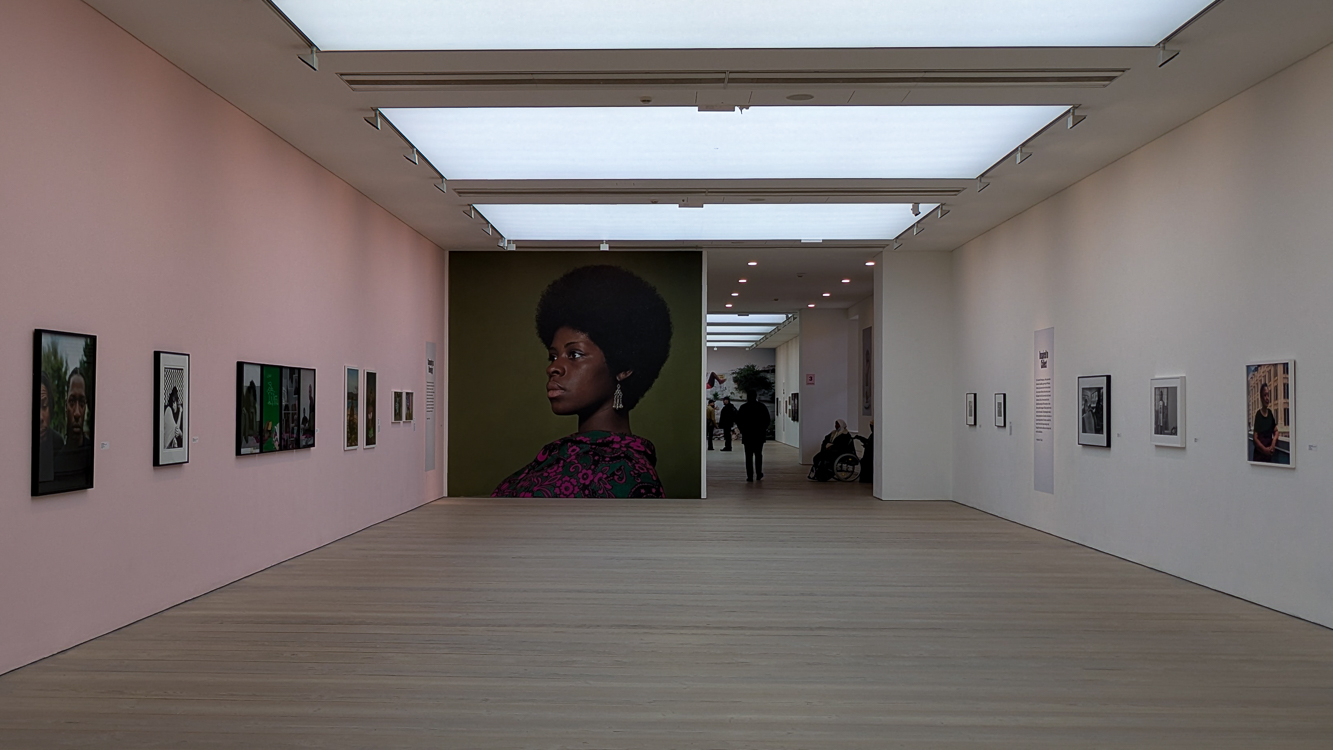
My first stop was the Saatchi Gallery and ‘As We Rise: Photos from the Black Atlantic’. The images come from the Canadian Wedge Collection and showcases work from black artists from Canada, the US, UK, the Caribbean and Africa. The space is gorgeous, large, light and airy and I was surprised to find myself largely alone in the galleries. Friday afternoon is obviously a good time to go for peaceful and solitary contemplation.

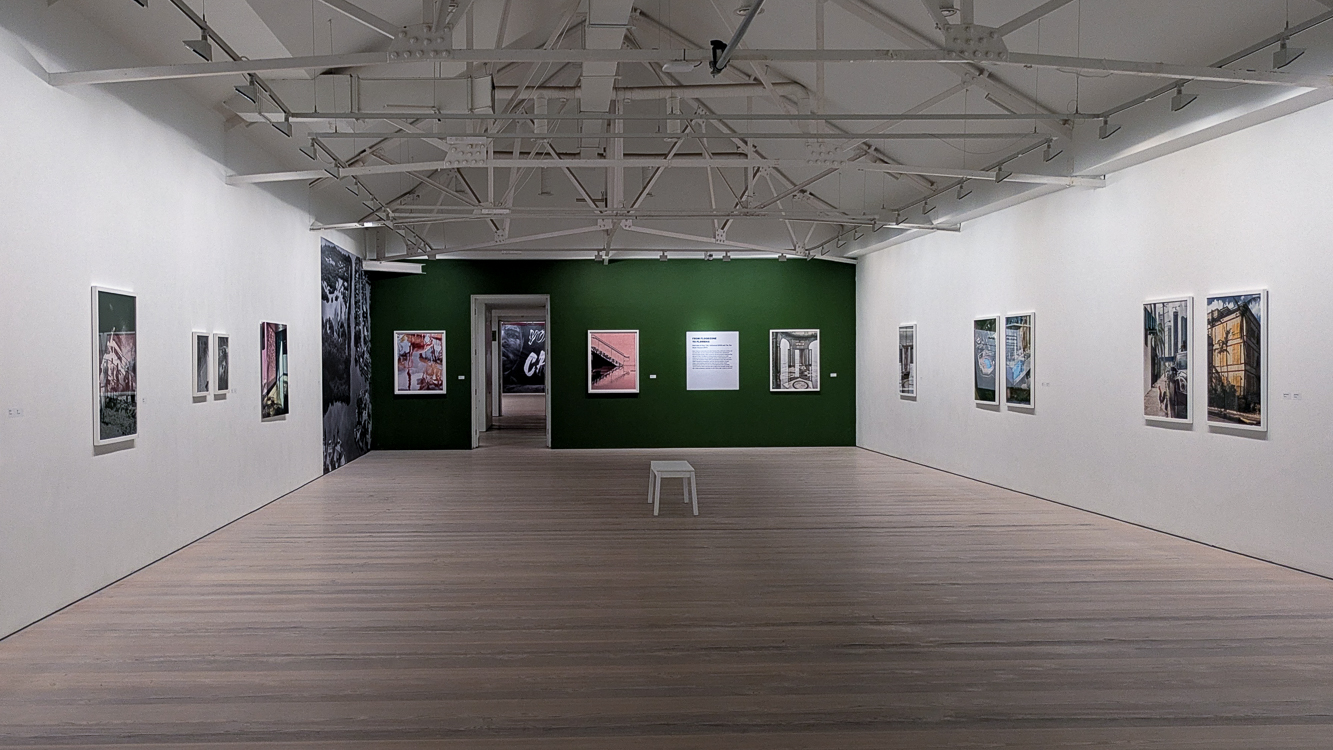
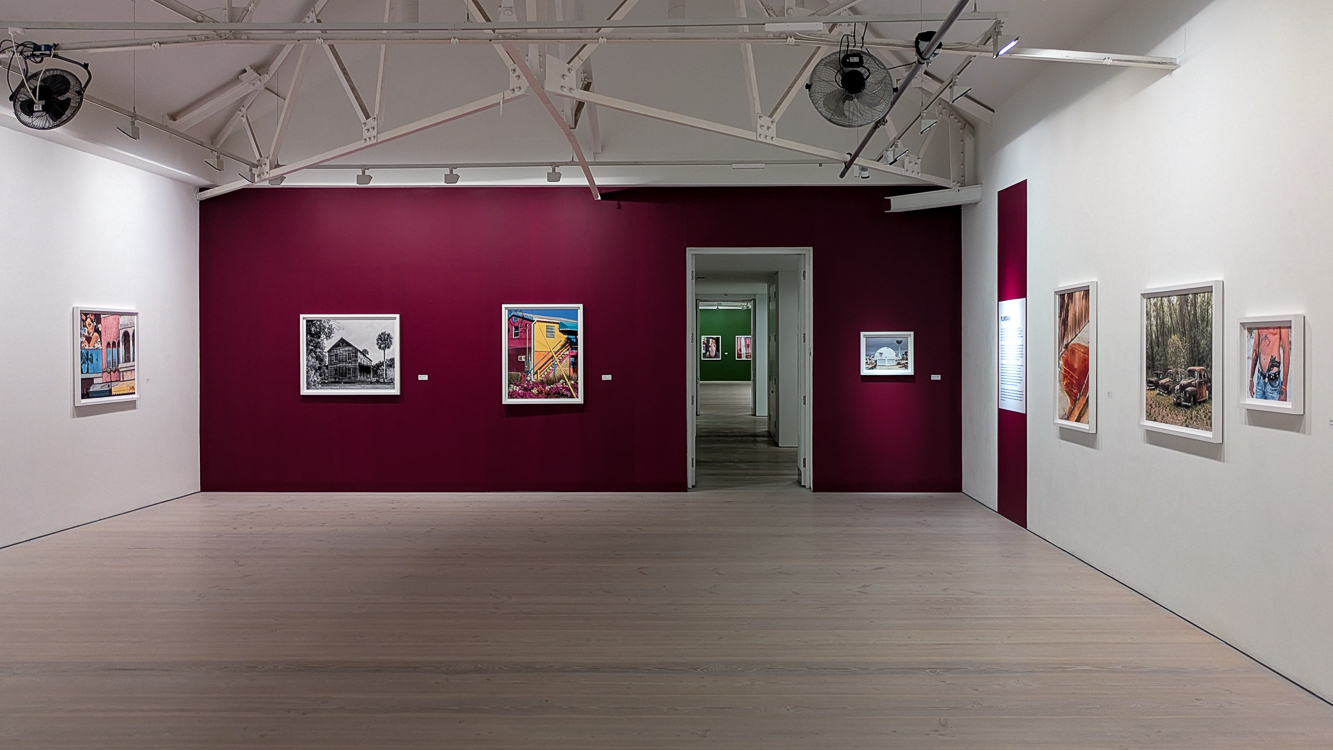
I followed this with another show in the Saatchi, ‘Adaption’ a collection of work from Russian/American photographer Anastasia Samoylova. These were the most ‘fun’ images of the day, with a mix of reportage and some interesting photo collages mostly taken around Florida. As with ‘As we rise’ I was almost the only person viewing in the vast rooms the work was hung in.

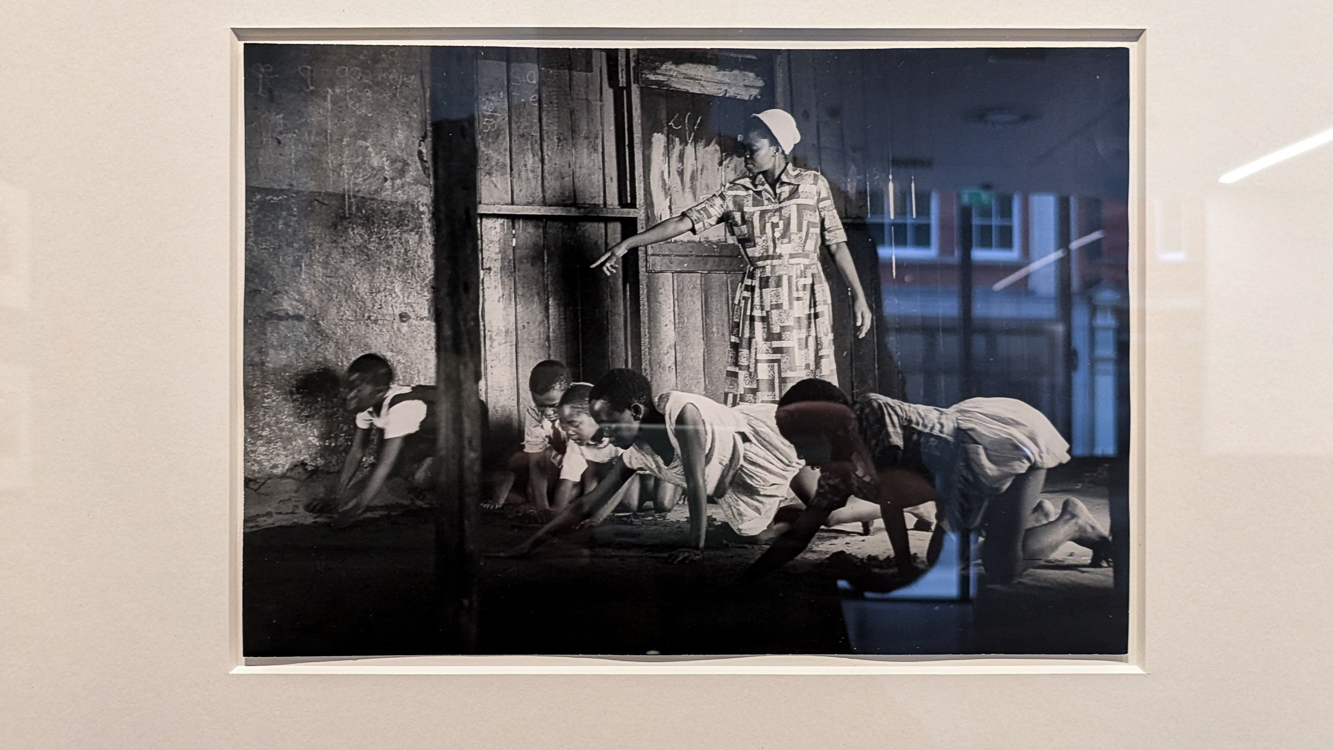
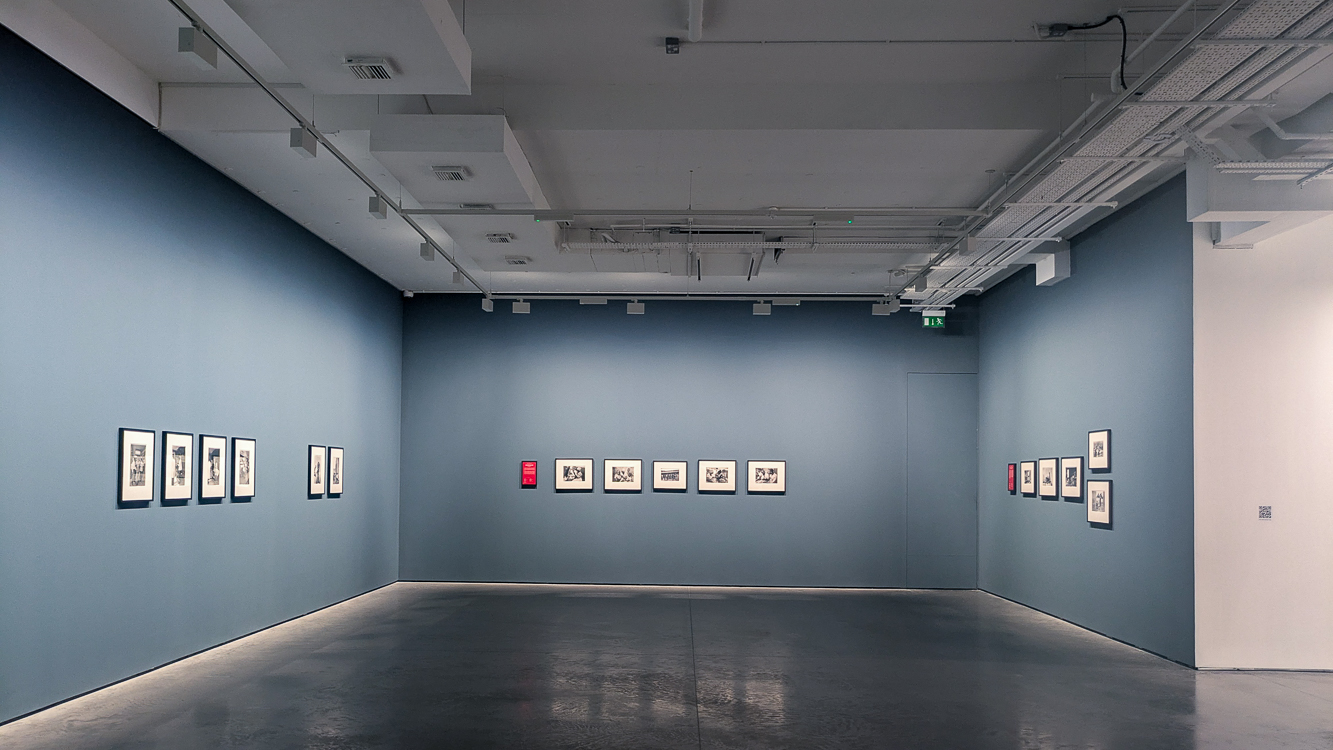
I walked 50 minutes through Belgravia and Mayfair, two very expensive parts of London, neither of which I know well, to Goodman’s Gallery, for a major exhibition of work by Earnest Cole; ‘House of Bondage’. A collection of monochrome photos taken in 1960 of impoverished black communities in South Africa. Most of these images provided the content for a 1967 book of the same name. The images were heartbreakingly beautiful, with my ‘favourite’ being a lesson in a school where girls learn to scrub floors on their hands and knees. The images are beautifully lit and printed and Earnest who grew up in this community obviously had a lot of love for his home, hard as it was.

There is some irony with these images being hung in a very expensive Mayfair gallery, admittedly it is a South African gallery and primarily hosts work from that country. Other than the staff, who mostly ignored me, I was the only person there.

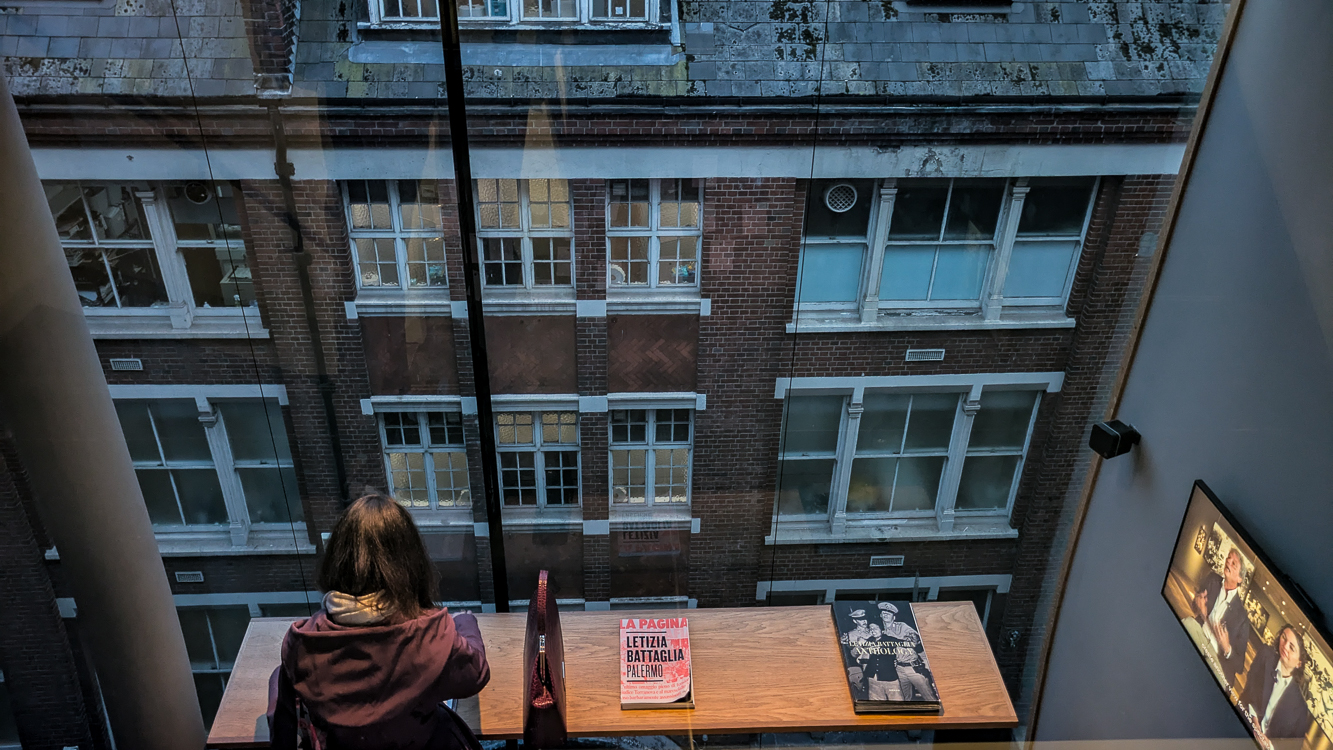
It was a short hop over Regents Street to The Photographers Gallery for the final two exhibitions. The first by Letizia Battaglia; ‘Life, Love and Death in Sicily’, a collection of reportage images showing the impact the Sicilian mafia had in the 70s and 80s across the state. Like House of Bondage, these were powerful, often brutal pieces of documentary making. Letiza was not afraid to use her skills as a photographer and her position with the daily paper to show how these criminal organisations were destroying community and family. There were many images of the victims of mafia shootings and the their shocked and bereaved families.


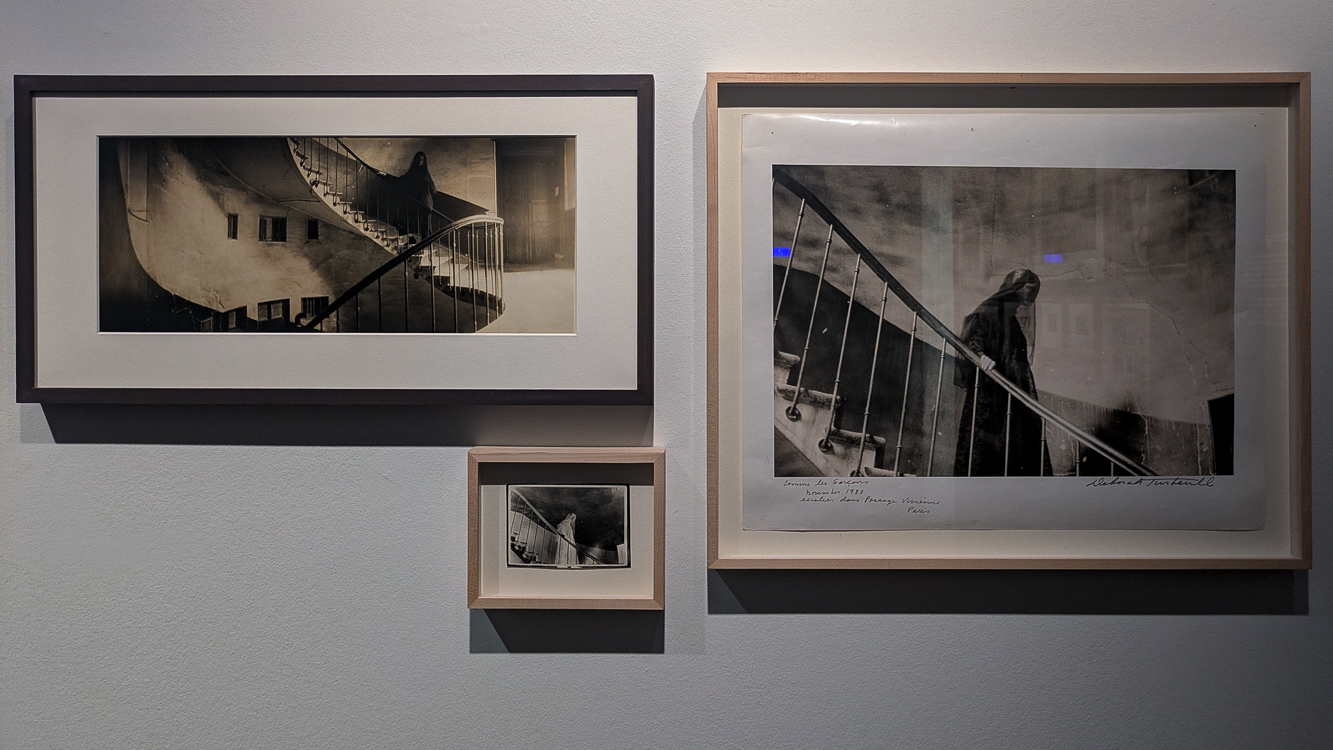
Finally, also at Photographers, I saw the photo collage works of the late fashion and art photographer Deborah Turbeville, which were beautiful and a more joyous way to end my viewing day. I particularly liked that some of her works were deliberately out of focus, giving a ghostly ethereal quality which a style I enjoy. Technical perfection can be dull.


I had a small slice of delicious pizza and a glass of wine in a Soho cafe, which was bustling and busy and a little noisy and I should have stayed for a second and attempted the book reading thing, but it was uncomfortable – intentionally I think, to stop people lurking at tables.  I spent some time trying to find a pub that looked welcoming to a solo traveller and found one, but the wine was pish and again the seat was awful. I didn’t stay long and meandered to
the station for a tube ride home.

I bought myself a new winter coat in the New Year sales to replace three I’d given to a local charity shop as winter set in. This new coat has pockets big enough to take a medium sized paperback as well as glasses and a phone. This meant I could ditch the bag I’d been carrying all day with a camera I didn’t use (all these photos were taken in my phone) and go to a local pub for dinner with nothing to worry about. Those extra large pockets weren’t planned but they are a proper bonus.

We’re off to St Leonards for a night next week and then I’m planning on a night away in Oxford around the middle of February to do a ‘two days in Delhi’ trial run, taking in ancient and brutalist buildings and the odd museum. 

Temple(s) of Love – brutalist Leeds

Saturday 14 September 2024 – Leeds

This was my first Brutal Day Out group trip outside of London and I‘d been looking forward to it for weeks. The group has made a few visits to other cities and towns but I’ve always been busy with other things and not been able to attend. With group members from across the UK it’s important to share the cost of transport and not be so London focused, plus there’s a lot to see outside of the capital and it’s a good reason to visit places I would otherwise have no need to go to.

Also… I’ve wanted to visit Leeds and this was a very good reason to do so. It’s the spiritual home of 80s ‘goth’. The mid to late 80s saw Leeds deliver some fantastic goth bands like The Rose of Avalanche, March Violets, Red Lorry, Yellow Lorry and the kings of the genre – The Sisters of Mercy.

Heartland is an early (and favourite) song from Sisters of Mercy, the B side of the magnificent ‘Temple of Love’ 12 inch single and it popped up on my playlist as the train passed through England’s (semi) rural heartland. I gratefully accepted this as a sign that it was going to be a good day. The weather was certainly playing its part.

PXL_20240914_091708169

Ten of us met outside Leeds station, five made it up from London, returning the favour to those who frequently travel down from Yorkshire. I’d met most of the group before and it was, as always, good to catch up with this likeable bunch.

Our first stop was Bank House, this and the next building I photographed are brutalist in design, but both had been clad in something other than lovely grey concrete, textured or not, so didn’t particularly wow me. I do like things raw.

DSCF3769

DSCF3773

The Ex-Yorkshire Bank Building, vacant and soon to be demolished so more student flats can be built. It’s an Ok building, I hate the glossy cladding, but like the design and the lovely harsh angles. It’s a shame it has to be knocked down for more flats. I mean, the centre of Leeds is hardly attractive, with a weird hodge-podge of building styles from the last three of four centuries. Design planning doesn’t seem to have been a priority for the council, not that there is any unusual in that.

DSCF3774

DSCF3775

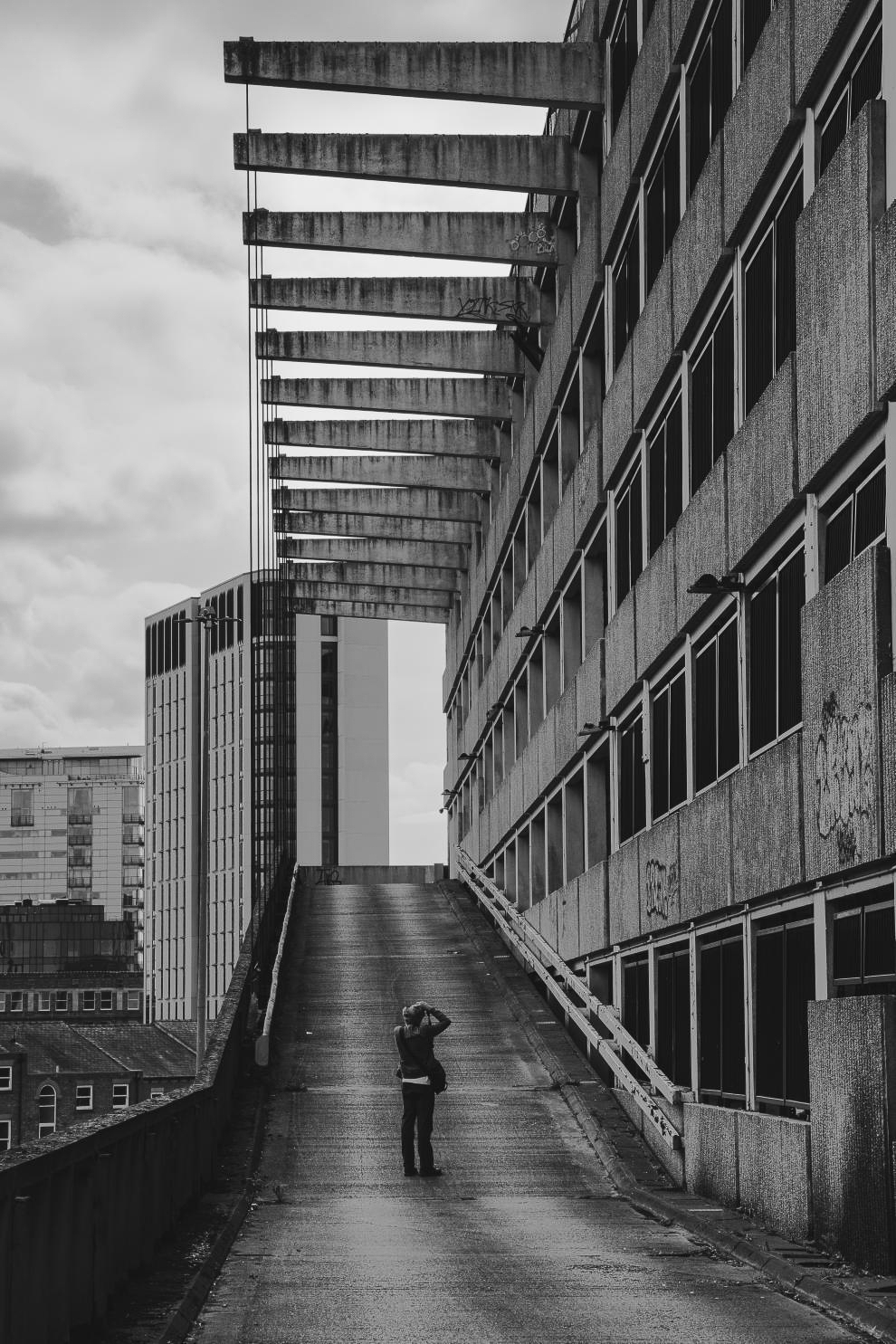
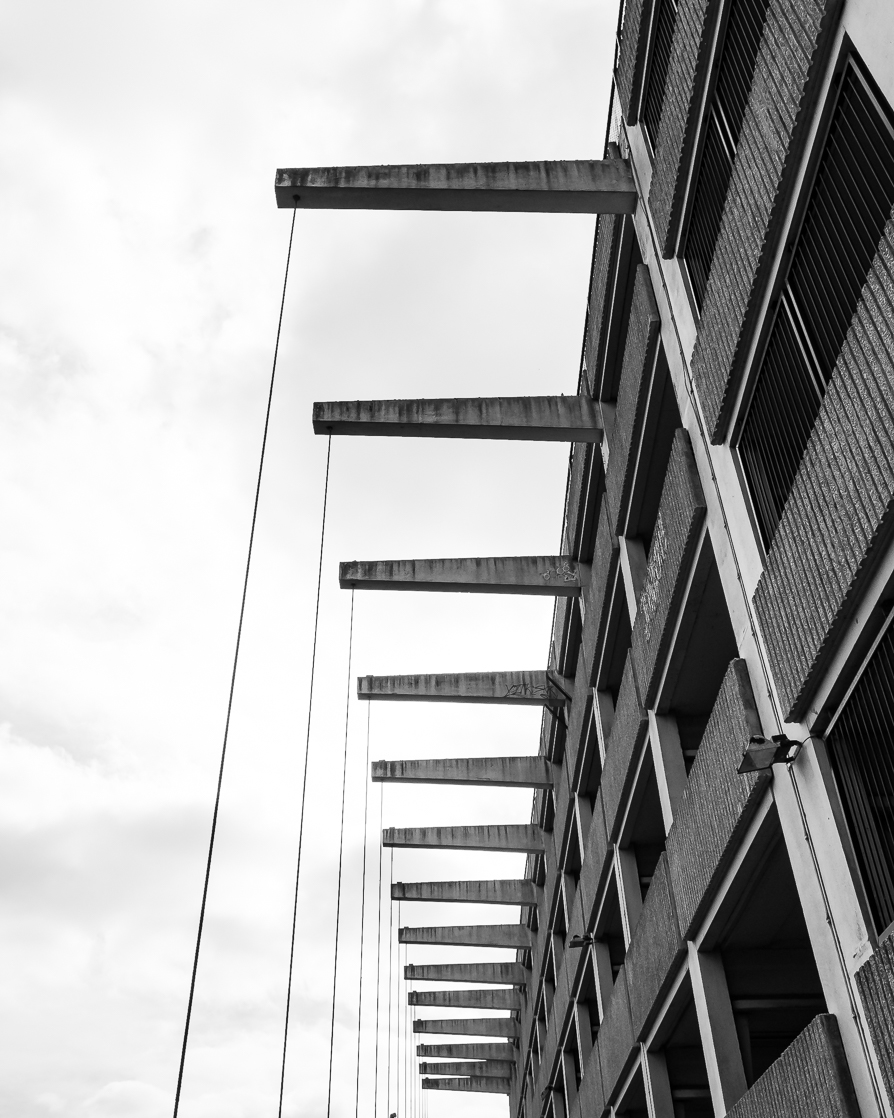
I love a good car park and Woodhouse Lane on second look is very much a good one. It was all a bit ‘meh’ from the main road, but once round the side and discovering the ramp down from the upper parking decks it was much more exciting. 

DSCF3788

DSCF3792

DSCF3797

I (we) loved the overhanging beams that appeared to have no purpose other than being in some way decorative. One of the group, Kasia, snapped a great picture of me taking the photo below. I seemed to have spent a lot of the day getting in the way of others photos. I guess it was my turn.

IMG_20240915_111641_518

DSCF3791

Kasia, has been to India and Berlin and gave me some interesting tips on brutalist and modernist buildings; she is extremely well travelled and I had a little travel envy. I also spoke to Britta about Berlin and she had some good ideas too. They both knew the LP Café Exil, which I listened to a lot leading up to and when we were in Berlin in July. The bonkers brutalist building on the sleeve still stands in Berlin and is on my list of places to visit when we return in a couple of weeks, something I’m looking forward to immensely. A second trip to India is planned for April 2025 and I’m well into thinking about that trip already, in fact it dominates the late night non-sleeping hours at the moment.

The School of Engineering building and a couple of brutalist day outers

DSCF3800

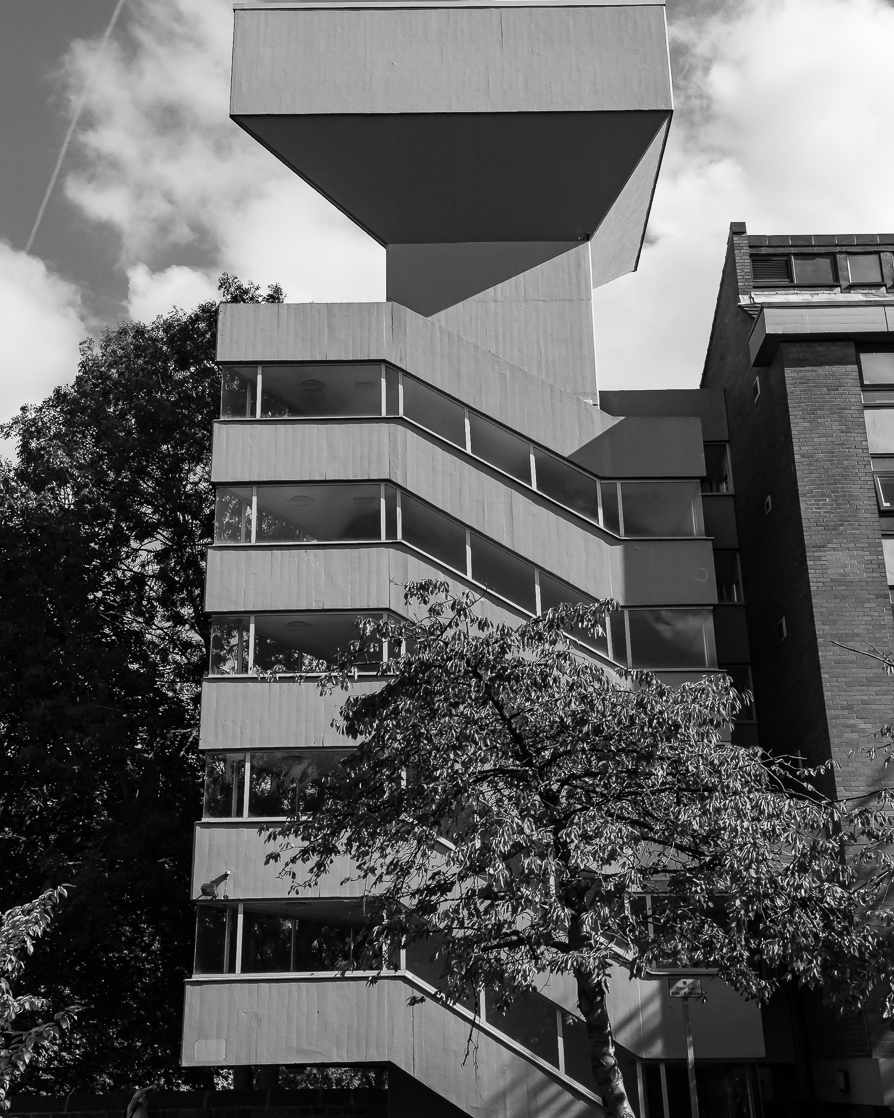
I stupidly didn’t note the name of this completely mad, but interesting stairwell to a rather bland student accommodation block. We had no idea what the top bit is for.

DSCF3805

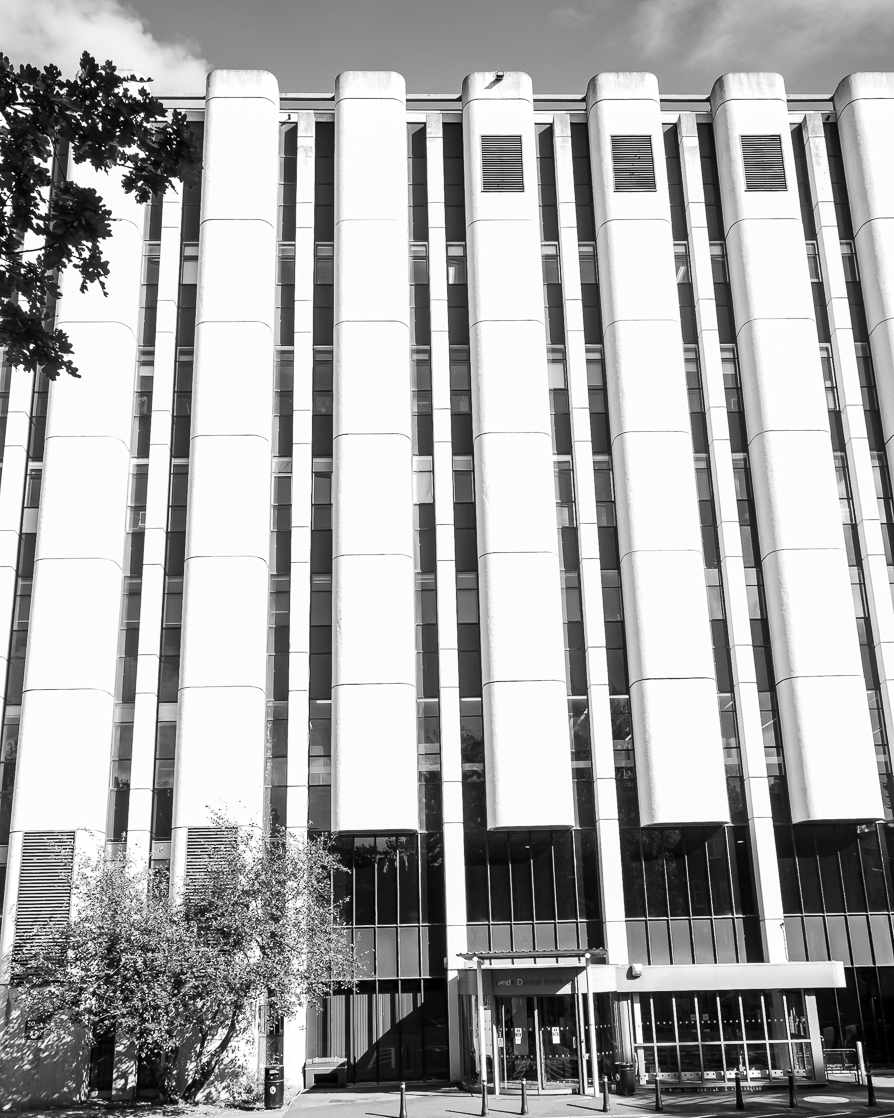
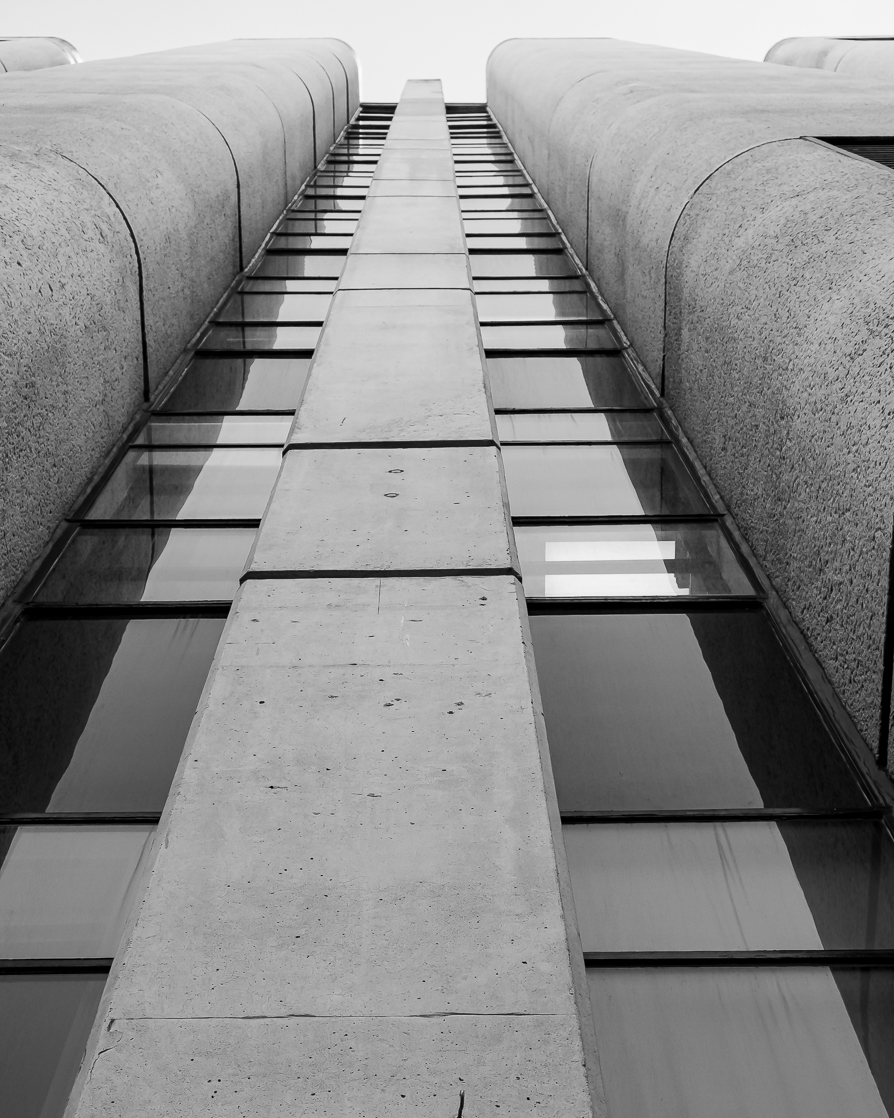
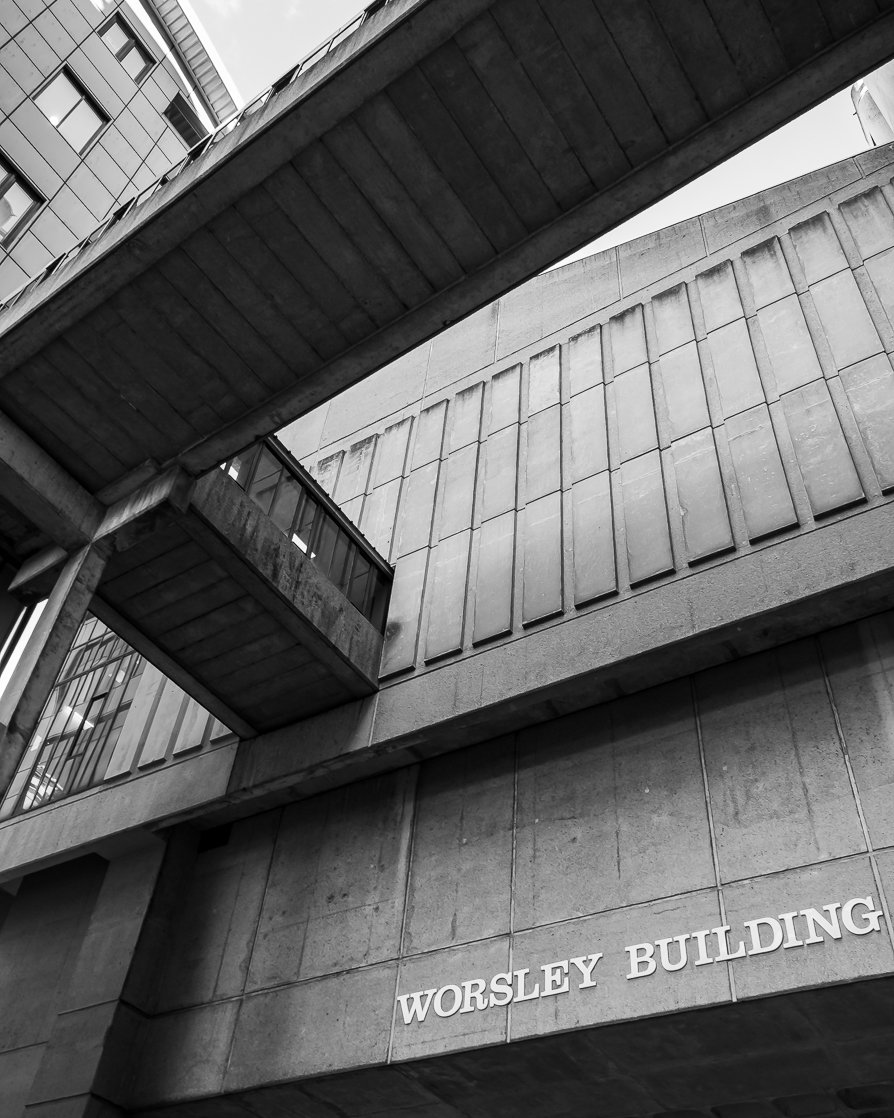
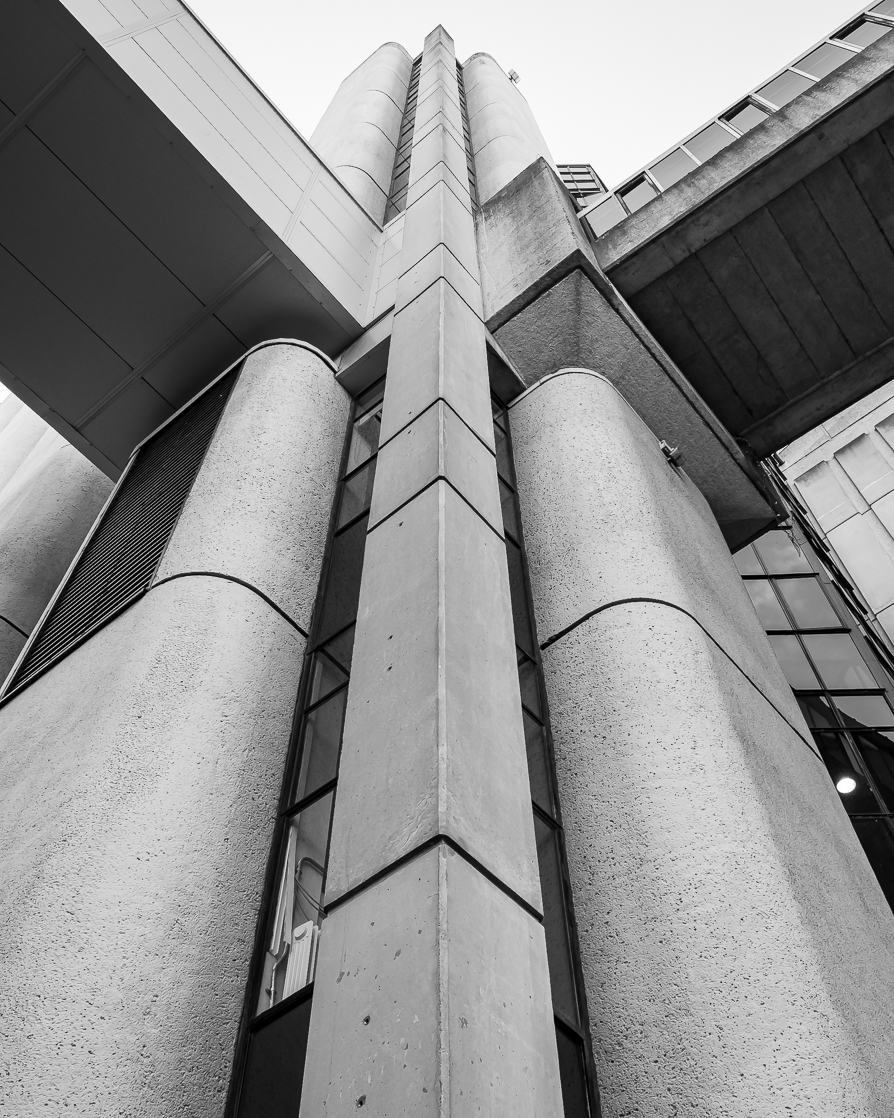
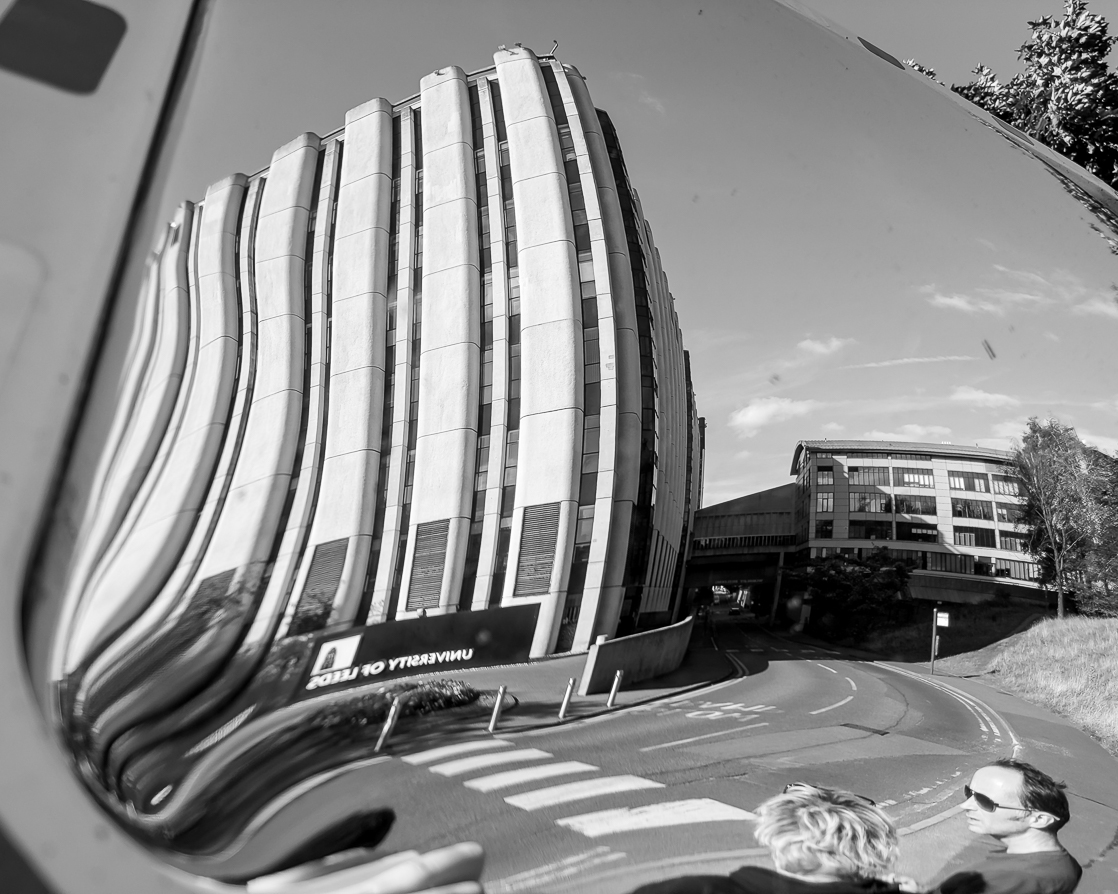
Then we were onto the main campus of the University of Leeds and a couple of very cool buildings, starting with the huge and imposing Worsley Building.

DSCF3816

DSCF3815

DSCF3819

DSCF3821

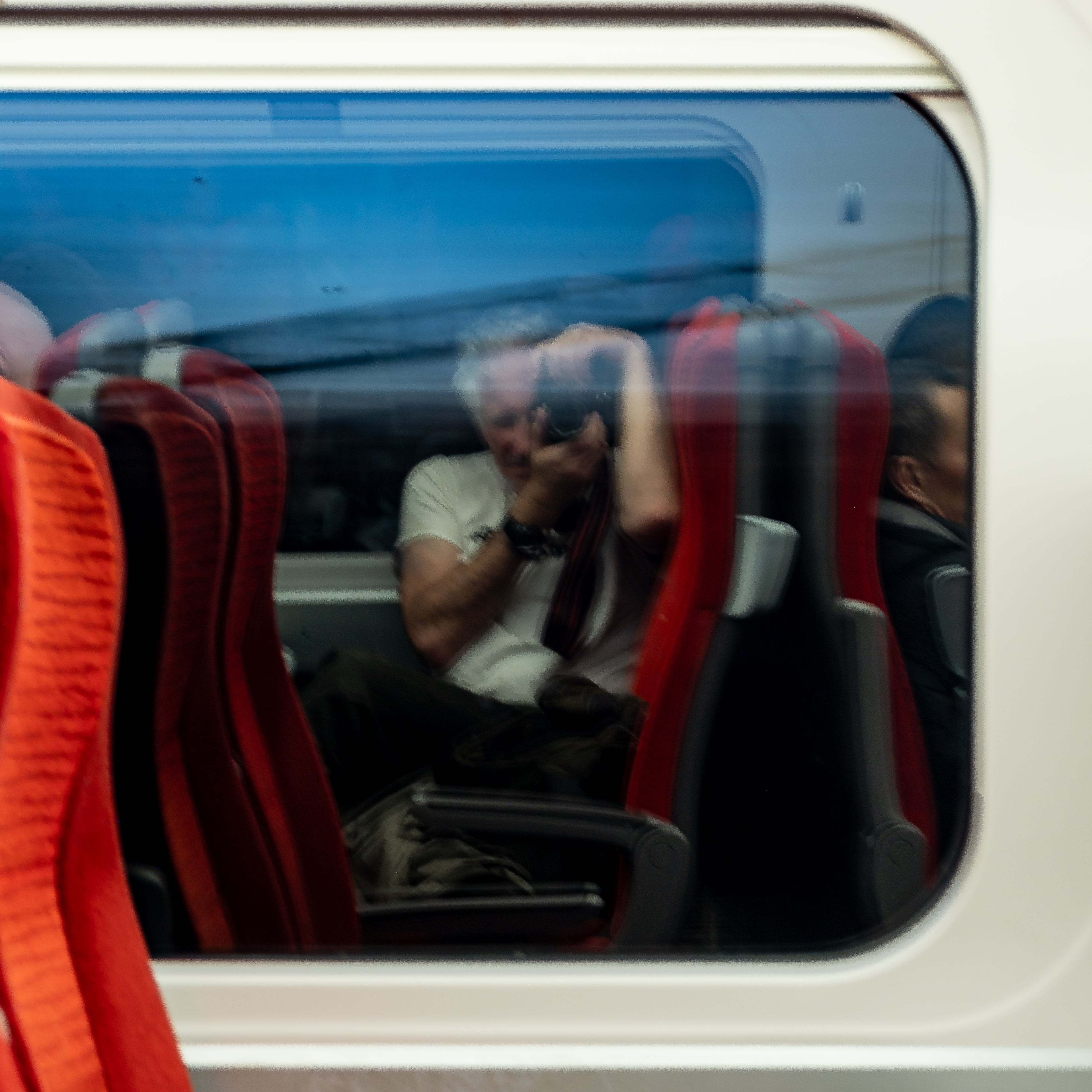
I love this reflection from the roadside turning mirror, also capturing a couple of fellow concrete geeks.

PXL_20240914_141544035
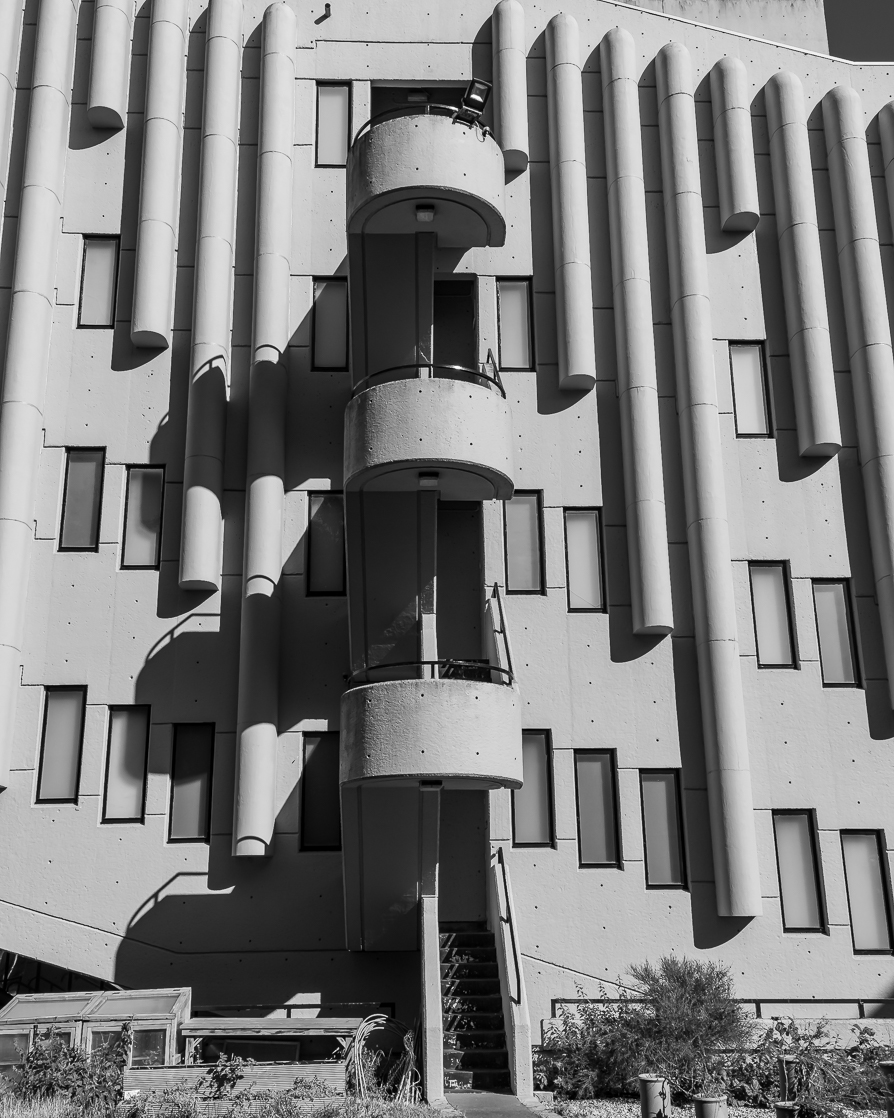
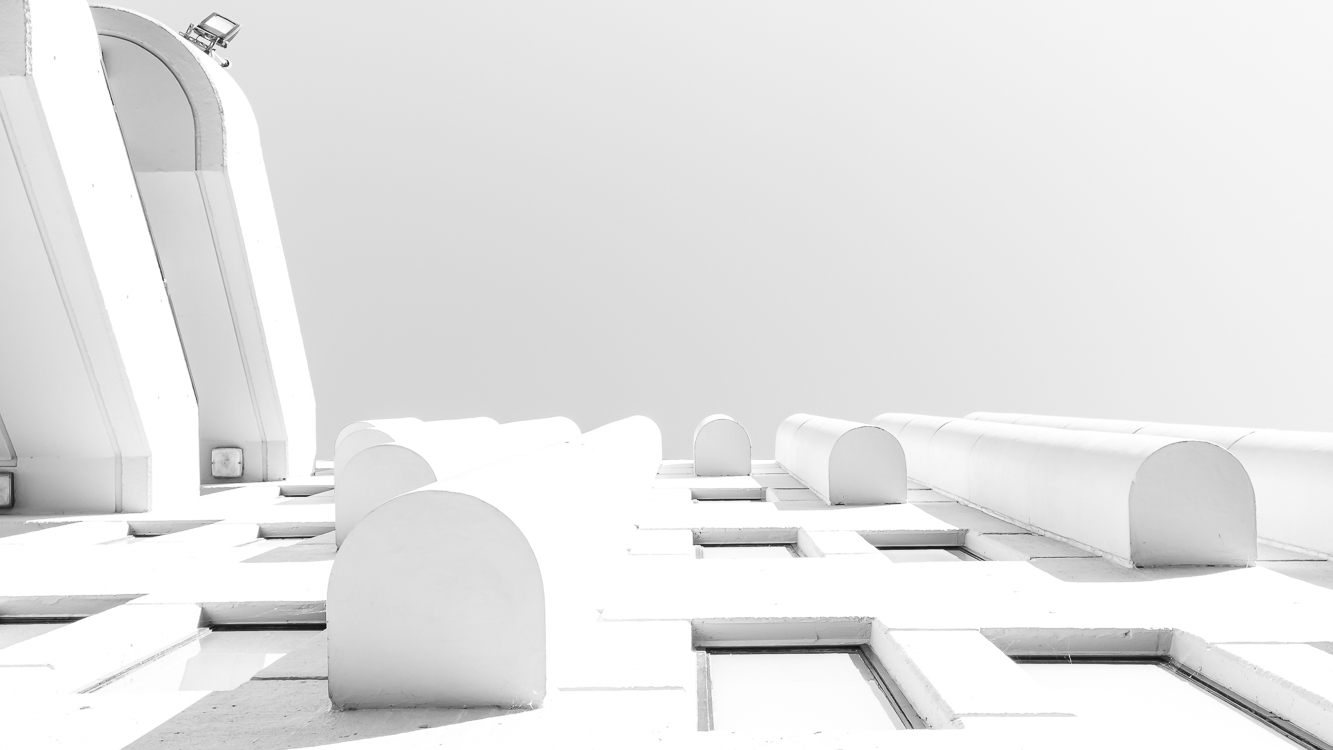
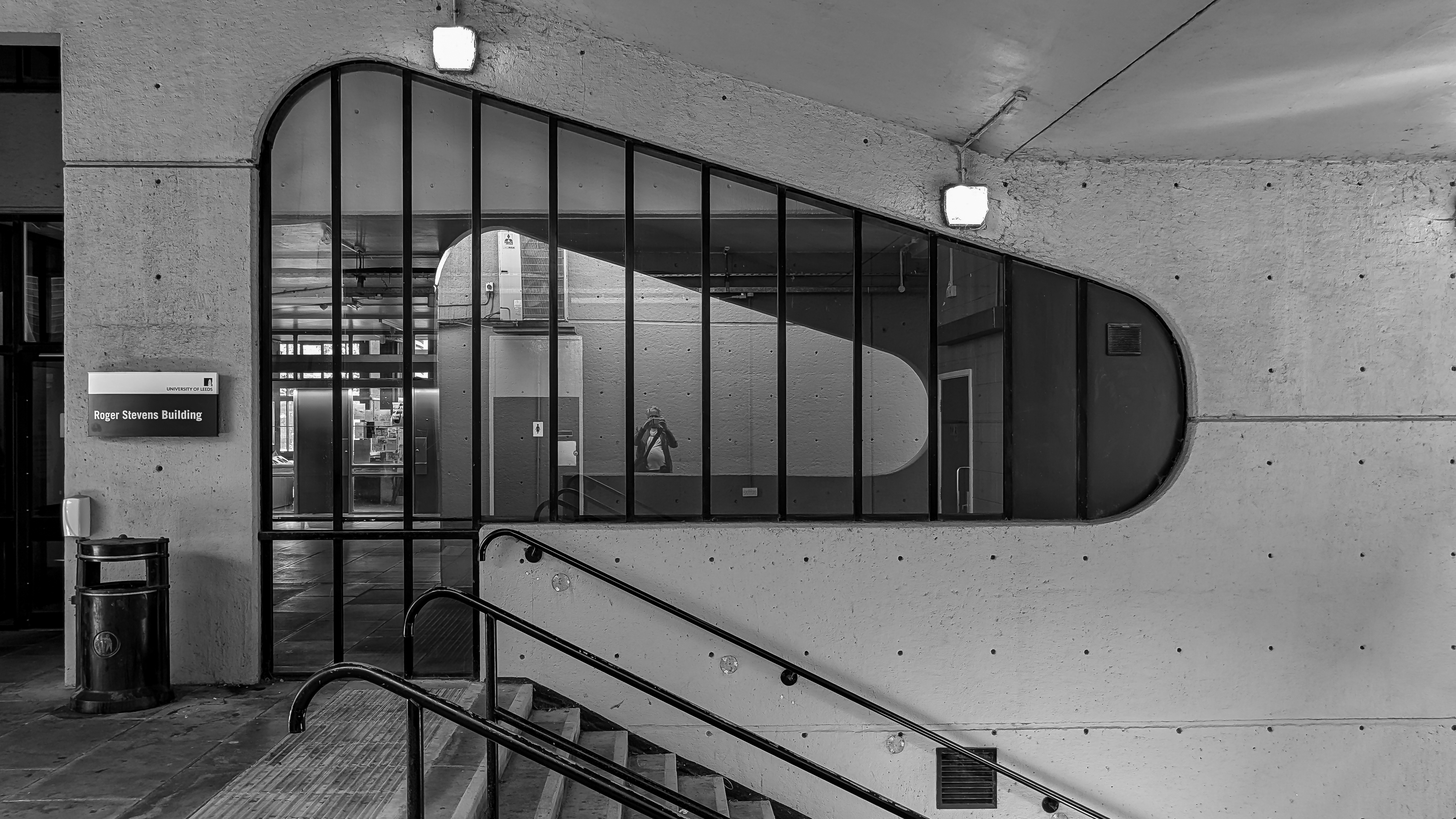
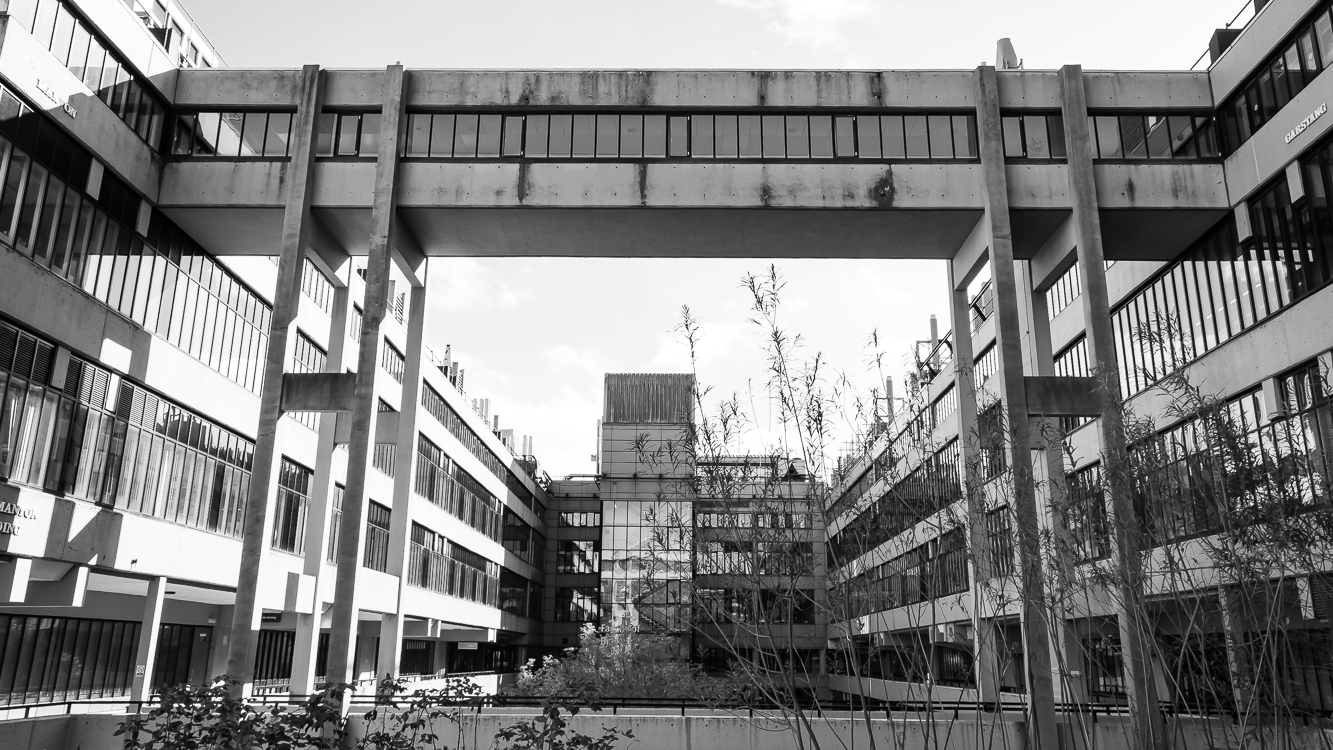
Britta, who was the main organiser and guide for this walk, had clearly saved the best to last, and man was it good. At first glance the Roger Stevens Building looks like it’s more modern than its 60s construction, maybe it’s the paint, maybe it’s the ‘piping’ up the side, either or it looks so futuristic, but under that paint it’s just lovely 60s solid concrete.

DSCF3836

DSCF3830

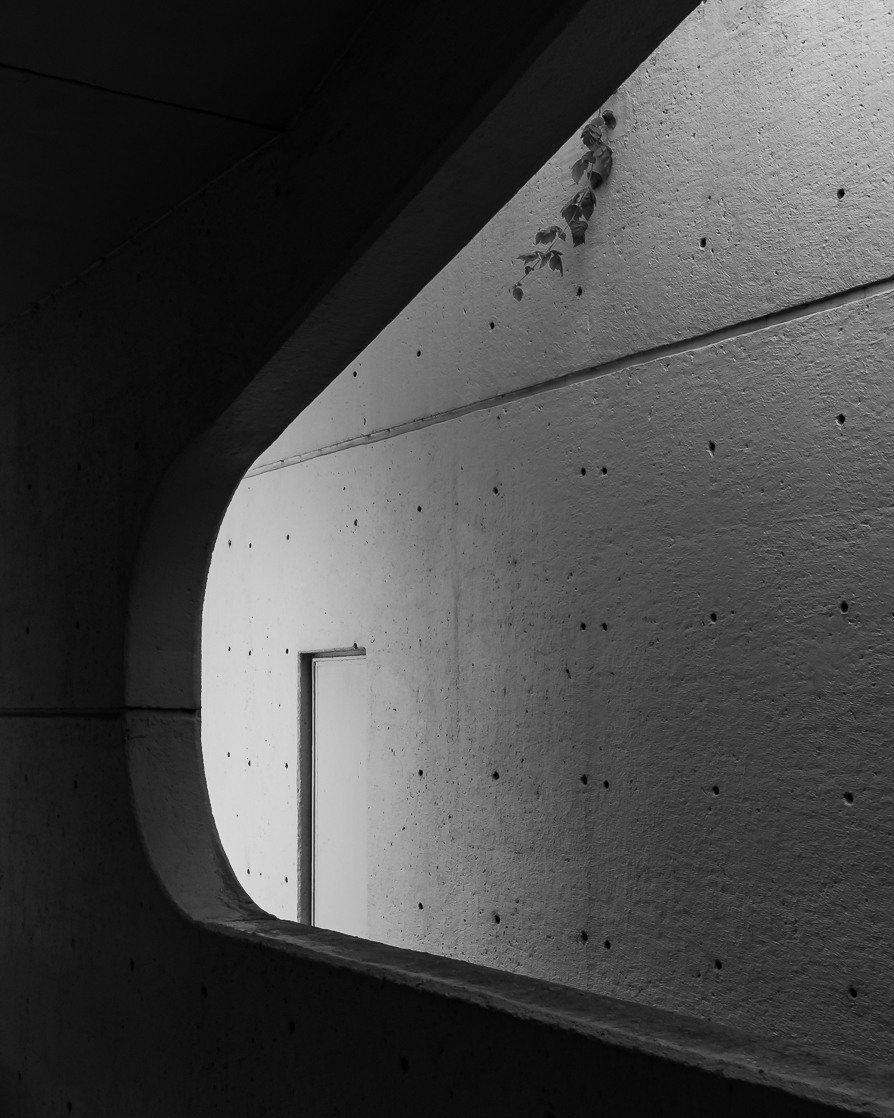
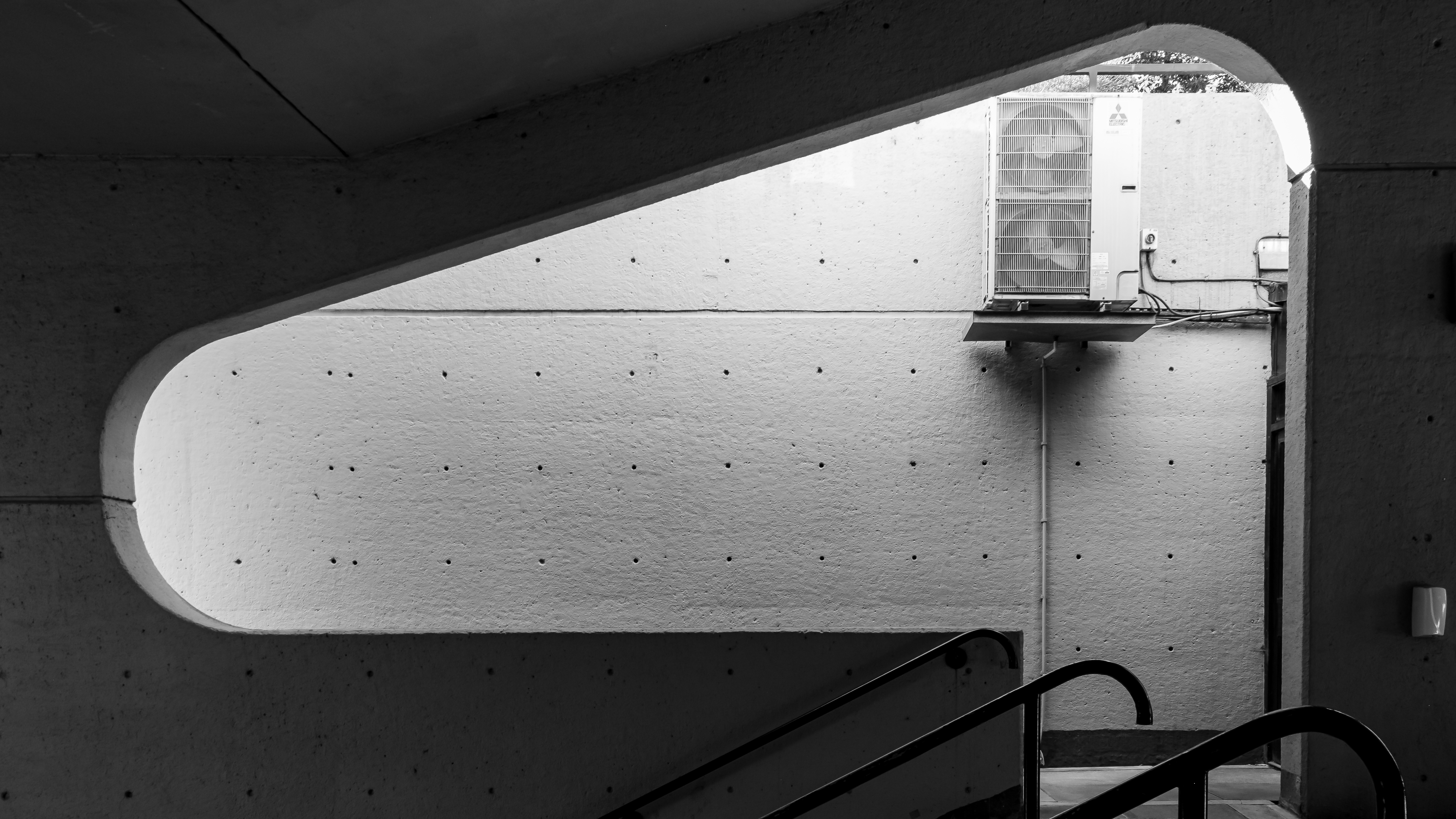
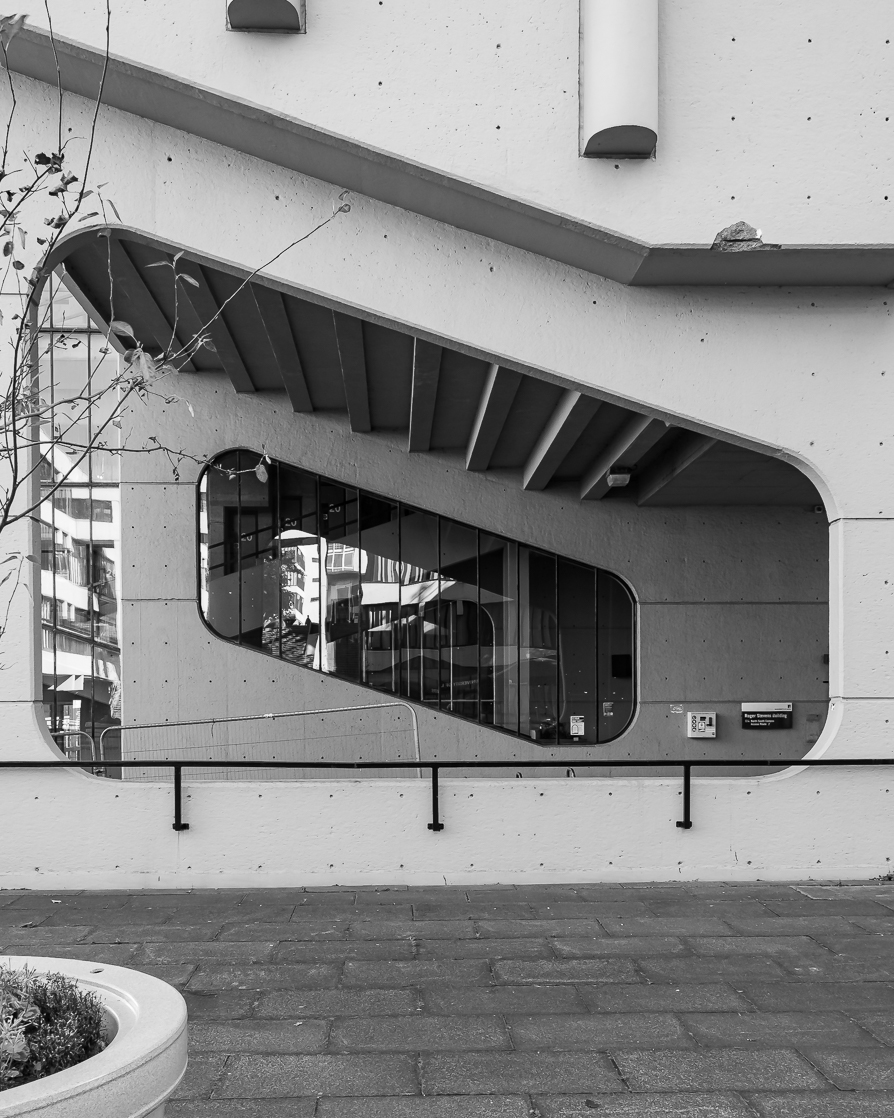
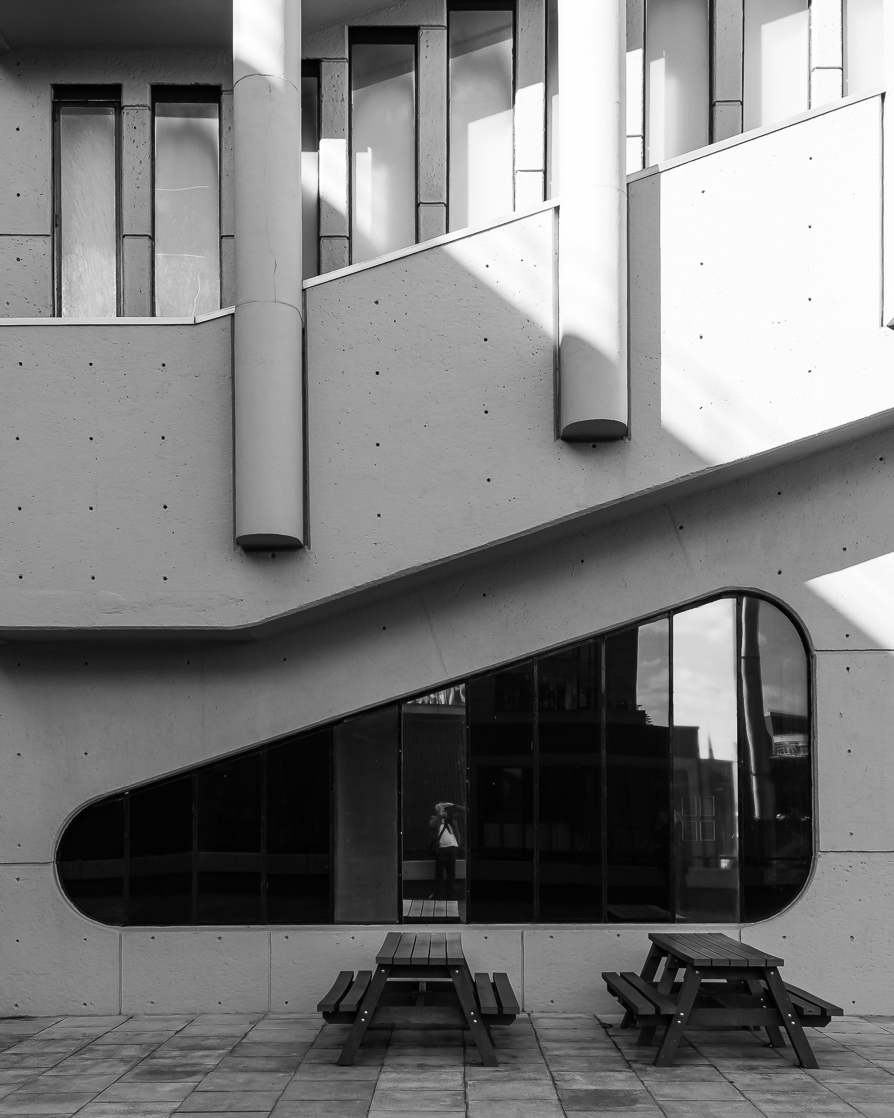
I was a little unexcited when it first came into view, and I wandered away from the group to have a look round the side and found the long and wide staircase, with these fantastic curved cut-outs, one side allowing light to pass across the stairs and through the windows on the other, I loved them. They were the architectural highlight of the day.

DSCF3829

DSCF3827

PXL_20240914_143428357

DSCF3841

DSCF3832

The rest of the building is equally interesting. I’m a huge fan of elevated walkways, and they’re one of the reasons I love London’s Barbican. Designing places specifically for humans rather than vehicles was such a key component of mid-century future design thinking in my view, countering the argument that these concrete monoliths were sterile and void of humanity. Anyway, this is a lovely building and together with Worsley make for a very interesting part of the university campus.

DSCF3837

The walk drew to a close with that most dramatic of buildings so some of us went off for a couple of pints before heading back to the station and, for me, the return to London. It was a good day.

DSCF3854

The Avebury Stones

Sunday 21 July 2024 – Avebury

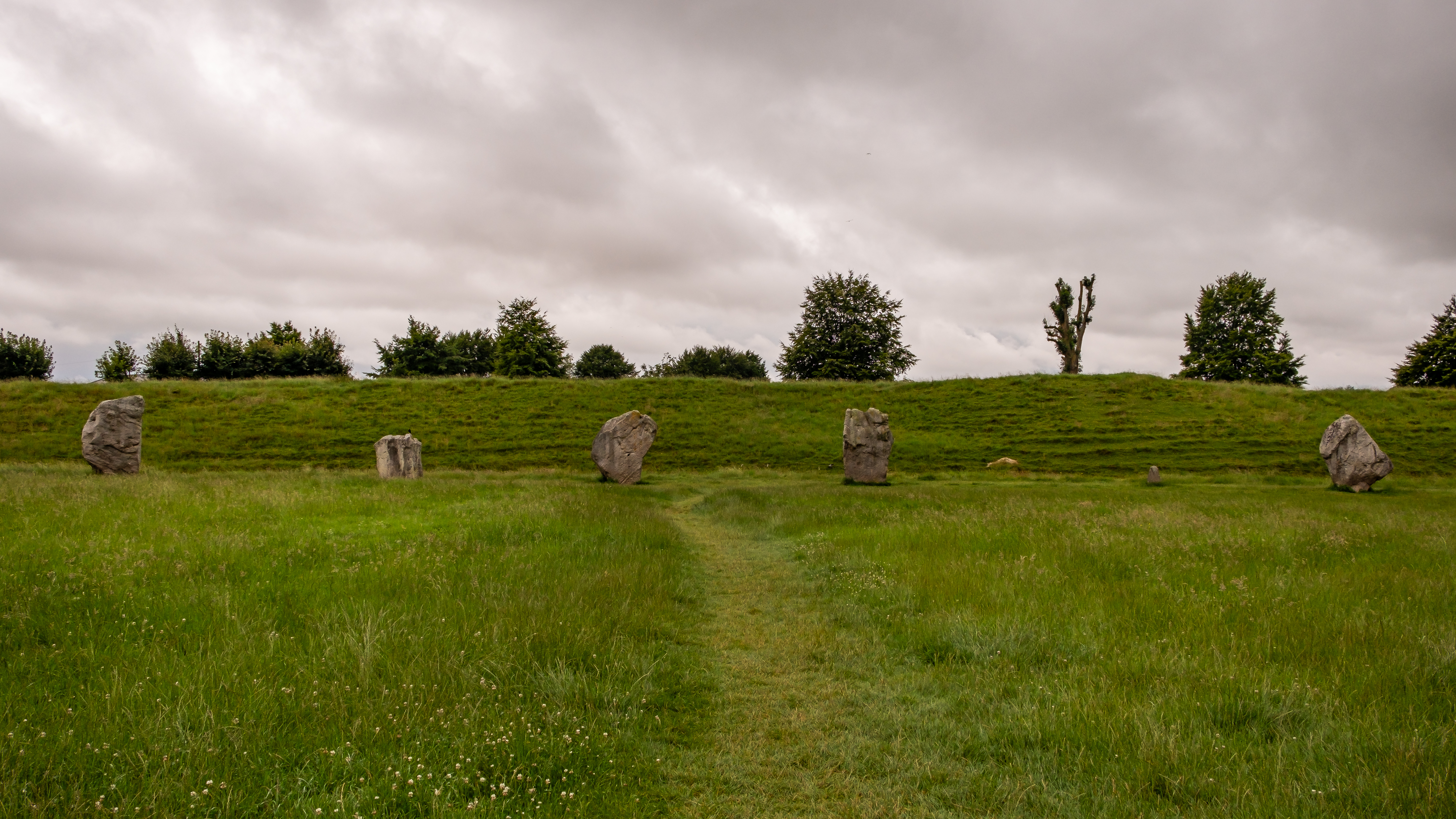
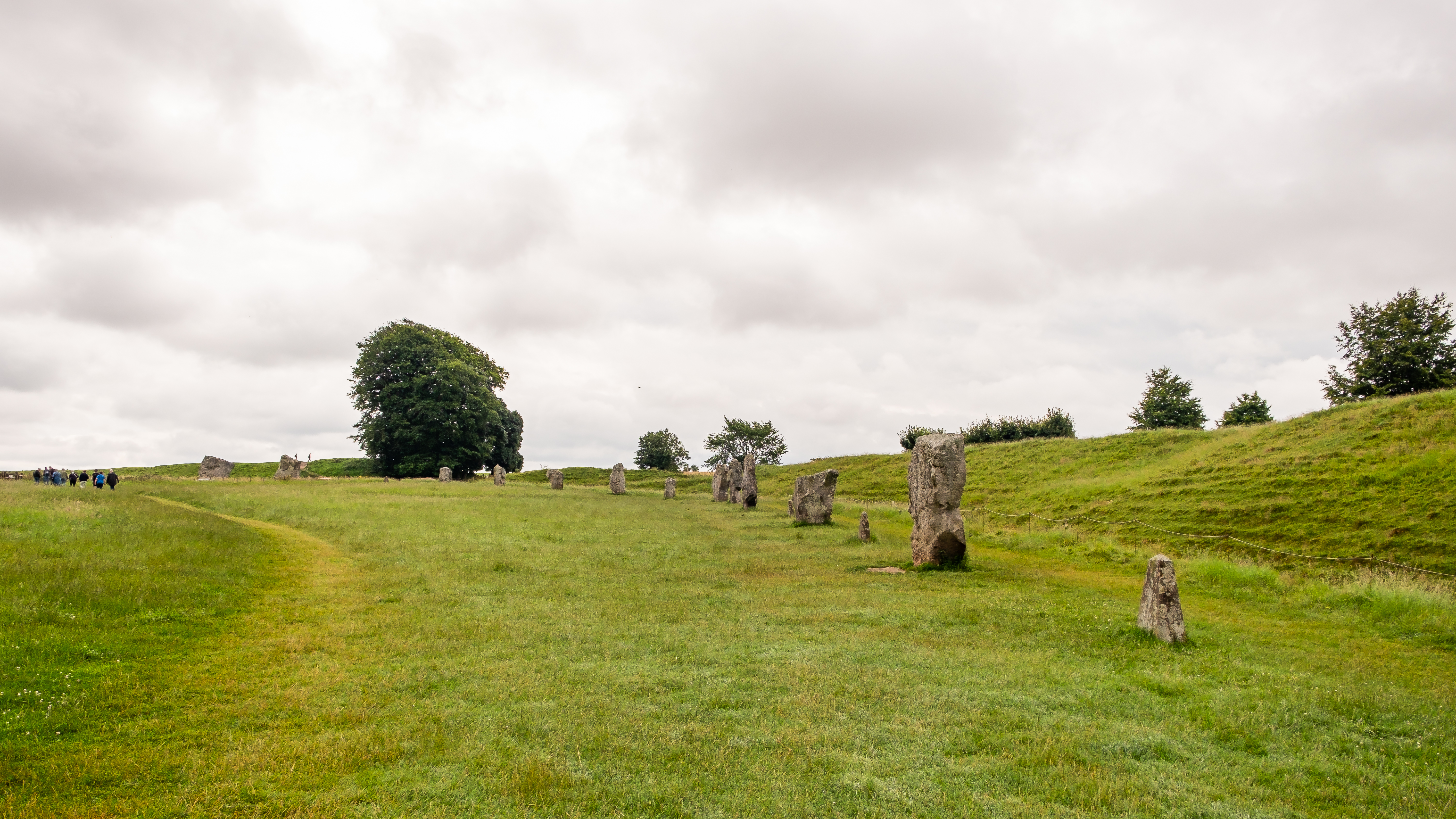
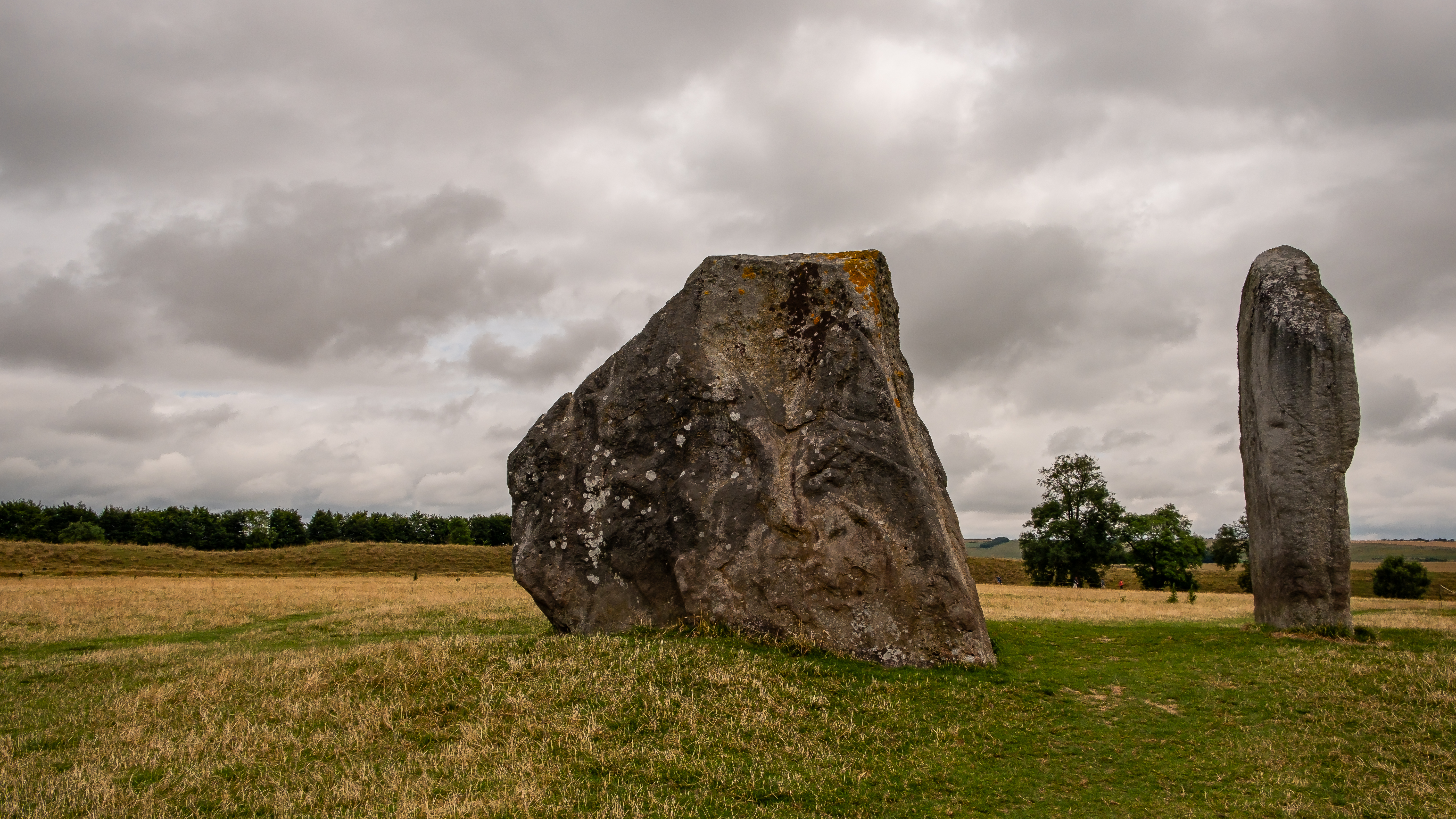
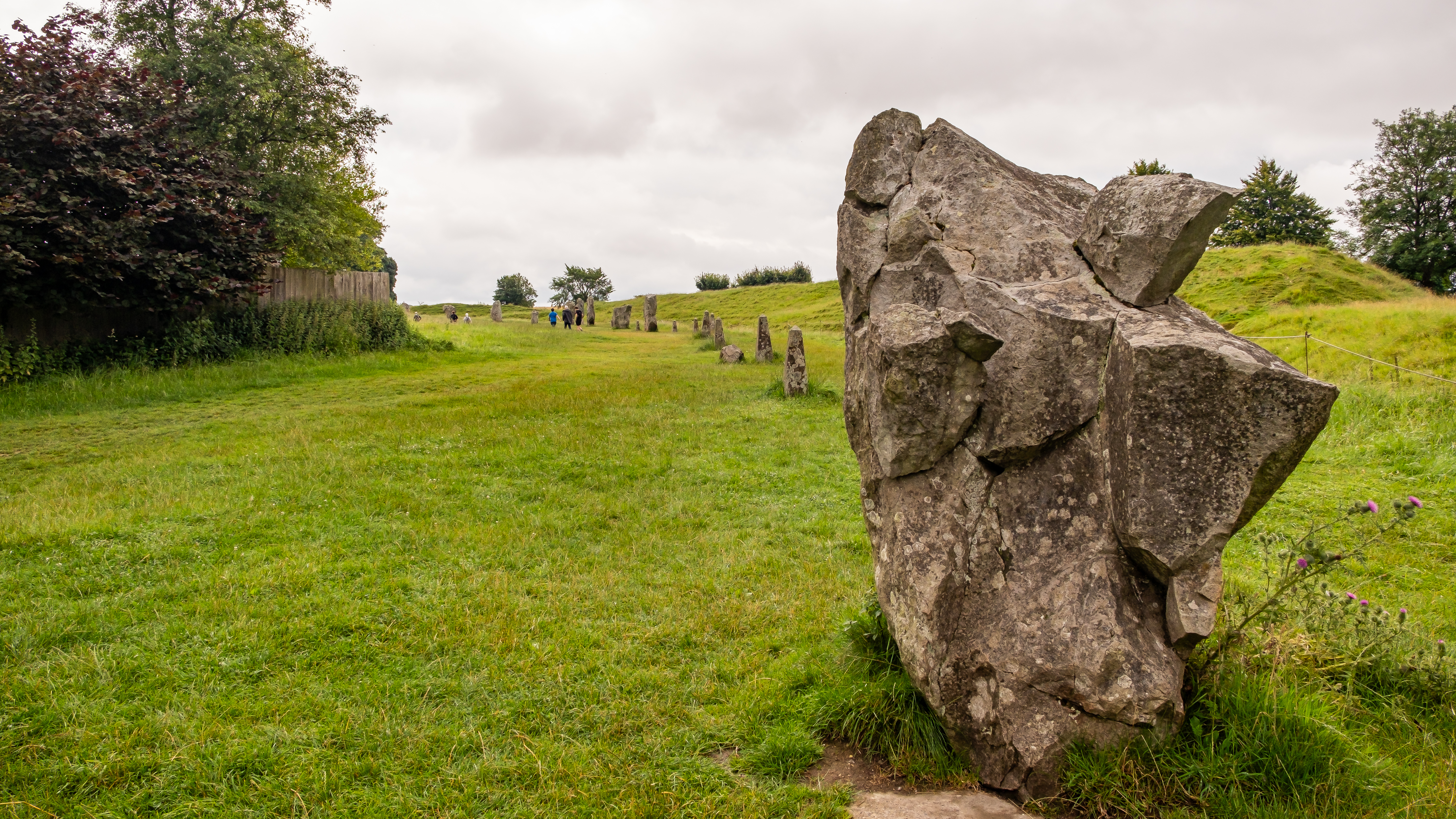
I’ve a loose interest in standing stones and the other ancient sites that are scattered all over the UK. The standing stones are easier to be fascinated in than say, Iron Age forts, as there is actually something to see, and in the case of Avebury, and unlike Stonehenge, something you can touch as well.

DSCF3728

DSCF3727

As I mentioned in the Stonehenge post I love it that even with all our modern smarts we don’t fully understand what the stones were for and why they are where they are. Just this week it was revealed that the huge alter stone in Stonehenge actually came from 500 miles away in the north east of Scotland (I will walk 500 miles etc, etc) rather than from the far closer, but still a long way, Welsh coast, as had been previously thought.

These stones have been here for 5000 years, why then are they still so mysterious? It’s that mystery that attracts me and many thousands of others to these places. When facts are missing, myths fill the gaps, and where myths exists there is room for all sorts of weird, wonderful and often magical stories. I mean, I even posted a piece of weird fiction I wrote back in June 2021 – The Barrow. While this is not set around standing stones it is set close to here, and barrows are very much a feature of this landscape. Sadly, due to the unsupportive nature of the map I was using in the rental car I didn’t make it to any of the barrows.

DSCF3729

DSCF3726

Unlike Stonehenge, Avebury is free to access, though the official car park is not cheap and is definitely aimed at people like me who haven’t done a huge amount of research. There are other places to park not too far away if you know where to go.

PXL_20240721_095308123.RAW-01.COVER

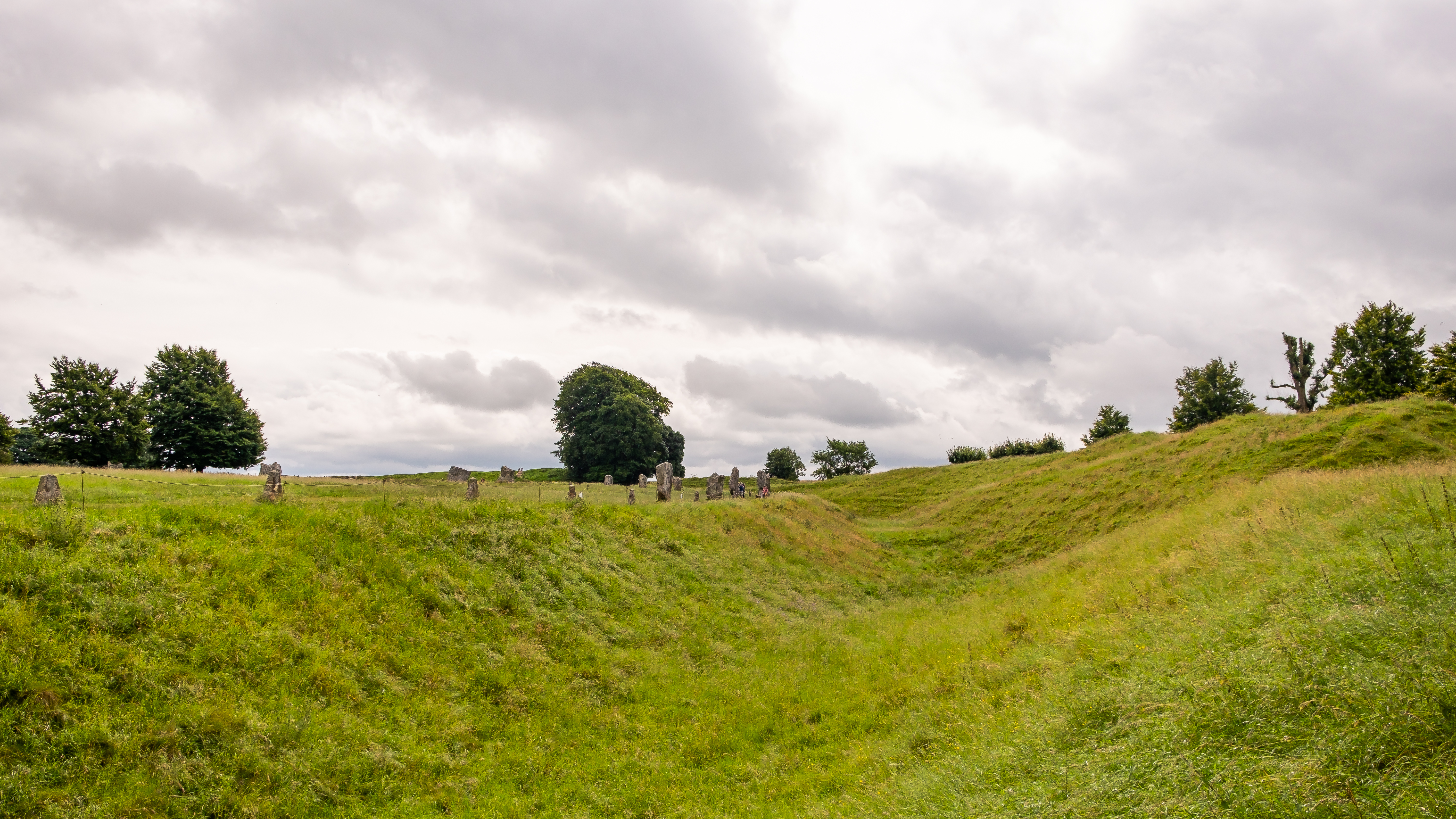
Firstly I should describe what a henge is, as it has nothing to do with stones. A henge is a circular or oval enclosure made of earth banks and ditches. A henge encloses a sacred space and they date back to the Neolithic period; from 4000 – 5000 years ago.

DSCF3740

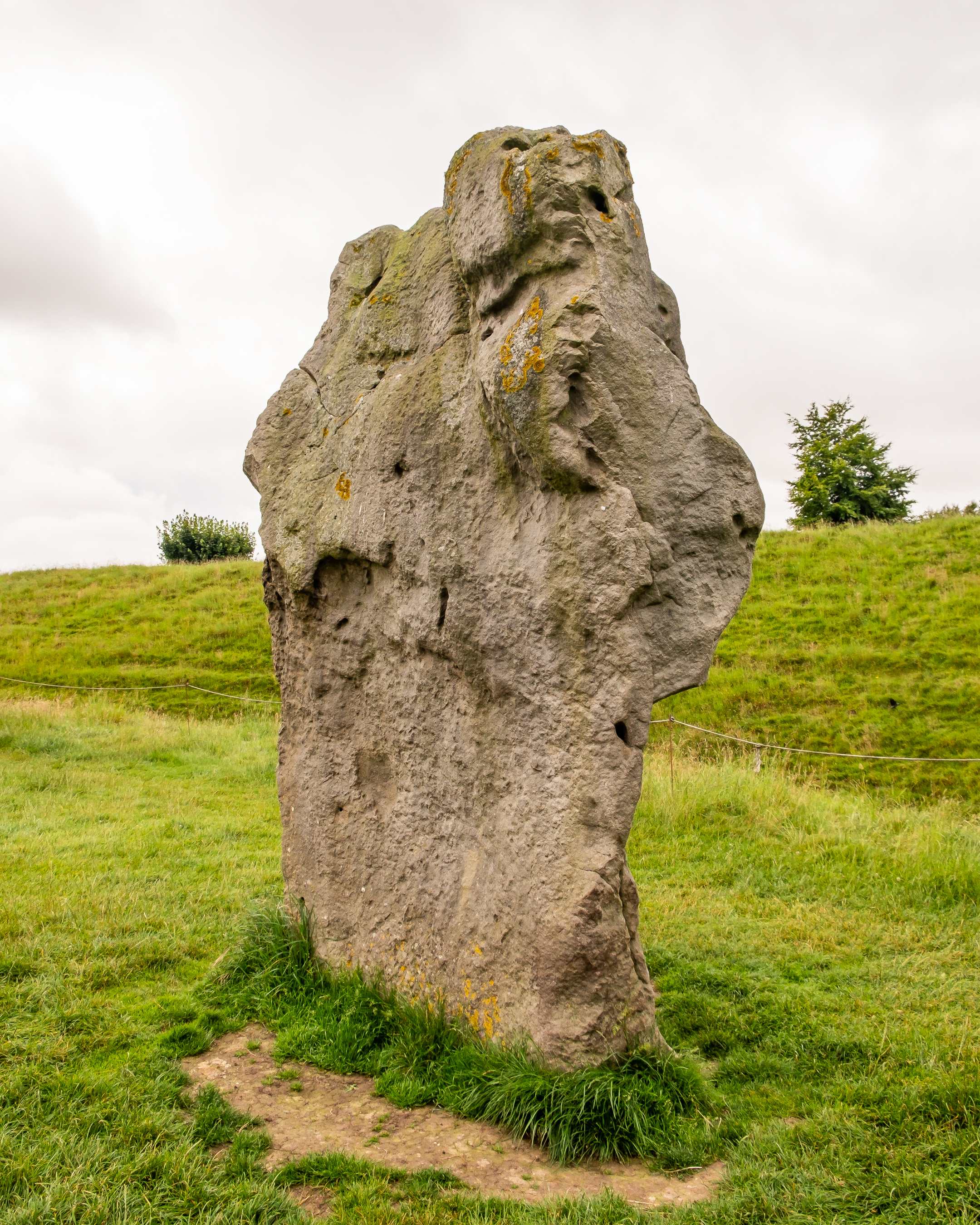
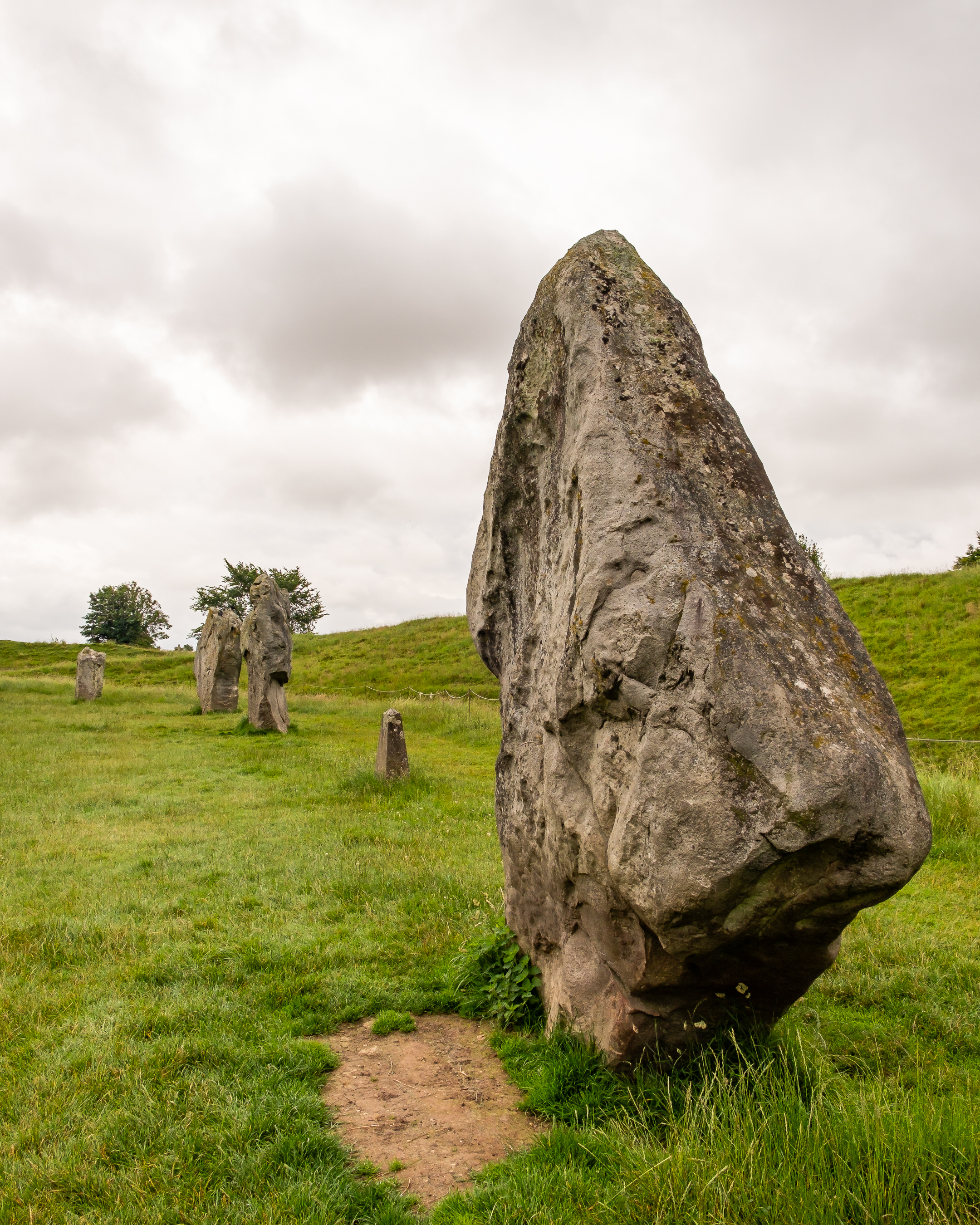
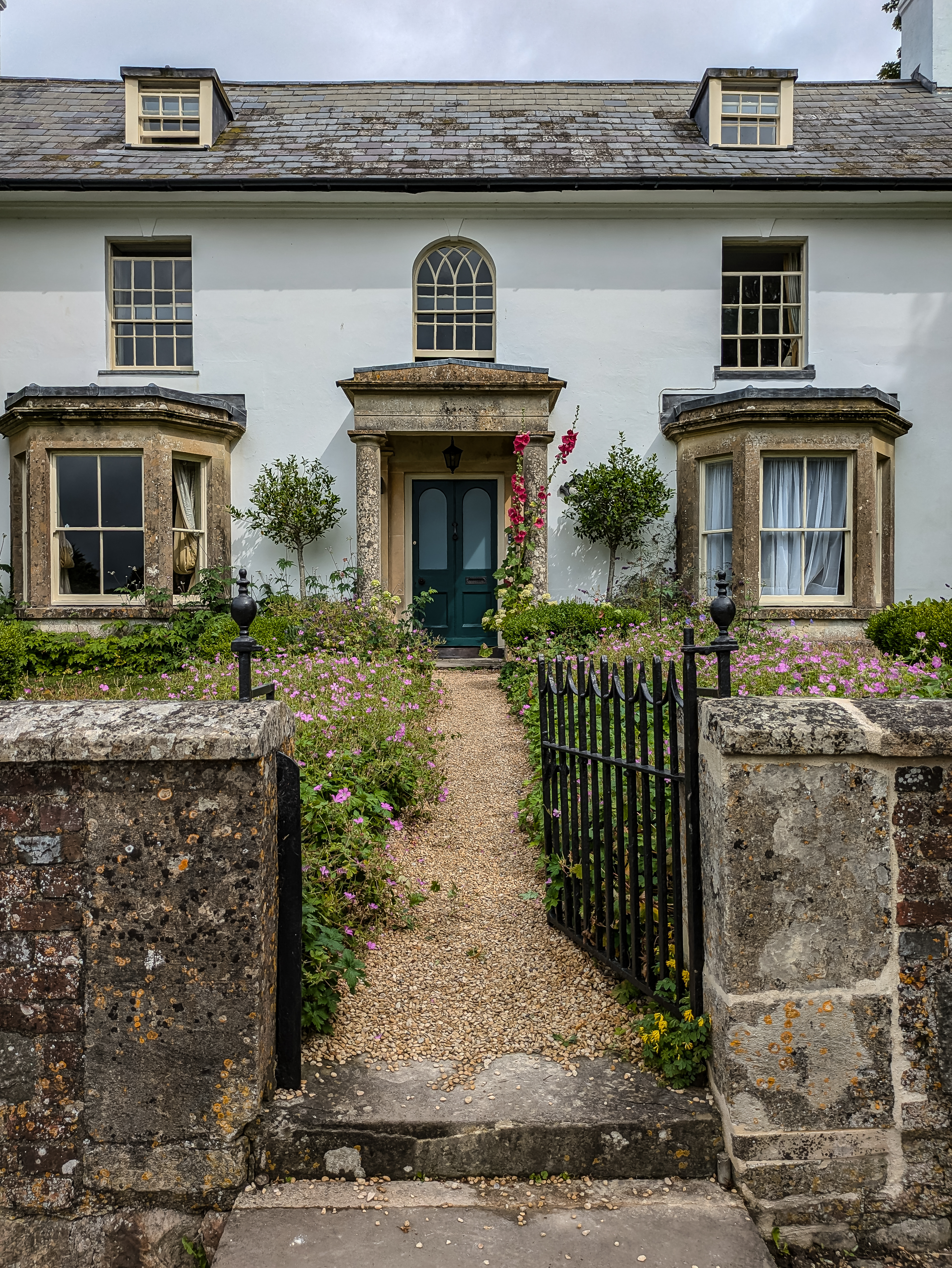
Avebury is the largest known henge in Britain, and it cuts through the small and gentile village of the same name. I liked it. I liked it because though it’s a sacred site and one of international importance, and a key component of the local economy, there are sheep wandering around the stones. The area is treated with reverence and respect, but also practically and likely as it would have been thousands of years ago.

DSCF3719

DSCF3720

DSCF3722

As you can see from this short film made by Derek Jarman in 1971 as he walked towards the circles a large number of the stones were still lying where they had fallen over the hundreds of years since they were first erected. A programme to re-erect the stones began in 1931 when the land was bought by Alexander Keiler, the heir to the Keiler marmalade fortune.

DSCF3725
DSCF3739

DSCF3724

It is quite a special place to visit.