Valencia 1
18-21 March 2026
Our friends Paul and Paula have a holiday home on the northern edge of Xelardo, a small urbanisation (I guess this could be described as a distant suburb) to the north of the town of Lliria, which is about 30 km from central Valencia. It’s the final stop on the number 2 Metro line.
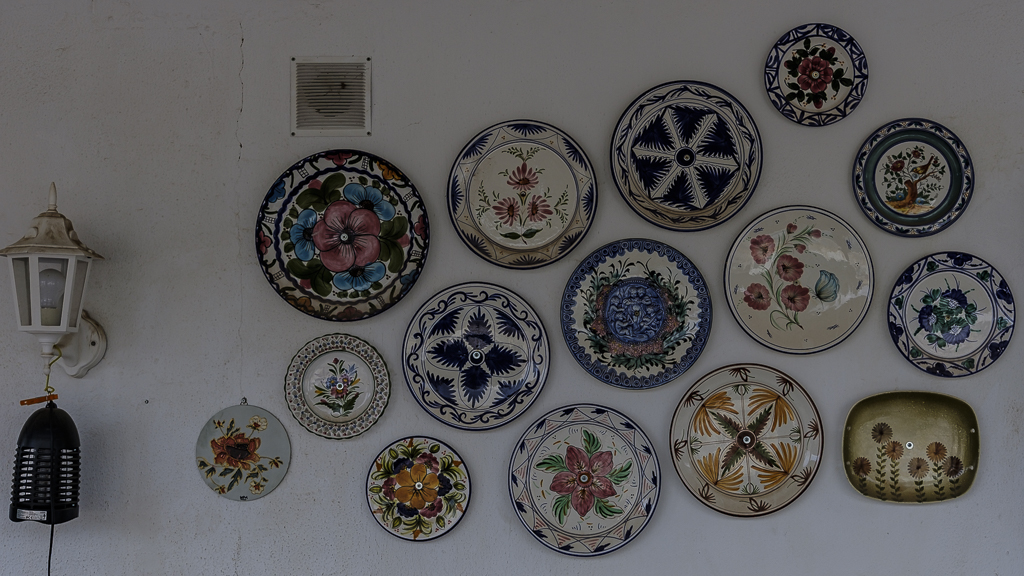
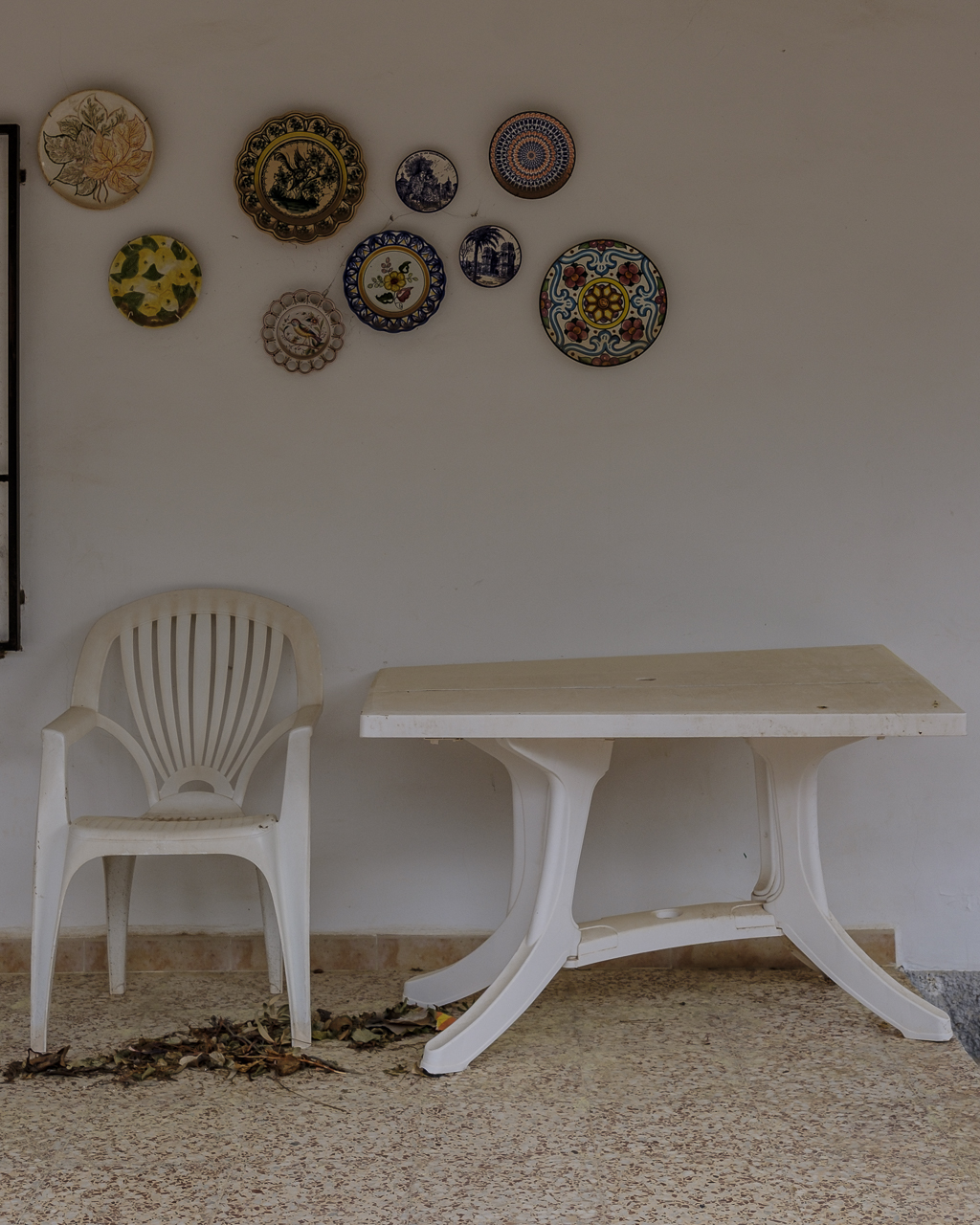
Xelardo is a residential area that seems to be predominately populated by dogs, especially the edgeland where our friends’ house is. The area has changed little over the last few years, though they have two new neighbours since I was there in 2018 and the view out the back over scrubland has been disrupted by a new house.
When I booked the flight, I was looking forward to getting out of grey, windy, rainy and cold England. We’ve been living at my flat in St Leonards On Sea since January and the weather has just started to perk up. It’s still cold, but the sun had been out on more than one occasion and we did have an afternoon on the seafront with a glass of wine in the sun; though we’re still wearing the big coats.
I’m flying out of Gatwick as its the nearest airport to St Leonards and there is a direct train; which naturally was cancelled at the last minute. Fortunately, there was an indirect train thirty minutes later and as I’m me, I was still at the airport early. I was through security and in the bar for a pre-flight G&T within 15 minutes of the train arriving.
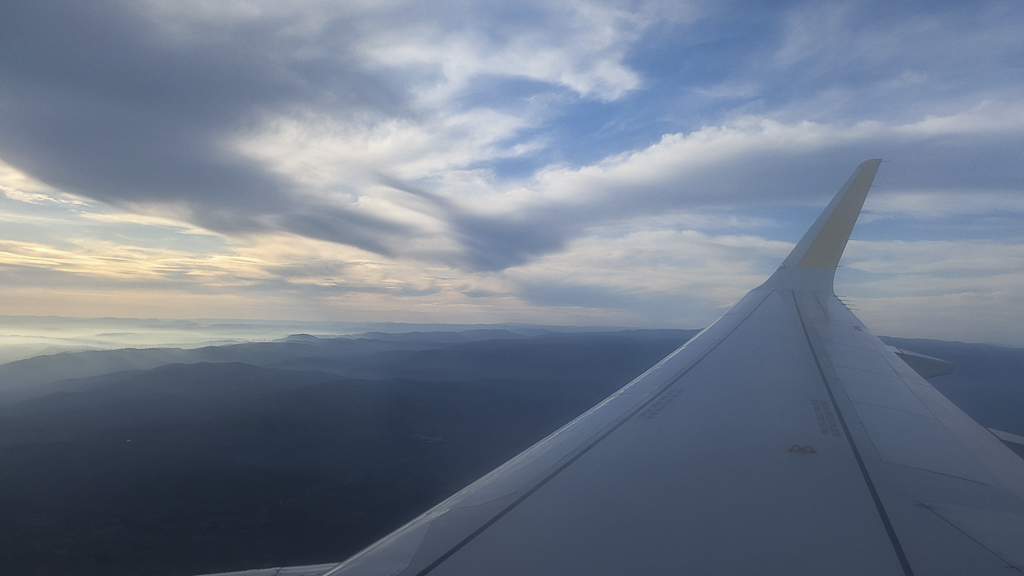
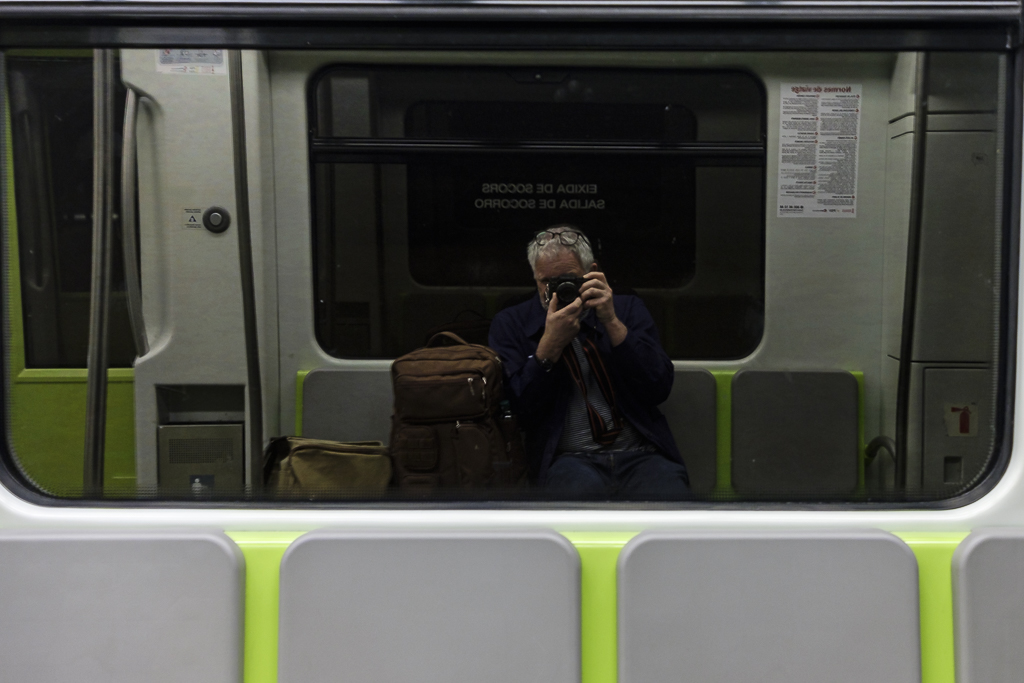
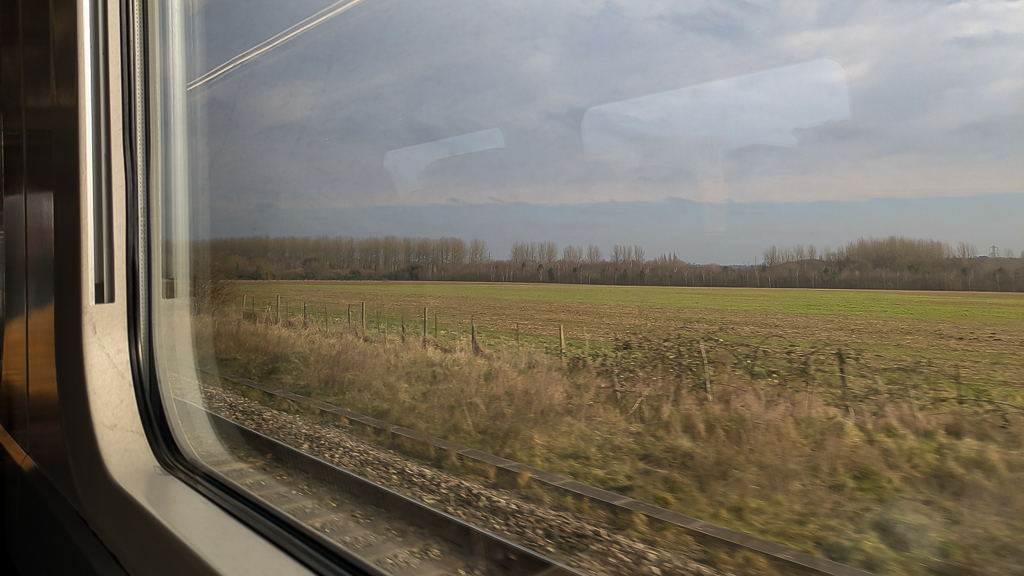
I landed at Valencia airport early after a fabulously smooth flight, the new EU arrival regulations for us Brits recently started and I was photographed and fingerprinted on arrival, though there were plenty of machines to do this and it didn’t cause the delay I expected. I was soon on the train into Valencia, then on the next train out to Lliria. It’s the penultimate day of Fallas (more on that in another post) and the platform in Valencia and the train to Lliria were very busy.
Paul met me at Lliria station, with a bike helmet in his hand and two electric-bikes by his side. We were riding back to his place but our first stop was dinner in one of the local restaurants. It was dark, I’d had two G&Ts at the airport and two red wines on the plane. I’ve not ridden an e-bike before and had barely ridden a bike in months. It was fun.
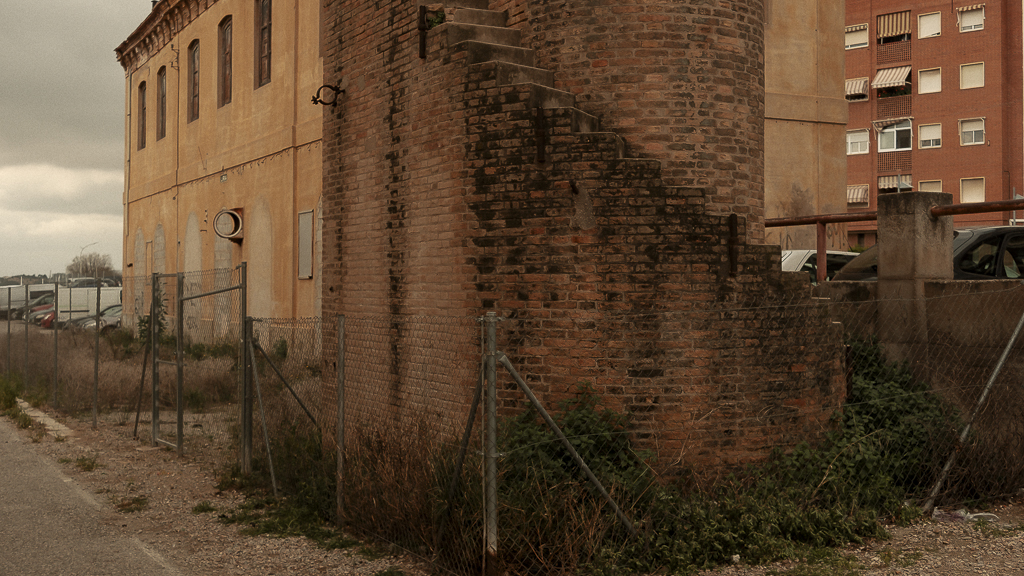
Dinner was good, typical tapas washed down with more red wine. I was decidedly unsober when we finally rode the 15 minutes to Xelardo, luckily most of it was on bike paths as I’m sure I was wobbling around a bit as we rode. We made good use of those paths and bikes over the next few days.
The next day, Thursday, we went into Valencia to join tens of thousands of others for the final day of Fallas celebrations, and like I said up front I will write about that soon.
On Friday we took a walk around the bit of Xelardo where Paul and Paula’s house is. Xelardo is a residential area, I don’t think there is even a shop. It’s very quiet, a lot of the houses are second homes, and I guess most people who are here full time keep to themselves. There are a lot of dogs. A LOT of dogs, and they bark as soon as we get close to their homes. Fortunately, the dogs are behind high fences and big gates.
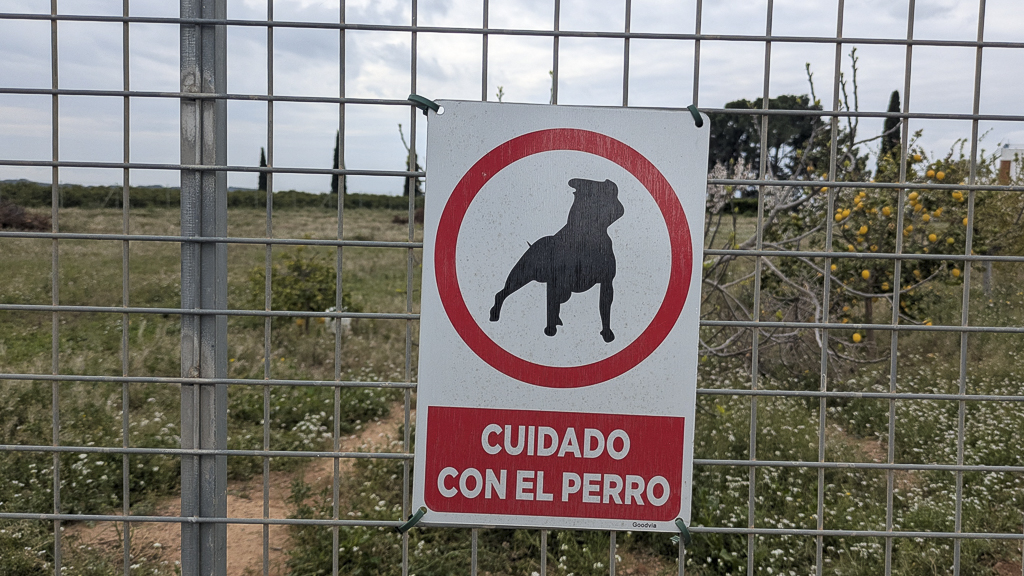
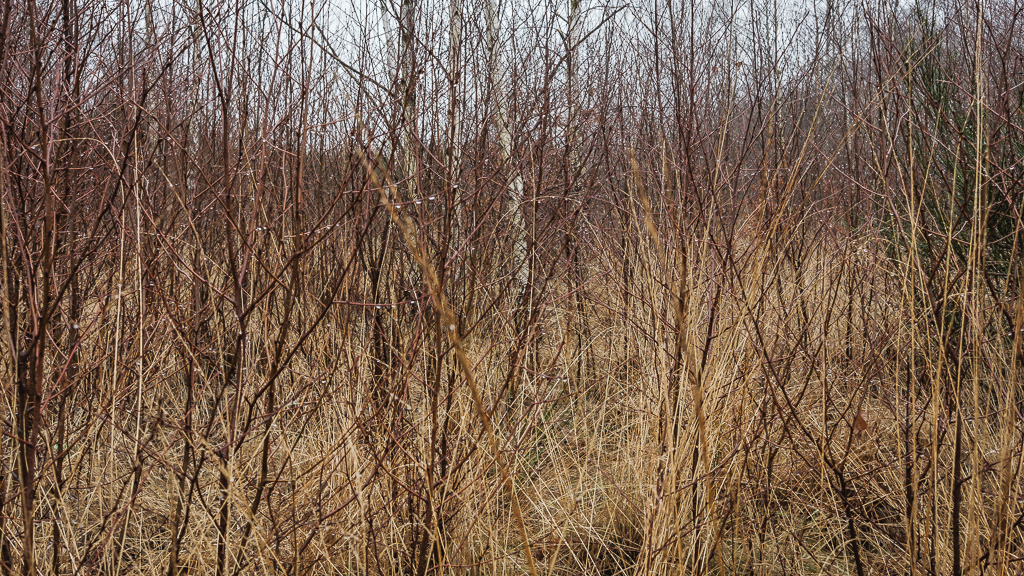
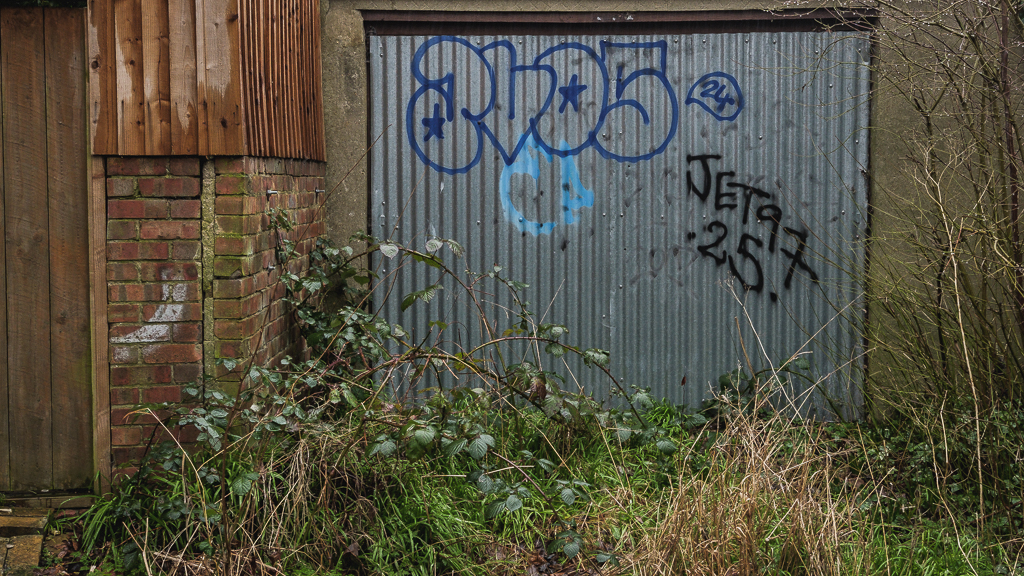
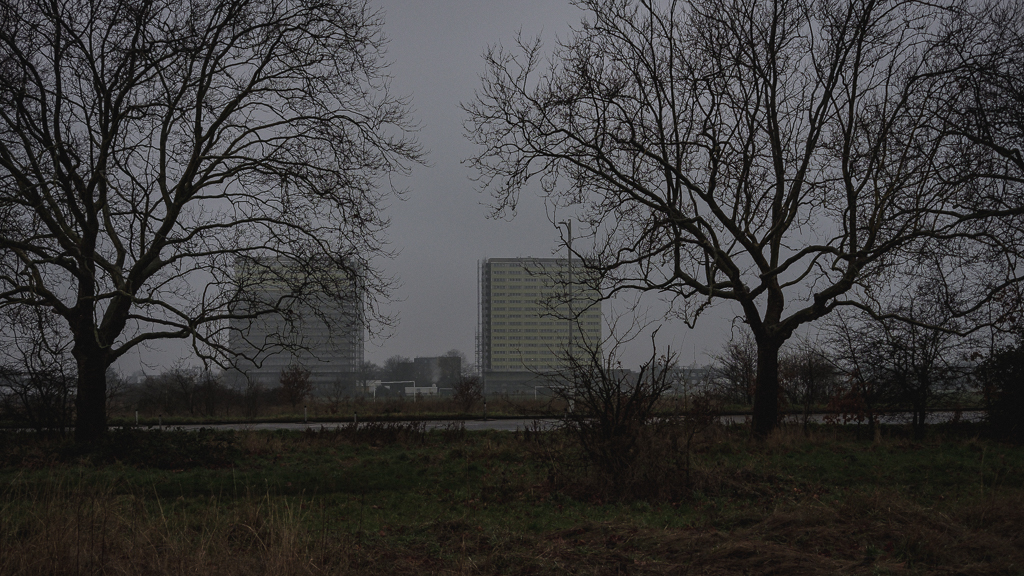
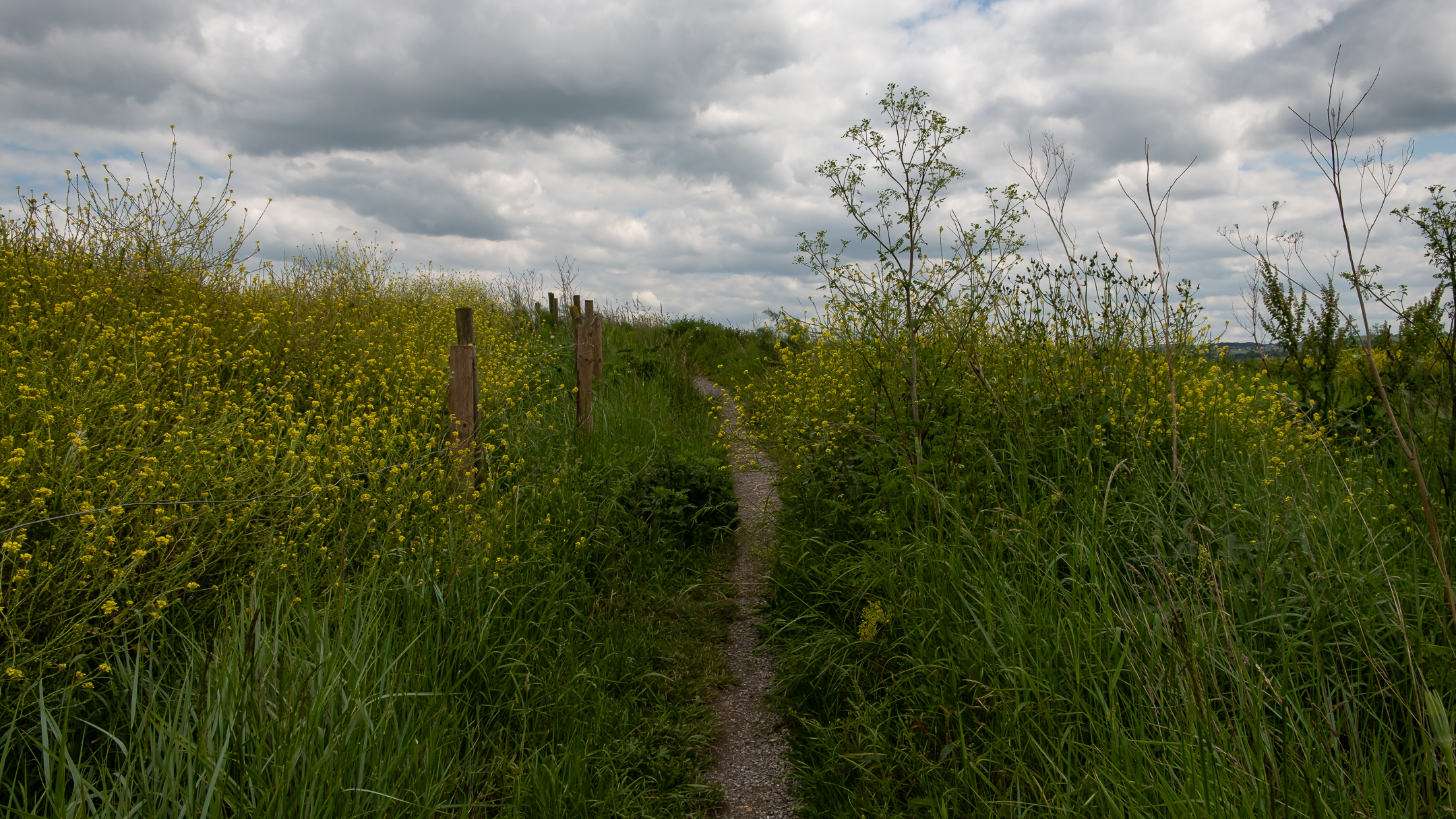
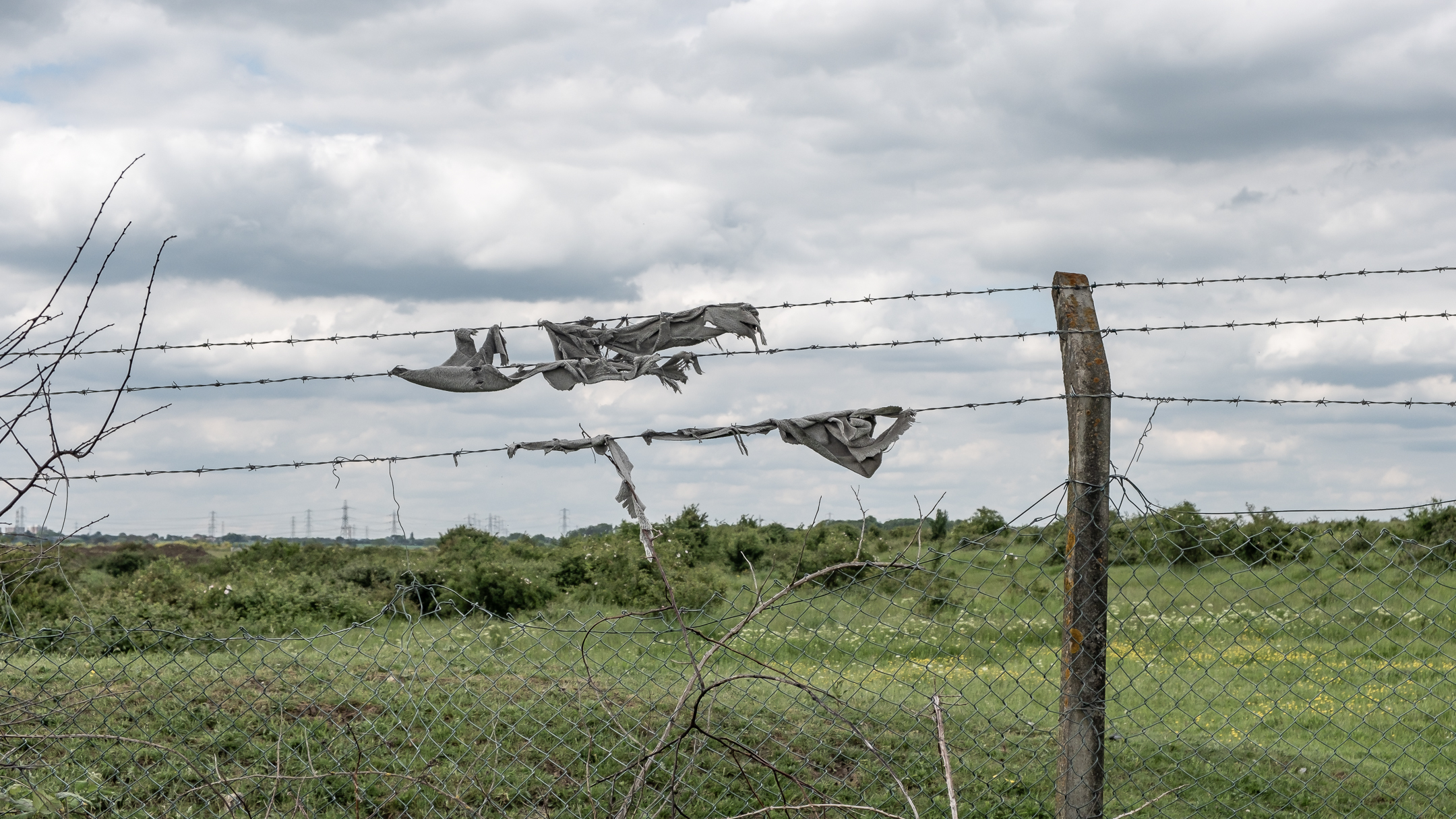
It’s strange on the edge of towns, especially quiet agricultural towns like this, where beyond the back fence lie empty scrubland or small orange or olive farms when picking season has passed. There are a few abandoned farm buildings beyond the fence, and these add to the eeriness of the place. It’s so quiet.
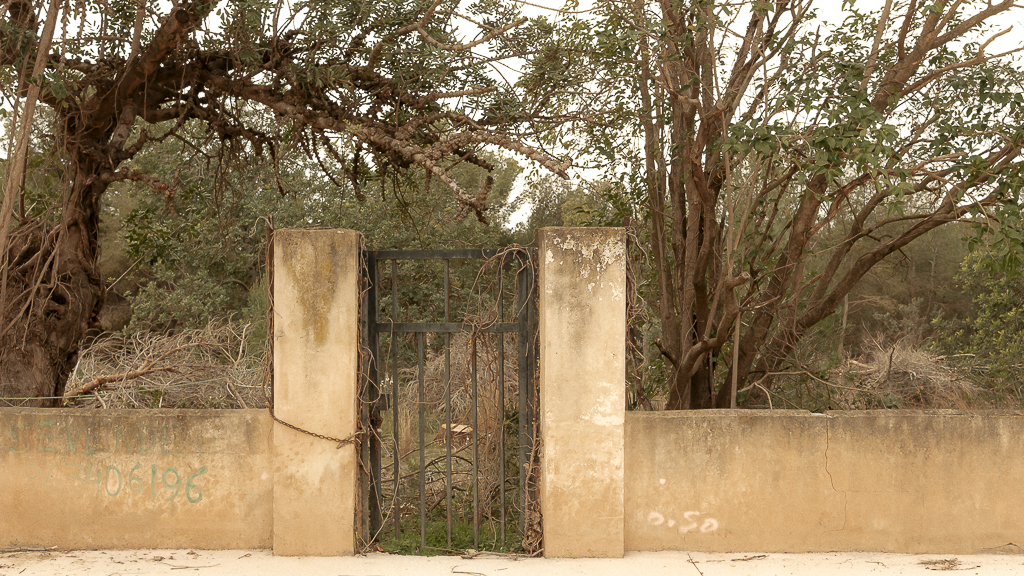
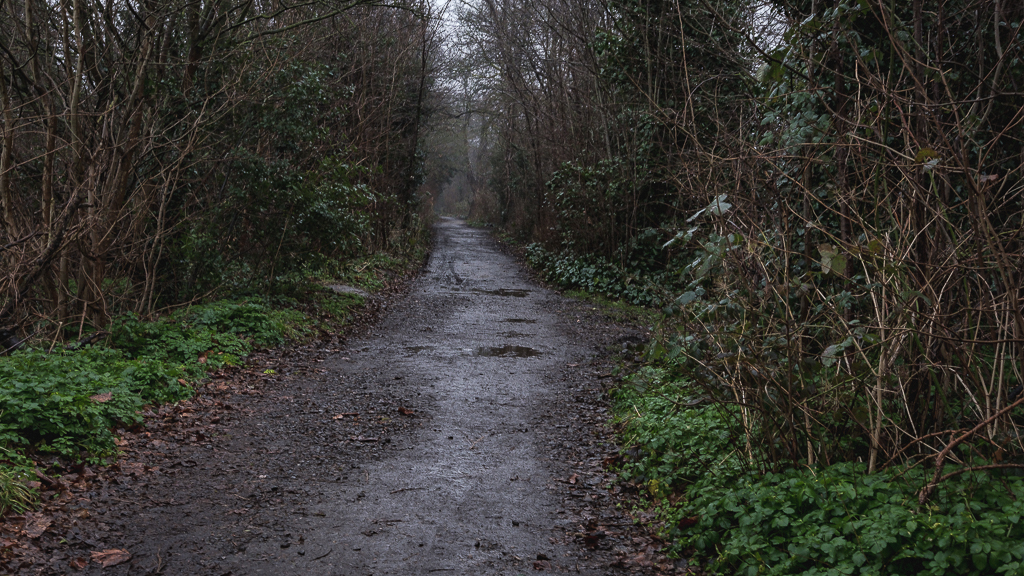
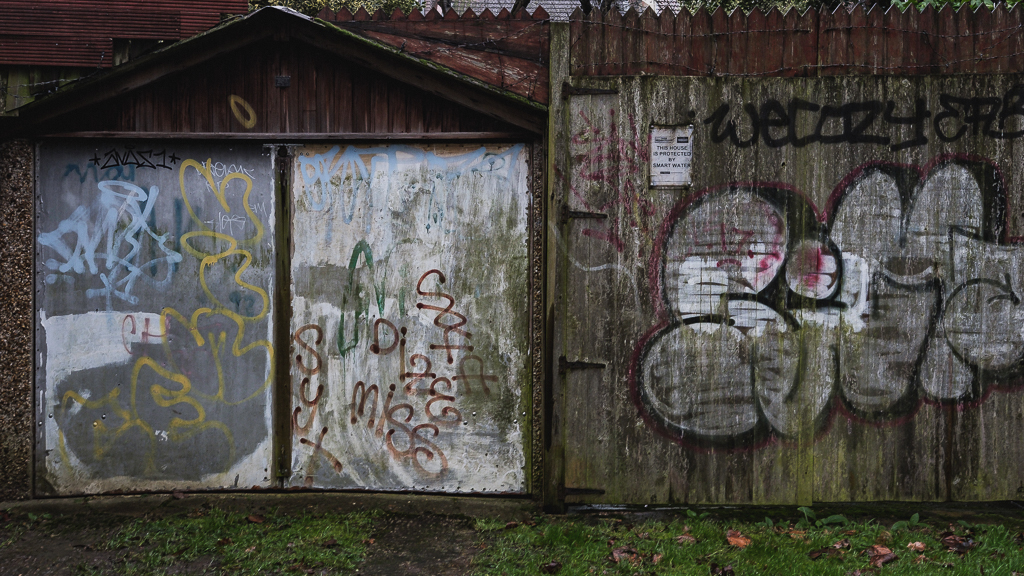
The streets we walked were largely deserted, not even parked cars to get in the way of photos. The ‘roads’ on the edge of town are still not much more than dirt tracks, perhaps flattened every few years.
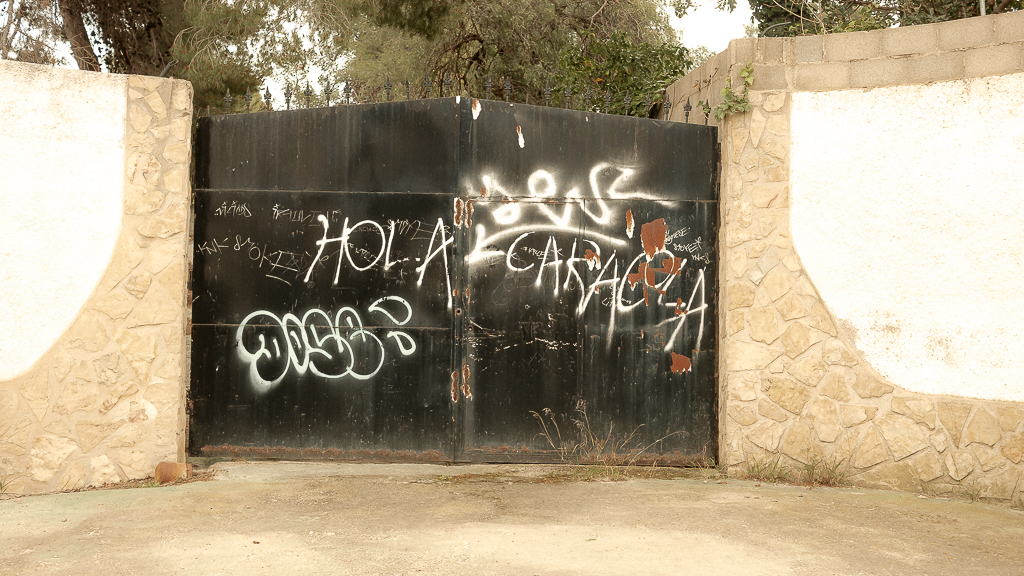
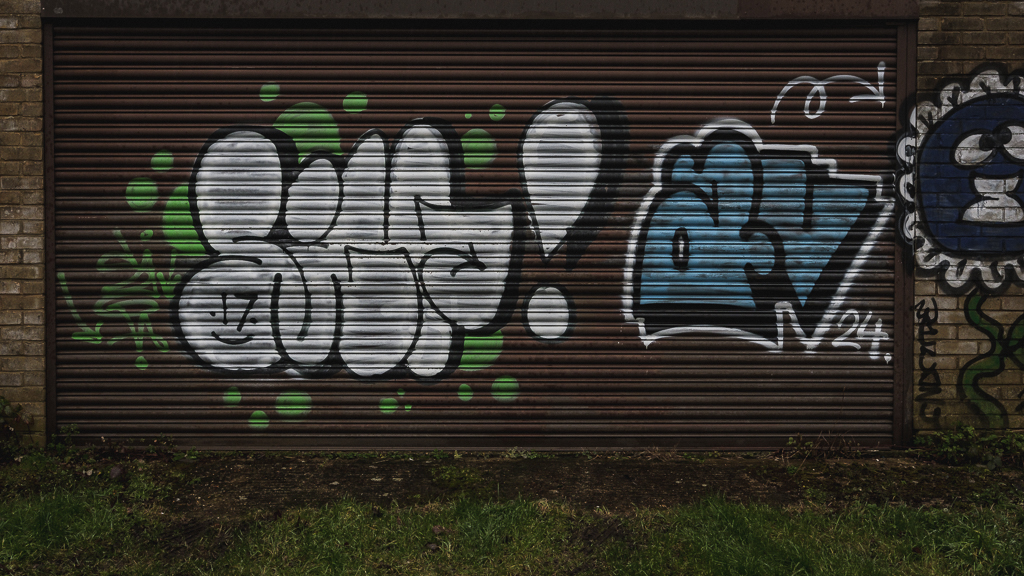
Inside from the edge there has been road maintenance over the last few years, footpaths and sewage has been installed and some of the roads look like they’re about to be sealed.
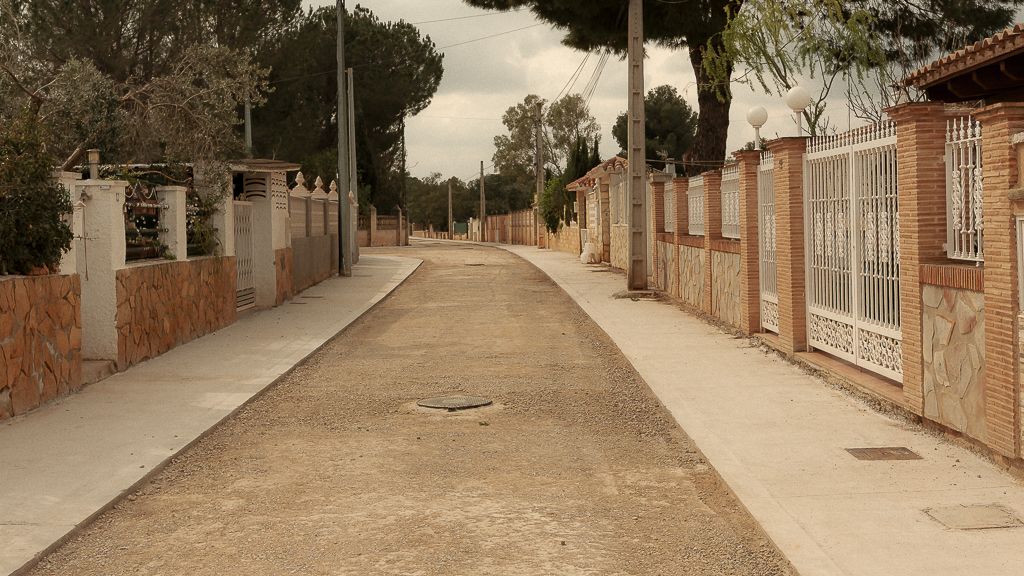
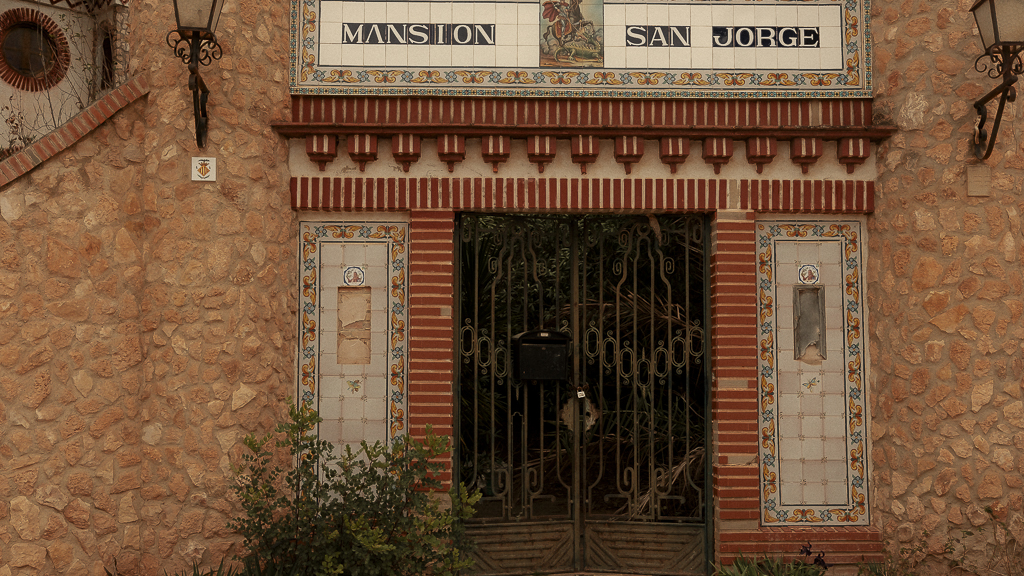
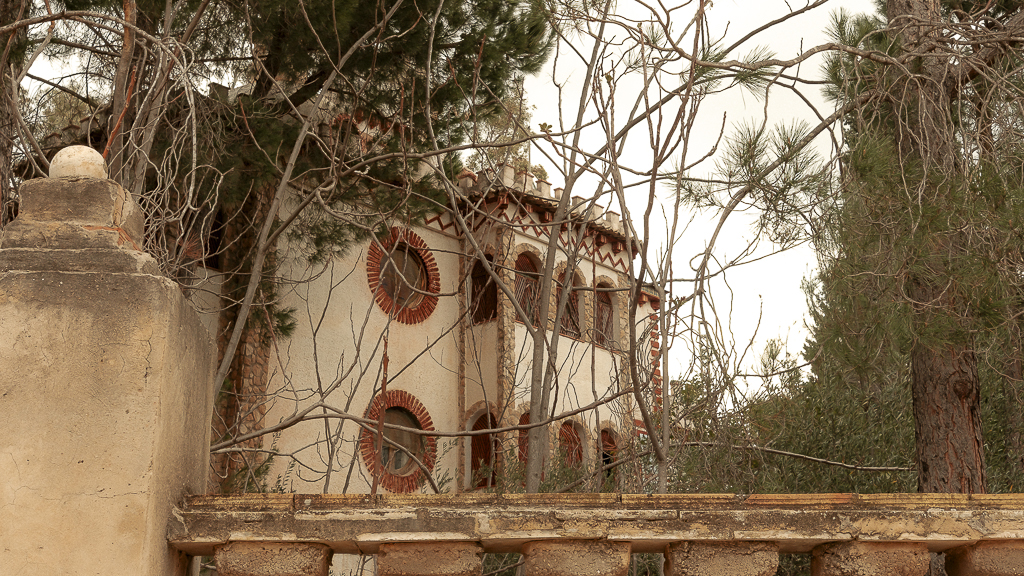
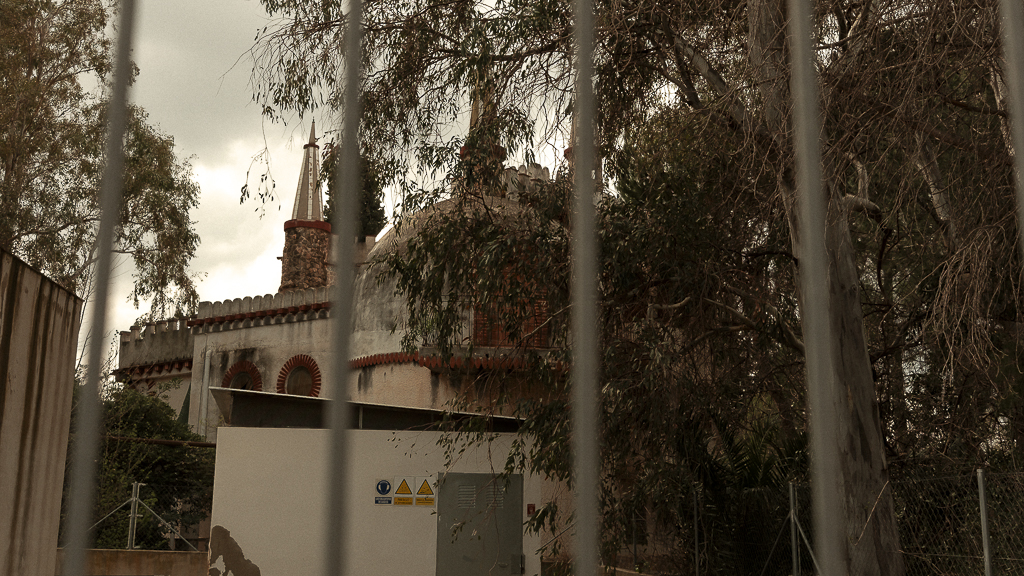
On one of these streets a man came out his gate and stared at us for a while as I took photos of an abandoned ‘mansion’ over the road. His dog barked incessantly from behind the gate as he stood. We didn’t feel like we were welcome in ‘his’ street, even though it was five minutes on foot from Paul’s. Maybe he is worried someone will buy the old mansion and convert into a hotel?
There was an abandoned campground nearby that I found a way into back in 2018 and I was keen to see what it was like now. Sadly, it was devasted by a huge fire in the Covid years, and the site has largely been cleared now. I was going to sneak in again through the solitary hole in the fence, but I heard someone working in one of the buildings so chose caution instead. I was a bit disappointed to be honest as I was hoping see what 8 years had done to the place.
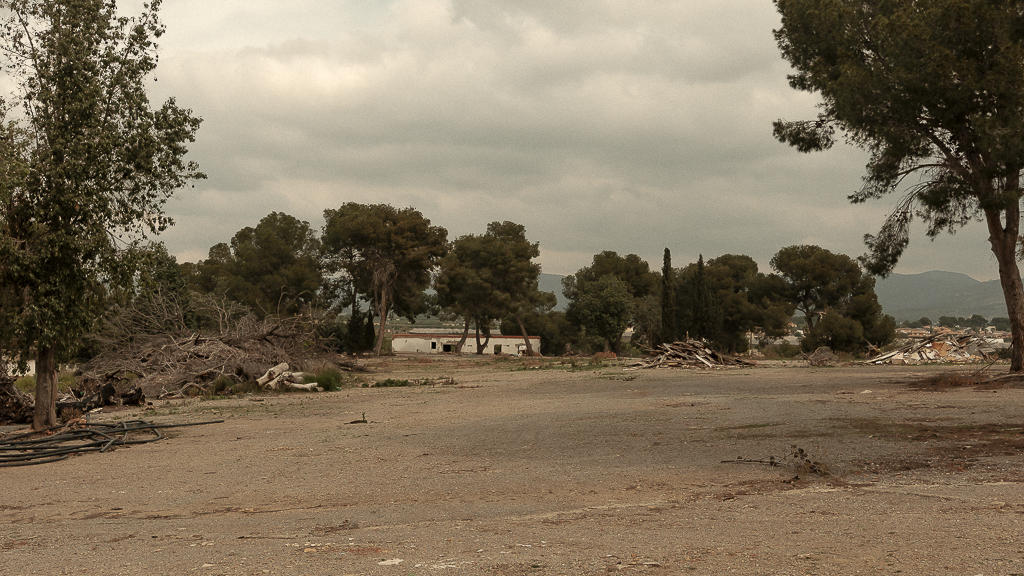
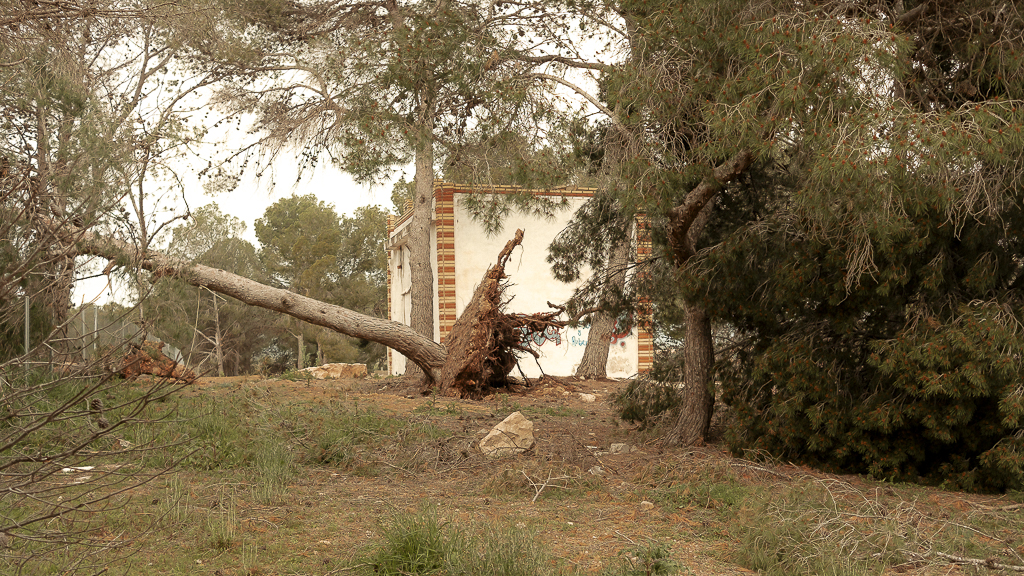
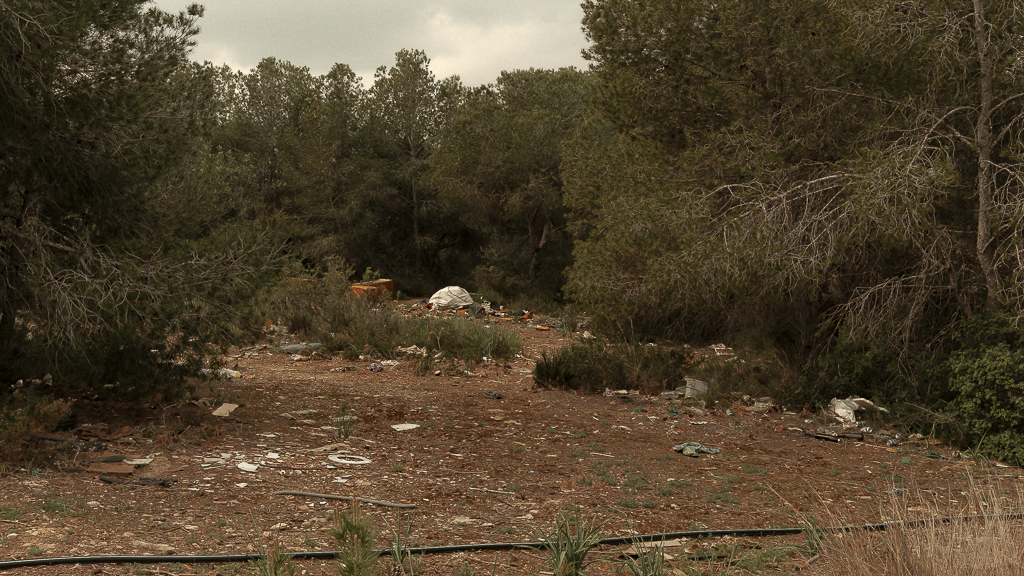
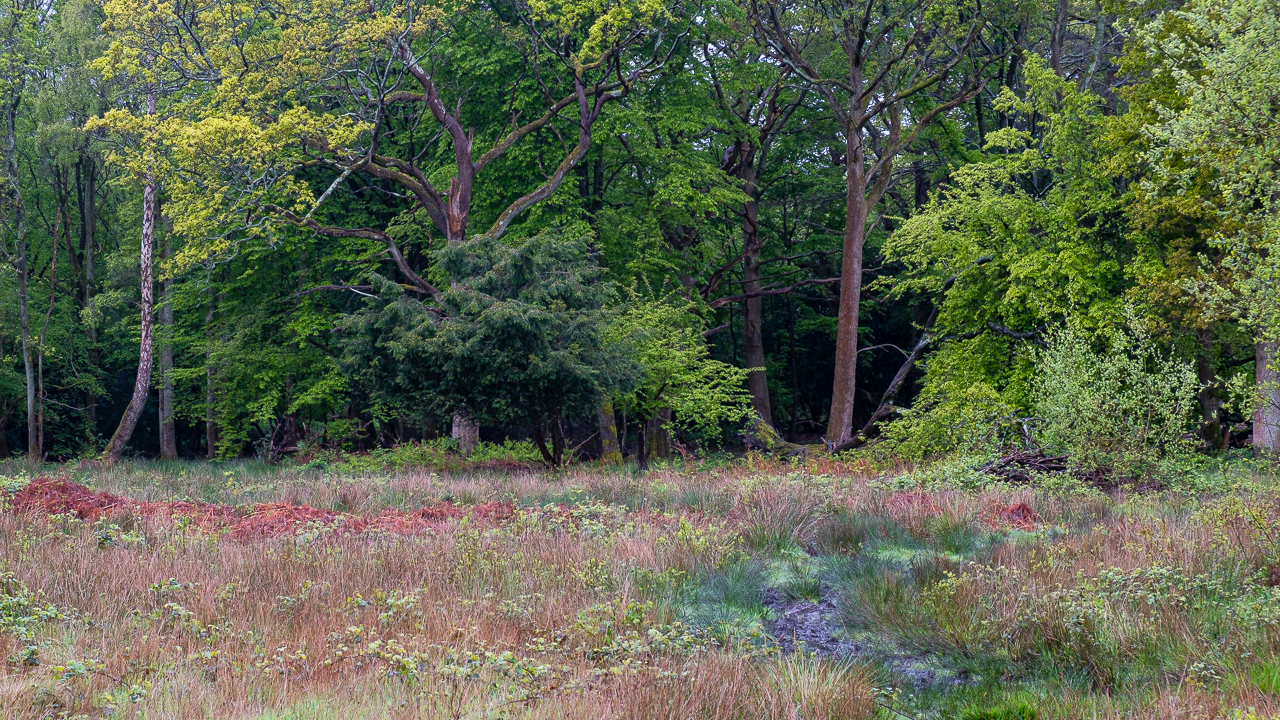
Next to the campsite is a small, forested area, I suspect this is used on the quiet as a firewood source by the locals. Since the campsite was cleared it’s become a bit of a dumping ground and is strewn with household rubbish. The newly laid sewage lines run to the campground and the forest so I suspect these will soon be subdivided so more empty houses can be built.
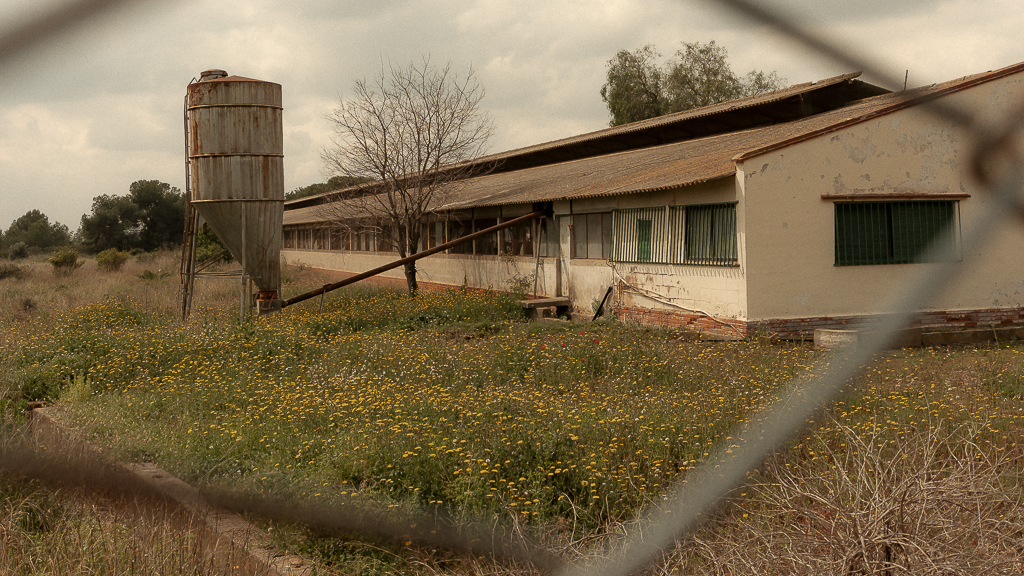
A derelict pig farm sits on one side of a sealed road on the northern edge of town, houses line the other. I can’t imagine what it was like living over the road from a pig farm, though I guess it was a local employer that hasn’t been replaced. 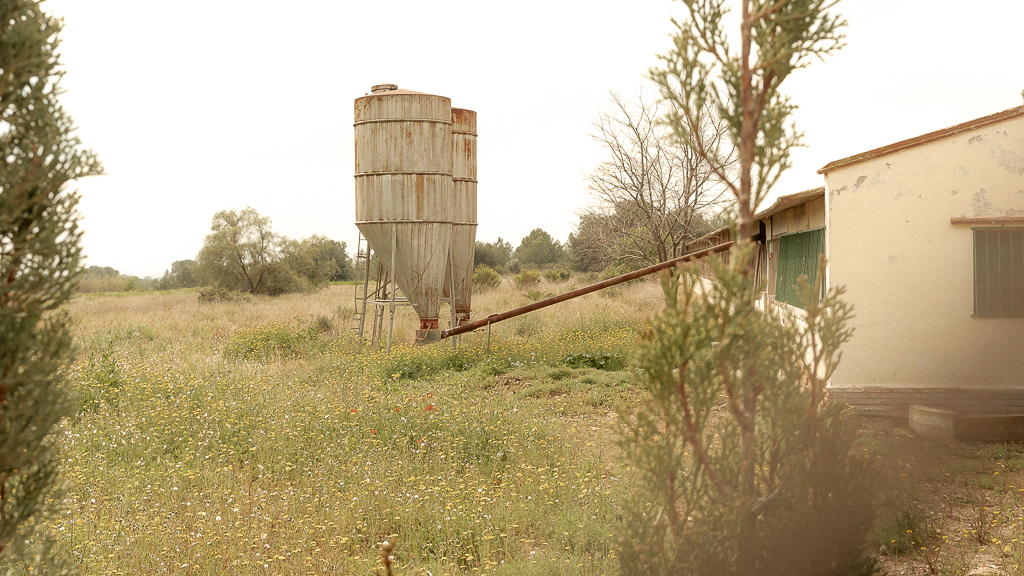
We loop back through the older streets, lined with houses on both sides, the barking of dogs still following us as we go. Drawing close to home we share a nod and a ‘hola’ with a woman walking a dog, the only human interaction in an hour of walking.
Living on the edge of town is weird.







 Where is Phil now?
You must be logged in to post a comment.