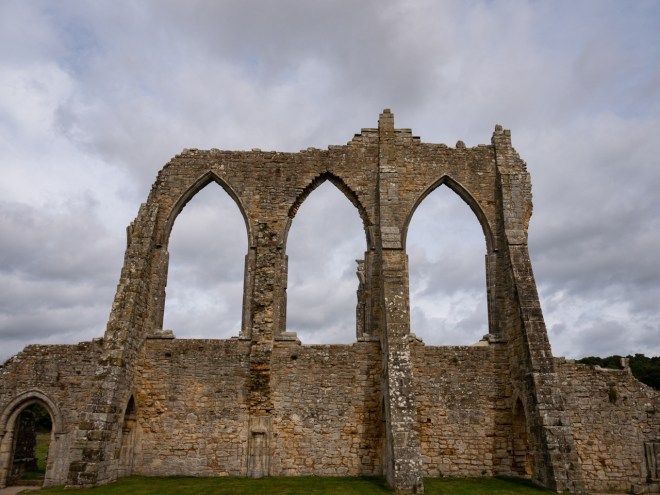
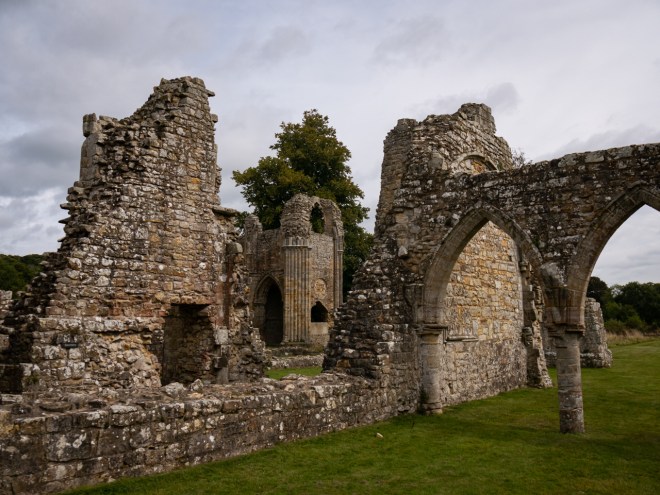
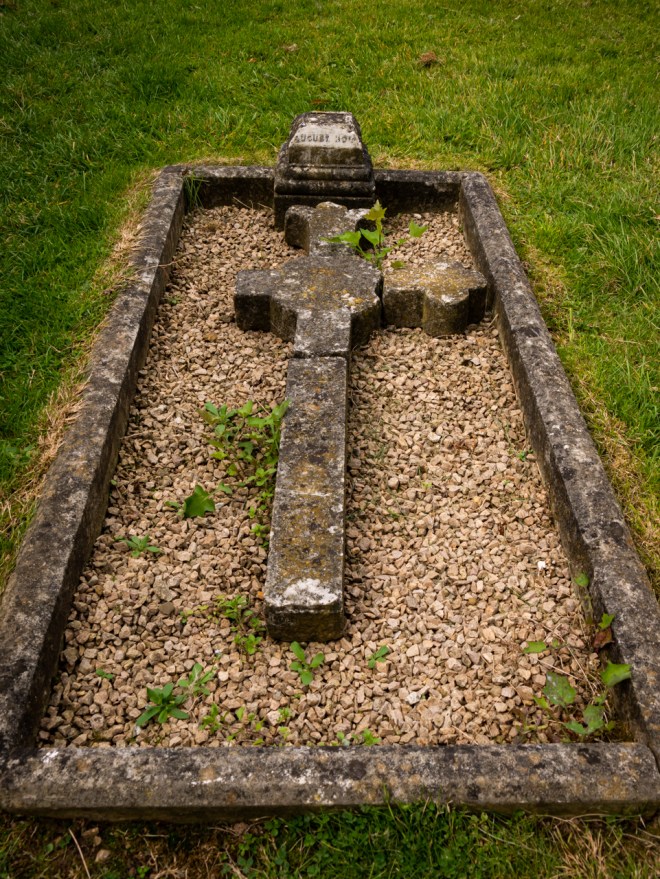
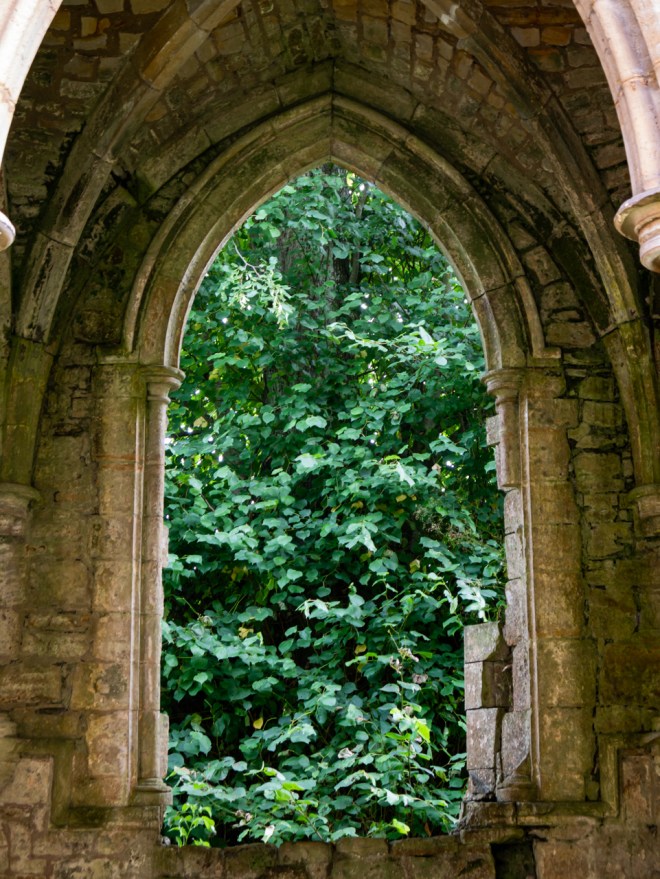
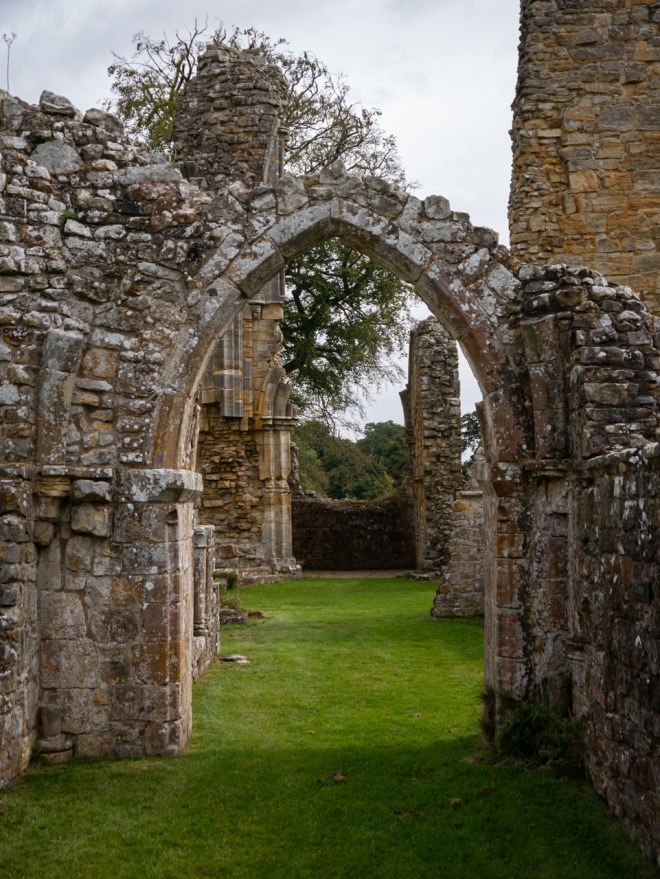
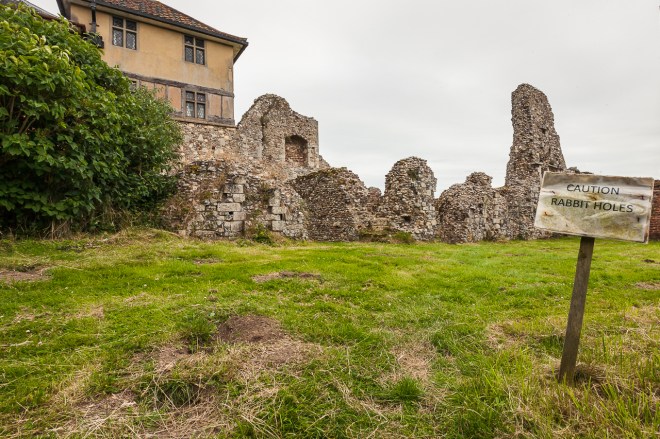
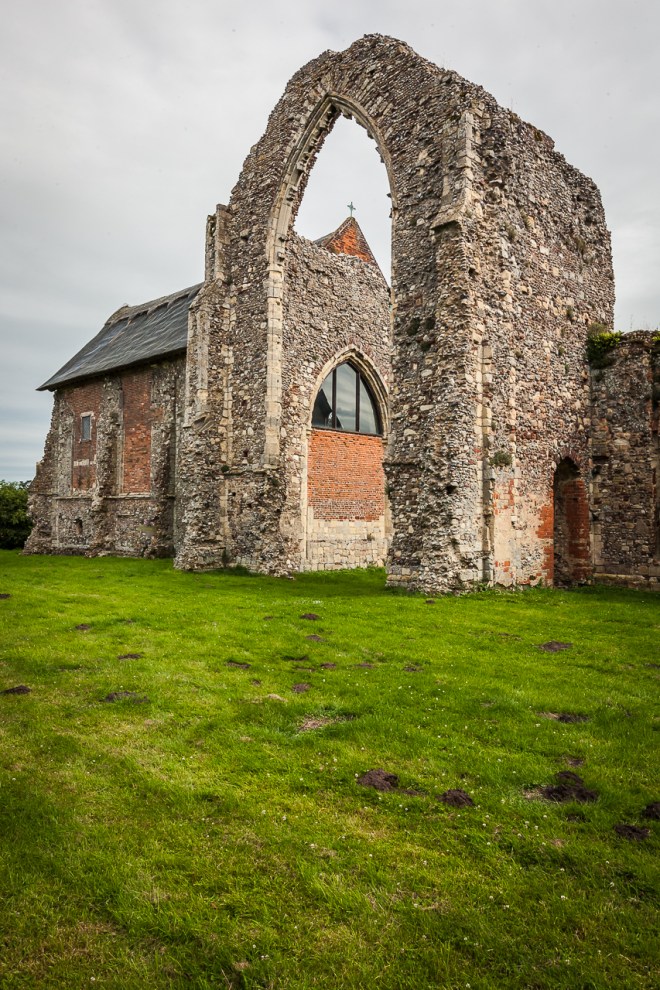
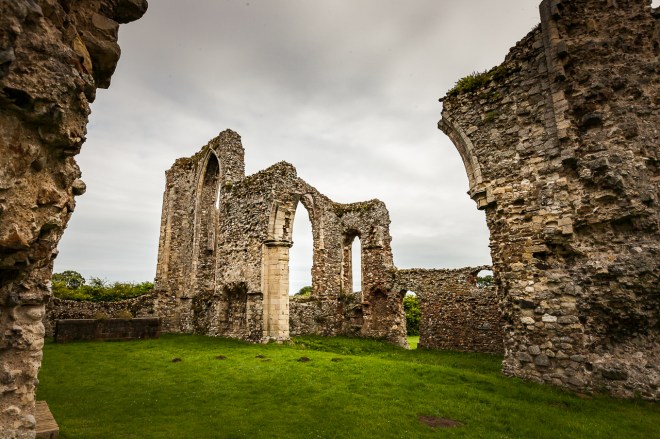
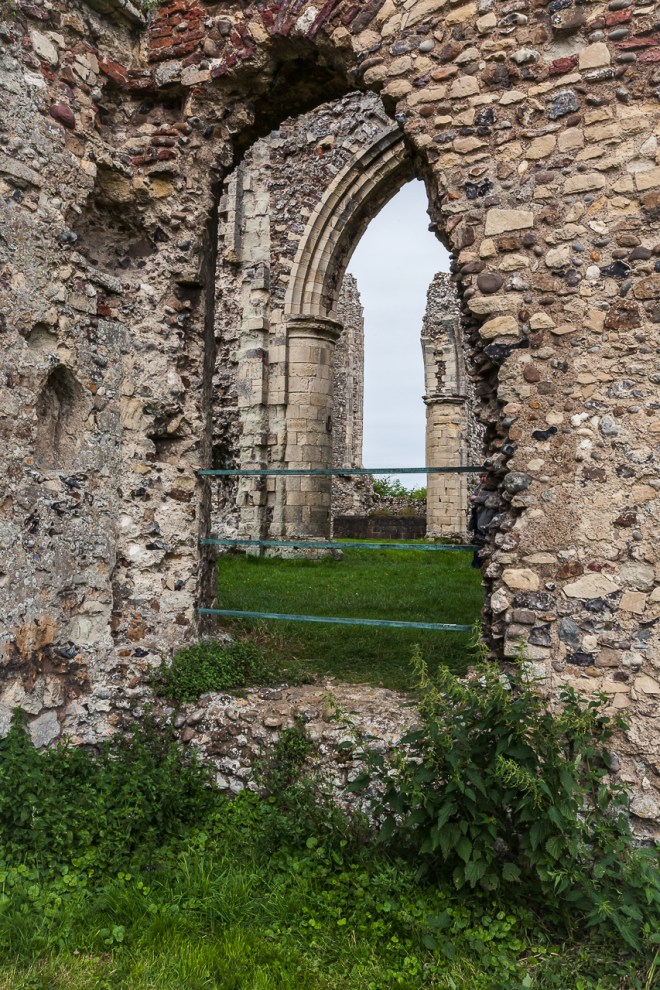
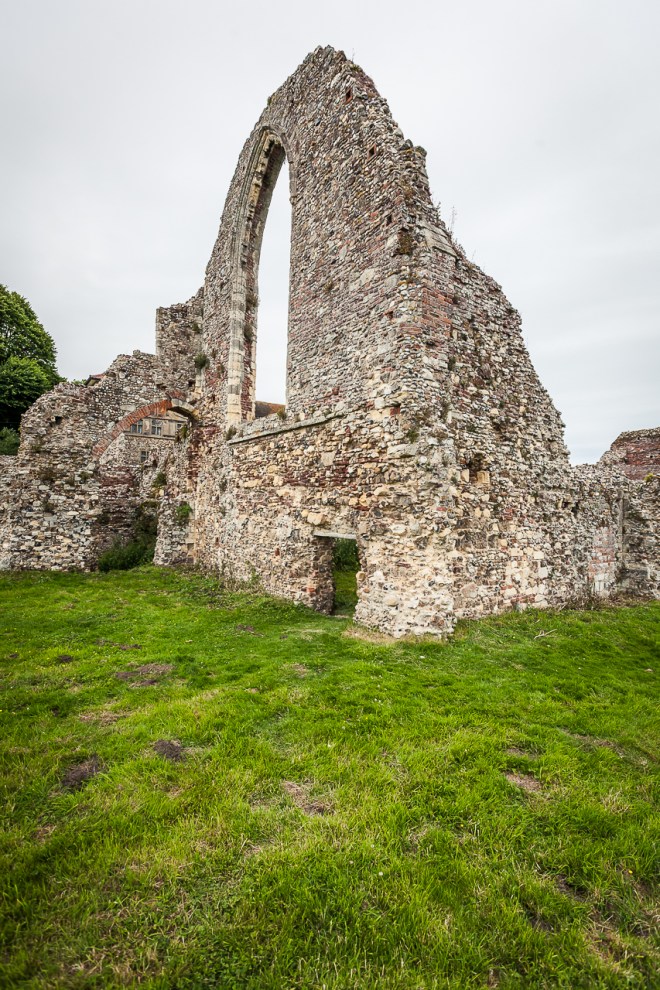
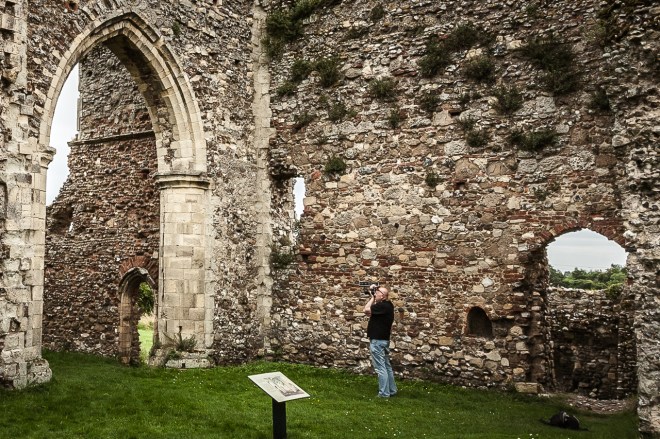
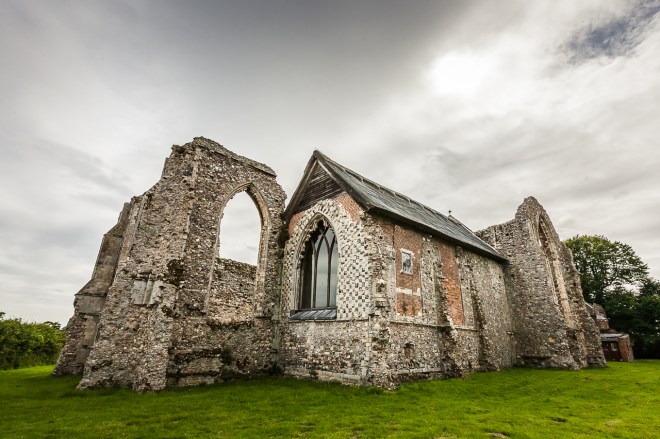
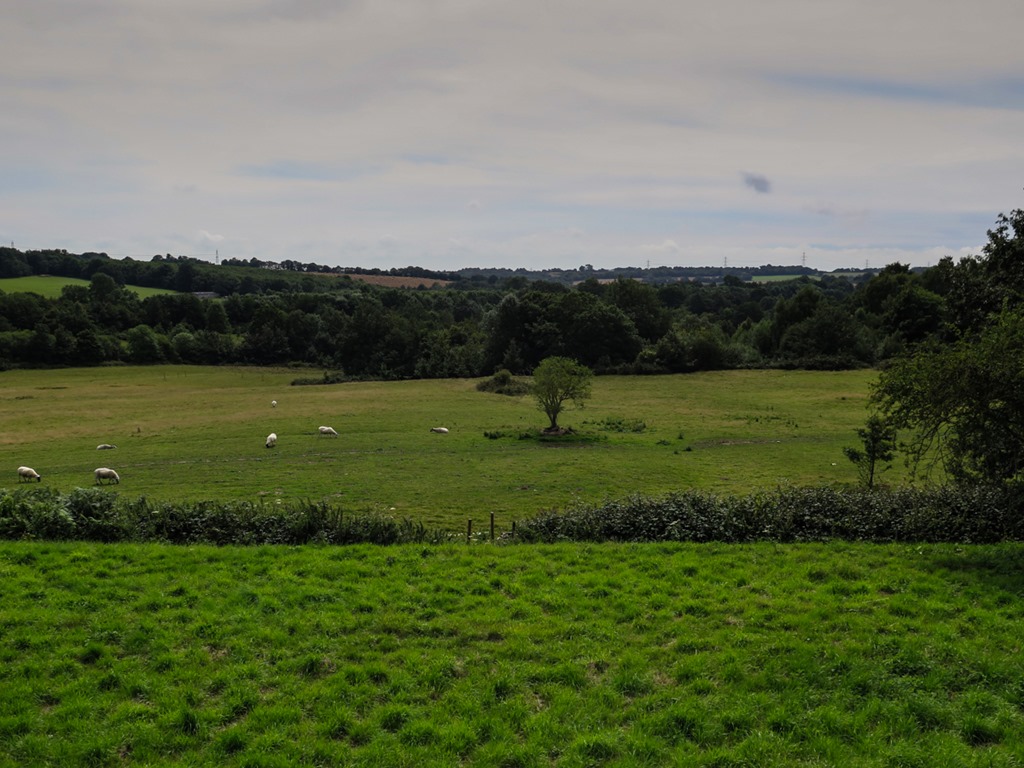
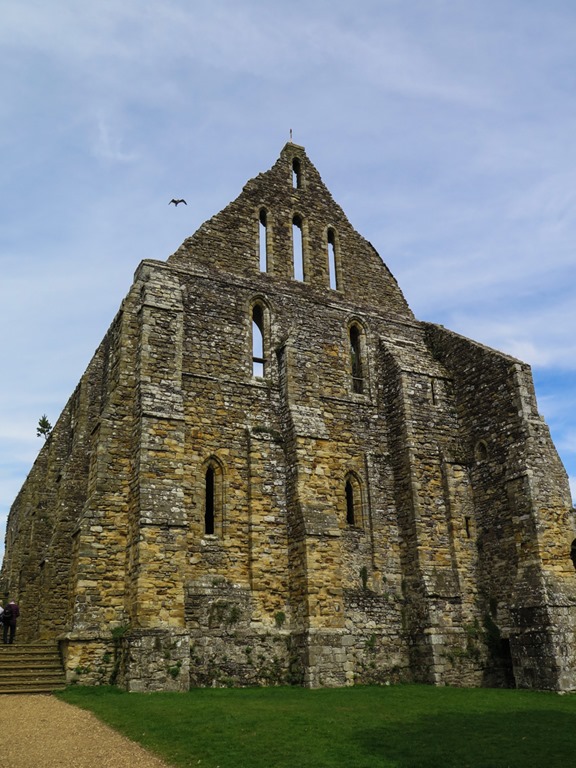
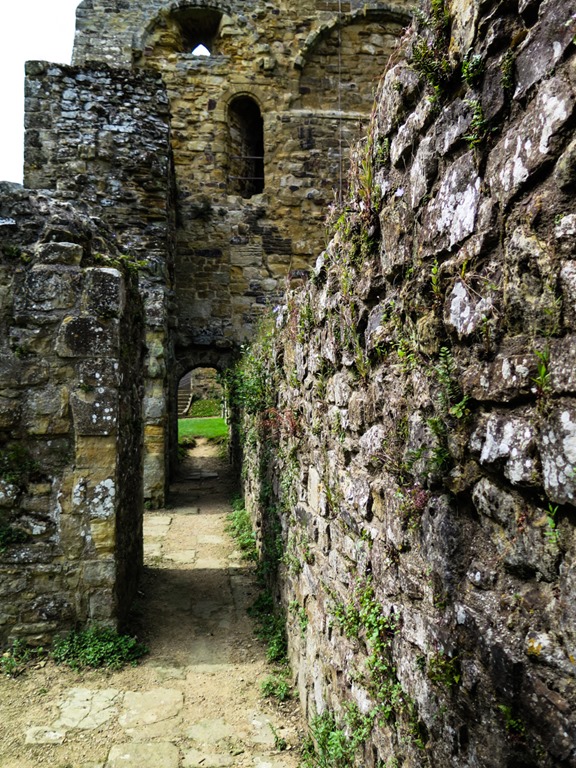
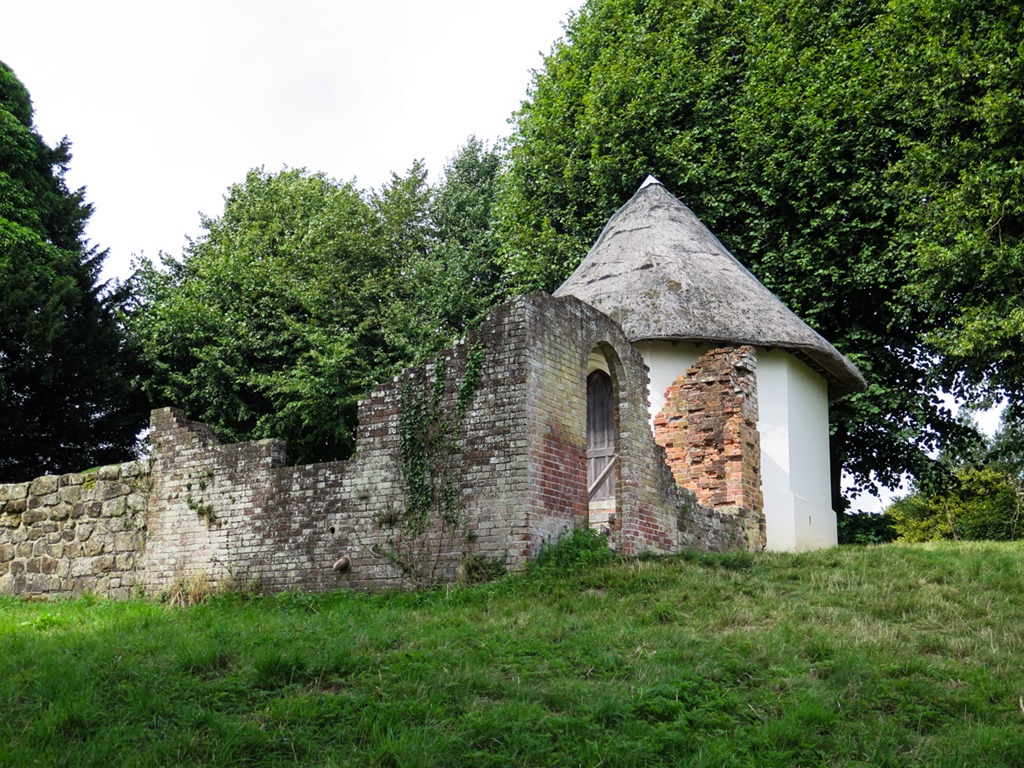
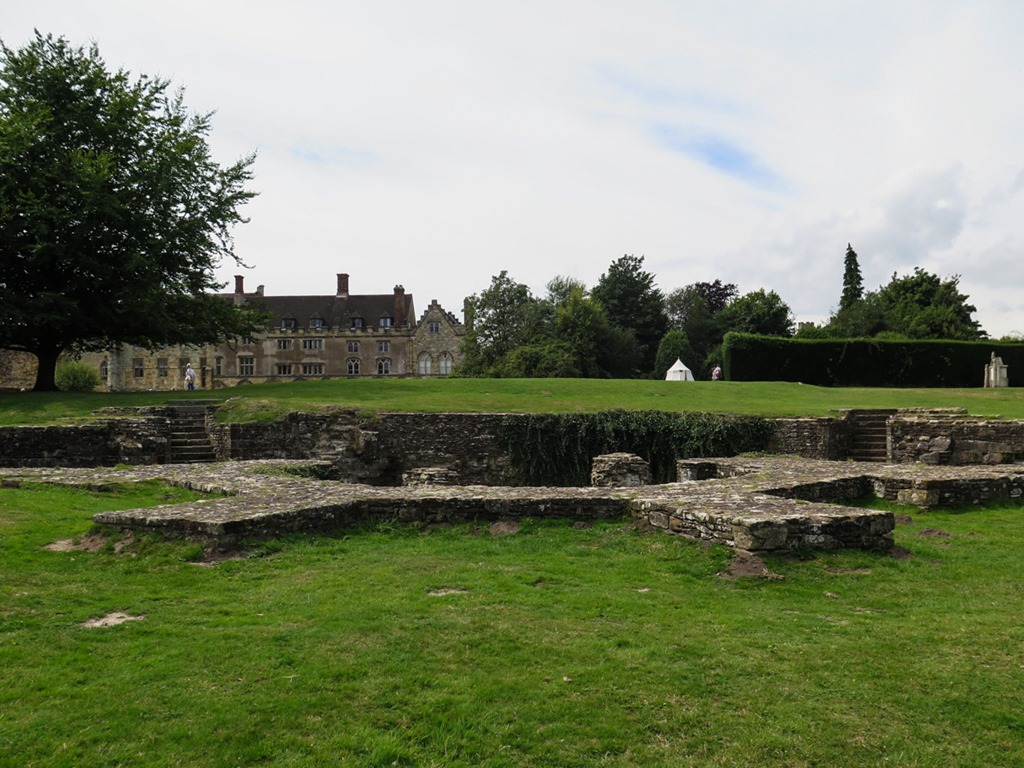
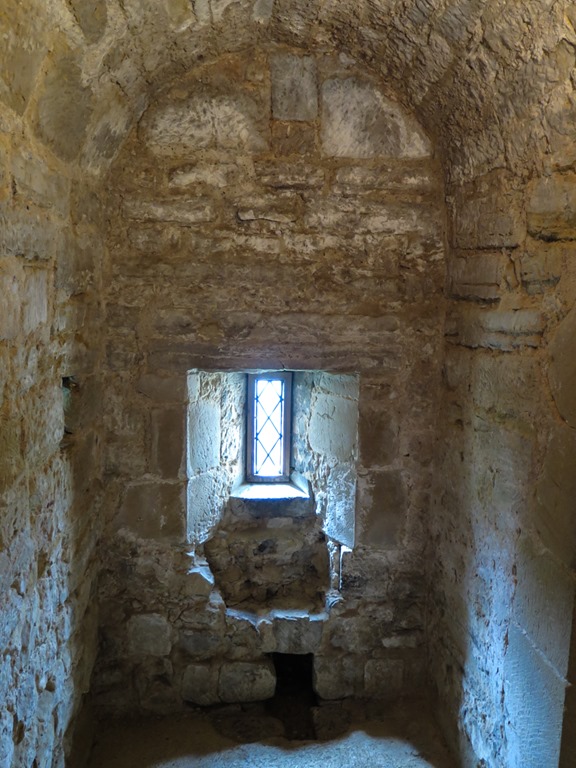
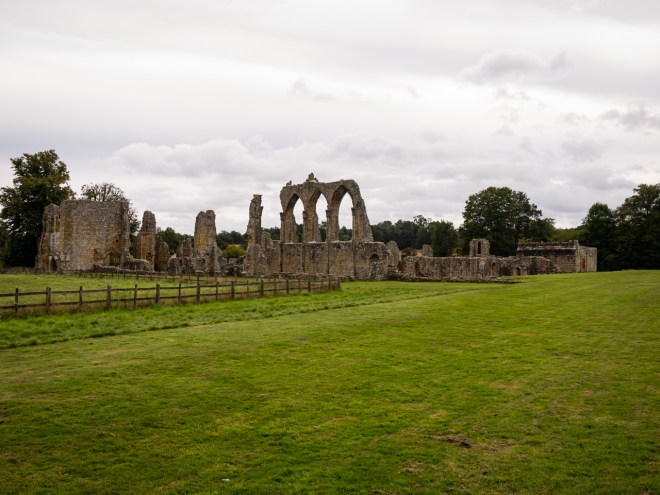
The lovely ruins of Bayham Abbey.

06 September 2019 – Bayham Abbey, Kent.

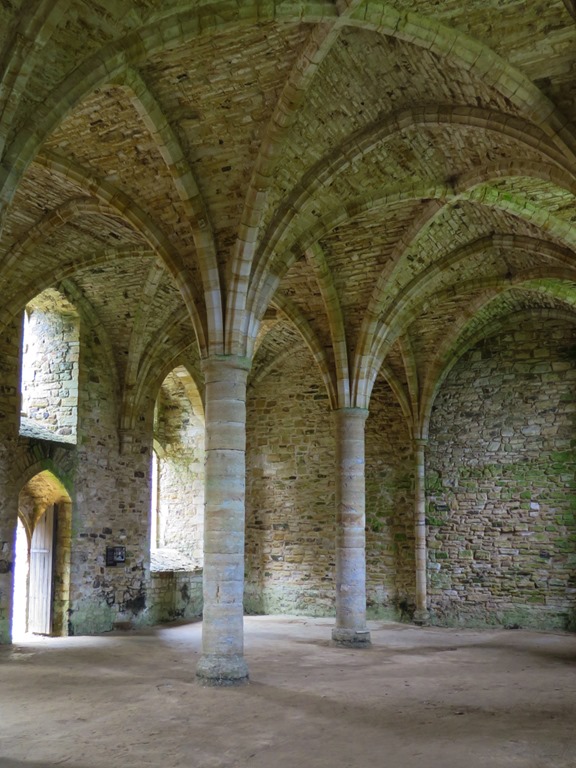
Bayham Abbey in Kent was founded in 1207 and existed until the dissolution of the monasteries between 1536 and 1541. It was a Premonstratensian, or White Canon abbey and was built when two nearby abbeys failed and combined resources to build a new one. The ruins were modified in the 18th century after the new abbey was built to provide a better landscaping feature. Whatever was done to it, certainly did not detract from the ruins as it is a magnificent structure. One of the loveliest I have visited, and it has been a while since I visited one.

The abbey can be found just off the A21 on the way from Walthamstow to St Leonards, probably not too far off half way time wise. I have been planning to stop here for a while, and with no rush to get back to London, today was the day.

I took lot of photos, way more than I have here!

I was mostly alone during my visit, at different times three couples also walked around, but that was about it, I liked it like that. It was peaceful. I picked up the habit of walking around the outside of a ruin, before going inside when I visited the Khmer ruins of Angkor Wat. At that time it was a way of avoiding the crowds, though sometimes there are things to see on the outside that most people miss as they just charge straight through the centre. I walked round the outside first today.
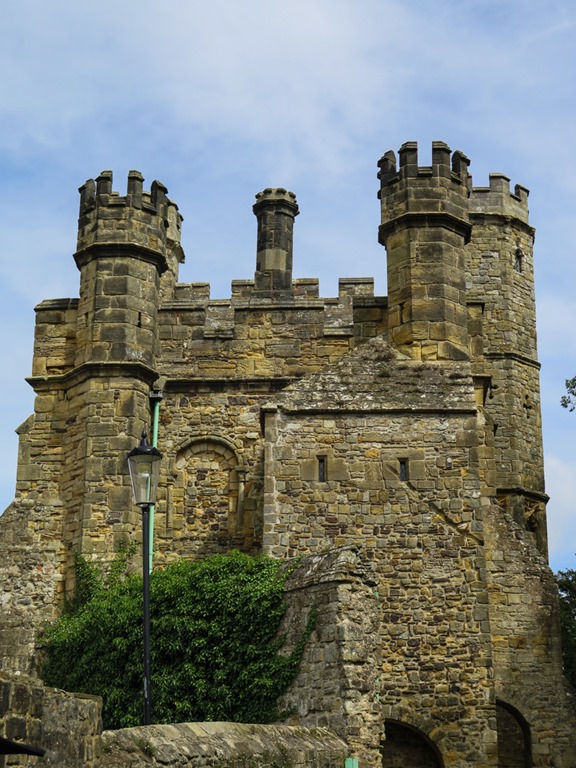
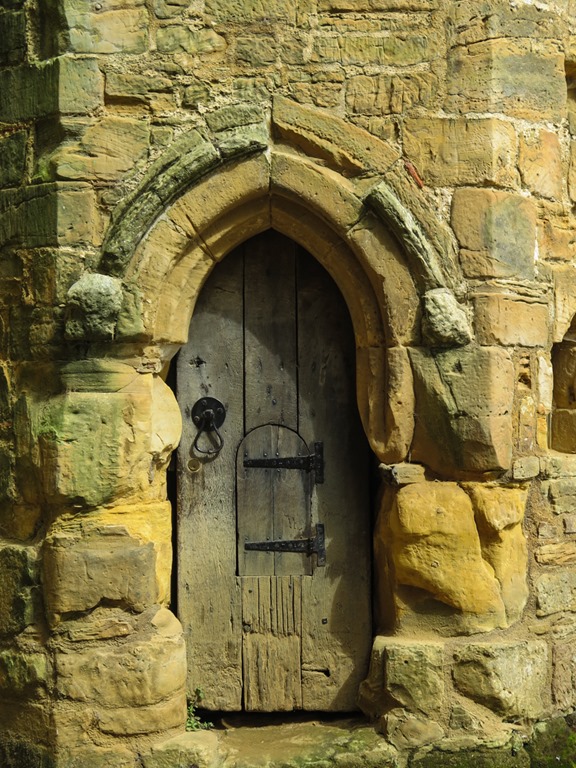
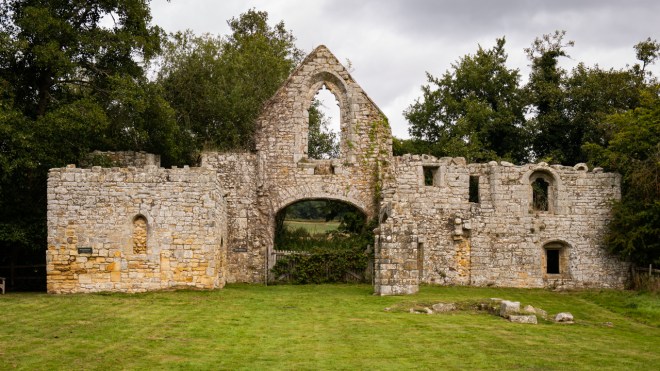
On the edge of the abbey ruin is a summer house and the old gateway. I went there first.
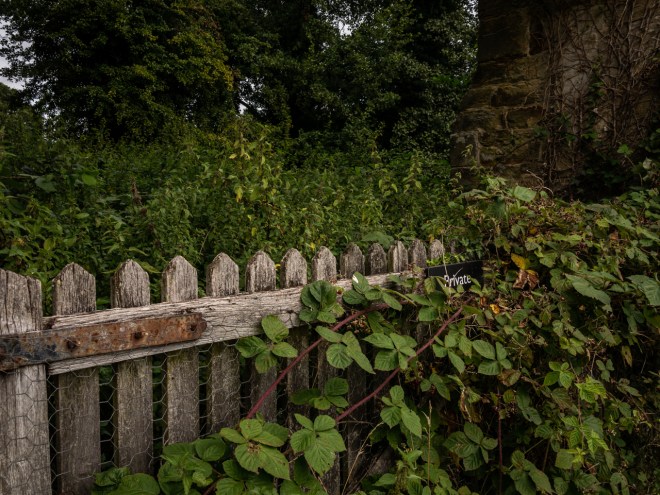
The gate was closed and had a sign saying advising that on the other side it was ‘Private Property’, though the amount of bramble and head high nettles on the other side of the gate makes the sign rather redundant. No-one was going to pass through that mess.
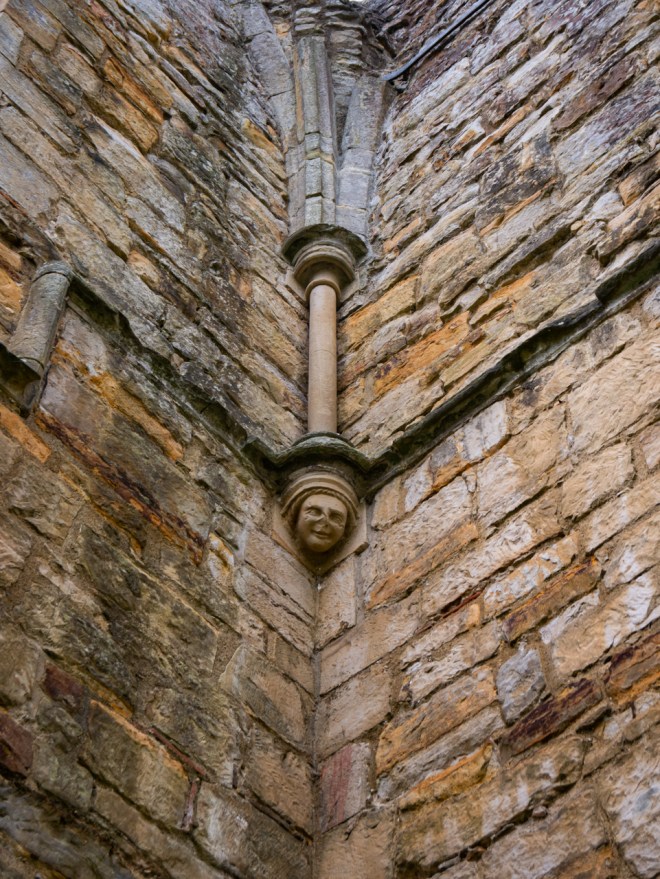
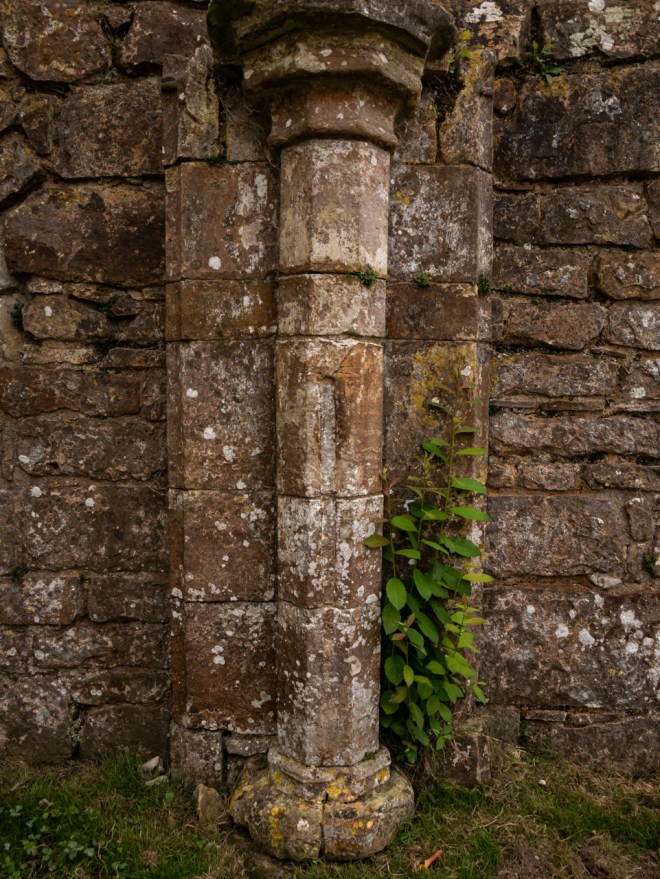
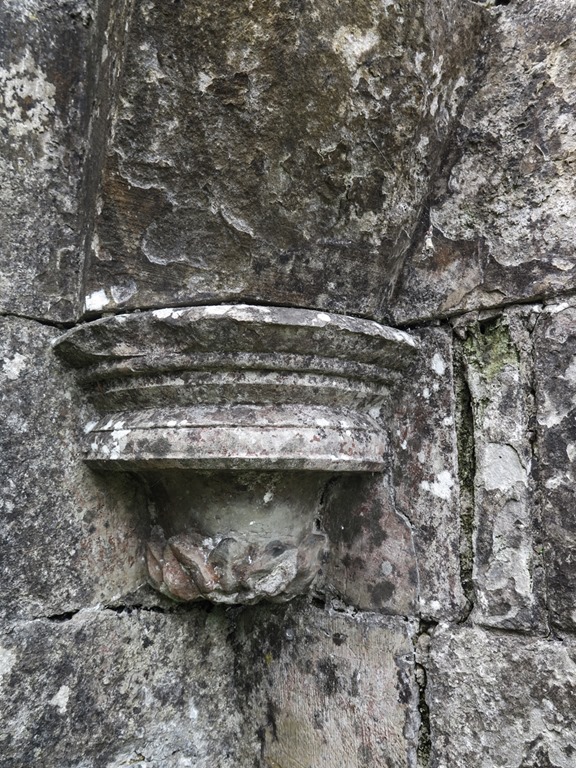
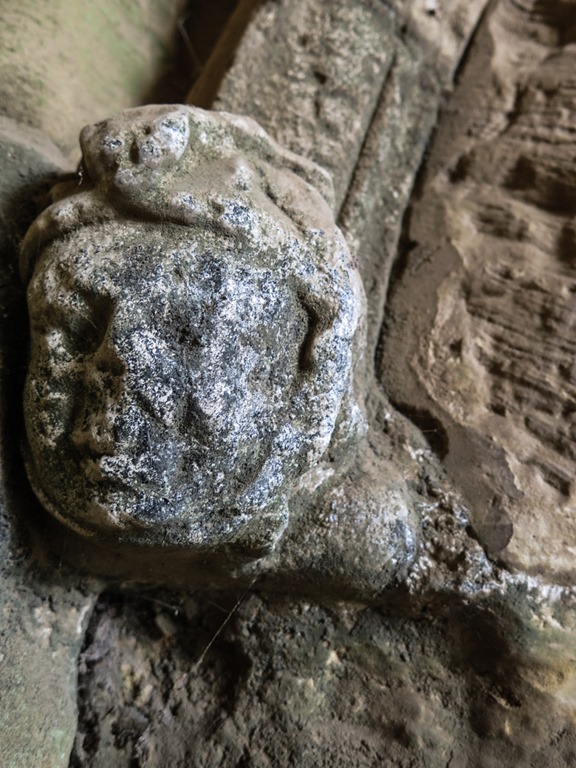
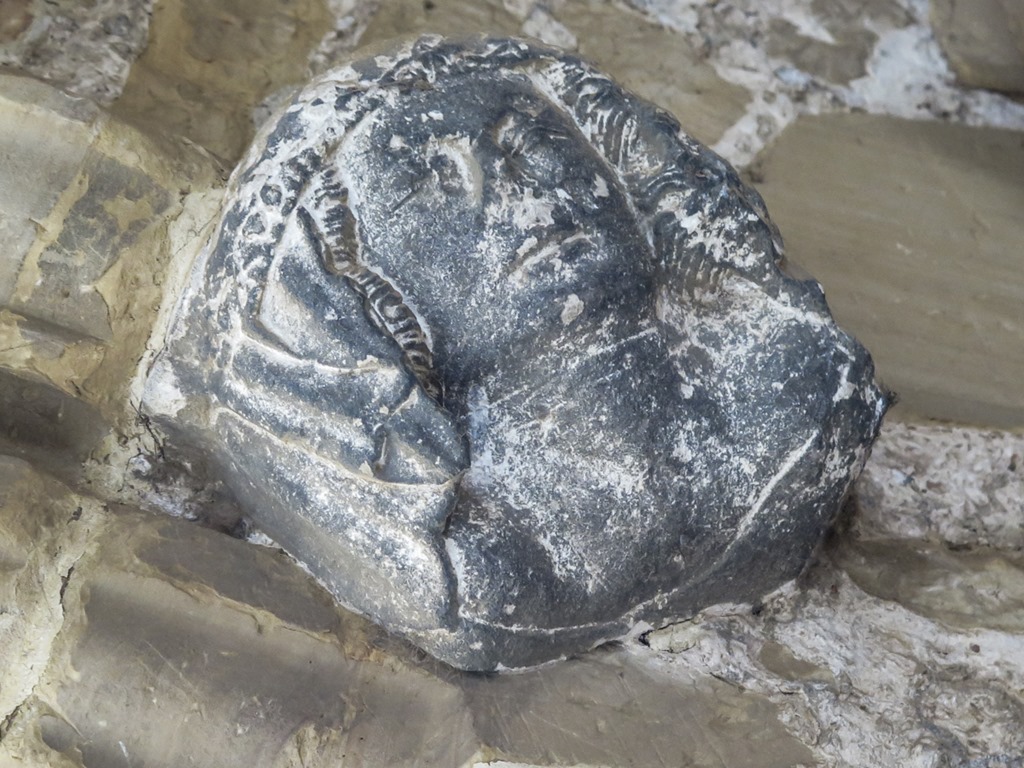
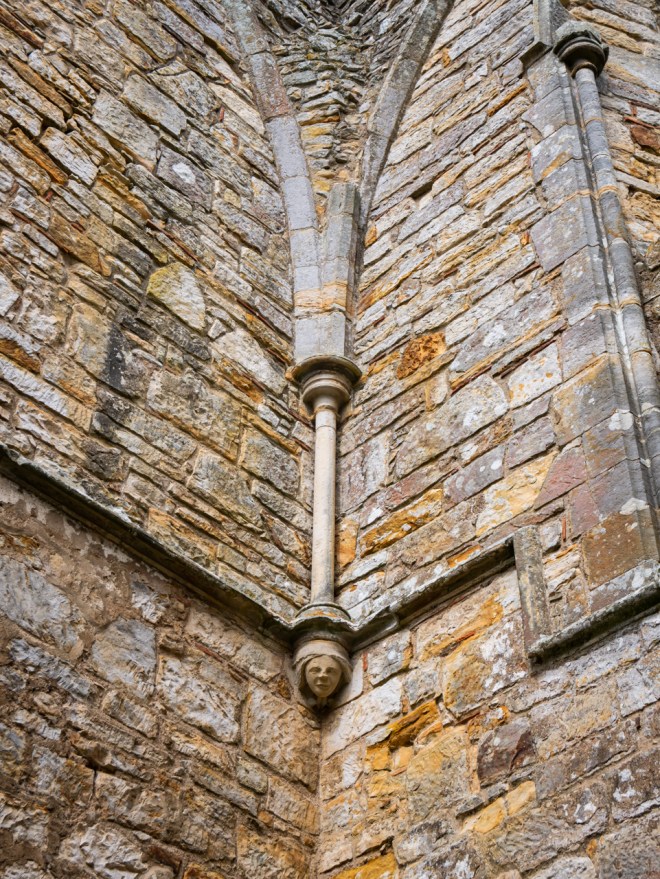
There were not many original features left, this was one of the few original carved faces I found, a number of new ones have been added in modern times, as you will see later.

Entering the ruins I spent some time strolling around the various spaces, all slightly different.
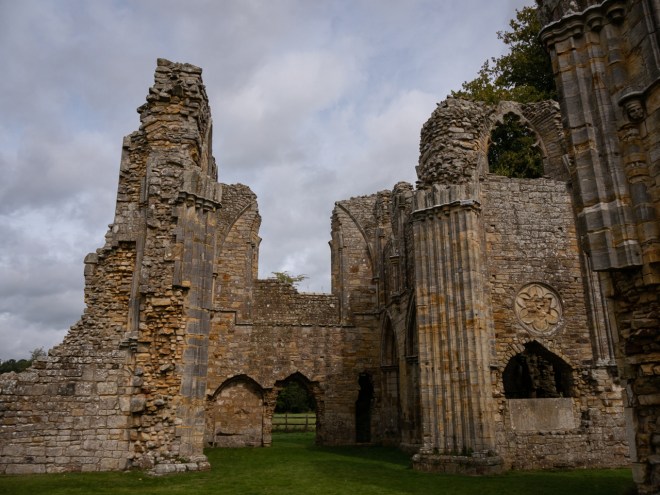
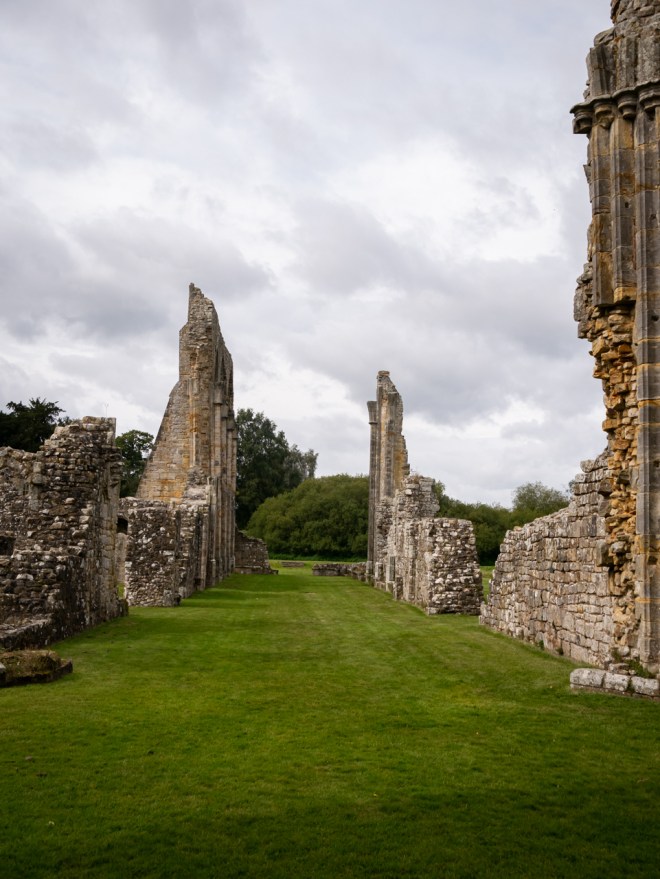
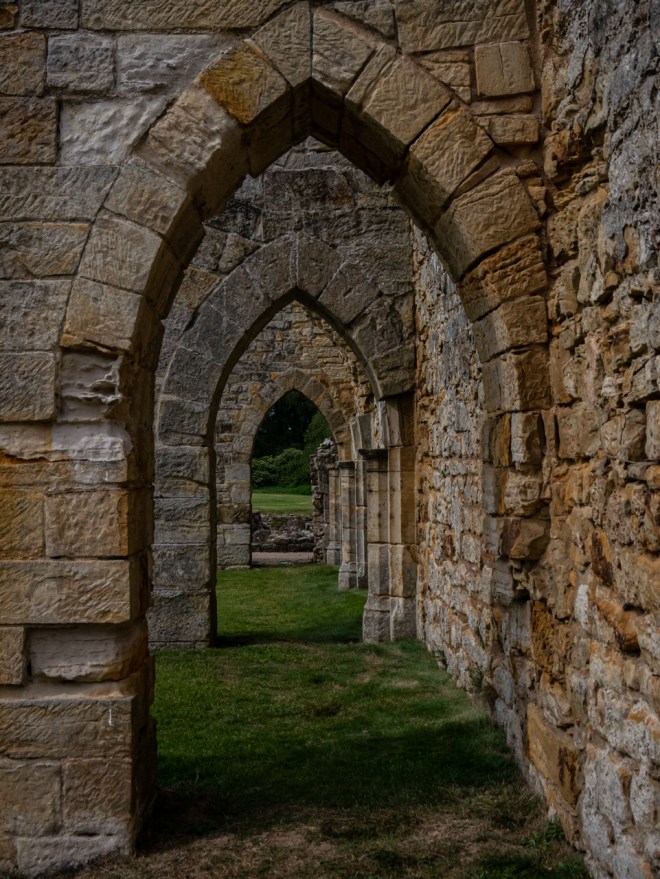
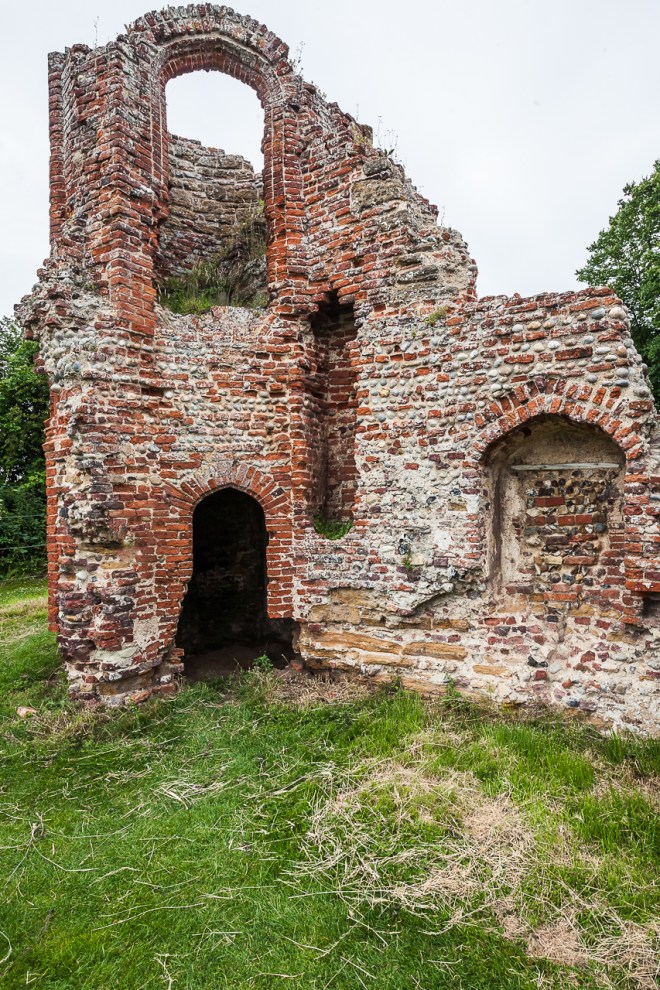
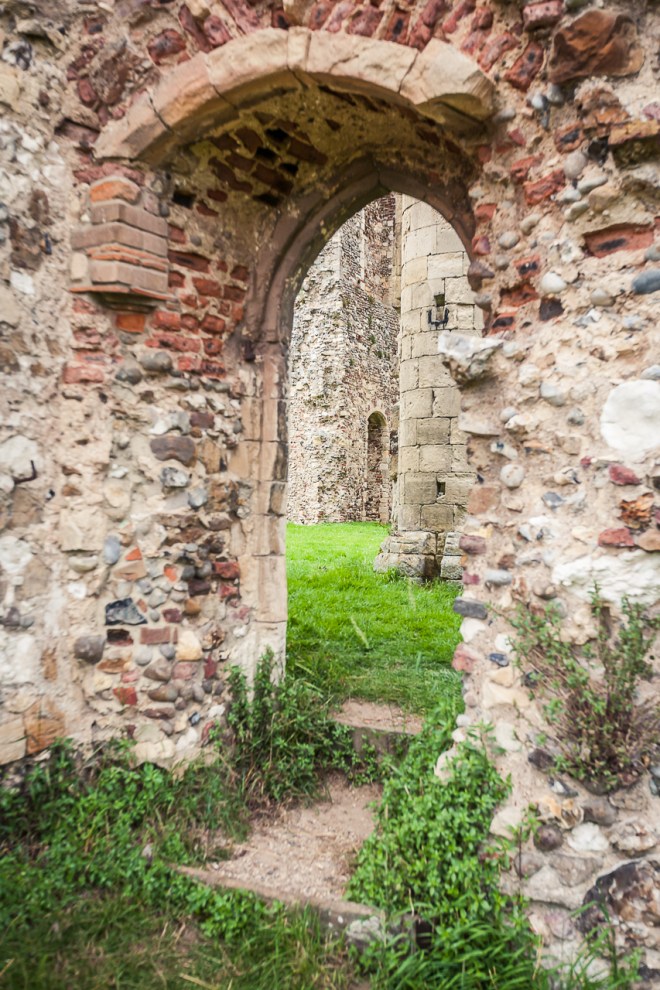
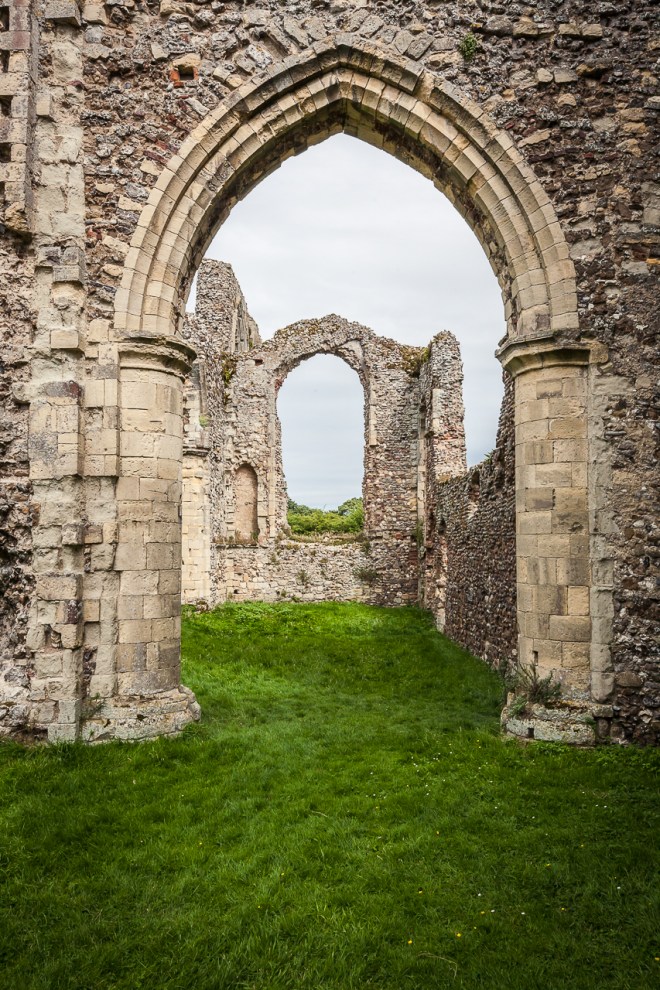
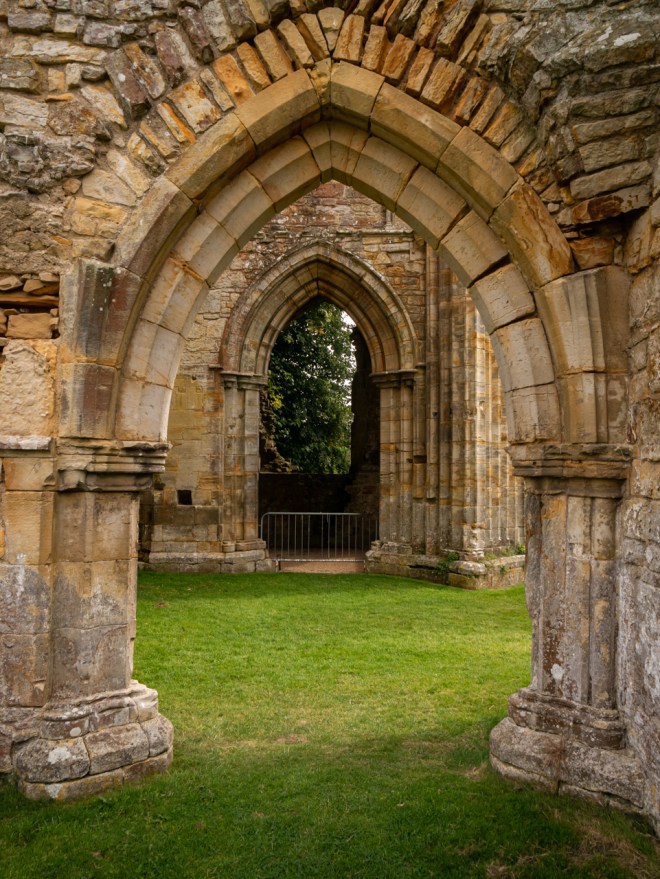
I found lots of archways, I am a big fan of archways, one of the things I like the most in European ruins, particularly abbeys.
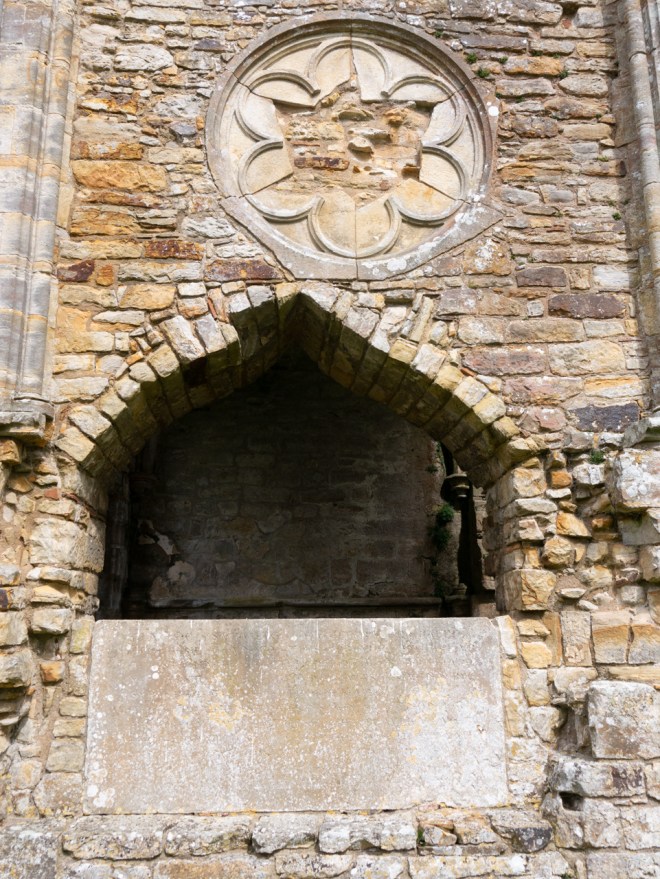
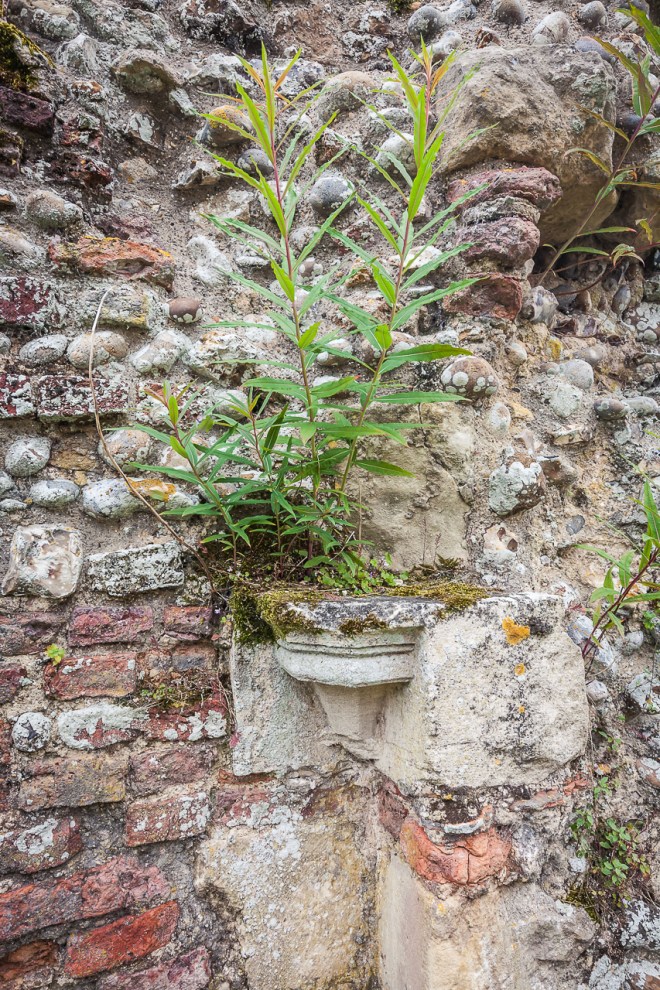
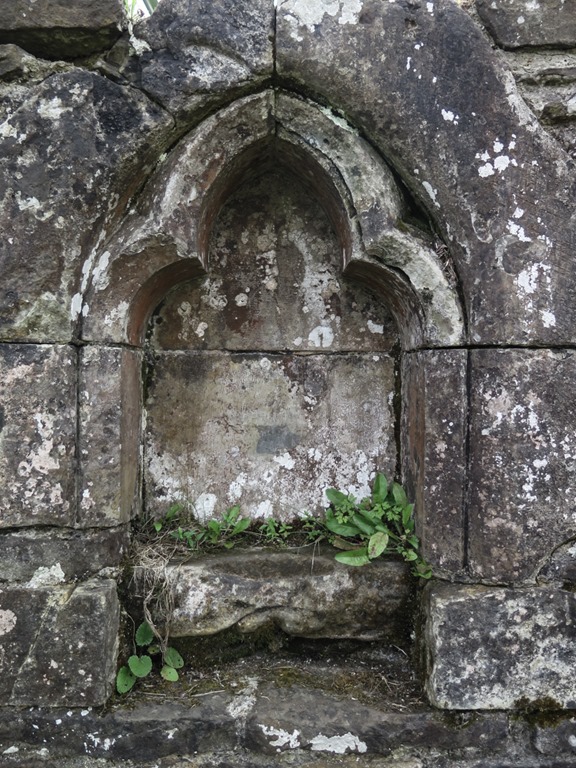
There were some small amount of detail left in the ruined walls.
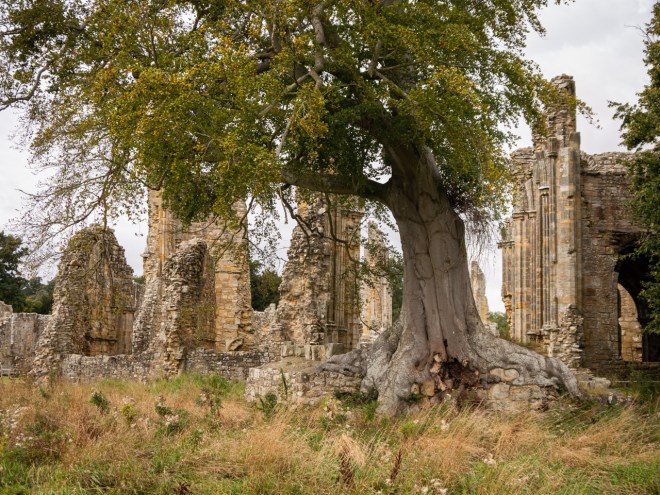
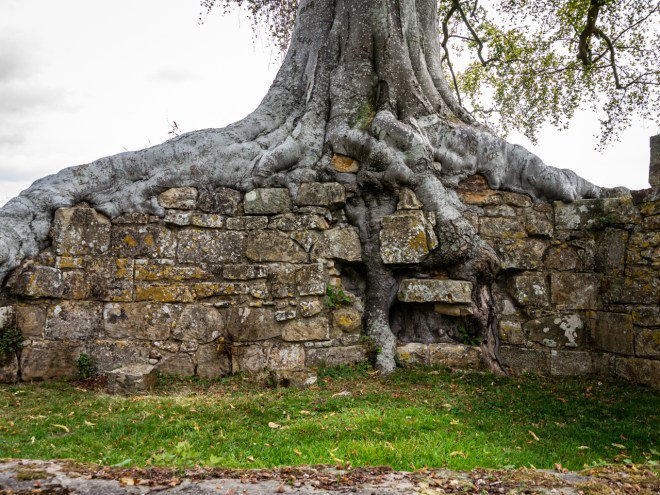
My favourite bit was this tree growing on top of one of the old walls, this very much reminded me of the Wat Ta Prohm site in Cambodia where some of the trees that took over the ancient sites were left in situ, growing on and over the walls and buildings. I loved that place, and I love this one as well.
I really enjoyed the ruins, a highlight of the week, and highly recommend you visiting them if you are on the A21!

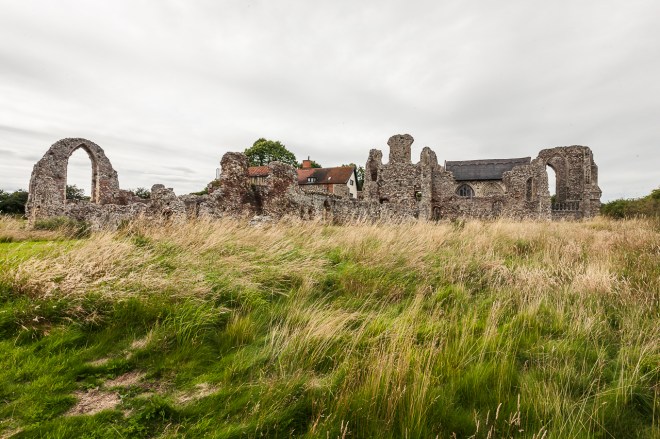
Leiston Abbey

Friday 15 July 2016 – Leiston Abbey, Suffolk.

Three months ago I resigned from my job, and after a very busy few weeks I finished yesterday. I am now officially ‘between jobs’ as they say, though I do not have another job to go to quite yet, a situation that should resolve itself next week. I say this hopefully. The good news is there appears to be plenty of work out there when I choose to start looking with any vigour.

I was really looking forward to this weekend, and not just because I do not have to go to work on Monday. Tonight I am staying on Orford Ness as part of a photography tour of the area. After my visit two months ago I was very much looking forward to going back, and hopefully seeing some of the places that the general public cannot access.

My friend Steve is coming along for the trip, unlike me he is working so I picked him up from work at lunch time and we set off towards Suffolk. We left London early so we could squeeze in a quick visit to Leiston Abbey on the way to Orford. The abbey is only a few miles away and looked like it was worth a visit as we were in the neighbourhood.

IMG_0273

The abbey was originally built nearby in 1182 by Ranulf de Glanville, but had to be dismantled and relocated due to being built on land that turned out to be a bit swampy. The new abbey was built using the material from the original, but incorporated some of the more modern Norman features into its original Saxon design. 

IMG_0264

There are some interesting details that can still be seen, I quite liked this stairway (to heaven?) heading up in to a destroyed tower.

IMG_0267IMG_0269

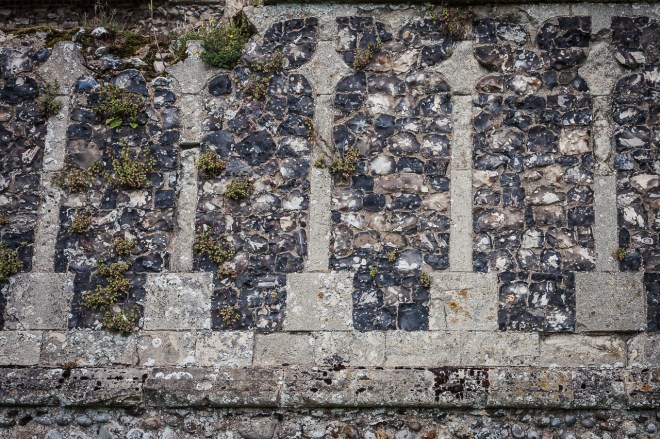
The outside walls were finished in this lovely chequerwork, which is still visible around the edges of the main church.

IMG_0300

The abbey was home to Augustinian canons and was a working abbey, unlike monks the canons took on pastoral and preaching work in the local area.

IMG_0294

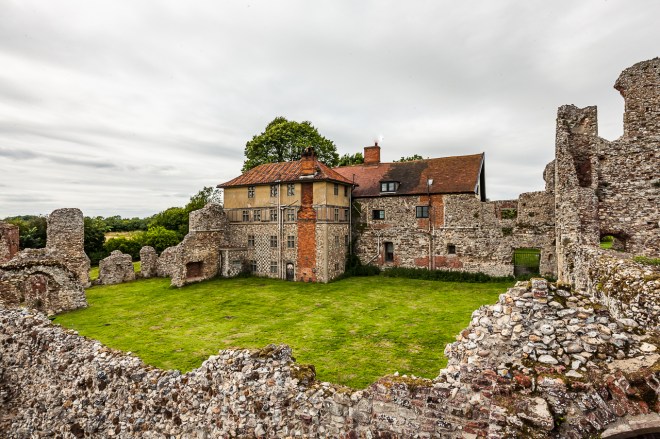
After the suppression of the monasteries in 1546 when the abbey was largely pulled down the site was given to King Henry VIII’s brother-in-law Charles Brandon. He built a farmhouse in one corner and the ruins were used to shelter stock.


IMG_0276The building is currently owned by a music school, but the grounds and ruins are managed by English Heritage.

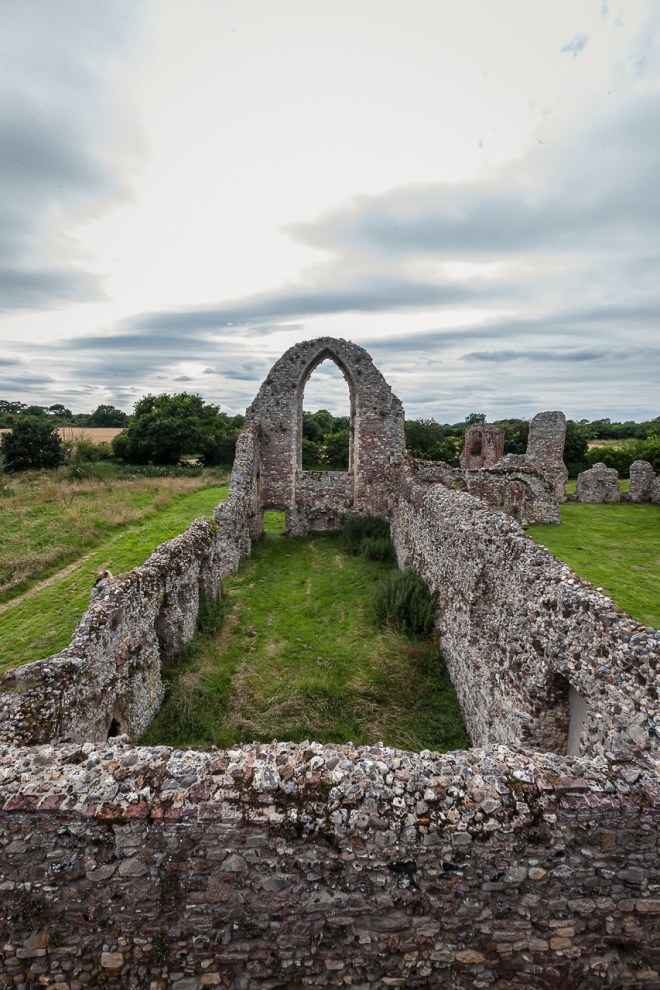
Unusually for a free and un-manned ruin there is a small viewing platform which allowed for a nice view from slightly above ground level.

IMG_0274

>My favourite bits of the site were all the arches that were left undamaged, or partly damaged and how they could be used to visually link the separate sections together.

IMG_0281IMG_0295IMG_0286 IMG_0282 IMG_0280 IMG_0271

Steve liked the arches as well. 

IMG_0298

Even though I had seen some photos and read a little about the site, I was quite surprised at how large it was. It is well worth a visit.

IMG_0303

We had to be at Orford to catch the 5:00pm ferry over to the Ness, so our time here was quite short, but with Orford Ness as our next destination I left this lovely abbey in eager anticipation of good things to come.

1066 and all that.

Tuesday 18 August 2015 – Battle, East Sussex.

I have been fascinated with the Battle of Hastings since I was a small child. King Harold, William the Conqueror, the Bayeux Tapestry, 1066 and all that stuff. I am pretty sure I have never been to the town of Battle though I am sure I have been to Hastings.

Battle is the actual site of the Battle of Hastings. Hastings, the town is 7 miles away, there is no known reason why it was called the Battle of Hastings, though it has been called that since the Doomsday Book in 1086. In 1066 there was no town of Battle, so I guess it had to be called something !
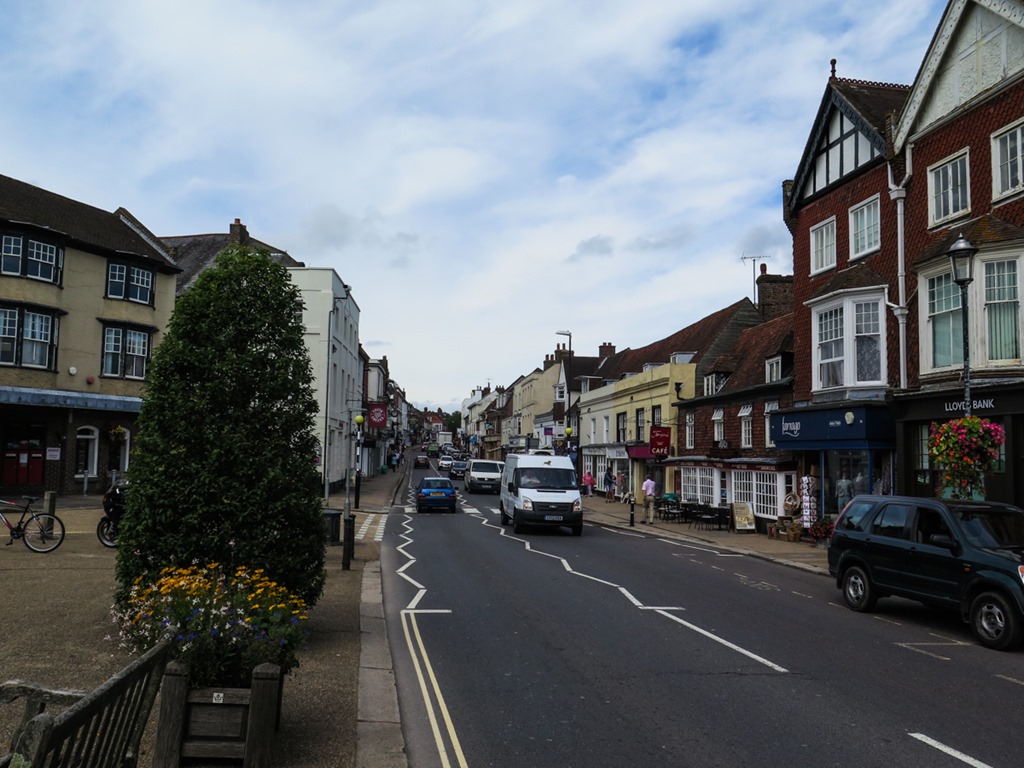
I was rested and restless after returning from my shortened walking trip along the South West Coast Path. My foot had been giving me grief for a few days, but had pretty much settled by now. I still had two more weeks off work and did not want to spend it all at home, so after consulting my list of things to do I decided to go to Battle for the afternoon and visit Battle Abbey, and the site of the battle itself.

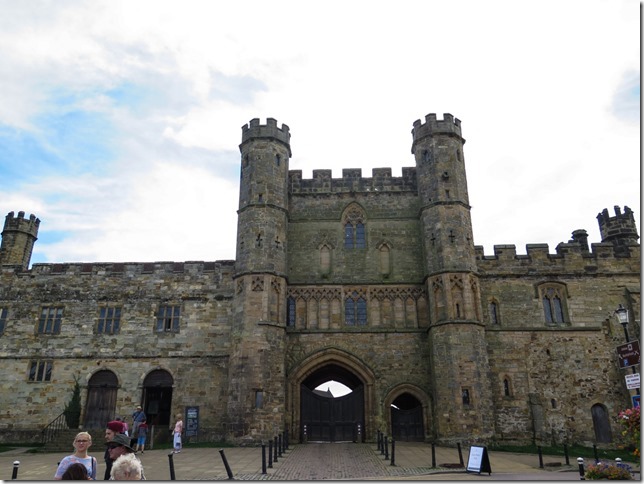
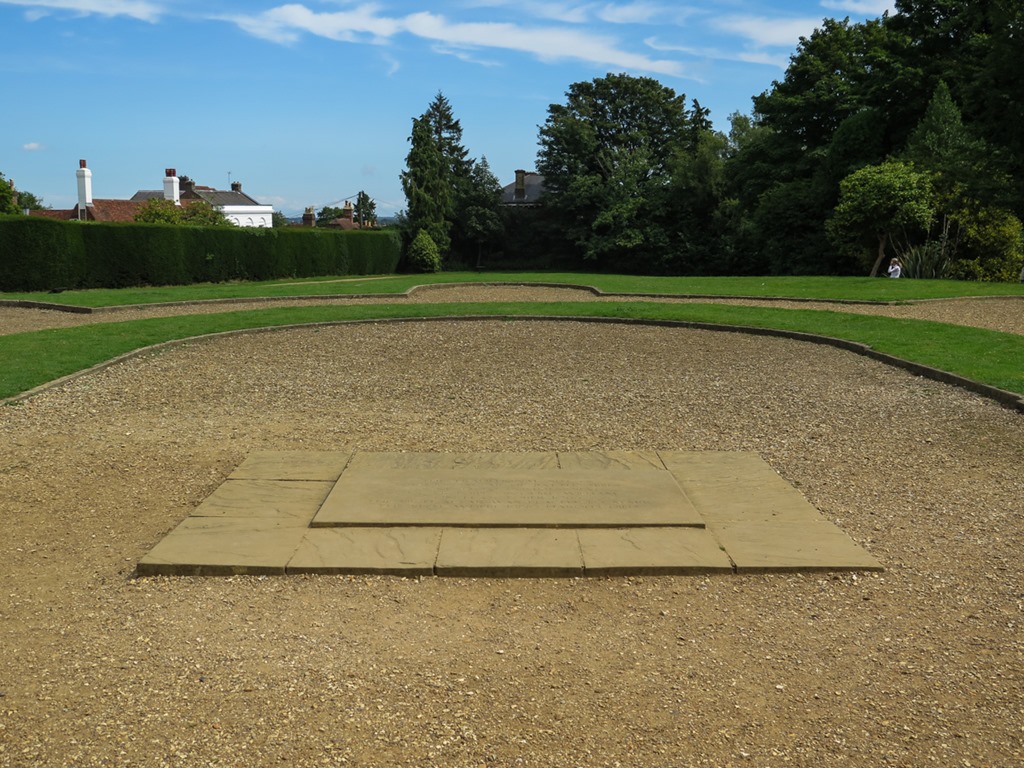
Battle Abbey was built under the order of Pope Alexander II as a penance for the amount of men that died in the conquest of Britain and was dedicated in 1095. The town built up around it over the years. King William had the high alter placed on the spot where King Harold was supposed to have died, though there is nothing left there now apart from this plaque marking the spot.

IMG_2224

The abbey was built and added to many times over the years with significant work being carried out in the 13th century. Like so many of these glorious church buildings, Battle Abbey was largely destroyed under the dissolution of the monasteries ordered by King Henry Viii in 1536. A part of the building were turned into a private home and preserved – and now turned into a private school. The abbey church itself is just a hole in the ground. There are still some quite good ruins to explore and it is a very popular tourist site.

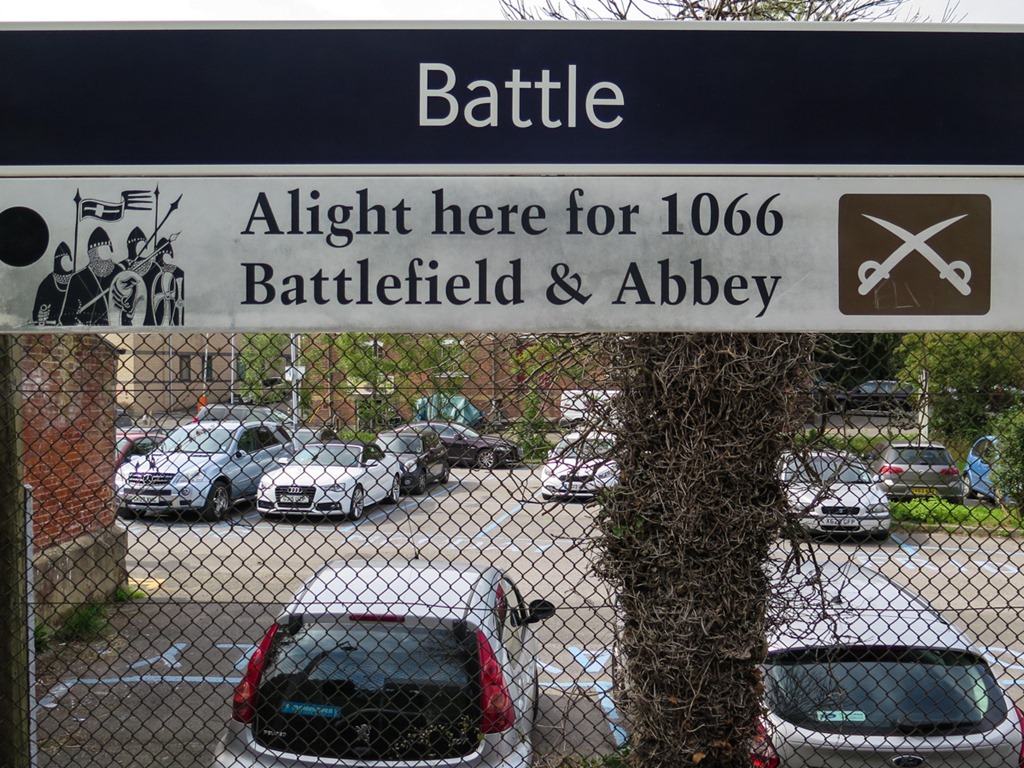
I caught the train down from London, the abbey is a ten minute walk from the station.

IMG_2255

I arrived just on lunch time, had a quick look at the main entrance and then went and had lunch in a nearby cafe.

IMG_2198

IMG_2199

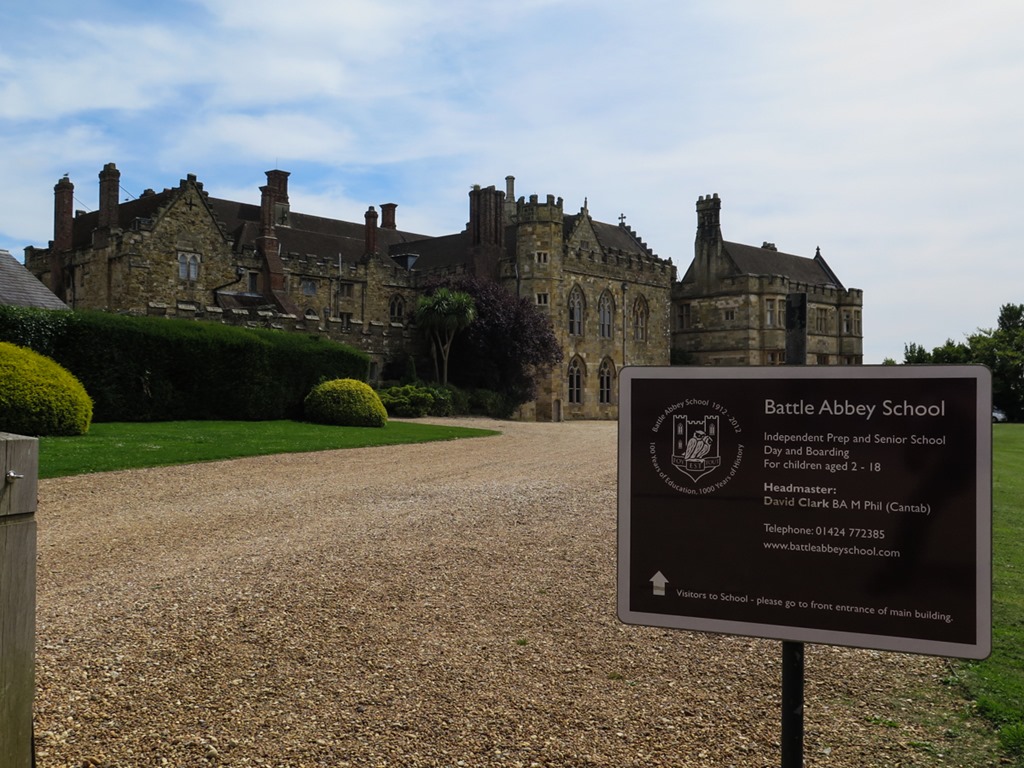
Once I had passed through the gate house, paid the entrance fee and was in the grounds the first thing I saw was the signing prohibiting access to the school. My first thoughts were not the most benevolent as I thought that this would just be an expensive mistake and I would not be able to see or touch anything old and ruiny. There is nothing else to see from here either. So I was pretty gutted.

IMG_2203

However….. I did not realise how big the site was and once round the back of the school, a big smile appeared on my face as the ruiny bits came in to view. Naturally I did not write any notes as I went. Lesson learned, again.

IMG_2207

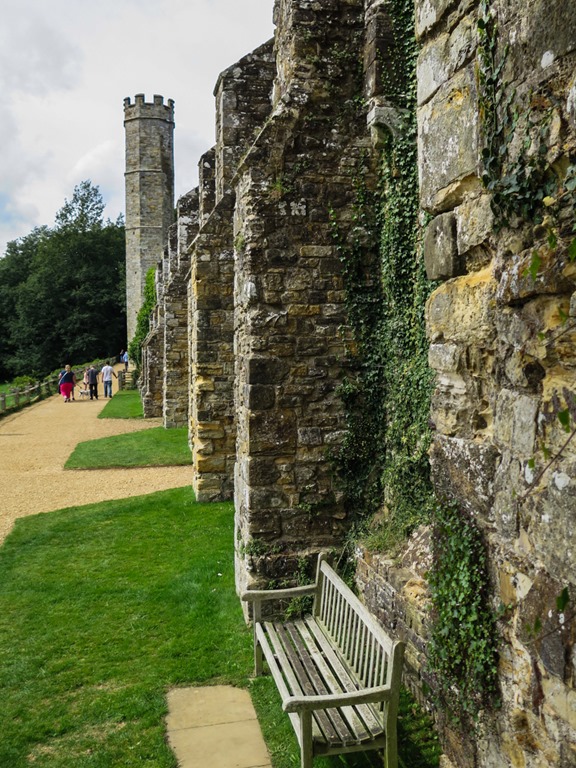
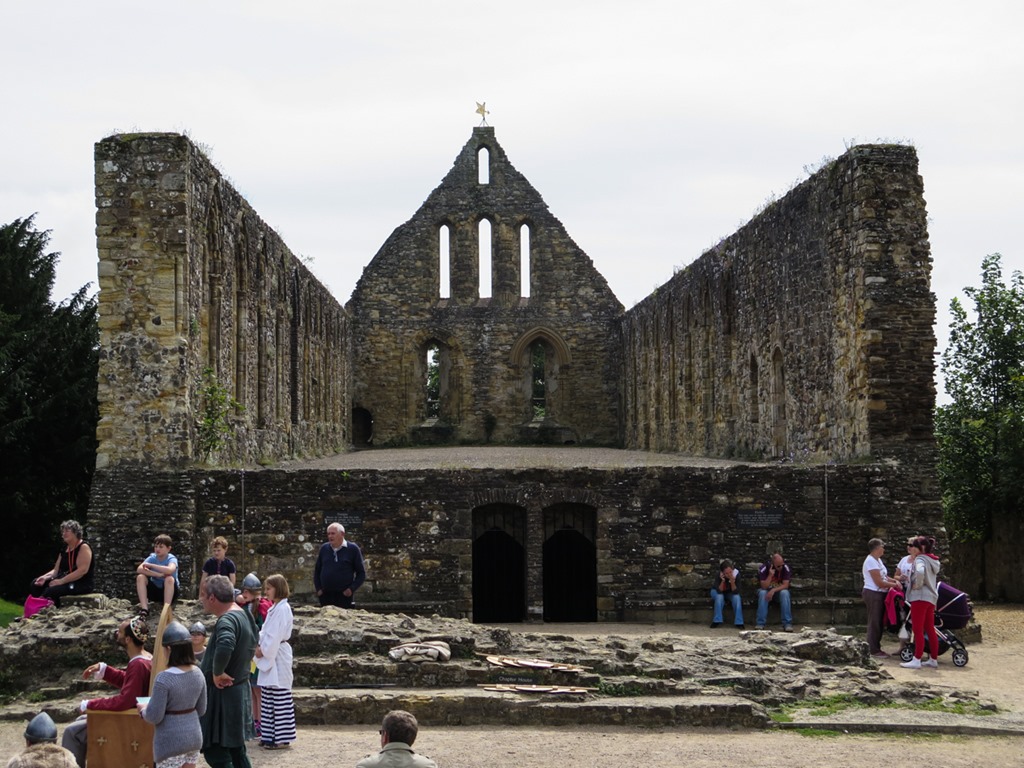
The first places to explore were the old store houses under the walls.

IMG_2204

IMG_2206

This is where the battle took place, looking down from the ridge where King Harold had his army to where William the Conqueror had his.

IMG_2208

The largest remains, outside of the school are of the dorter, the dormitory of the monastery. Cool !

IMG_2210

And the bottom end of the toilets, the reredorter.

IMG_2212

There is an old ice house and dairy that remain from when the abbey was a private house before coming a school during the second world war.

IMG_2214

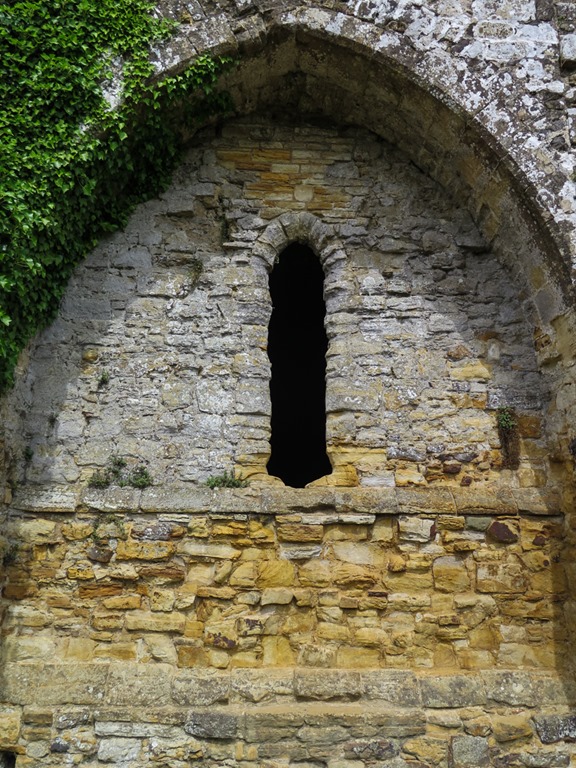
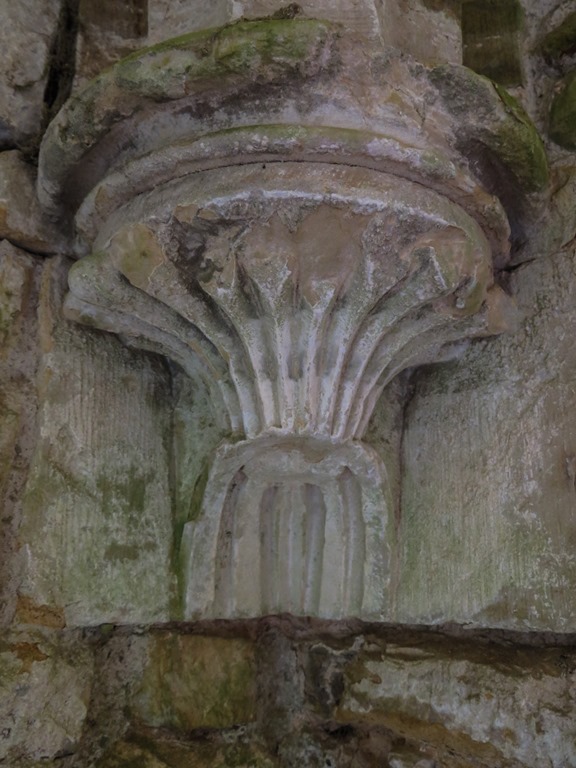
The crypt is all that remains from the 13th century church, and I particularly liked that there was still some detail left in the stone, faint and fading, but still there.

IMG_2217

IMG_2218

IMG_2219

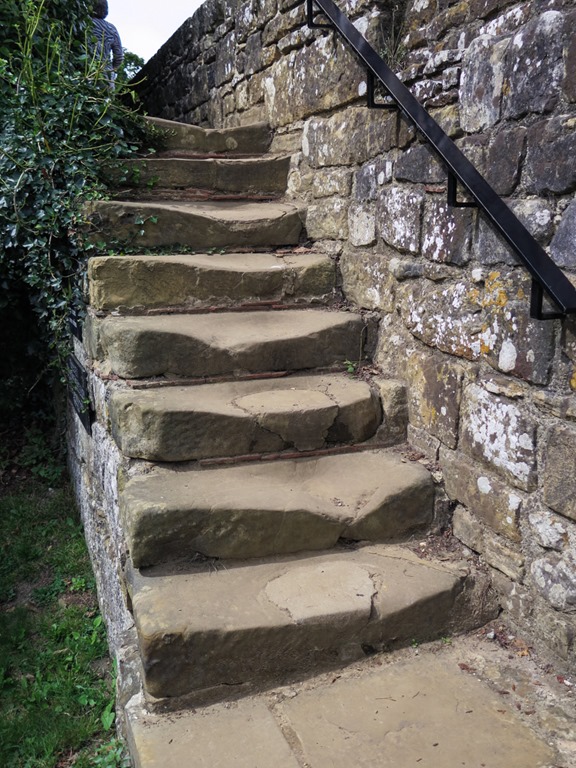
The steps to the outer wall look like they have been well used over time.

IMG_2221

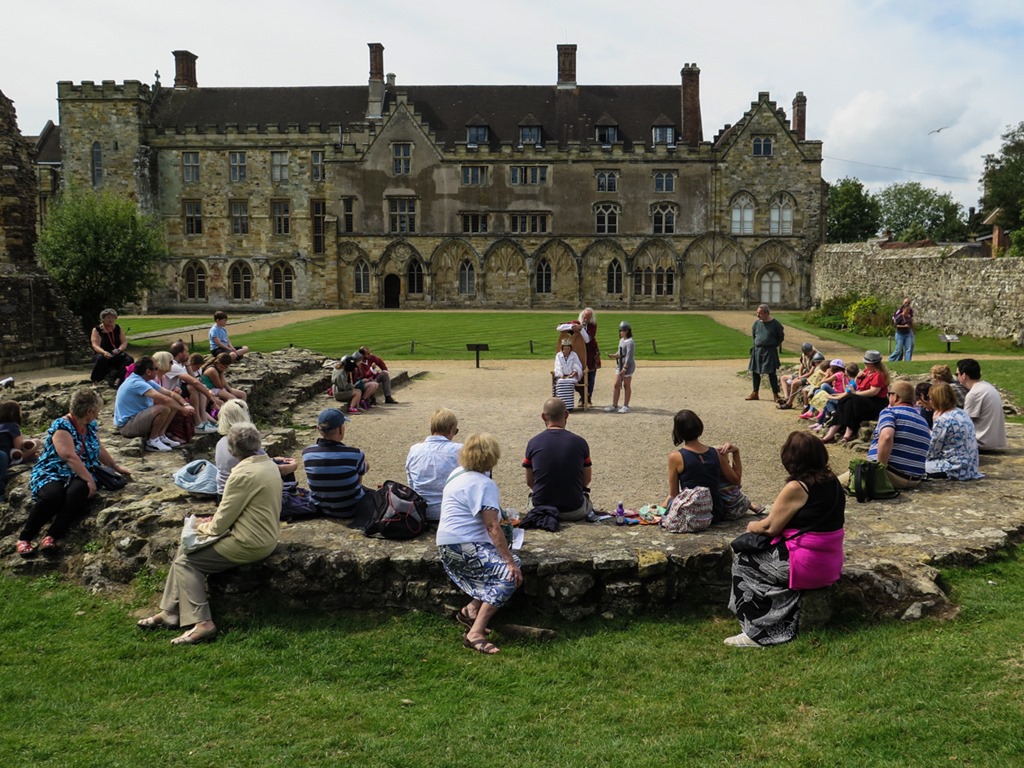
The site is home to re-enactments and storytelling and there were things on for the family while I was there.

IMG_2226

The back of the school is in the background, a shame it cannot be explored too.

IMG_2229

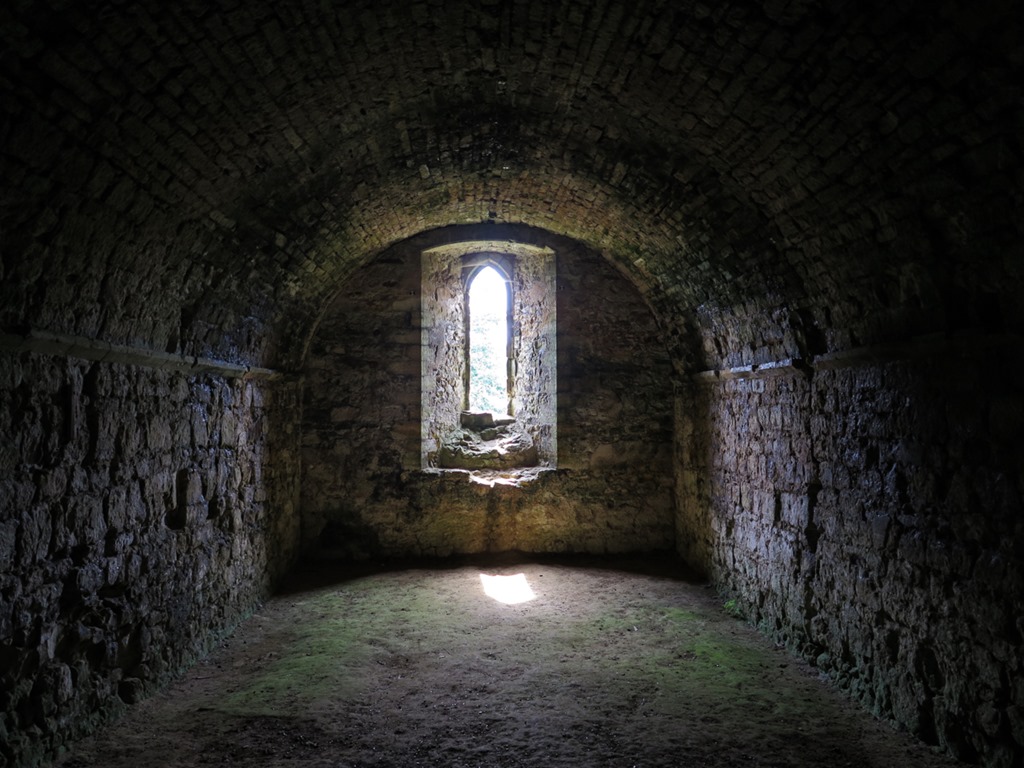
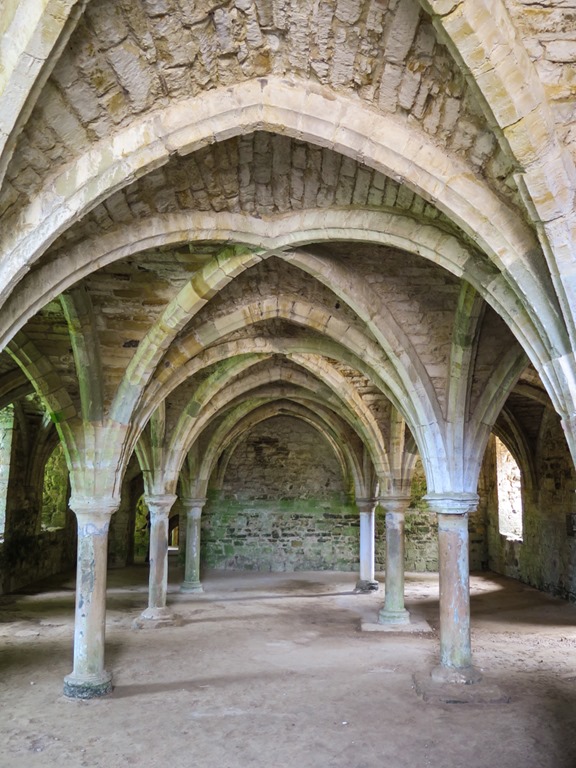
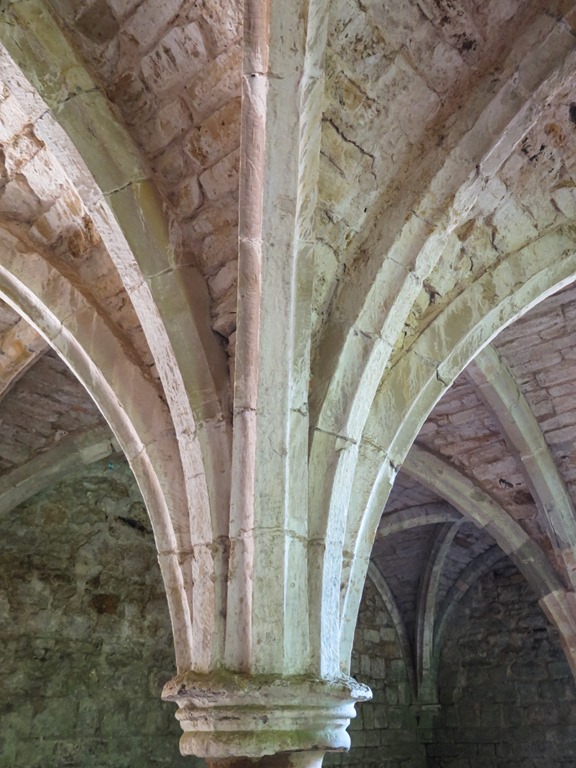
The basement of the dorter is where the novices had their rooms. The vaulted ceilings were amazing, considering this has been built on a slope.

IMG_2231

IMG_2233

IMG_2235

IMG_2239

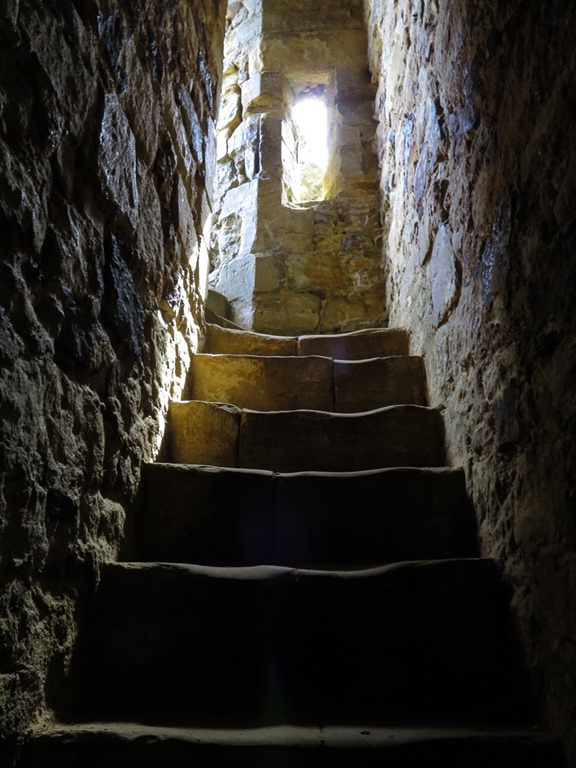
There were some mysterious stairs – that went nowhere, but I had to go look anyway. I love to poke my nose into all the places I can when visiting ruins, on occasion I find things that few other people get to see.

IMG_2240

I then took a walk around the battlefield, trying to imagine what it was like just under a thousand years ago when between 10 and 20 thousand men did battle with each other, ending in the Norman conquest of England and the death of the Saxon King.

IMG_2247

Last but not least I visited the small but interesting museum in the gatehouse, I of course had to visit the loos.

IMG_2248

IMG_2250

The gatehouse itself was interesting, I was fascinated by the detail in the walls, the small carved faces and the doorways as much as I was by the large gatehouse itself.

IMG_2252

IMG_2253

IMG_2254

And that was that. Battle Abbey was done… Very interesting and nicely done, for a change I will say “good job English Heritage” !

There are many stories of what happened to the body of King Harold, one story has it that William ordered his body to be tossed into the sea, another has it that he was buried in an unmarked grave on the top of the cliff and the last has it that he was taken back to the church he founded at Waltham Abbey and buried there. I like the last one best as I have seen the grave marker.

There is a good Wiki entry on the Battle of Hastings, worth a read to find out more about this significant event in our history.