Sunday 21 July 2024 – Avebury
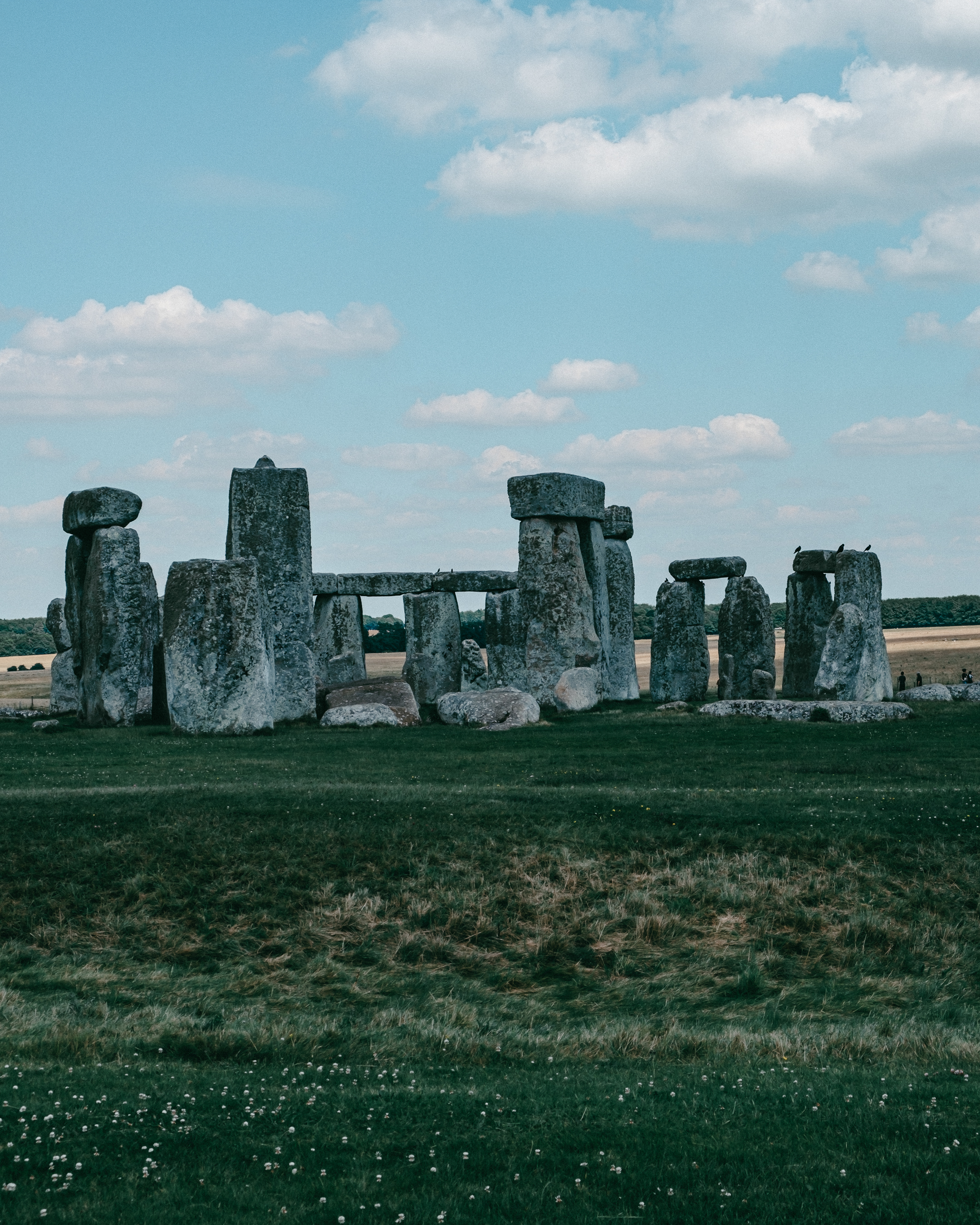
I’ve a loose interest in standing stones and the other ancient sites that are scattered all over the UK. The standing stones are easier to be fascinated in than say, Iron Age forts, as there is actually something to see, and in the case of Avebury, and unlike Stonehenge, something you can touch as well.
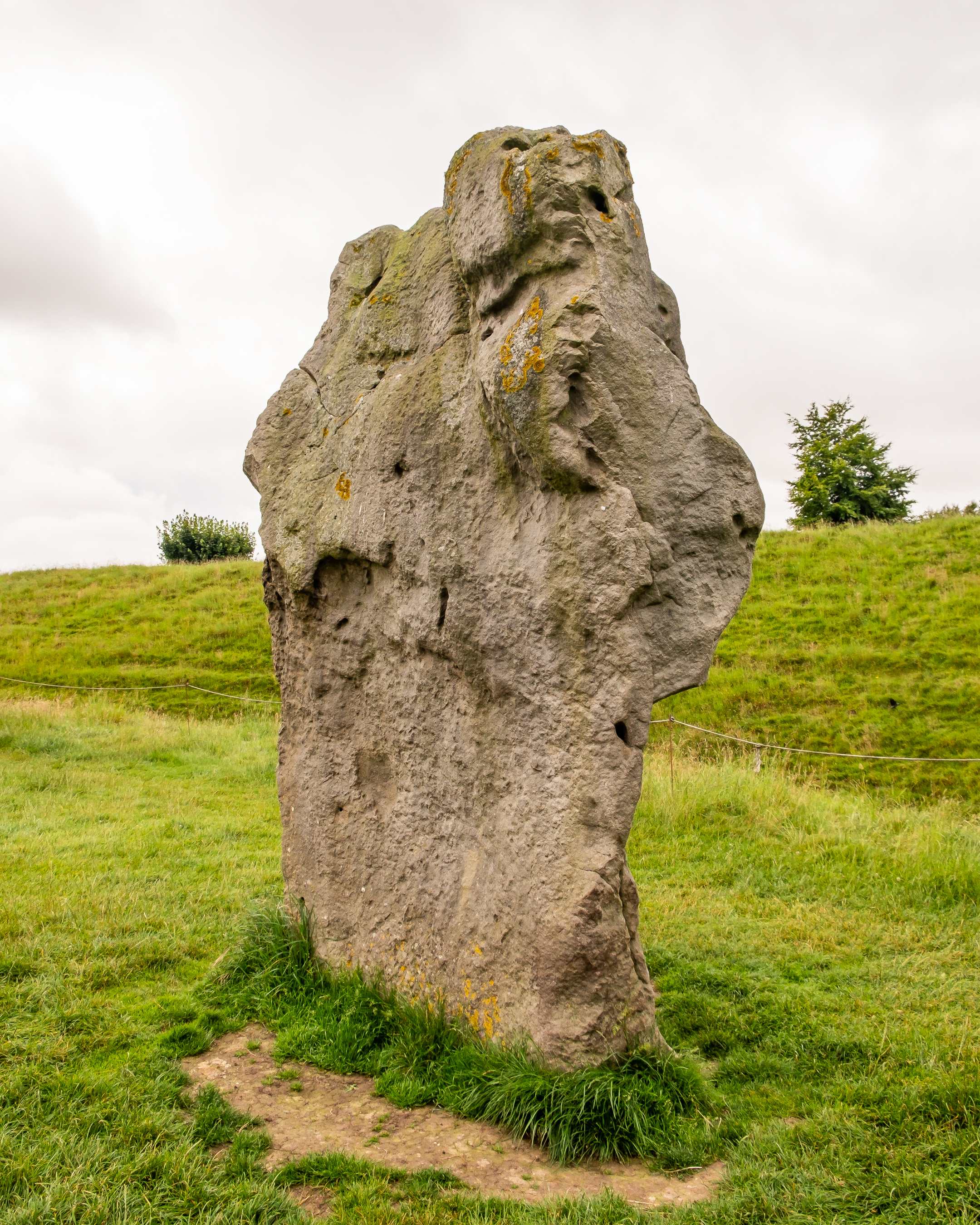
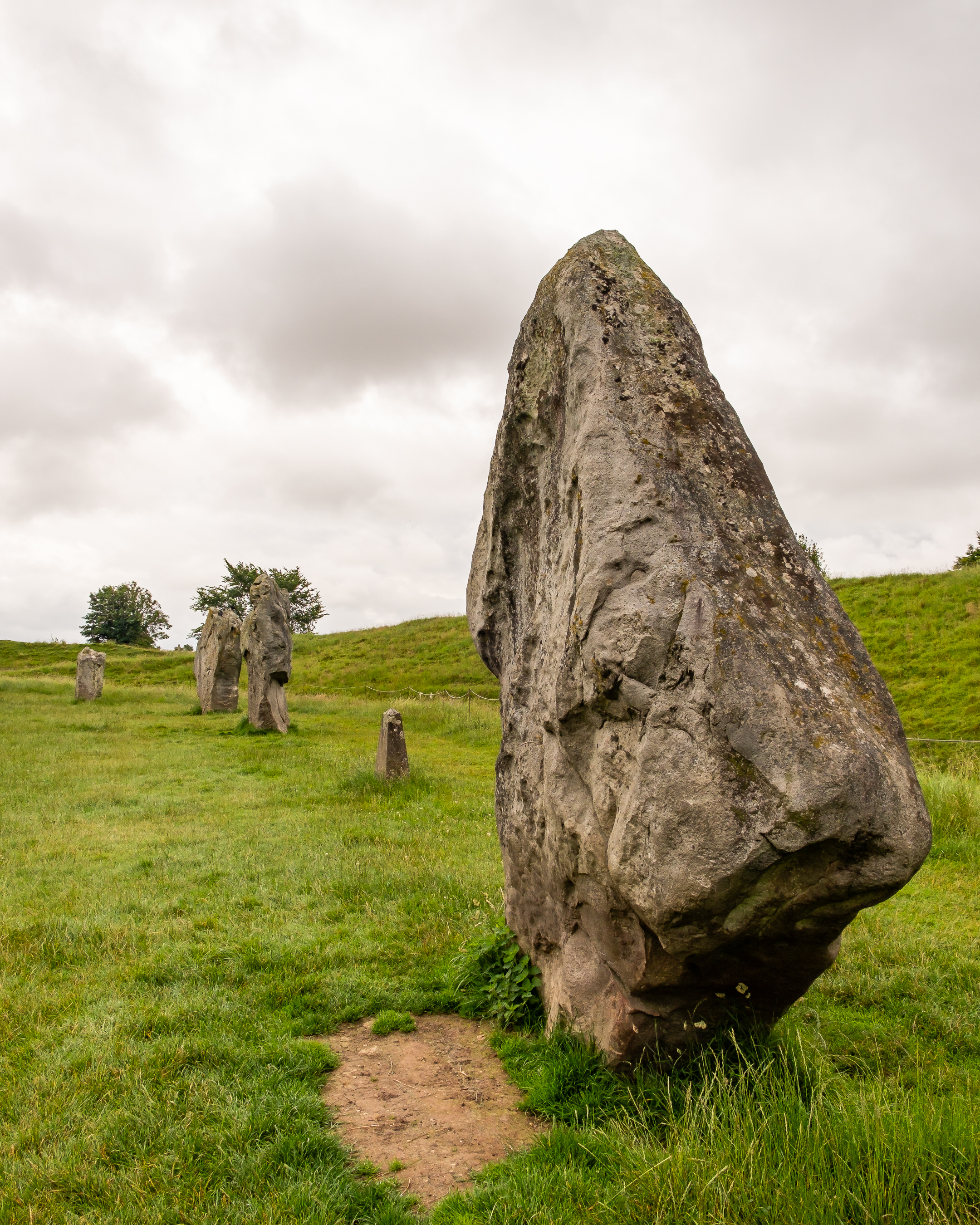
As I mentioned in the Stonehenge post I love it that even with all our modern smarts we don’t fully understand what the stones were for and why they are where they are. Just this week it was revealed that the huge alter stone in Stonehenge actually came from 500 miles away in the north east of Scotland (I will walk 500 miles etc, etc) rather than from the far closer, but still a long way, Welsh coast, as had been previously thought.
These stones have been here for 5000 years, why then are they still so mysterious? It’s that mystery that attracts me and many thousands of others to these places. When facts are missing, myths fill the gaps, and where myths exists there is room for all sorts of weird, wonderful and often magical stories. I mean, I even posted a piece of weird fiction I wrote back in June 2021 – The Barrow. While this is not set around standing stones it is set close to here, and barrows are very much a feature of this landscape. Sadly, due to the unsupportive nature of the map I was using in the rental car I didn’t make it to any of the barrows.
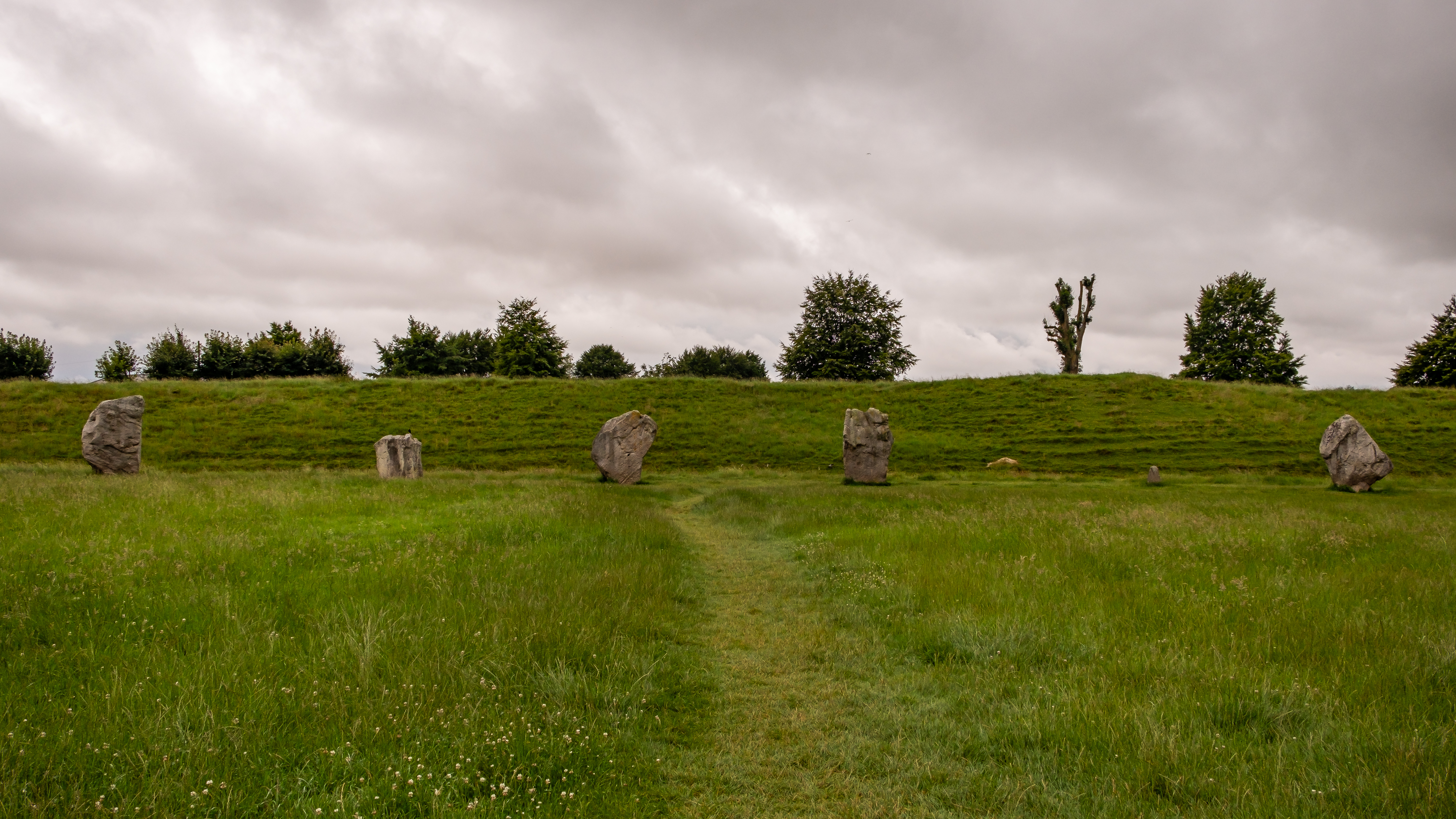
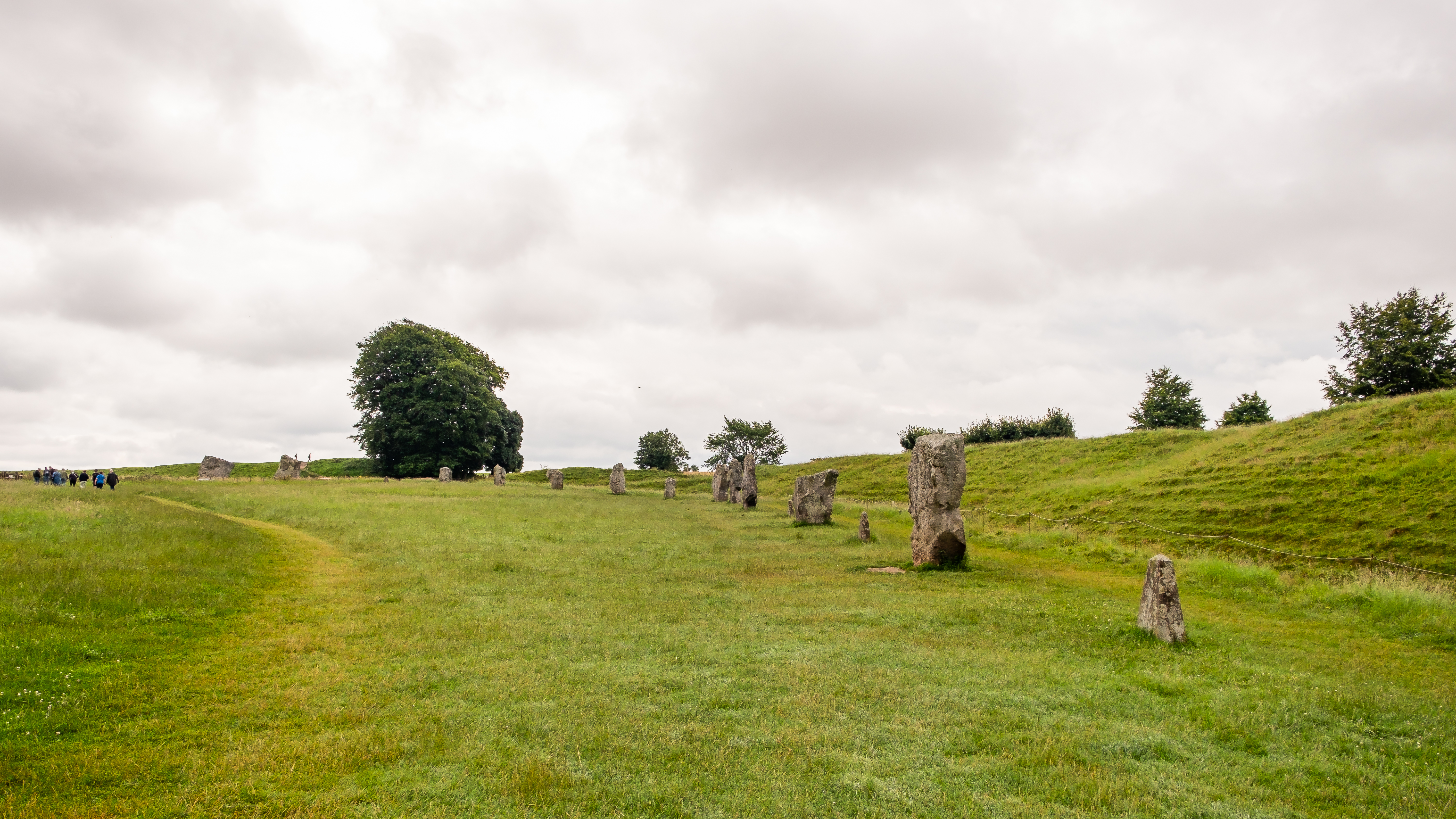
Unlike Stonehenge, Avebury is free to access, though the official car park is not cheap and is definitely aimed at people like me who haven’t done a huge amount of research. There are other places to park not too far away if you know where to go.
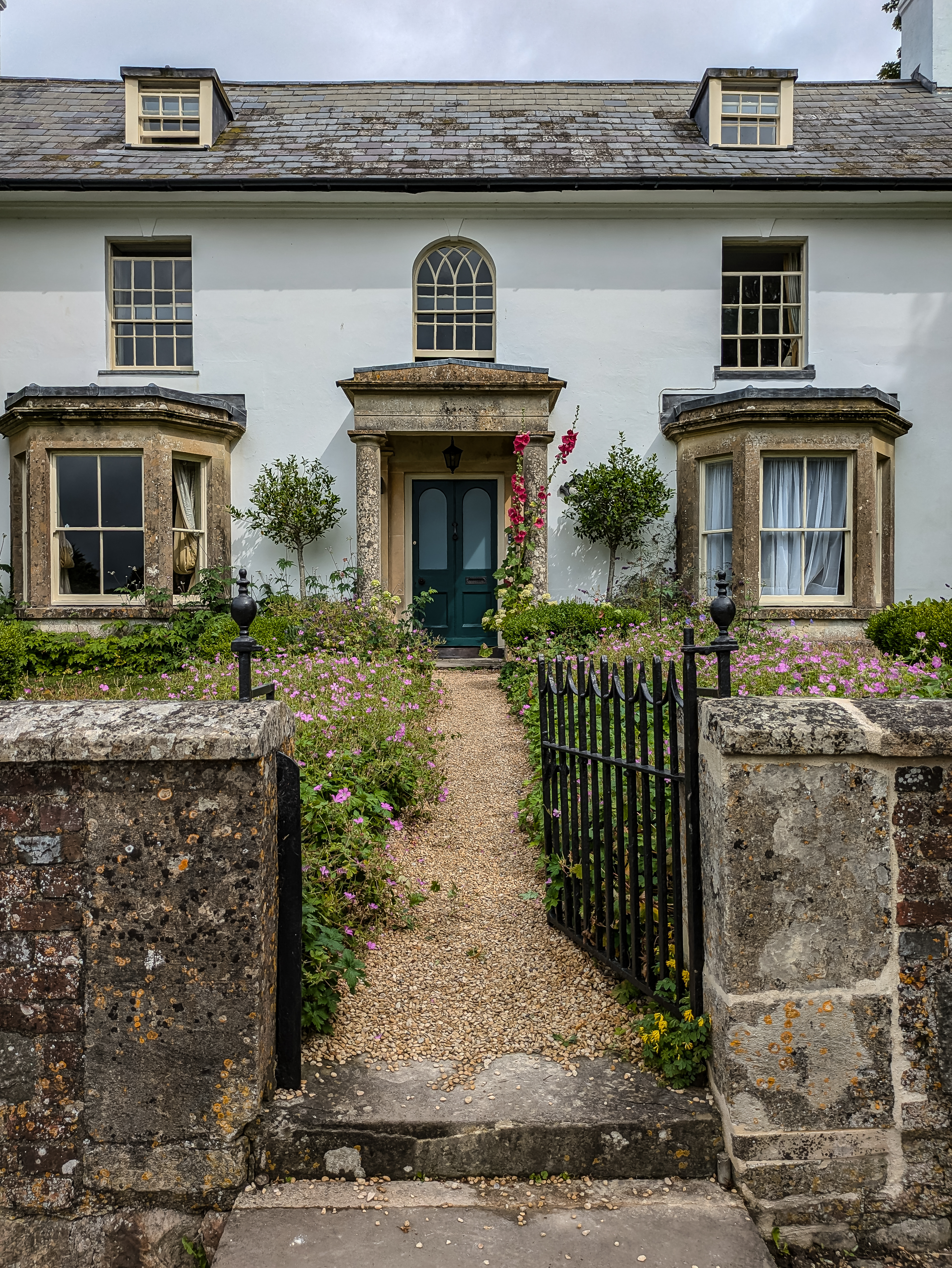
Firstly I should describe what a henge is, as it has nothing to do with stones. A henge is a circular or oval enclosure made of earth banks and ditches. A henge encloses a sacred space and they date back to the Neolithic period; from 4000 – 5000 years ago.
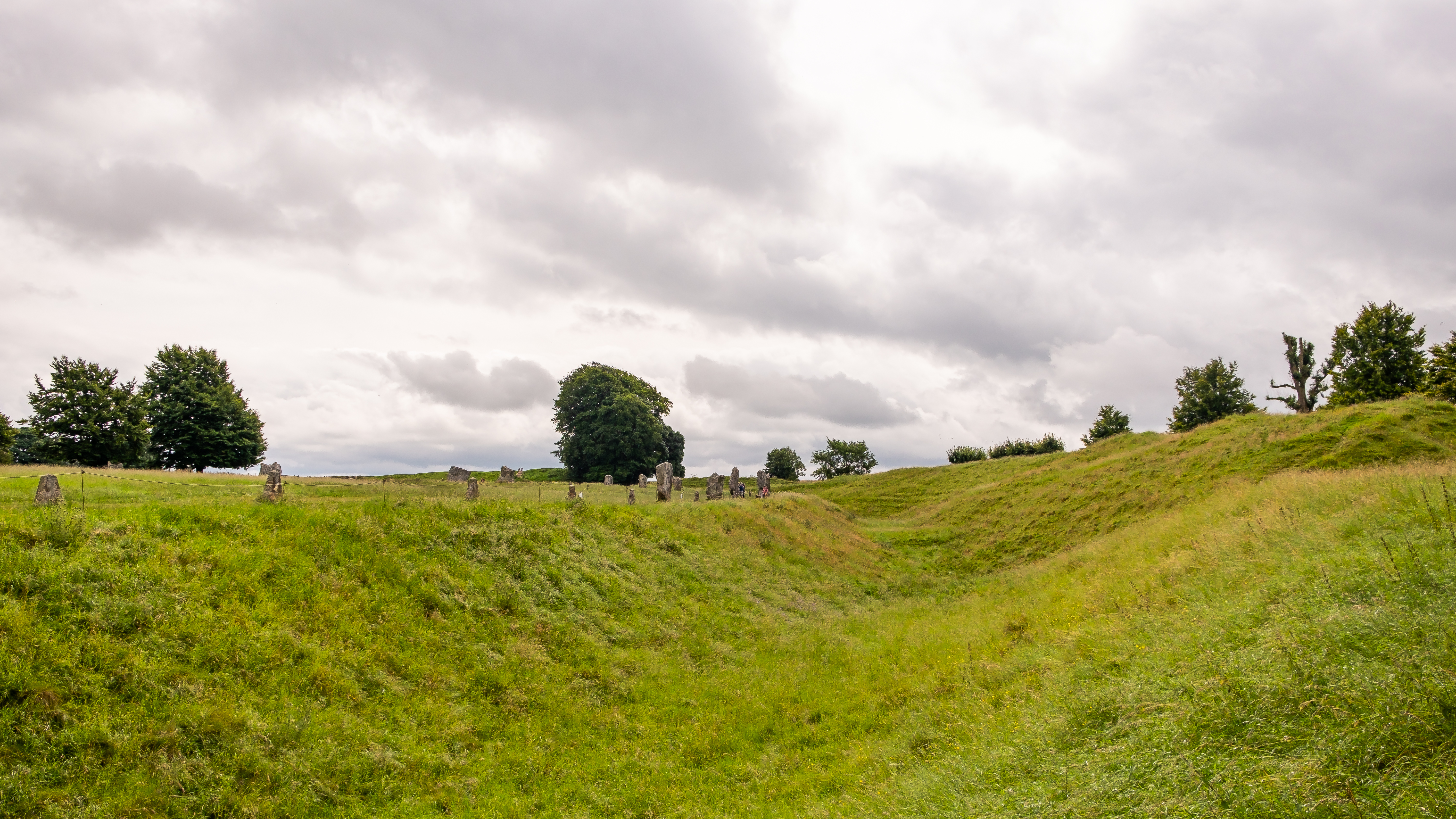
Avebury is the largest known henge in Britain, and it cuts through the small and gentile village of the same name. I liked it. I liked it because though it’s a sacred site and one of international importance, and a key component of the local economy, there are sheep wandering around the stones. The area is treated with reverence and respect, but also practically and likely as it would have been thousands of years ago.
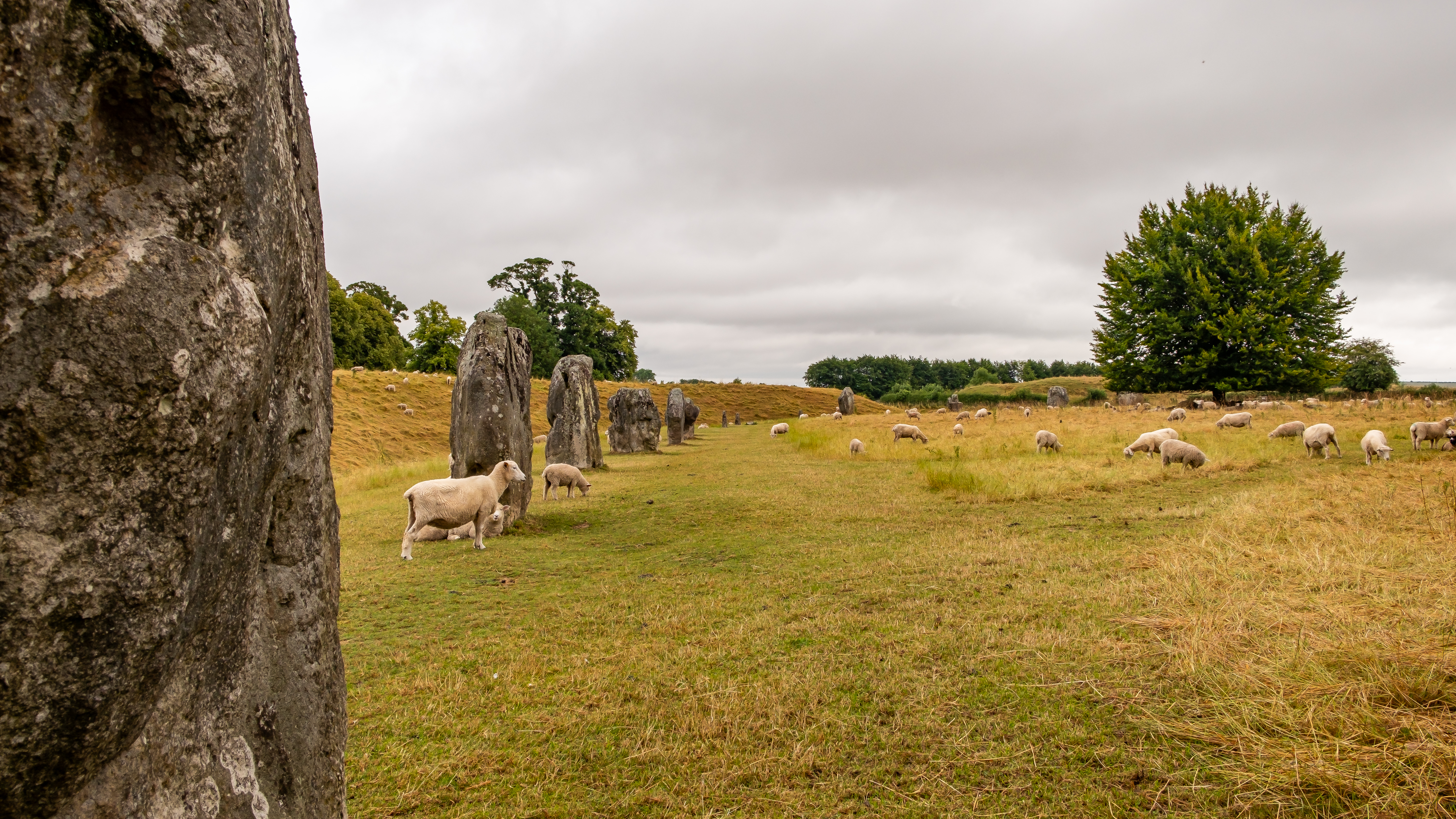
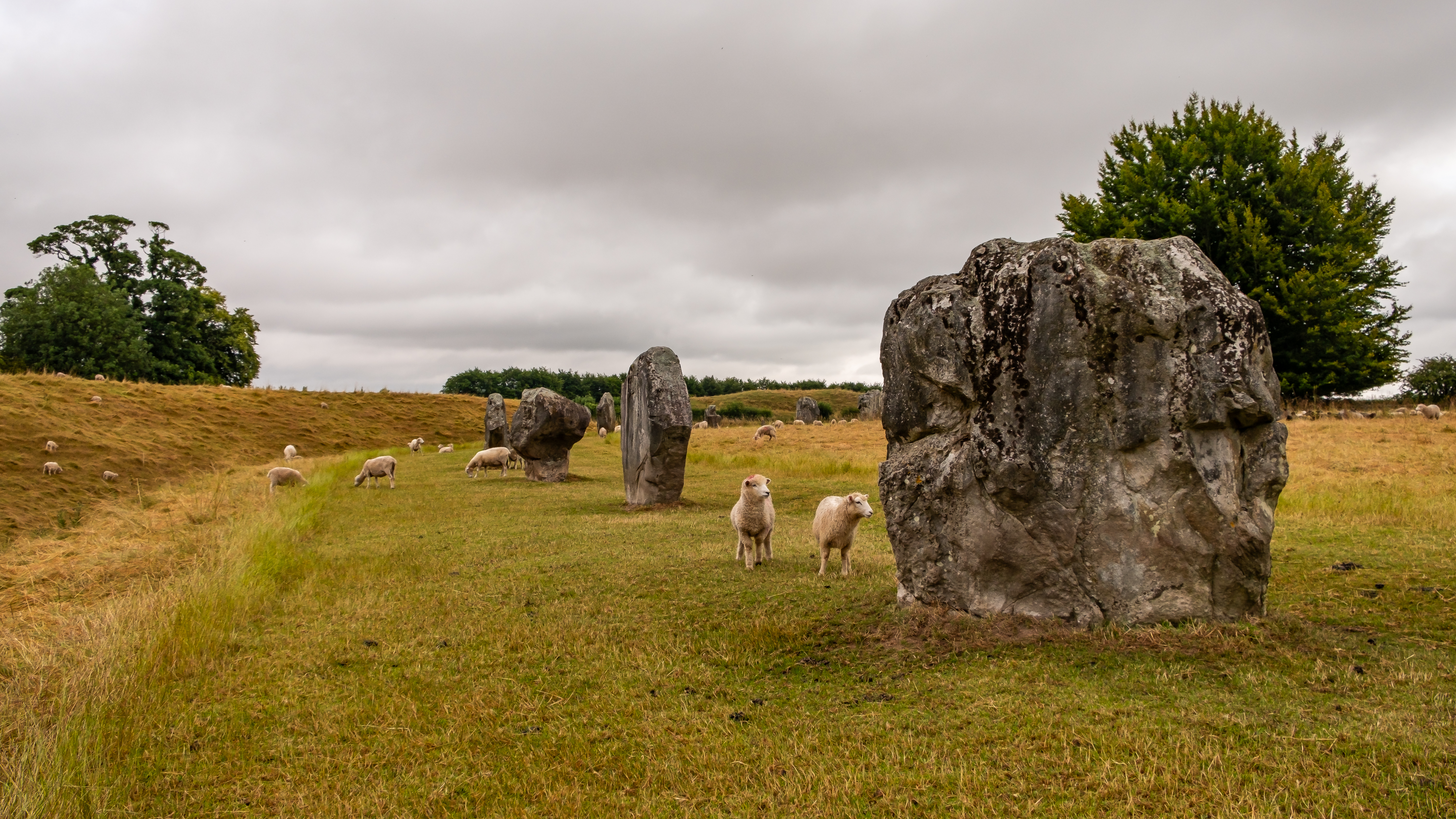
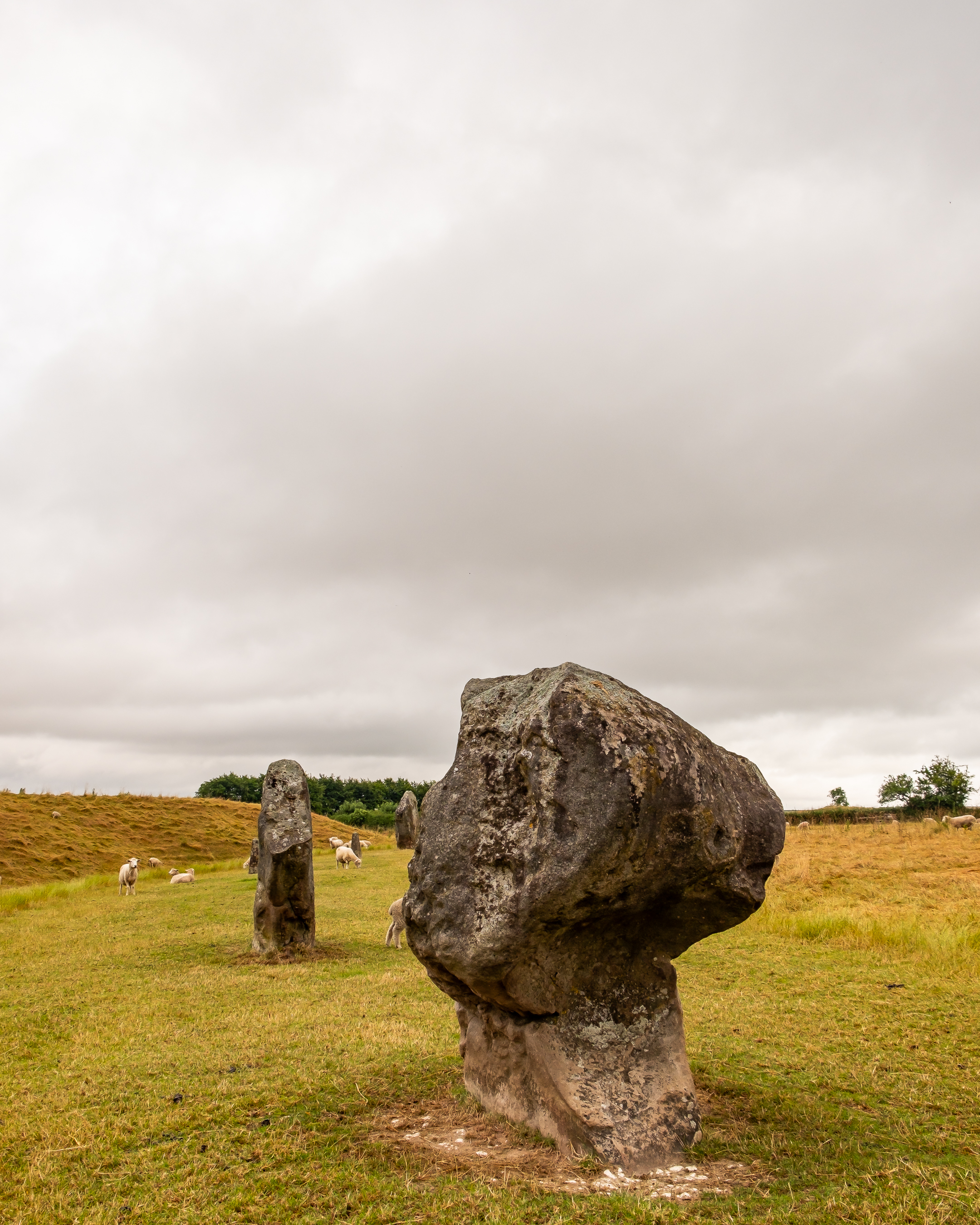
As you can see from this short film made by Derek Jarman in 1971 as he walked towards the circles a large number of the stones were still lying where they had fallen over the hundreds of years since they were first erected. A programme to re-erect the stones began in 1931 when the land was bought by Alexander Keiler, the heir to the Keiler marmalade fortune.
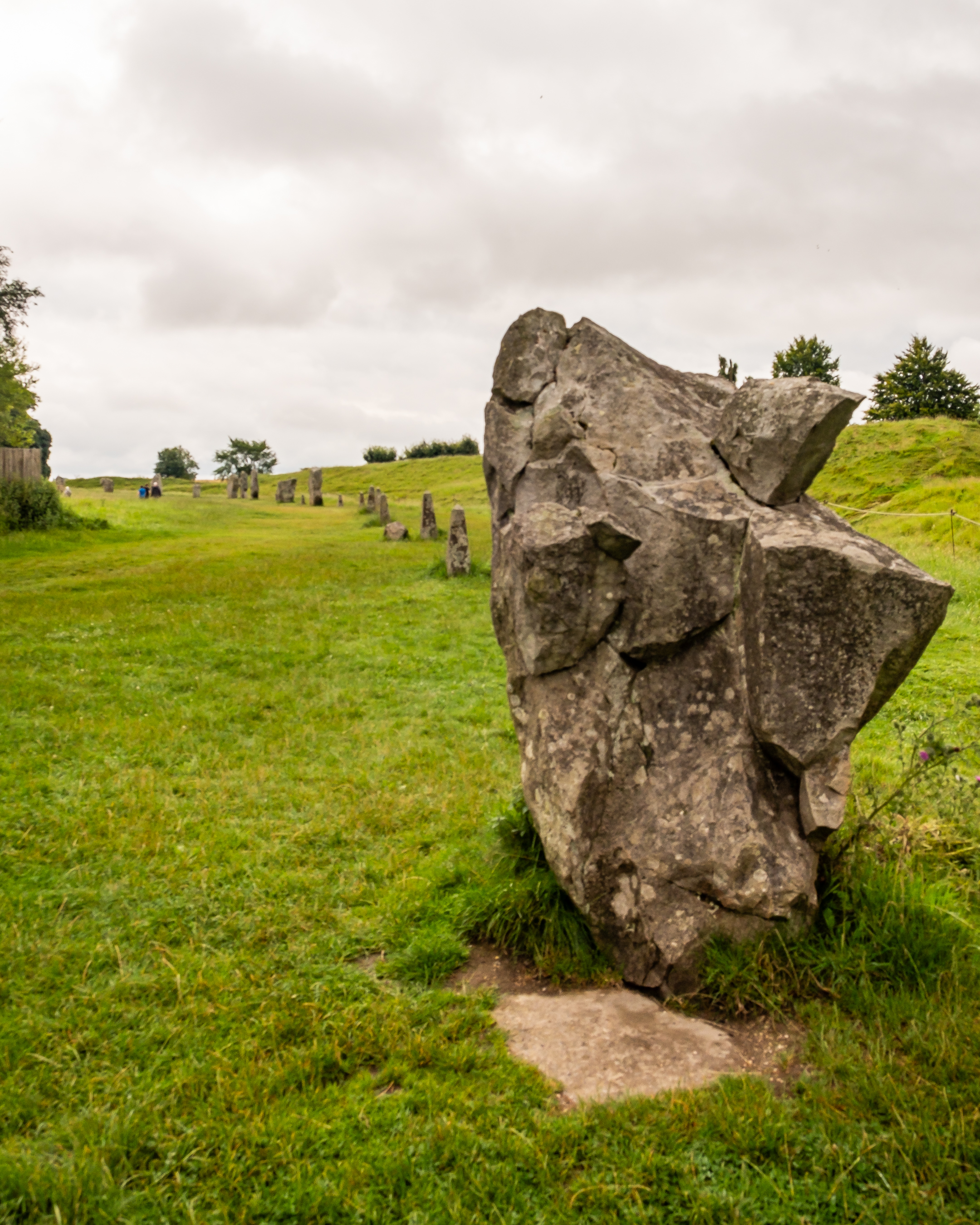
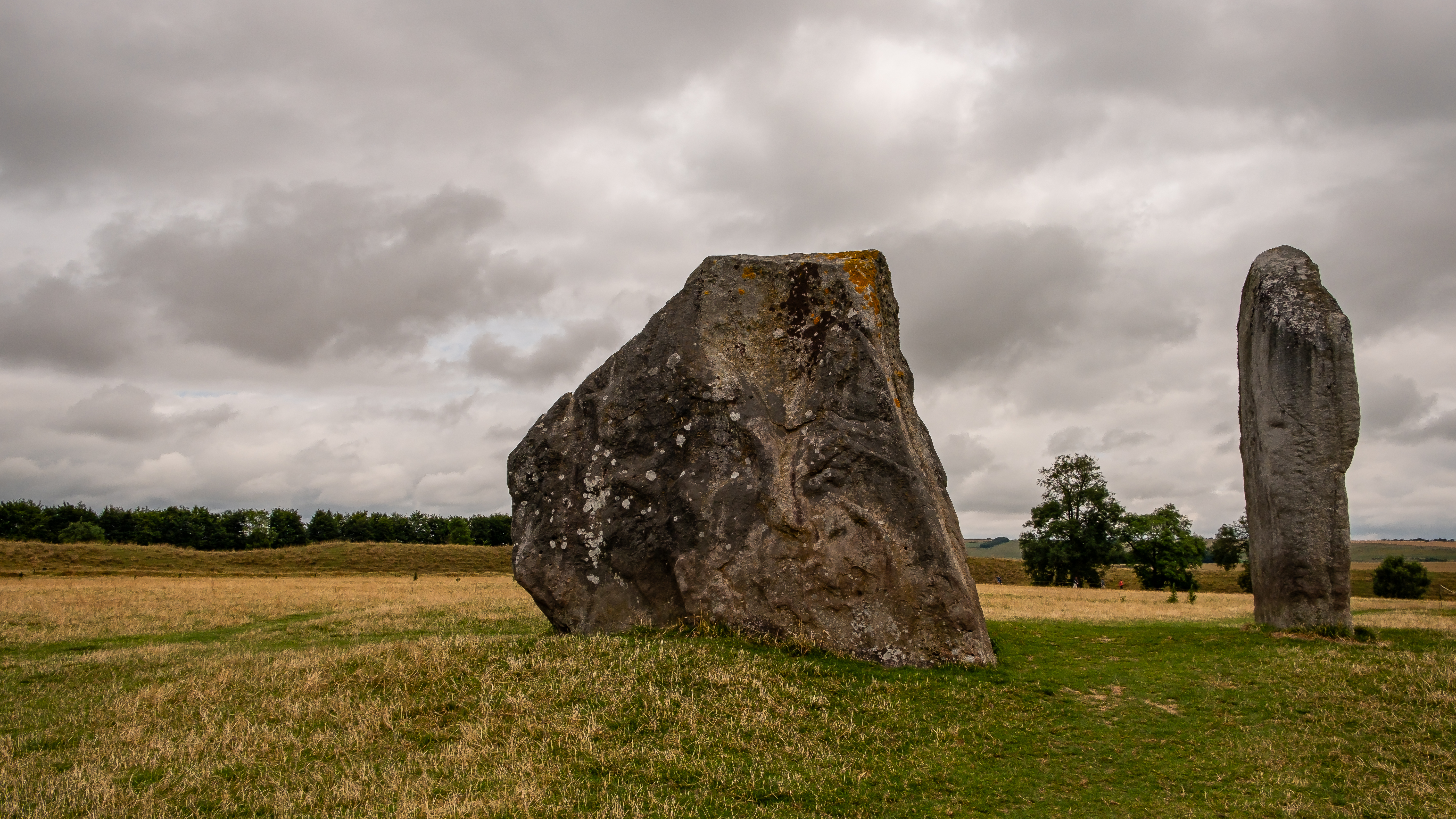
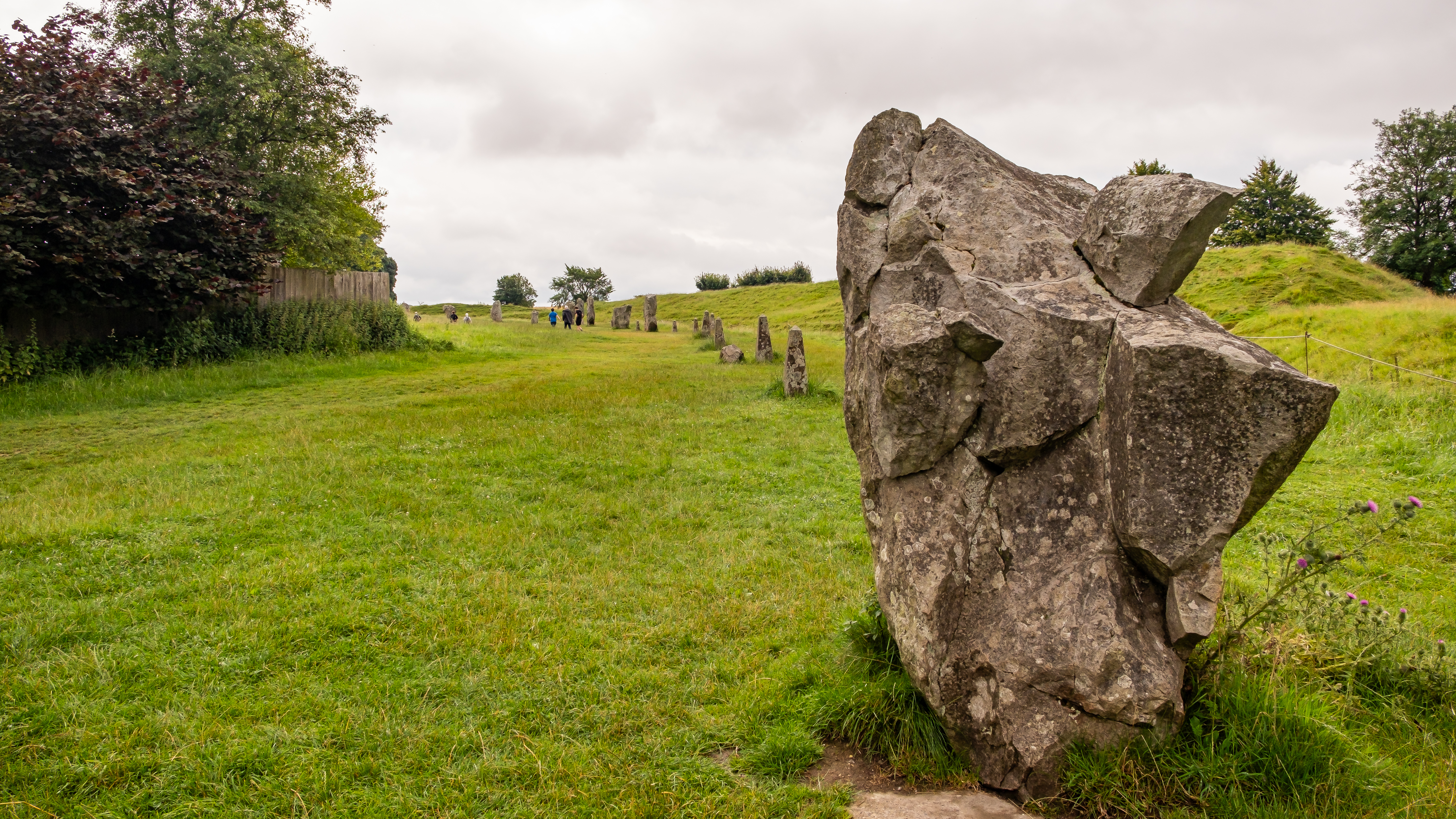
It is quite a special place to visit.


 Where is Phil now?
You must be logged in to post a comment.