07 – 10 June 2024 – Berlin
The cold war was a period of real tension between the United States and the Soviet Union and their respective allies, the Western Bloc and the Eastern Bloc. It started in 1947, two years after the end of the Second World War and lasted until 1991 when the Soviet Union collapsed. It was, on occasion, a tense time with the potential for nuclear doomsday a constant dangling threat. It was rarely top of mind, but it was always there, lurking like some malevolent nightmarish beast.
Thankfully, it never became a ‘hot war’ with actual shots, or worse, nuclear missiles being fired between the key protagonists. However, there were plenty of hot wars fought, mainly across the developing world, ably and eagerly supported by the main cold war protagonists. All through that cold war period these proxy wars were fought across Asia, Africa and Central America with devastating results for the local populations. You could say these proxy wars have never stopped and you can easily point to most current conflicts and see the dark fingerprints of both America and Russia and their allies on the weapons being used.
Germany was a key front line in the cold war, at least from a political and espionage perspective and with West Berlin sitting right inside East Germany it was a key centre for spying and eavesdropping. For an innocent teenager in the 1970s it was also the scene for some of my favourite novels.
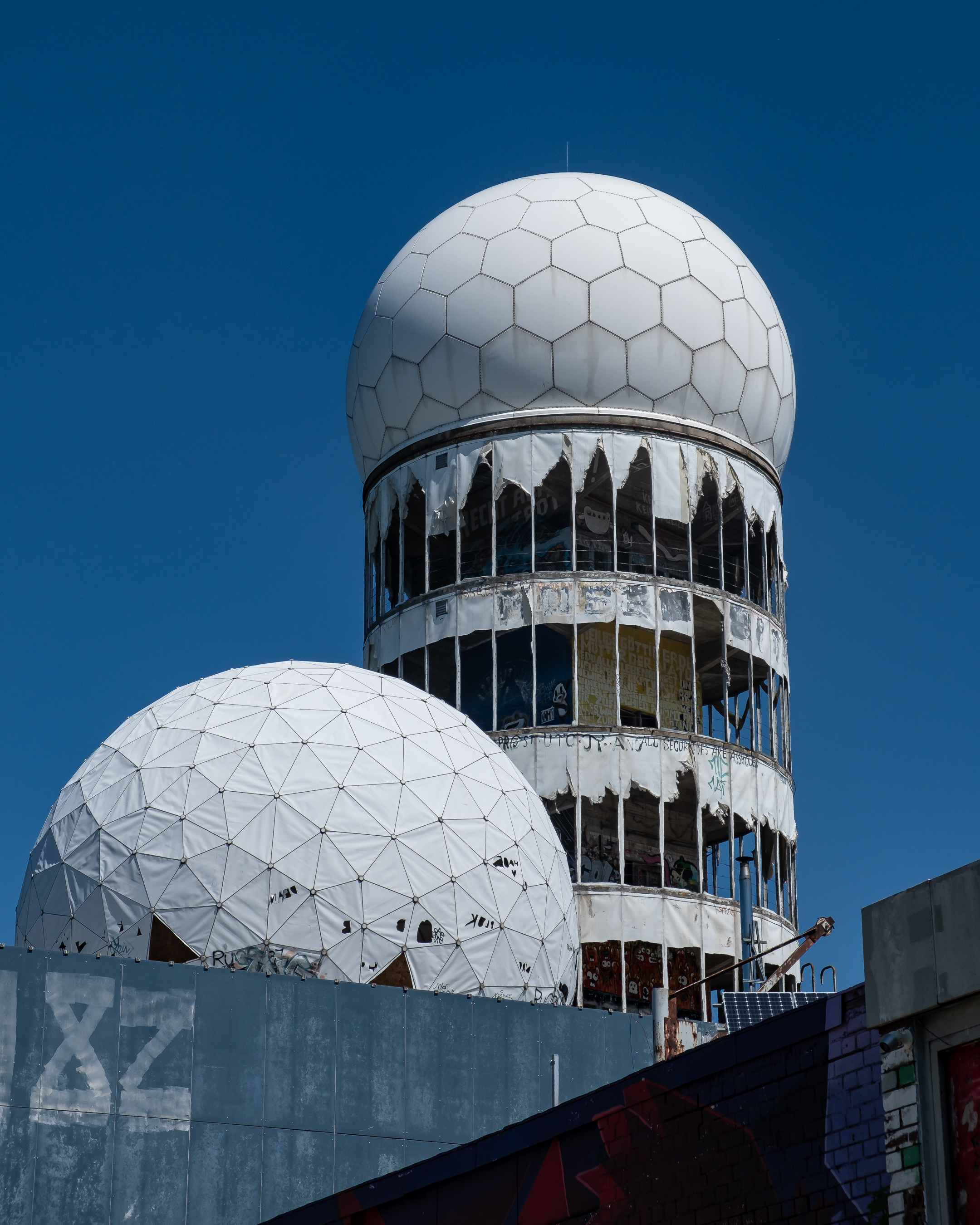
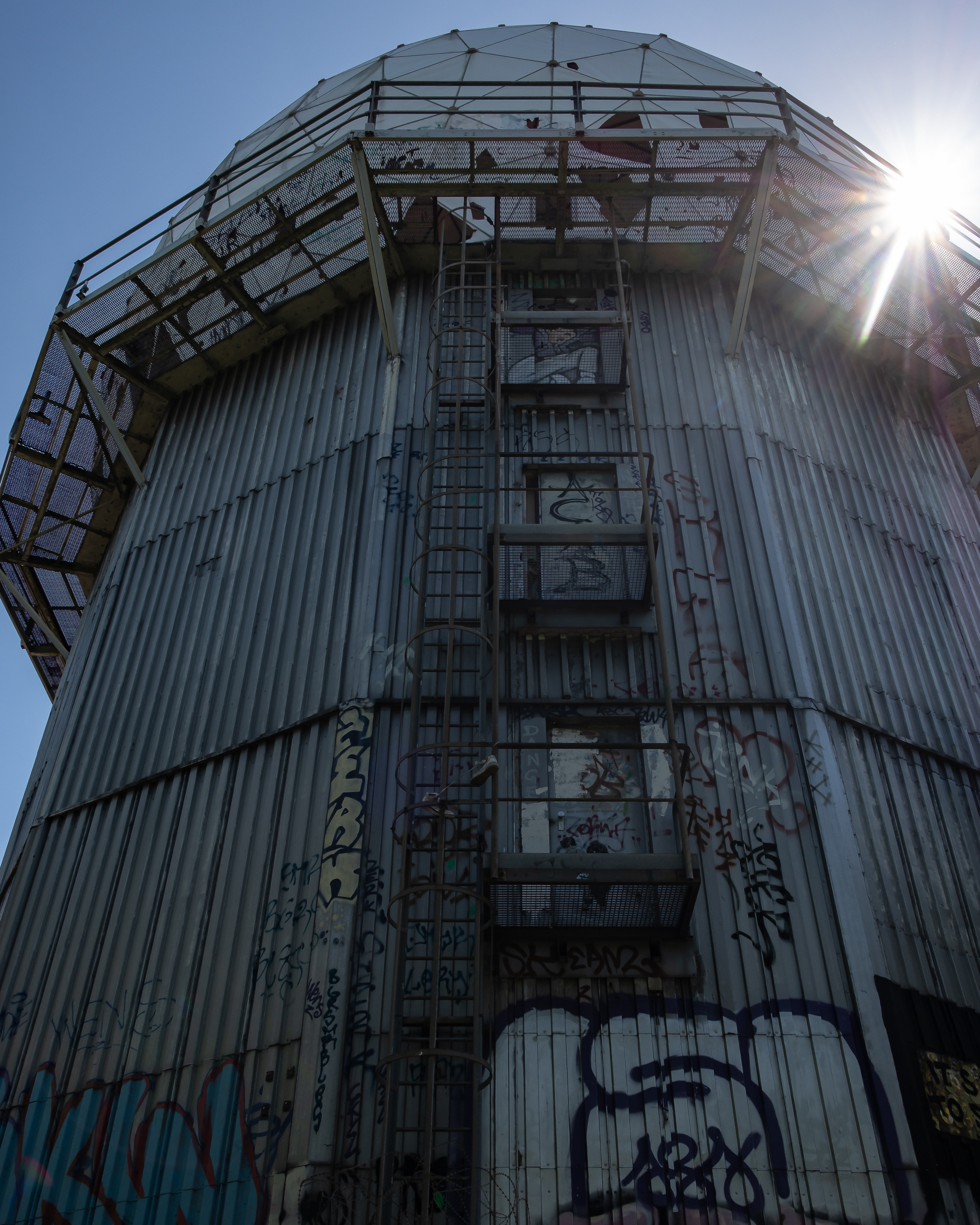
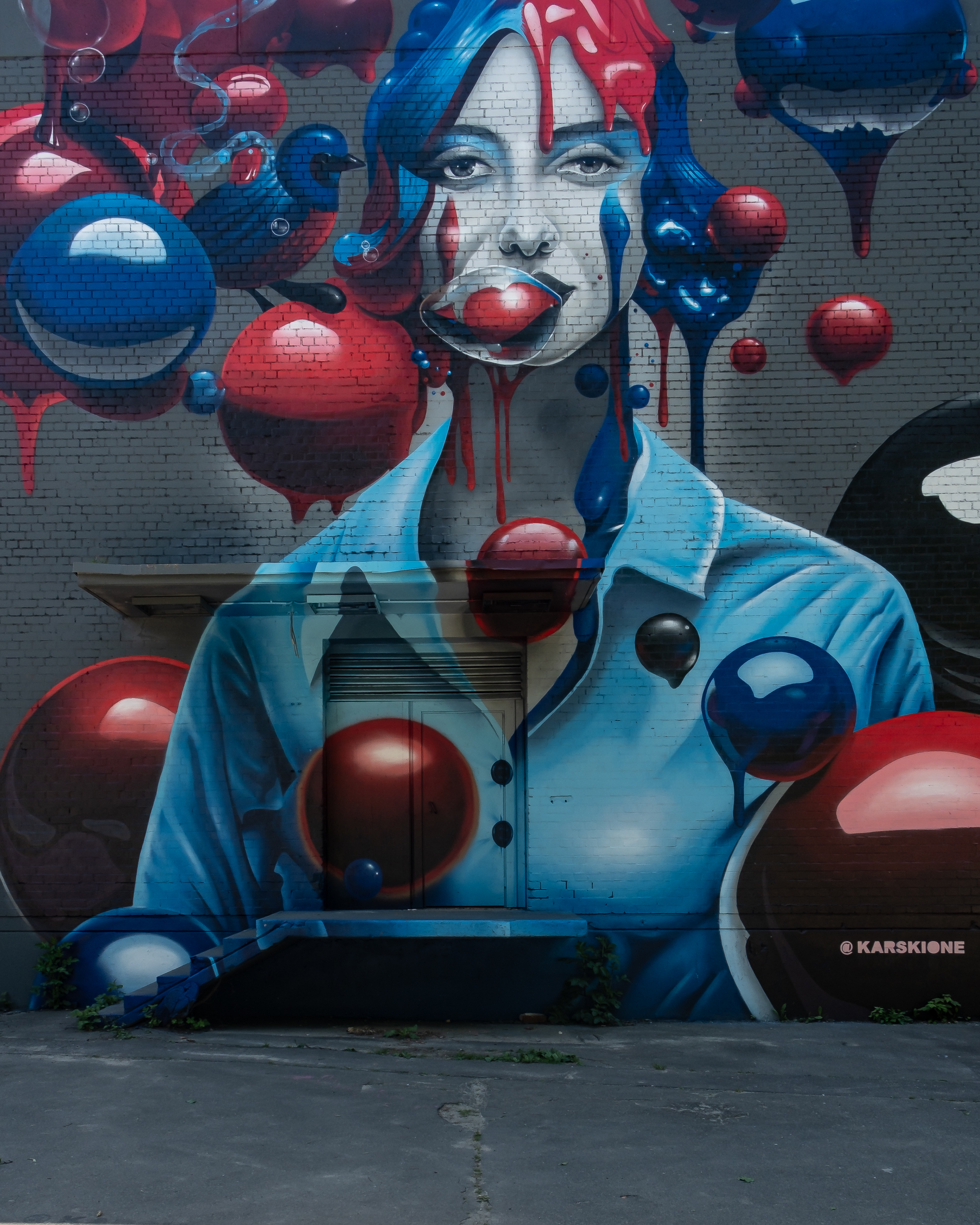
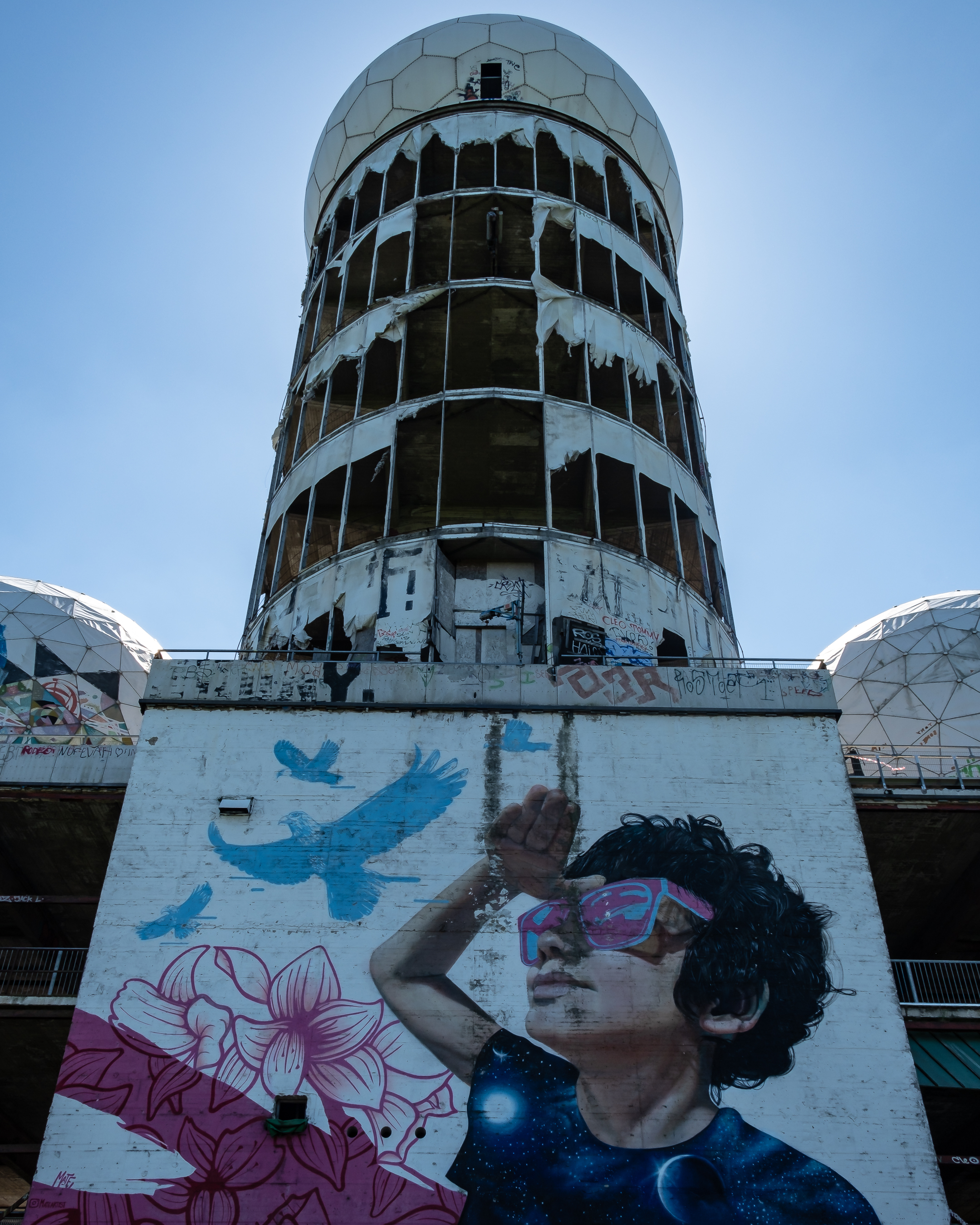
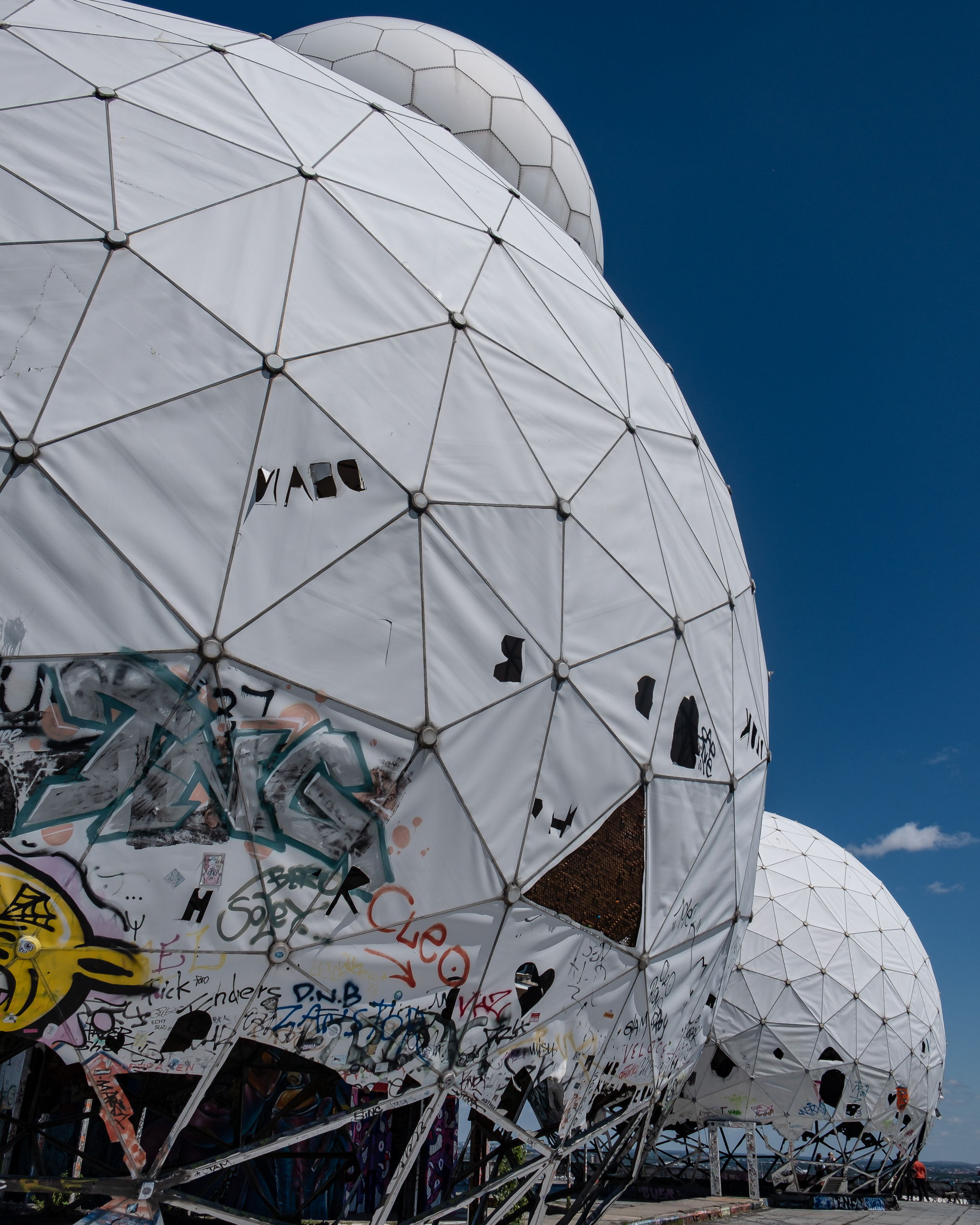
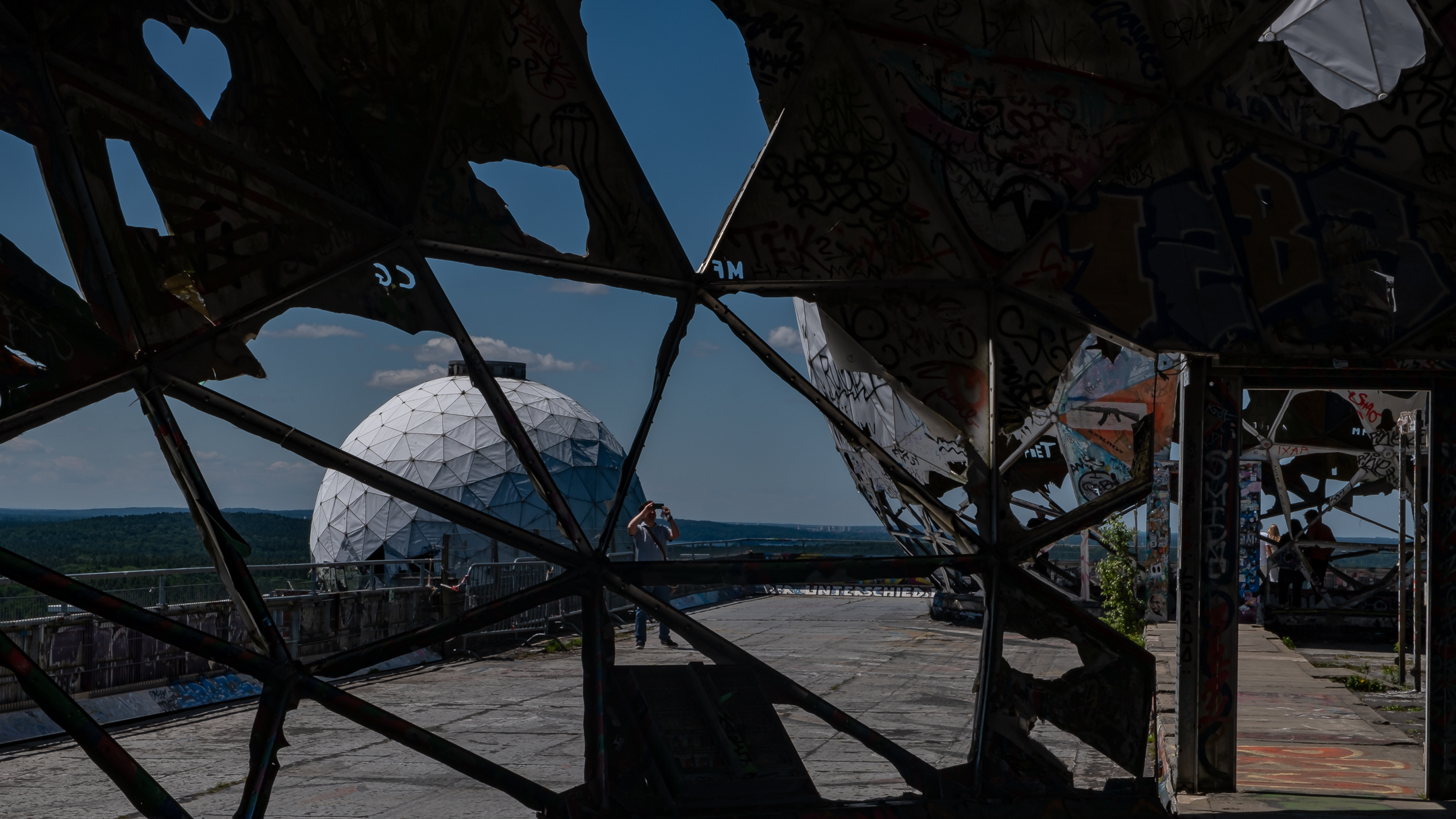
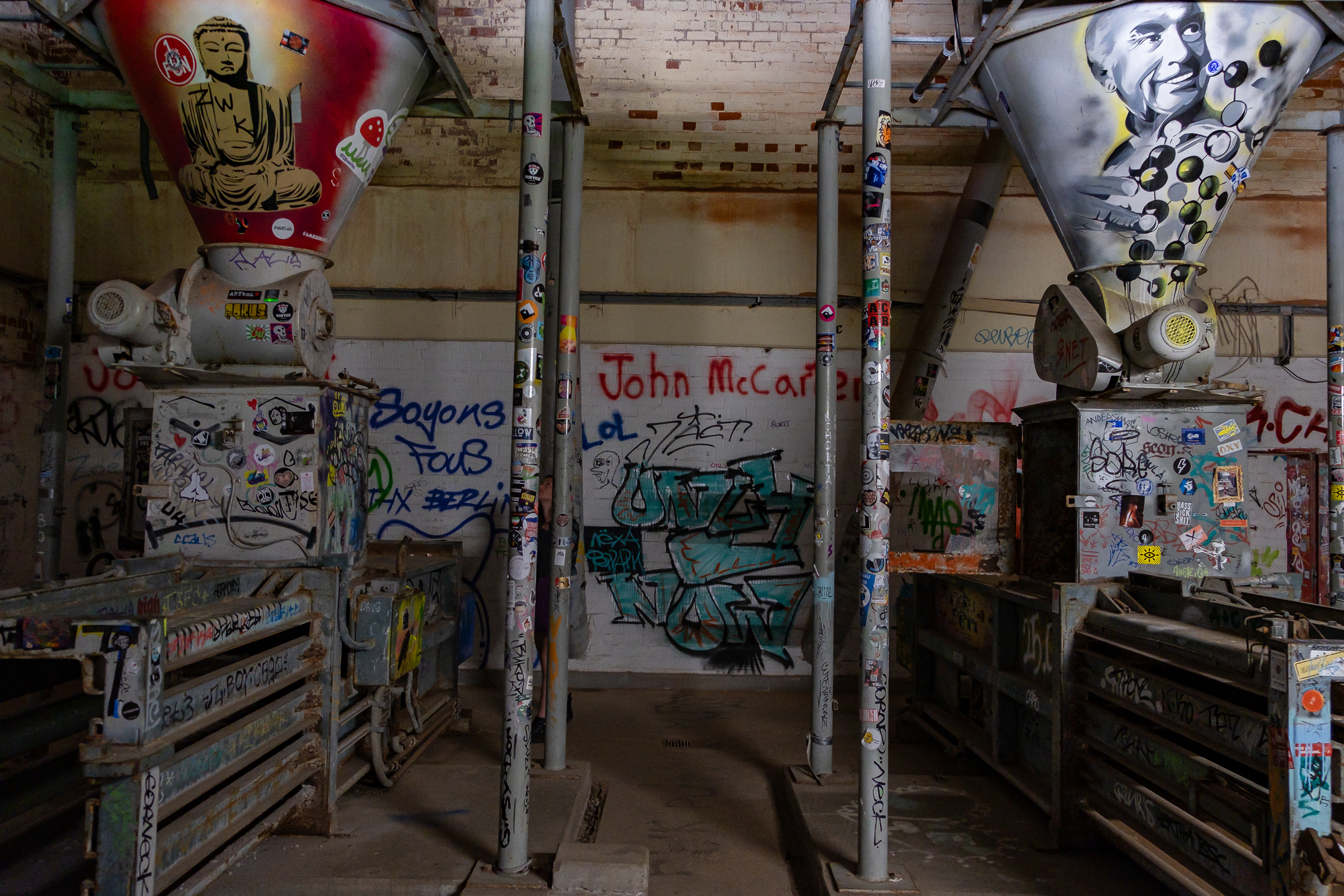
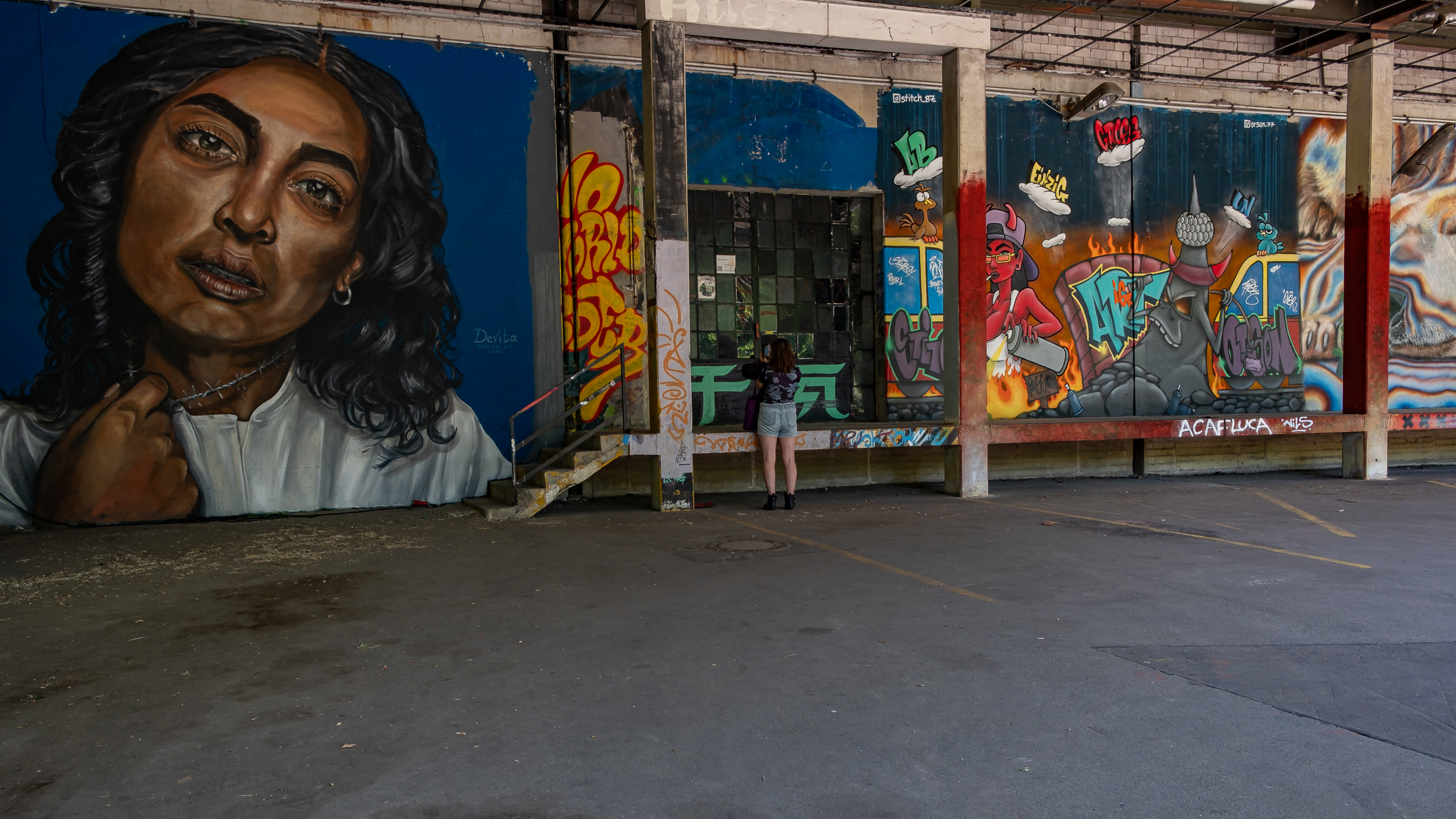
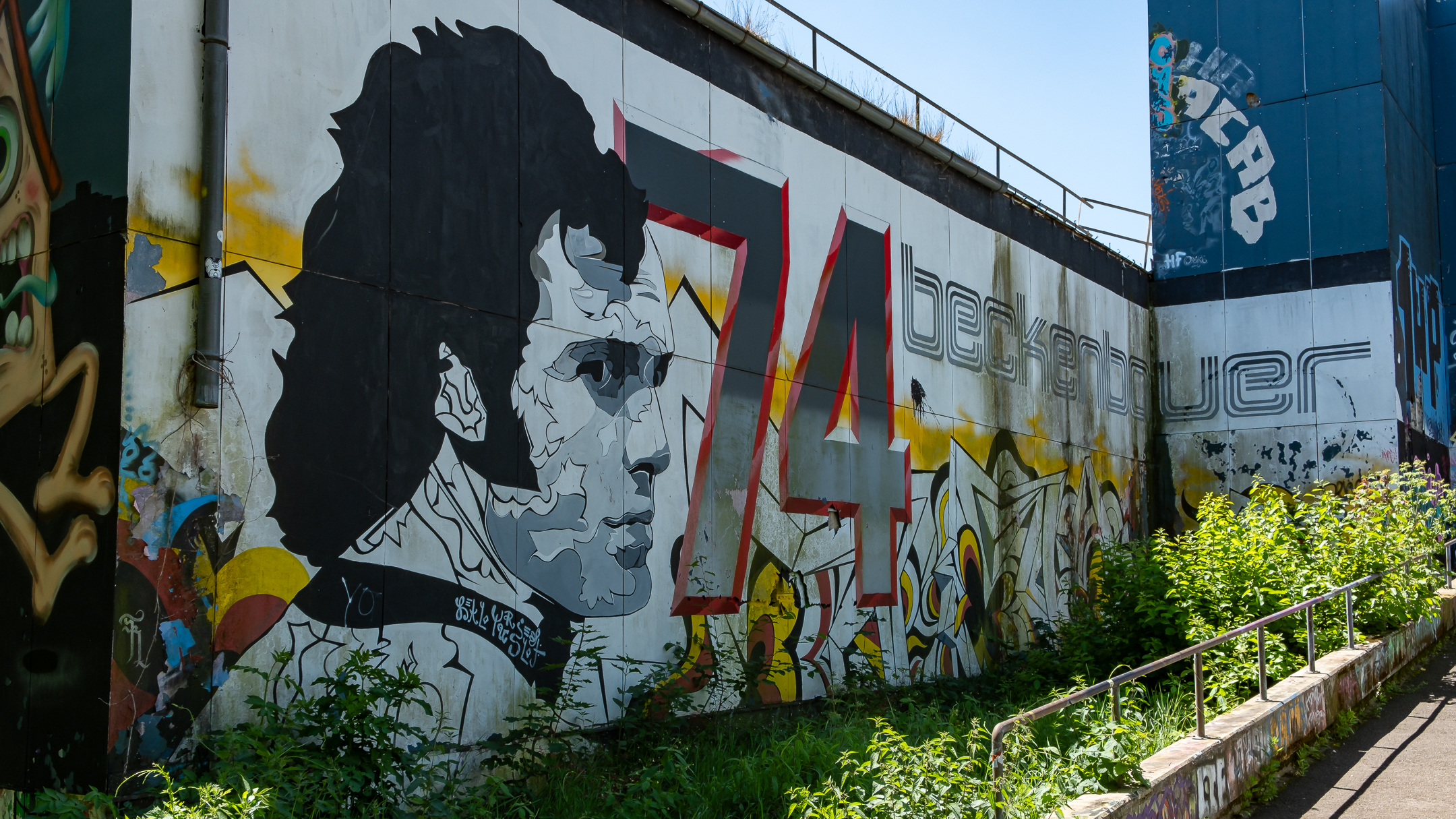
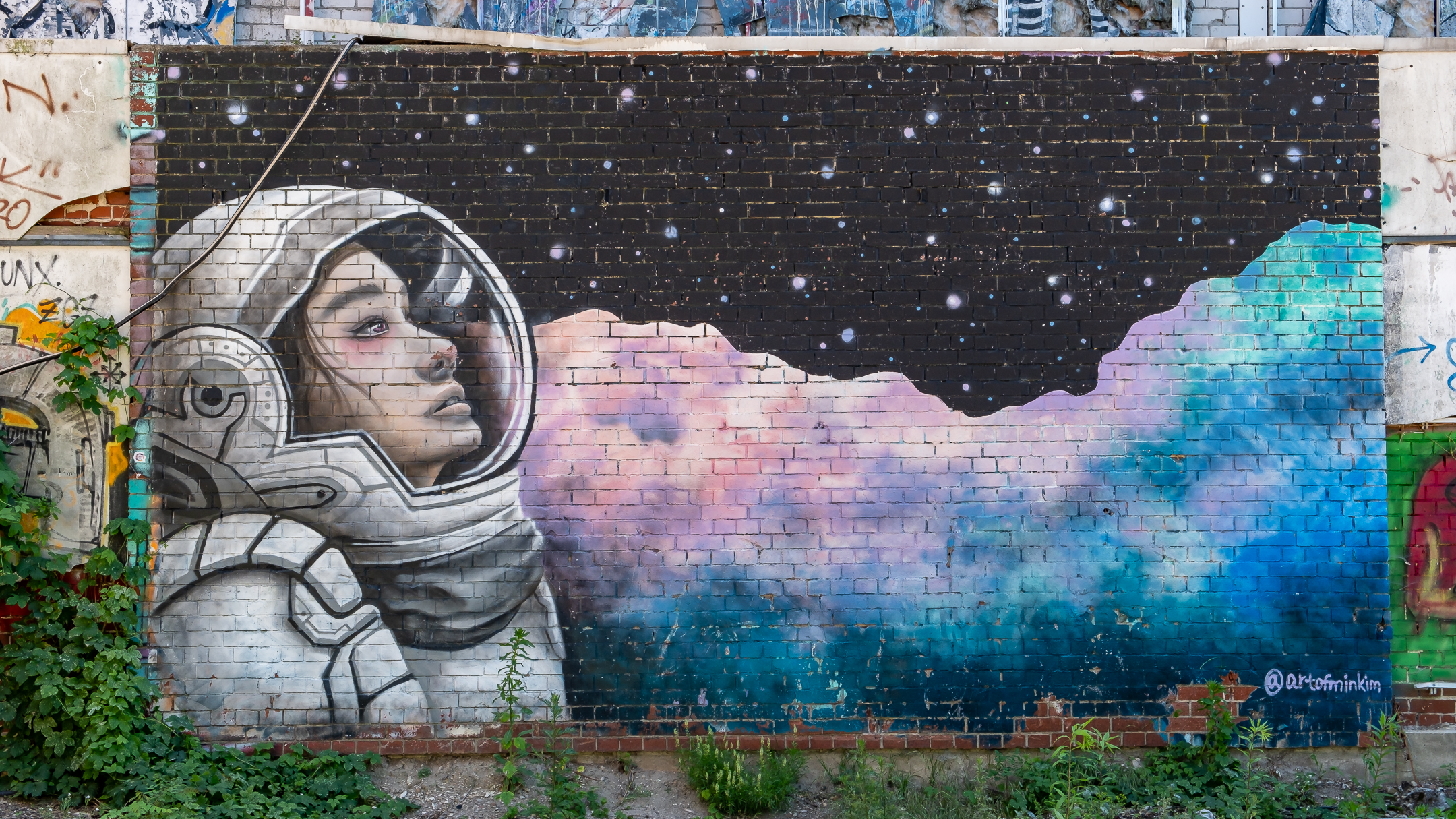
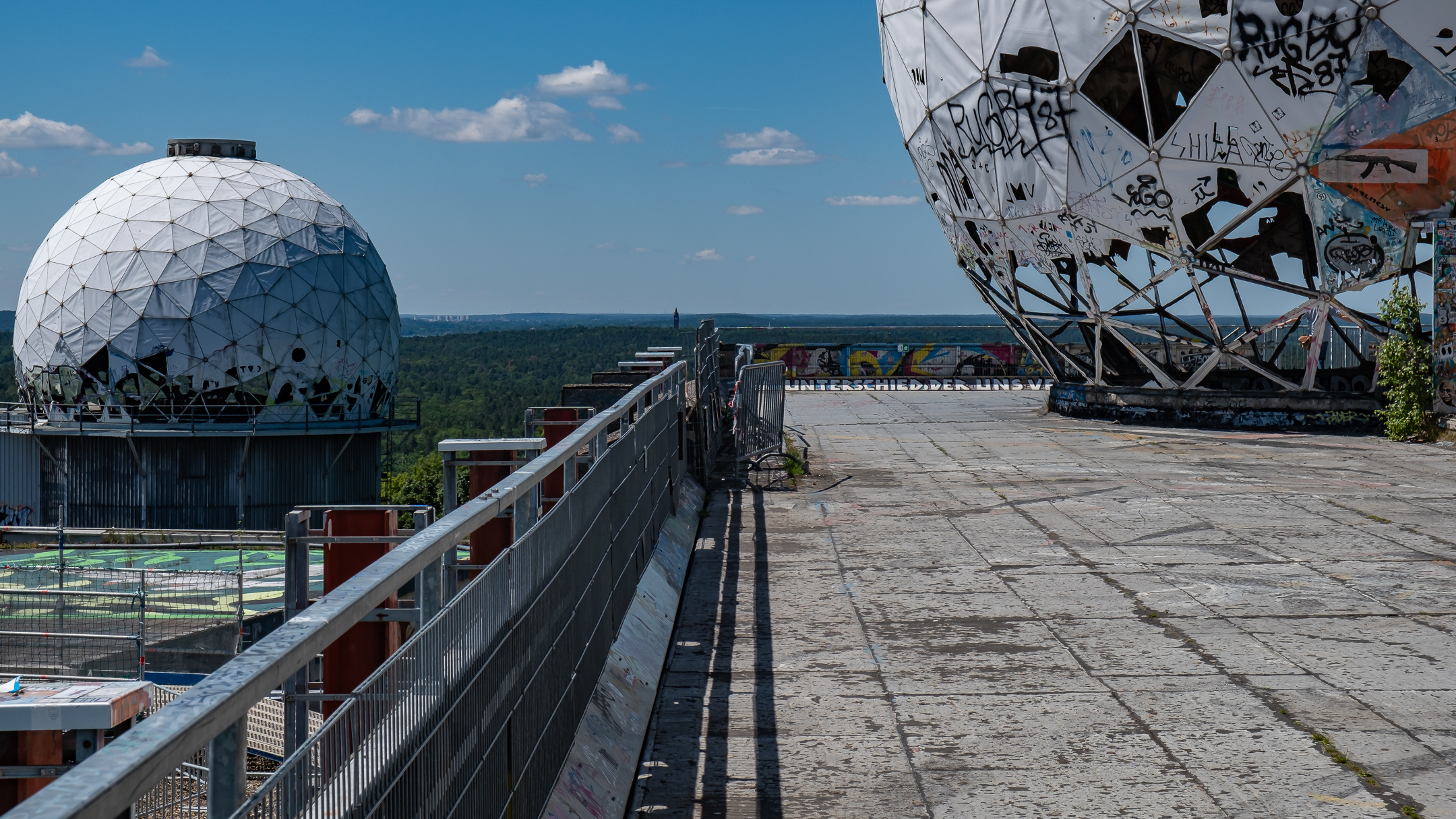
Teufelsberg was a key part of American cold war intelligence gathering as it was listening post targeting radio signals coming out of the east, though, since 2016 it’s been open to the public as a fantastic indoor/outdoor street art gallery.
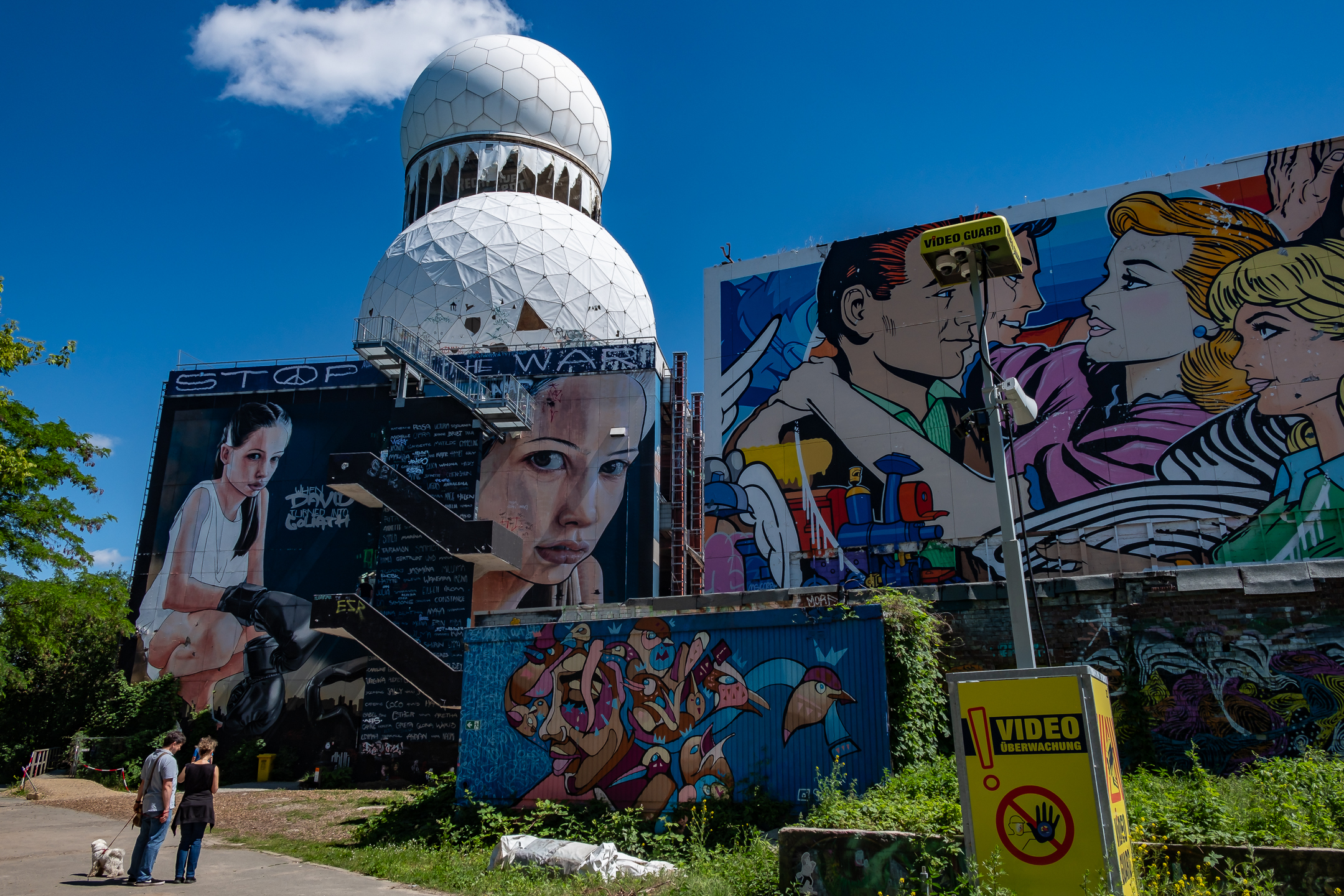
Teufelsberg is not a natural hill, it is a man-made 80 meter high pile of rubble. The rubble came from the western side of the almost totally bombed out city of Berlin and under the rubble pile lies an incomplete Nazi era technical college. The initial efforts to destroy the building by explosives were so ineffectual that the West Berlin authorities decided to bury it instead and in 1950 construction of the mound took place. As you walk up the hill exposed bricks and other building rubble can be seen poking out of the ground through the undergrowth.
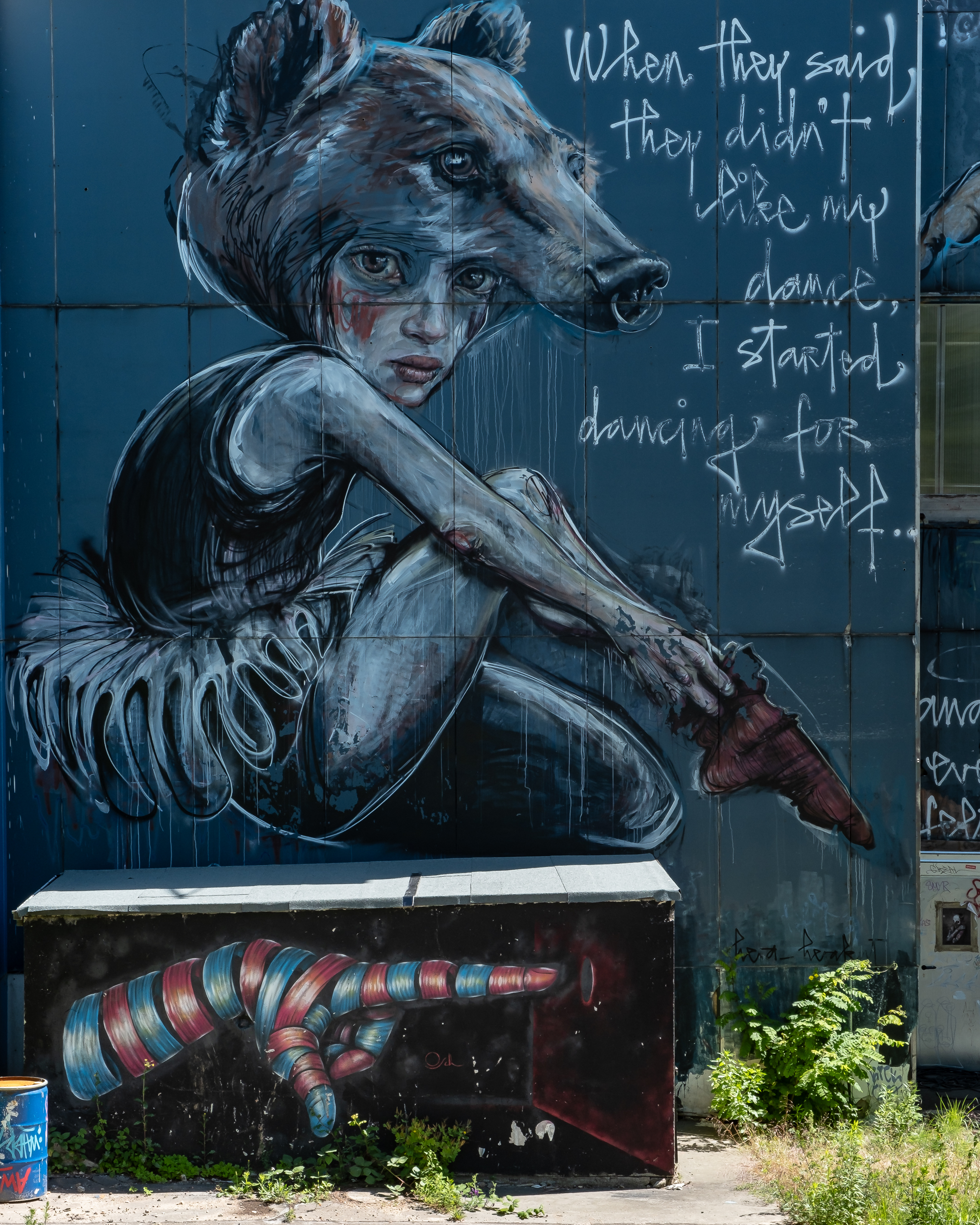
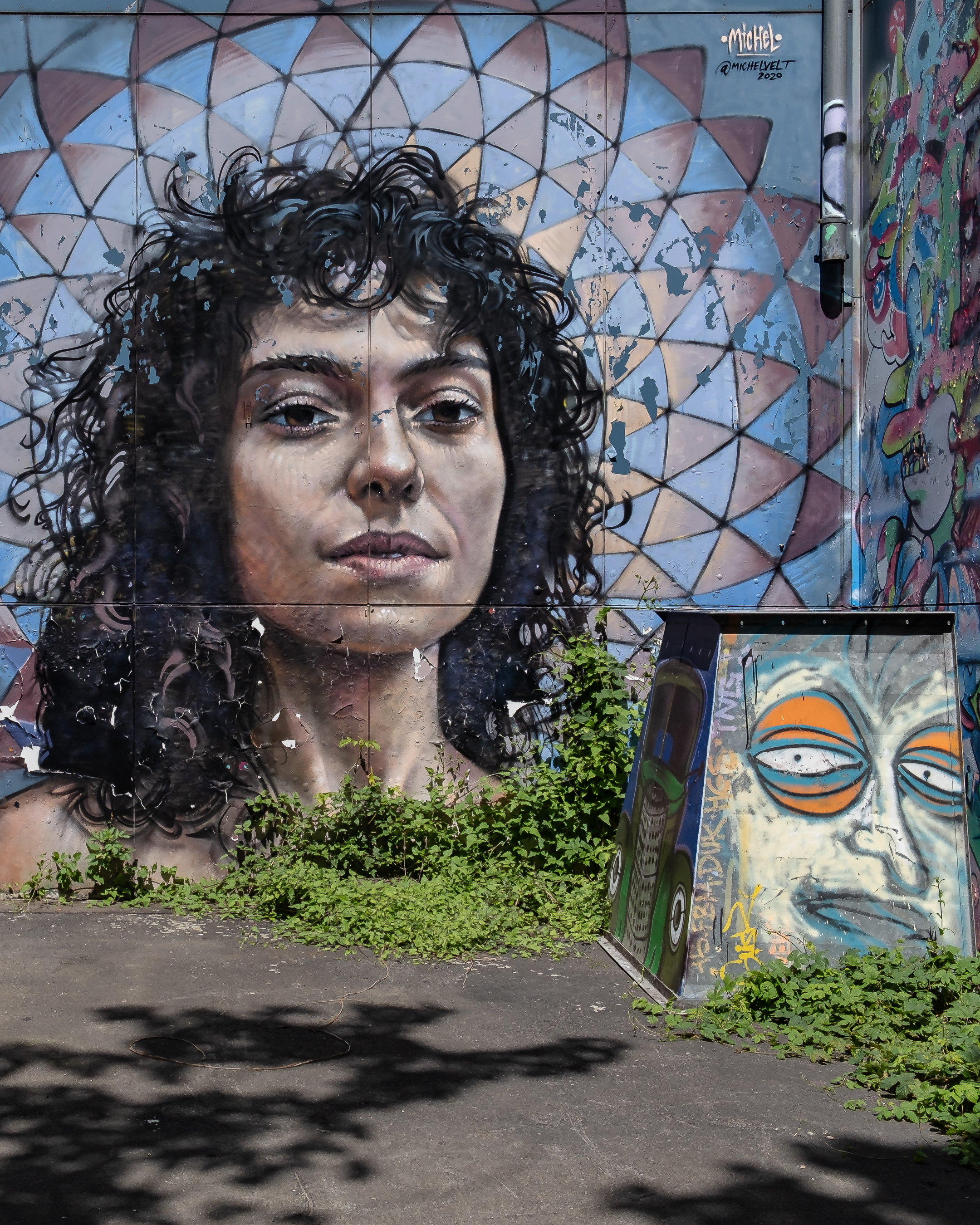
Construction of the American listening post finished in 1963 and US National Security Agency took over the site. With unification of Germany in 1990 the station was no longer needed and it was abandoned. Numerous options were considered for the site but nothing was financial viable and though it remains privately owned it has been allowed to fall into managed neglect and is a home for local and international street artists; including some, like Hera with the big painting and Otto Schade with the finger, being well known on the streets of London when I was photographing street art ten years ago.
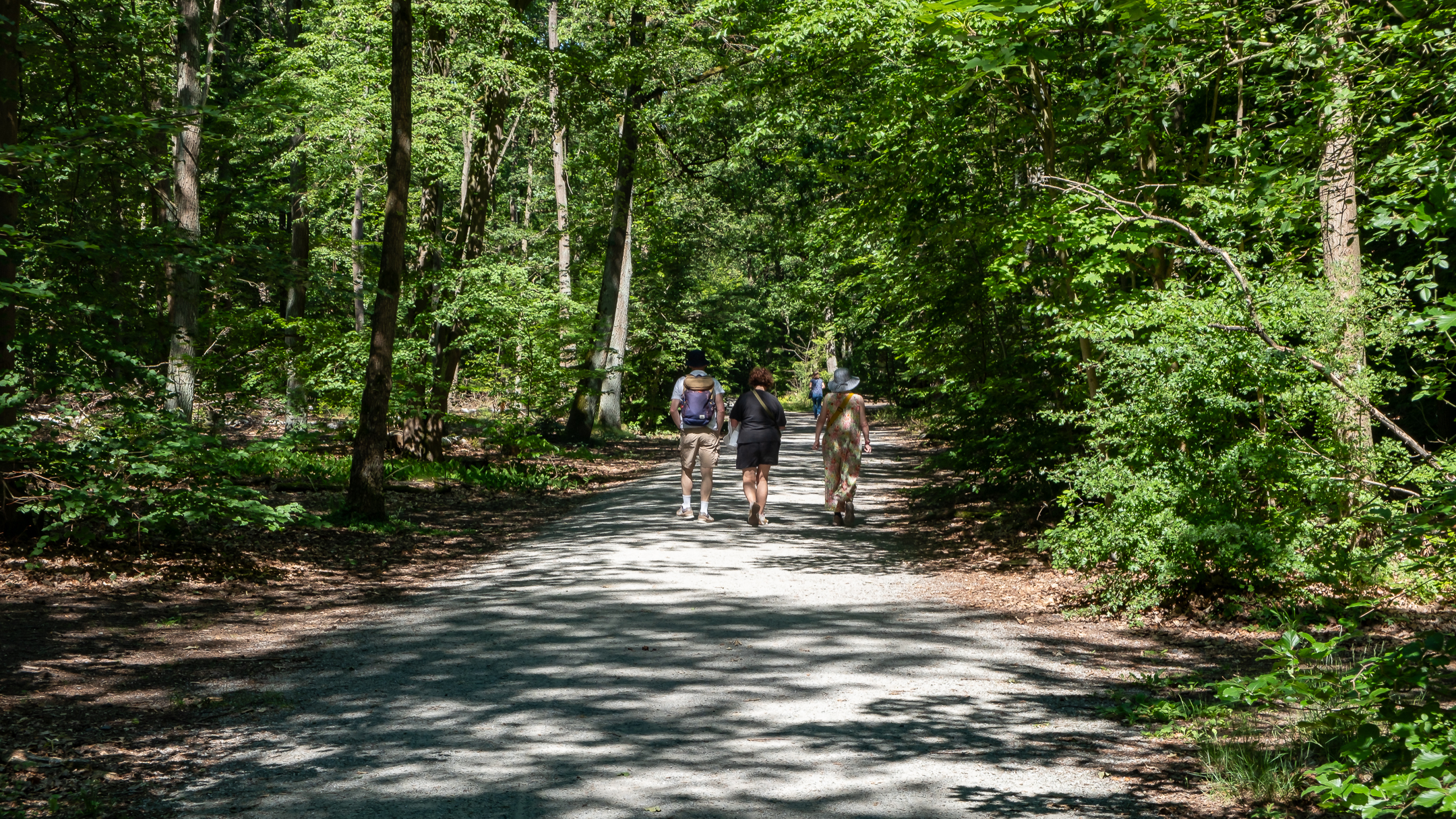
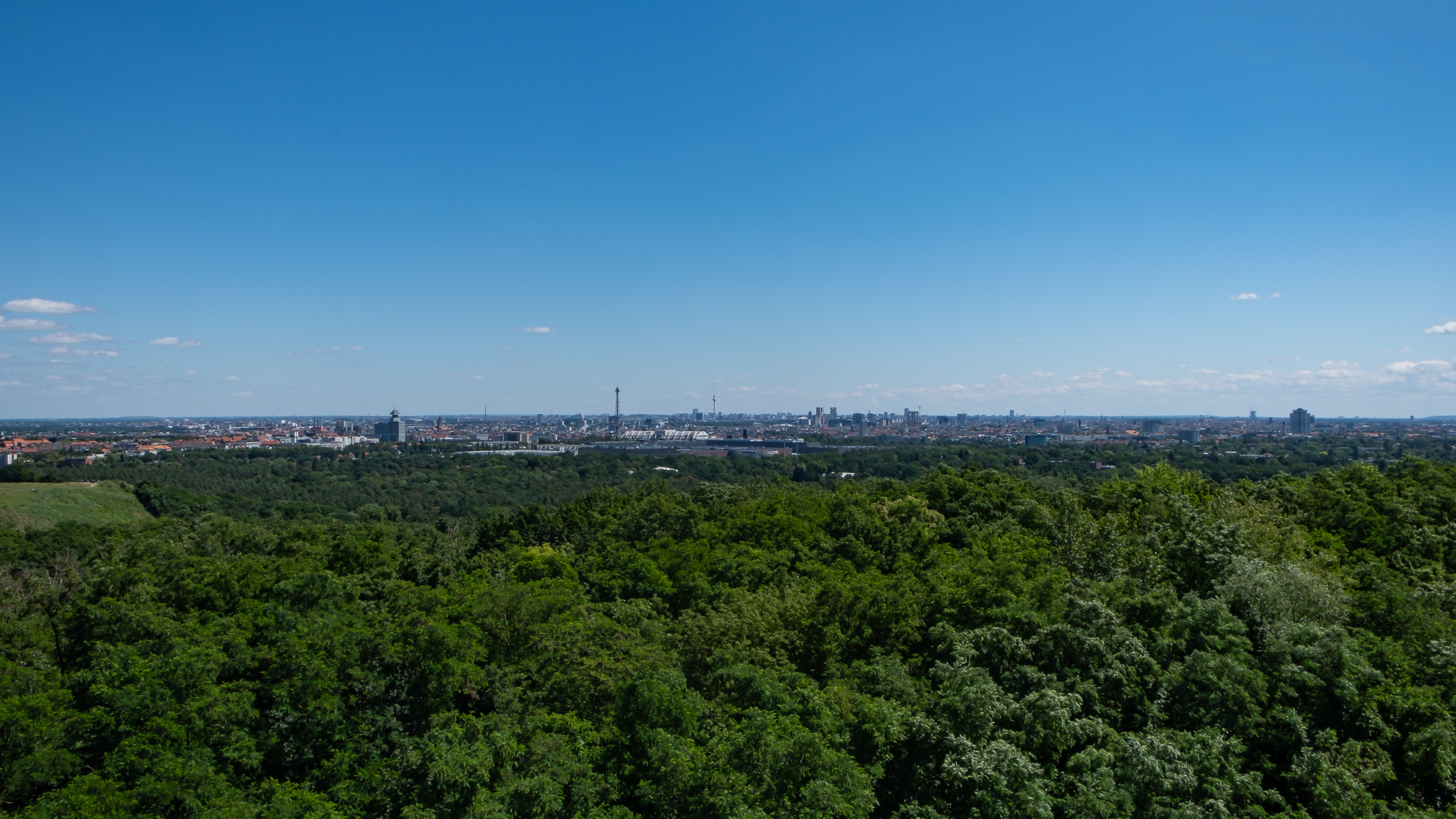
Teufeslberg is set in the middle of the Grunewalk Park it’s a nice 30 minute walk from the train station. The park seemed to be quite popular on the Sunday we visited and Teufelsberg itself was busier than I expected. There was a great view over Berlin from the top.
I’m so glad we managed to get there as it was high on my list of things to see in Berlin; mainly because it’s unique!

 Where is Phil now?
You must be logged in to post a comment.