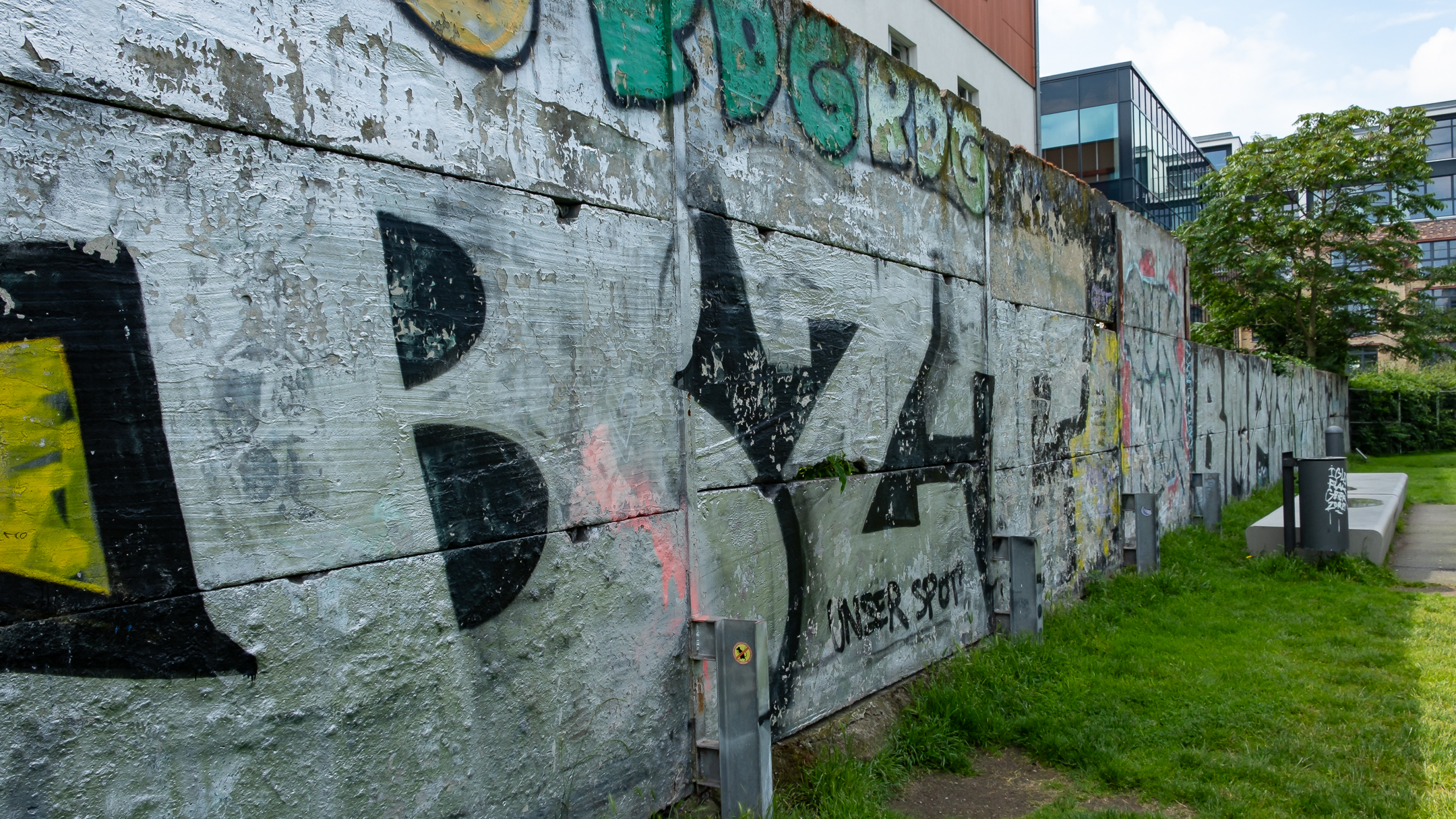
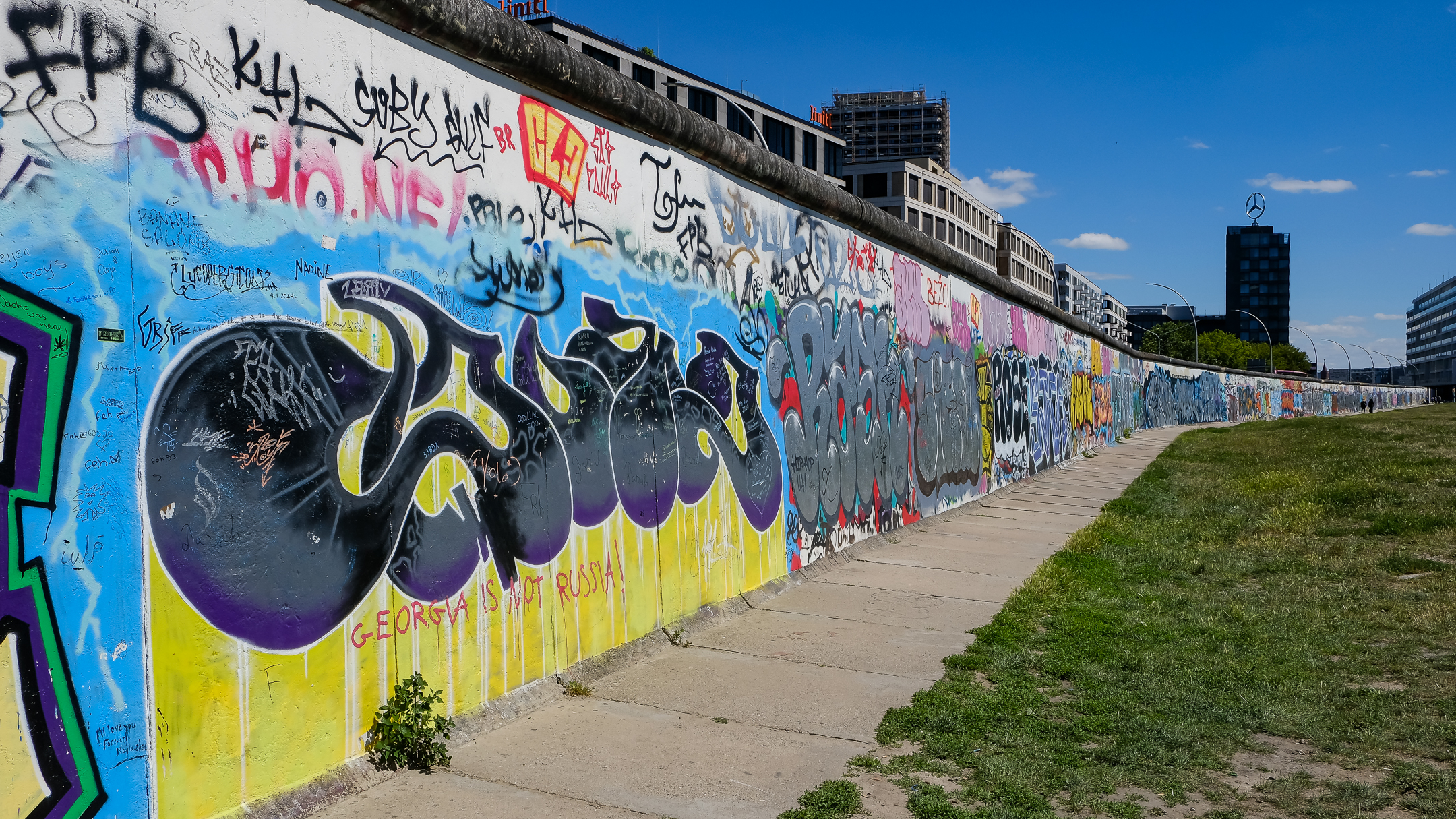
A bit of Berlin concrete

Berlin 03 – 08 October 2024

As longer-term followers will have observed, in the last few years, particularly during and post-Covid, the blog took a massive swerve from photographs of landscapes and trees to photographs of cityscapes. I’m not sure if that change of focus was a reaction to the pandemic or how it affected me and my view of the world. I don’t think I’ve become more insular; and this isn’t the sort of place for any kind of diagnosis, self or otherwise. However, it’s still true; trees and nature walking have largely disappeared from my feed and architecture and urban walking has replaced it; especially the more ‘brutal’ type of modernist building that I’ve sort of fallen in love with. So, maybe after saying all that it’s possible I have become more insular and my world view has reduced at the same time as expanding. I must stop the self-diagnosis. I’m fine.

As our last visit to Berlin was with friends and it had a packed schedule there was no opportunity for me to disappear for a few hours and look at some raw concrete, or beton brut as the French would have it. When we planned this trip I factored in a visit to a classic Le Corbusier building on the way to Spandau on the Saturday, as well as a few hours of solo travel to see a couple of other ‘brutalist’ buildings. There will be more on the Spandau visit in the next post; but spoiler alert – it wasn’t worth it…

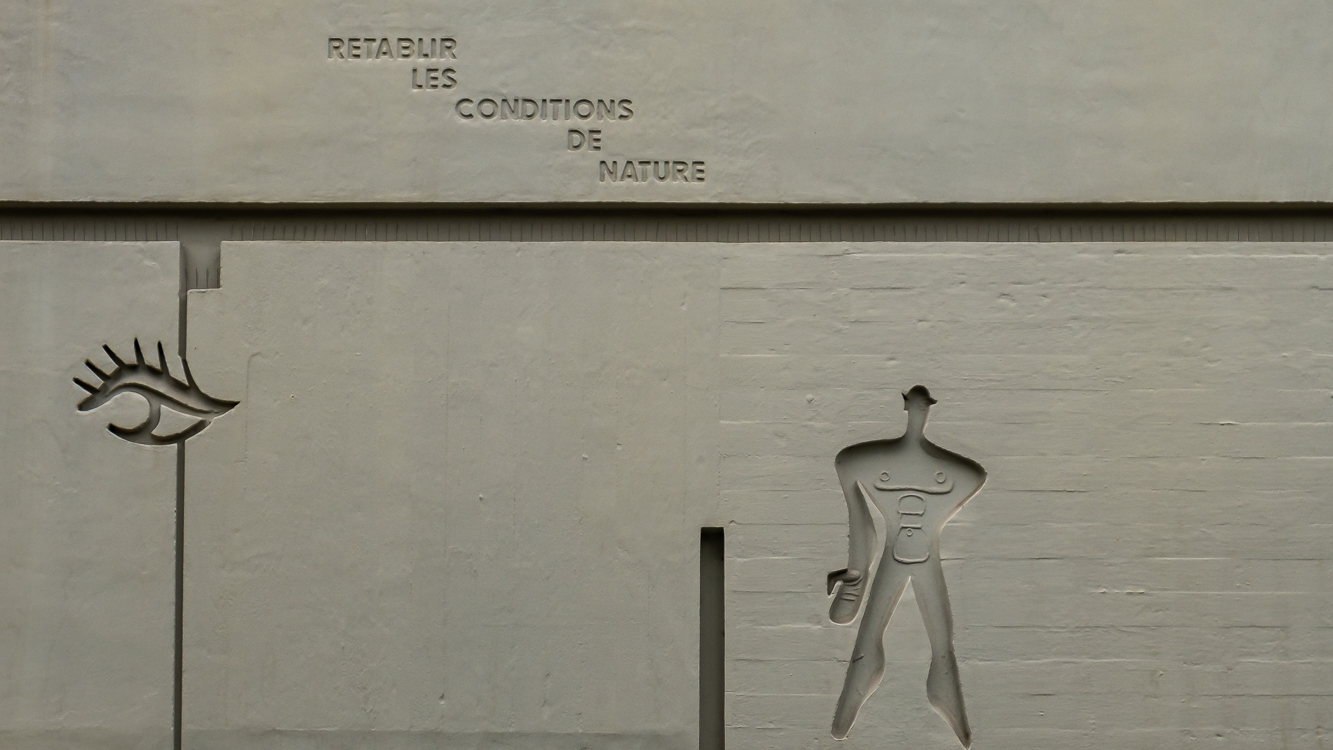
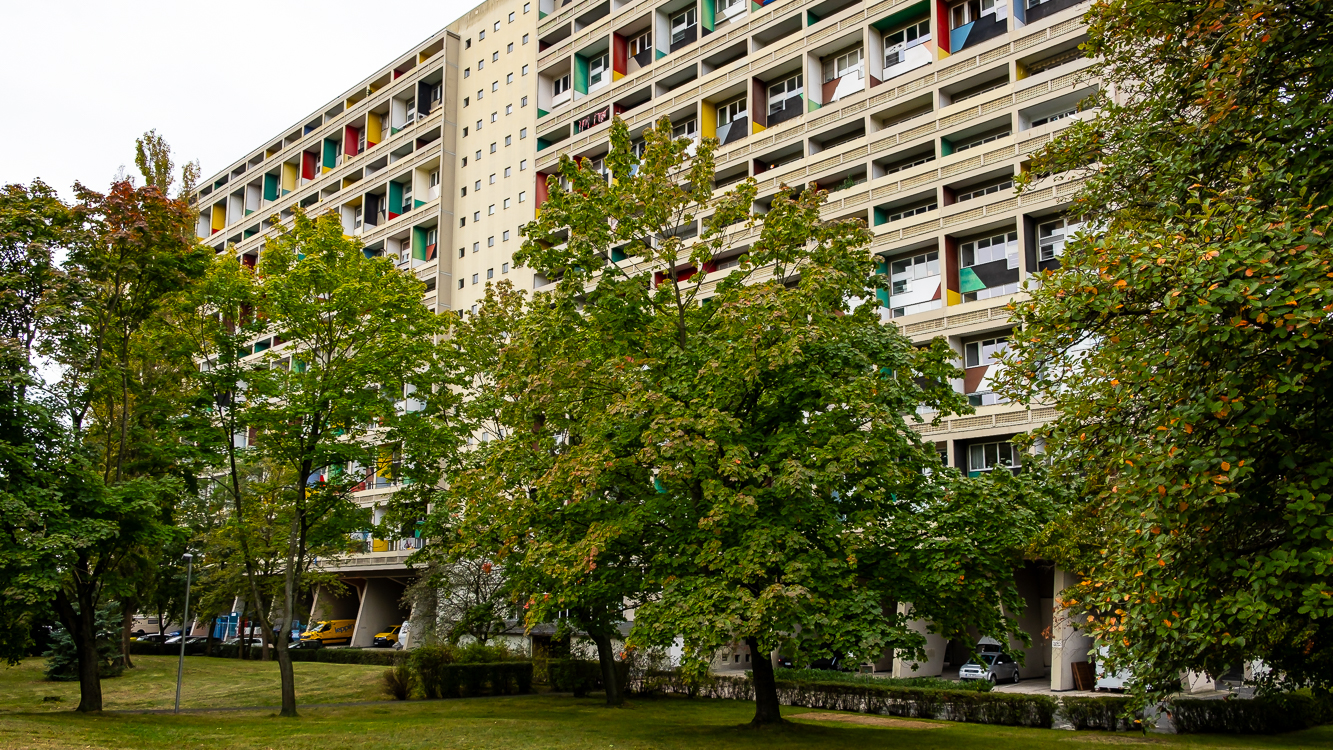
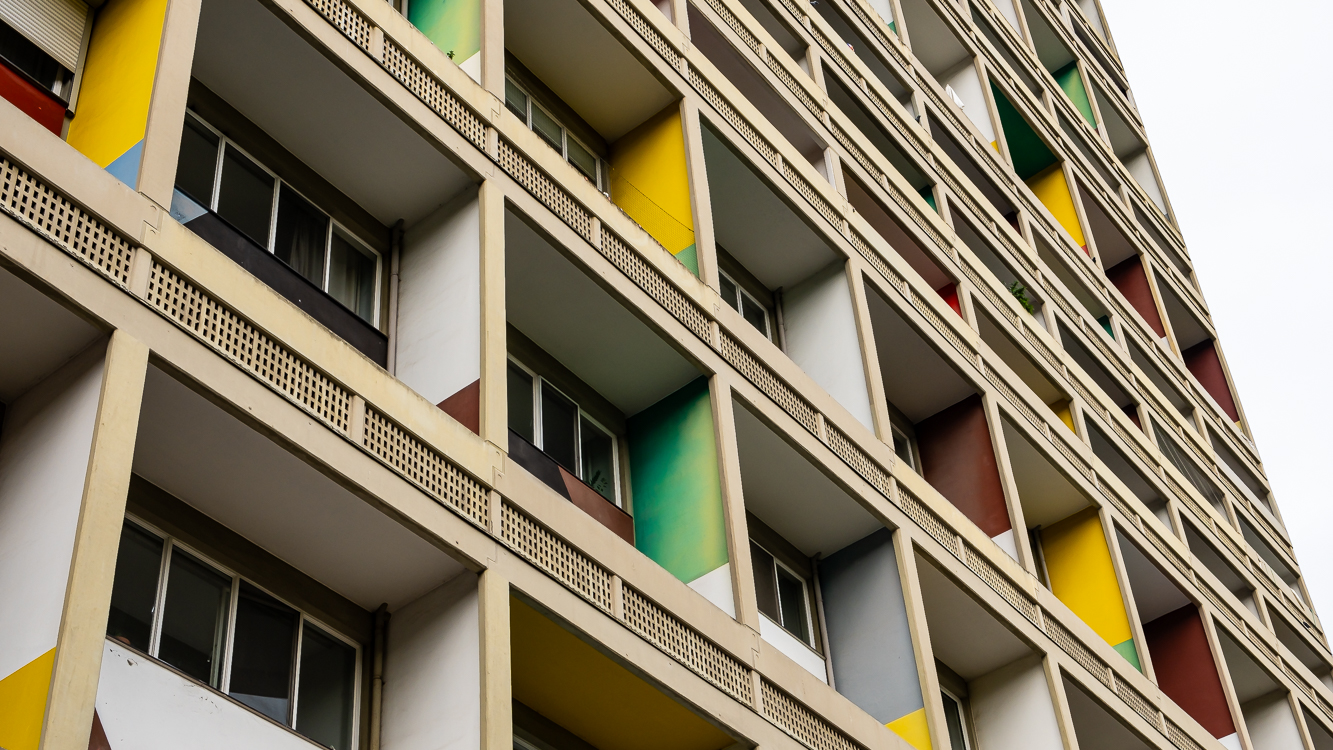
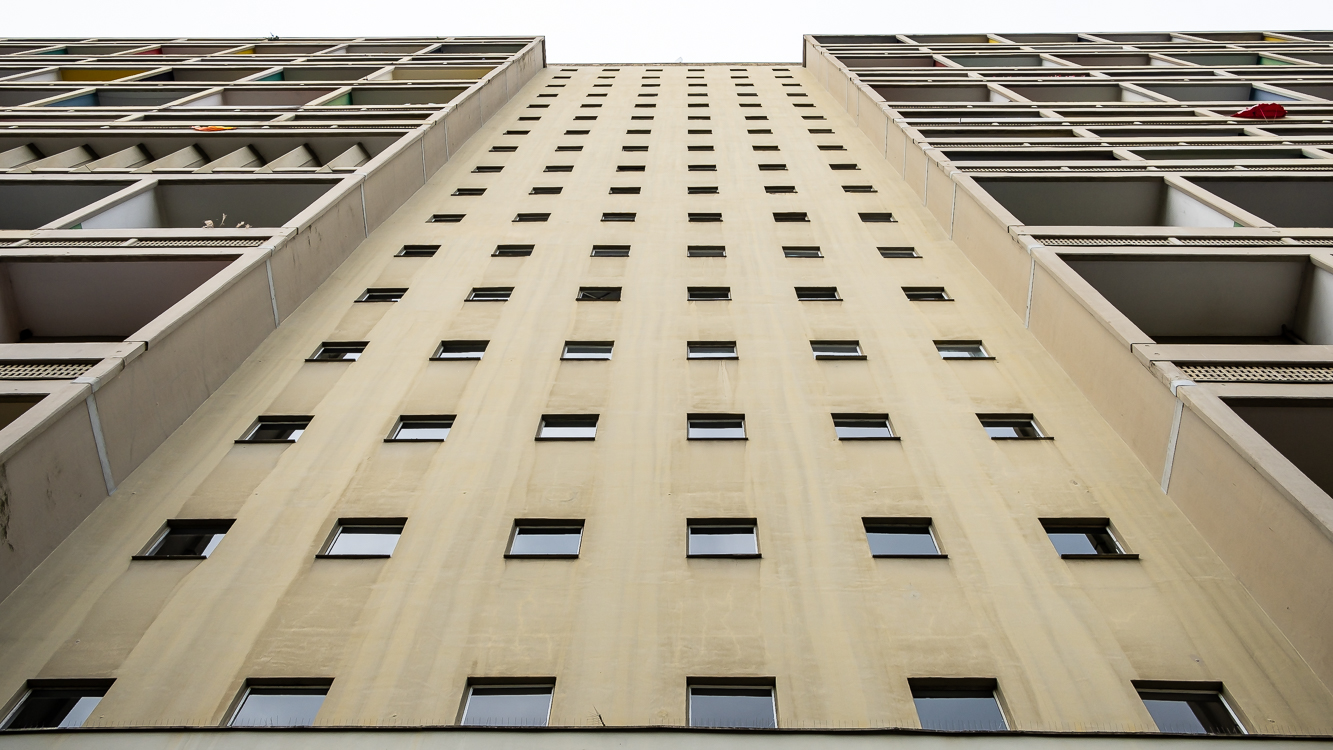
Unité d’Habitation of Berlin aka Corbusierhaus

Completed in 1957 it was the third building in Le Corbusier’s Habitation ‘series’. The first and best known block is in Marseilles, France. The phrase ‘beton brut’ has been attributed to Le Corb, and it has morphed in its English translation to Brutalism. It describes buildings largely made of unfinished concrete, rather than the harsh, ‘brutal’, often militaristic design generally think of when people think of brutalism. Some buildings obviously conform to that harshness, but the Corbusierhaus does not, it is just a 50s concrete apartment block outside the city centre with some very colourful panelling. It is lovely and is a tourist attraction in its own right. The only quibble I had was half the front was covered over by scaffold and cloth; oh well. If I come back it will be mid-winter when all those interfering trees are shorn of their leaves.
DSCF4092

DSCF4091

DSCF4090

DSCF4085

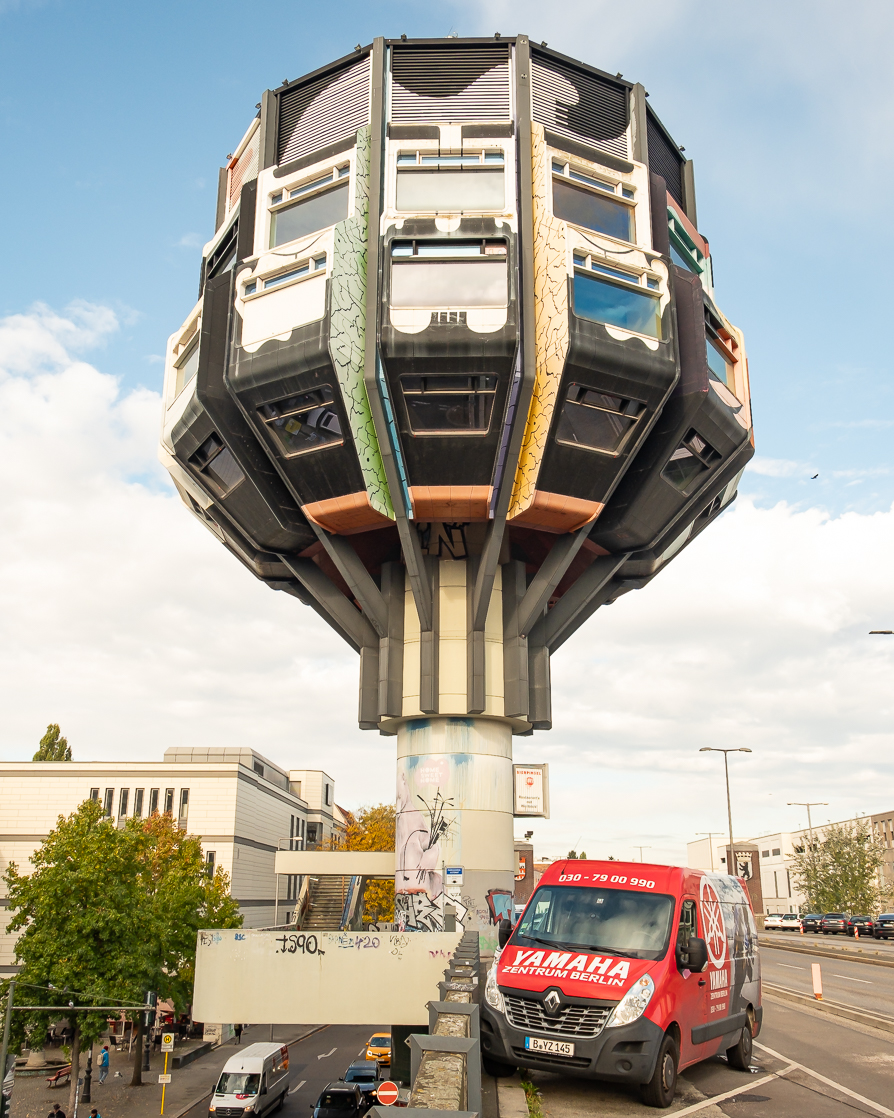
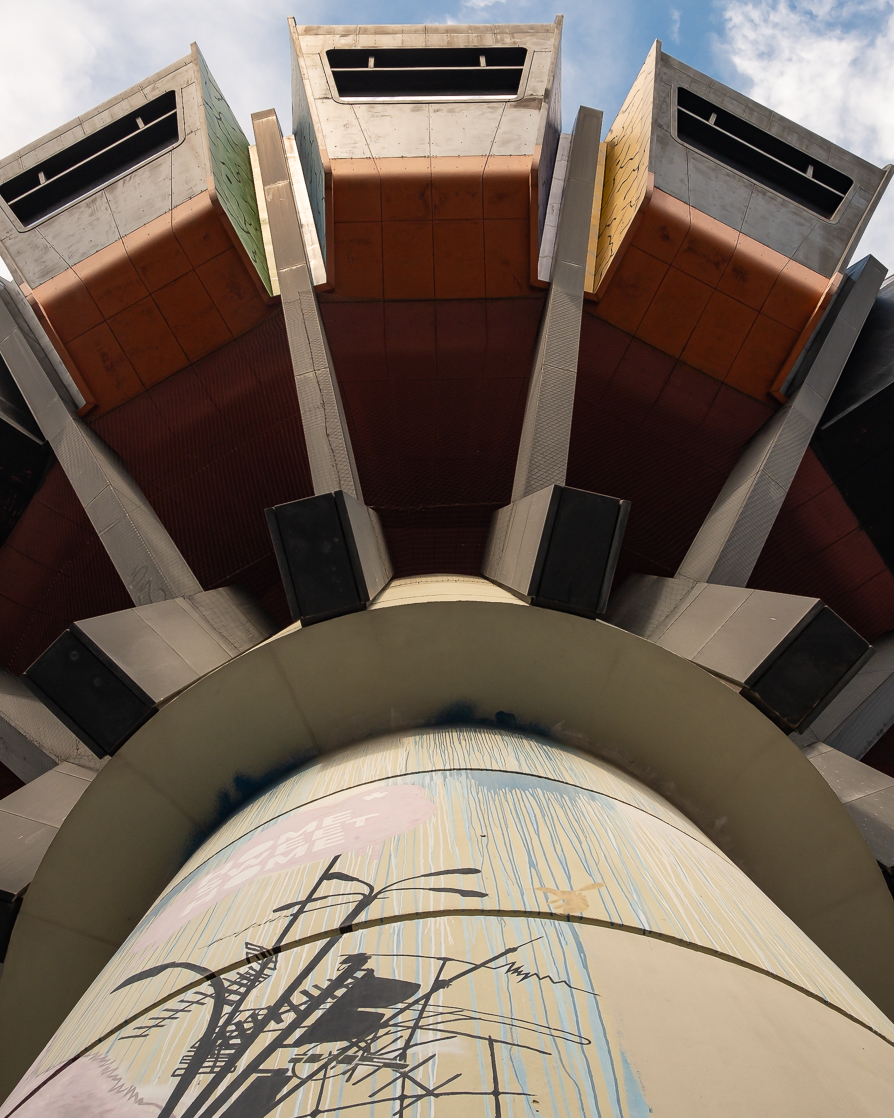
Bierpinsel

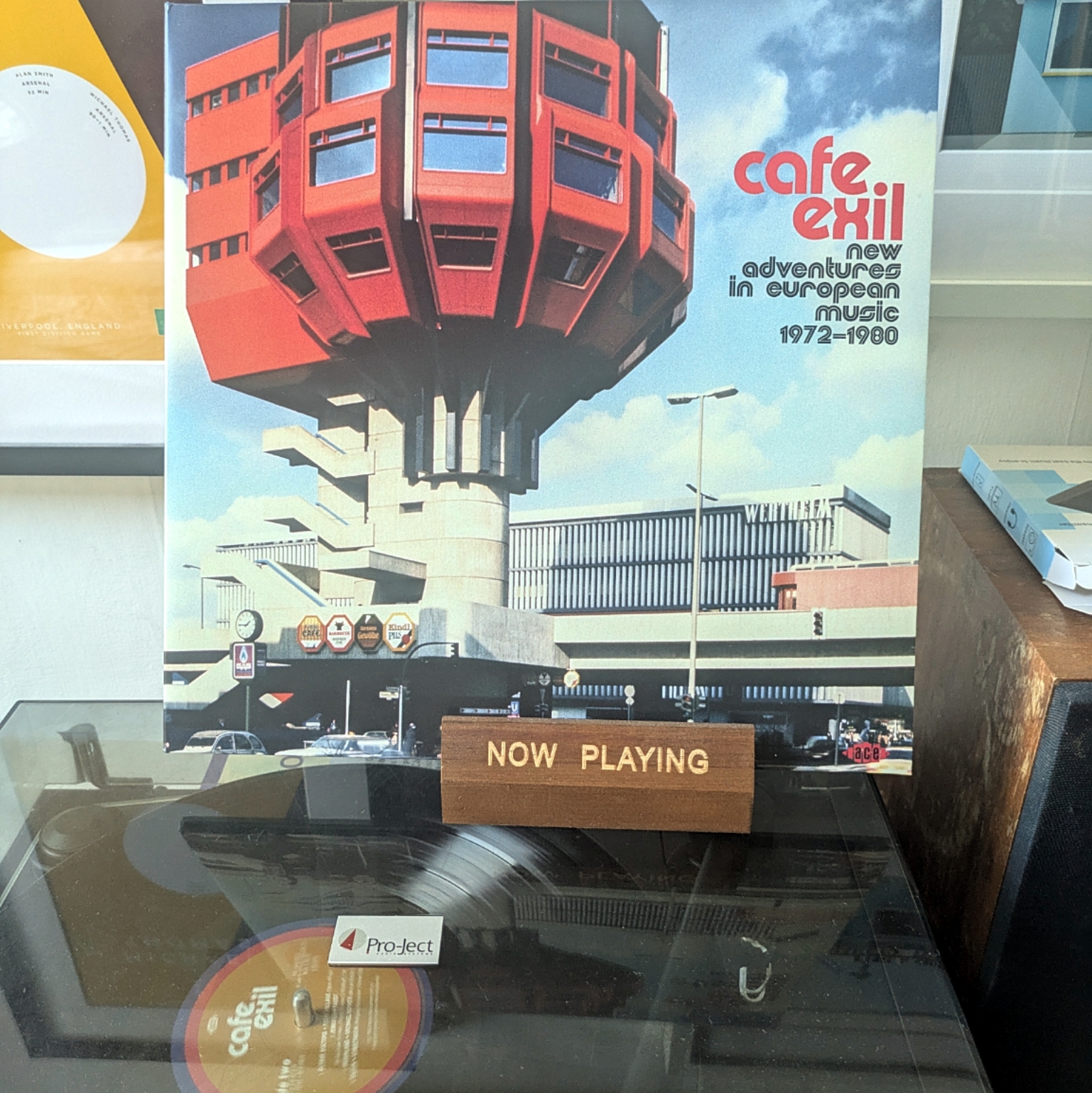
We had put Monday morning aside as ‘do our own thing’ time as I wanted to get out and look at buildings and while Eleanor tolerates this with a smile it seemed unfair to schelp about looking for buildings on holiday. Inconveniently the best ones are out of town and in no way where they close to each other. There was a small wrinkle in my original plan as one of the train lines was closed for engineering works. I made some rapid plan changes and set off to visit the ‘Café Exil’ record cover; The Steglitz Tower Restaurant, AKA the Bierpinsel (Beer Brush). And wow, what a building it is! It is as mad and as glorious as I hoped it would be. Sadly it’s been closed since 2007, but achieved listed status in 2017 and more recent owners have plans to renovate the building. I certainly hope they do. It is properly fantastic and I would love to see it back in garish Café Exil red. I had a go at emulating the record cover, with limited success. I loved it…
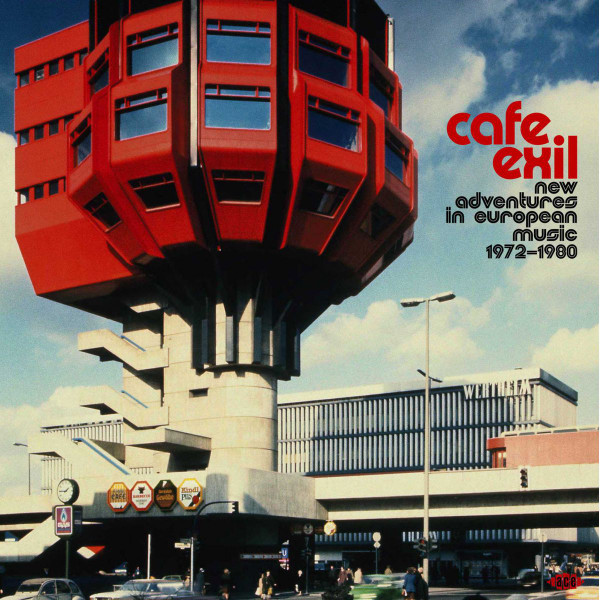
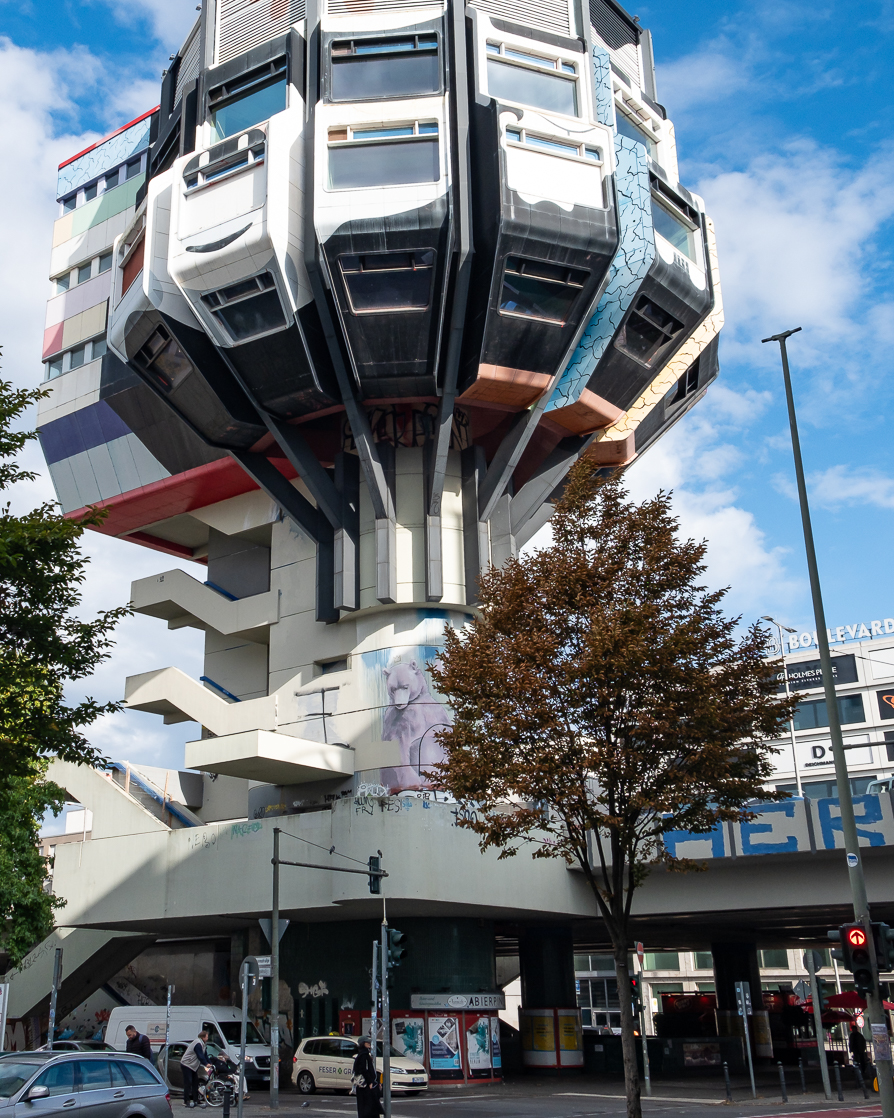
Cafe exil Cover

DSCF4159

DSCF4152

DSCF4151

DSCF4149

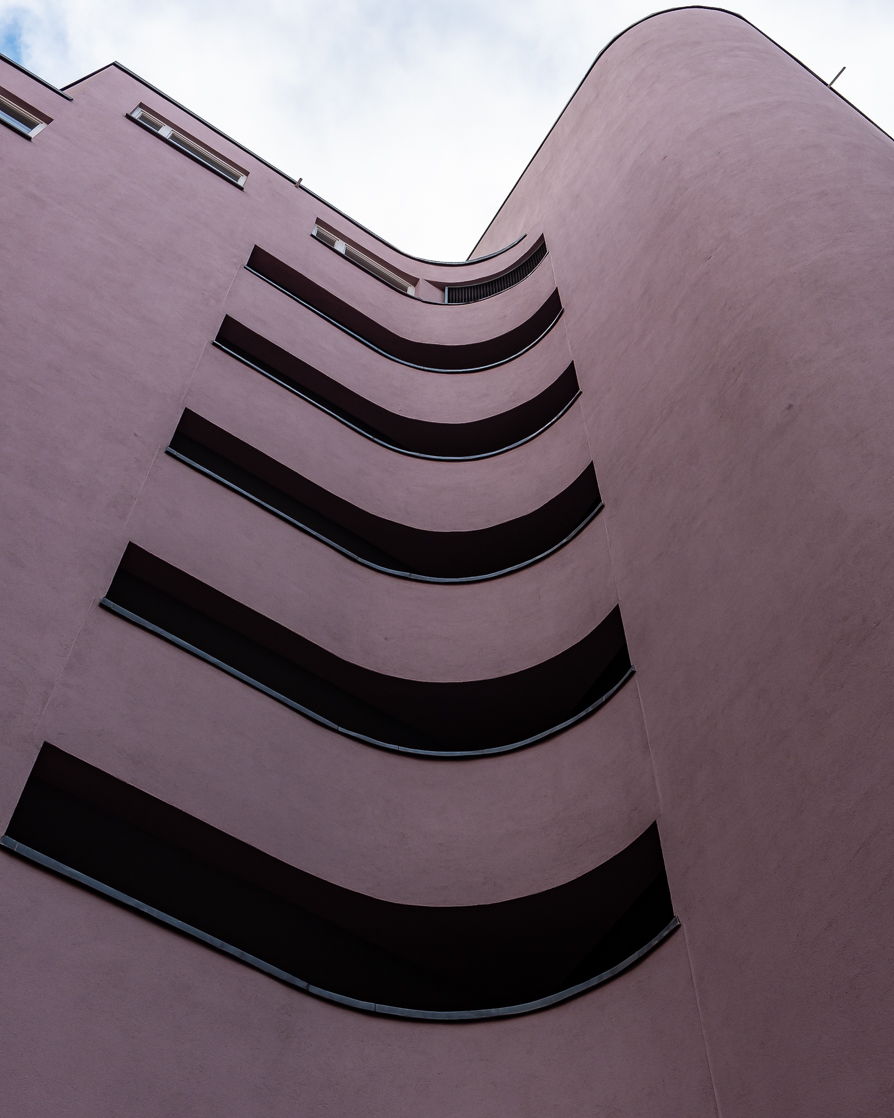
Wilhelmstrasse 150

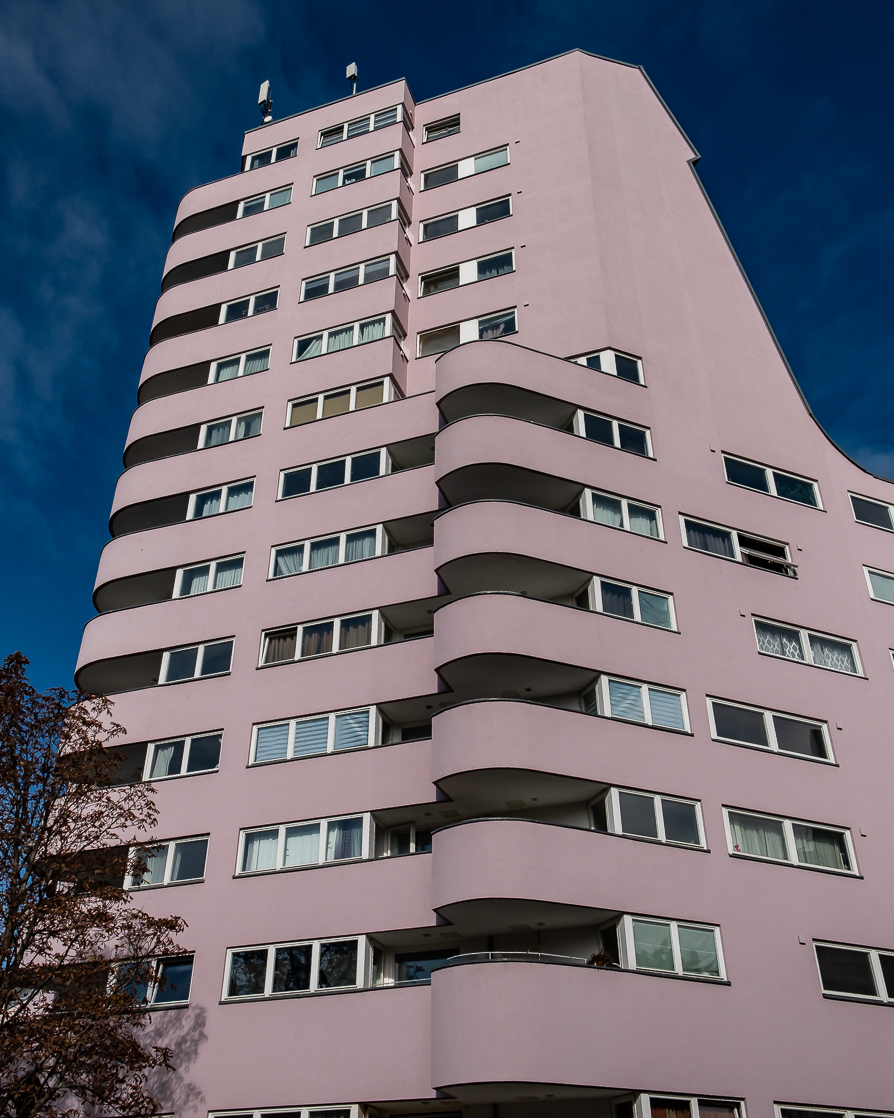
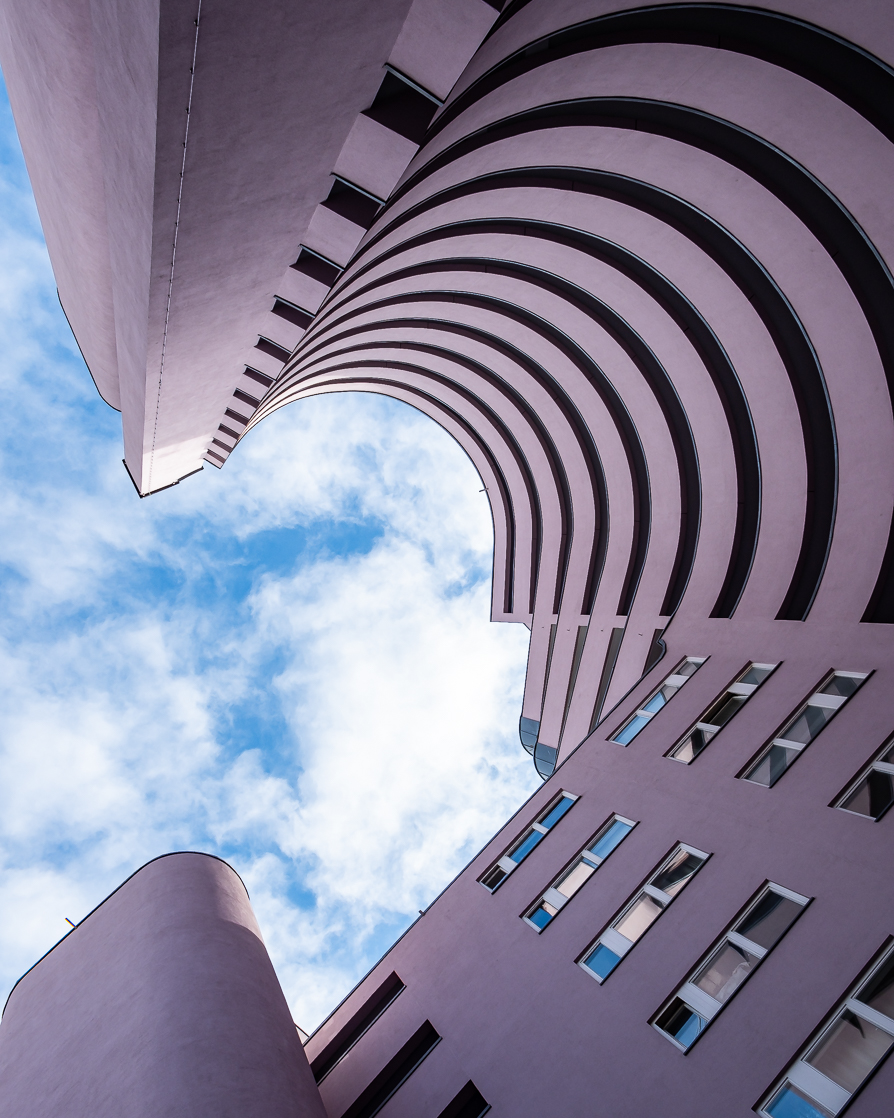
With my plans now changed, I caught another couple of trains to WilhelmStrasse 150. A nice looking apartment block with some magnificent curving concrete painted a fetching pink. This has not been on any record cover that has passed my way.
DSCF4174

DSCF4171

DSCF4168

Band of the Covenant Buildings

With less time in the day due to some poor public transport choices (read this as me missing stations as I was reading my book on the train) and then misunderstanding some messaging about closed lines on the Berlin transport network I headed back towards Alexanderplatz and our hotel to meet up with Eleanor for some afternoon roaming. We had a loose plan that involved walking to a record shop, a photography gallery and whatever else took our fancy, as long as it ended up in a cocktail bar come late afternoon. It was our last day in the city and there is still so much to see, just around the inner north east were we are staying.

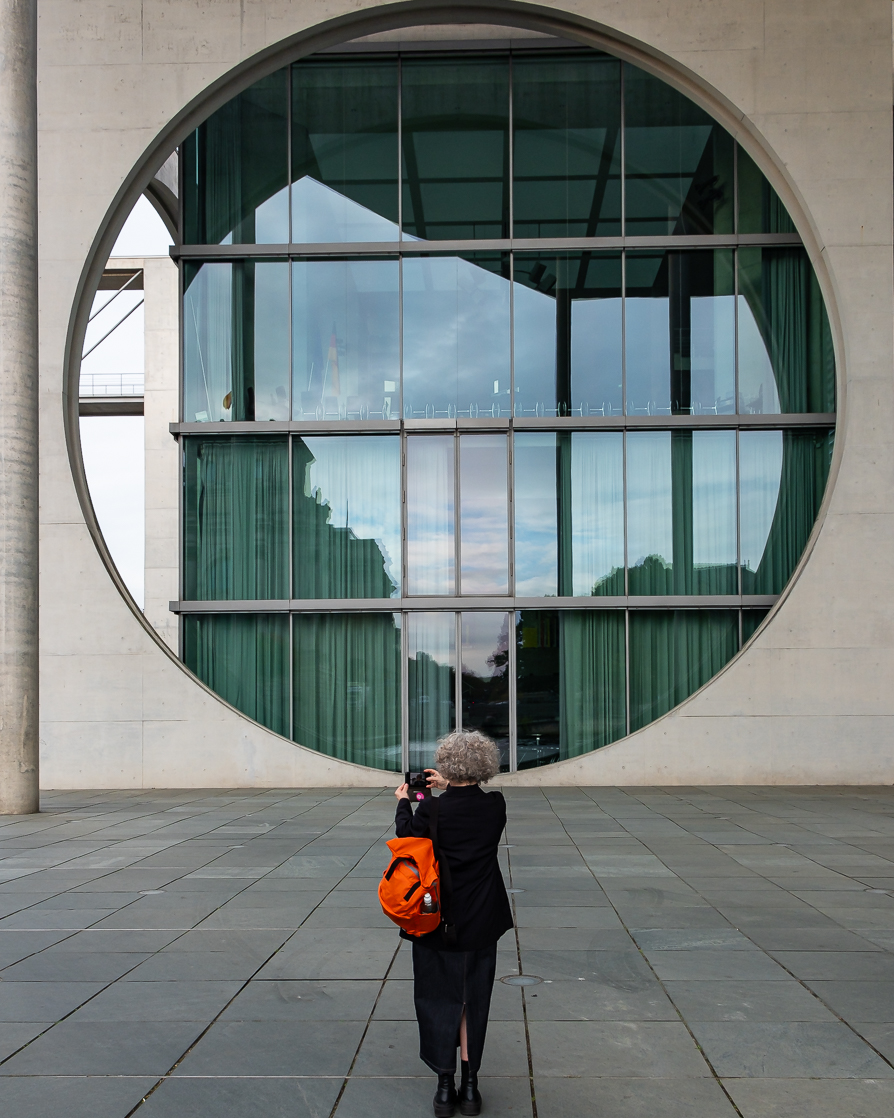
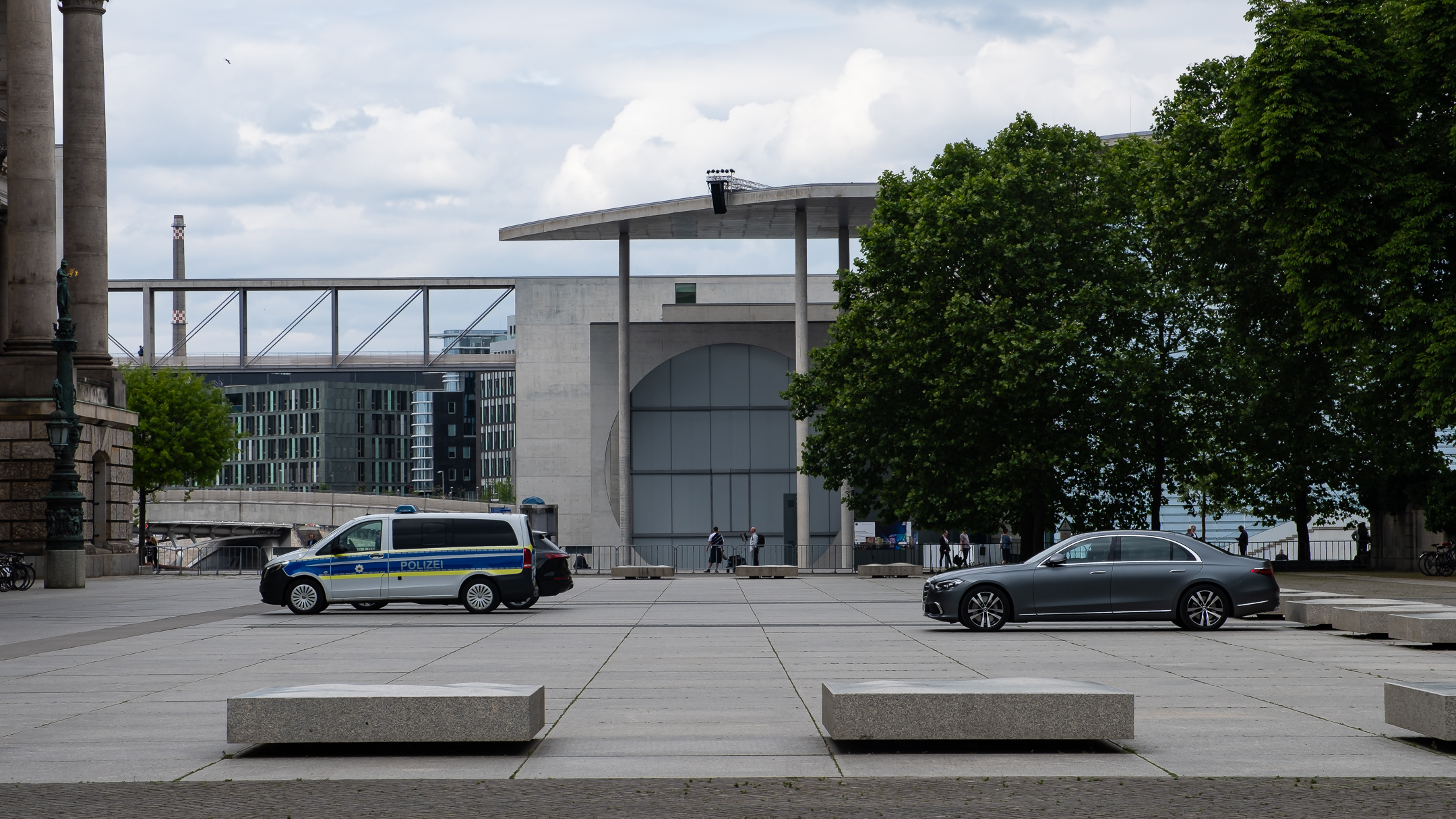
When we visited Berlin in June one of the places I was keen to visit was the concrete ‘circle building’ I’d seen photos of on Instagram. I’d spotted it from the train heading west towards the fantastic Teufelsberg on the woody outskirts of the city so had a pretty good idea where it was located. It was only when we ventured into the city centre, near to the Brandenburg Gate and the Reichstag Building, that I nailed down its exact location; right behind the ‘no entry’ tape blocking off a bit of the city sacrificed to the pending European Championship football competition. Oh well, it was something to save for next time; i.e. this time.

And this time there were no restrictive lines of tape or armed coppers making sure no one crossed those lines of tape. In fact, for a series of government buildings there was very little visible security. As a New Zealander and a Brit I still find armed police unnerving, and I work in Whitehall where all the police carry guns, not seeing them here in this almost sterile, yet serene location, was verging on a relief.

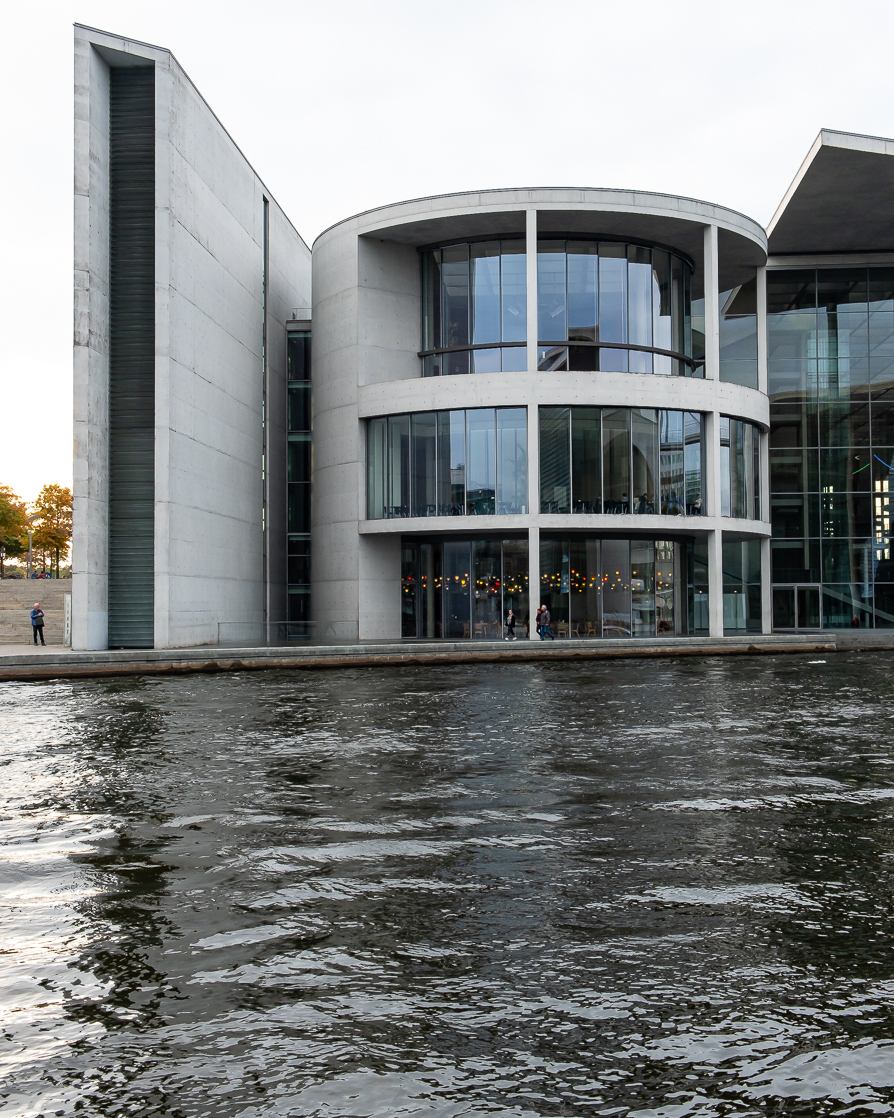
I think this small block of buildings on either side of the River Spree is utterly beautiful and not because of the concrete, the design is just so fresh and free and walking around looking at them genuinely made me happy. I think the complex is called ‘Marie-Elisabeth-Lüders-Haus’ and it is made up of an art gallery and the government library, among other probably less public parts of the German government. Construction was mostly completed in 2003 so these are not the post-war concrete rebuilds you see in other cities.

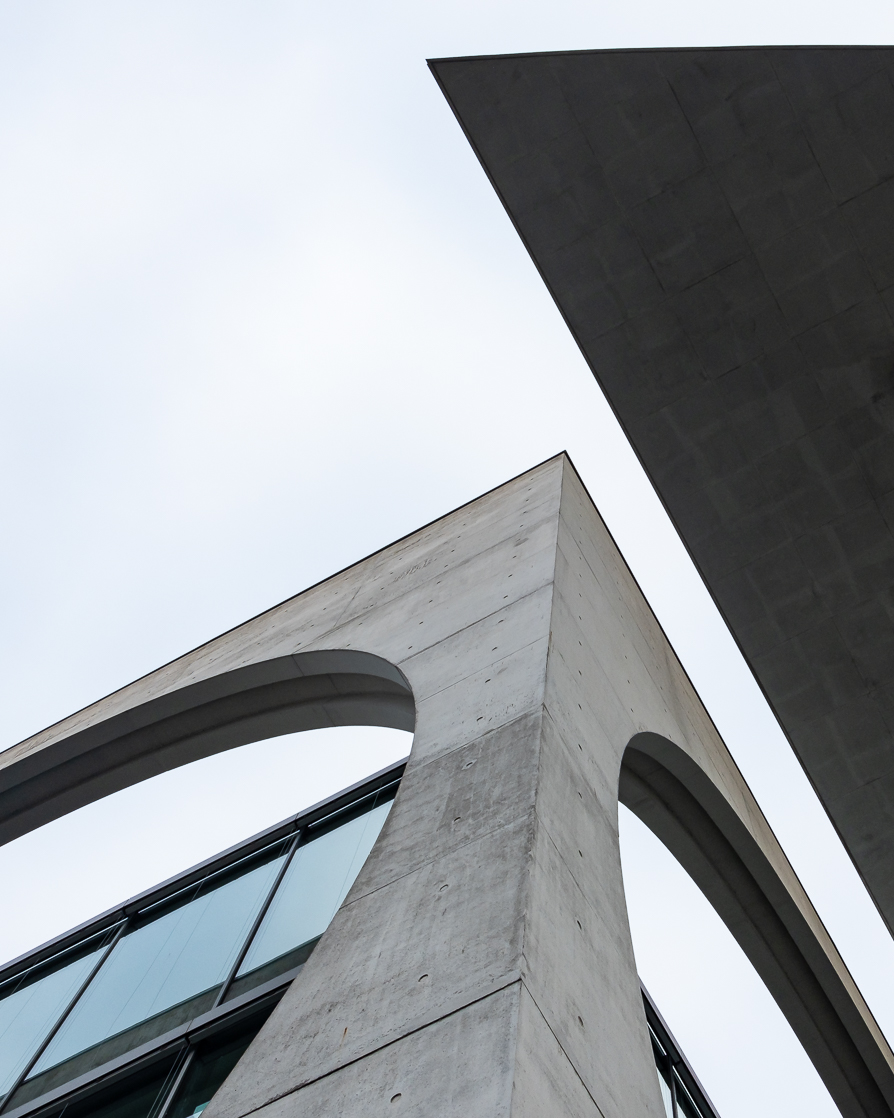
DSCF4202

DSCF4197

DSCF4193

DSCF4190

The ‘gun thing’, and yeah I will put it out there. I fucking hate guns, and everything they represent and really don’t understand this fascination so many have with them. I understand the US is just obsessed with arming everyone, seemingly to keep those who make weapons and all the bollocks that goes with that in the lifestyle they have become accustomed to, but why do the rest of us have to support that? Why do we have to see guns on our streets?

This was brought into stark relief on the opposite side of the river to the buildings above. There are four white memorial crosses wired to a low fence in remembrance of four, mostly young people, who were shot and killed by East German guards as they tried to flee to West Germany, the youngest was 18 and she was shot in 1984. Like the memorial plaques outside of the houses were Jews lived pre World War Two which I mentioned in the previous post, I didn’t take photos of these poignant reminders of humanities capability to be utterly evil.

I can’t possibly imagine what it was like for the Jewish and Roma people, the LGBTQ, disabled and other communities before and during WW2 and for those East Germans who wanted to go west to be so savagely betrayed, persecuted and murdered by their own countrymen. How fucked up was that? And the saddest thing of all is that for many around the world that hasn’t changed.
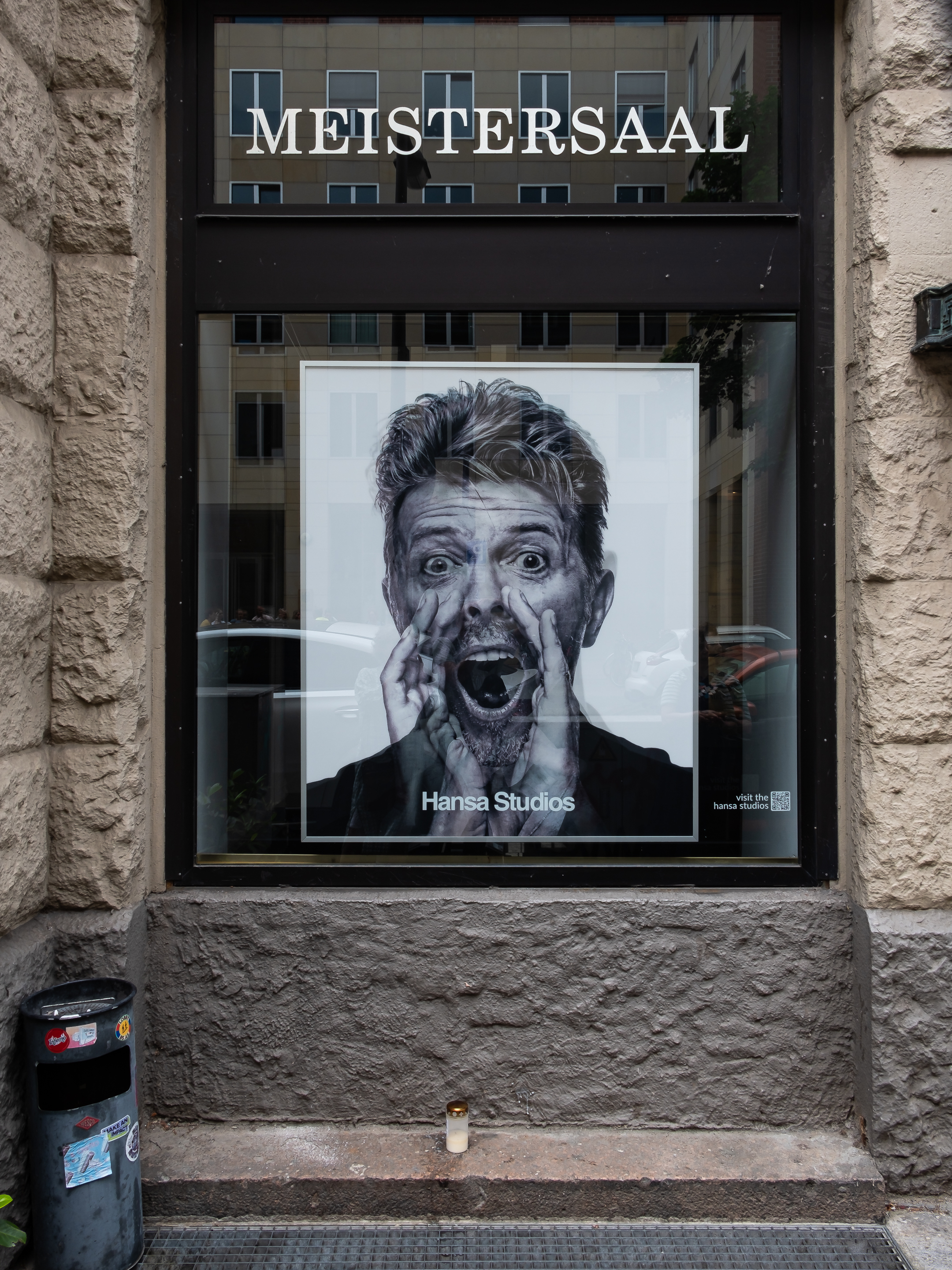
We can be Heroes – Bowie in Berlin

07 – 10 June 2024 – Berlin

I think it’s more than fair to say that I love music and have done since I was a teenager. My taste has always verged towards the esoteric and while I think you can safely say that ‘esoteric’ is one of many apt descriptions for David Bowie, the man and the legend, it can’t always be used to describe his music. Which is a long way of getting round to saying I’m not really a huge Bowie fan. I like some of his music, especially the older ‘classic’ stuff and I particularly liked ‘Dark Star’ his final album, the music of the 80s, 90s, 2000s, yeah most of that I can leave behind. Saying that, the world is a less interesting place without him.

DSCF2924

Amongst my social group I am the outlier, my friends love Bowie and a ‘Bowie Tour’ was very much on the Berlin itinerary. An organised commercial tour was out of our price range so as friends of ours had done their own self-guided Bowie related tour, it seemed like the right thing for us to do as well. Given the internet is such a wonderful source of all things I found a few ideas and planned what turned out to be quite a long, but interesting walk. In my view walking is the best way to see somewhere, if there is a plan or not.

David Bowie lived in Berlin from 1977 to 1979 and wrote and recorded, what in my view is his best record, ‘Low’, the first of what is known as the Berlin Trilogy. The second, and much better known album is ‘Heroes’ and the final, though not recorded in Berlin is ‘Lodger’. Bowie and Iggy Pop came to Berlin to escape the coke-ridden excess of Los Angeles, start afresh in a new city. A city that had been developing its own musical identity, an identity not founded on US and UK rock music, grounded in the avant-garde, jazz and the eclectic electronic sounds of the synthesiser. 

It was a busy time for Bowie, as well as developing his own material he is also co-wrote songs and played on Iggy Pop’s LP ‘The Idiot’, co-authoring the track ‘China Girl’; which Bowie turned into his own global hit in 1983. It’s a song I hated at the time (and still do) and was a core reason I lost interest in his music for the next 40 years…

Our tour started at the Berlin Wall Memorial, which of course didn’t exist in 1977 as the wall between east and west Berlin was still dividing the city.

DSCF2895

Is ‘Heroes’ Bowies most well known song? I can’t think of anything better known. It contains a direct reference to the wall, so making the classic Bowie track our starting point was a no brainer, plus it was not that far from our hotel.

David Bowie – ‘Heroes’

I, I can remember (I remember)
Standing, by the wall (by the wall)
And the guns, shot above our heads (over our heads)
And we kissed, as though nothing could fall (nothing could fall)
And the shame, was on the other side
Oh we can beat them, for ever and ever
Then we could be Heroes, just for one day.

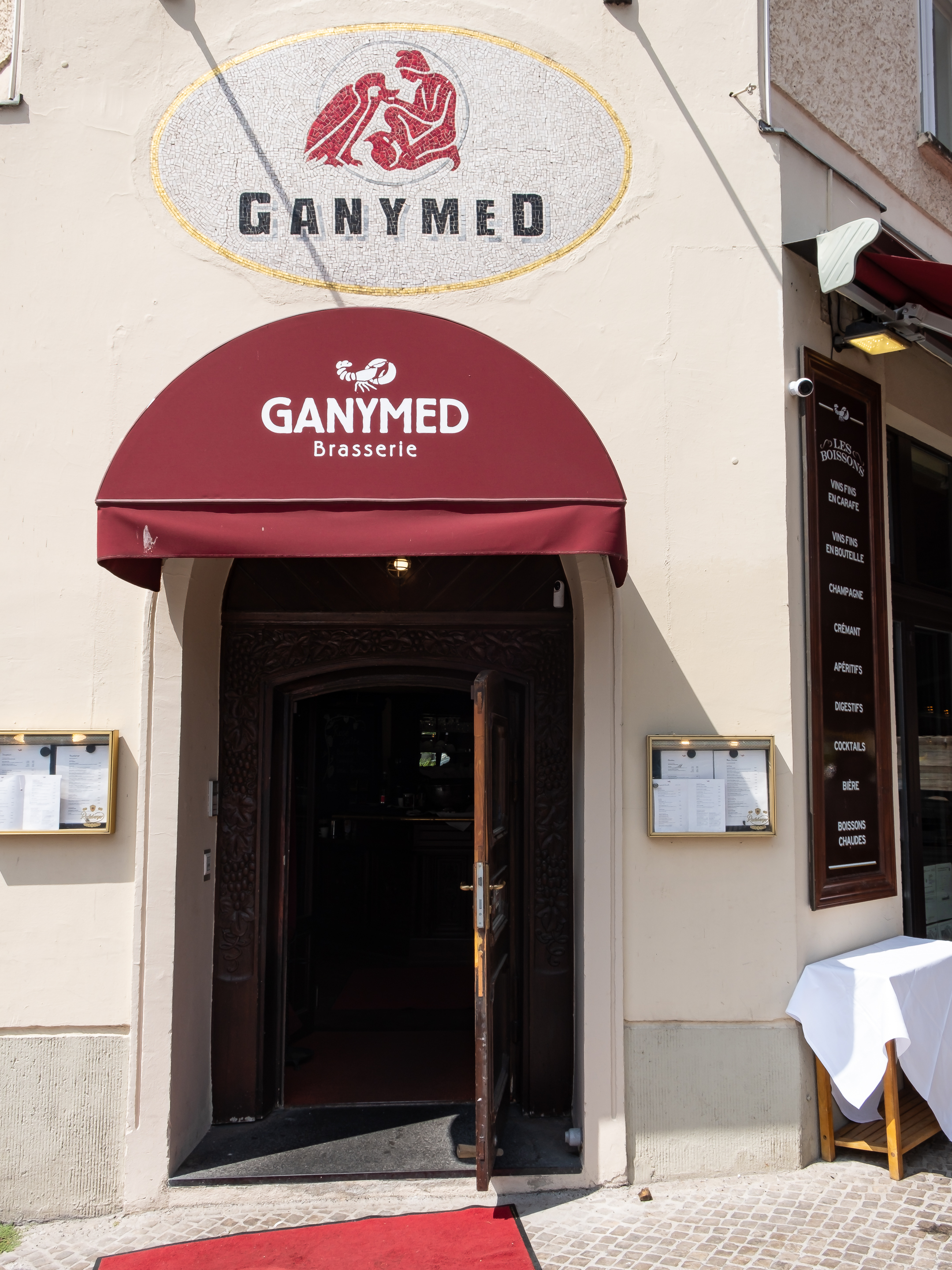
Bowie and Pop apparently frequently crossed from West Berlin where they lived to visit Brasserie Ganymed a couple of kilometres on the other side of the wall on the Eastern, communist, side of the city.

DSCF2916

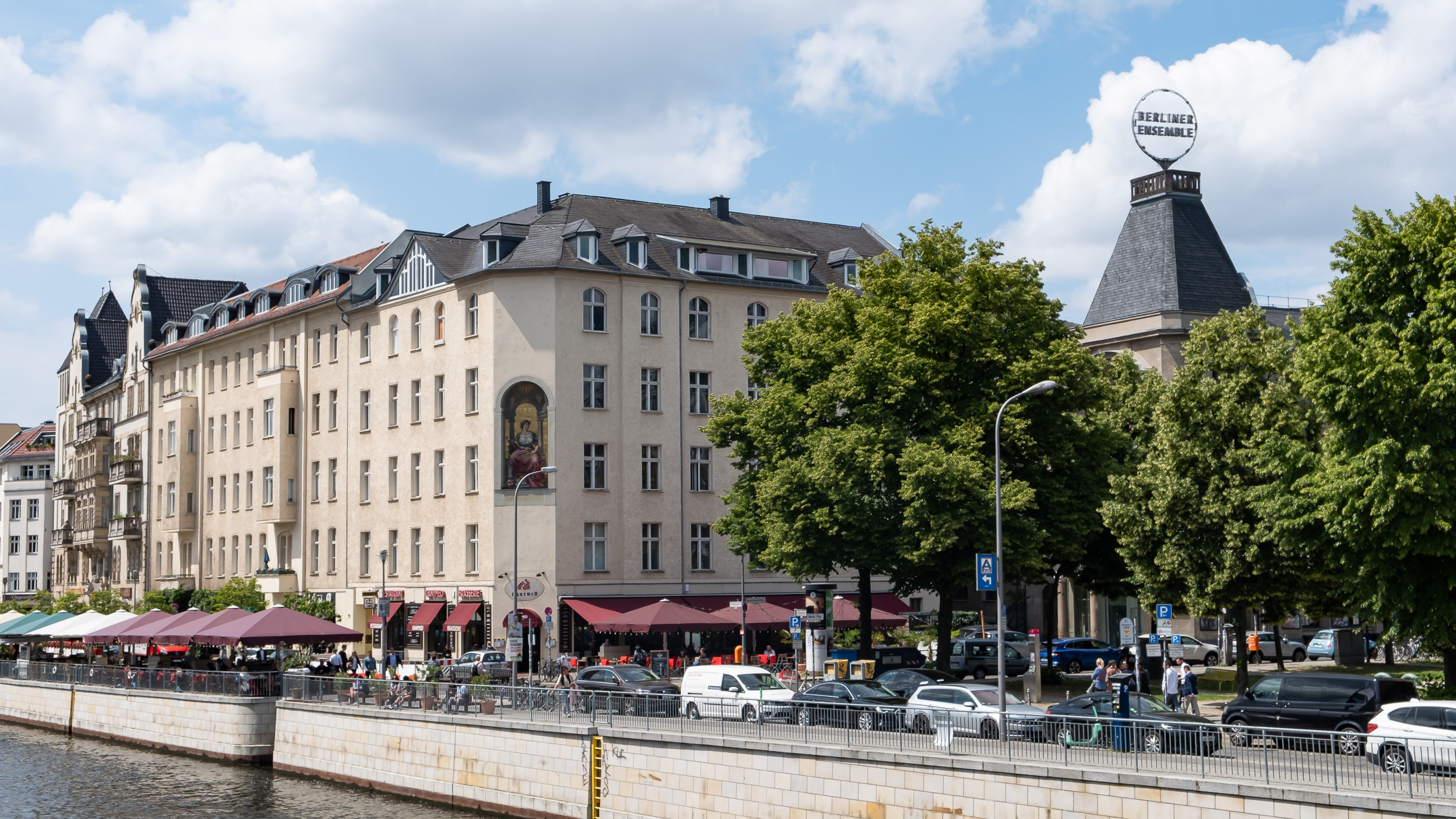
Ganymed is (still, and I love this about Berlin, so many of the small things like cafes from the 70s still exist) located next to Bertold Brecht’s Berliner Ensemble theatre whom both Bowie and Pop were interested in. Bowie recorded the EP ‘In Bertold Brecht’s Baal’ in 1982 to coincide with his performance in a relatively poorly received BBC production of Brecht’s play of the same name. We stopped in for breakfast and a quick look around the interior, which I suspect hasn’t changed much since the 70s; or probably the 30s….

DSCF2917

Our next stop was the Reichstag, the German parliament building. In 1987 Bowie played a concert in front of the Reichstag which was right on the border with East Berlin, with the stage speakers pointing over the wall to the east, where decedent western rock was effectively banned. Access to the Reichstag was effectively banned for us in 2024 as the entire area has been closed while a ‘fan zone’ is built for the pending Euro 2024 football tournament that starts soon after we leave.
It also blocked me from getting close to this building, and it’s lovely concrete circle which was on my list of ‘possible modern buildings to see that weren’t too far off the beaten track’.

DSCF2928

Our next stop was Hansa Studios, Berlin’s best known musical landmark; a working recording studio since the early 1960s. This is where Bowie recorded Low and Heroes with innovative German producer Conny Plank, and also where quite a few of the records in my collection were also recorded. It’s an iconic studio.
DSCF2925

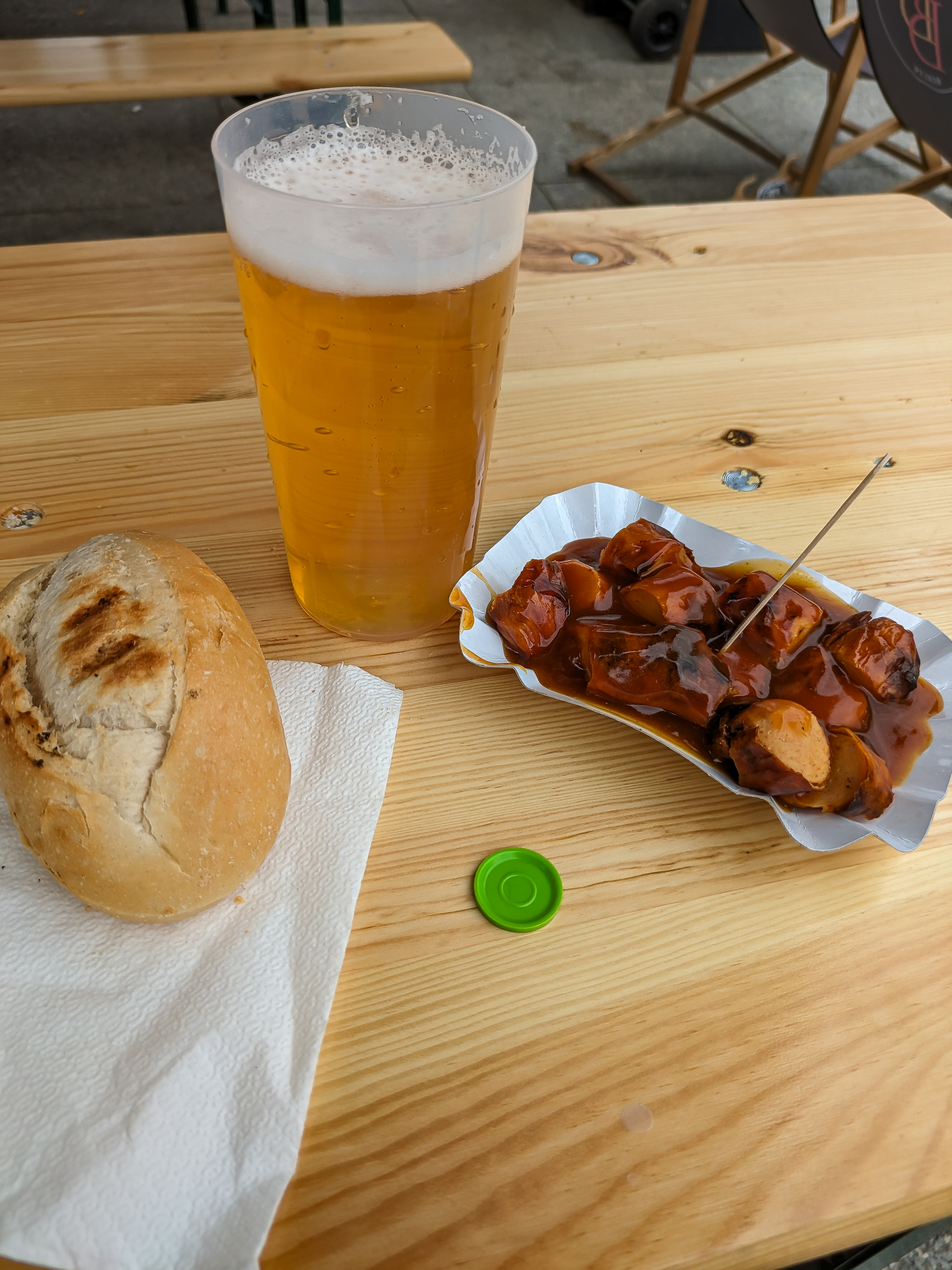
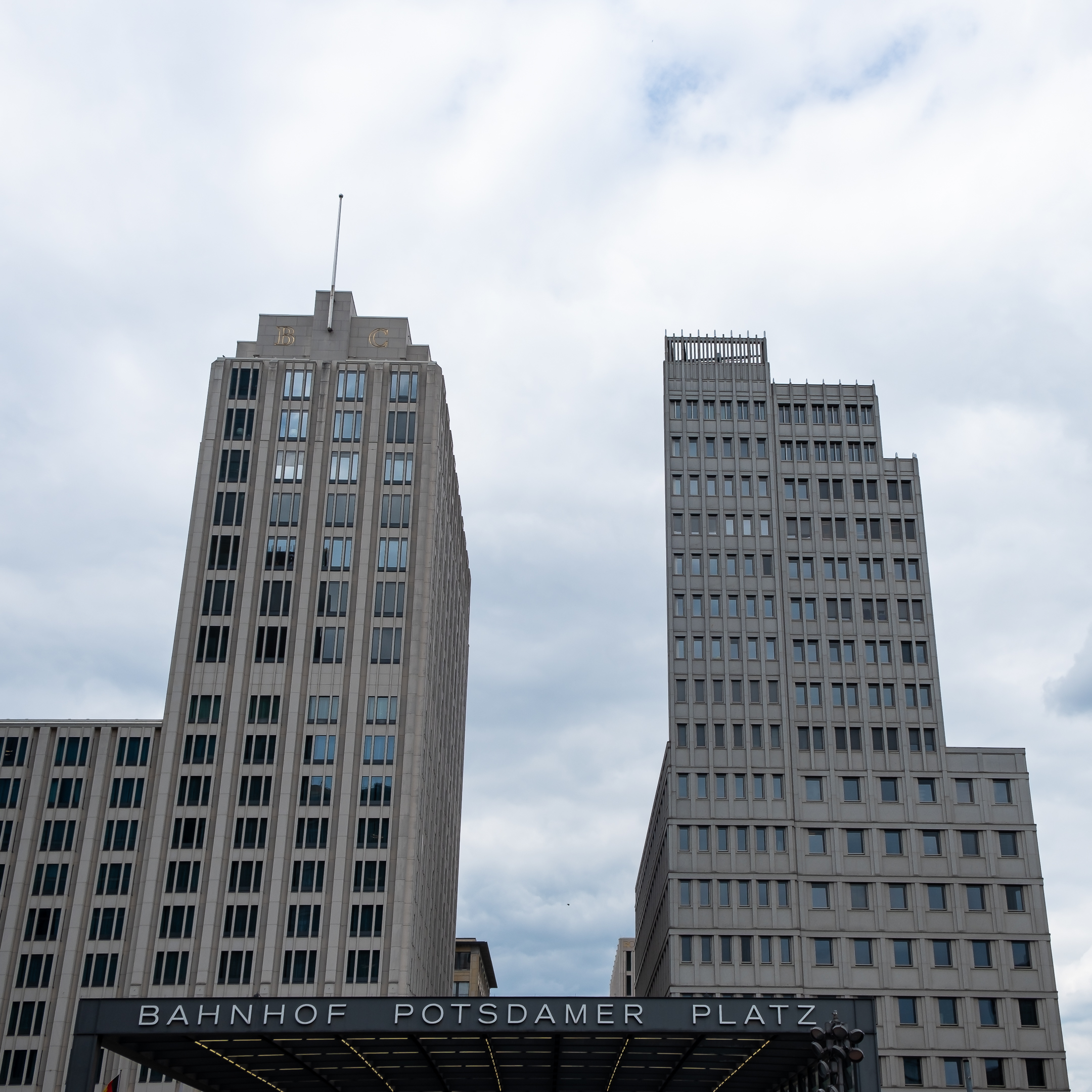
We stopped for lunch in nearby Potsdamer Platz, where I had the much desired, and very enjoyable Berlin lunch staple – curry wurst and a beer. 

PXL_20240610_122833880

Potsdamer Platz was referenced in one of Bowie’s last hit songs, the stunning, sad and beautiful ‘Where are we now’. Released in 2013, almost 50 years after the first single, it’s one of my favourite of his songs and probably the one that will remain in my head.

“Had to get the train
From Potsdamer Platz
You never knew that
That I could do that
Just walking the dead”

DSCF2927

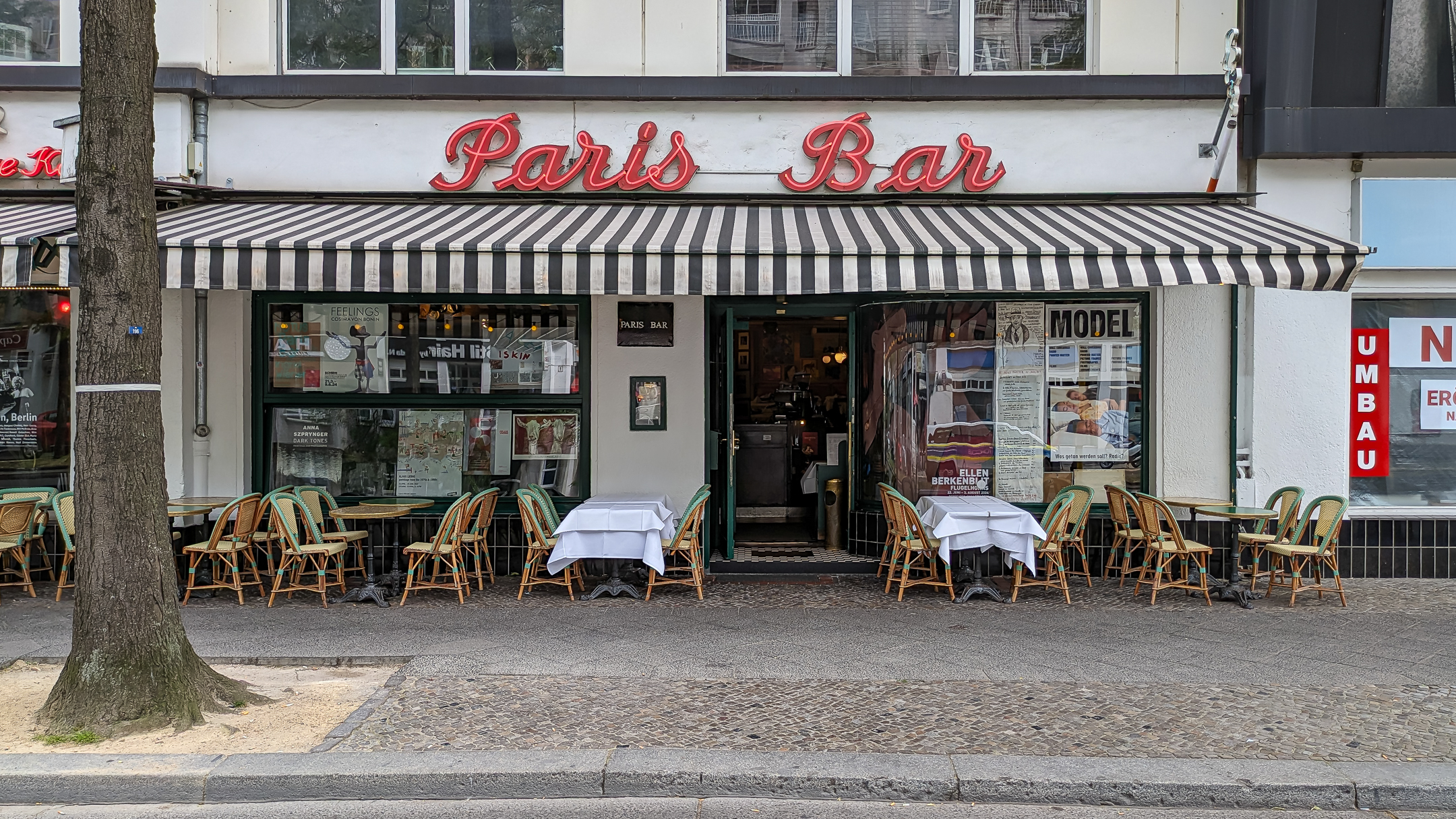
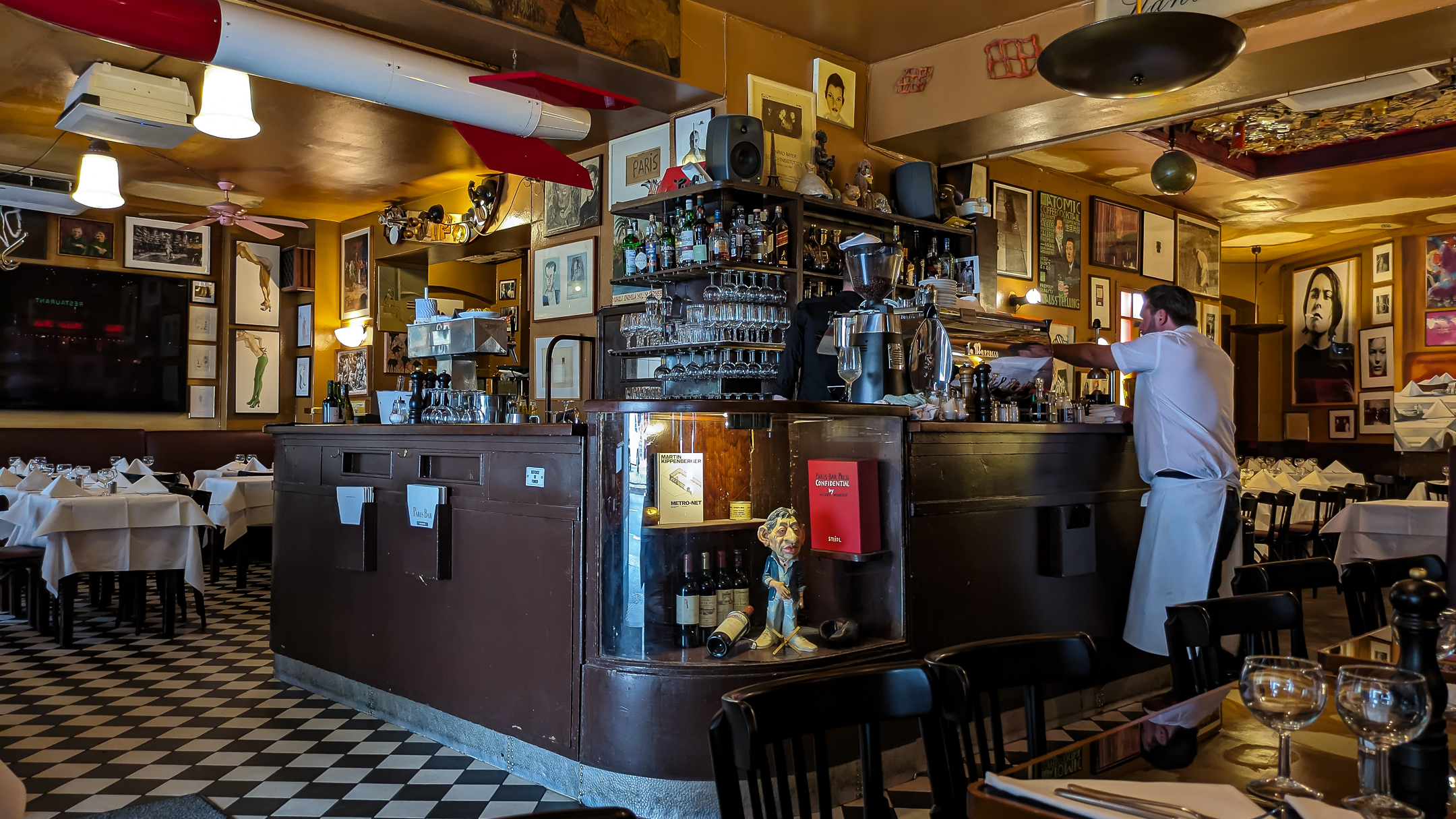
We’d walked a fair few kilometres by now so caught a train over to the far side of the Tiergarten to Zoo Station (title of a U2 LP) and walked to the fabulous Paris Cafe, another Bowie haunt and a lovely art filled bar. It felt like a good place to stop for a drink… It was early afternoon when we arrived and I imagine this place has many night time stories to tell if you lived here.

PXL_20240610_145544769

PXL_20240610_142334801

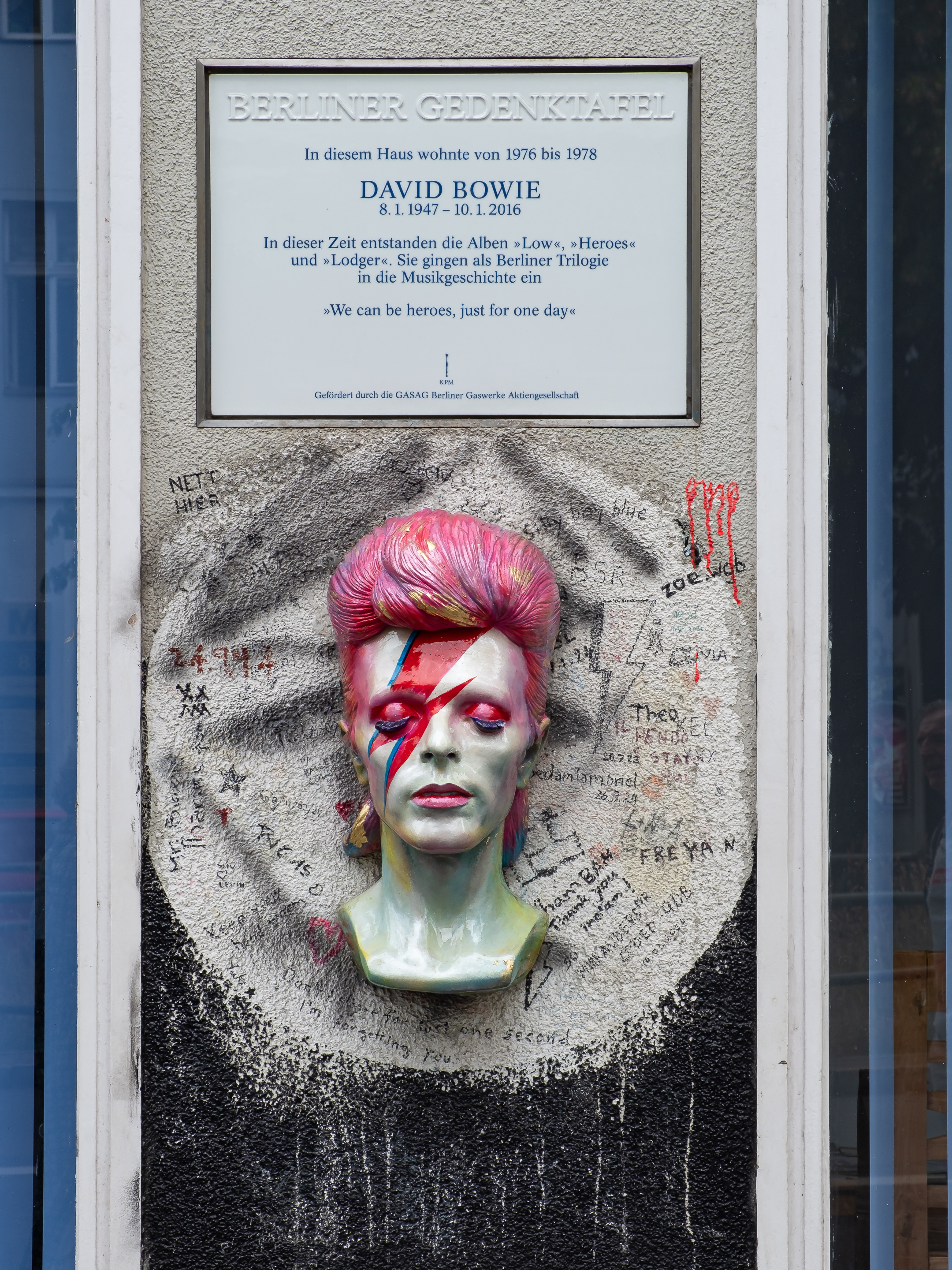
Out final stop, and another train ride away, was the apartment where Bowie lived while he was in Berlin, and a shrine to his memory. 155 Hauptstrasse.

DSCF2930

The night before we left London I’d been out with some friends and when I said I was coming to Berlin and was going to do some Bowie stuff, Rob said I should check out the album ‘Cafe Exil; new adventures in European Music’ , an imaginary jukebox in the Cafe Exil, which was another Bowie Berlin hangout. I become mildly obsessed with the record (and that cover!) while I was away and pretty much listened to it the whole trip; and I subsequently bought the record.

1718703670751

We loved Berlin and are already planning a return in September to see more of this fabulous city and check out Cafe Exil and hoping for a good jukebox…

Next stop Stockholm

Teufelsberg

07 – 10 June 2024 – Berlin

The cold war was a period of real tension between the United States and the Soviet Union and their respective allies, the Western Bloc and the Eastern Bloc. It started in 1947, two years after the end of the Second World War and lasted until 1991 when the Soviet Union collapsed. It was, on occasion, a tense time with the potential for nuclear doomsday a constant dangling threat. It was rarely top of mind, but it was always there, lurking like some malevolent nightmarish beast.

Thankfully, it never became a ‘hot war’ with actual shots, or worse, nuclear missiles being fired between the key protagonists. However, there were plenty of hot wars fought, mainly across the developing world, ably and eagerly supported by the main cold war protagonists. All through that cold war period these proxy wars were fought across Asia, Africa and Central America with devastating results for the local populations. You could say these proxy wars have never stopped and you can easily point to most current conflicts and see the dark fingerprints of both America and Russia and their allies on the weapons being used.

Germany was a key front line in the cold war, at least from a political and espionage perspective and with West Berlin sitting right inside East Germany it was a key centre for spying and eavesdropping. For an innocent teenager in the 1970s it was also the scene for some of my favourite novels.

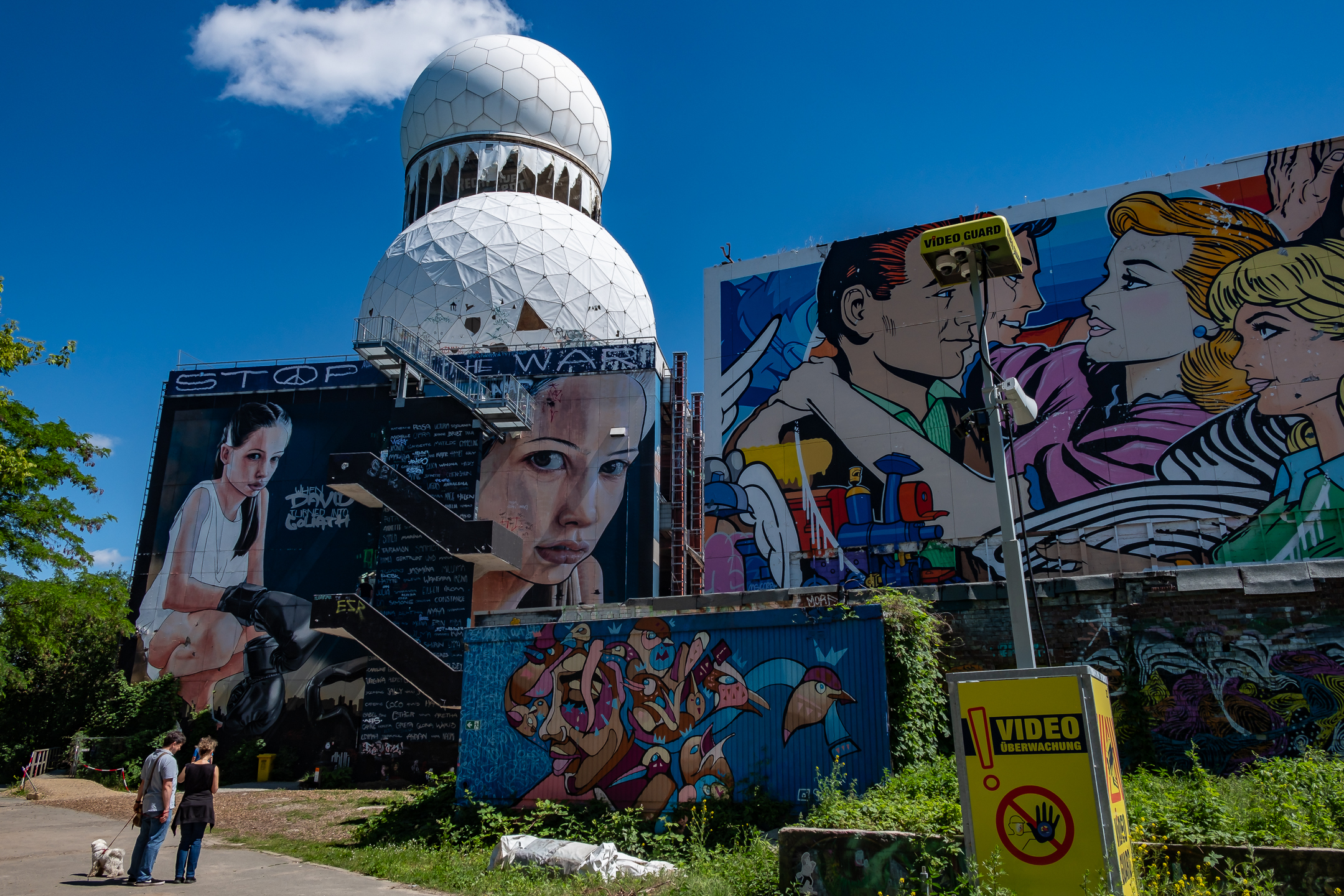
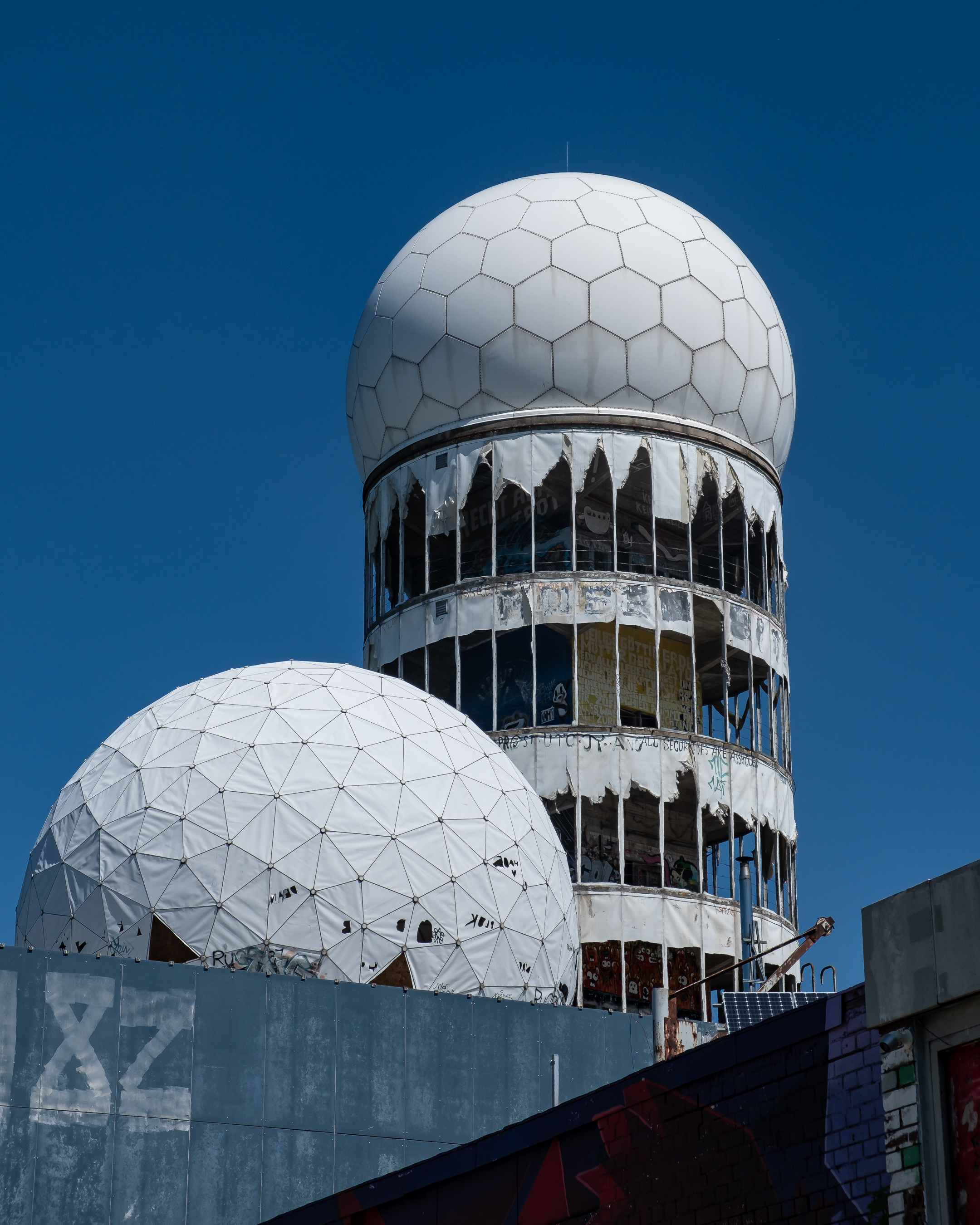
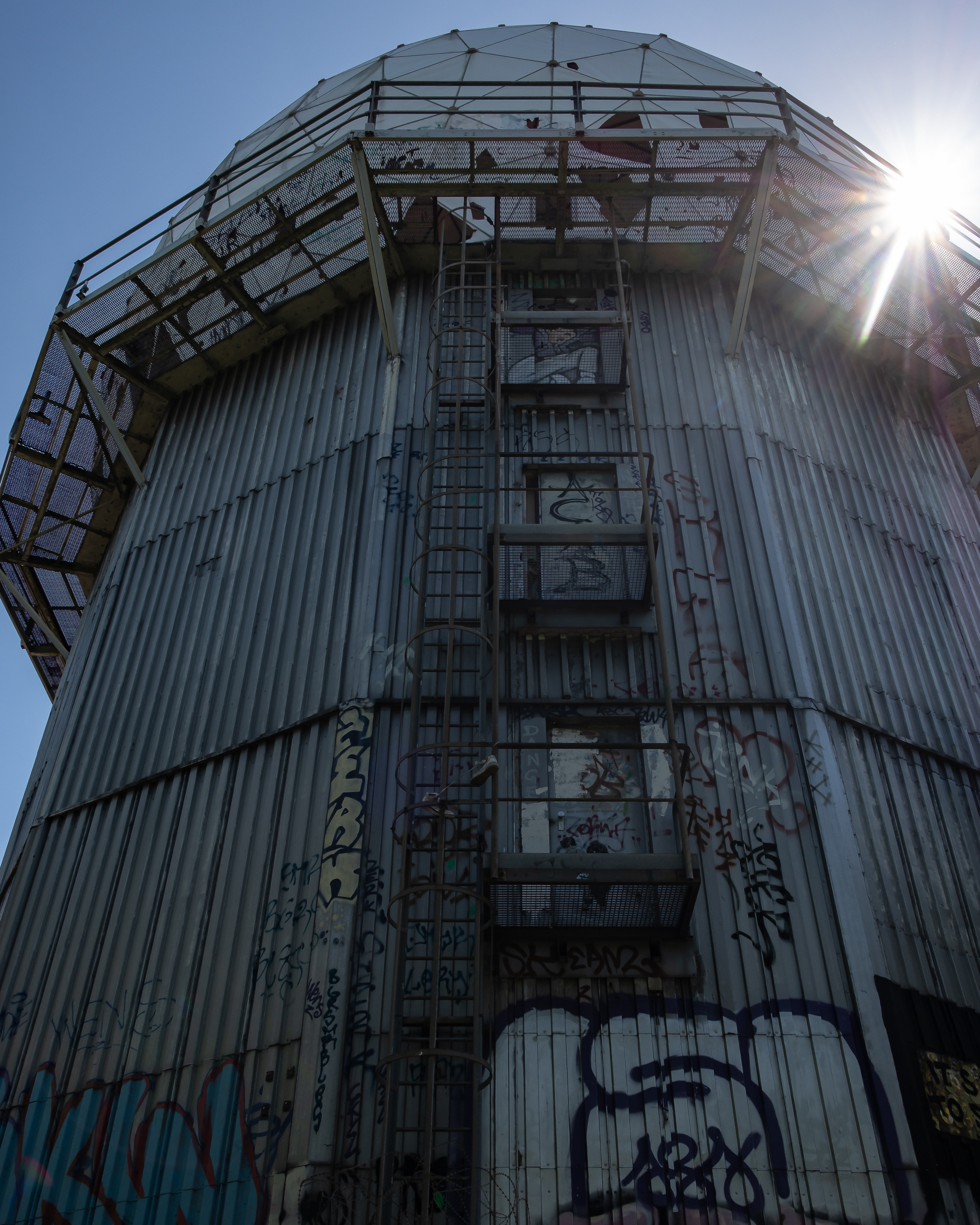
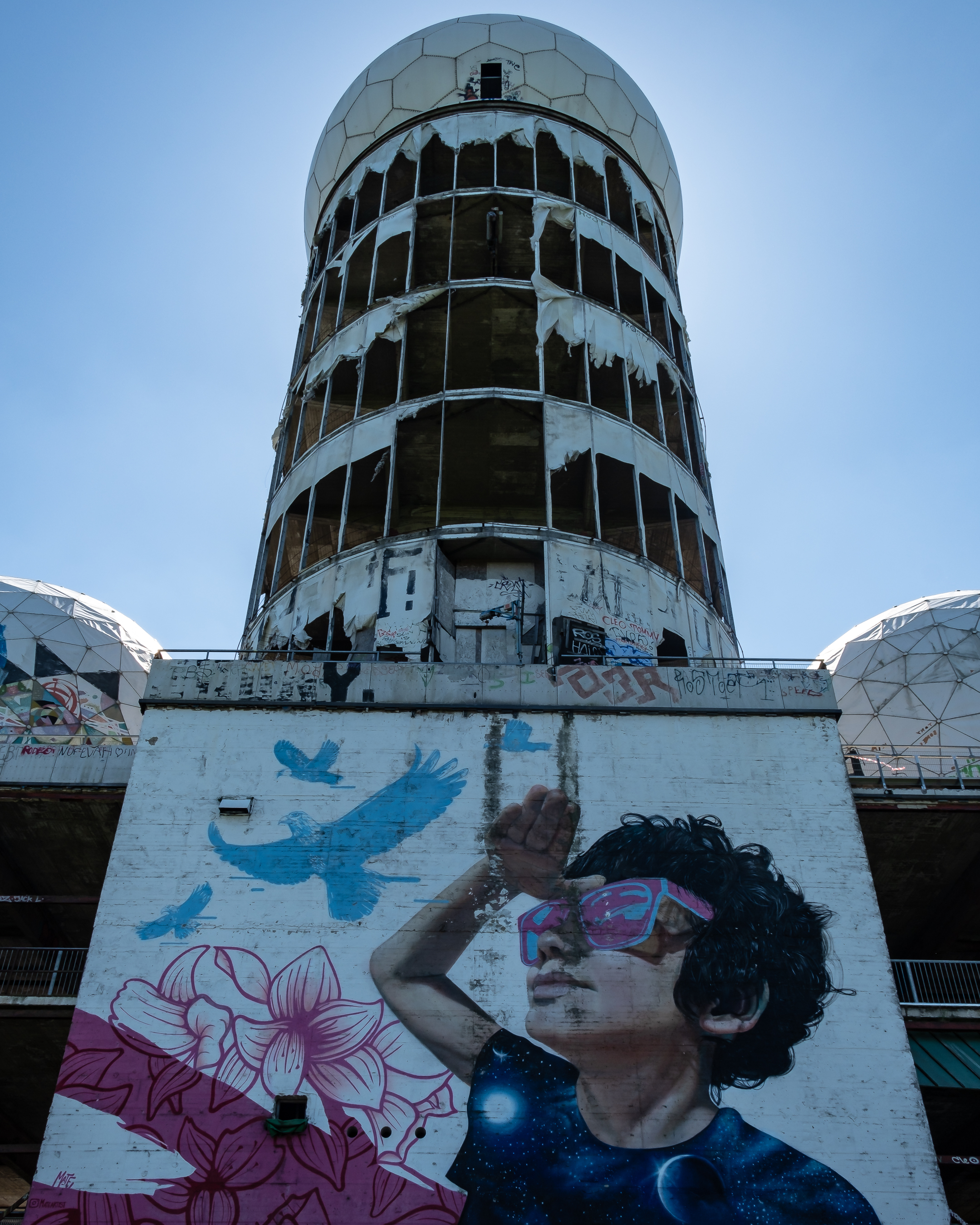
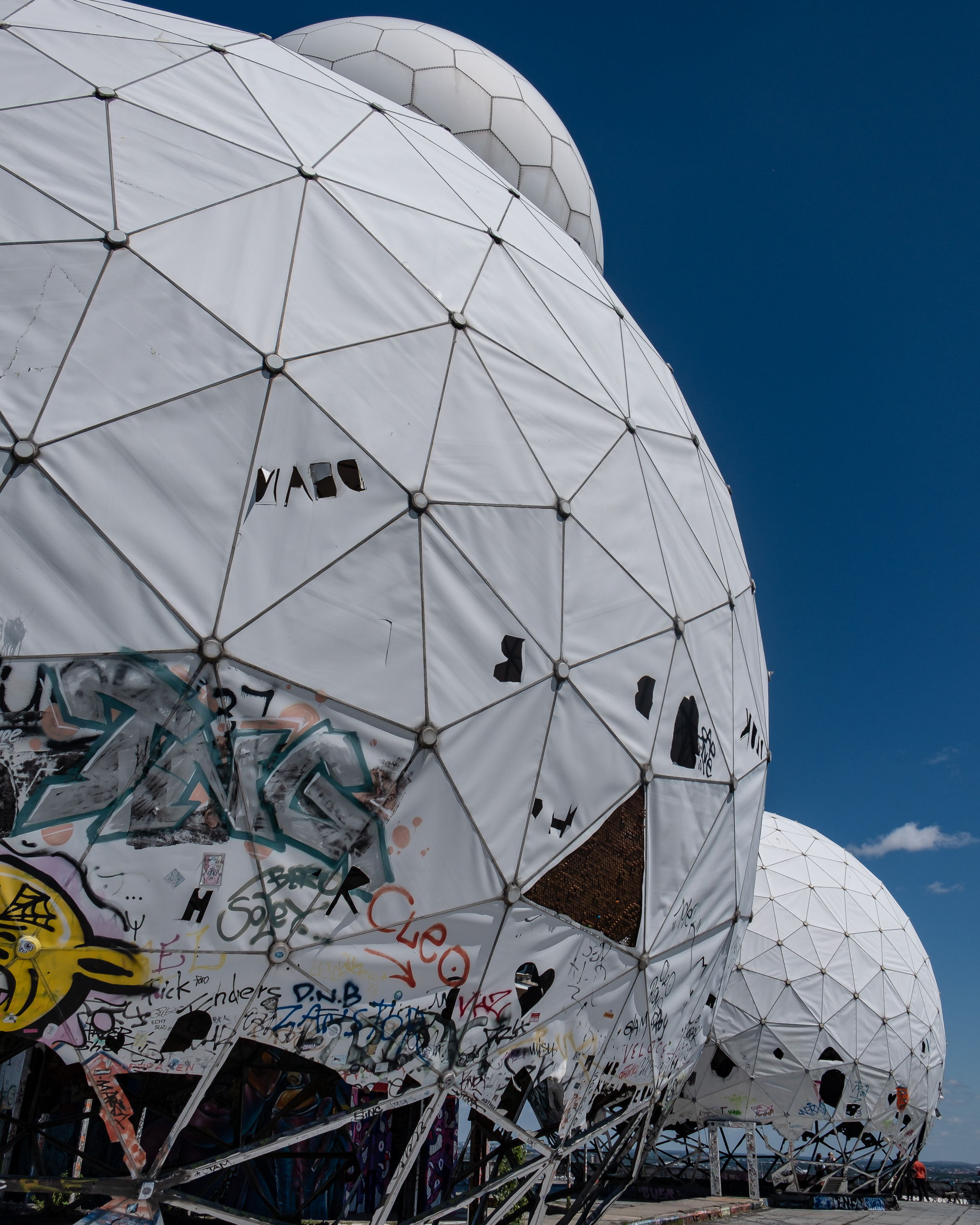
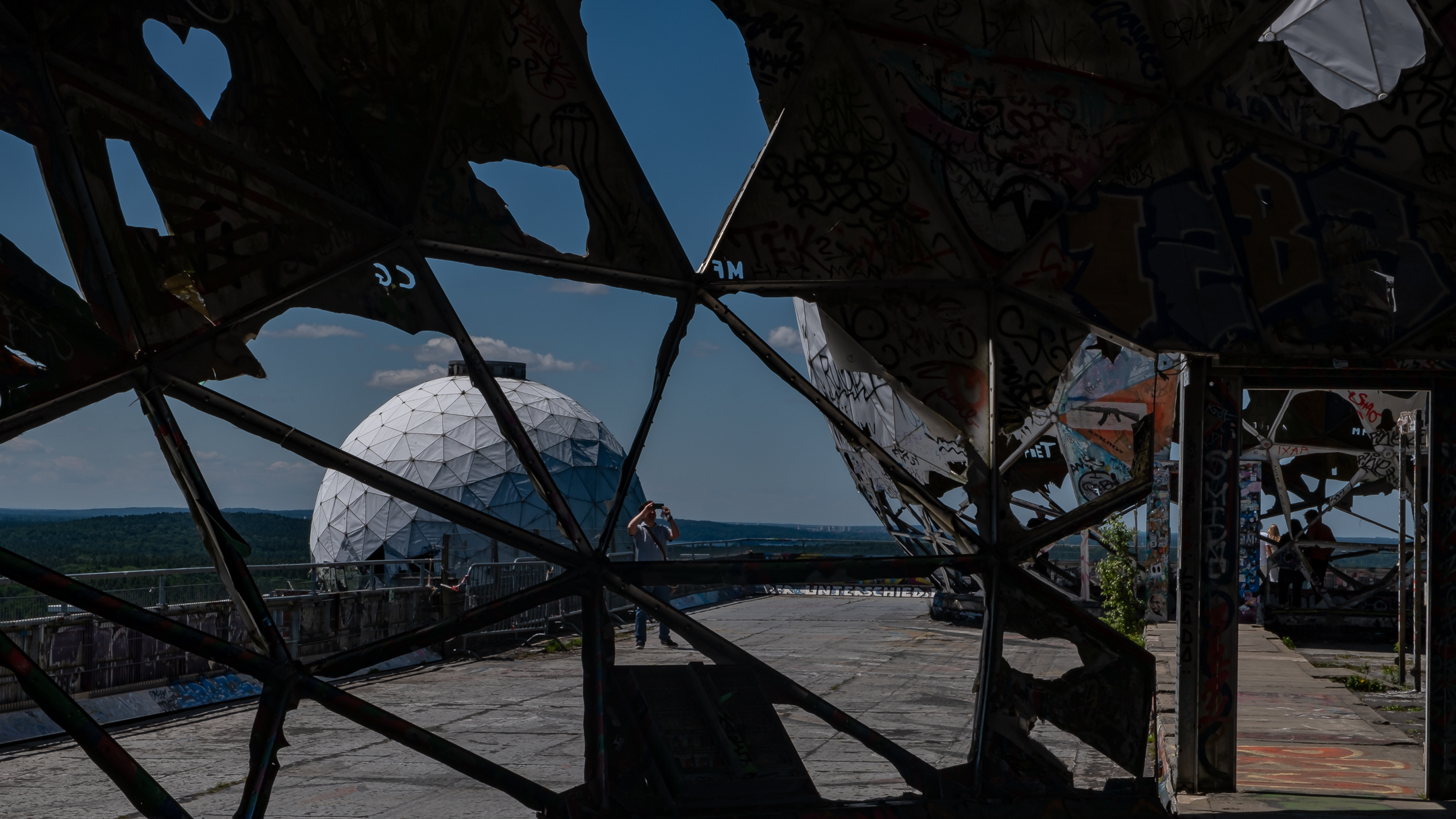
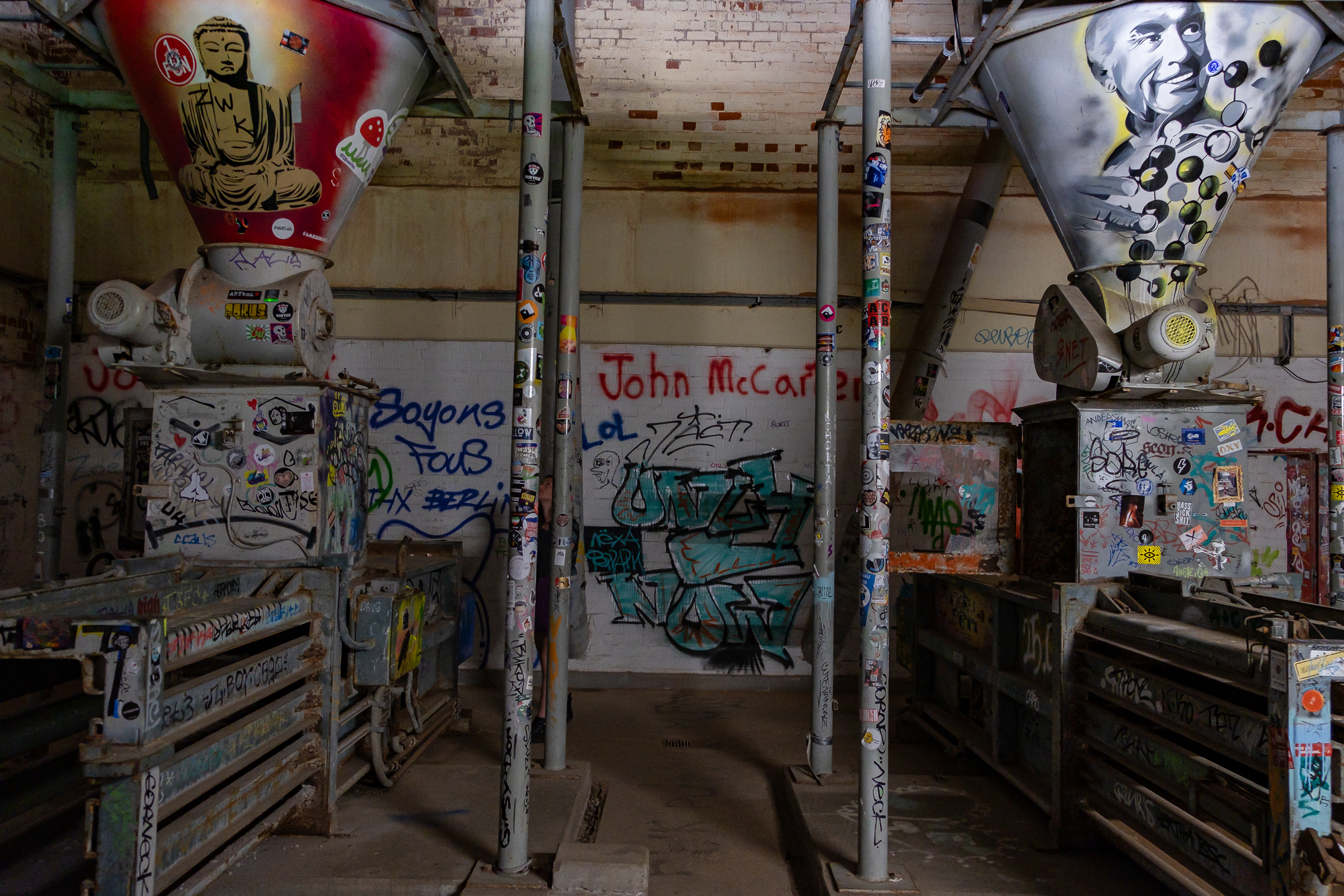
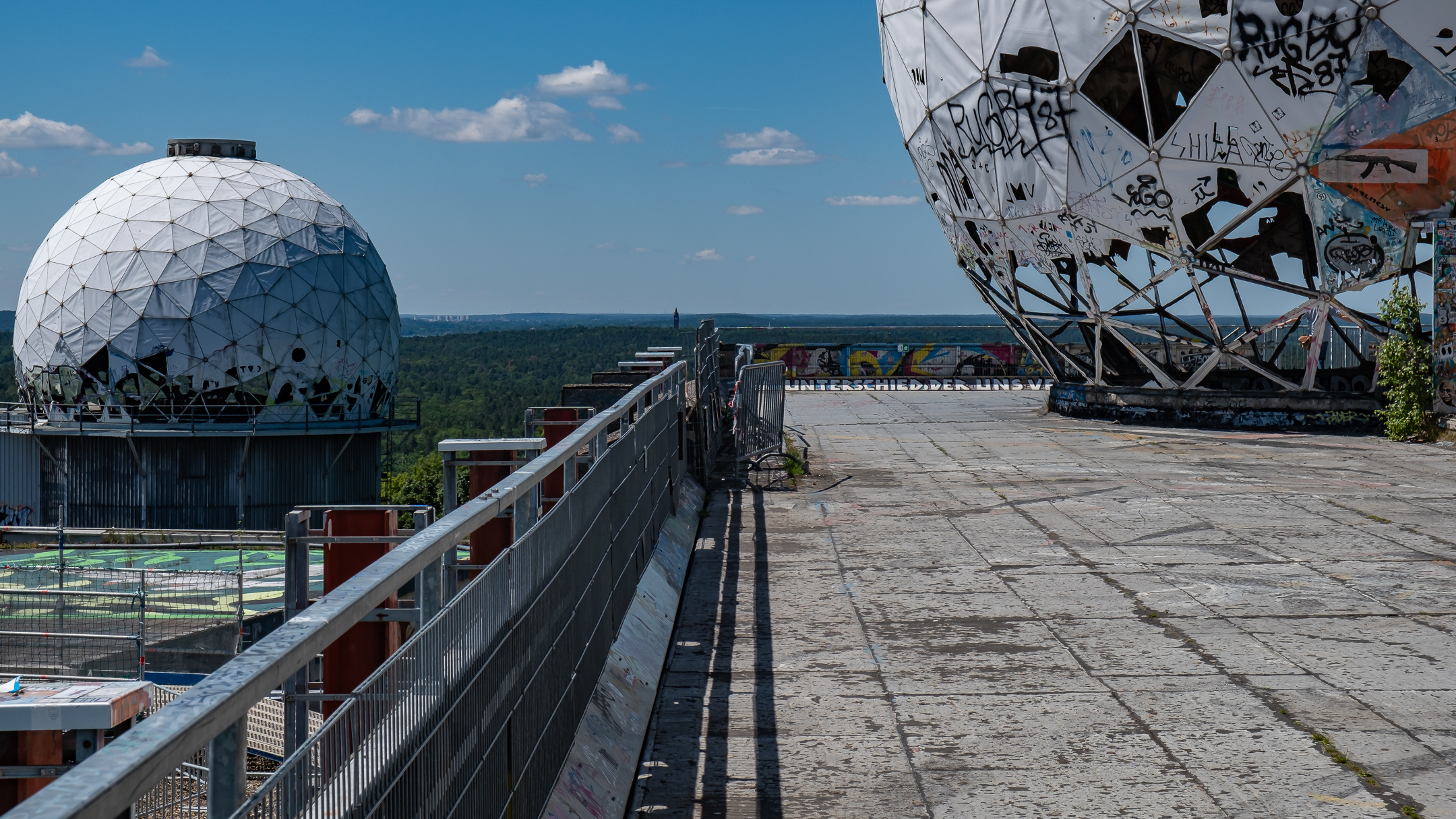
Teufelsberg was a key part of American cold war intelligence gathering  as it was listening post targeting radio signals coming out of the east, though, since 2016 it’s been open to the public as a fantastic indoor/outdoor street art gallery.

DSCF2840

Teufelsberg is not a natural hill, it is a man-made 80 meter high pile of rubble. The rubble came from the western side of the almost totally bombed out city of Berlin and under the rubble pile lies an incomplete Nazi era technical college. The initial efforts to destroy the building by explosives were so ineffectual that the West Berlin authorities decided to bury it instead and in 1950 construction of the mound took place. As you walk up the hill exposed bricks and other building rubble can be seen poking out of the ground through the undergrowth.

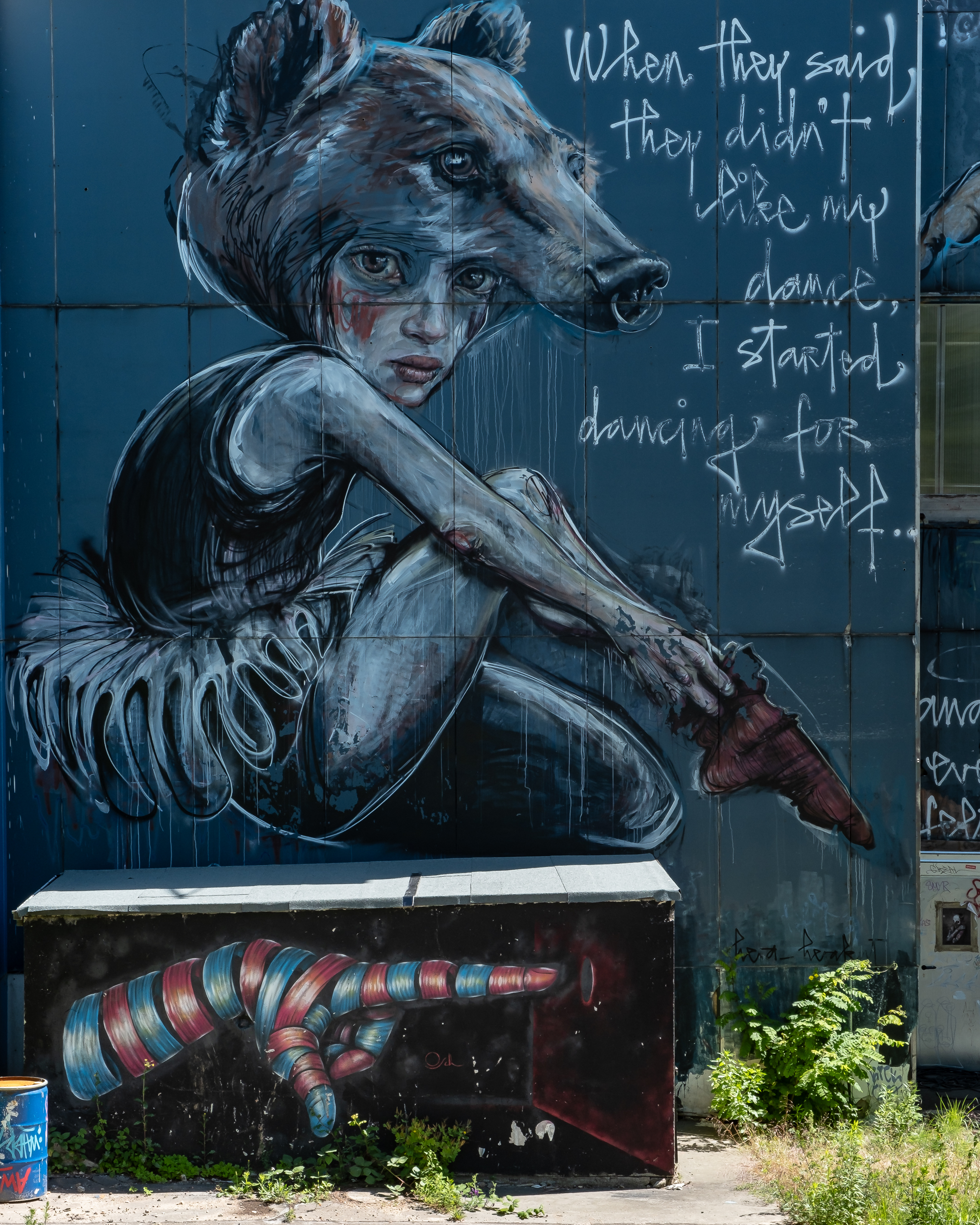
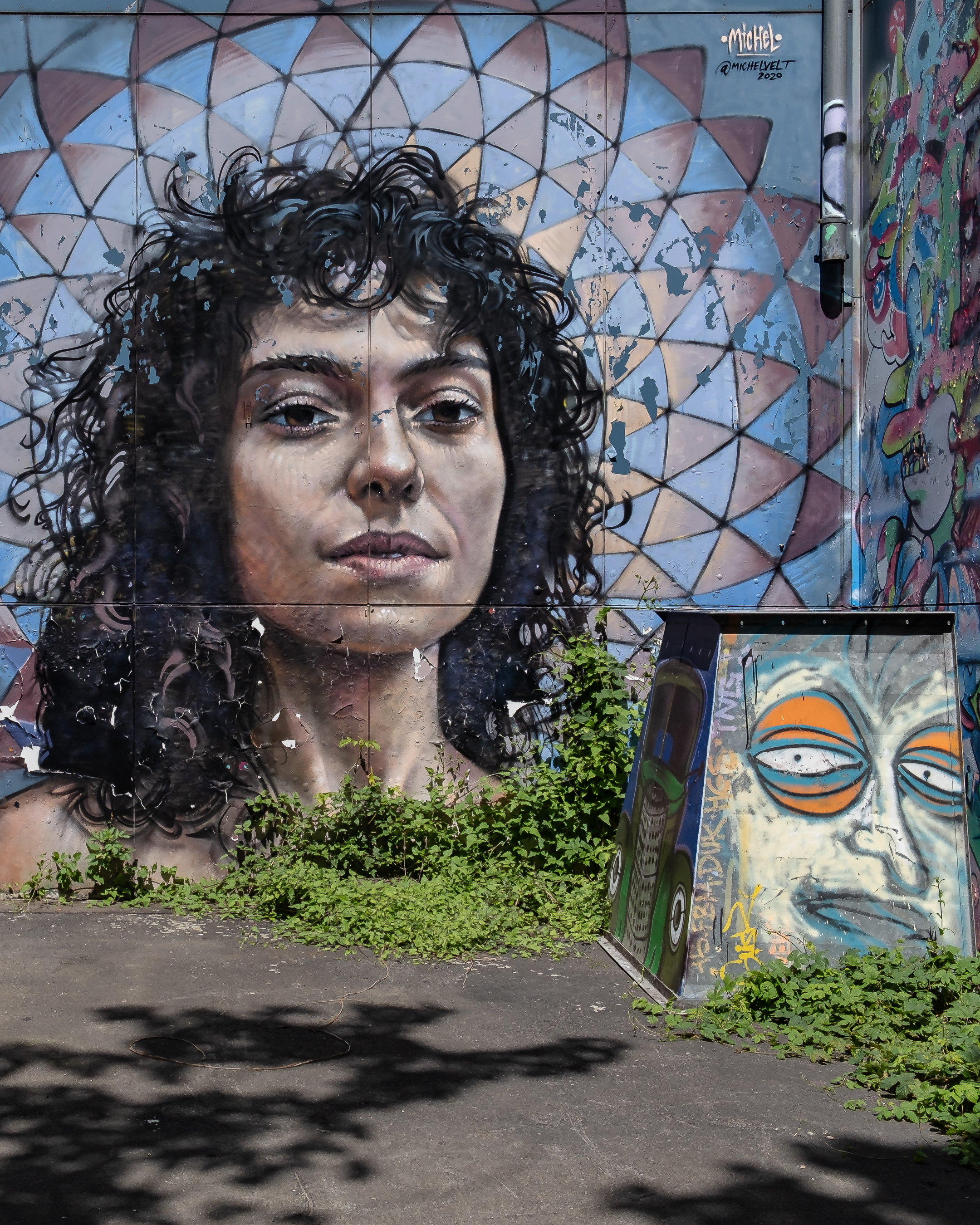
Construction of the American listening post finished in 1963 and US National Security Agency took over the site. With unification of Germany in 1990 the station was no longer needed and it was abandoned. Numerous options were considered for the site but nothing was financial viable and though it remains privately owned it has been allowed to fall into managed neglect and is a home for local and international street artists; including some, like Hera with the big painting and Otto Schade with the finger, being well known on the streets of London when I was photographing street art ten years ago.

DSCF2824

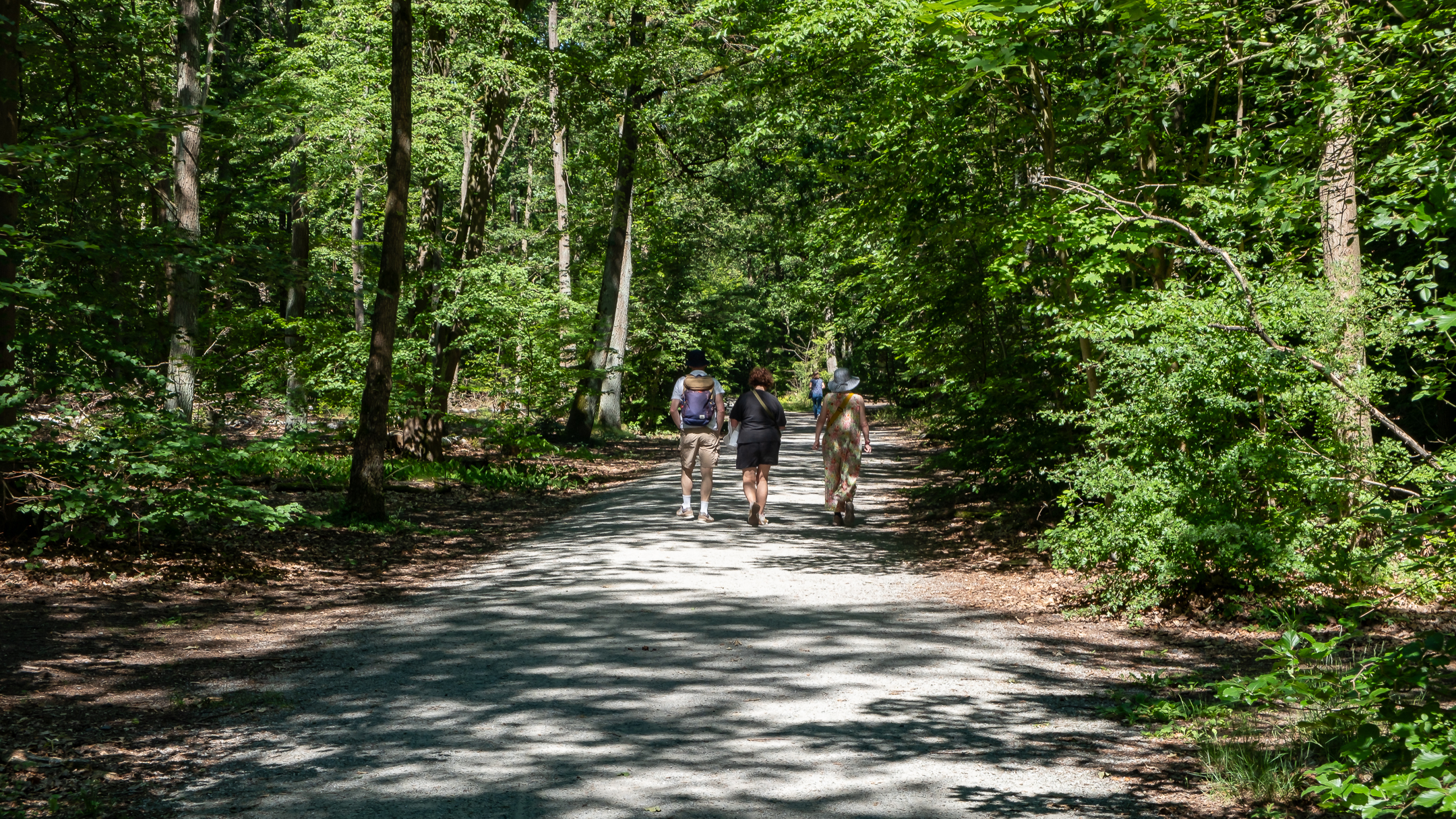
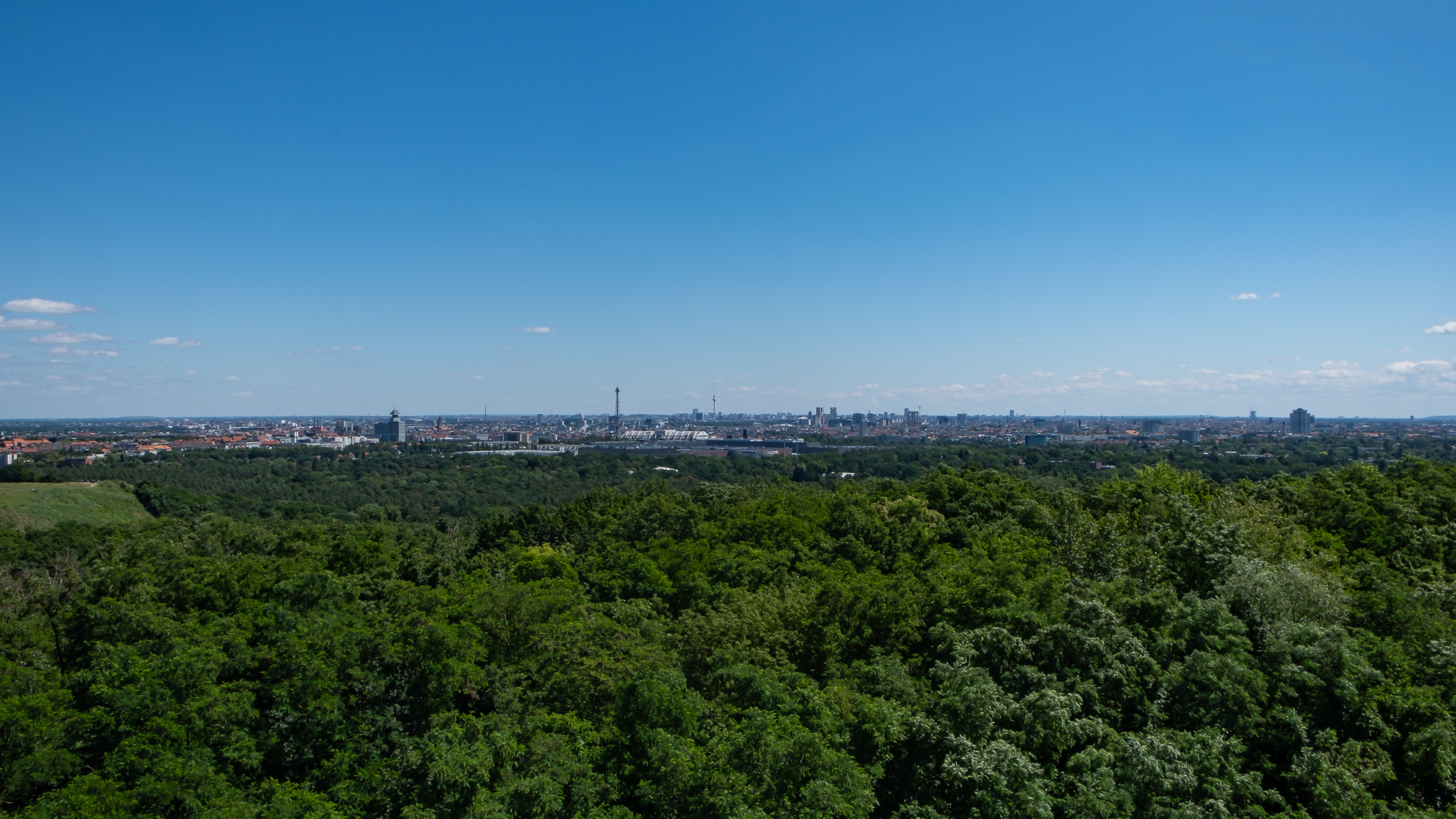
Teufeslberg is set in the middle of the Grunewalk Park it’s a nice 30 minute walk from the train station. The park seemed to be quite popular on the Sunday we visited and Teufelsberg itself was busier than I expected. There was a great view over Berlin from the top.

DSCF2813

DSCF2860

I’m so glad we managed to get there as it was high on my list of things to see in Berlin; mainly because it’s unique!

DSCF2854

DSCF2826

DSCF2838

DSCF2839

DSCF2842

DSCF2874

DSCF2883

DSCF2862

DSCF2834

DSCF2820

DSCF2885

DSCF2876

DSCF2865

DSCF2822

Stasiland

07 – 10 June 2024 – Berlin

I’ve a fascination with Berlin, and for a number of disconnected reasons it is one of my favourite cities. Its allure is a mystical combination of its 20th century history, spy novels, edgy music, graffiti, art and because I visited in 1987 when things were vastly different and have a happy memory of that time. No other city has all the things that Berlin has, though a lot of that allure is probably fantasy. I’m happy to say the fantasy remains unbroken and after spending three days there I love the city even more.

My view of Berlin is tainted by me being English and of a certain age. I was born in London in 1962, 17 years after the end of the Second World War and a year since ‘The Wall’ started to more formally divide East and West Berlin. In 1979, 17 years further on, my family had migrated to New Zealand and I was listening to punk rock and had a naïve teenage interest in politics. An interest that was primarily informed by the music I listened to and the views of those artists, views gleaned from the most famous of UK weekly music papers, the NME and Melody Maker; albeit three months after they were published in the UK.

Thanks to my parents I was, and remain, an avid reader and as a teen consumed loads of spy novels and non-fiction, so was well versed in the Cold War and the Berlin Wall and the privations forced on people by the Stasi, the secret police, of the German Democratic Republic (GDR) or as it was more widely known, East Germany.

In some ways I find it quite astounding that I lived through the collapse of the USSR and the democratisation of so many countries that were consumed by that distorted communist ideology. History is something that you read about in dusty old books or are taught in schools by teachers who probably have as much interest in the detail as the students. History is not something that happens around you, and yet it did. The Berlin Wall came down in 1989 and in 1990 East and West Germany unified to be become one country again. This was a monumental geopolitical event and Europe was made fundamentally different, and better for it. In some ways it feels like it has largely been forgotten and here in the UK we seem more interested in the war itself rather than what happened in the decades after.

In preparation for this holiday I read Stasiland: Stories from behind the Berlin Wall, by Anna Funder. It was published in 2002 and is a collection of interviews and discussions Anna, an Australian, had with people who lived in East Germany while she was living in Berlin in the 90s, not long after the wall came down. She interviewed both those who were subjected to the machinations of the state and by those who worked for the state’s secret police, the Stasi. It is an excellent modern history and comes highly recommended; especially now with the rise of the populist right across Europe and the rest of the world. There are lessons we shouldn’t allow to be forgotten.

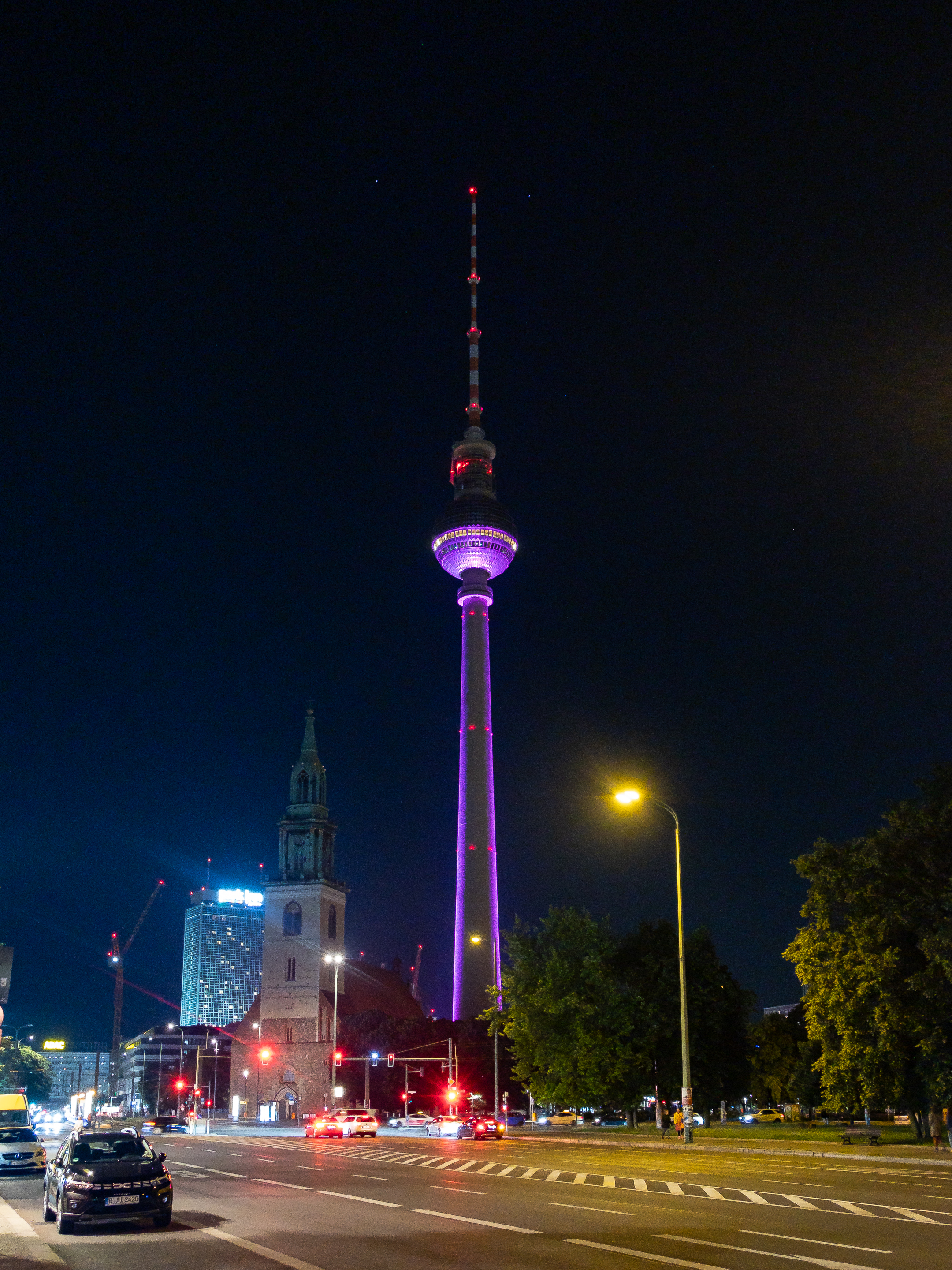
We are staying just off Alexanderplatz and prior to the collapse of the GDR our hotel was one of many Berlin offices of the Stasi. As a ‘secret’ location it wouldn’t have been shown on any street maps and it’s weird to think that this building that was built in the 19th century didn’t officially exist for 45 years of the 20th, and it was a key government building for a country that no longer exists. The magnificent Telecom Tower is in Alexanderplatz and was an easy reference point when trying to work out where we were as we wandered about.

DSCF2770

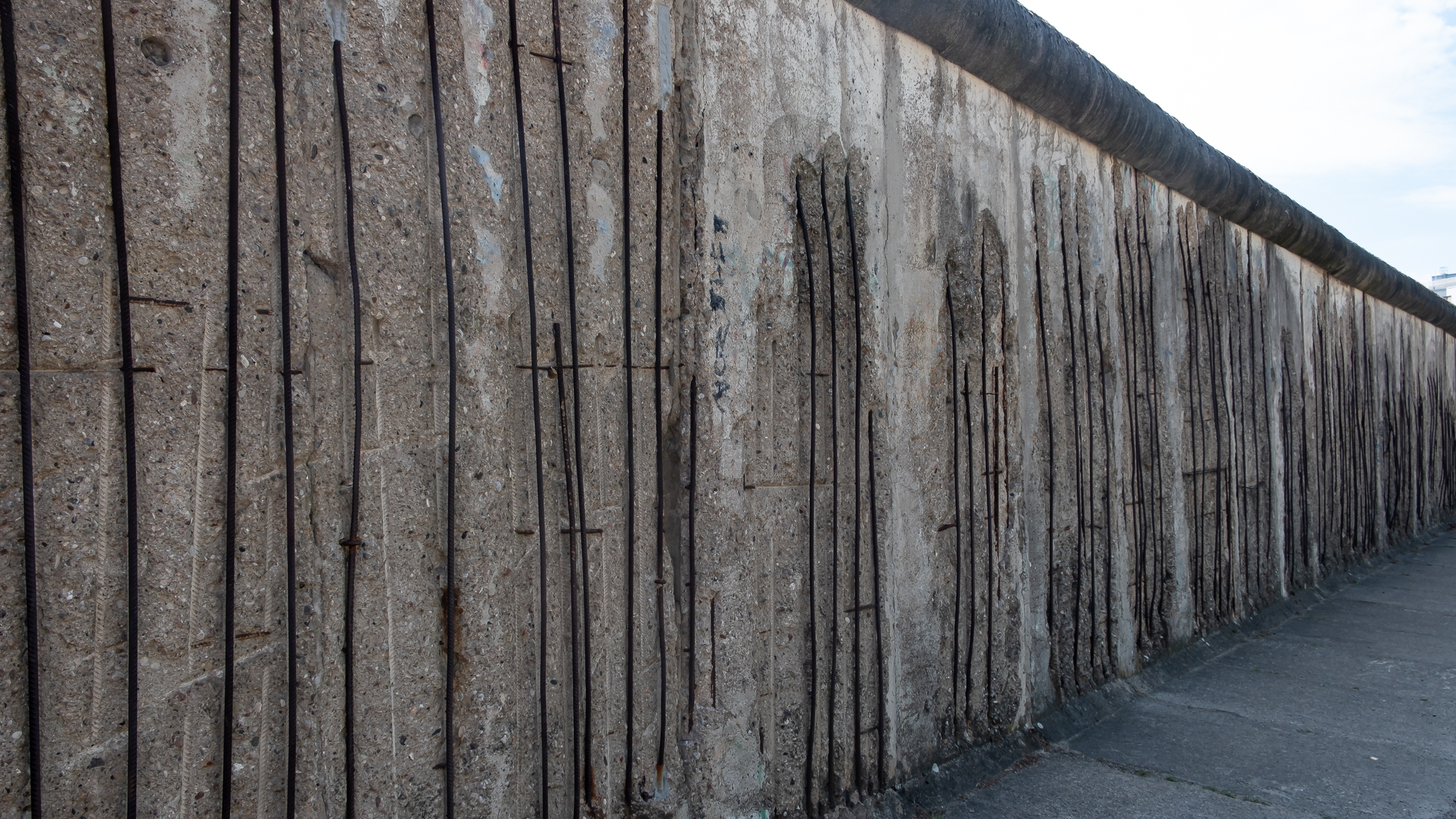
You can’t escape the Berlin Wall in the centre of Berlin and I was surprised how much of it remains, scattered in small pieces around the central city, some as formal memorials, and some I suspect are just there and serve no real purpose other than to attract tourists like me and remind everyone who comes in contact of what has been and what could come if people don’t stay informed and vigilant. You only have to go back four years to hear ‘Build the Wall’ cries from many in that supposed ‘home of democracy’, America.

DSCF2913

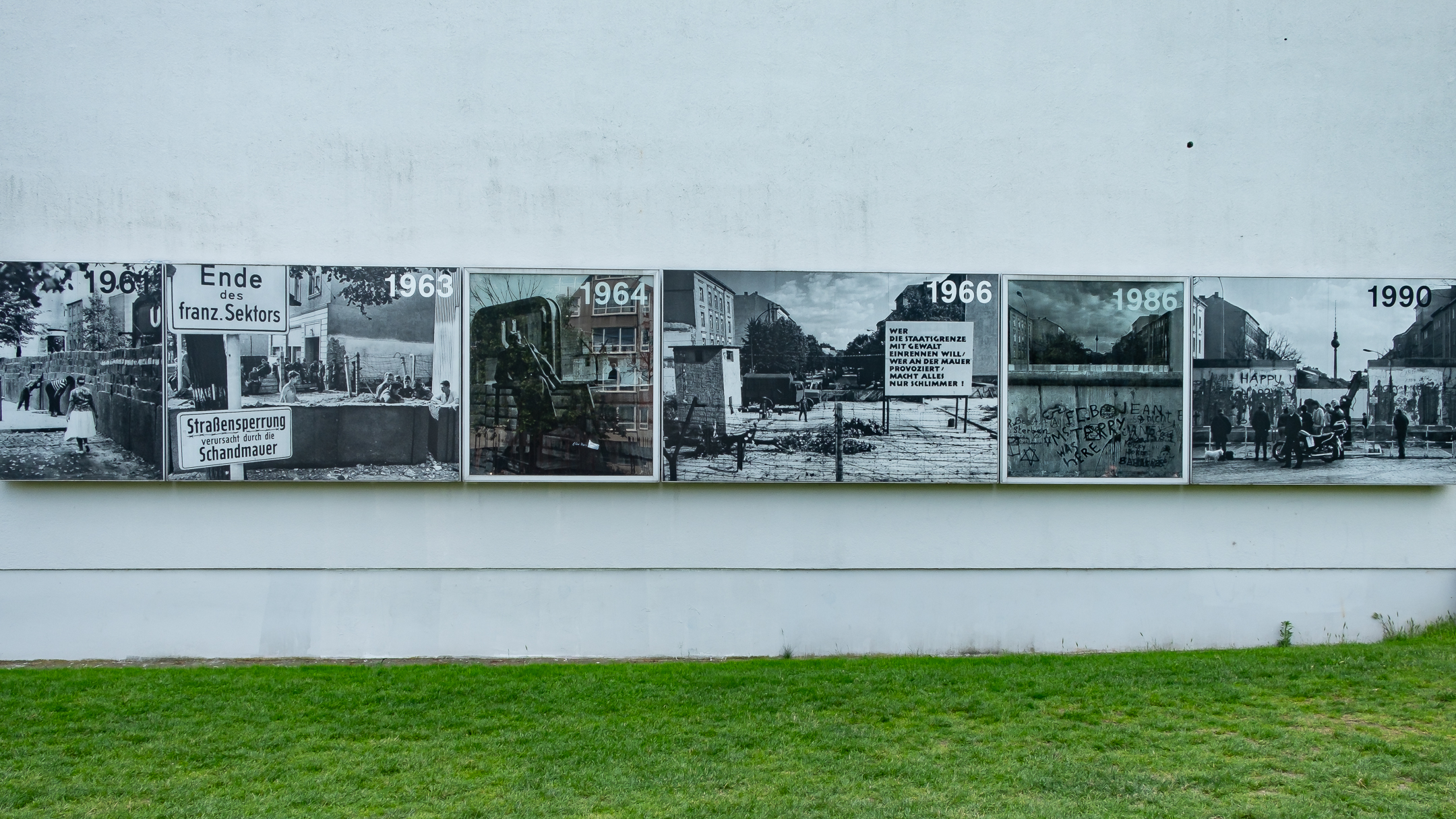
Germany was divided into two at the end of the Second World War by the allied nations; UK, USA, France and Russia. It was divided along internal state boundaries with the east under control of Russia and the western states shared between the others. As Berlin was the German capital, though solidly inside the east it was also divided in a similar fashion, but across local council boundaries. This lead to streets being cut in half and families separated. Until 1961 it was still possible to move between east and west to visit family or for some to go to work.

However, on the night of August 13 1961 the East German authorities, much to the surprise of the west, erected a barbed wire ring around West Berlin and the next day began the construction of a wall that cut the western half of city off from the east. The wall expanded over time and remained in place until November 9 1989. Many thousands of people succeeded in escaping the east to the west including some of the troops who were supposed to be preventing escape, like Konrad Schumann, captured in this stunning photo by Peter Leibing. Though Konrad managed to escape his story is tragic and he is as much a victim of this terrible thing as those who were tortured or killed for escaping by the Stasi.

DSCF2773

DSCF2778

On our first morning in Berlin we took an underground tour (no photos allowed) where our superb guide told us of the many ways that East Germans, particularly Berliners tried to escape the East. The tour was focused on the various underground approaches taken, via the underground train network, or the sewers and by self dug tunnels under the border.

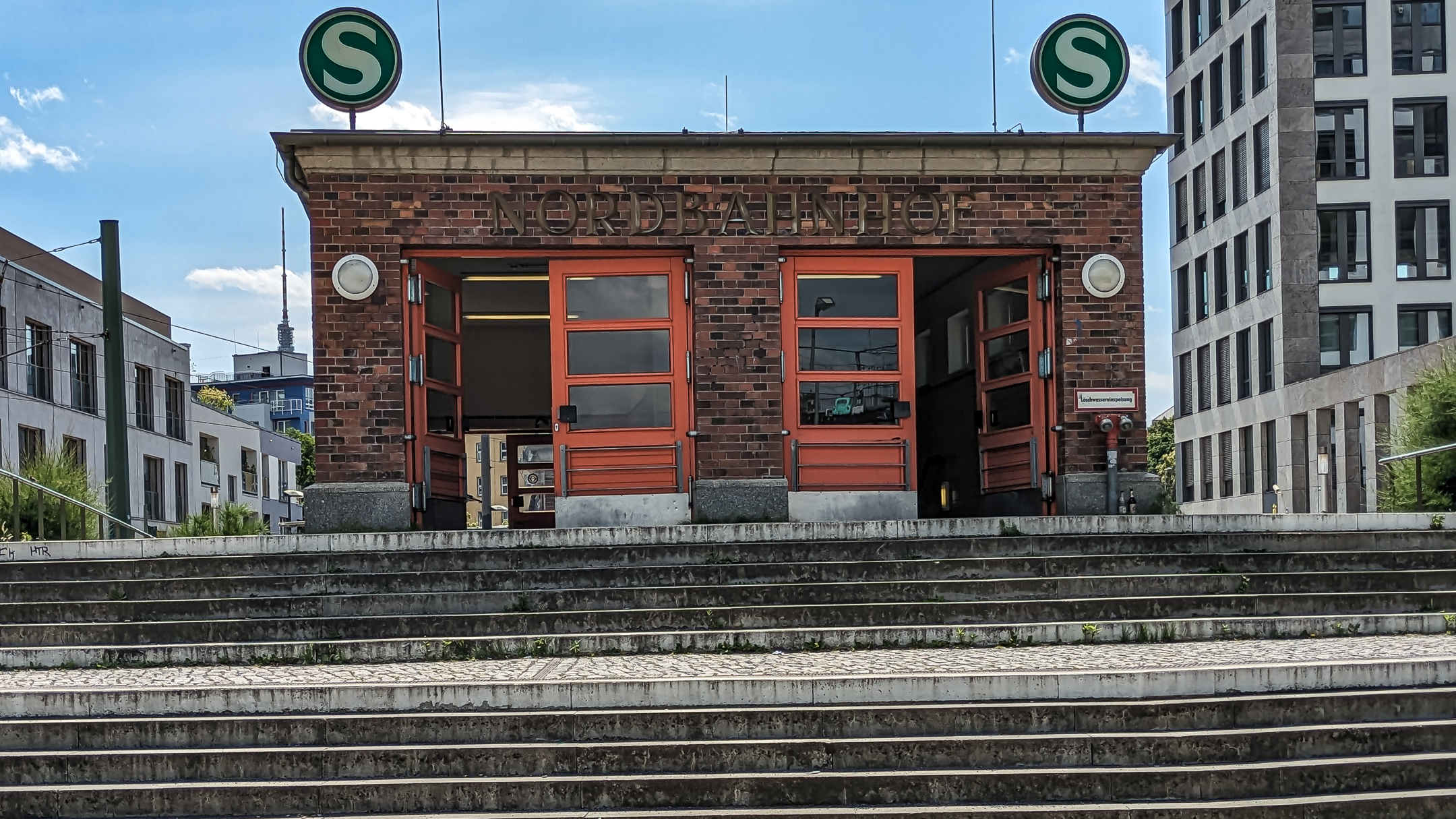
Prior to the war and the subsequent division of the city Berlin had extensive underground and over ground train system. When the city was divided the authorities re-routed some trains to avoid crossing borders, or where that was not possible, by closing stations and having the trains run through. These stations became known as ghost stations and dangerous as they were they were used for a short time to facilitate escape. Nord Bahnhoff was one of those stations, reopening again in 1990.

PXL_20240610_092638767

PXL_20240608_103228720

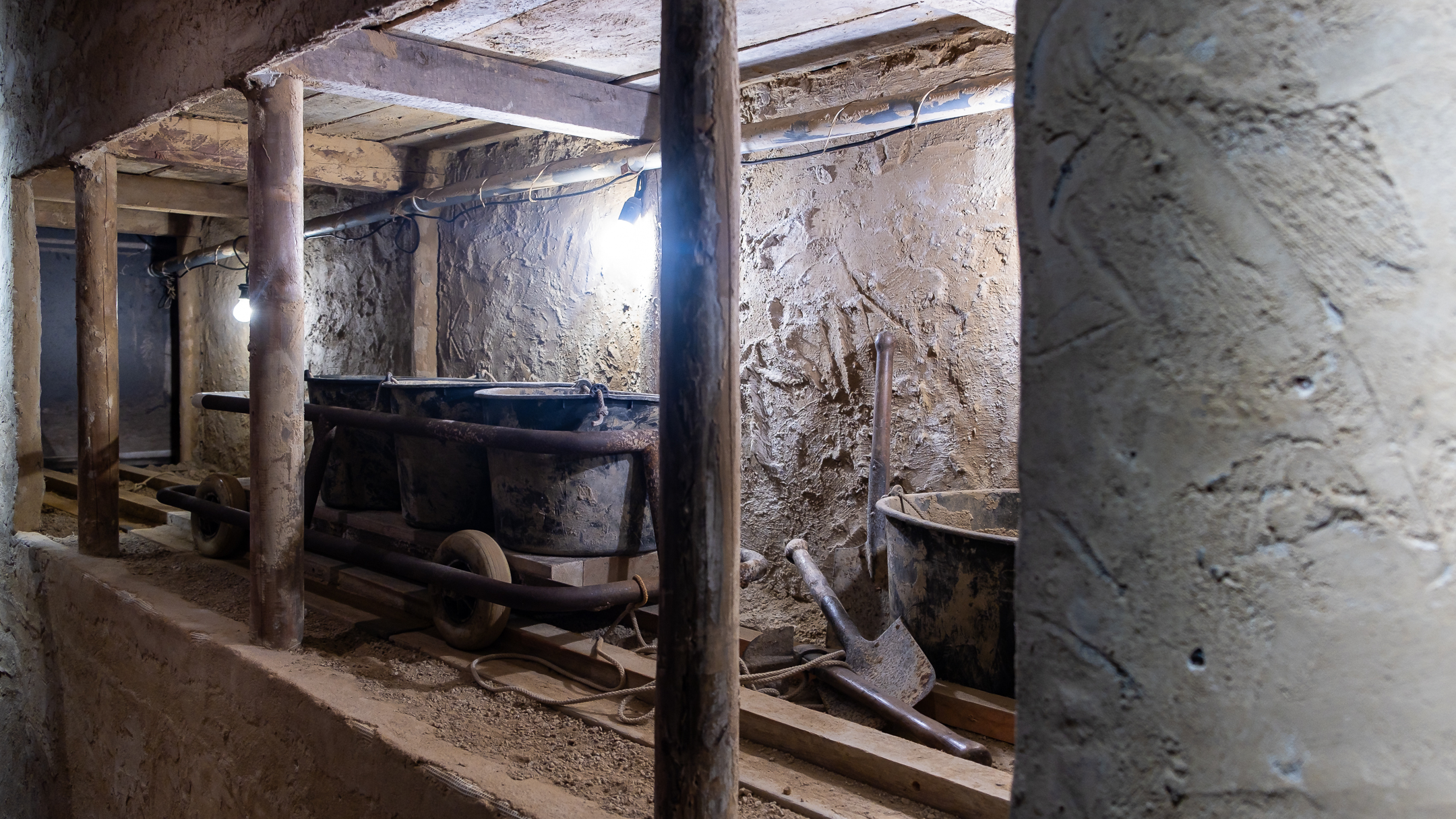
More than 70 attempts were made to hand dig tunnels under the wall, though only 19 were successful, many were given away to the Stasi by neighbours of friends of the tunnel diggers. The Stasi had a vast network of forced or unforced informers and it sounds like it was difficult to really trust anyone, even if you knew them well. Over 300 people managed to escape via those 19 tunnels before they were inevitably betrayed. This is a mock up of one of the tunnels; the construction and escape would have been terrifying.

DSCF2775

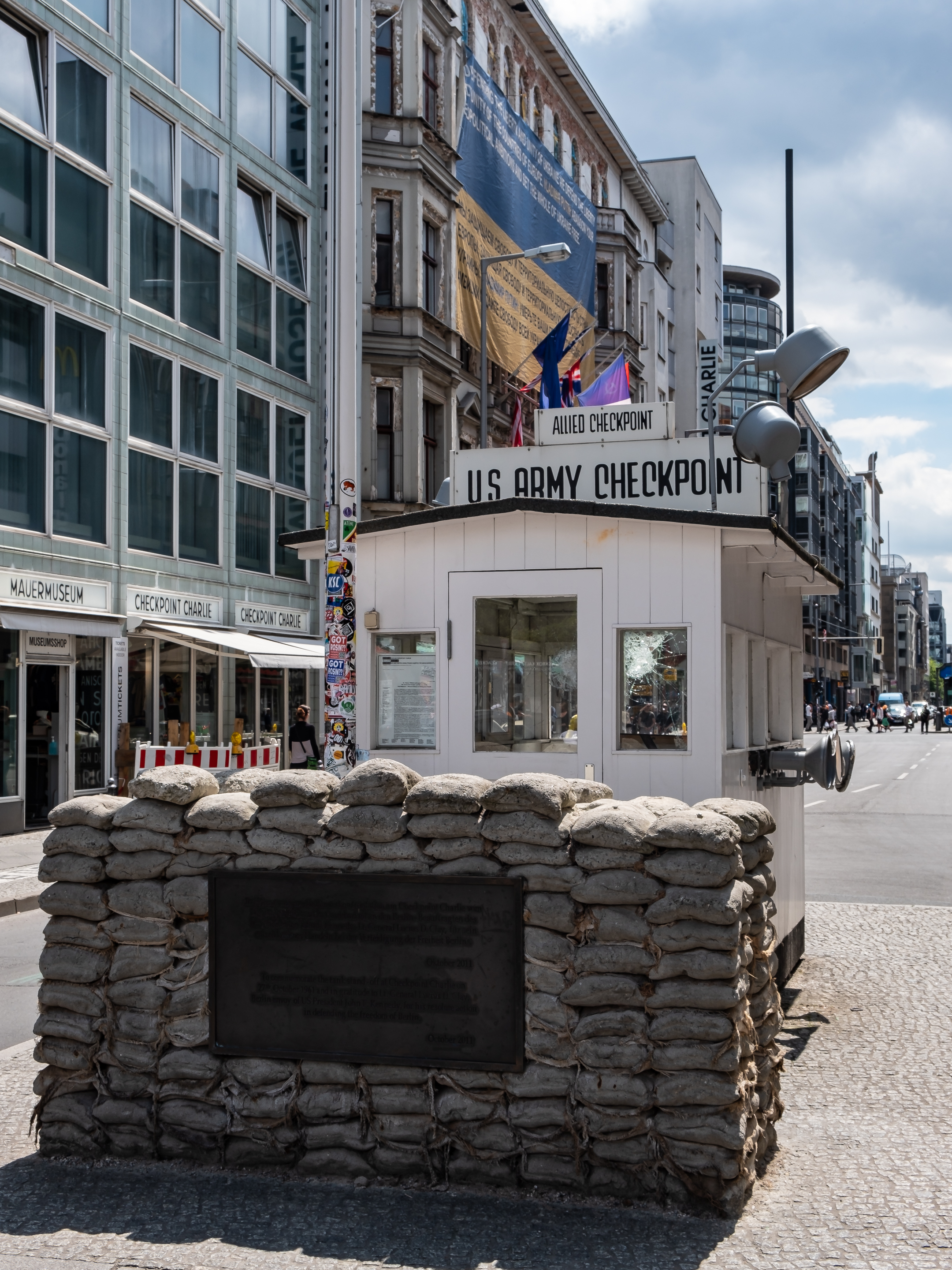
There were numerous legal crossing points from east to the west, though it was difficult for those who wanted to make that journey. It was easier to cross west to east and back again, which I did for a day in 1987, using the famous Checkpoint Charlie on Friedrichstrasse. Now a popular tourist attraction.

DSCF2922

DSCF2923

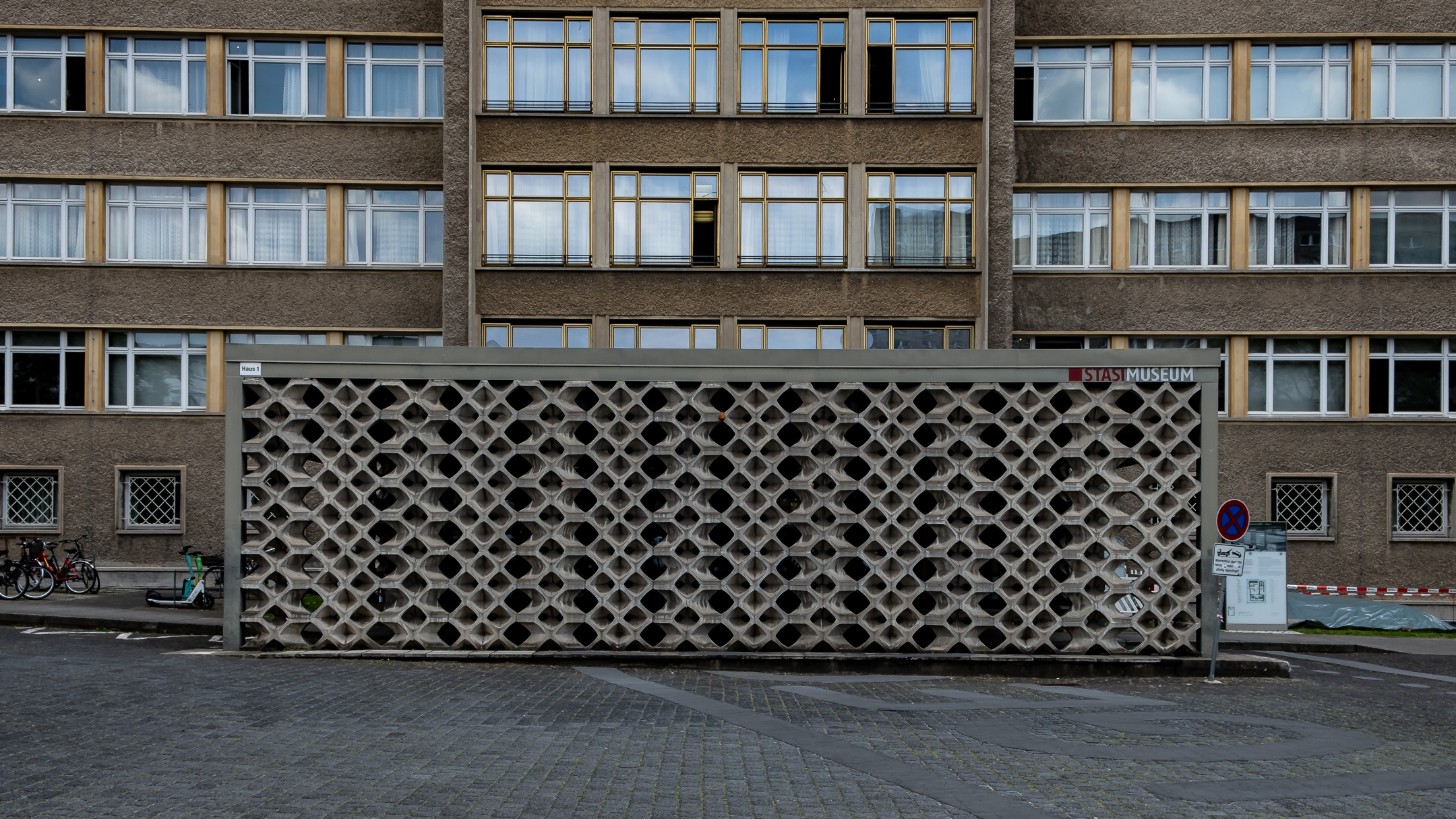
We also visited the Stasi Museum which is located in one of the buildings in a vast (and slightly brutalist) complex of buildings that made up the Stasi headquarters. As it became probable that the hard line communist state was on the verge of collapse East Berliners essentially stormed the Stasi headquarters, thankfully unopposed by the armed police inside, to ensure the huge collection of records of the organisation weren’t destroyed by the state. Records that detailed to a very intimate detail the lives of ordinary East German citizens.

DSCF2782

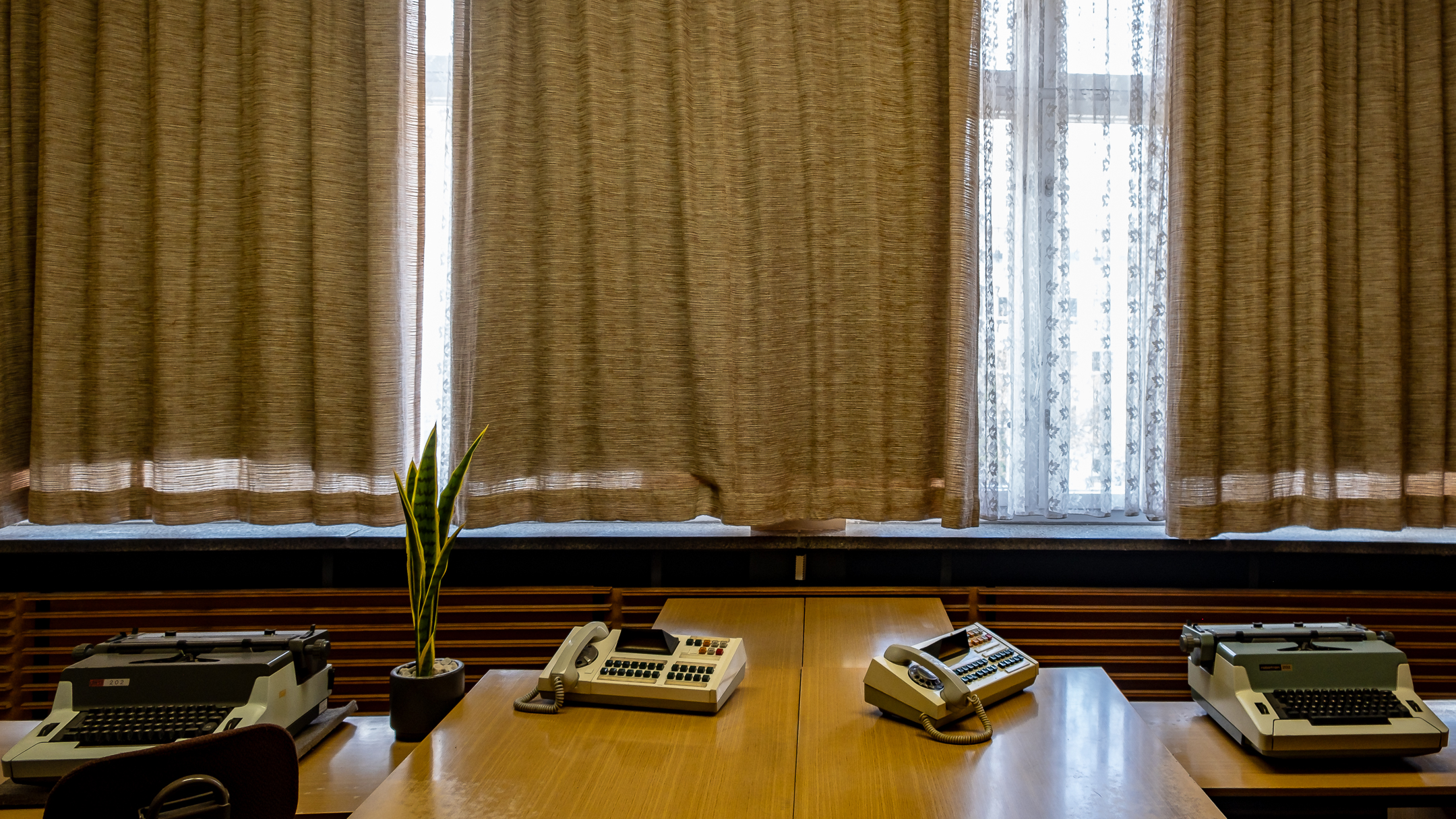
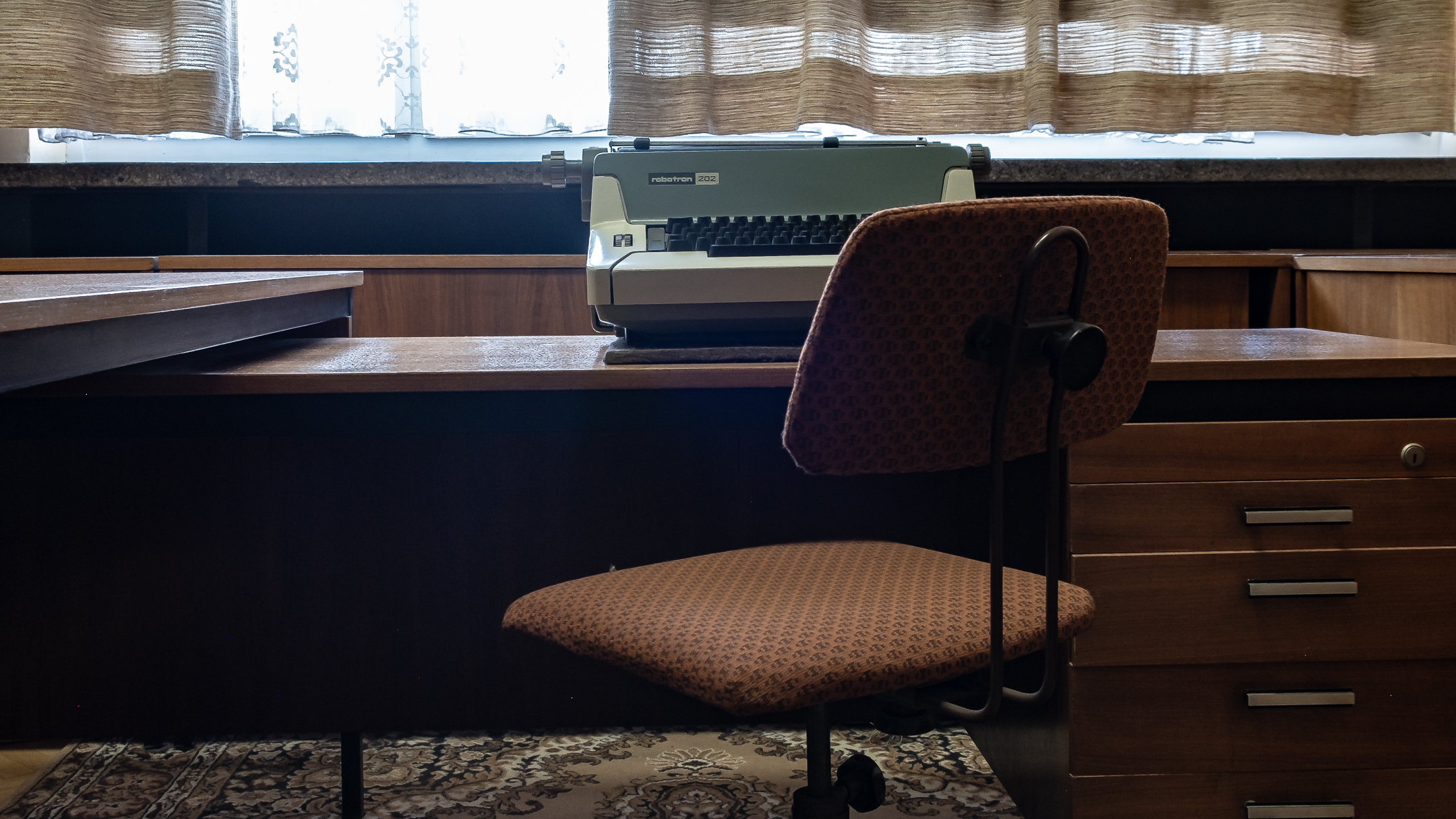
The museum was fascinating and the executive floor was left as it was found in 1990 – a homage to the classic brown and beige mid-70s design that has become quite fashionable again. 

DSCF2785

DSCF2786

DSCF2788

DSCF2789

DSCF2793

The images and film of the wall bring breached and climbed and hammered and partied on on that famous night in November 1989 will remain firmly fixed in history and in my mind and I enjoyed seeing the constant reminders of it throughout the small part of the city we explored. When I return I want to explore sections of the wall between West Berlin and the parts of East Germany that were not in East Berlin on the western side of the city. There is a walkway round the old west where the wall and the ‘death strip’ as our underground tour guide described the no-mans land between the west and east wall which sounds really interesting.

Vast sections of the west side  of western wall is covered in graffiti, some of it still the original painting from the 80s. 

DSCF2779

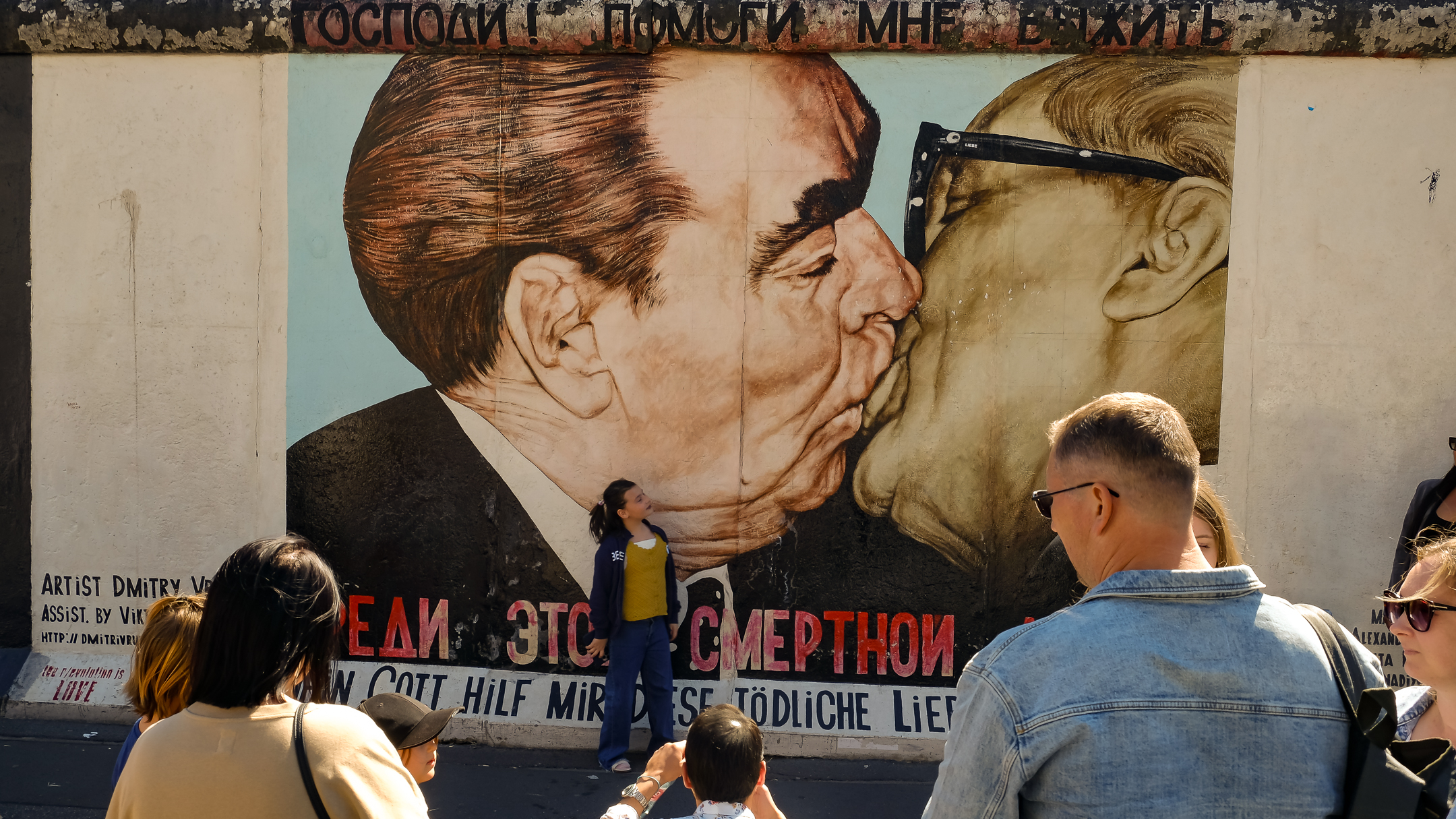
Dmitri Vrubels 1999 painting ‘My god, help me survive this deadly love’ is probably the most well known image, and difficult to photograph due to that popularity. It’s a satirical take on a photograph taken in 1979 of Leonid Brezhnev and Erich Honecker the leaders of Soviet Russia and East Germany.

DSCF2895

DSCF2890

There is more Berlin to come!