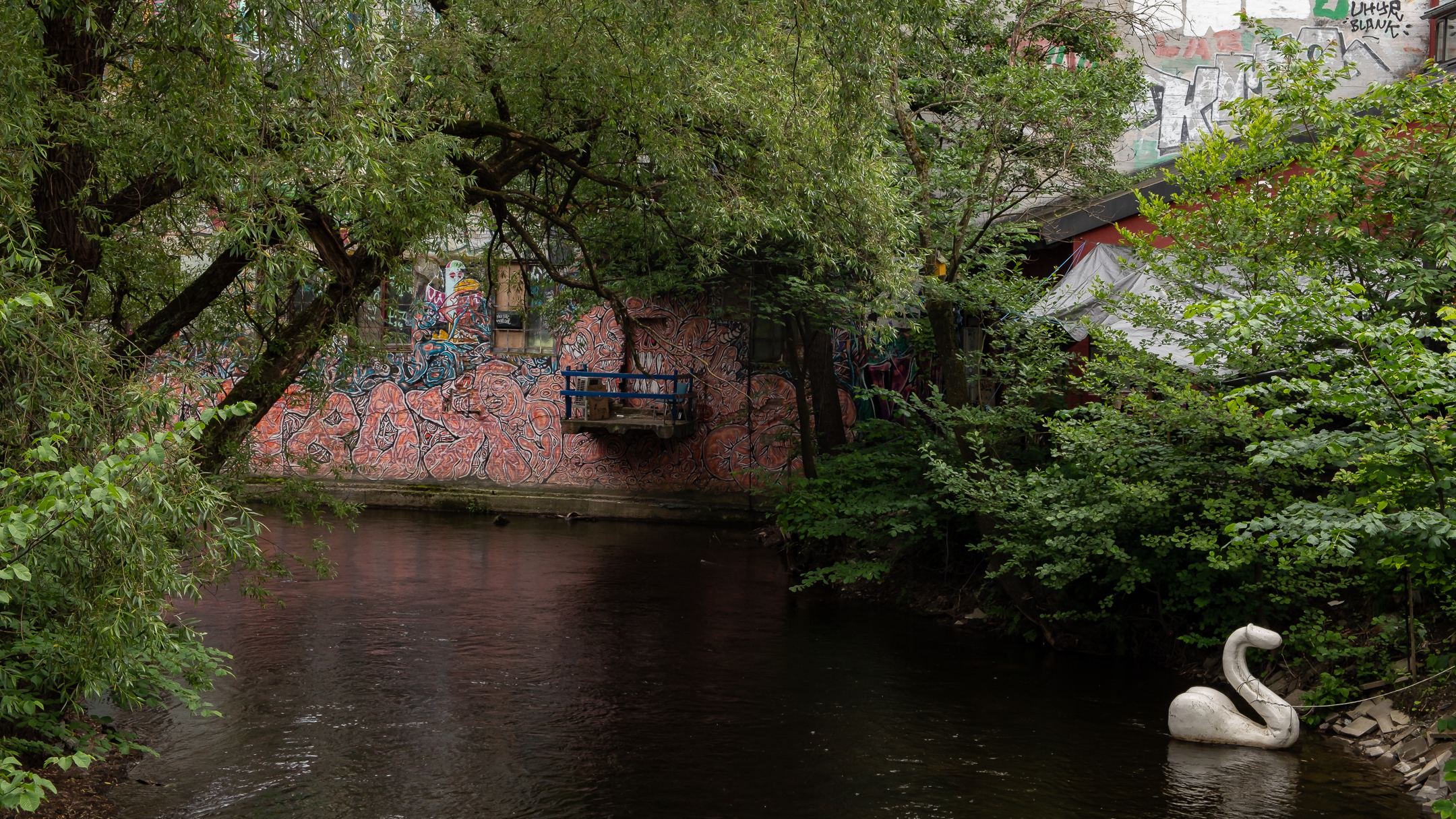
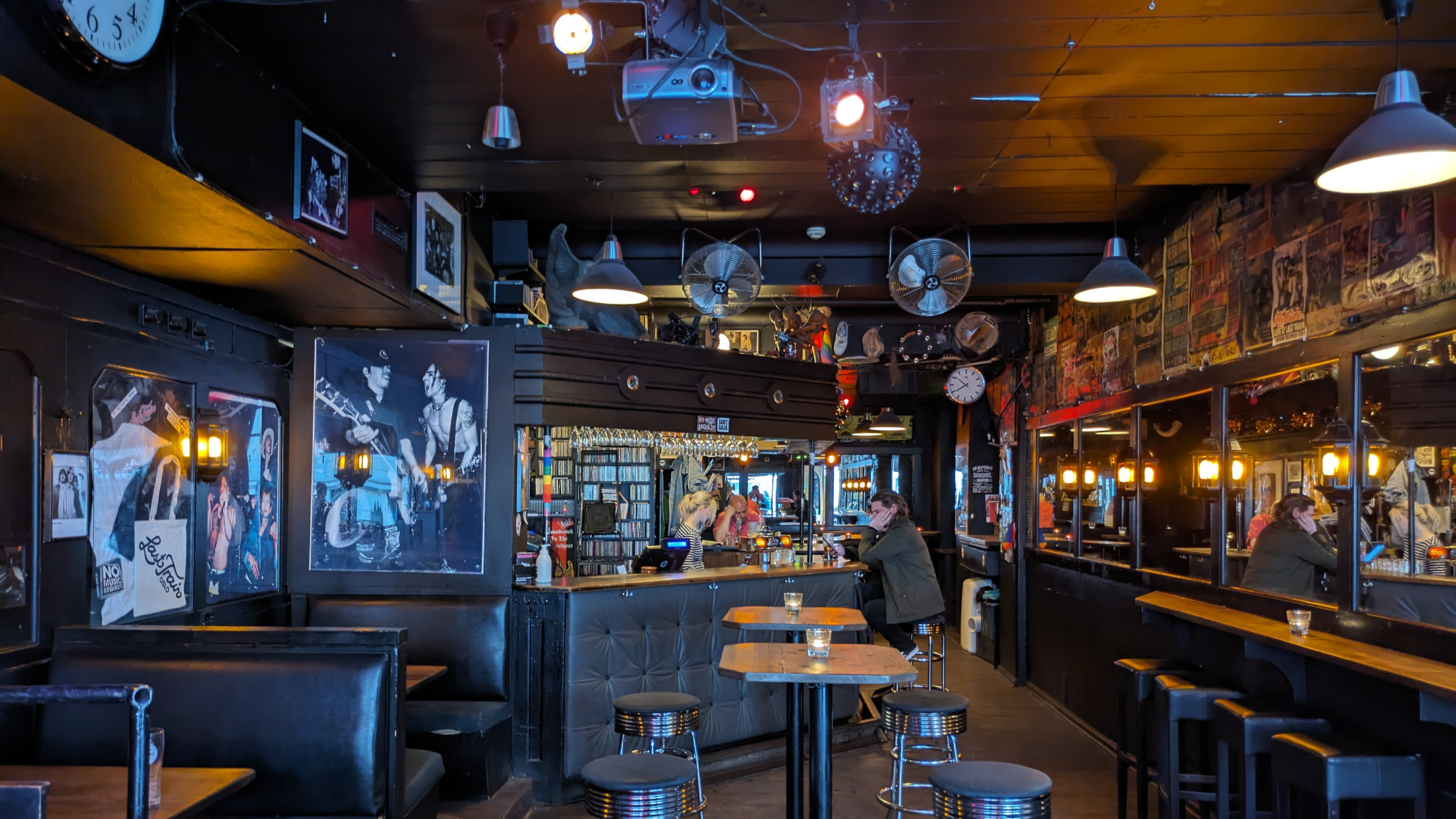
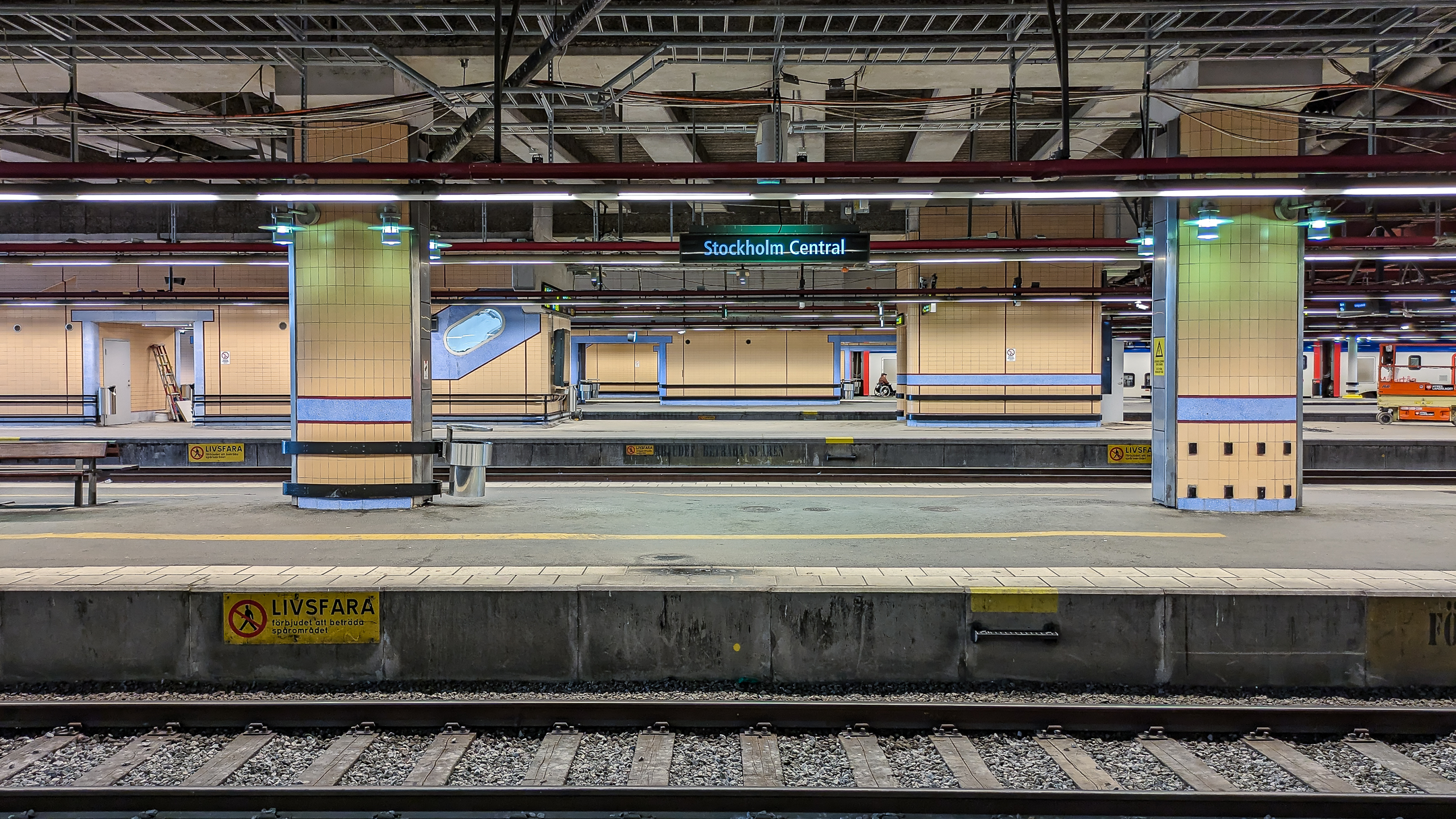
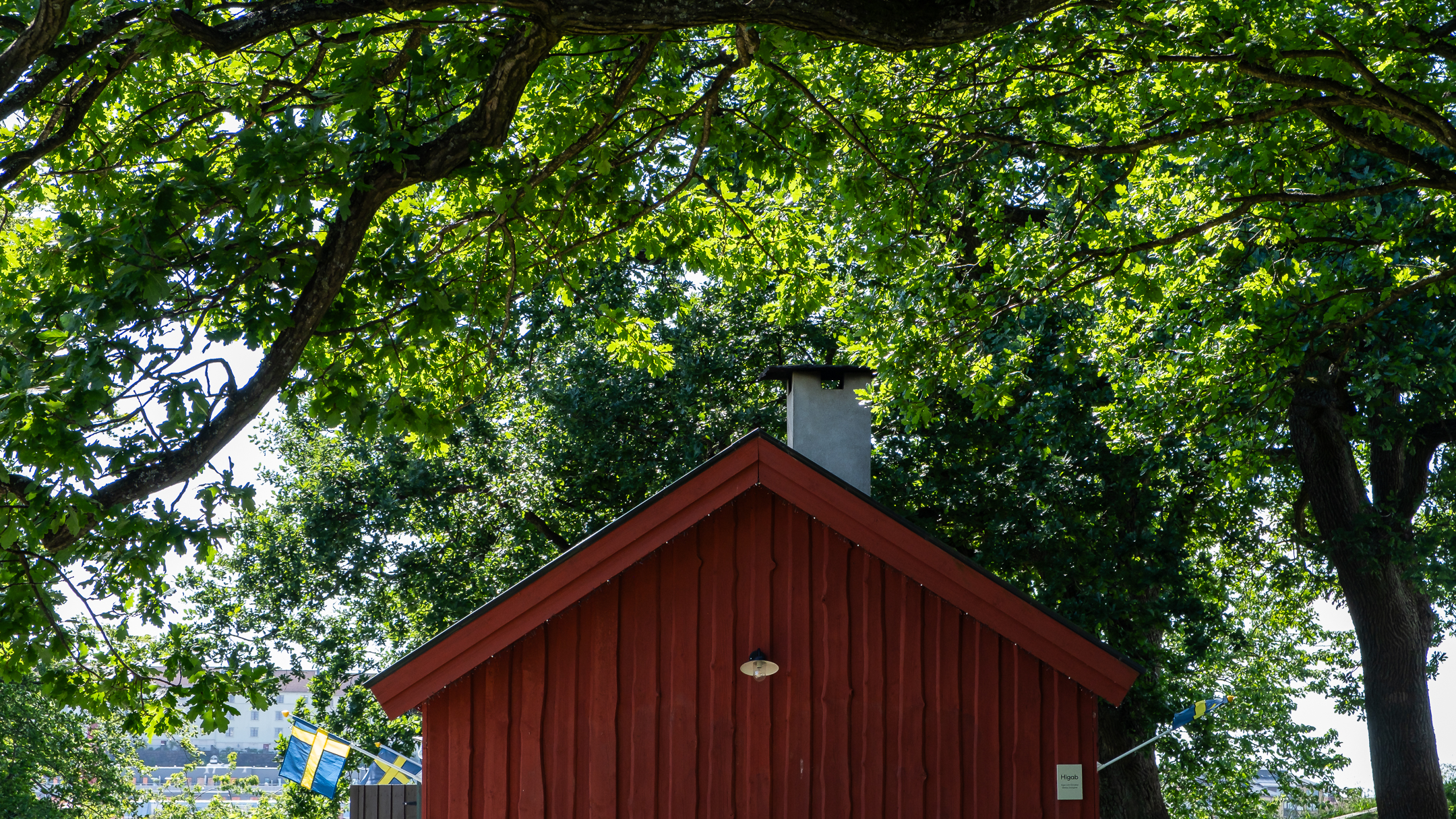
Gothenburg

Thursday 14 June 2024 – Gothenburg, Sweden

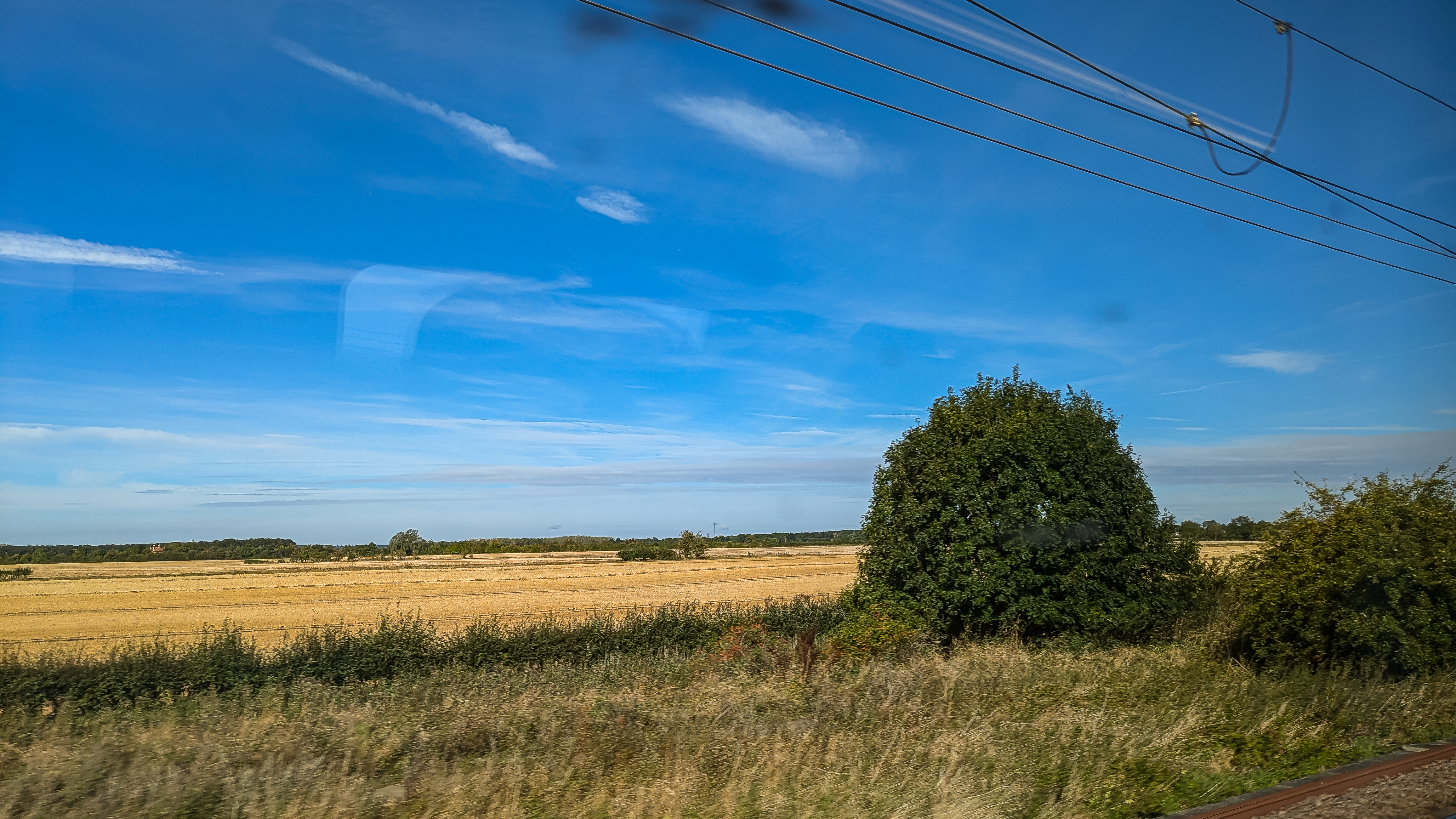
The three hour ride from Stockholm to Gothenburg was nice enough, the train was complete luxury compared to the shabby and dirty intercity trains we mostly have in the UK. It was full and I didn’t have a window seat so didn’t get to take any photos out of the window as we travelled from one side of Sweden to the other, though I more than make up for that when we continue to Oslo the next day.

PXL_20240613_083643642

Gothenburg has been on the list of ‘Places I want to visit before I die’ for quite some time. Ok, I made up the list name just then, but I do have a list of places I want to visit before I die and Gothenburg is on it. I’m not sure why Gothenburg was on the list. Maybe because it has ‘Goth’ in its name and I liked a lot of gothic rock in the 1980s, but probably because it seems like a nice city and it’s popular with tourists.

DSCF3004

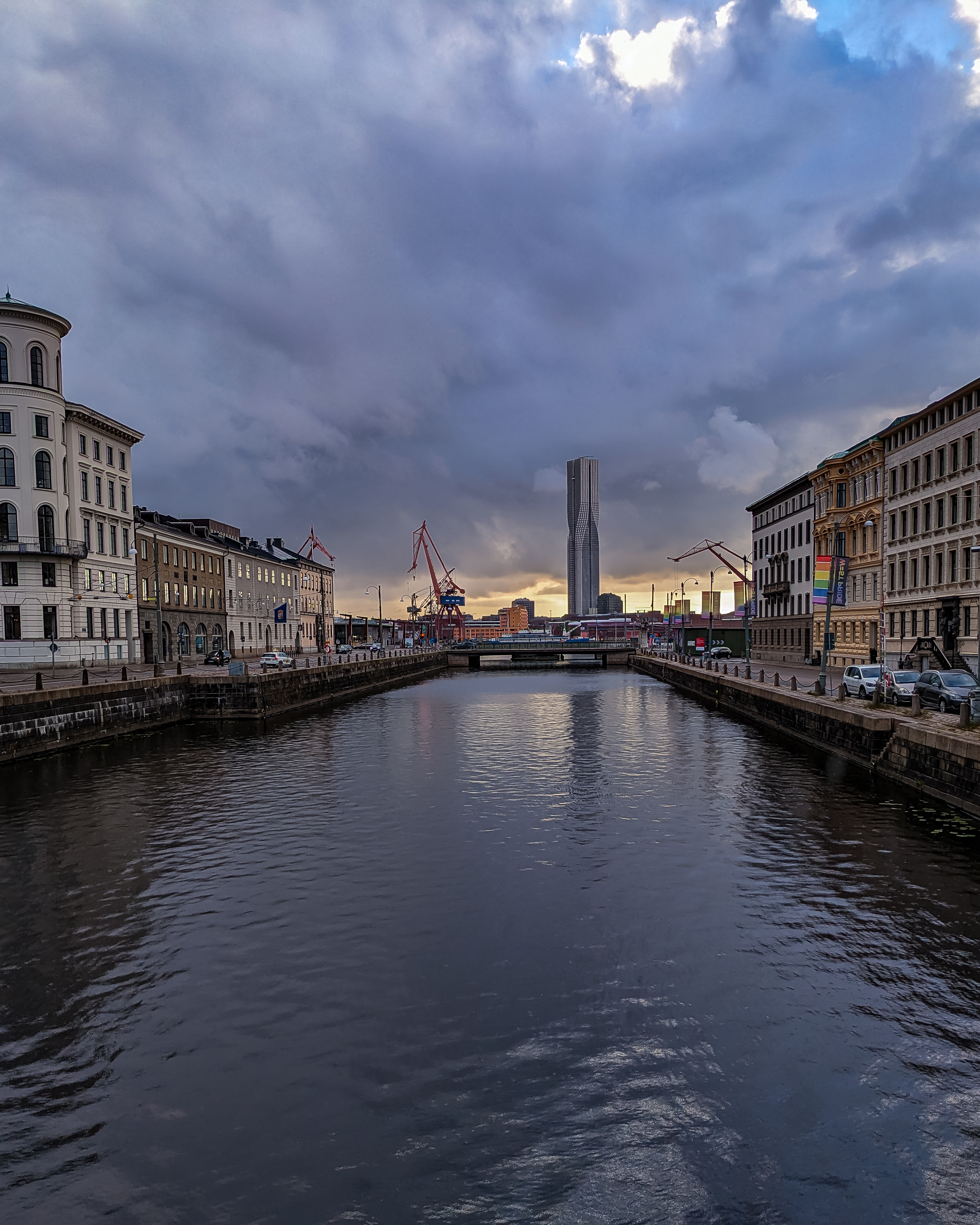
It wasn’t on the list because of an interesting historical event or an amazing building I just had to see, it doesn’t have an immediate ‘gotcha’ like a lot of other places do. There was nothing I specifically wanted to see or do, and now I’ve been I know why; there isn’t really anything to see or do; unless you like shopping. It’s one of those rare places that I have no desire to go back to and I found it dull as dish water. As I wrote in my notebook; it’s a bit like Sydney, a nice place but visually boring.

To be fair to Gothenburg it wasn’t its fault. The hotel we stayed in was on top of the station, it was a fine hotel, but I like staying just outside the centre in inner city residential areas; somewhere near a nice bar or café and people.

PXL_20240613_201749337

Between the station and the city centre was a large square with bus and tram stops and criss-crossed tram lines; it was raining when we went out and it was a confusing place to get over; trams and busses and cars and bikes seemingly coming from all different directions. I disliked it and not knowing exactly where we were going made it all too complex and frustrating. Admittedly I was tired and probably hungry.

The other big negative for me was half the city seemed to be under some serious construction, with many roads and paths closed, which at times made trying to follow directions challenging.

PXL_20240614_075916660

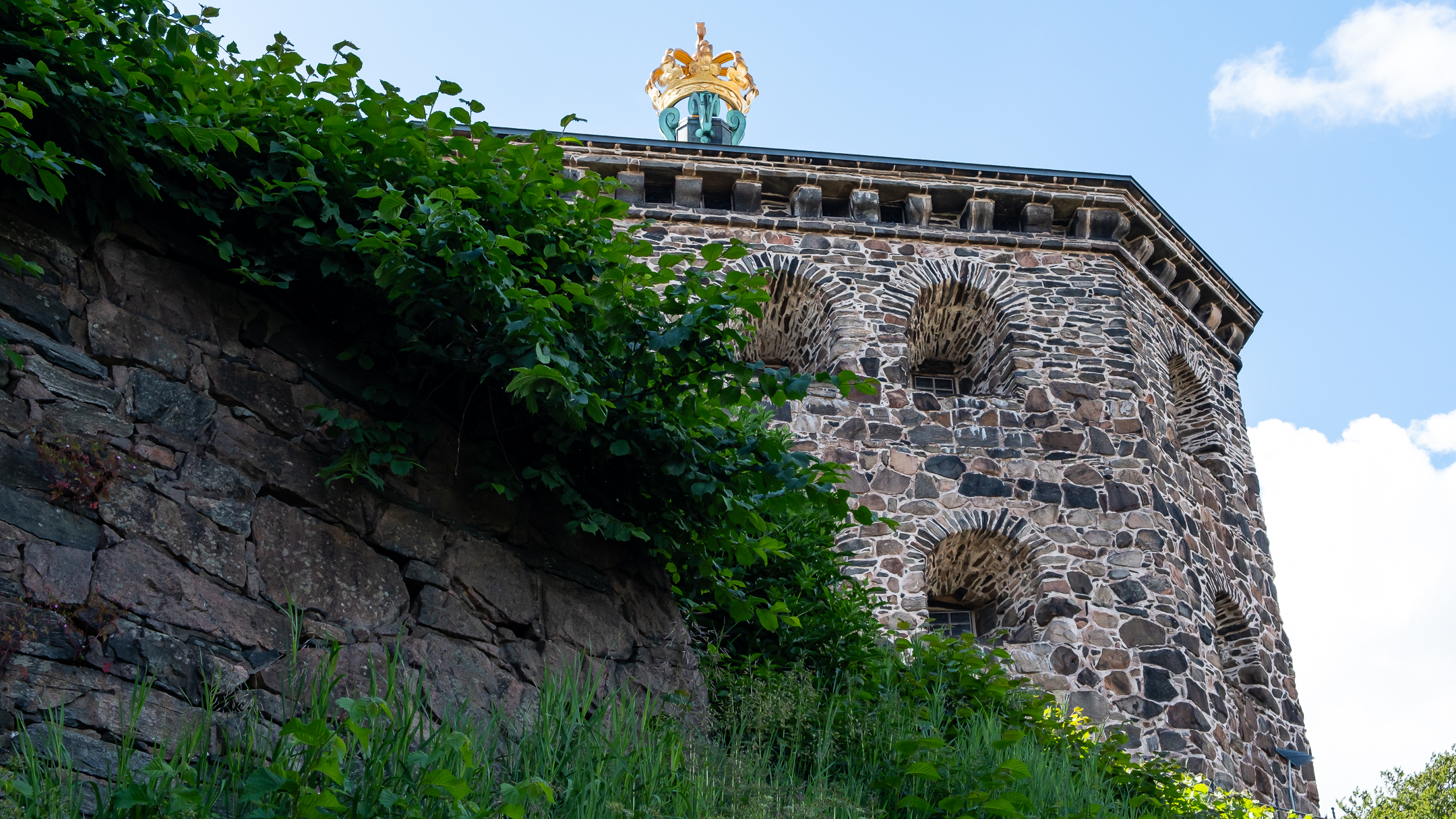
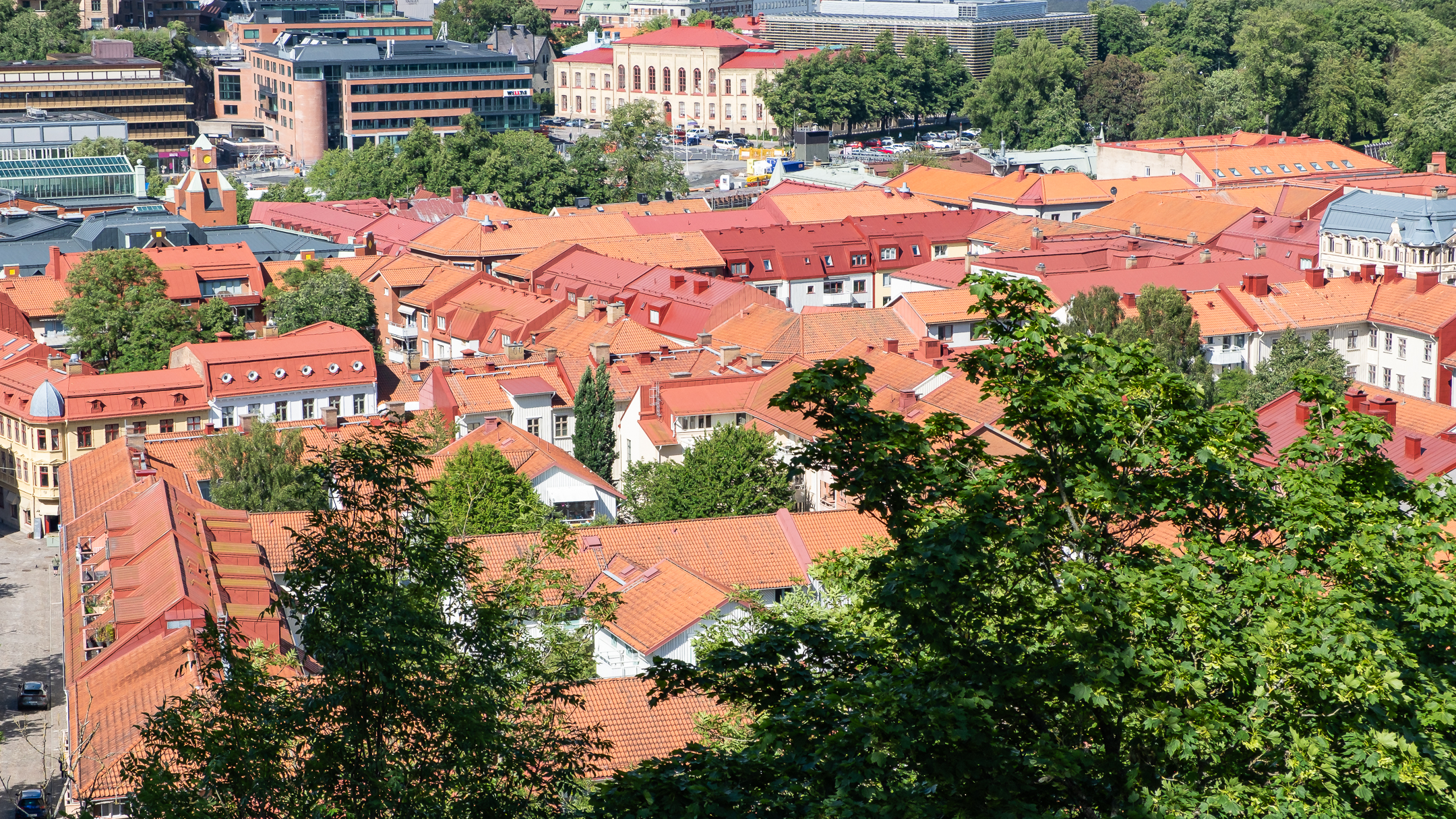
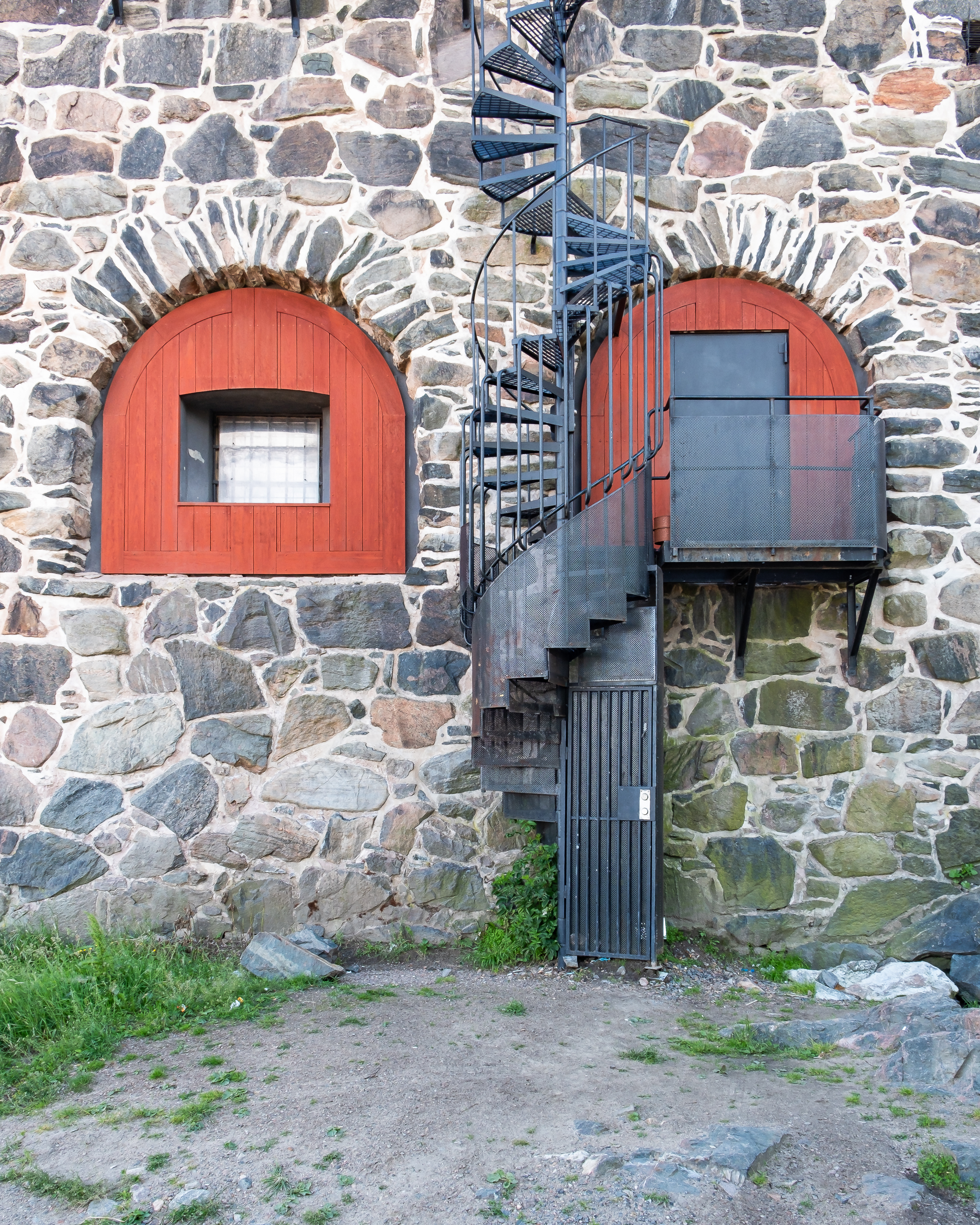
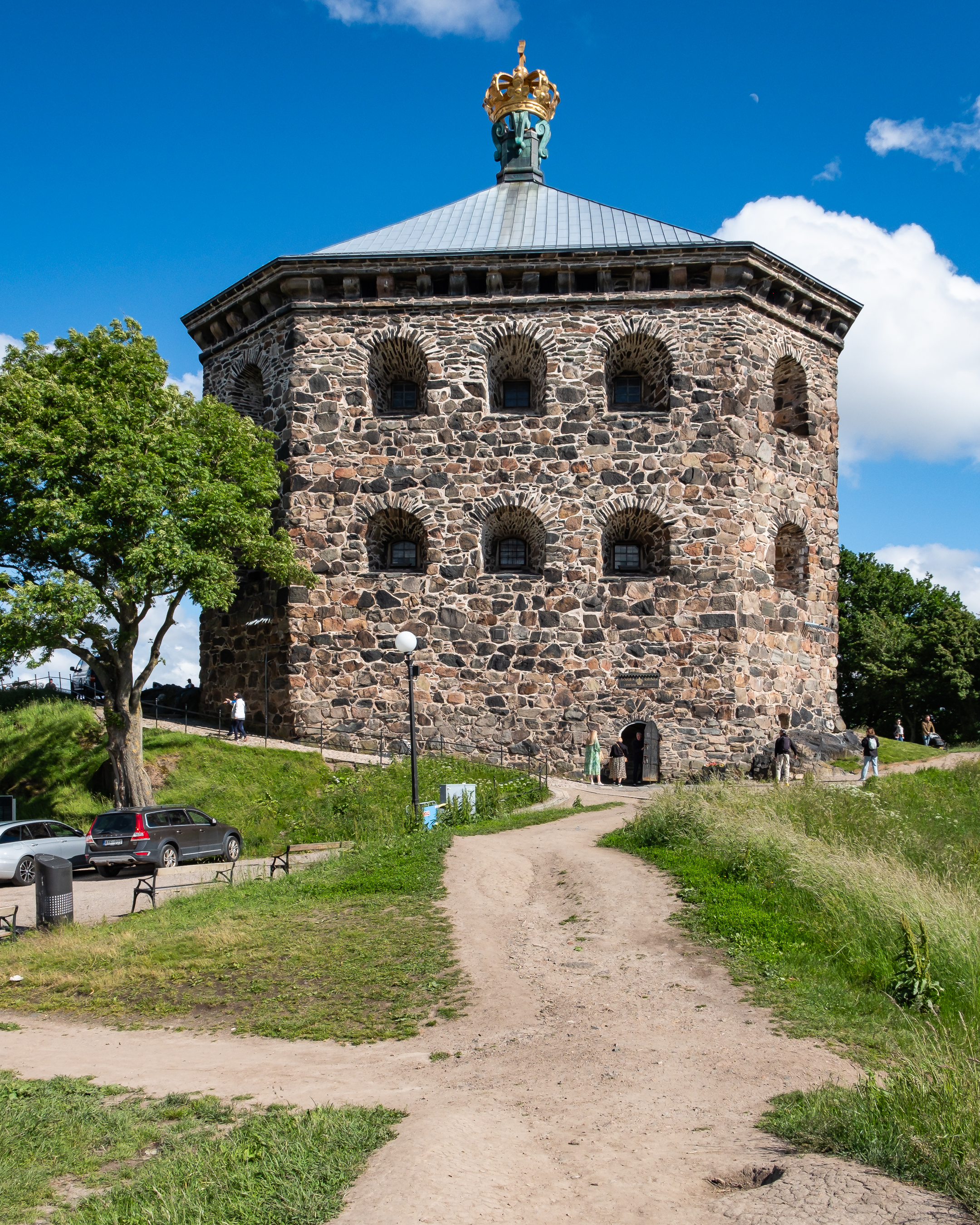
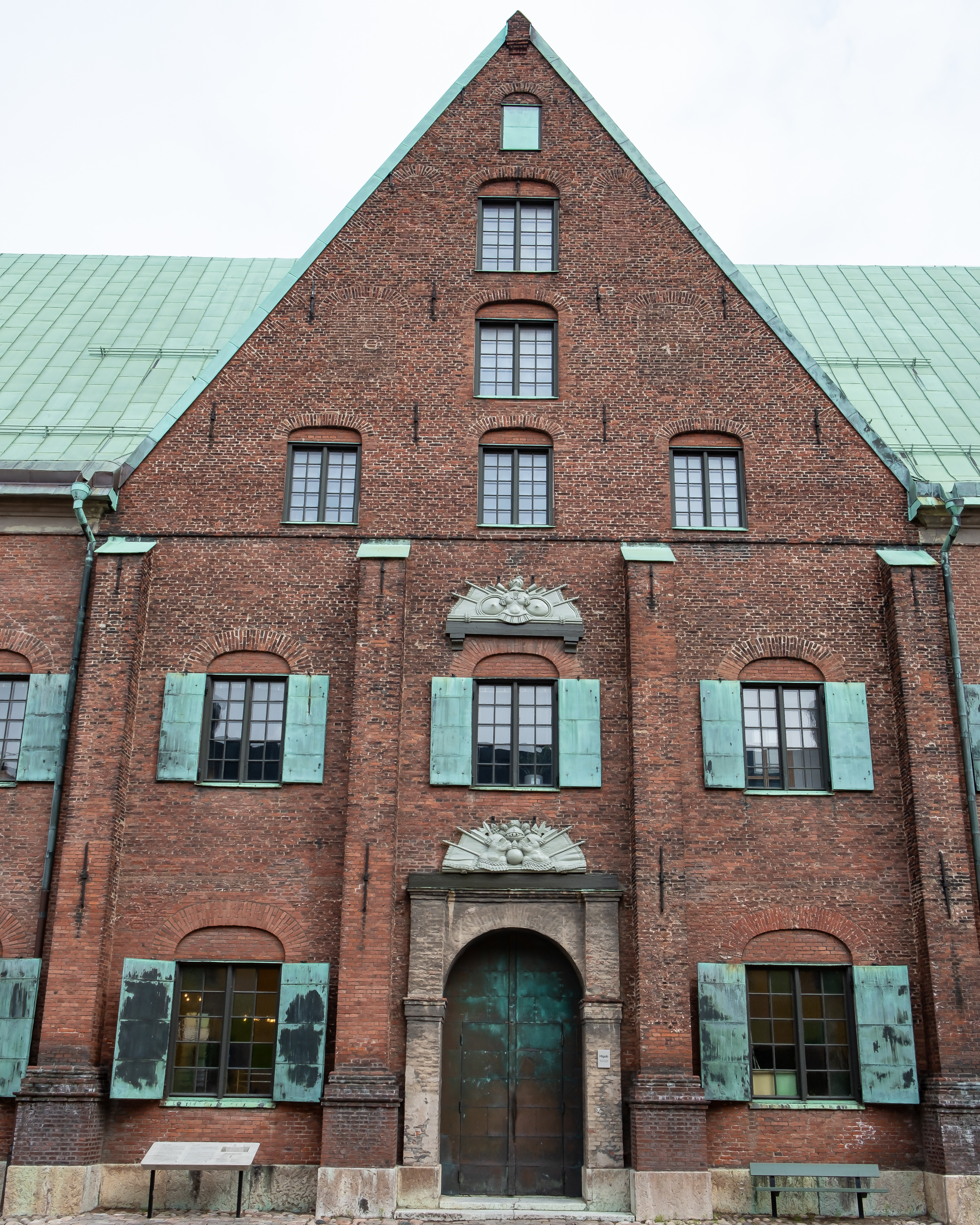
I like a bit of history so we wandered over to Skansen Kronen, a 17th century fortification on a small hill with decent views over the small city centre.

DSCF3003

DSCF3006

DSCF3007

DSCF3009

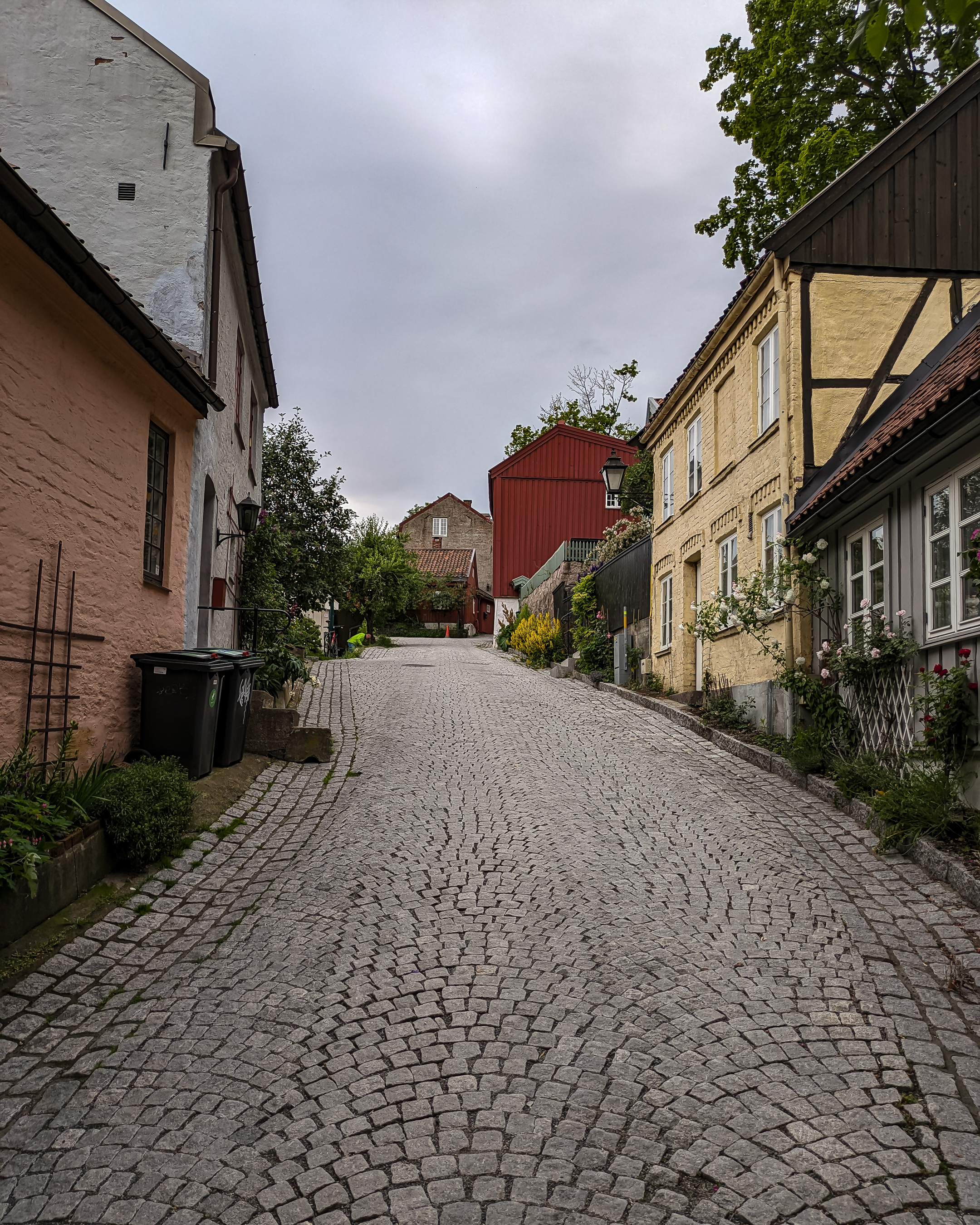
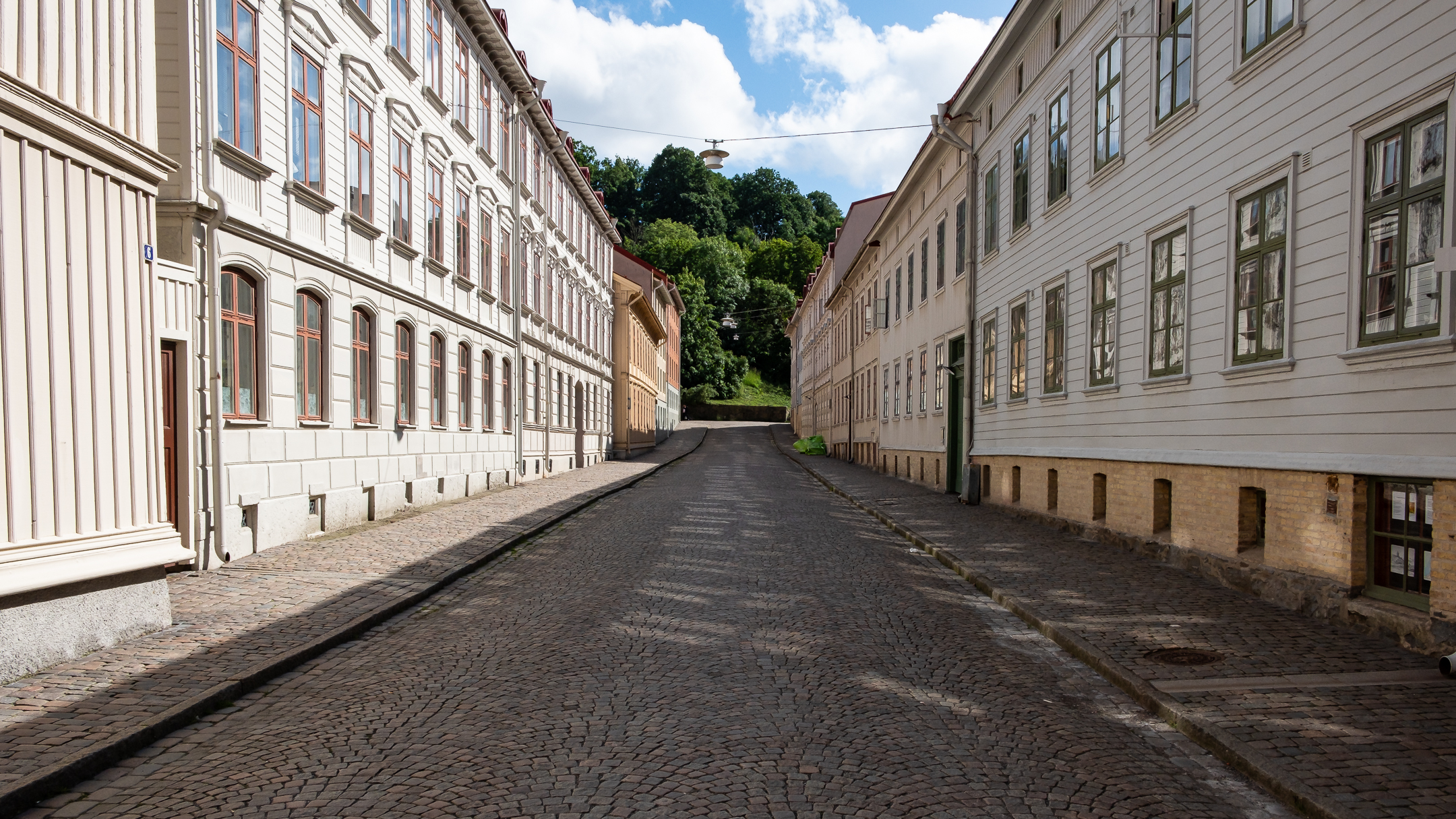
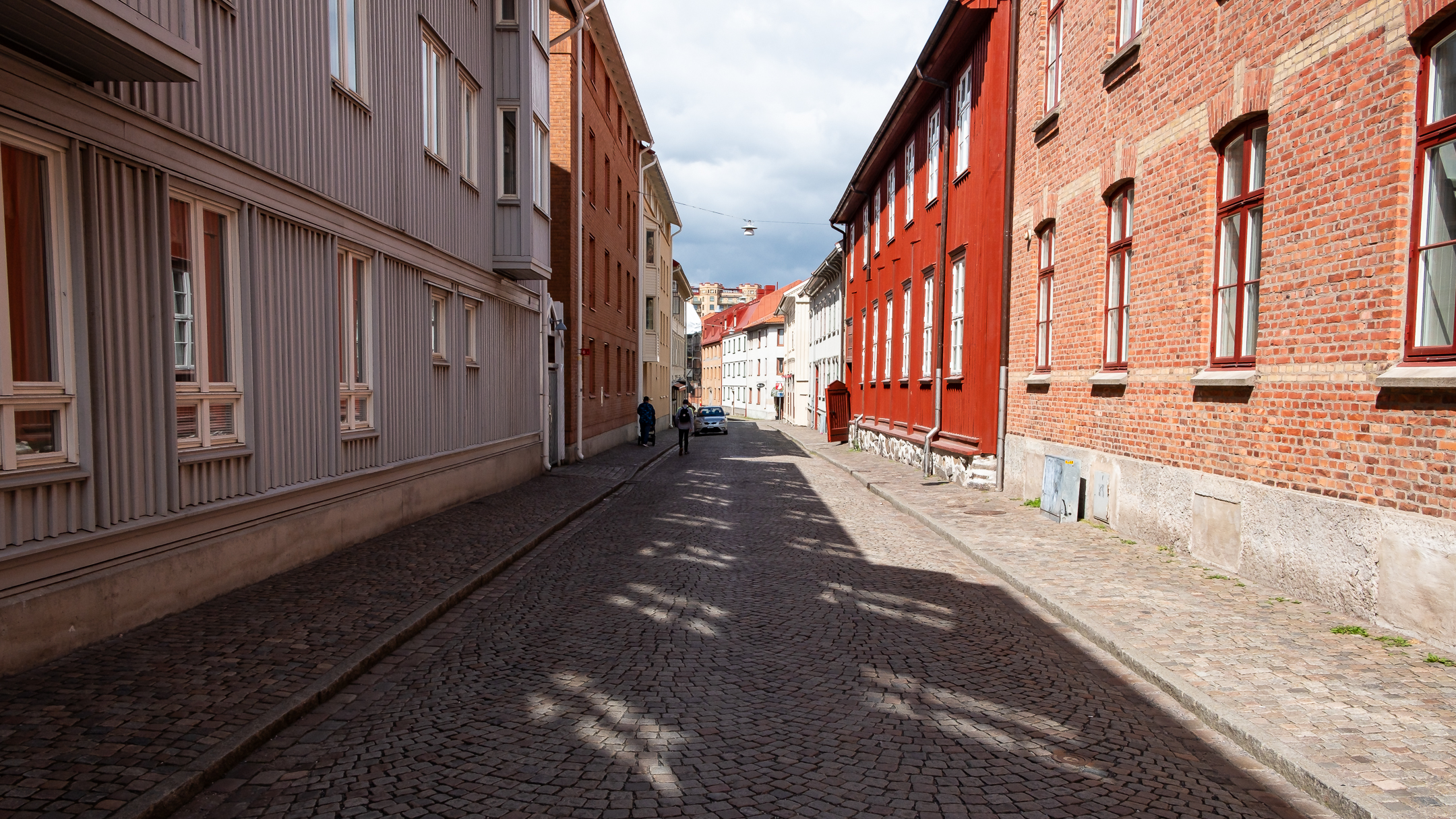
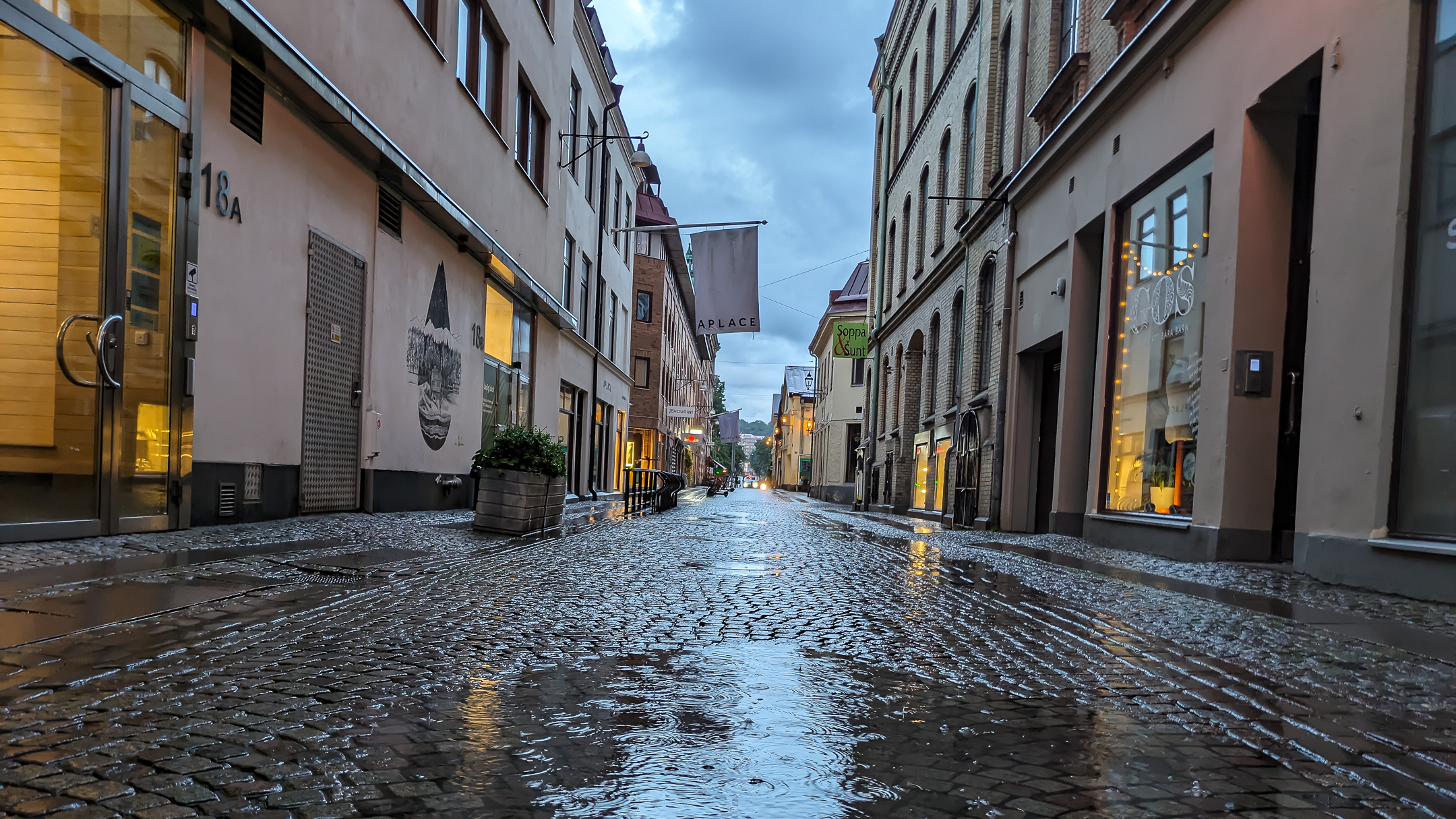
We stopped for lunch in the nearby Haga area and had a walk around the cobbled residential streets; in hindsight this would be the area to stay in. It was the least busy area we visited and was quaint in it’s own way. There were none of the narrow cobbled alley ways that we found in the old town of Stockholm.

DSCF3010

DSCF3001

We last minute booked a table at Fiskbar 17, a small fish restaurant with only four or five things on the menu. It was my absolute highlight of Gothenburg; the food was stunning, the cocktails delicious and the vibe was perfect.

PXL_20240613_175957758

It was a fine evening, though made more interesting on the walk back to the hotel after some fairly intense rain. it was hard to believe it was almost 11pm when we left. This far north the sun sets quite late.

PXL_20240613_195850126

PXL_20240613_175445829.MP

We had a couple of hours the following day before the train to Oslo so we all set off to do our own thing. Mine was to try and find something interesting to photograph. There wasn’t much to be honest.

DSCF3012

DSCF3015

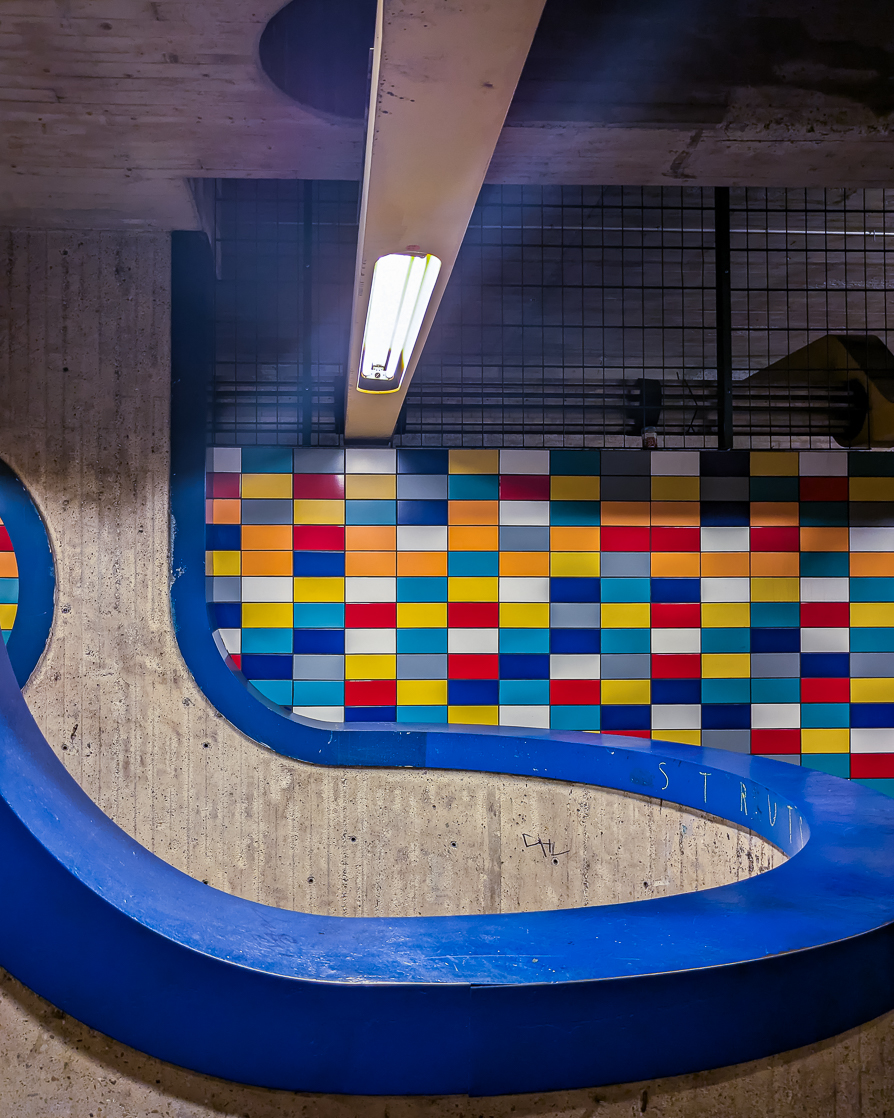
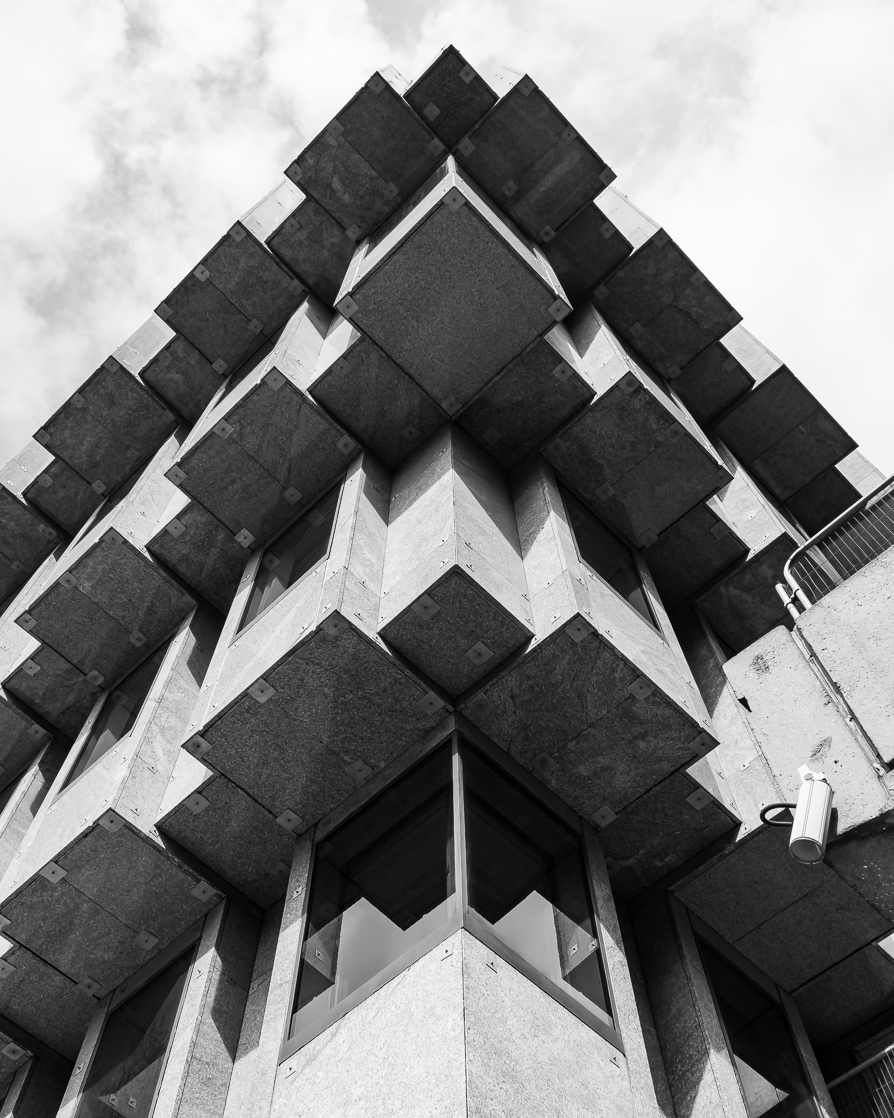
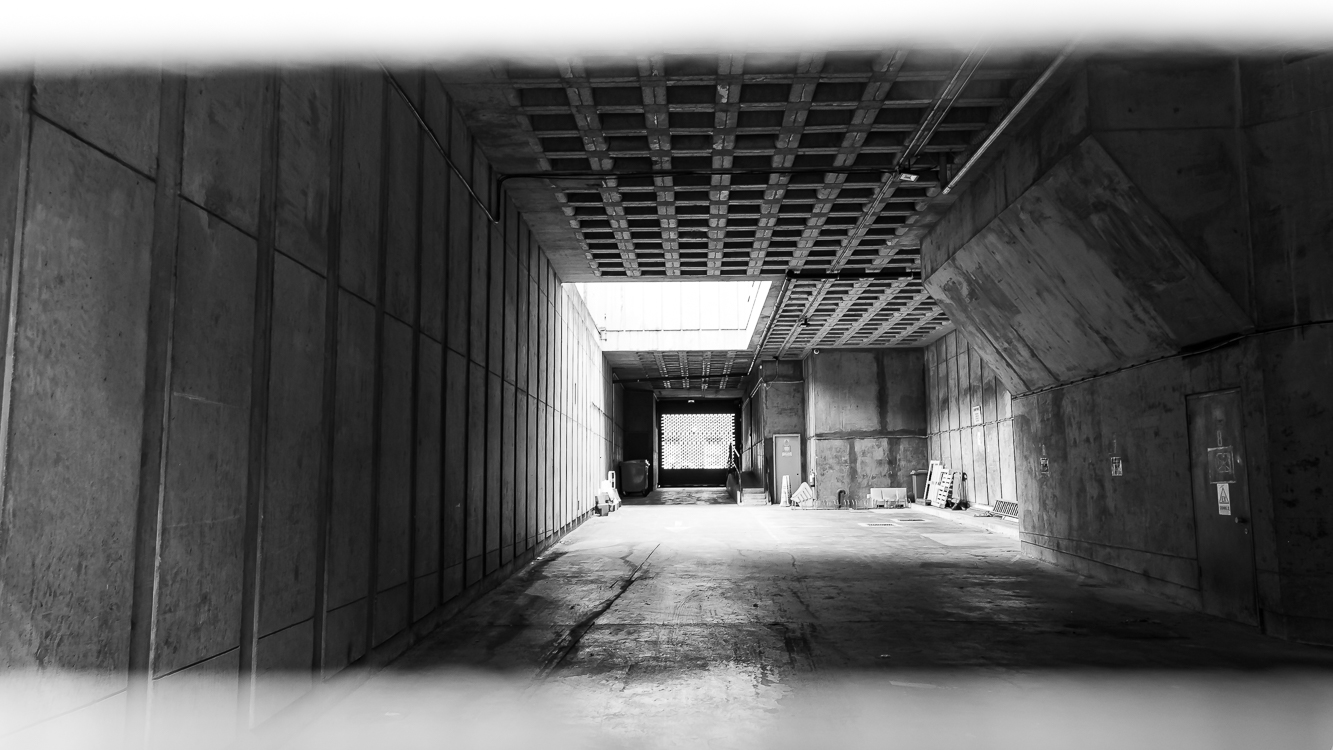
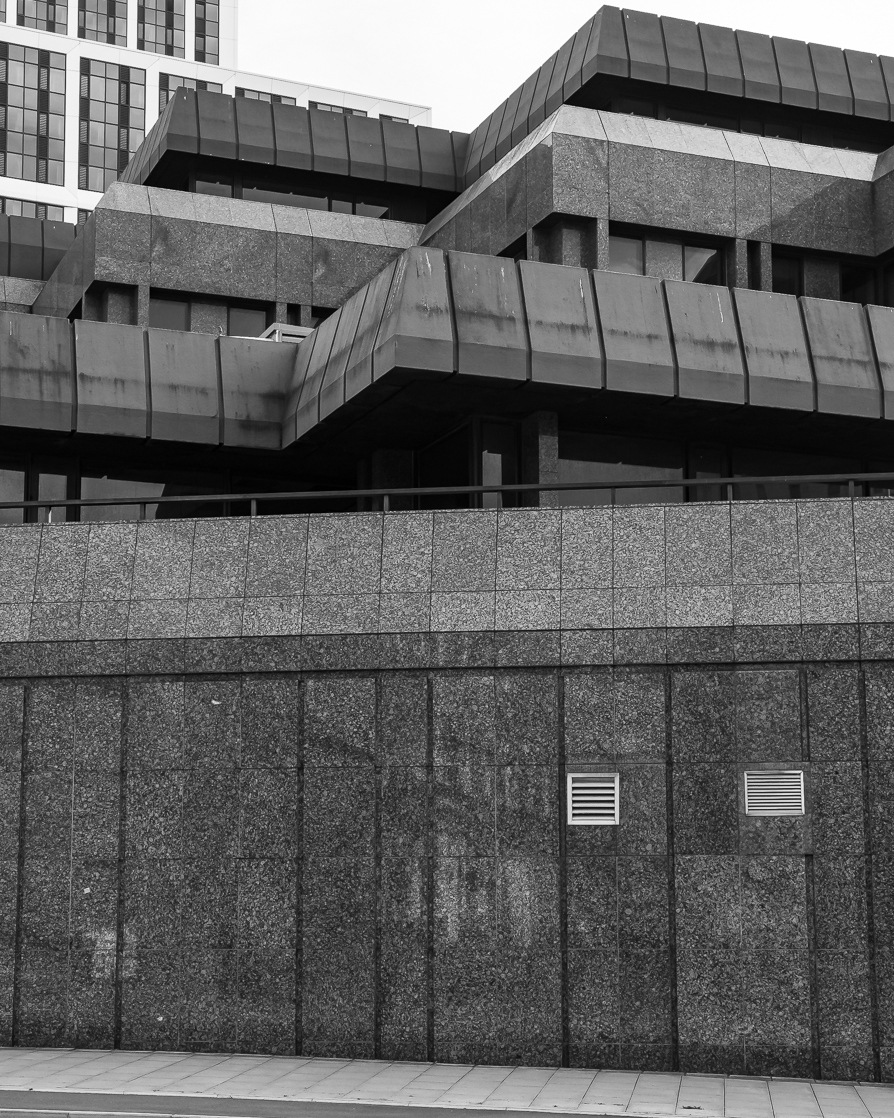
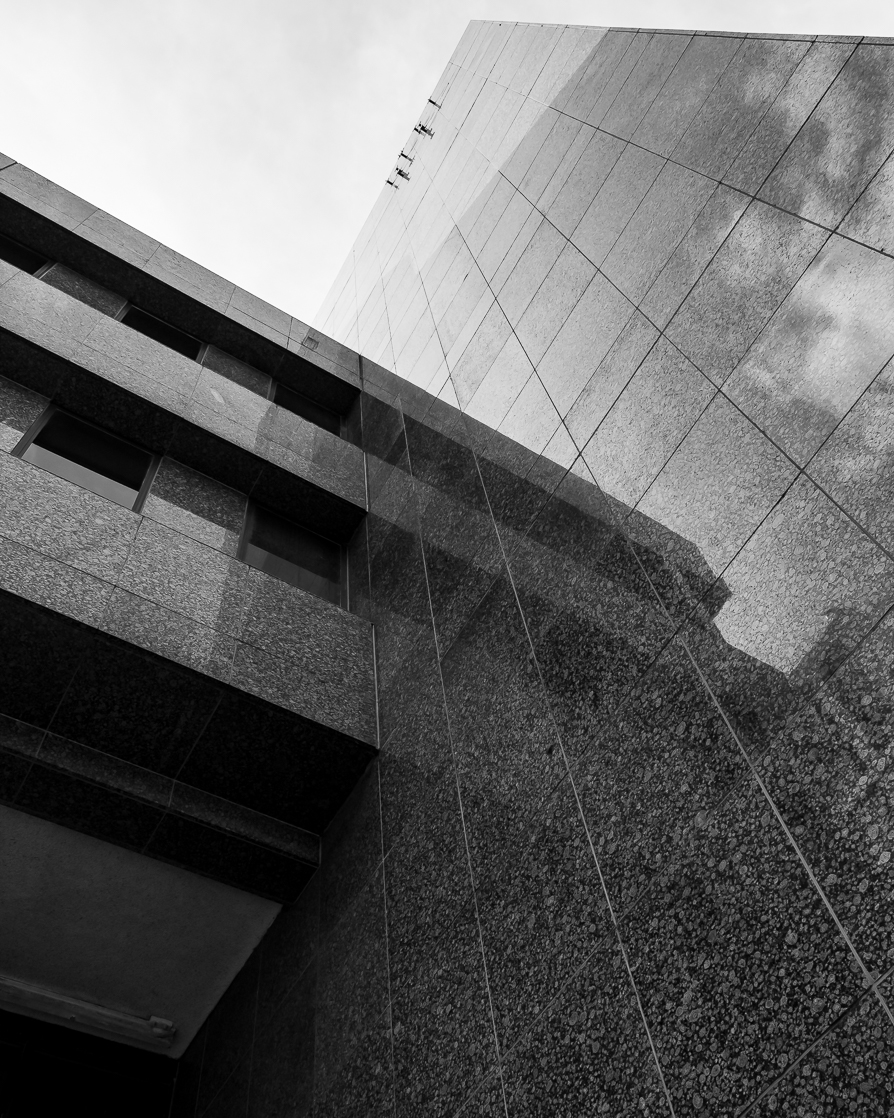
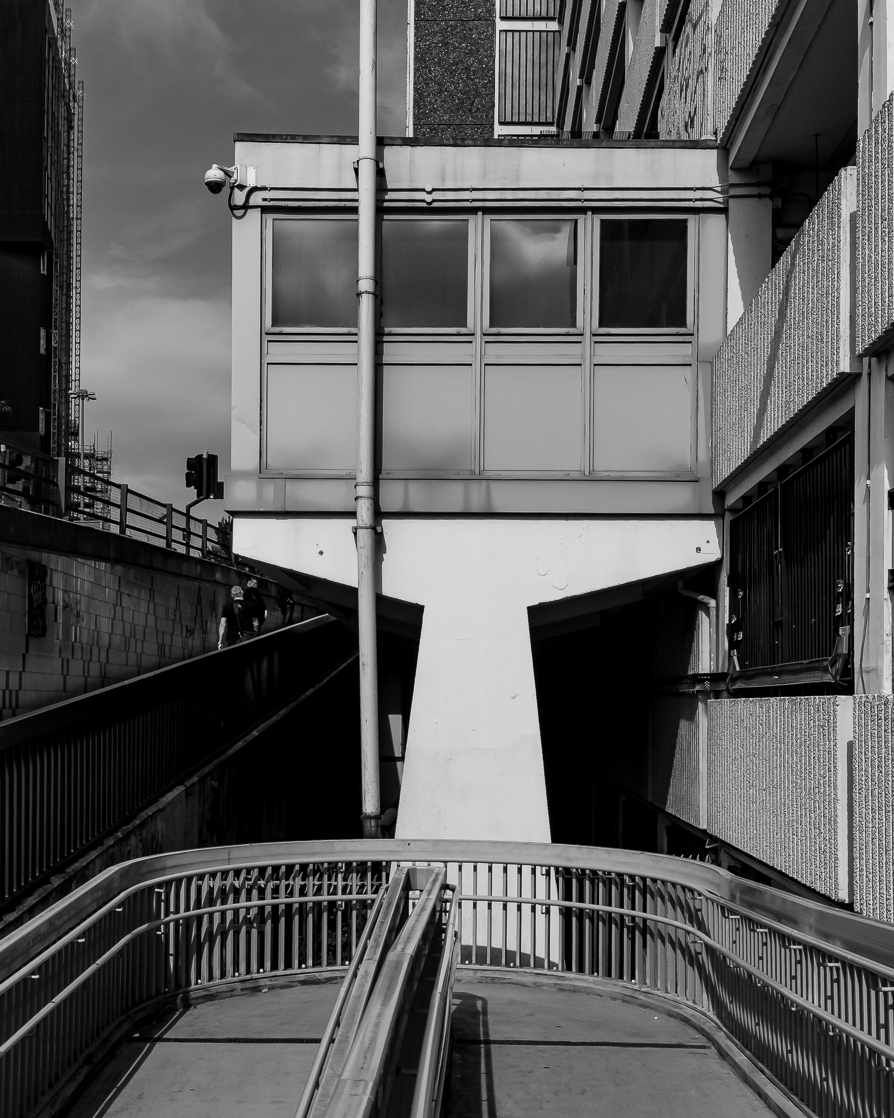
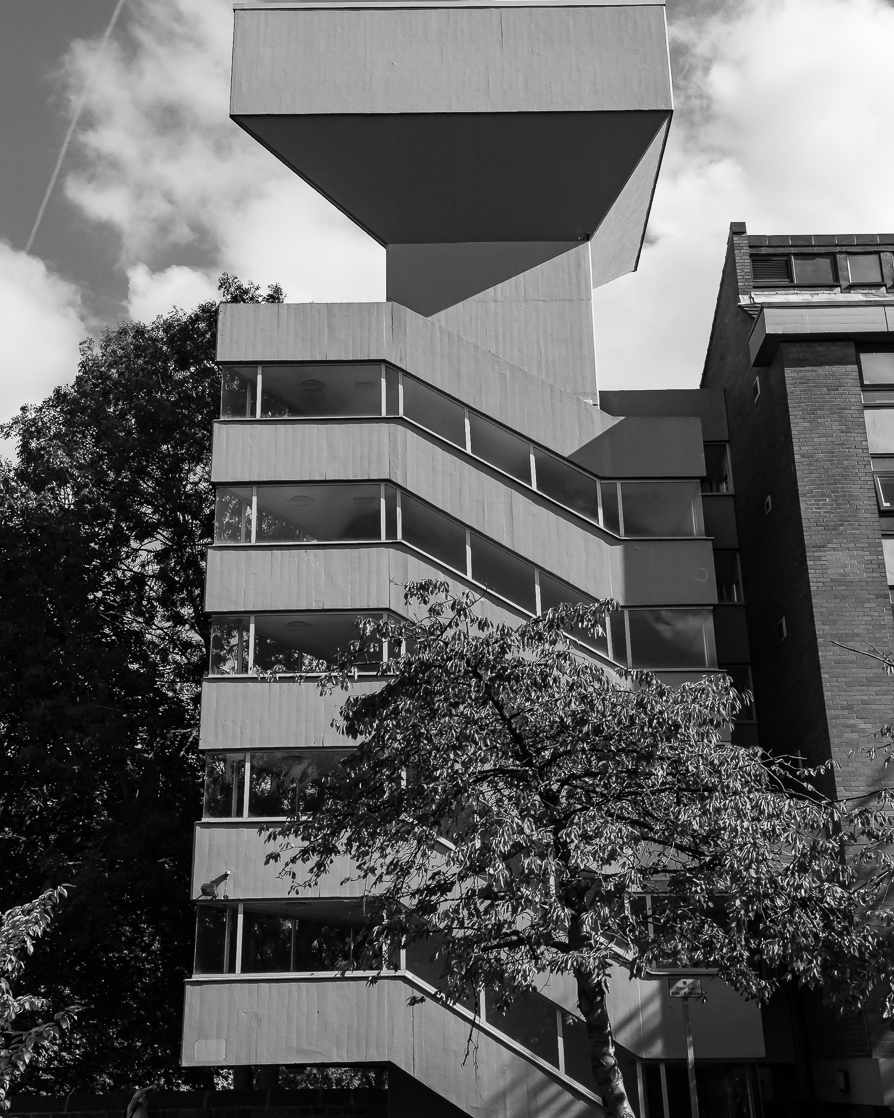
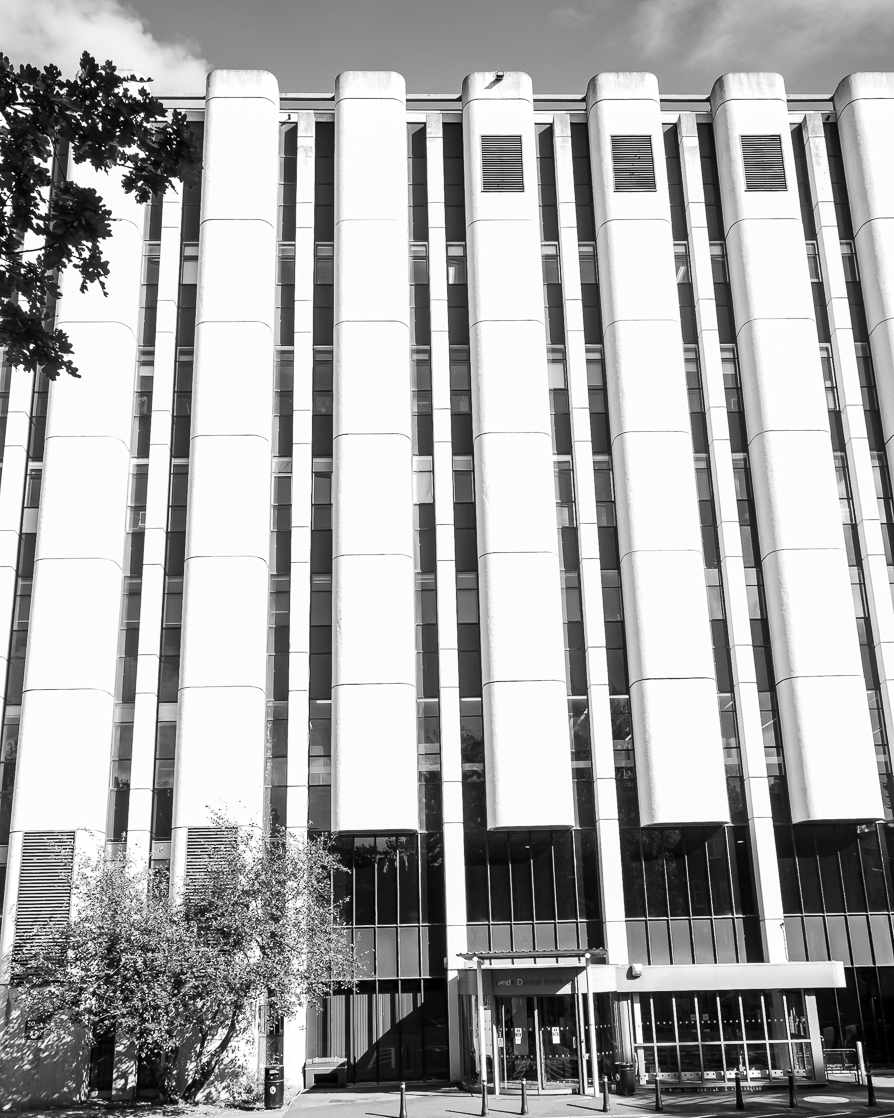
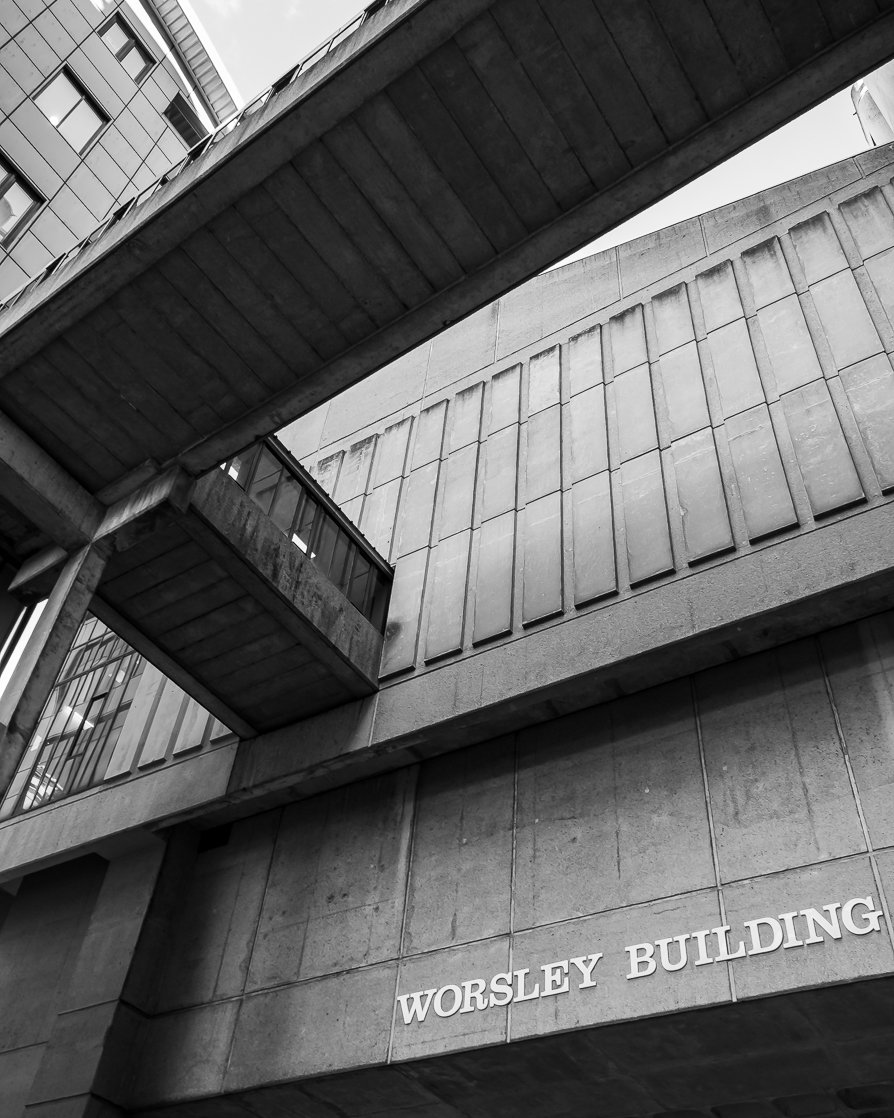
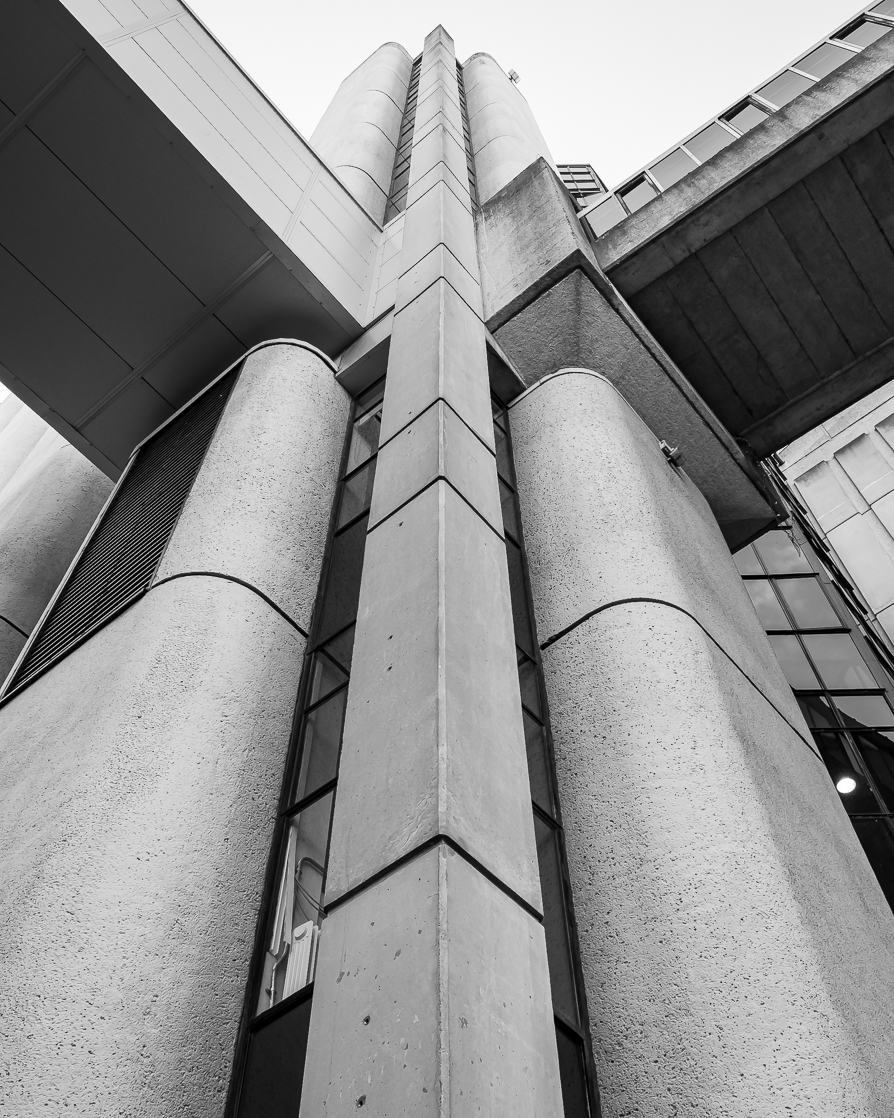
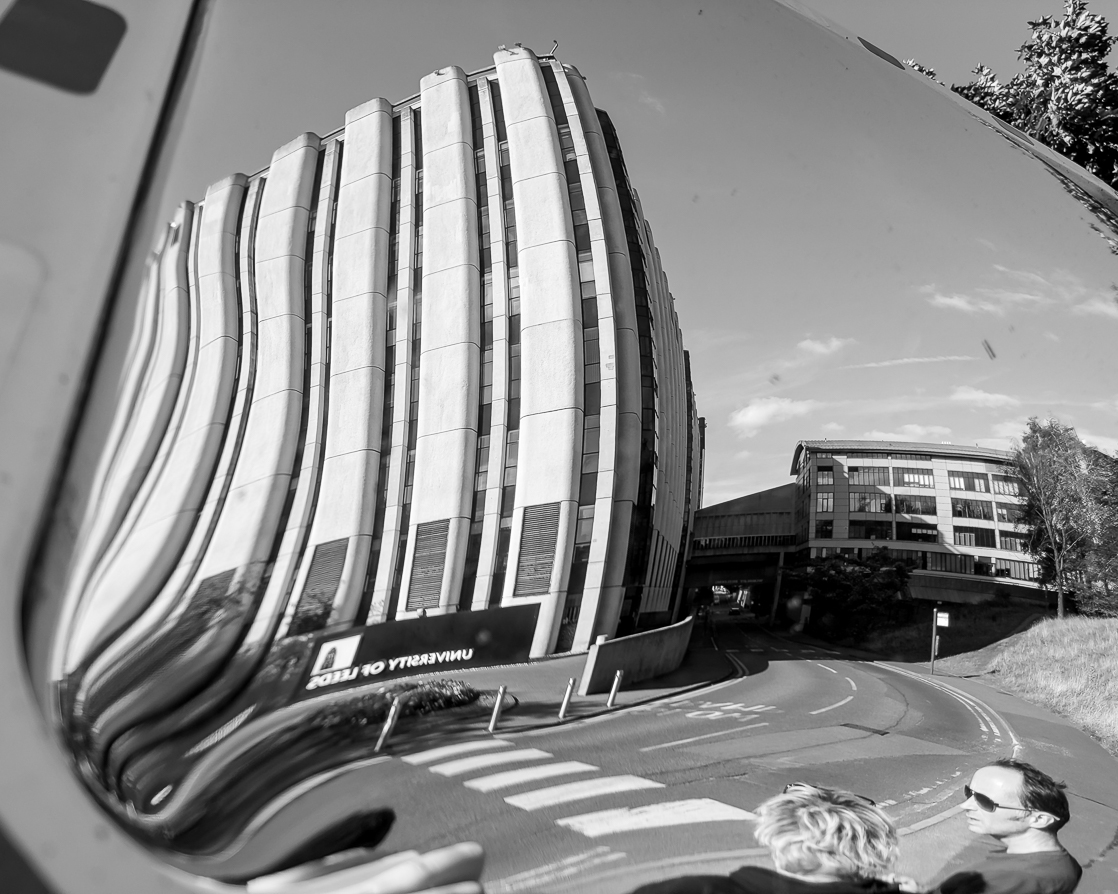
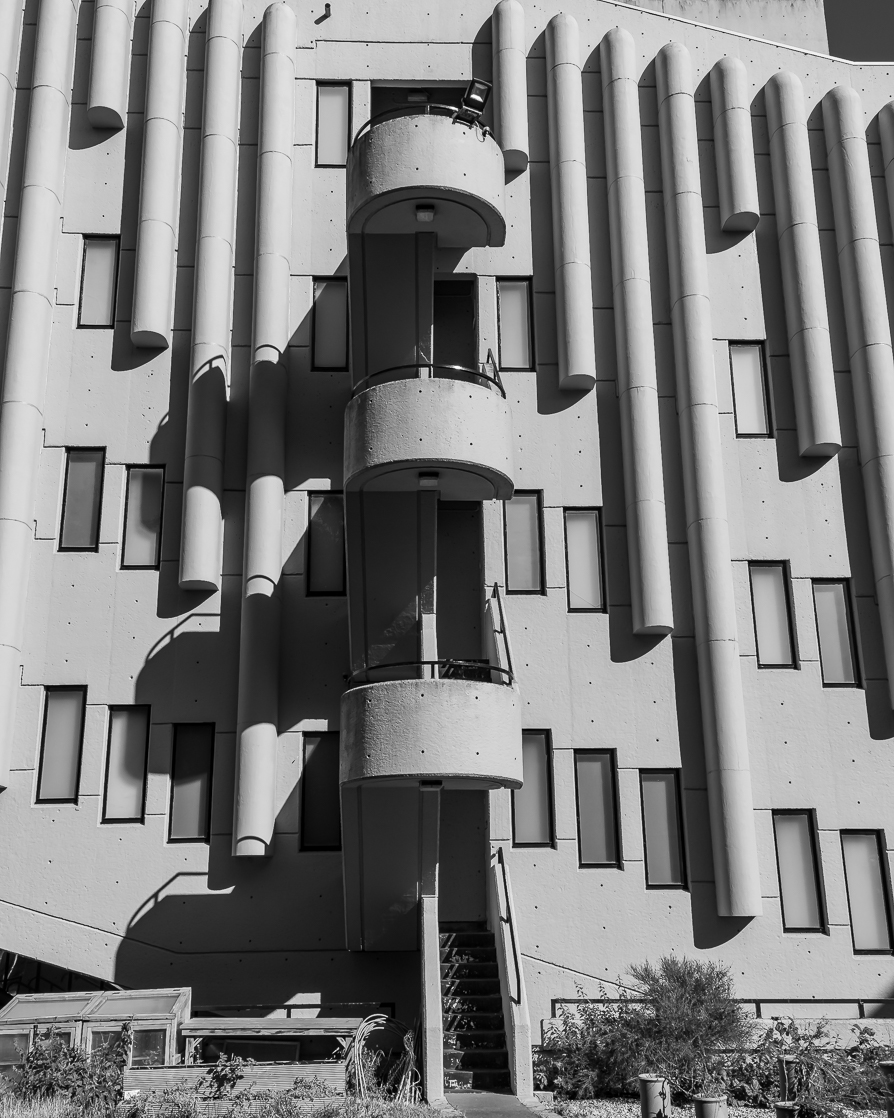
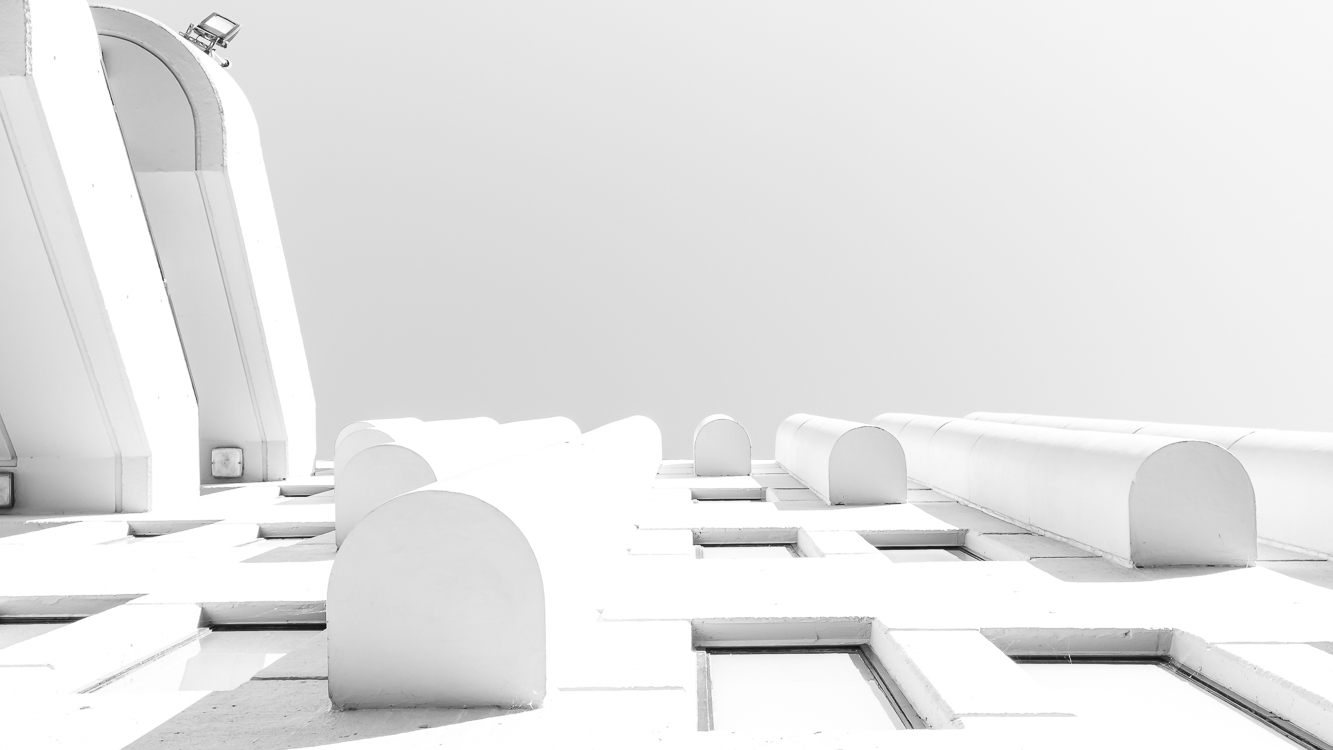
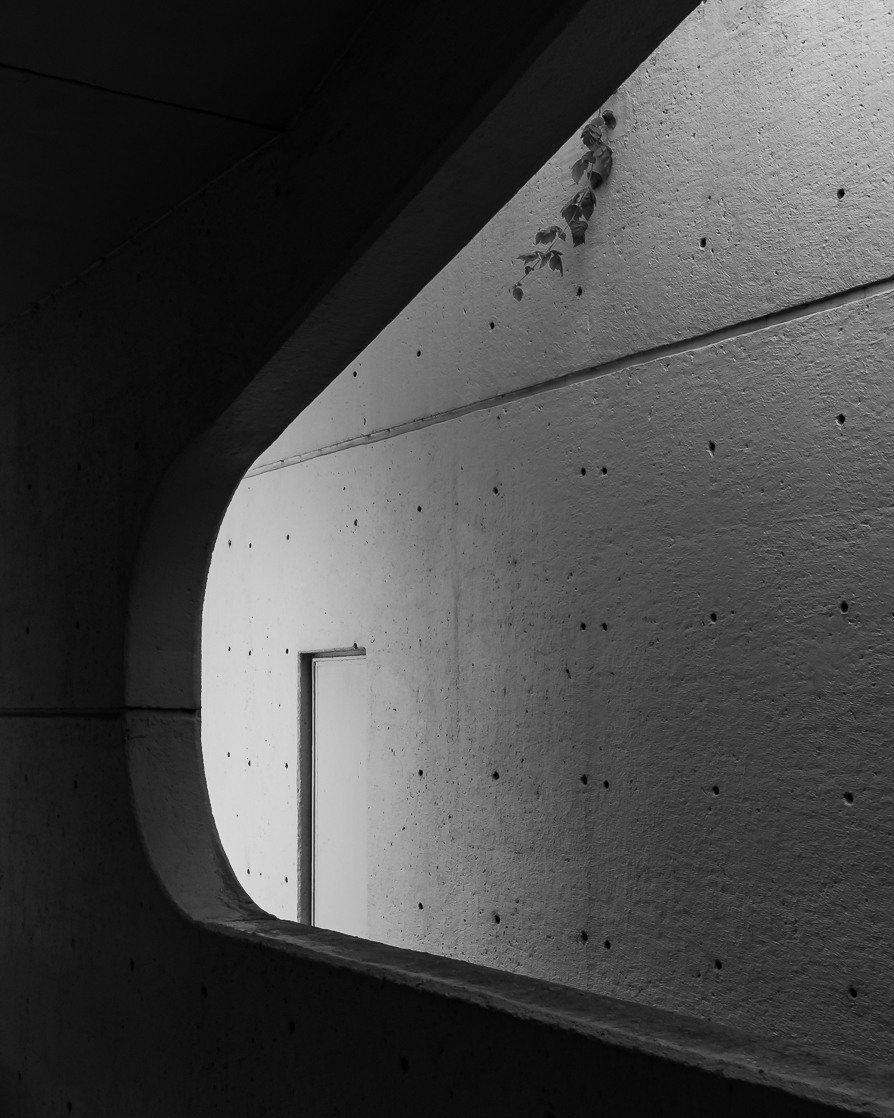
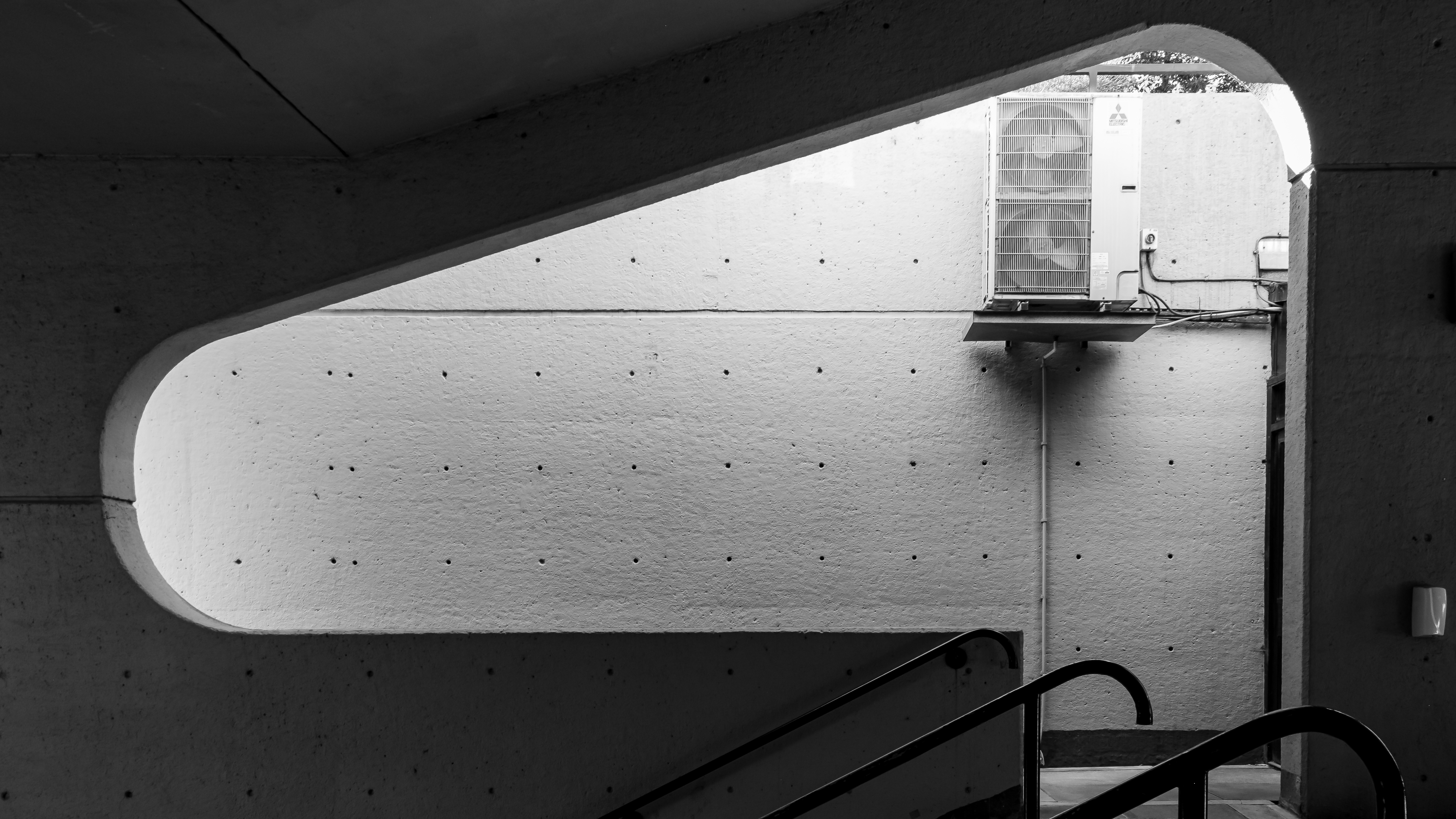
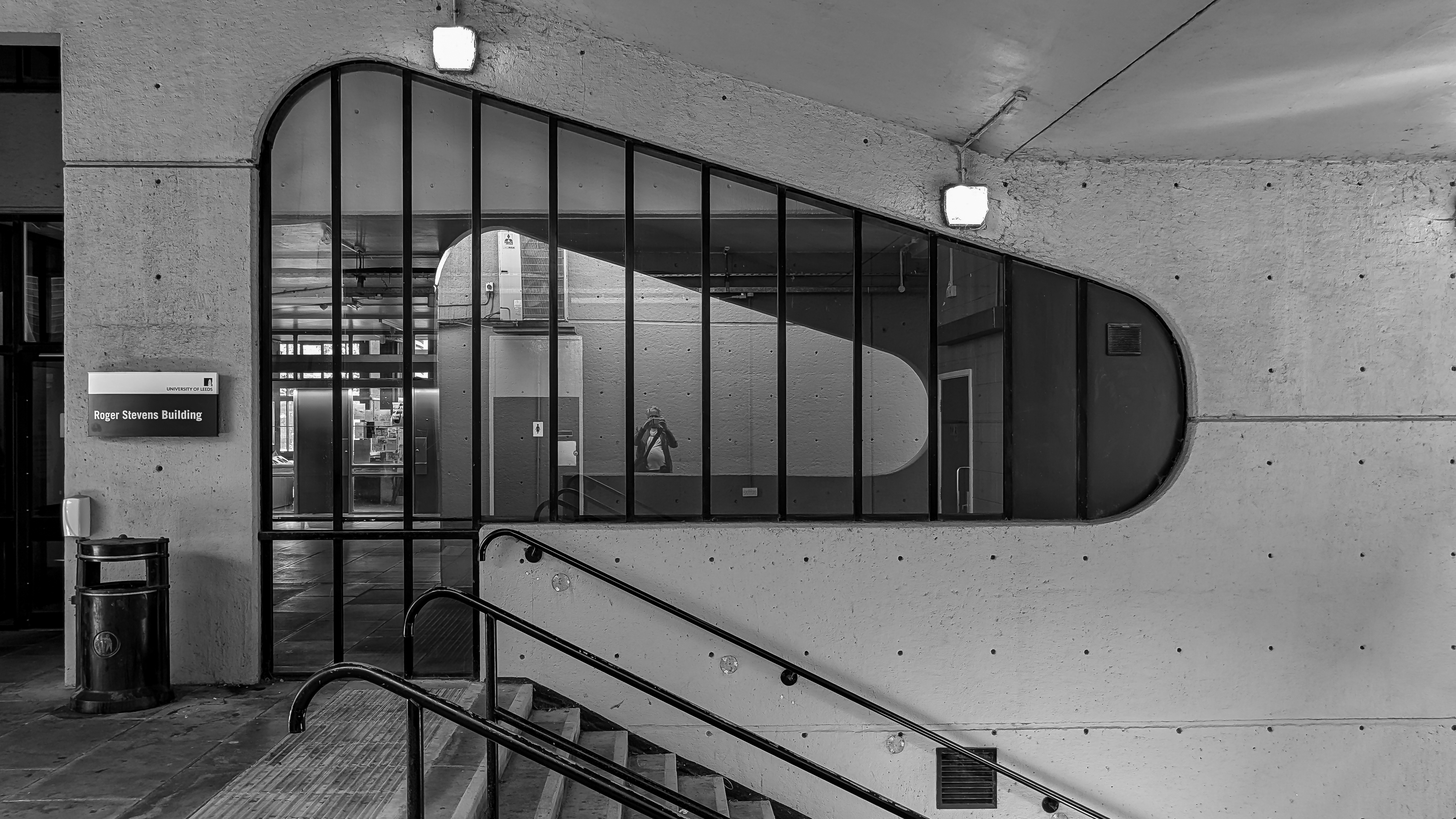
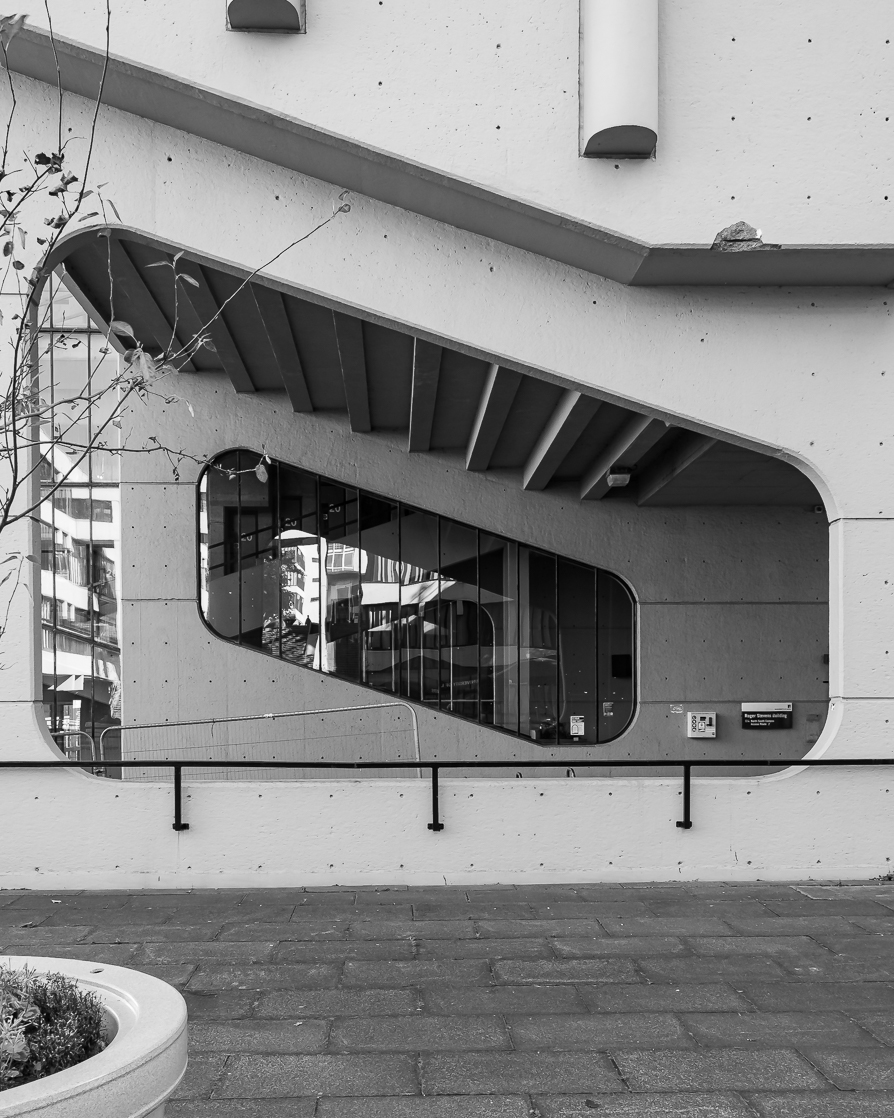
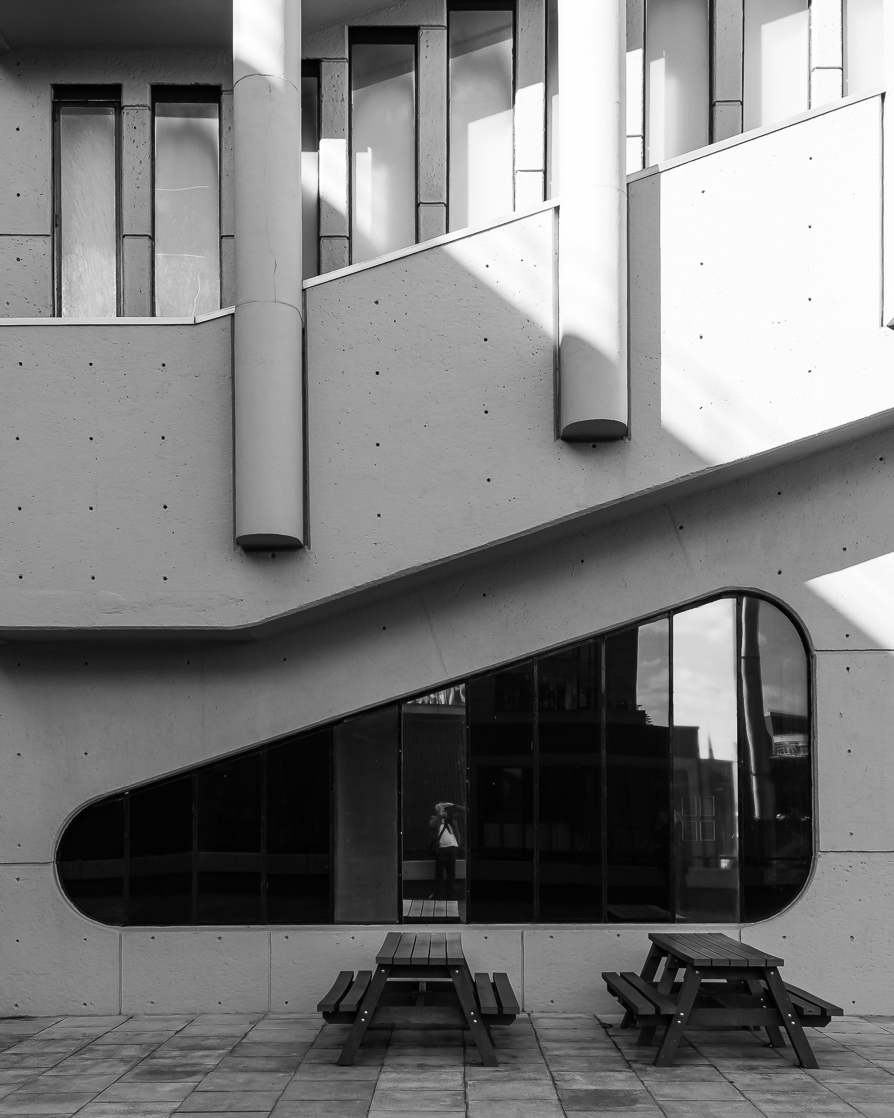
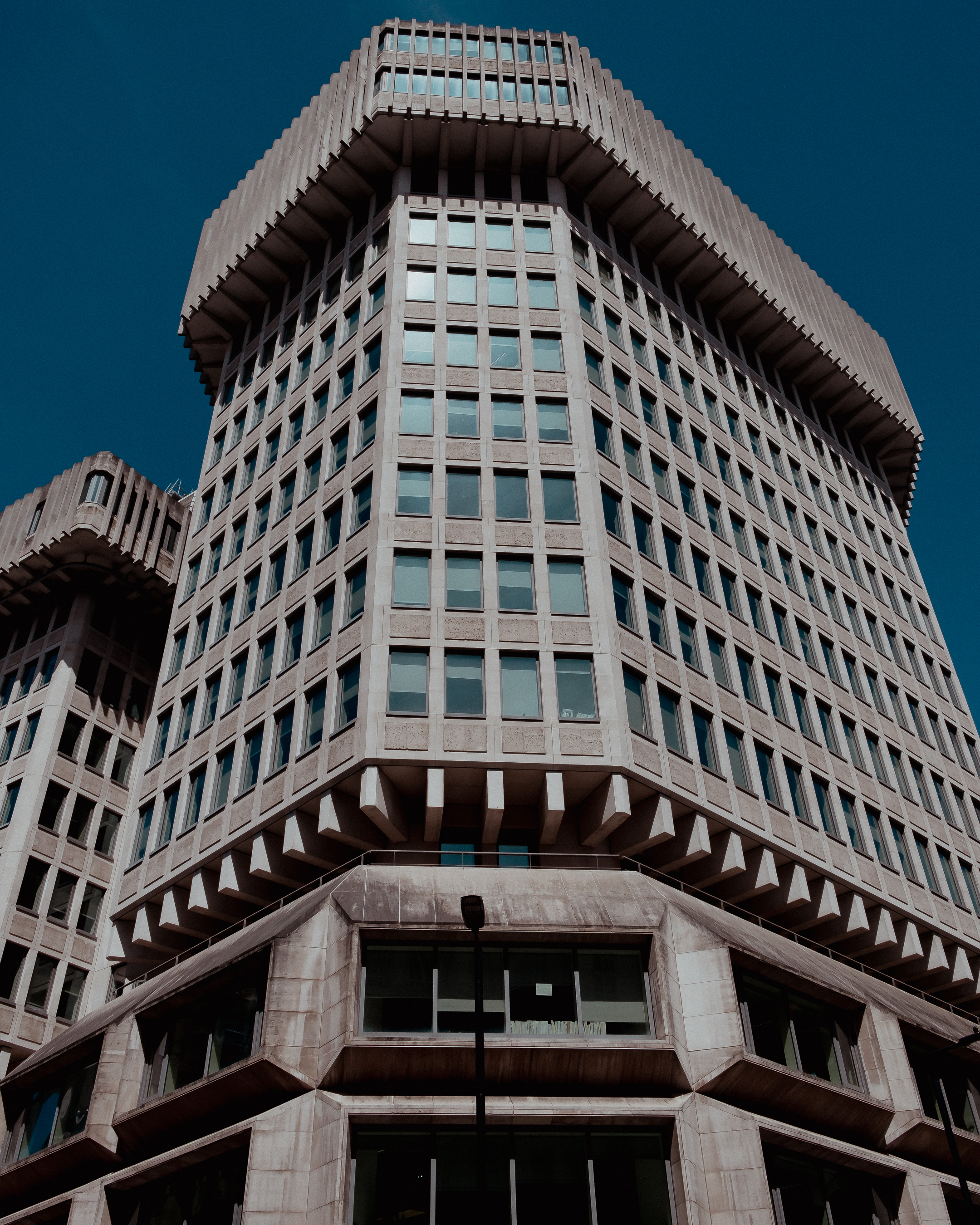
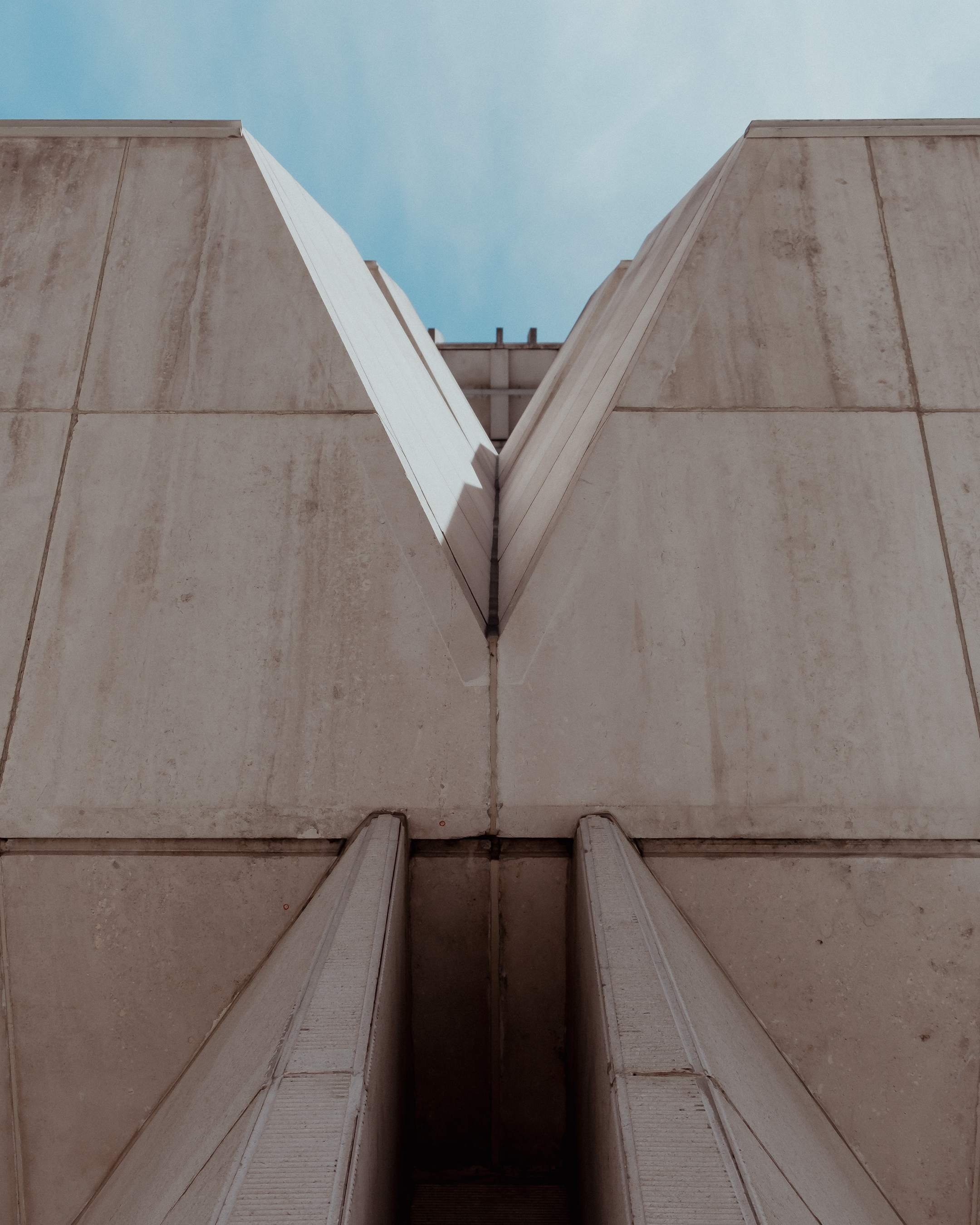
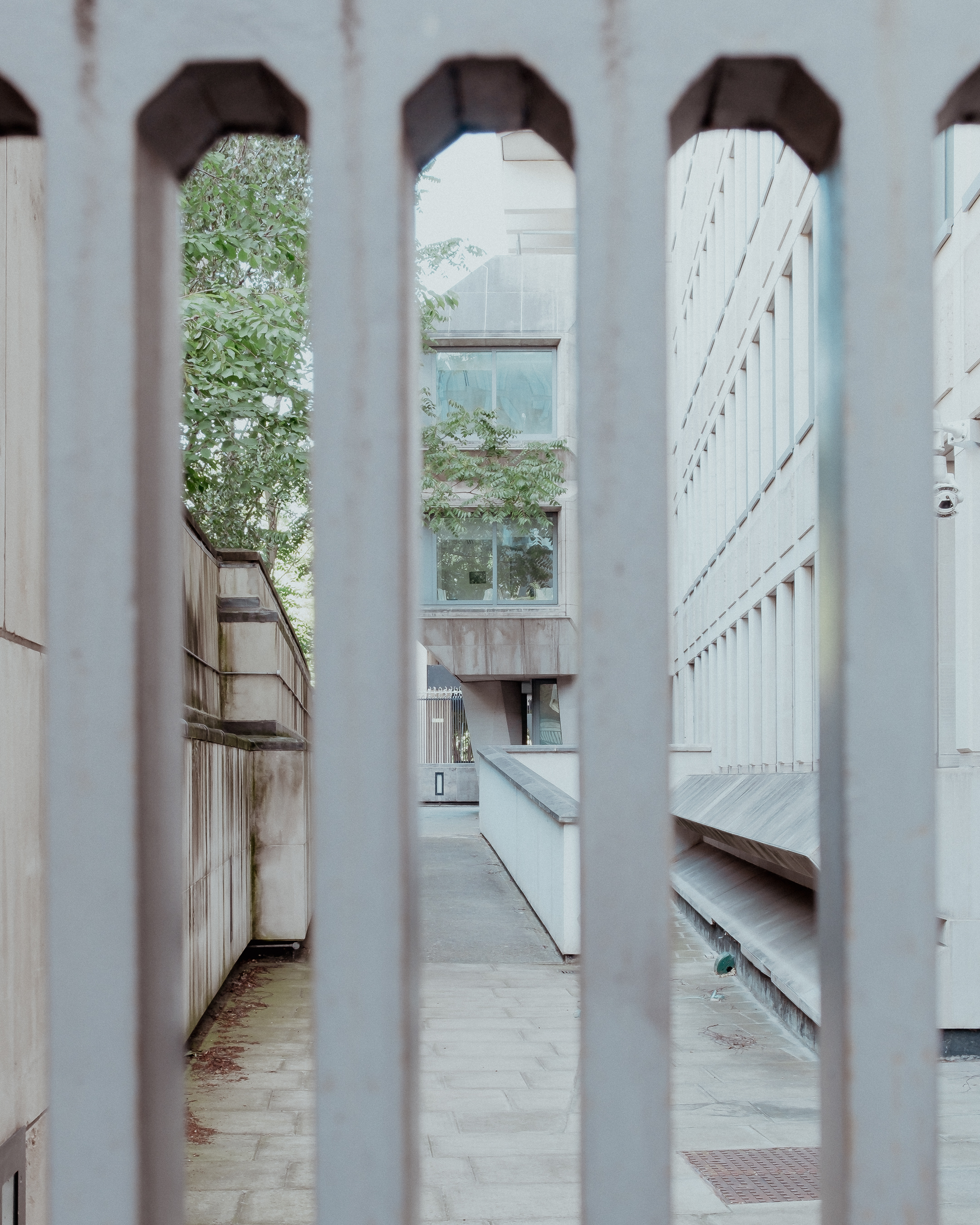
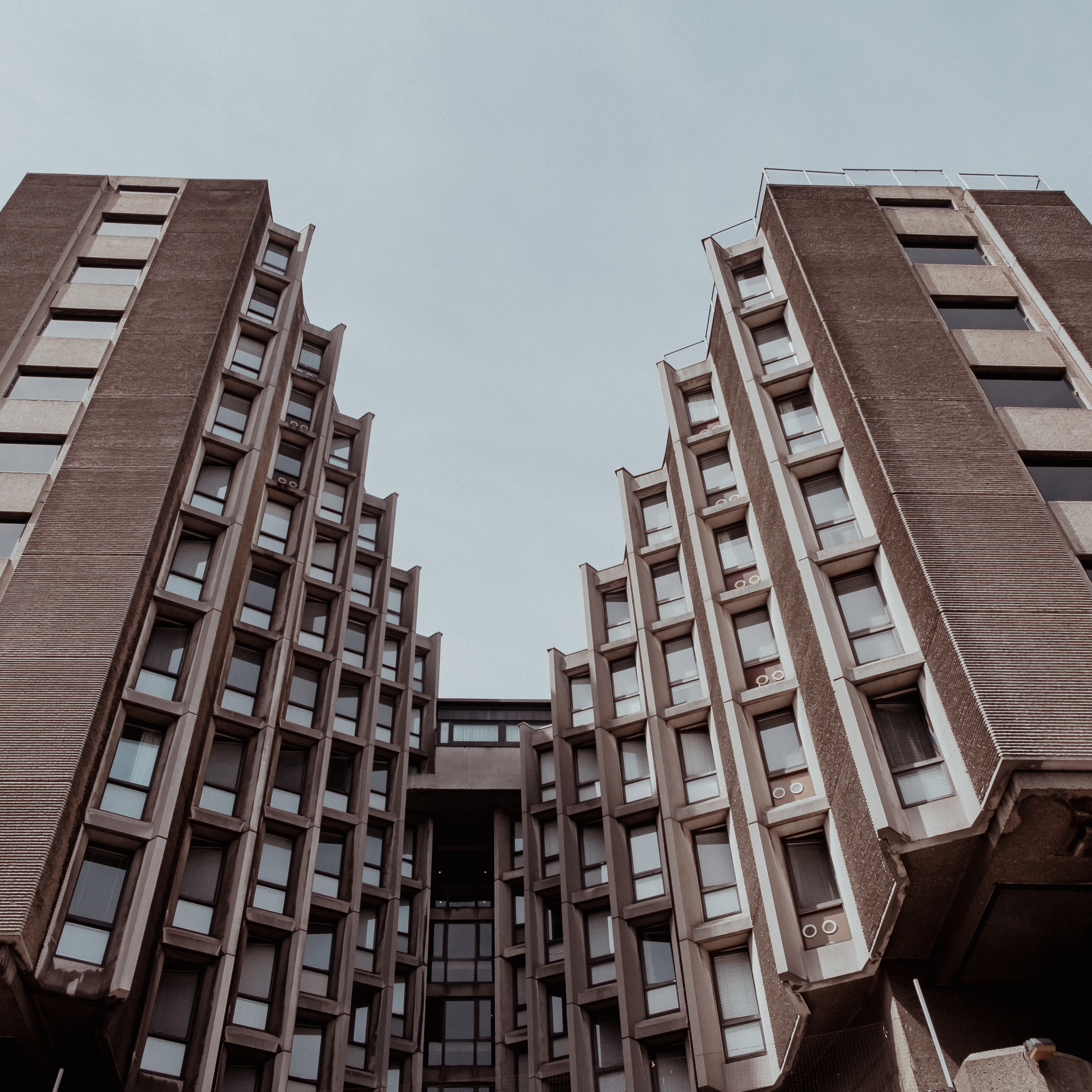
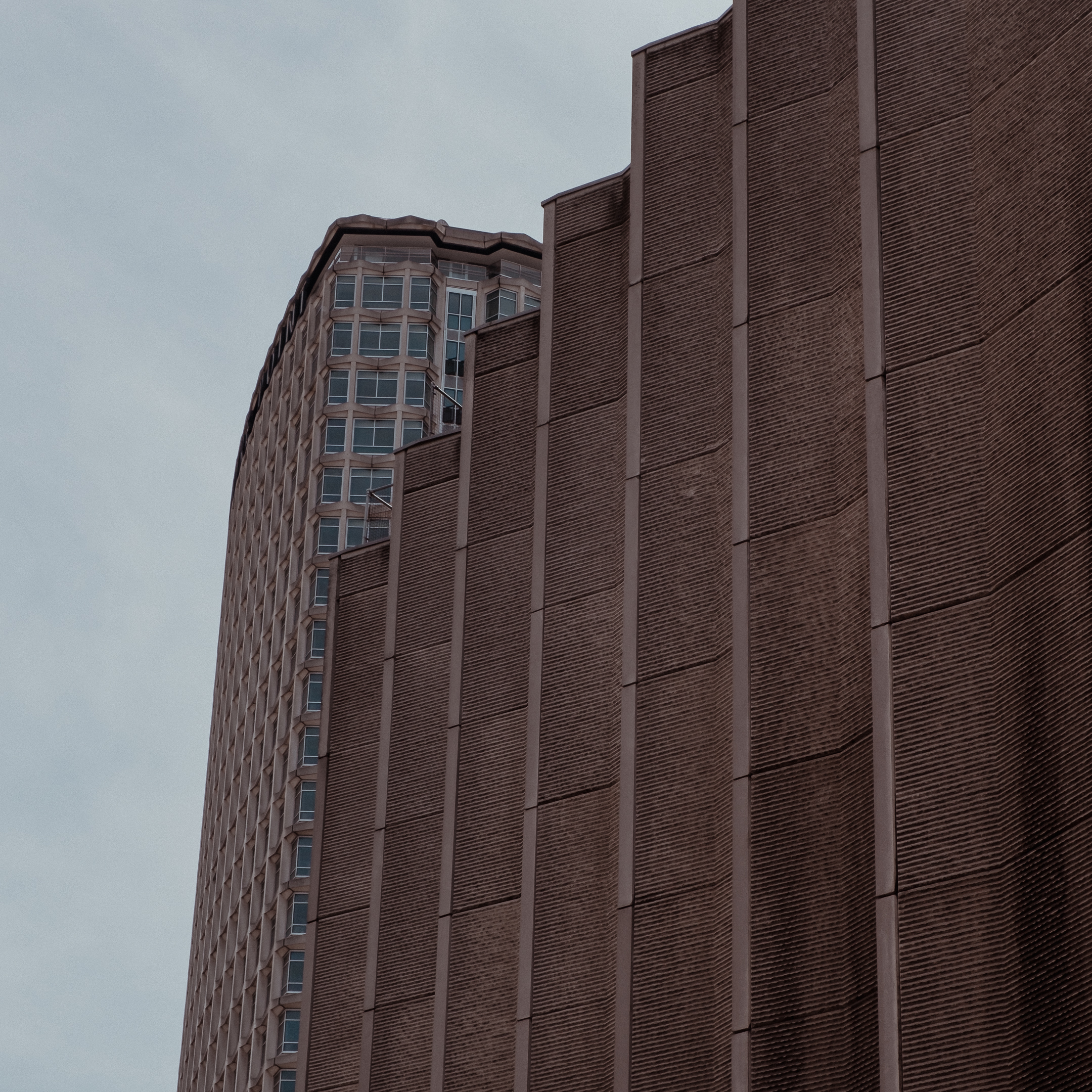
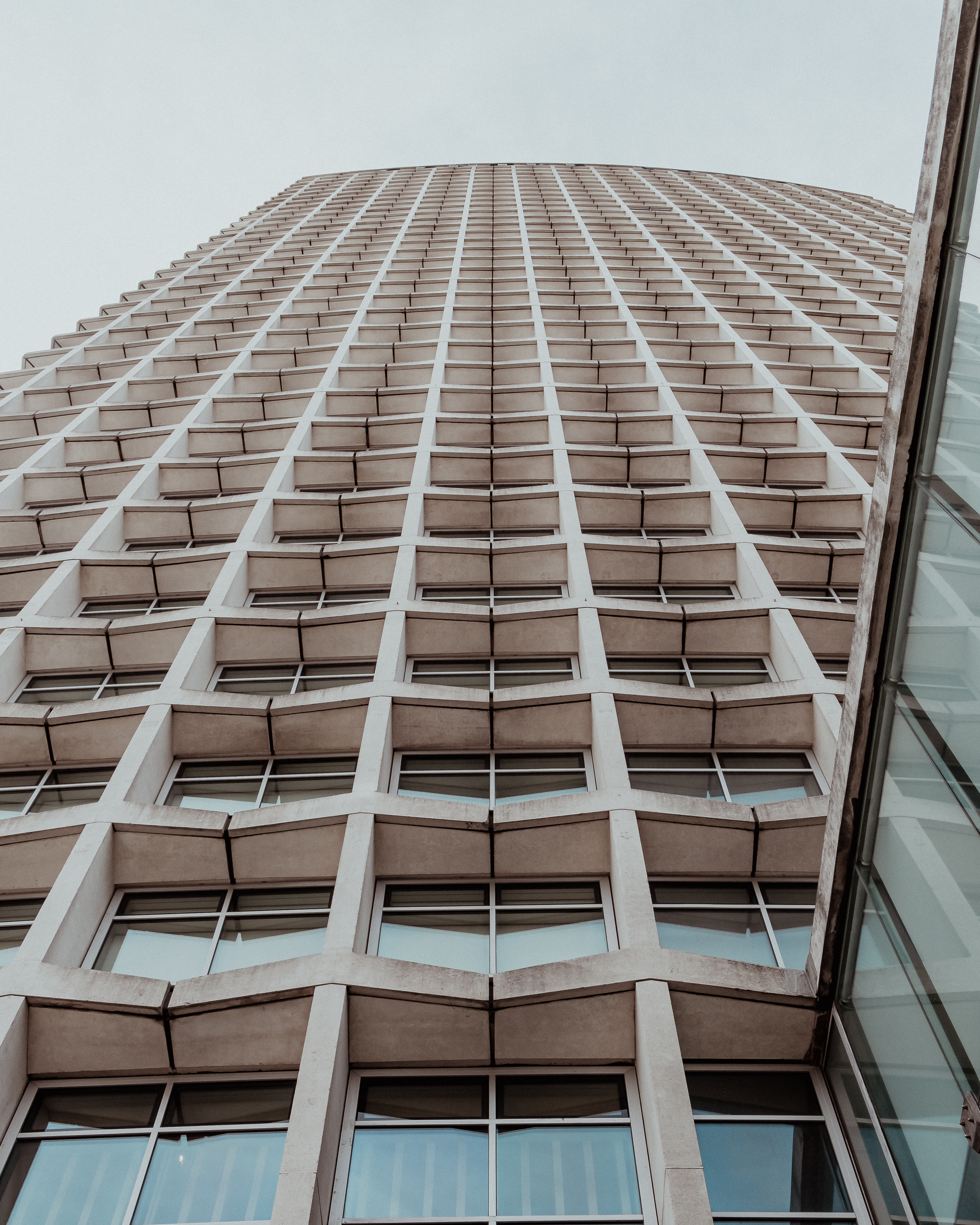
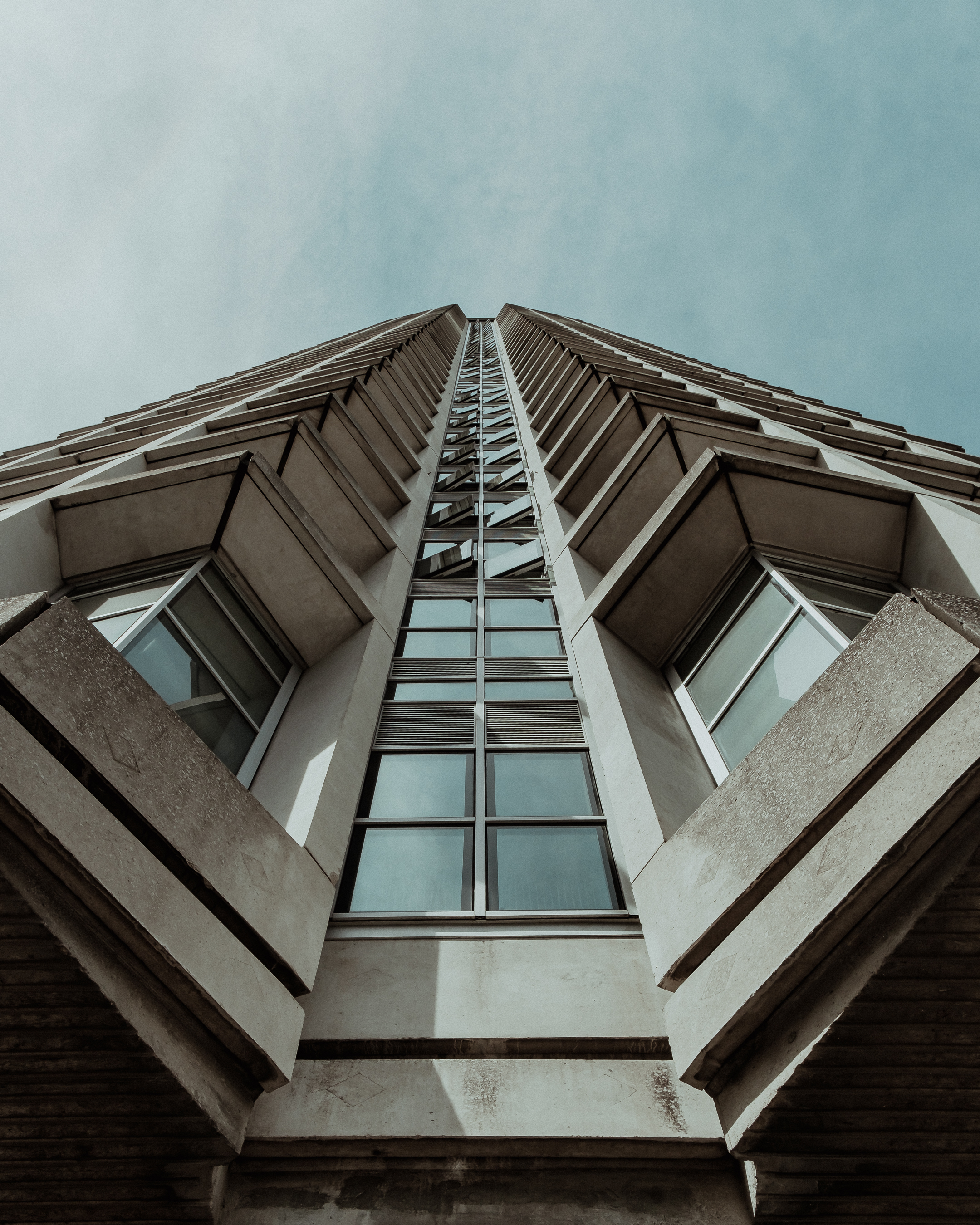
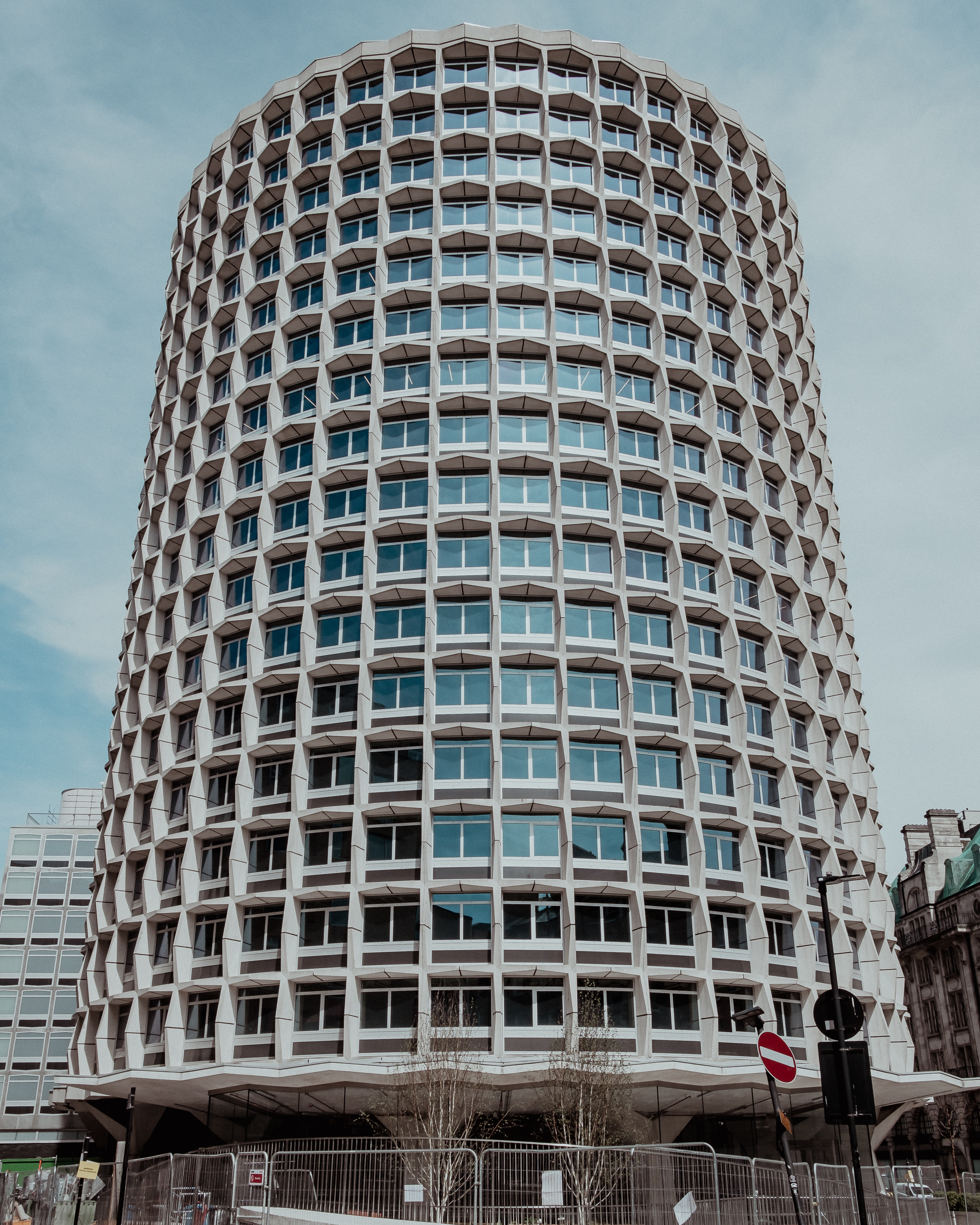
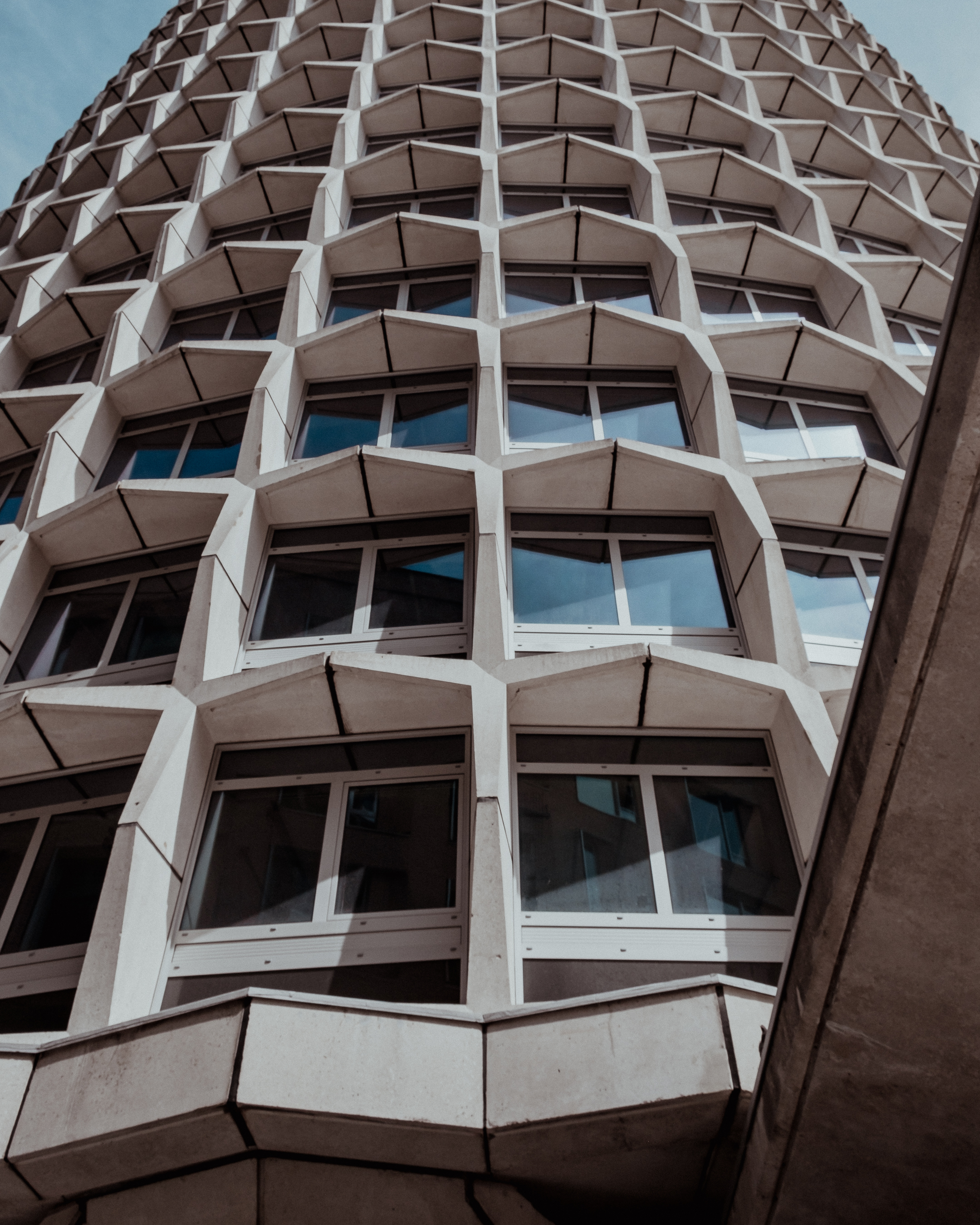
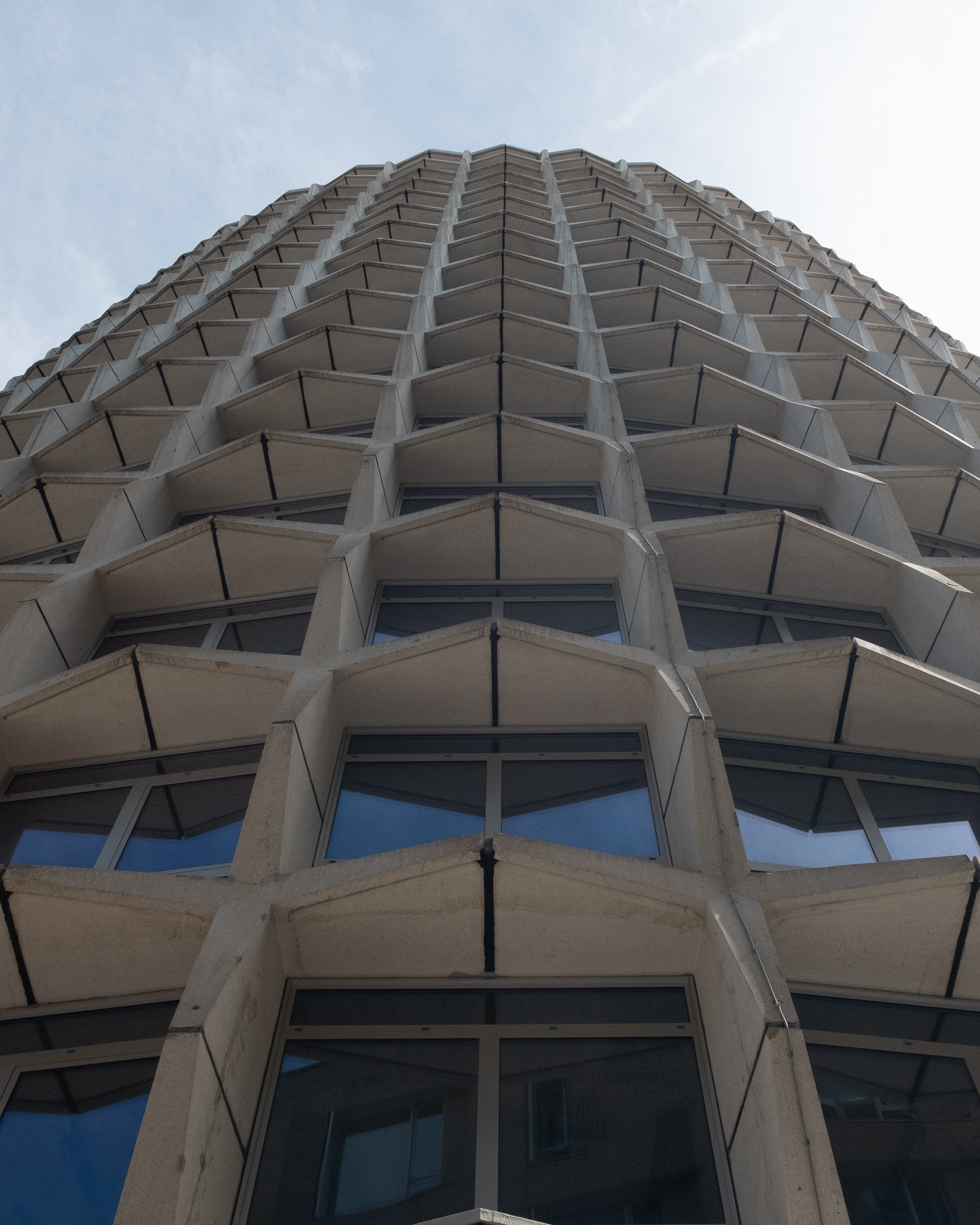
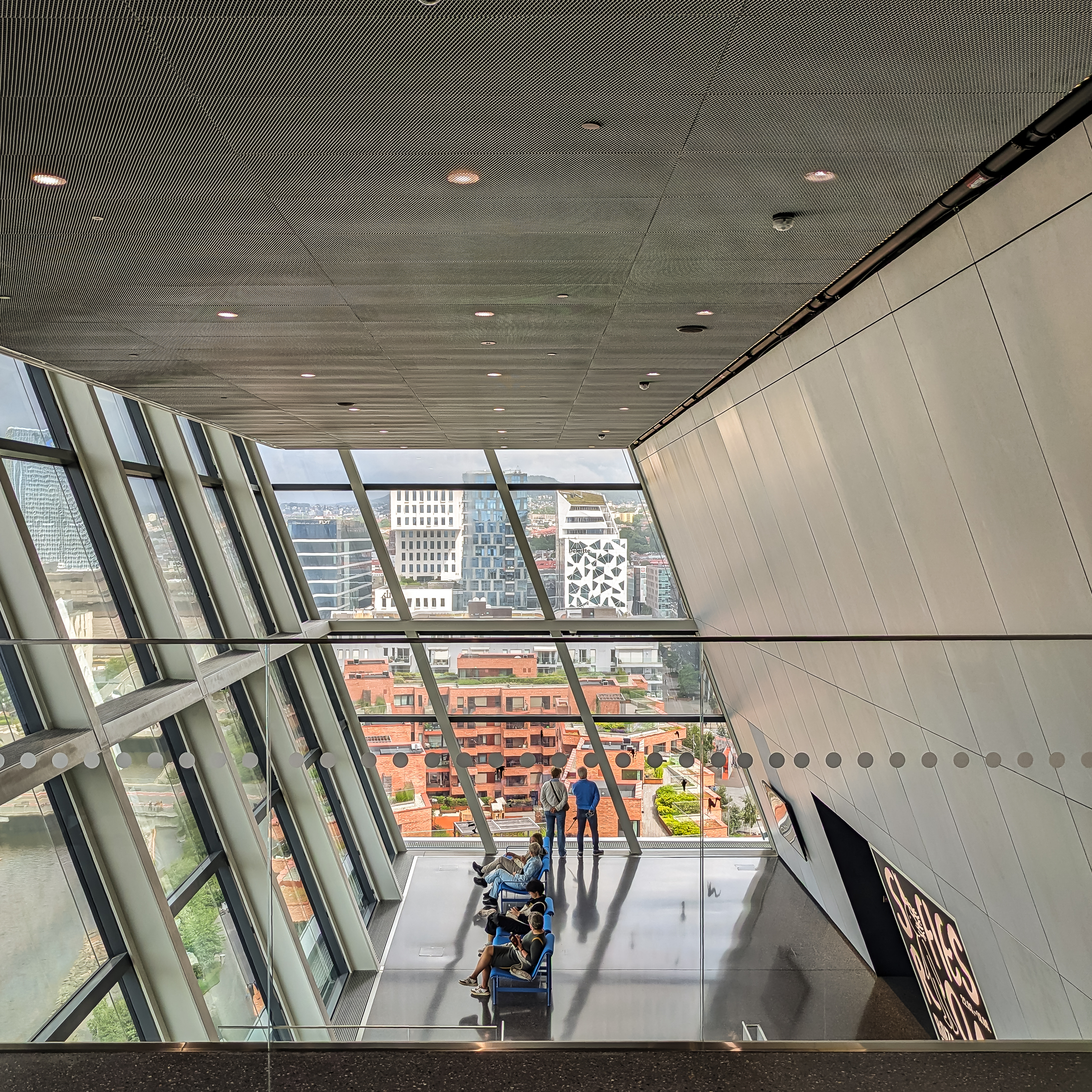
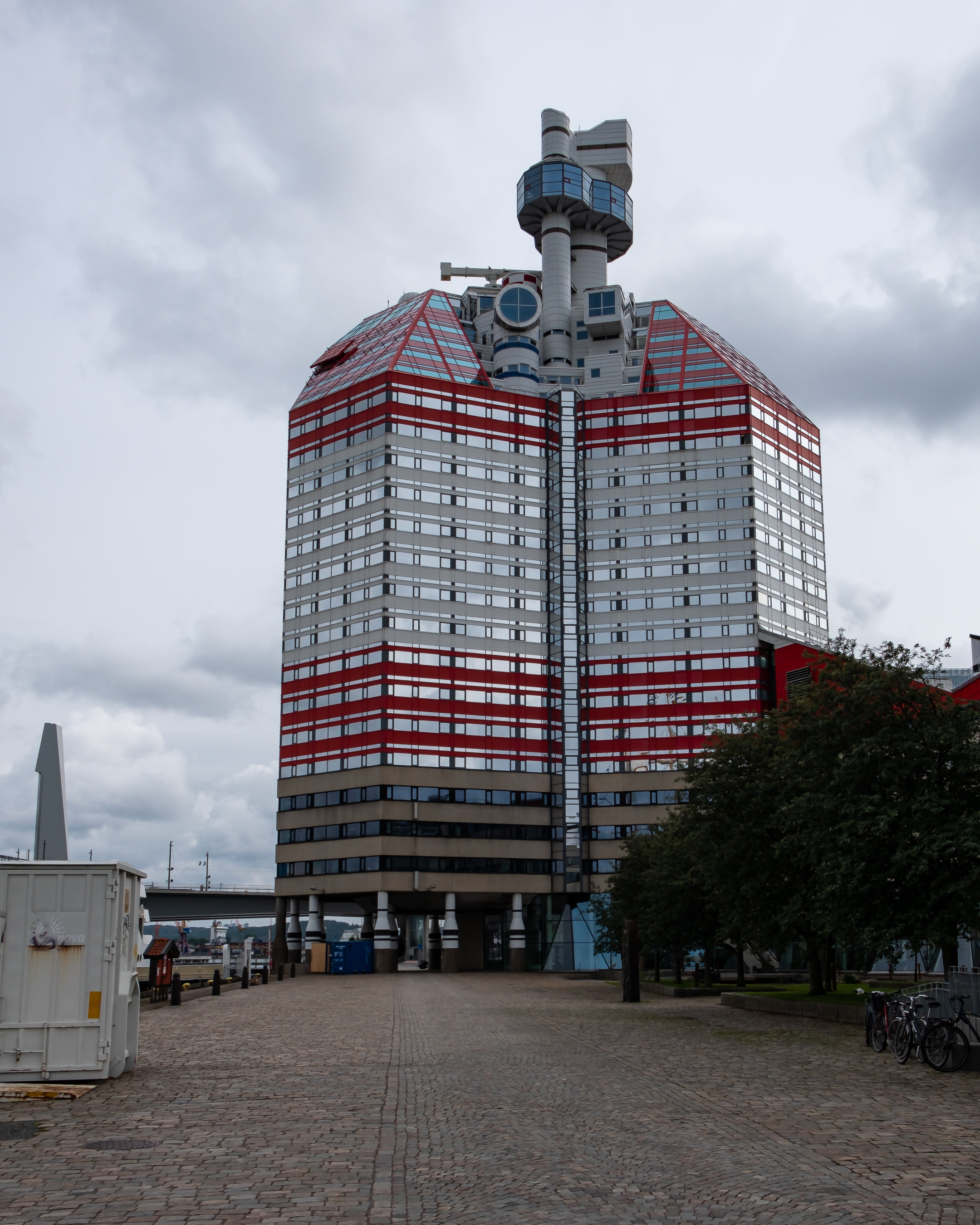
I did find ‘The Lipstick’ building which is part brutalist. Lilla Bonmen as its officially known, was opened in 1989 and was easily the most interesting modern building that I saw in Gothenburg, especially that bizarre thing on the roof. After walking around the outside and taking a couple of photos it was time to head back to the hotel and then onto Oslo in Norway, a country I’ve not visited.

DSCF3016

Sorry Gothenburg!

Stockholm

Tuesday 11 and Wednesday 12 June 2024 – Stockholm, Sweden

I like trains. I like the freedom they bring, the expectation and anticipation that something is going to happen, but not quite yet. This is the journey and not the destination and life should be suspended while the journey works its magic. The rhythm of the wheels on the tracks, the rattle and clangs of the carriage mirror the sounds from the headphones stuck in my ears. A new found love for the motorik beat of 1970s krautrock mixed with the noise of the train turns every train ride into a different soundscape. It’s a time to disconnect and just be.

PXL_20240610_191007136

Tuesday really started late on Monday when we boarded the 21:10 sleeper train from Berlin to Stockholm. The four of us had a six person couchette room. Thankfully no one turned up to take the other two bunks, it was very tight and required patient negotiating to move around. We crossed the German border into Denmark around 2:30am and then left Denmark for Sweden at 7:30, arriving in Malmo with enough time to nip into the station to get a decent coffee from one of the cafes before breakfast on the train once we were on the way again.

PXL_20240611_063402890.MP

Between Copenhagen in Denmark and Malmo in Sweden we travel on ‘The Bridge’. For those less familiar with Scandi-noir television, this is the magnificent Øresund Bridge, a road and rail bridge that contains the border between the two countries and was the scene of a gruesome murder in the Tv series. We didn’t have to show our passport at any time between arriving in Berlin and leaving Oslo at the end of the trip.

Our sleeper carriage was, up until Malmo, right at the end of the train, affording a great view out of the large windows at the back. Annoyingly, in Malmo a second engine was added to our train and the view was gone.

PXL_20240611_051318101

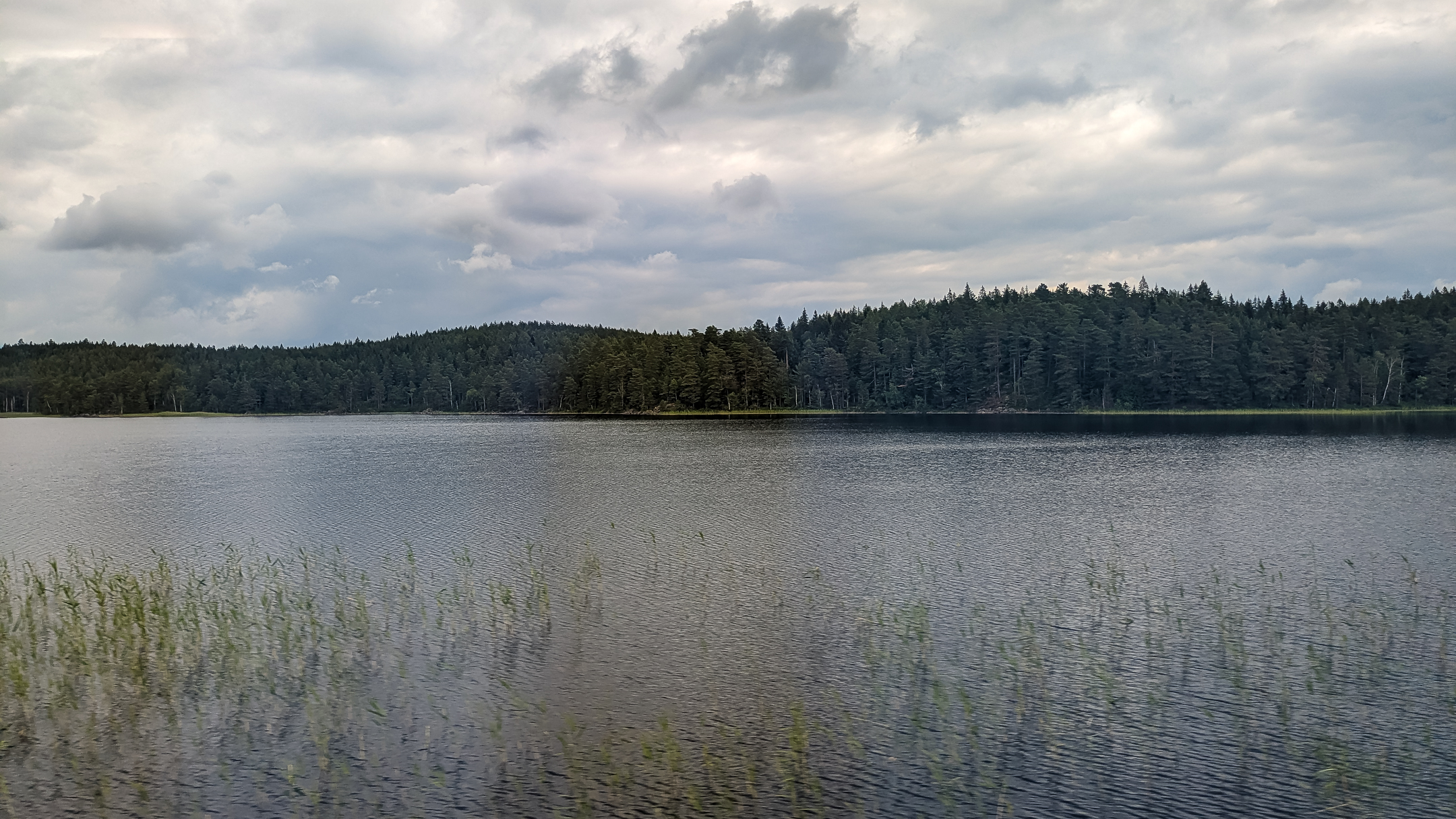
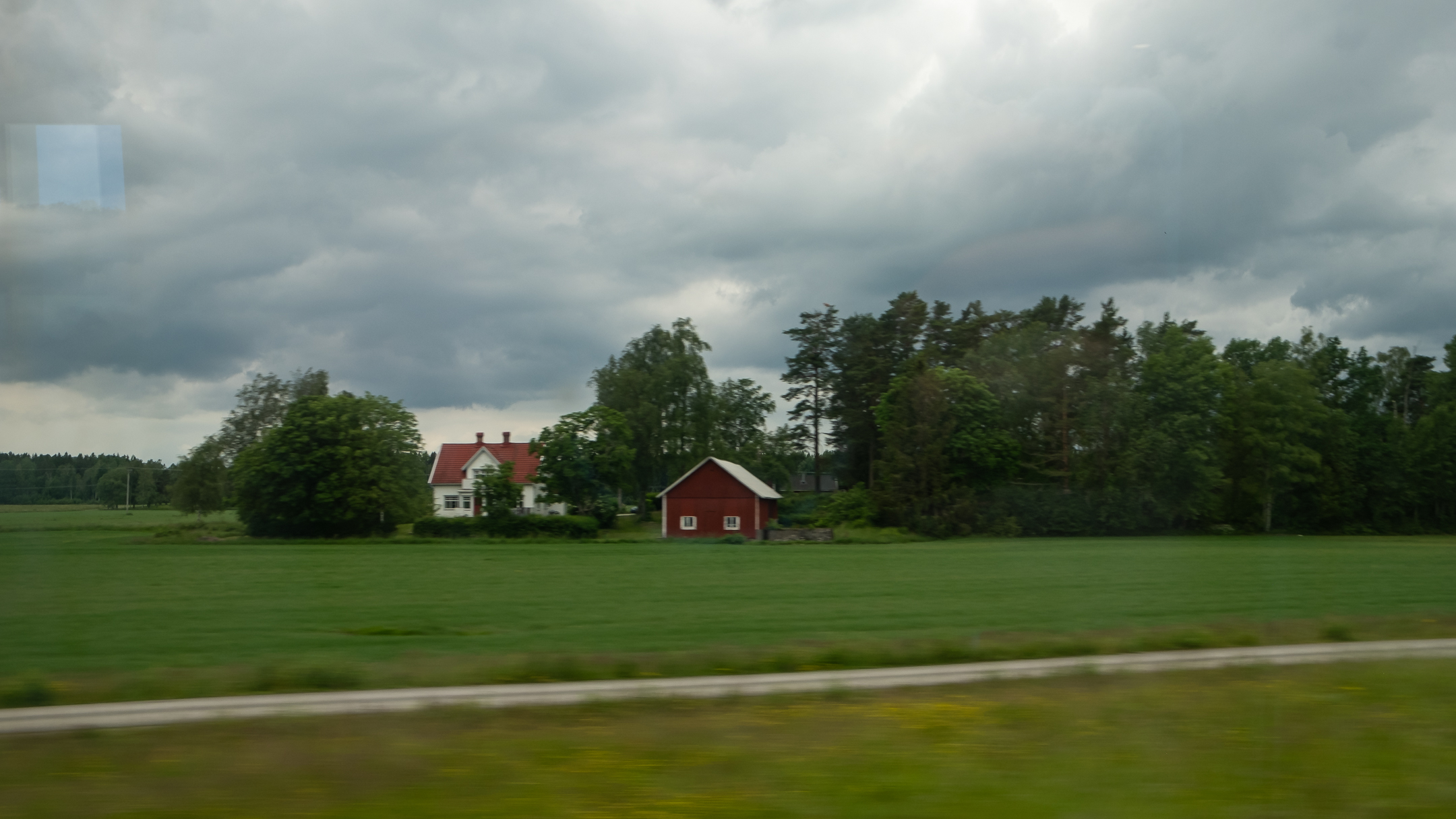
Luckily there was plenty to see out of the side windows, Sweden is a beautiful country. There are a lot of trees and a lot of lakes.

PXL_20240611_103822007

We arrived in Stockholm mid-afternoon and took a local train to our hotel in Hornstull on one of the many islands that make up the city.

DSCF2997

IMG-20240613-WA0000

DSCF2935

Like Berlin we mainly used our feet to get around, occasionally catching local trains when we got tired or when it poured with rain – and pour it did…

DSCF2976

I particularly enjoyed Gamla Stan, the old town, and visited it twice, both times in the rain. Rain on cobbles down a narrow alley is one of my favourite things to photograph and one of the many things that Europe has to offer that New Zealand doesn’t. Is that a good reason to live over here? I think so.

DSCF2942

DSCF2953

DSCF2954

DSCF2957

DSCF2945

DSCF2981

DSCF2937

DSCF2940

DSCF2983

We also visited the modern art museum which was interesting, and at times disturbing, especially the works of Italian artist Maurizio Cattelan.

DSCF2973

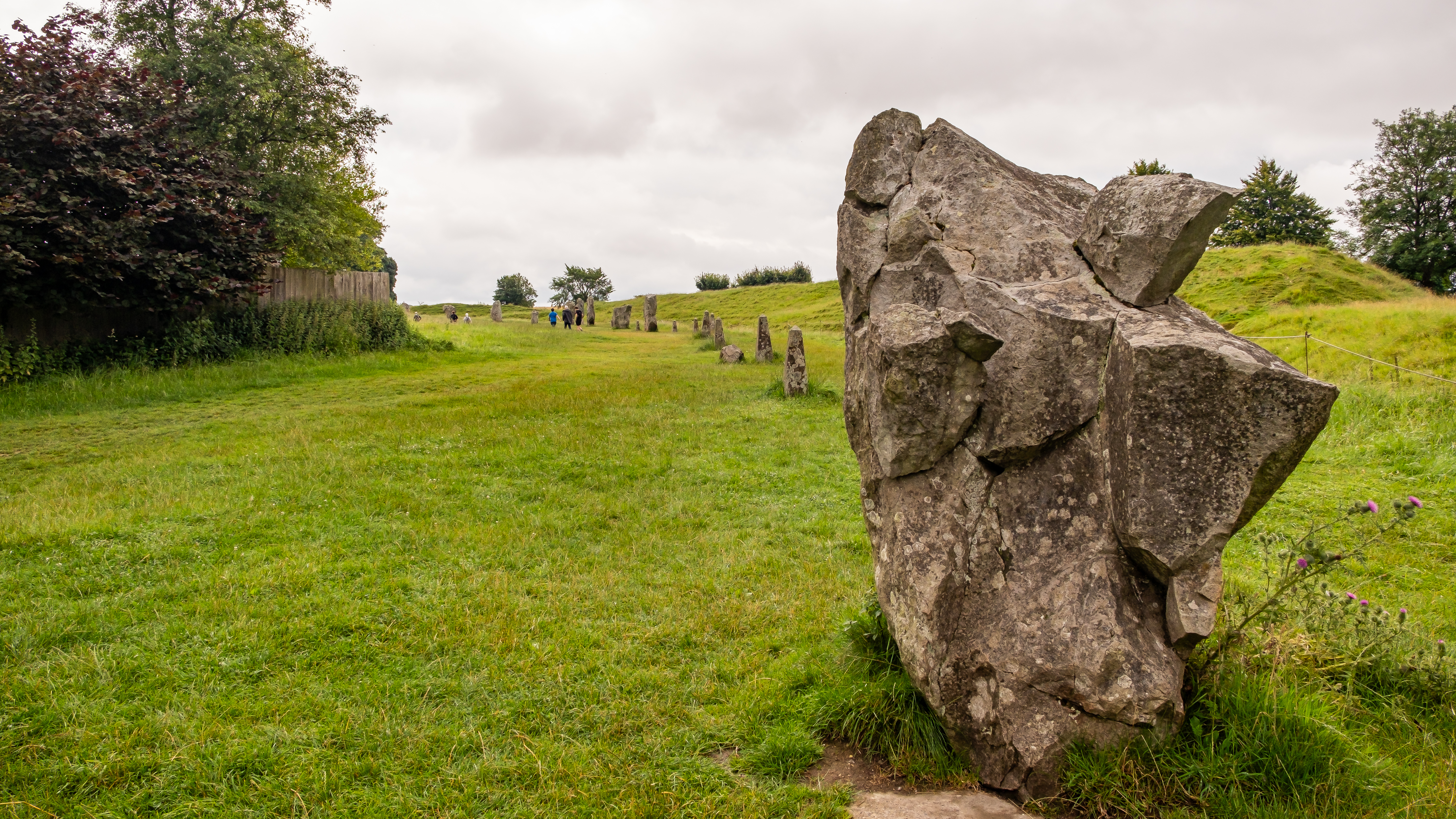
I won’t spoil the surprise with this piece ‘Him’ in case anyone is visiting the gallery; but if you read this and do visit Stockholm and like your art modern and mildly disturbing then museum is a must!
DSCF2974

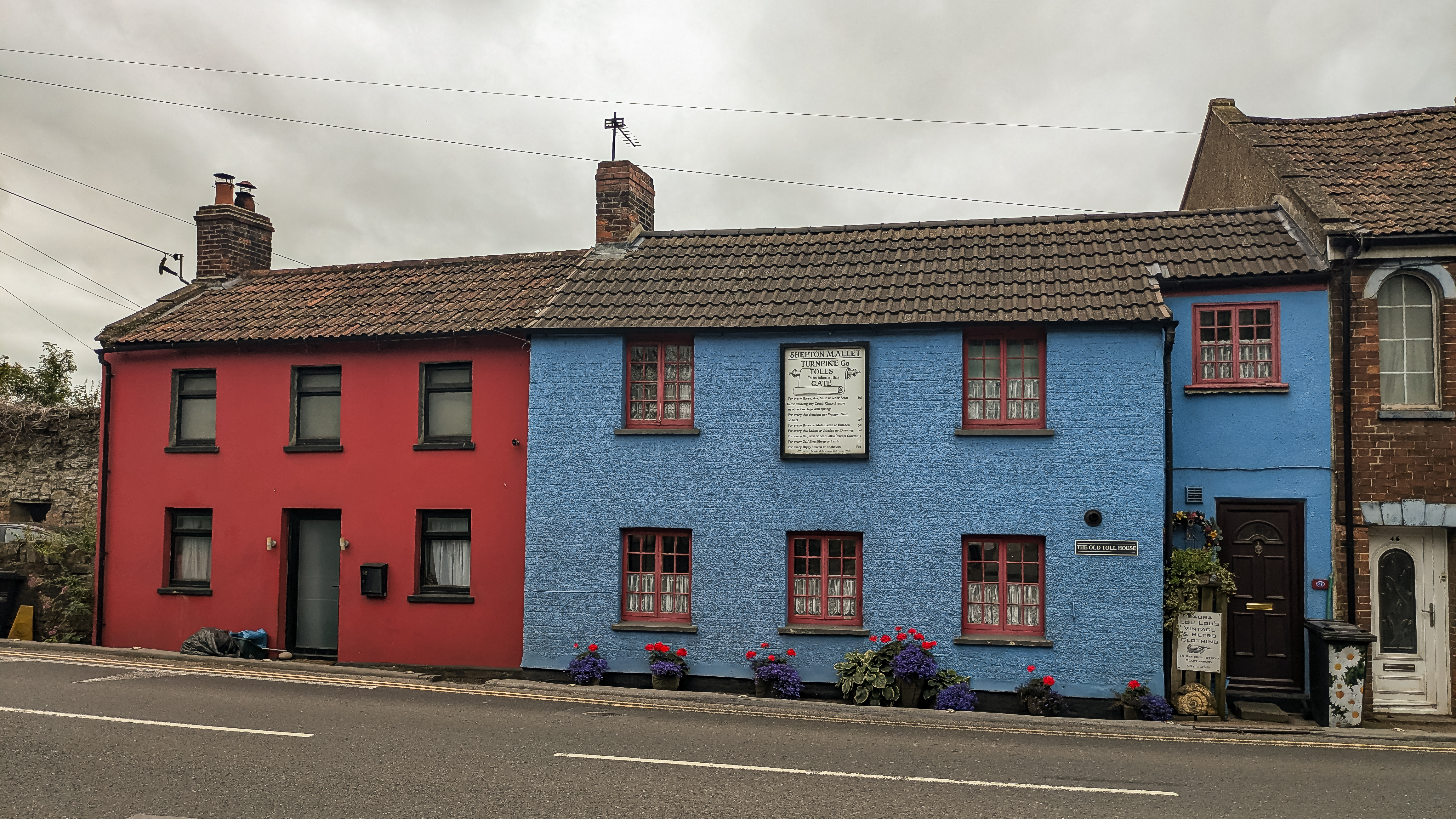
I liked Stockholm and would like to come back and explore a bit more, there is a lot to see that we didn’t have time to check out and it’s cheaper than I expected. I didn’t feel an affinity for it like I did with Berlin but I enjoyed it immensely and the people were friendly and they have that lovely smokey, streaky bacon cooked to a crisp that the English don’t do. Yes, it’s probably carcinogenic but man, it’s delicious!
IMG-20240612-WA0002

DSCF2947

DSCF2951

DSCF2967

DSCF2940

We can be Heroes – Bowie in Berlin

07 – 10 June 2024 – Berlin

I think it’s more than fair to say that I love music and have done since I was a teenager. My taste has always verged towards the esoteric and while I think you can safely say that ‘esoteric’ is one of many apt descriptions for David Bowie, the man and the legend, it can’t always be used to describe his music. Which is a long way of getting round to saying I’m not really a huge Bowie fan. I like some of his music, especially the older ‘classic’ stuff and I particularly liked ‘Dark Star’ his final album, the music of the 80s, 90s, 2000s, yeah most of that I can leave behind. Saying that, the world is a less interesting place without him.

DSCF2924

Amongst my social group I am the outlier, my friends love Bowie and a ‘Bowie Tour’ was very much on the Berlin itinerary. An organised commercial tour was out of our price range so as friends of ours had done their own self-guided Bowie related tour, it seemed like the right thing for us to do as well. Given the internet is such a wonderful source of all things I found a few ideas and planned what turned out to be quite a long, but interesting walk. In my view walking is the best way to see somewhere, if there is a plan or not.

David Bowie lived in Berlin from 1977 to 1979 and wrote and recorded, what in my view is his best record, ‘Low’, the first of what is known as the Berlin Trilogy. The second, and much better known album is ‘Heroes’ and the final, though not recorded in Berlin is ‘Lodger’. Bowie and Iggy Pop came to Berlin to escape the coke-ridden excess of Los Angeles, start afresh in a new city. A city that had been developing its own musical identity, an identity not founded on US and UK rock music, grounded in the avant-garde, jazz and the eclectic electronic sounds of the synthesiser. 

It was a busy time for Bowie, as well as developing his own material he is also co-wrote songs and played on Iggy Pop’s LP ‘The Idiot’, co-authoring the track ‘China Girl’; which Bowie turned into his own global hit in 1983. It’s a song I hated at the time (and still do) and was a core reason I lost interest in his music for the next 40 years…

Our tour started at the Berlin Wall Memorial, which of course didn’t exist in 1977 as the wall between east and west Berlin was still dividing the city.

DSCF2895

Is ‘Heroes’ Bowies most well known song? I can’t think of anything better known. It contains a direct reference to the wall, so making the classic Bowie track our starting point was a no brainer, plus it was not that far from our hotel.

David Bowie – ‘Heroes’

I, I can remember (I remember)
Standing, by the wall (by the wall)
And the guns, shot above our heads (over our heads)
And we kissed, as though nothing could fall (nothing could fall)
And the shame, was on the other side
Oh we can beat them, for ever and ever
Then we could be Heroes, just for one day.

Bowie and Pop apparently frequently crossed from West Berlin where they lived to visit Brasserie Ganymed a couple of kilometres on the other side of the wall on the Eastern, communist, side of the city.

DSCF2916

Ganymed is (still, and I love this about Berlin, so many of the small things like cafes from the 70s still exist) located next to Bertold Brecht’s Berliner Ensemble theatre whom both Bowie and Pop were interested in. Bowie recorded the EP ‘In Bertold Brecht’s Baal’ in 1982 to coincide with his performance in a relatively poorly received BBC production of Brecht’s play of the same name. We stopped in for breakfast and a quick look around the interior, which I suspect hasn’t changed much since the 70s; or probably the 30s….

DSCF2917

Our next stop was the Reichstag, the German parliament building. In 1987 Bowie played a concert in front of the Reichstag which was right on the border with East Berlin, with the stage speakers pointing over the wall to the east, where decedent western rock was effectively banned. Access to the Reichstag was effectively banned for us in 2024 as the entire area has been closed while a ‘fan zone’ is built for the pending Euro 2024 football tournament that starts soon after we leave.

It also blocked me from getting close to this building, and it’s lovely concrete circle which was on my list of ‘possible modern buildings to see that weren’t too far off the beaten track’.

DSCF2928

Our next stop was Hansa Studios, Berlin’s best known musical landmark; a working recording studio since the early 1960s. This is where Bowie recorded Low and Heroes with innovative German producer Conny Plank, and also where quite a few of the records in my collection were also recorded. It’s an iconic studio.

DSCF2925

We stopped for lunch in nearby Potsdamer Platz, where I had the much desired, and very enjoyable Berlin lunch staple – curry wurst and a beer. 

PXL_20240610_122833880

Potsdamer Platz was referenced in one of Bowie’s last hit songs, the stunning, sad and beautiful ‘Where are we now’. Released in 2013, almost 50 years after the first single, it’s one of my favourite of his songs and probably the one that will remain in my head.

“Had to get the train
From Potsdamer Platz
You never knew that
That I could do that
Just walking the dead”

DSCF2927

We’d walked a fair few kilometres by now so caught a train over to the far side of the Tiergarten to Zoo Station (title of a U2 LP) and walked to the fabulous Paris Cafe, another Bowie haunt and a lovely art filled bar. It felt like a good place to stop for a drink… It was early afternoon when we arrived and I imagine this place has many night time stories to tell if you lived here.

PXL_20240610_145544769

PXL_20240610_142334801

Out final stop, and another train ride away, was the apartment where Bowie lived while he was in Berlin, and a shrine to his memory. 155 Hauptstrasse.

DSCF2930

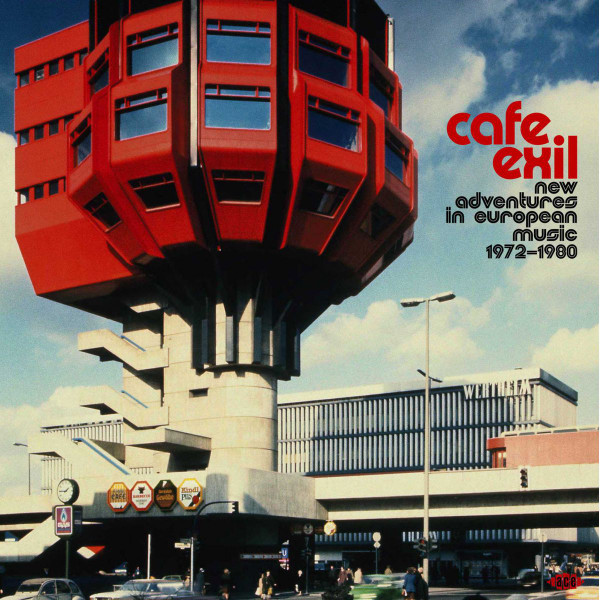
The night before we left London I’d been out with some friends and when I said I was coming to Berlin and was going to do some Bowie stuff, Rob said I should check out the album ‘Cafe Exil; new adventures in European Music’ , an imaginary jukebox in the Cafe Exil, which was another Bowie Berlin hangout. I become mildly obsessed with the record (and that cover!) while I was away and pretty much listened to it the whole trip; and I subsequently bought the record.

1718703670751

We loved Berlin and are already planning a return in September to see more of this fabulous city and check out Cafe Exil and hoping for a good jukebox…

Next stop Stockholm

Teufelsberg

07 – 10 June 2024 – Berlin

The cold war was a period of real tension between the United States and the Soviet Union and their respective allies, the Western Bloc and the Eastern Bloc. It started in 1947, two years after the end of the Second World War and lasted until 1991 when the Soviet Union collapsed. It was, on occasion, a tense time with the potential for nuclear doomsday a constant dangling threat. It was rarely top of mind, but it was always there, lurking like some malevolent nightmarish beast.

Thankfully, it never became a ‘hot war’ with actual shots, or worse, nuclear missiles being fired between the key protagonists. However, there were plenty of hot wars fought, mainly across the developing world, ably and eagerly supported by the main cold war protagonists. All through that cold war period these proxy wars were fought across Asia, Africa and Central America with devastating results for the local populations. You could say these proxy wars have never stopped and you can easily point to most current conflicts and see the dark fingerprints of both America and Russia and their allies on the weapons being used.

Germany was a key front line in the cold war, at least from a political and espionage perspective and with West Berlin sitting right inside East Germany it was a key centre for spying and eavesdropping. For an innocent teenager in the 1970s it was also the scene for some of my favourite novels.

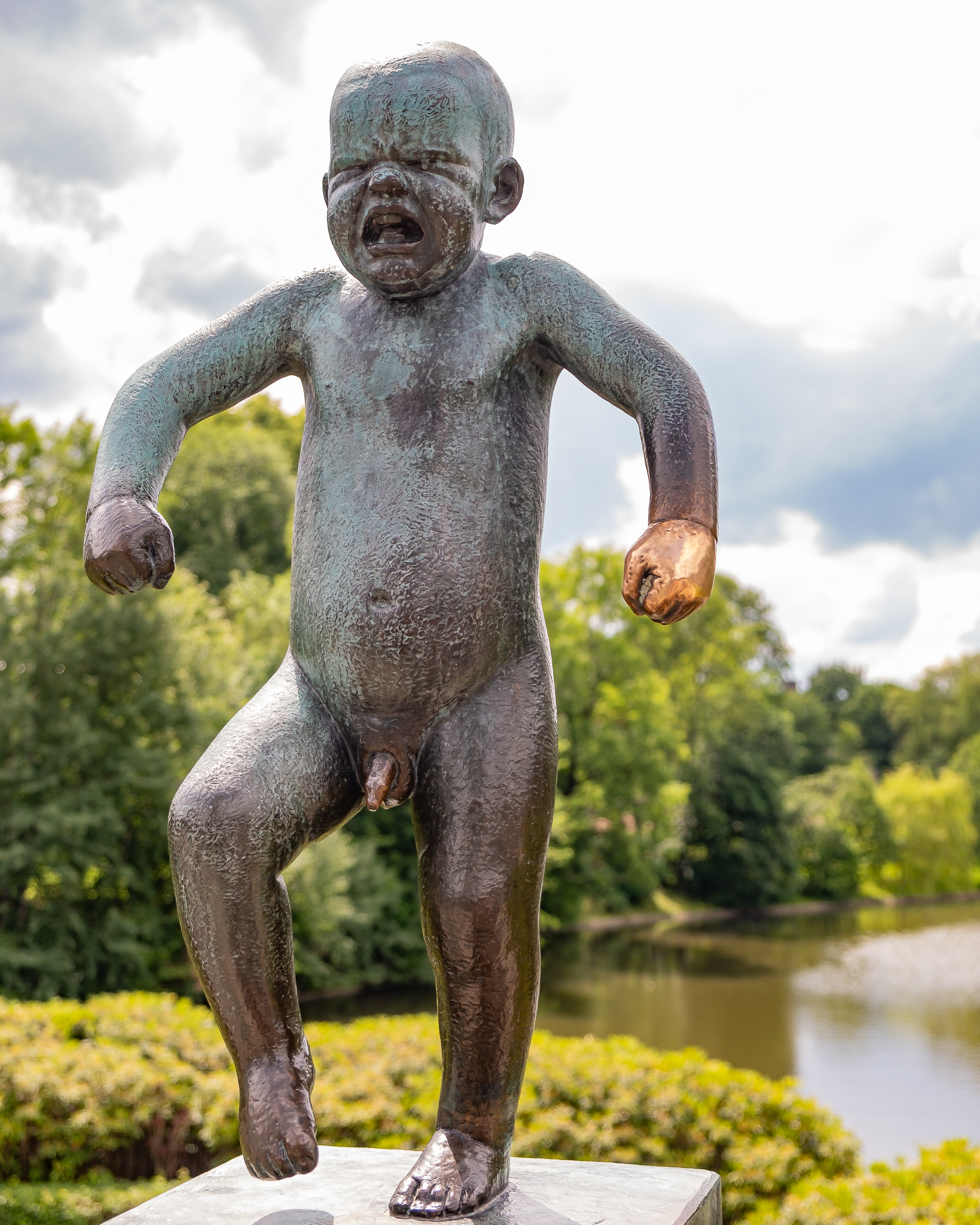
Teufelsberg was a key part of American cold war intelligence gathering  as it was listening post targeting radio signals coming out of the east, though, since 2016 it’s been open to the public as a fantastic indoor/outdoor street art gallery.

DSCF2840

Teufelsberg is not a natural hill, it is a man-made 80 meter high pile of rubble. The rubble came from the western side of the almost totally bombed out city of Berlin and under the rubble pile lies an incomplete Nazi era technical college. The initial efforts to destroy the building by explosives were so ineffectual that the West Berlin authorities decided to bury it instead and in 1950 construction of the mound took place. As you walk up the hill exposed bricks and other building rubble can be seen poking out of the ground through the undergrowth.

Construction of the American listening post finished in 1963 and US National Security Agency took over the site. With unification of Germany in 1990 the station was no longer needed and it was abandoned. Numerous options were considered for the site but nothing was financial viable and though it remains privately owned it has been allowed to fall into managed neglect and is a home for local and international street artists; including some, like Hera with the big painting and Otto Schade with the finger, being well known on the streets of London when I was photographing street art ten years ago.

DSCF2824

Teufeslberg is set in the middle of the Grunewalk Park it’s a nice 30 minute walk from the train station. The park seemed to be quite popular on the Sunday we visited and Teufelsberg itself was busier than I expected. There was a great view over Berlin from the top.

DSCF2813

DSCF2860

I’m so glad we managed to get there as it was high on my list of things to see in Berlin; mainly because it’s unique!
DSCF2854

DSCF2826

DSCF2838

DSCF2839

DSCF2842

DSCF2874

DSCF2883

DSCF2862

DSCF2834

DSCF2820

DSCF2885

DSCF2876

DSCF2865

DSCF2822

Stasiland

07 – 10 June 2024 – Berlin

I’ve a fascination with Berlin, and for a number of disconnected reasons it is one of my favourite cities. Its allure is a mystical combination of its 20th century history, spy novels, edgy music, graffiti, art and because I visited in 1987 when things were vastly different and have a happy memory of that time. No other city has all the things that Berlin has, though a lot of that allure is probably fantasy. I’m happy to say the fantasy remains unbroken and after spending three days there I love the city even more.

My view of Berlin is tainted by me being English and of a certain age. I was born in London in 1962, 17 years after the end of the Second World War and a year since ‘The Wall’ started to more formally divide East and West Berlin. In 1979, 17 years further on, my family had migrated to New Zealand and I was listening to punk rock and had a naïve teenage interest in politics. An interest that was primarily informed by the music I listened to and the views of those artists, views gleaned from the most famous of UK weekly music papers, the NME and Melody Maker; albeit three months after they were published in the UK.

Thanks to my parents I was, and remain, an avid reader and as a teen consumed loads of spy novels and non-fiction, so was well versed in the Cold War and the Berlin Wall and the privations forced on people by the Stasi, the secret police, of the German Democratic Republic (GDR) or as it was more widely known, East Germany.

In some ways I find it quite astounding that I lived through the collapse of the USSR and the democratisation of so many countries that were consumed by that distorted communist ideology. History is something that you read about in dusty old books or are taught in schools by teachers who probably have as much interest in the detail as the students. History is not something that happens around you, and yet it did. The Berlin Wall came down in 1989 and in 1990 East and West Germany unified to be become one country again. This was a monumental geopolitical event and Europe was made fundamentally different, and better for it. In some ways it feels like it has largely been forgotten and here in the UK we seem more interested in the war itself rather than what happened in the decades after.

In preparation for this holiday I read Stasiland: Stories from behind the Berlin Wall, by Anna Funder. It was published in 2002 and is a collection of interviews and discussions Anna, an Australian, had with people who lived in East Germany while she was living in Berlin in the 90s, not long after the wall came down. She interviewed both those who were subjected to the machinations of the state and by those who worked for the state’s secret police, the Stasi. It is an excellent modern history and comes highly recommended; especially now with the rise of the populist right across Europe and the rest of the world. There are lessons we shouldn’t allow to be forgotten.

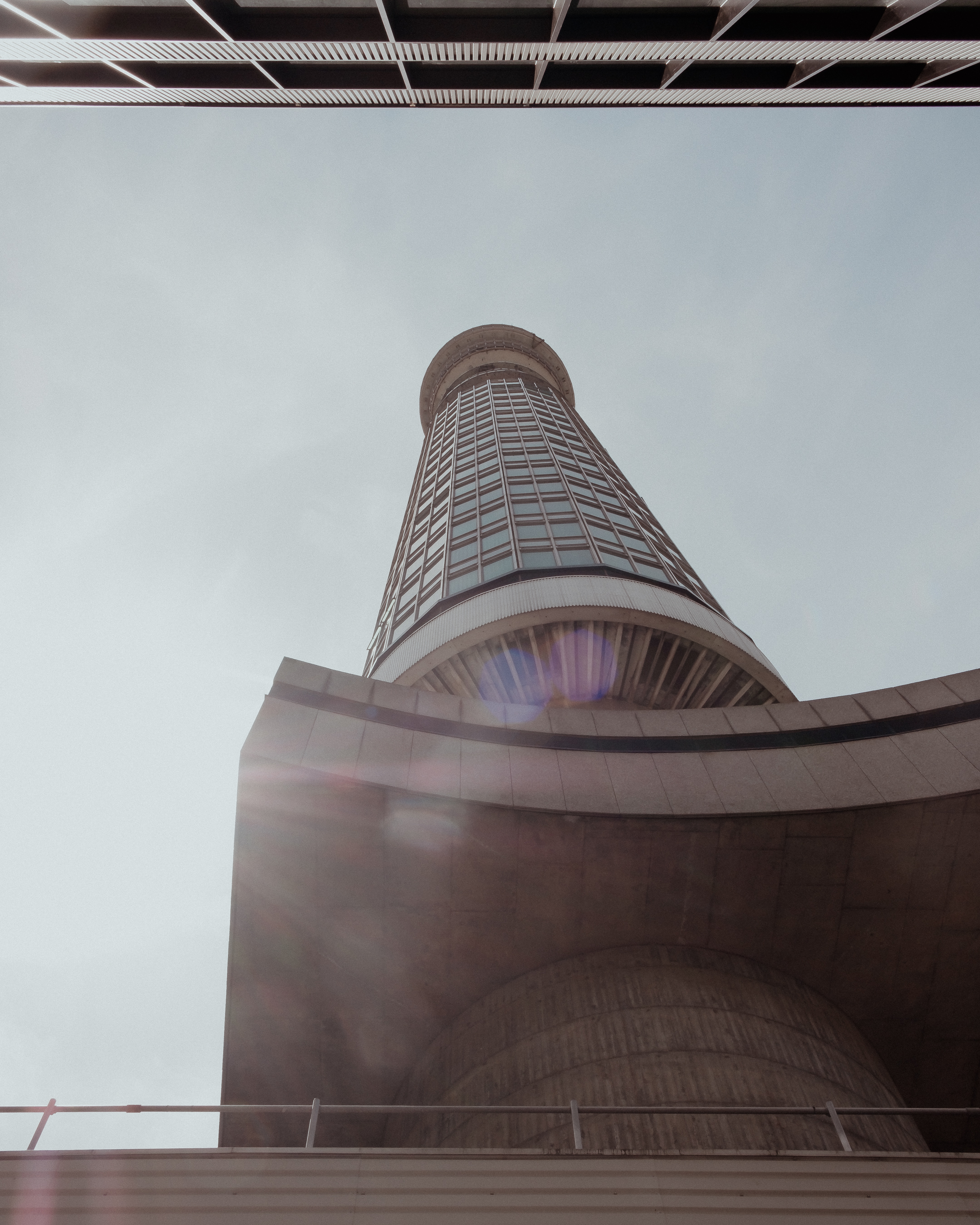
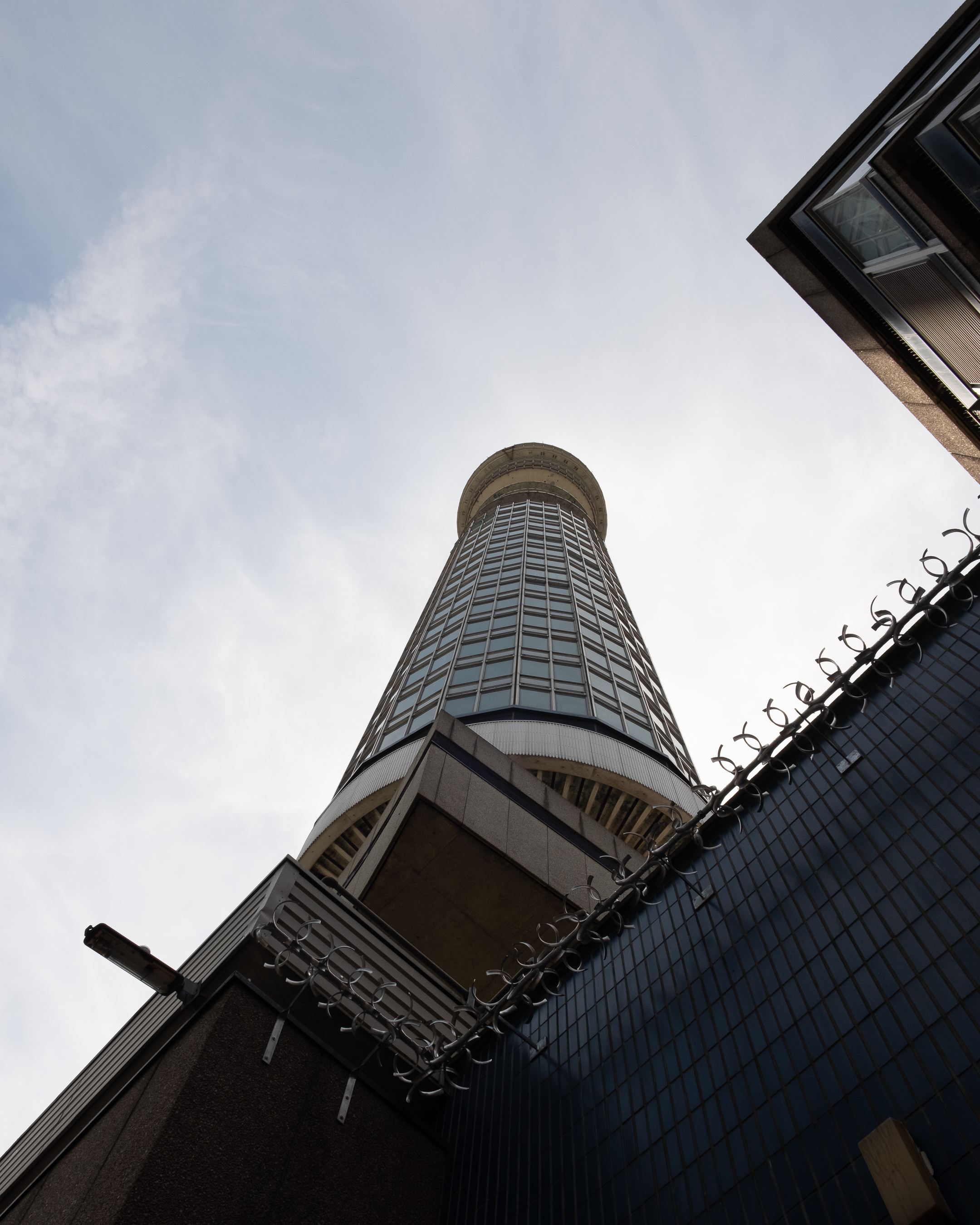
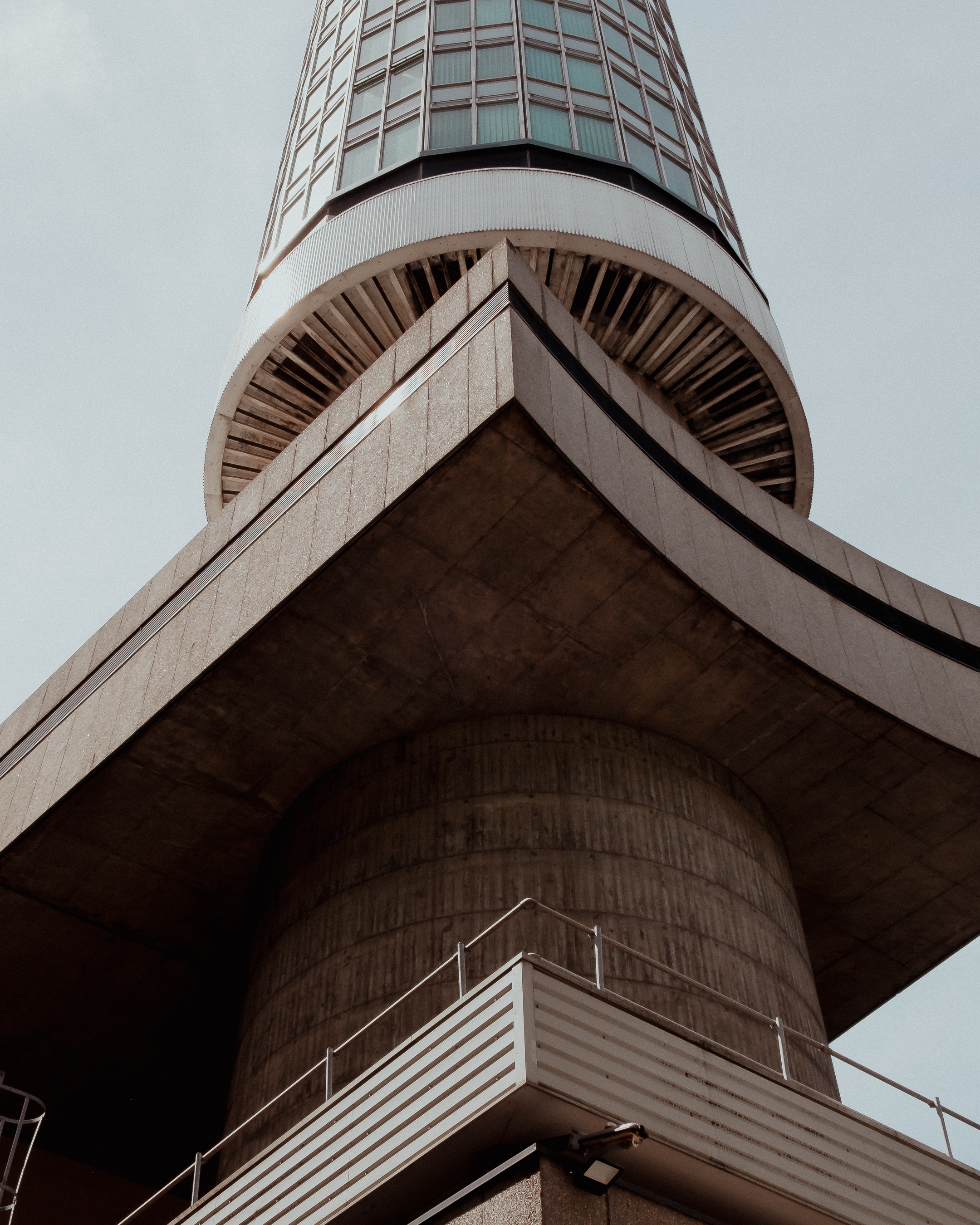
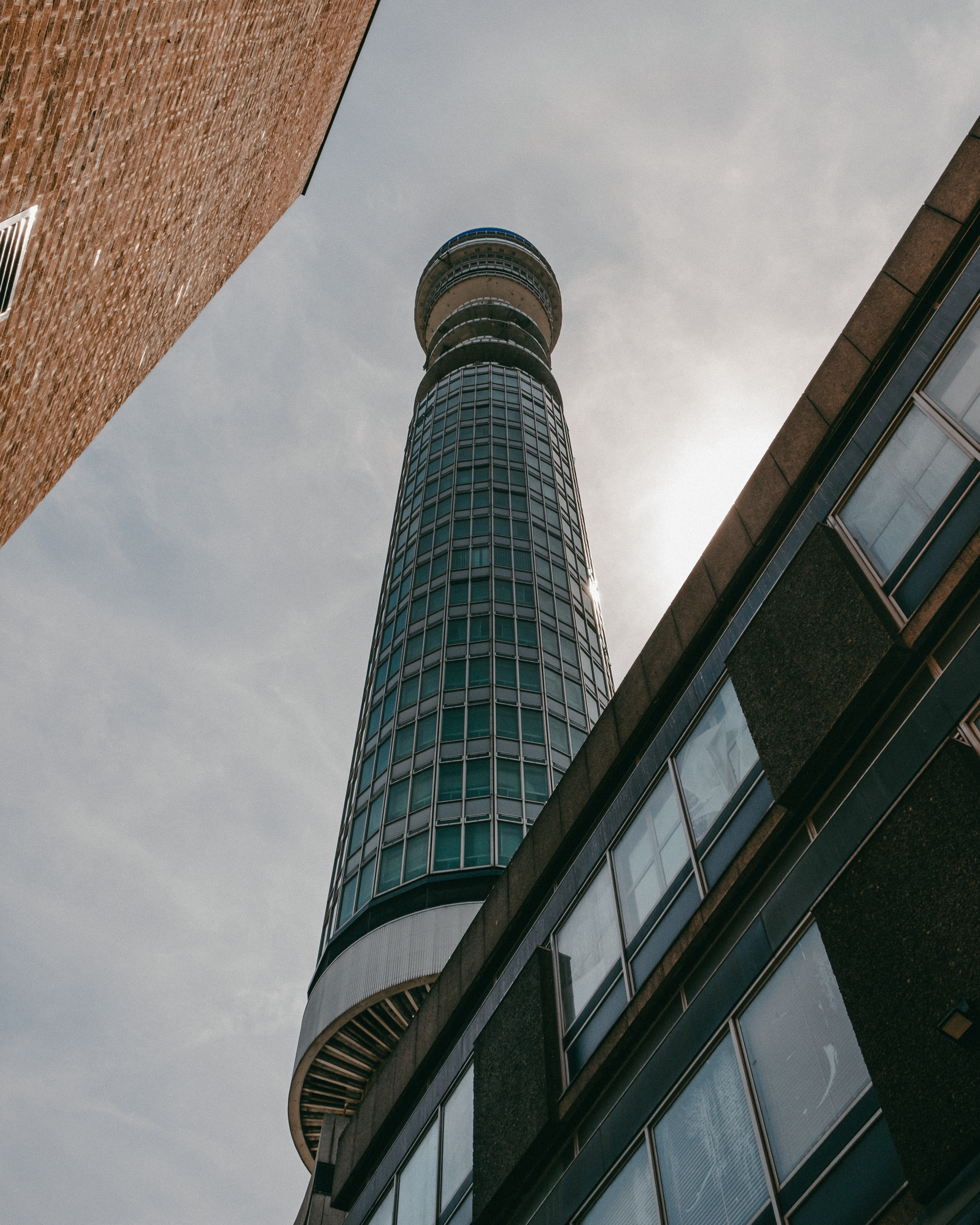
We are staying just off Alexanderplatz and prior to the collapse of the GDR our hotel was one of many Berlin offices of the Stasi. As a ‘secret’ location it wouldn’t have been shown on any street maps and it’s weird to think that this building that was built in the 19th century didn’t officially exist for 45 years of the 20th, and it was a key government building for a country that no longer exists. The magnificent Telecom Tower is in Alexanderplatz and was an easy reference point when trying to work out where we were as we wandered about.

DSCF2770

You can’t escape the Berlin Wall in the centre of Berlin and I was surprised how much of it remains, scattered in small pieces around the central city, some as formal memorials, and some I suspect are just there and serve no real purpose other than to attract tourists like me and remind everyone who comes in contact of what has been and what could come if people don’t stay informed and vigilant. You only have to go back four years to hear ‘Build the Wall’ cries from many in that supposed ‘home of democracy’, America.

DSCF2913

Germany was divided into two at the end of the Second World War by the allied nations; UK, USA, France and Russia. It was divided along internal state boundaries with the east under control of Russia and the western states shared between the others. As Berlin was the German capital, though solidly inside the east it was also divided in a similar fashion, but across local council boundaries. This lead to streets being cut in half and families separated. Until 1961 it was still possible to move between east and west to visit family or for some to go to work.

However, on the night of August 13 1961 the East German authorities, much to the surprise of the west, erected a barbed wire ring around West Berlin and the next day began the construction of a wall that cut the western half of city off from the east. The wall expanded over time and remained in place until November 9 1989. Many thousands of people succeeded in escaping the east to the west including some of the troops who were supposed to be preventing escape, like Konrad Schumann, captured in this stunning photo by Peter Leibing. Though Konrad managed to escape his story is tragic and he is as much a victim of this terrible thing as those who were tortured or killed for escaping by the Stasi.

DSCF2773

DSCF2778

On our first morning in Berlin we took an underground tour (no photos allowed) where our superb guide told us of the many ways that East Germans, particularly Berliners tried to escape the East. The tour was focused on the various underground approaches taken, via the underground train network, or the sewers and by self dug tunnels under the border.

Prior to the war and the subsequent division of the city Berlin had extensive underground and over ground train system. When the city was divided the authorities re-routed some trains to avoid crossing borders, or where that was not possible, by closing stations and having the trains run through. These stations became known as ghost stations and dangerous as they were they were used for a short time to facilitate escape. Nord Bahnhoff was one of those stations, reopening again in 1990.

PXL_20240610_092638767

PXL_20240608_103228720

More than 70 attempts were made to hand dig tunnels under the wall, though only 19 were successful, many were given away to the Stasi by neighbours of friends of the tunnel diggers. The Stasi had a vast network of forced or unforced informers and it sounds like it was difficult to really trust anyone, even if you knew them well. Over 300 people managed to escape via those 19 tunnels before they were inevitably betrayed. This is a mock up of one of the tunnels; the construction and escape would have been terrifying.

DSCF2775

There were numerous legal crossing points from east to the west, though it was difficult for those who wanted to make that journey. It was easier to cross west to east and back again, which I did for a day in 1987, using the famous Checkpoint Charlie on Friedrichstrasse. Now a popular tourist attraction.

DSCF2922

DSCF2923

We also visited the Stasi Museum which is located in one of the buildings in a vast (and slightly brutalist) complex of buildings that made up the Stasi headquarters. As it became probable that the hard line communist state was on the verge of collapse East Berliners essentially stormed the Stasi headquarters, thankfully unopposed by the armed police inside, to ensure the huge collection of records of the organisation weren’t destroyed by the state. Records that detailed to a very intimate detail the lives of ordinary East German citizens.

DSCF2782

The museum was fascinating and the executive floor was left as it was found in 1990 – a homage to the classic brown and beige mid-70s design that has become quite fashionable again. 

DSCF2785

DSCF2786

DSCF2788

DSCF2789

DSCF2793

The images and film of the wall bring breached and climbed and hammered and partied on on that famous night in November 1989 will remain firmly fixed in history and in my mind and I enjoyed seeing the constant reminders of it throughout the small part of the city we explored. When I return I want to explore sections of the wall between West Berlin and the parts of East Germany that were not in East Berlin on the western side of the city. There is a walkway round the old west where the wall and the ‘death strip’ as our underground tour guide described the no-mans land between the west and east wall which sounds really interesting.

Vast sections of the west side  of western wall is covered in graffiti, some of it still the original painting from the 80s. 

DSCF2779

Dmitri Vrubels 1999 painting ‘My god, help me survive this deadly love’ is probably the most well known image, and difficult to photograph due to that popularity. It’s a satirical take on a photograph taken in 1979 of Leonid Brezhnev and Erich Honecker the leaders of Soviet Russia and East Germany.

DSCF2895

DSCF2890

There is more Berlin to come!

Berlin to Olso, via Stockholm and Gothenburg

The night before we flew to Berlin I went to a gallery opening for a friend’s exhibition of brutalist photos and ended up staying longer and drinking a lot more beer than I expected when I left home after my day’s work. Stupidly, I went straight to bed when I got home and subsequently had a terrible sleep. As I lay in bed I thought of a great opening paragraph for this first holiday post, but of course I remembered none of it as I started typing this on my phone on the flight across the channel, then over what I think is Belgium and across former West and East Germany to Berlin.

I’ve decided to break with twelve and a half years of posting habit and not write daily posts for the ten days we are away; travelling by train from Berlin to Stockholm to Gothenburg and finally, to Oslo. Visiting three countries and completely traversing a fourth, Denmark, while we ‘slept’ on the overnight train. I will see how it all works out over the next few days. I’ve a log of photos to review and my laptop is barely coping with the much larger image sizes from the XT2 camera; which I’m very much enjoying using. It’s slow progress.

I was both excited and pensive about this trip. Excited for all the obvious reasons, but pensive as we travelled with friends and before we left home  I’d know idea how this would work. We’ve holidayed with friends on numerous occasions in the past, though this was the first time we’ve ‘travelled’ with anyone. There is a different dynamic with moving around places to that spent in a single city or town where there is room for some ‘me’ time, and I like my me time.

The trip started rather frantically, Eleanor and I had decided to use public transport, as we always do, to get to London City Airport for the flight to Berlin. In between checking that all services were running and us arriving at Leytonstone Station  10 minutes later, the entire Central Line had shut down due to signal failure. Luckily we are who we are and had left home with loads of time to spare so we decided to get the bus to Stratford where we would change to the DLR (Docklands Light Railway), as we would if we had caught the Central Line. Once on the bus and slowly under way due to heavy traffic I discovered I had left my phone at home! I jumped off at the next stop and managed to get a taxi to take me home and then on the station. Eleanor remained on the bus, sticking to the original plan and in the end I beat her to the airport. I’m happy to say we got there with plenty of time before boarding and it was the only hitch in the holiday.

Now we are back in London I can say that the holiday was a great success, there were no issues with travelling with others and the trip was mostly a complete joy and I would happily go back to Berlin, Stockholm and Oslo to see more.

This post is a quick summary of the ten days away and buys me some time to edit down a load of photos and write up my notes.

Berlin

Needless to say I totally loved Berlin (I know I love every place I visit, but this was beyond all those other loves!) We saw a lot, but barely scraped the surface of things to see and experience. A lot of the time was spent in the old ‘East’ where our lovely hotel was based and we barely had to time to visit the old ‘West’.

DSCF2780

Berlin is a me sort of town, it has a rich and recent history, particularly the period from the rise of fascism, through the Second World War, the cold war, the tearing down of the Wall and then unification. It also has a fantastic music history and is a liberal and relaxed city. I really felt at home there and can’t wait to go back; especially to do some brutalist building photography .

PXL_20240609_151507488.MP

We took an ‘underground history’ tour, which looked at some of the ingenious methods East Germans took to escape to the West. Photography was only allowed in a couple of places which was annoying but also good as I spent more time listening to the history and stories about some of those who did, or didn’t, escape.

DSCF2775

The Wall features a lot in the photos I took and in the history of the city.

DSCF2890

The Stasi (East German Secret Police) Museum. The museum is in the old Stasi headquarters. As the end of the communist East German state was becoming more and more obvious the people basically stormed the building to prevent the secret police destroying the massive number of files they had on citizens. Parts of the building are now a museum.

DSCF2782

DSCF2790

The amazing Teufelsberg – a favourite part of the entire trip and probably worthy of its own post.

DSCF2854

David Bowie

DSCF2924

I had to try a curry wurst (sausage), the supposed ‘dish of Berlin’ for lunch, and I believe it is in the rules to accompany it with a cold beer. It was very nice! We also had dinner at Cookies Cream, a fantastic Michelin starred vegan restaurant and another holiday highlight.

PXL_20240610_122833880

Stockholm

We took a 16 hour sleeper train from Berlin to Stockholm in Sweden. The train left Berlin just after 9pm and arrived in Malmo, Sweden around 7am the following day, passing through Denmark over night. We crossed ‘The Bridge’ between Copenhagen in Denmark and Malmo for those familiar with Scandi-noir TV. The sleeper carriage was right at the back of the train as far as Malmo, when further carriages were added on the end. I enjoyed standing at the back looking at the world pass rapidly by.

PXL_20240610_191007136

PXL_20240611_051318101

The Swedish, and subsequently, the Norwegian countryside is quite beautiful, with lots of water and pine forests and we pass very few large towns, it is quite rugged and a bit dark. I can see why there are some many dark stories made in this part of the country.

PXL_20240611_103822007

We arrived in Stockholm mid-afternoon and took a local train to our hotel in Hornstull on one of the many islands that make up the city. Like Berlin we mainly used our feet to get around, occasionally catching local trains when we got tired or in the case of Stockholm when it poured with rain – and pour it did…

DSCF2976

DSCF2935

I particularly enjoyed Gamla Stan, the old town, and visited it twice, both times in the rain. Rain on cobbles down a narrow alley is one of my favourite things to photograph.

DSCF2957

We also visited the modern art museum which was interesting, and at times disturbing, especially the works of Italian artist Maurizio Cattelan. I won’t spoil the surprise with this piece ‘Him’ in case anyone is visiting the gallery.

DSCF2974

IMG-20240612-WA0002

Gothenburg

Gothenburg was a town I’ve wanted to visit for a while and one I made sure was on the itinerary for this trip, but sadly/annoyingly it was my least favourite place. Maybe it was because we only had 24 hours and we stayed in a hotel right on top of the station; though the hotel was good and wasn’t the problem. I’m more used to staying in the inner suburbs rather than a city centre and being in a more relaxed environment. More on that in the Gothenburg post later.

My Gothenburg highlight was Fiskbar 17 where we went for dinner. It’s a small restaurant with only a few dishes on the menu. All four of us had the same thing, the fish of the day, which was lovely, as were the cocktails we preceded dinner with and the music that was playing the background.

PXL_20240613_175957758

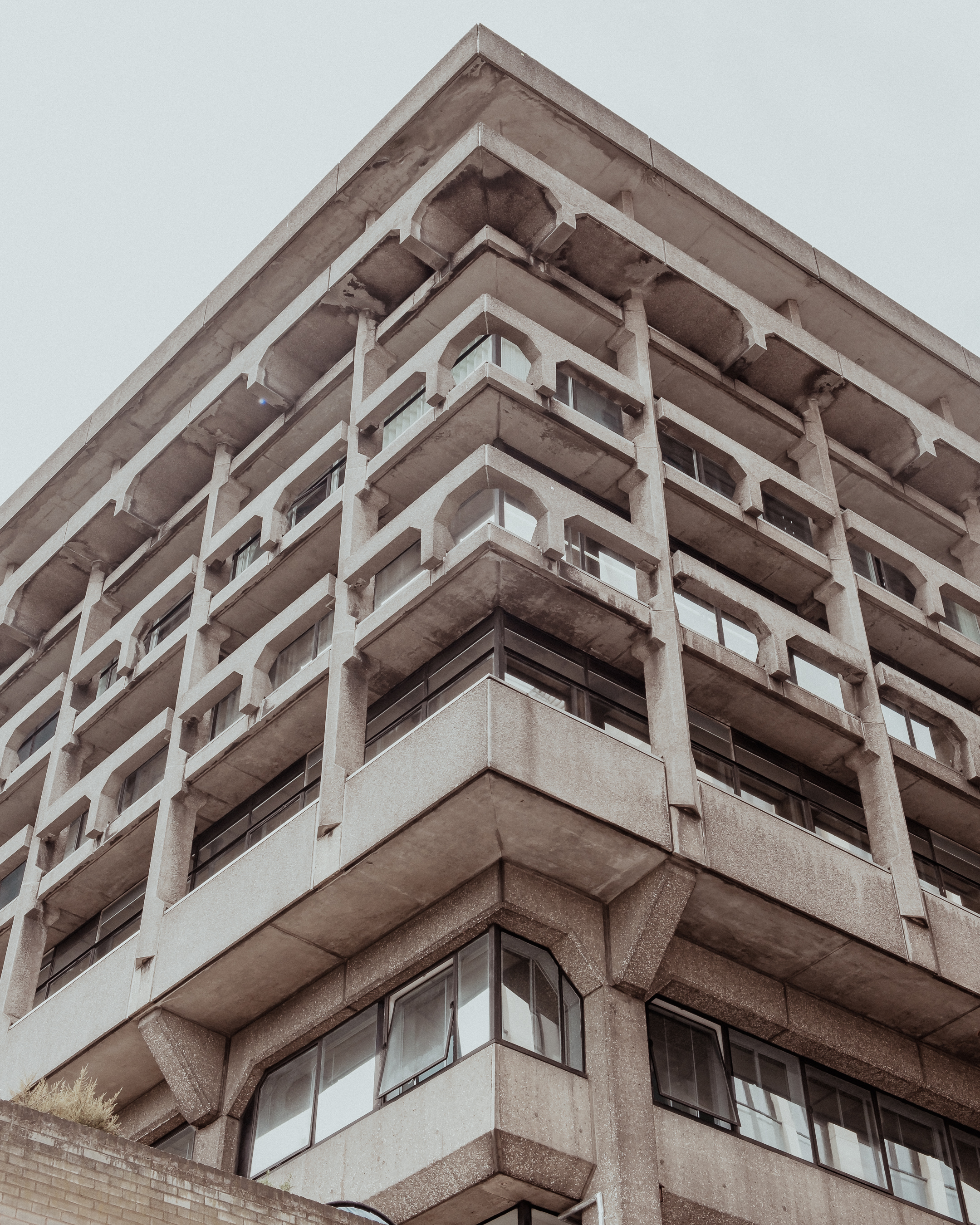
As we did in every place we visited we did a lot of walking and I took a few photos, but it wasn’t particularly photographic, or at least I wasn’t feeling it. I did find a nice brutalist building, though it looks like it’s being clad in something colourful, and there was a decent fort as well.

DSCF3017

DSCF3015

DSCF3003

Oslo

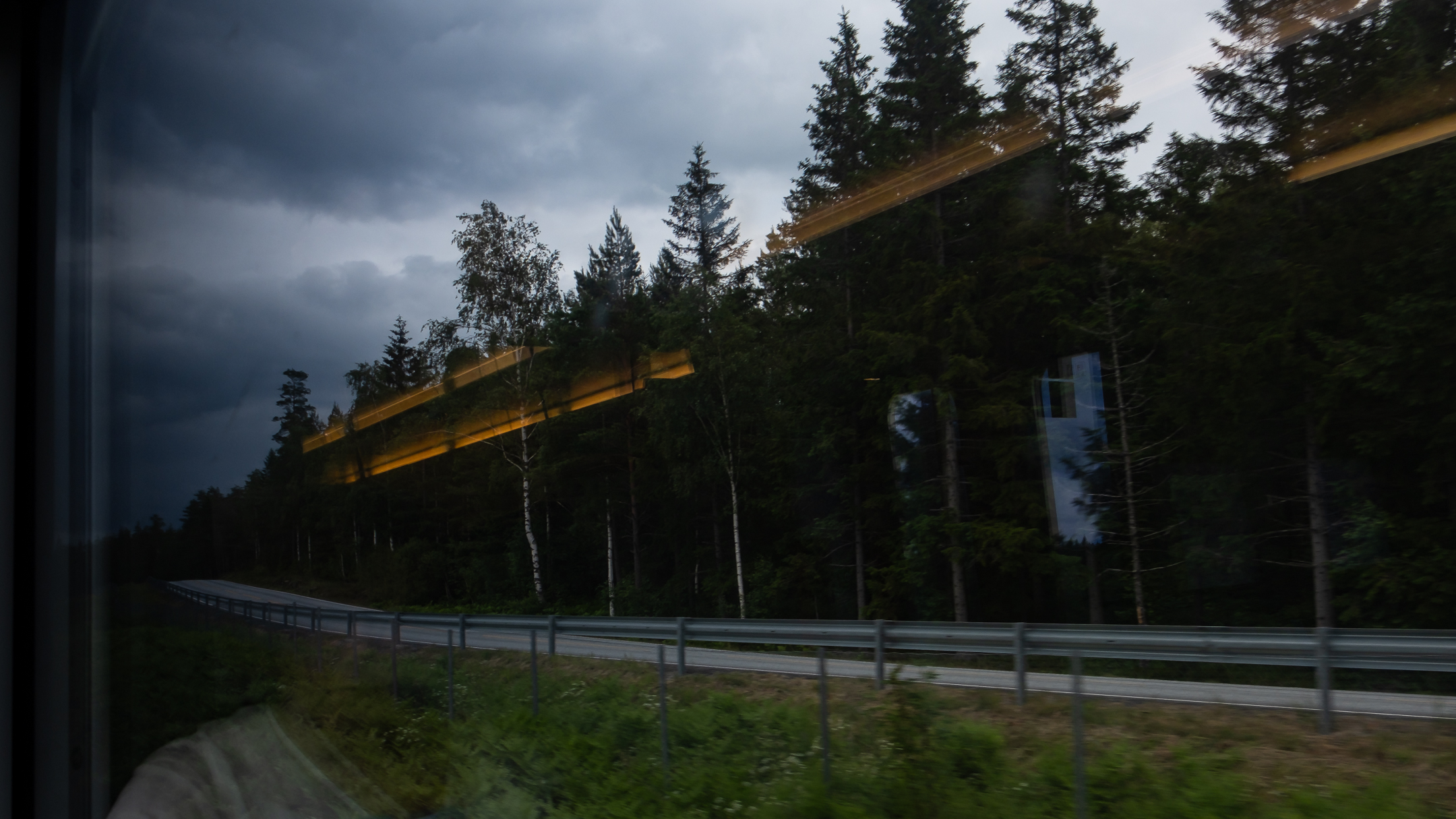
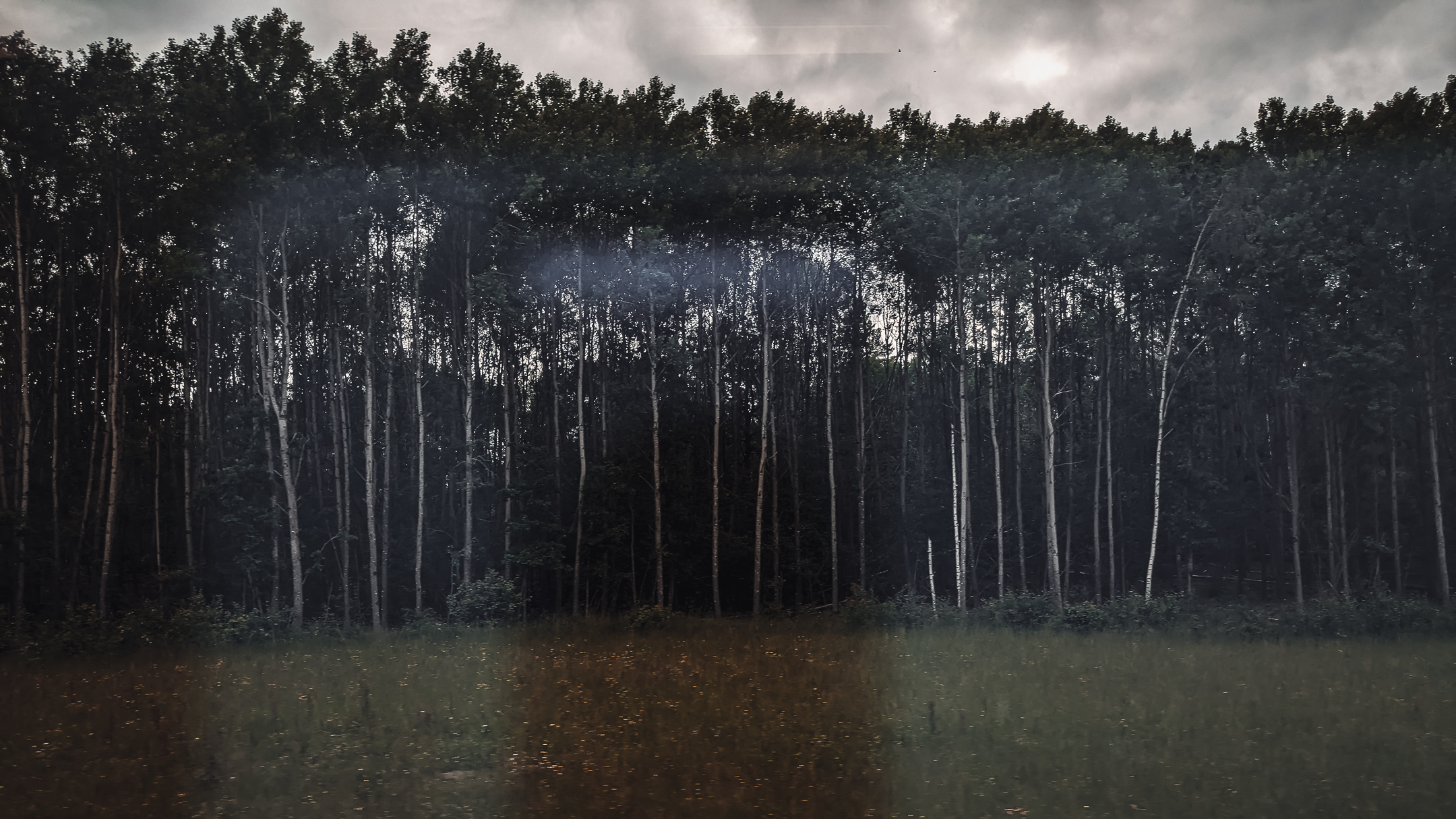
I enjoyed the four hour train ride from Gothenburg across the border into Norway, there was some stunning scenery out of the window, though I didn’t get many opportunities to take photos as the train got quite busy the closer it got to the final destination. The forests were suitably dark, and I would be quite interested in exploring a bit of the Nordic countryside.

DSCF3027

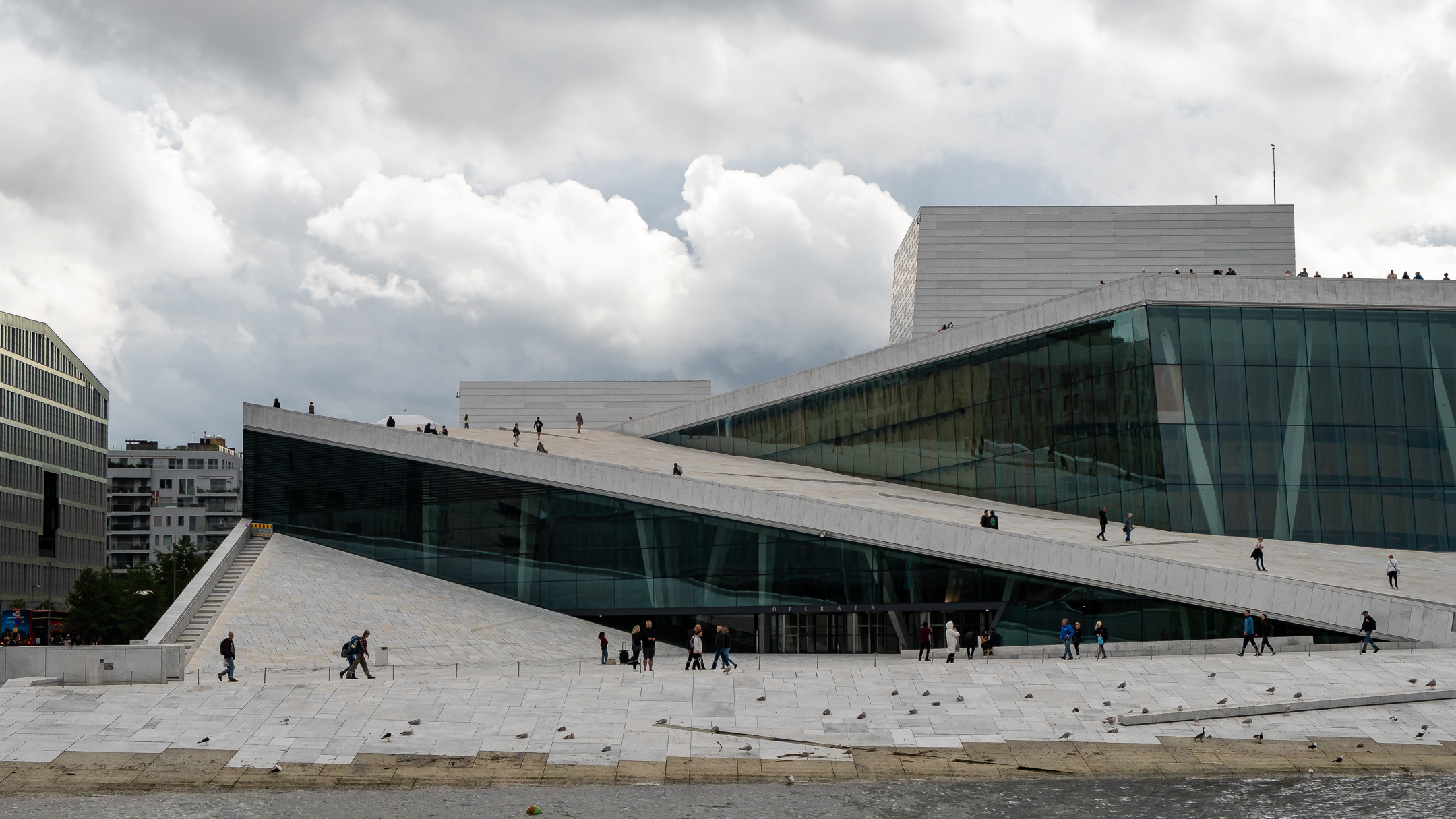
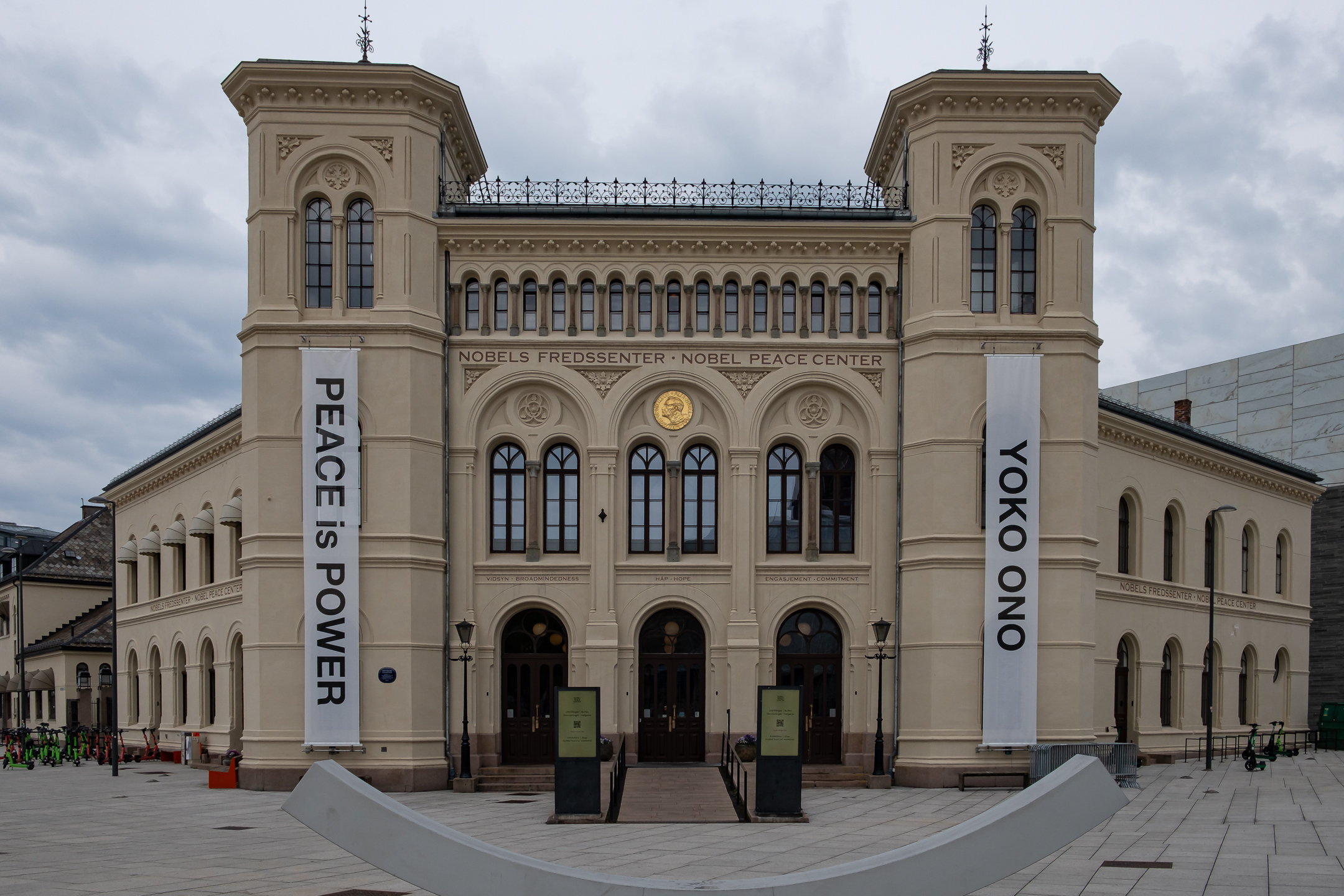
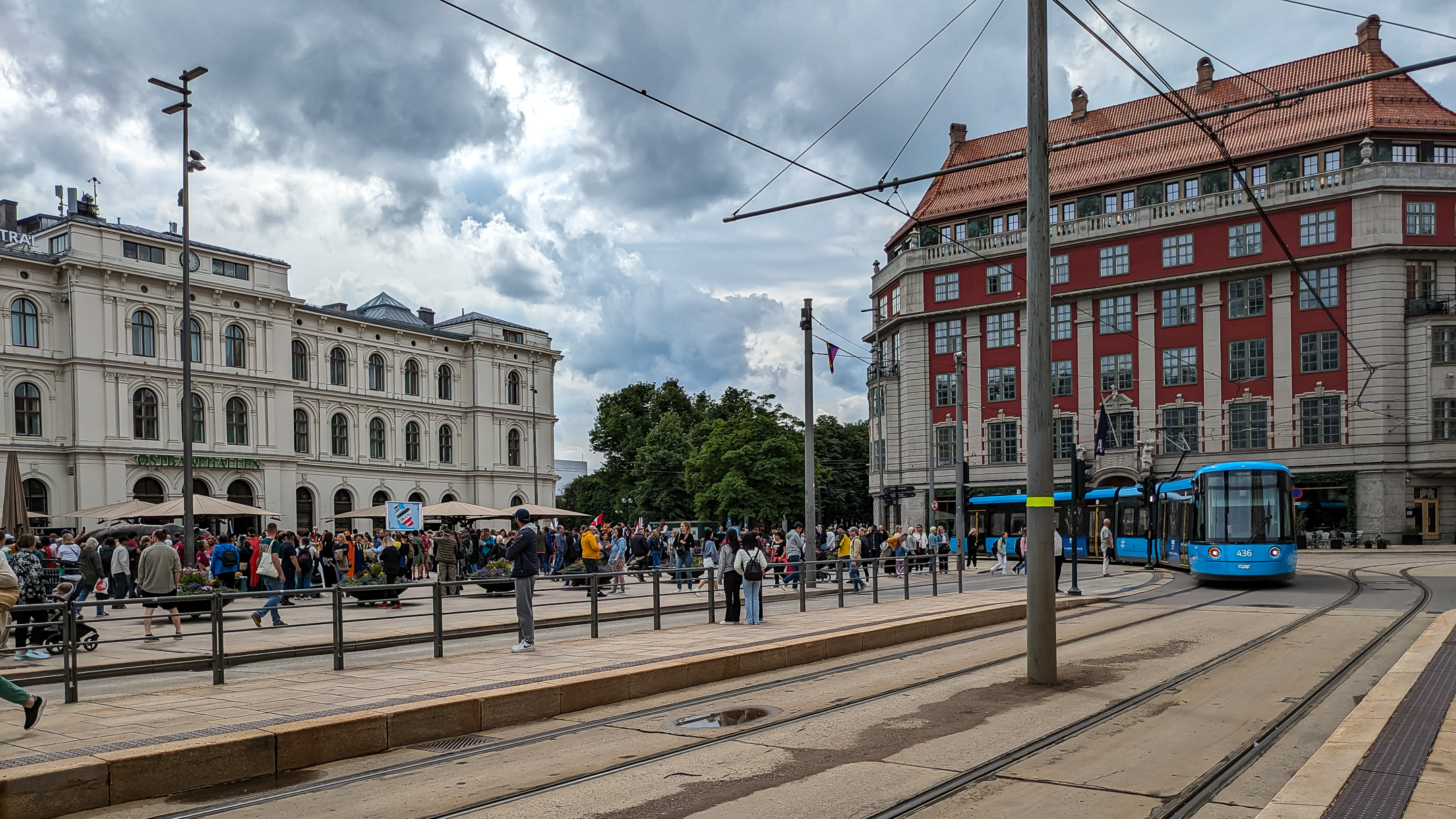
I really liked to Oslo, second favourite to Berlin on this trip, and like Berlin (and Stockholm I guess) we only skimmed the surface of the city. As everyone knows it’s expensive, but with the pound having a good exchange rate against the Norwegian Kroner it wasn’t as bad as it could have been. Oslo felt like a young city, a bit like Berlin and most of the people we met in hospitality were very friendly, and naturally everyone spoke very good English. It had a vibe I really liked.

DSCF3030

PXL_20240614_160158639

DSCF3115

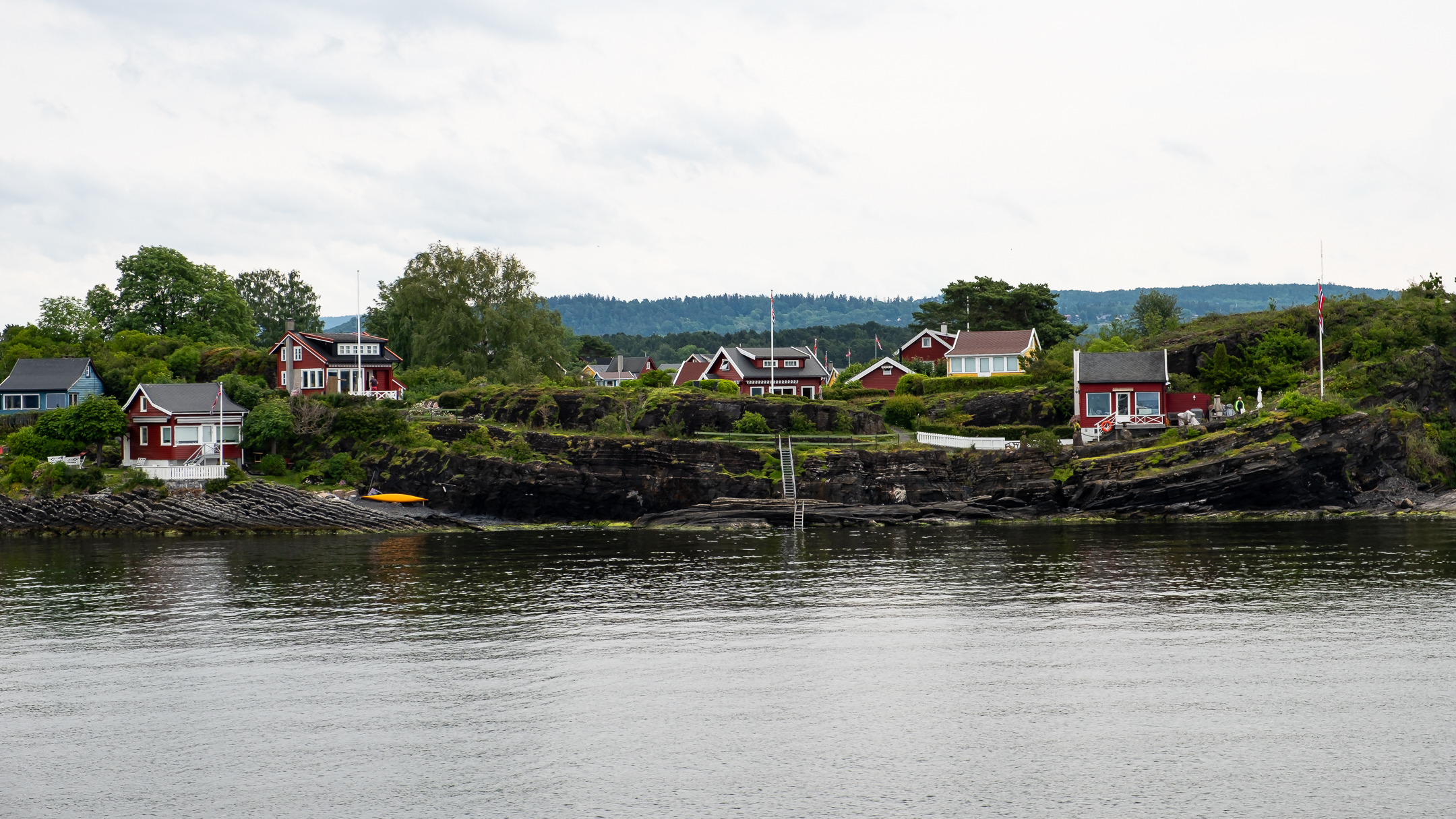
We took a 90 minute tour of the fjord which was interesting, though the highlight was meeting a NZ brother and sister who we spent the entire trip talking to. That was fun.

DSCF3037

DSCF3044

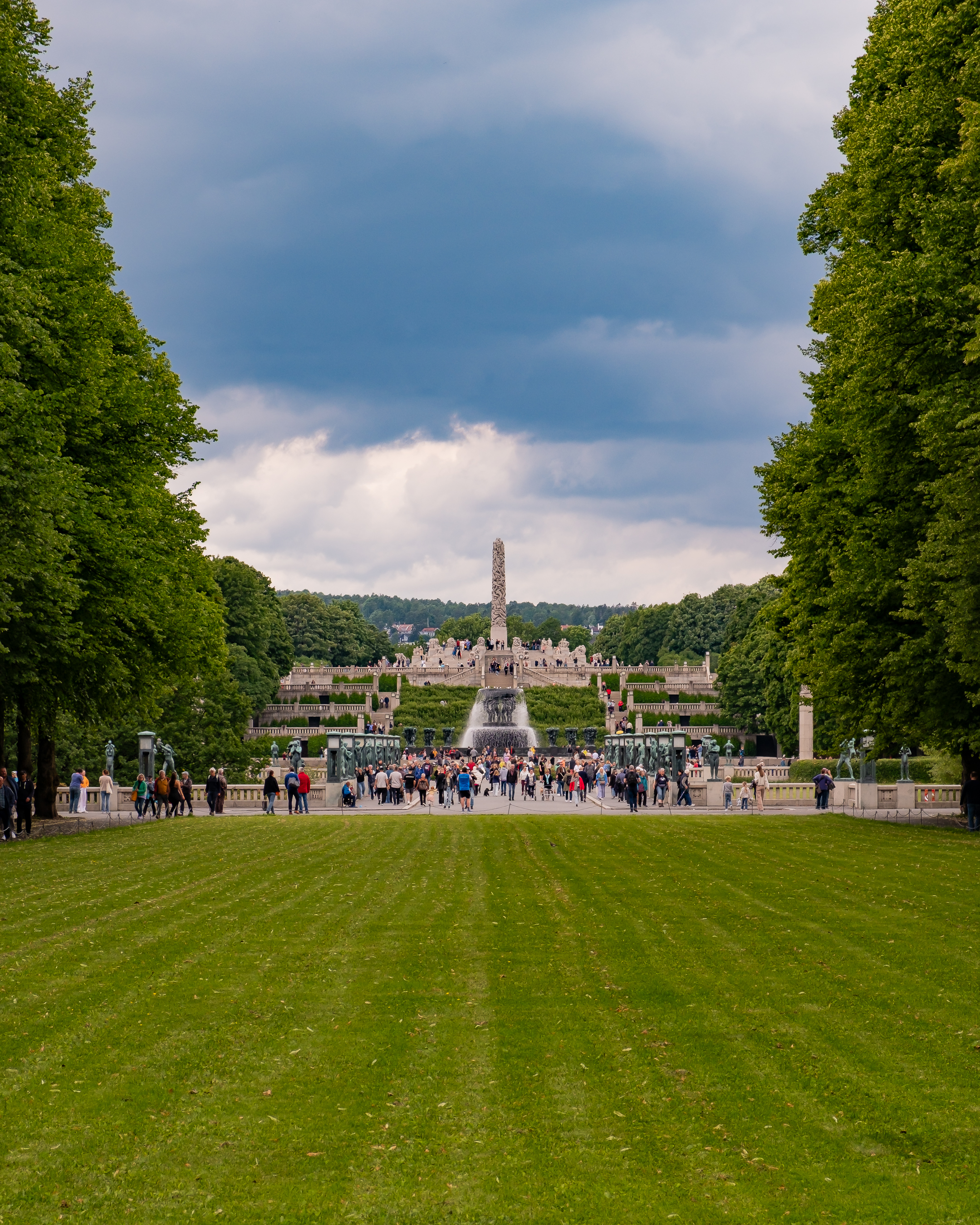
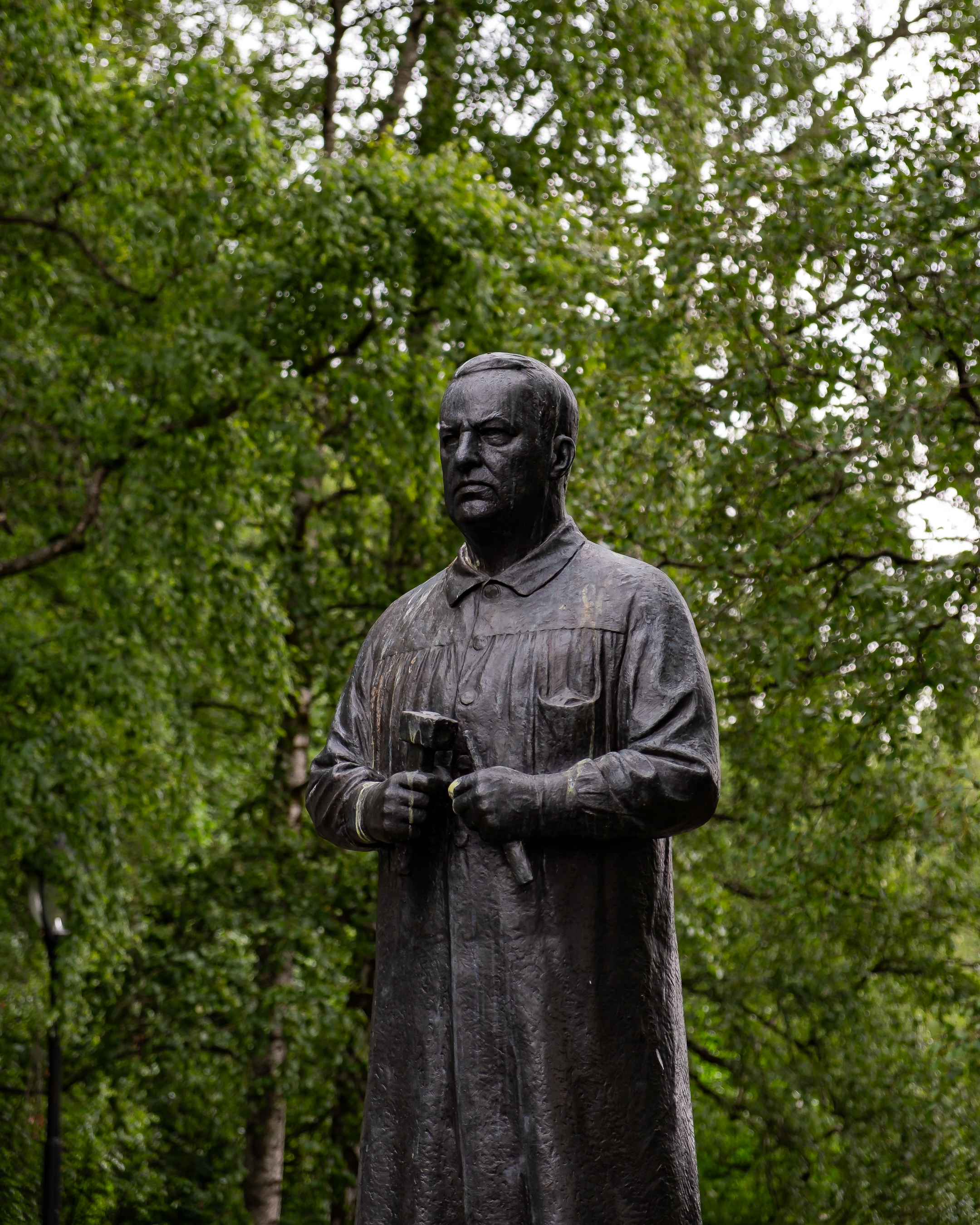
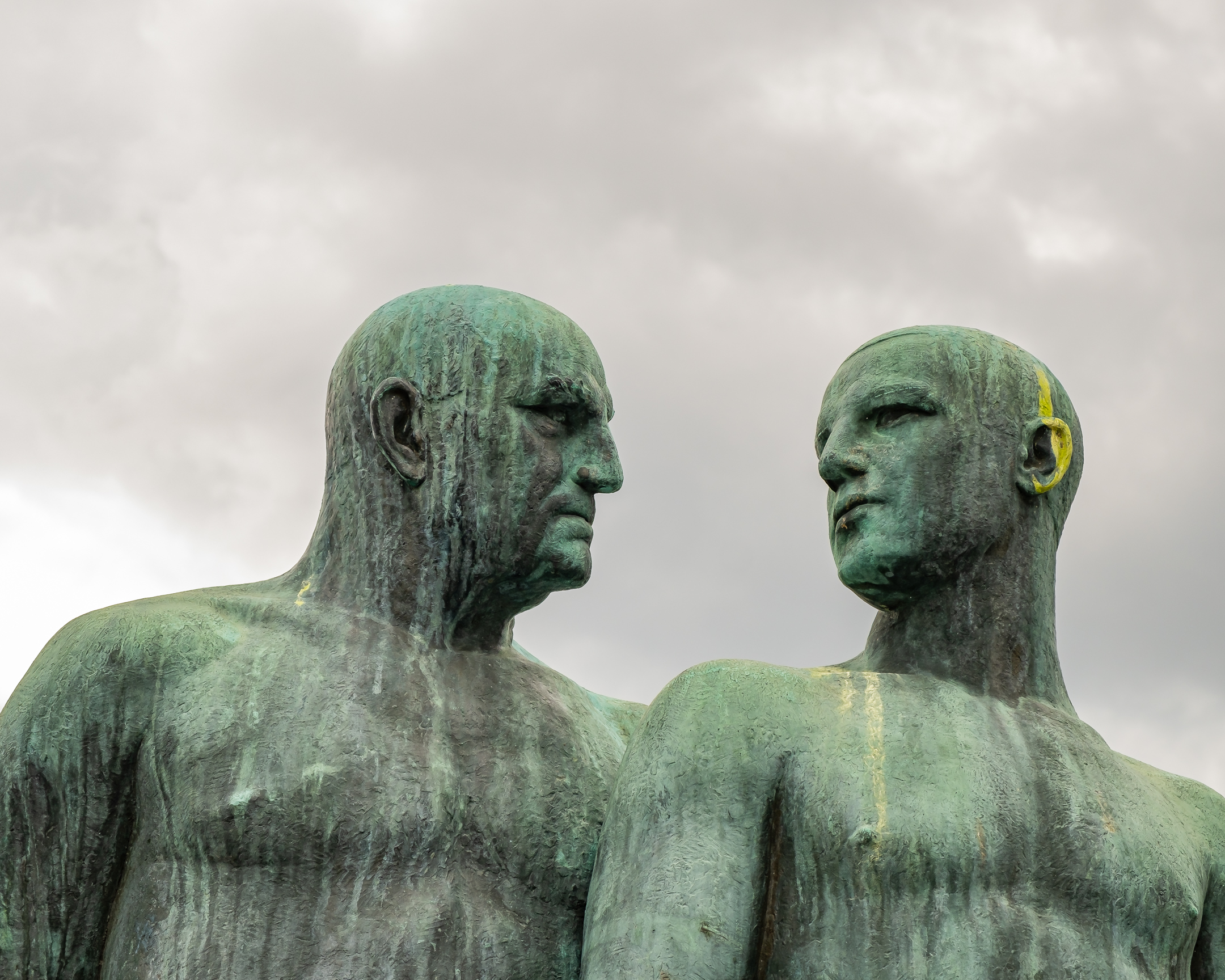
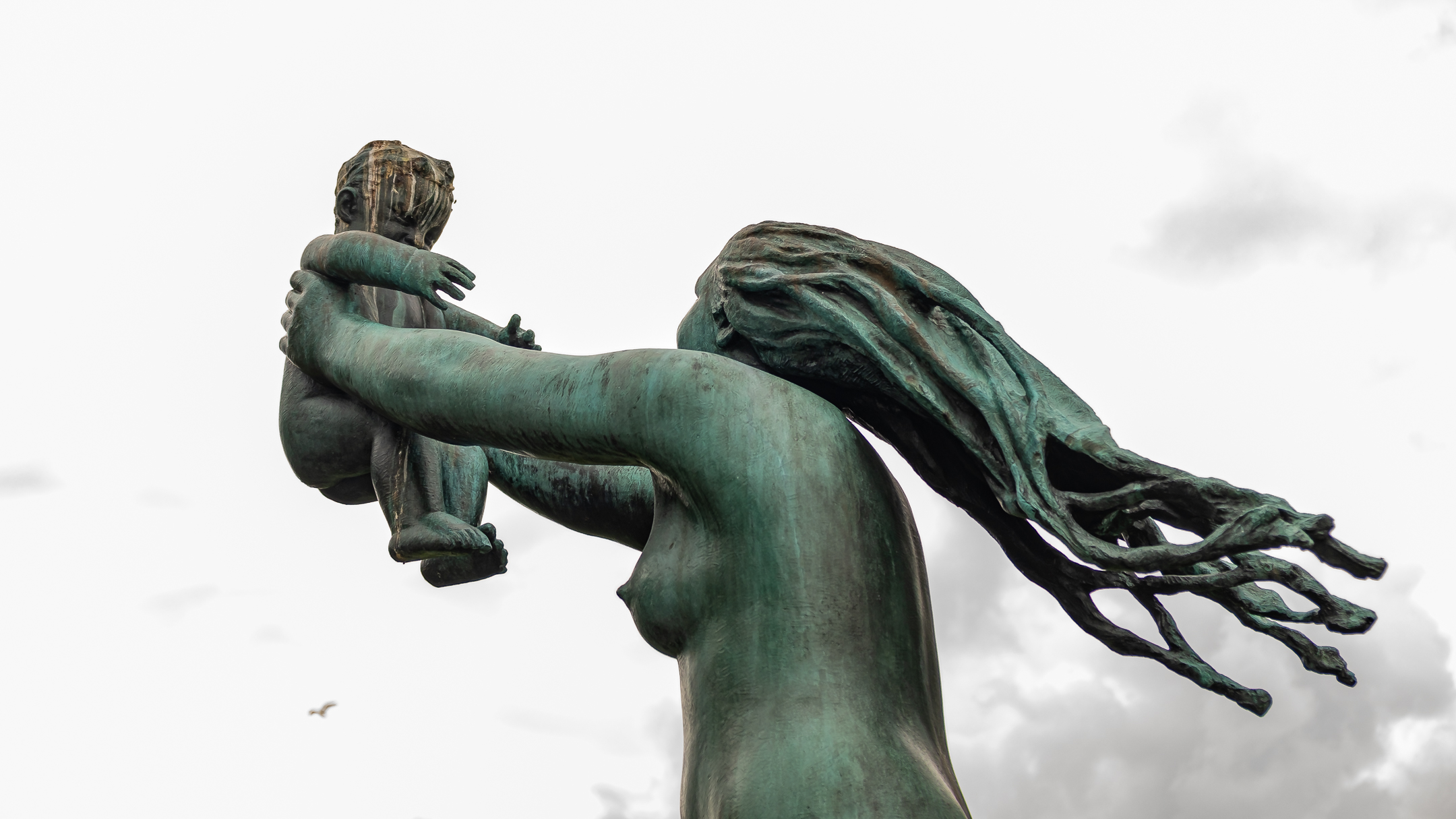
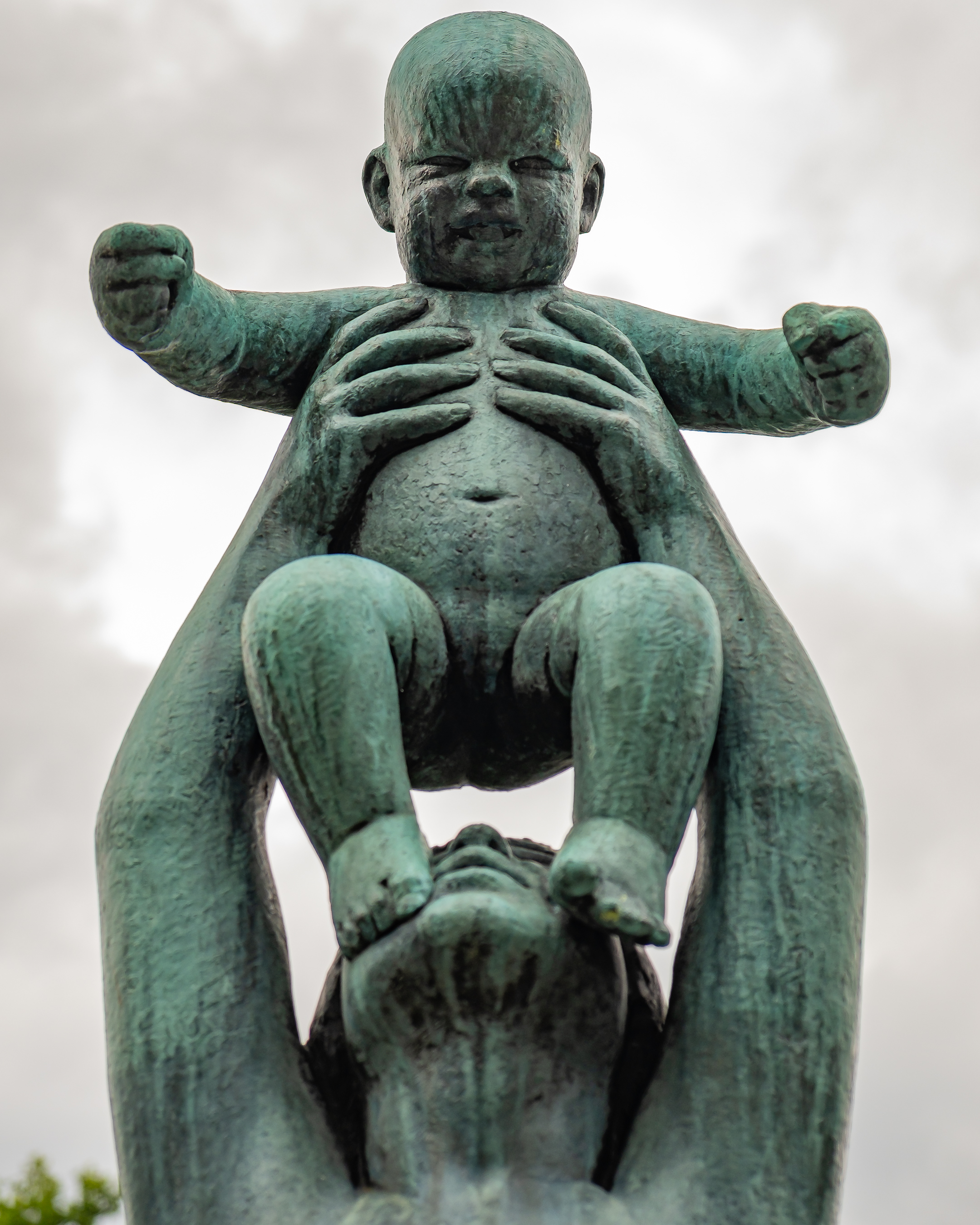
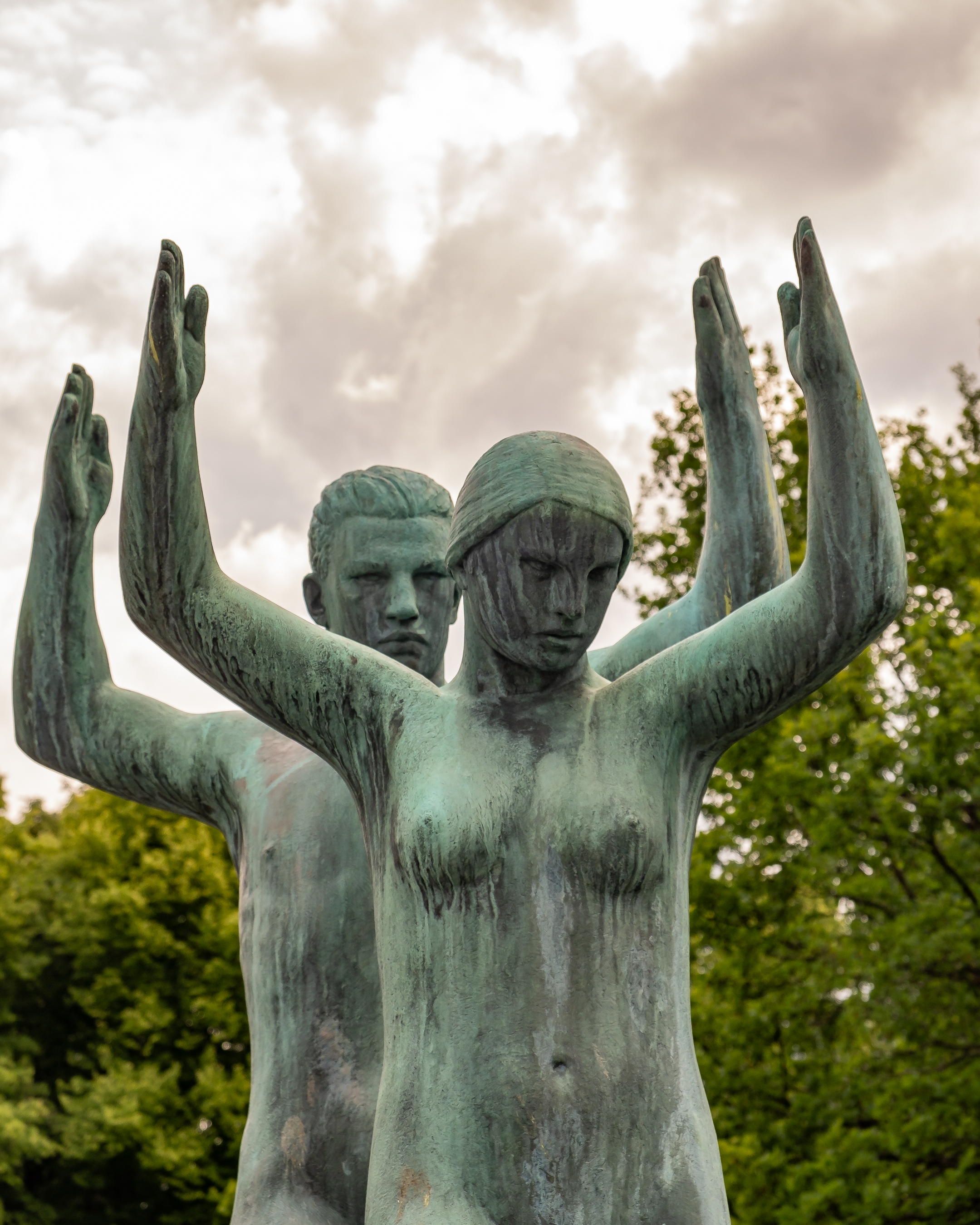
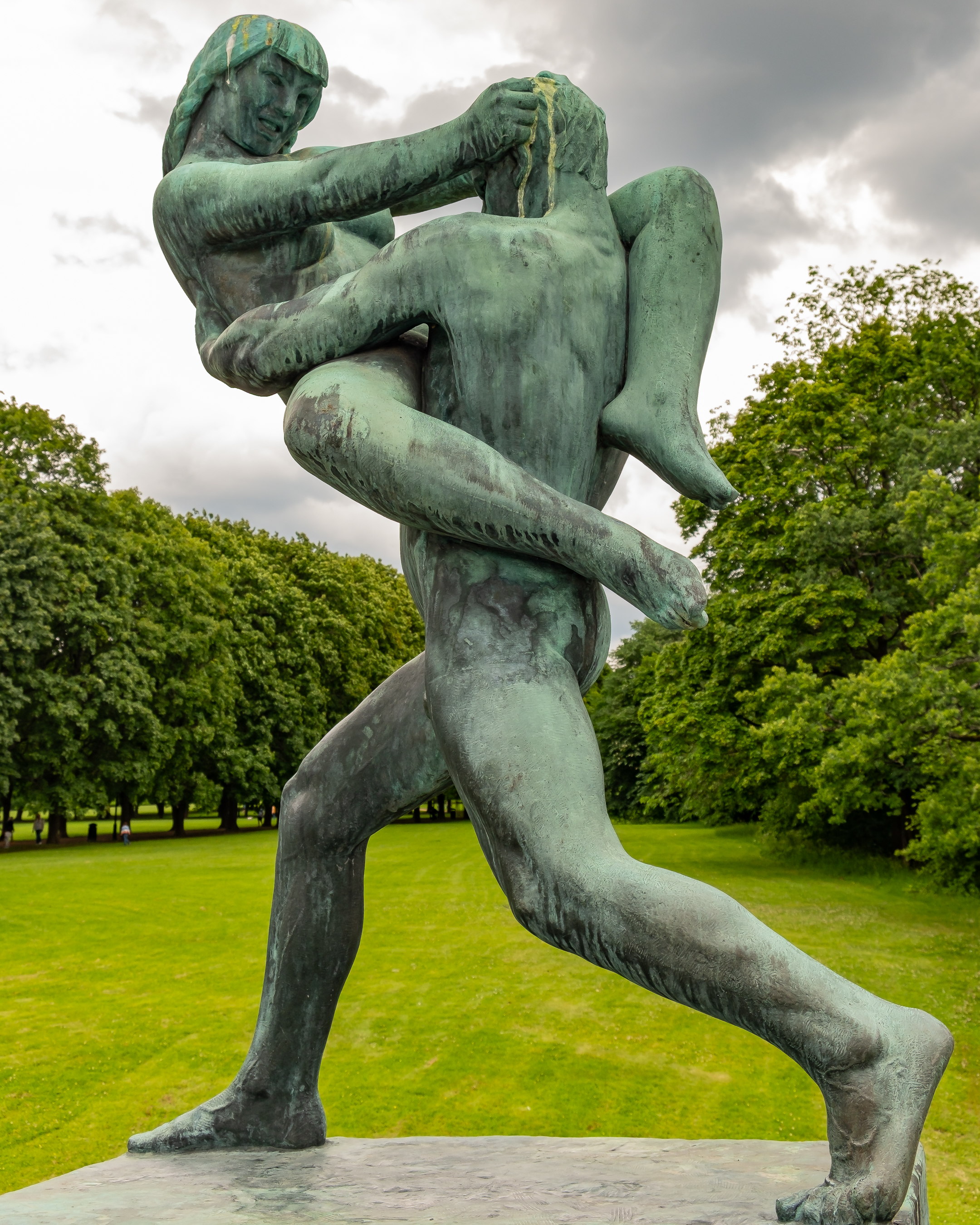
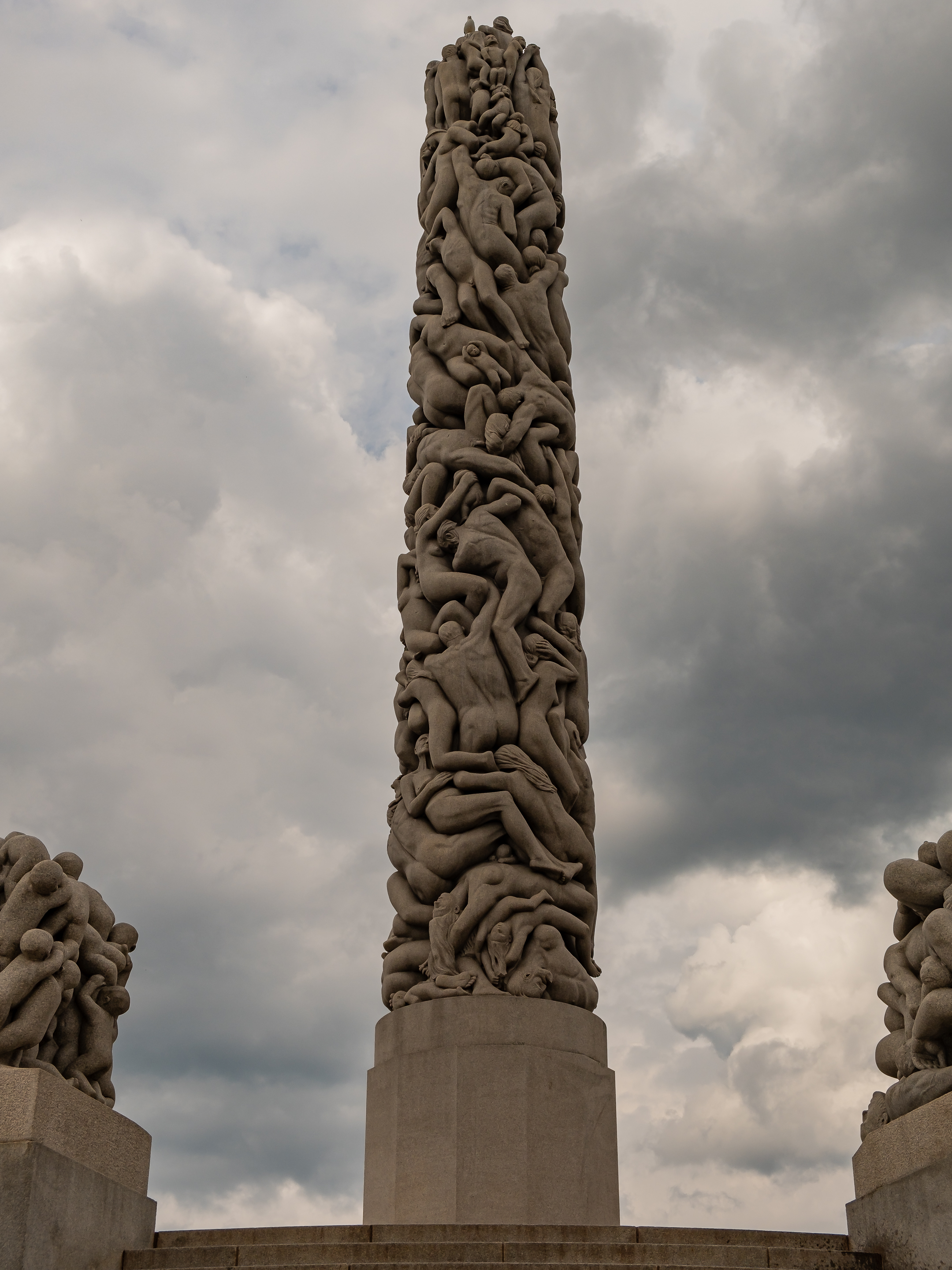
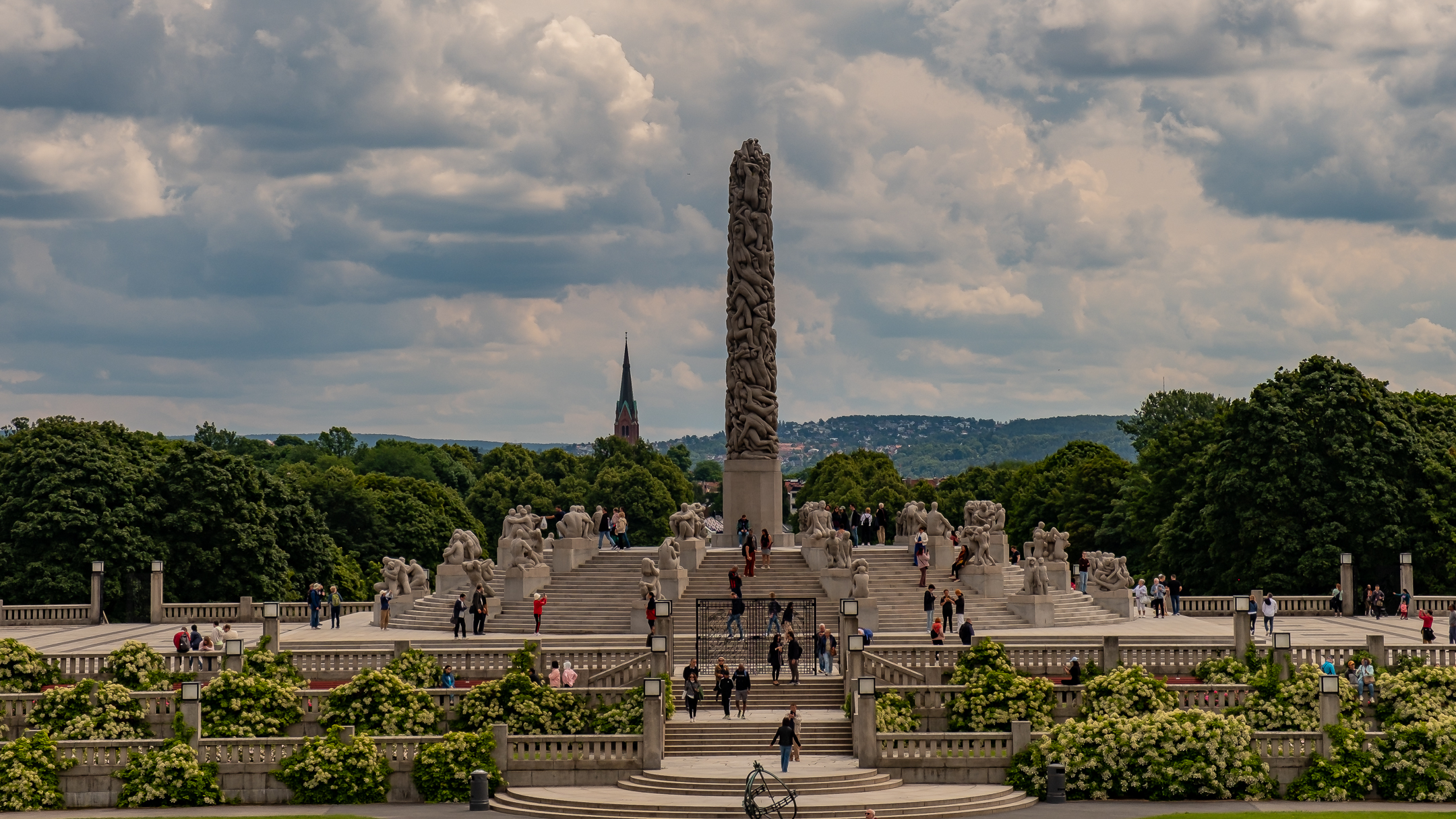
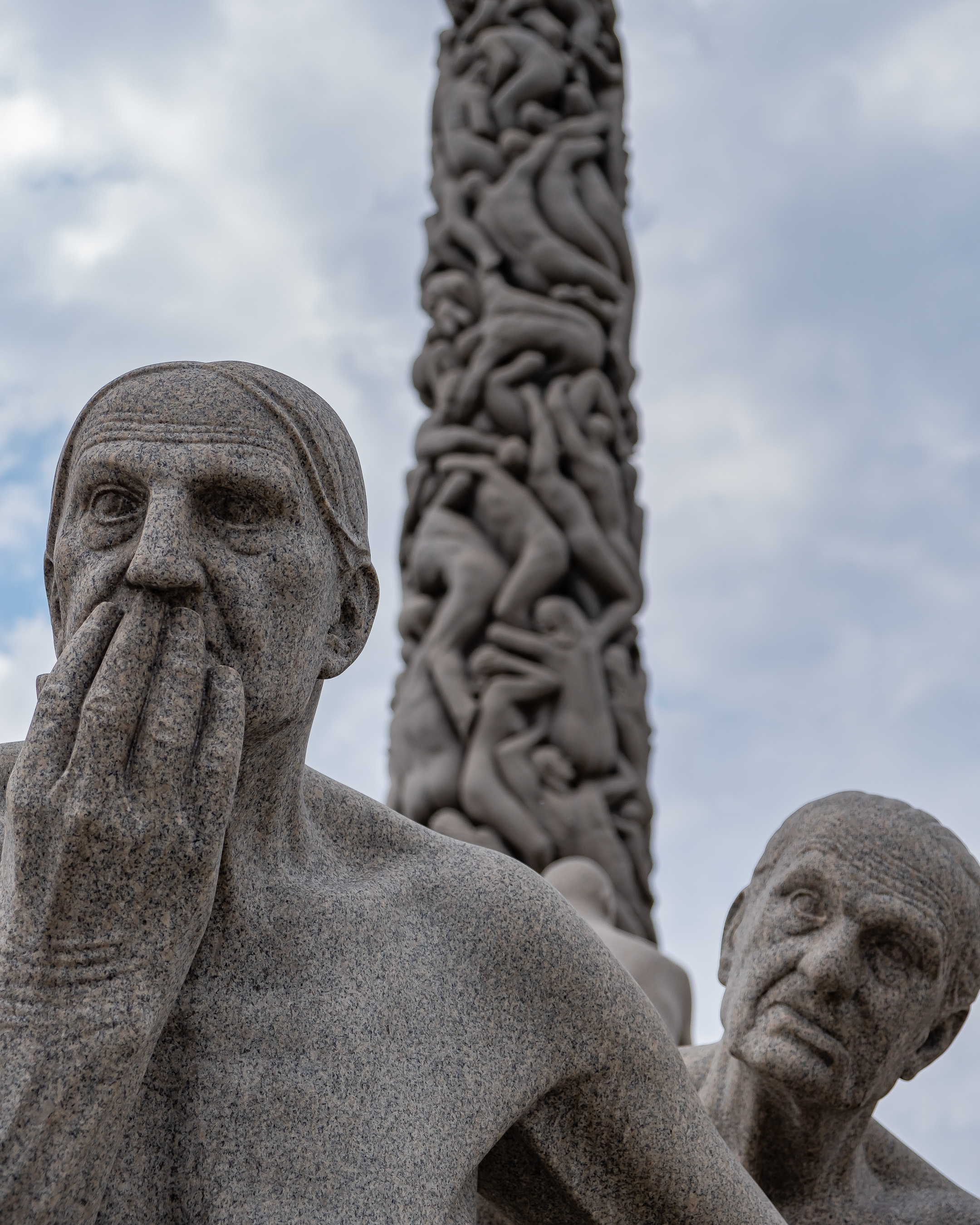
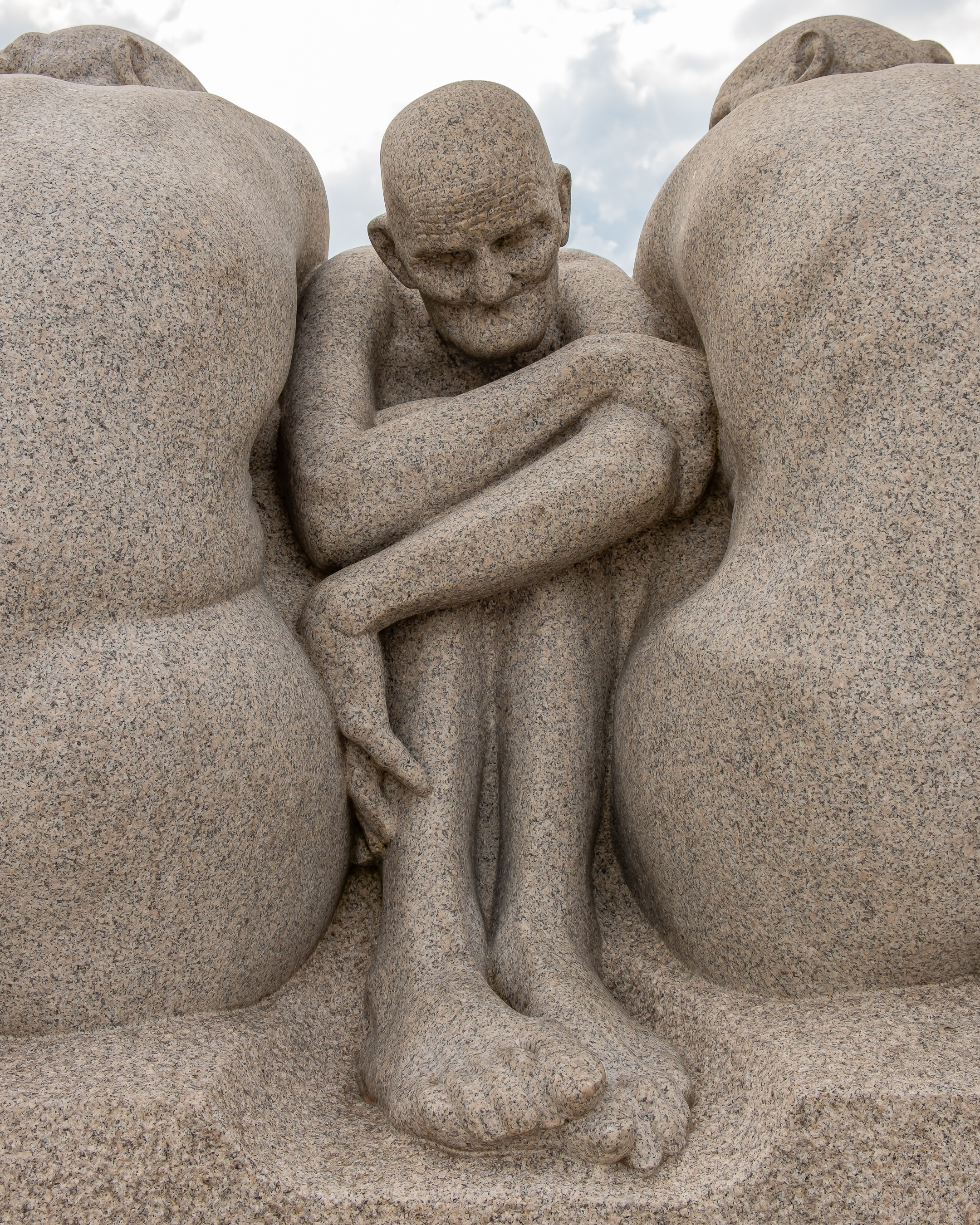
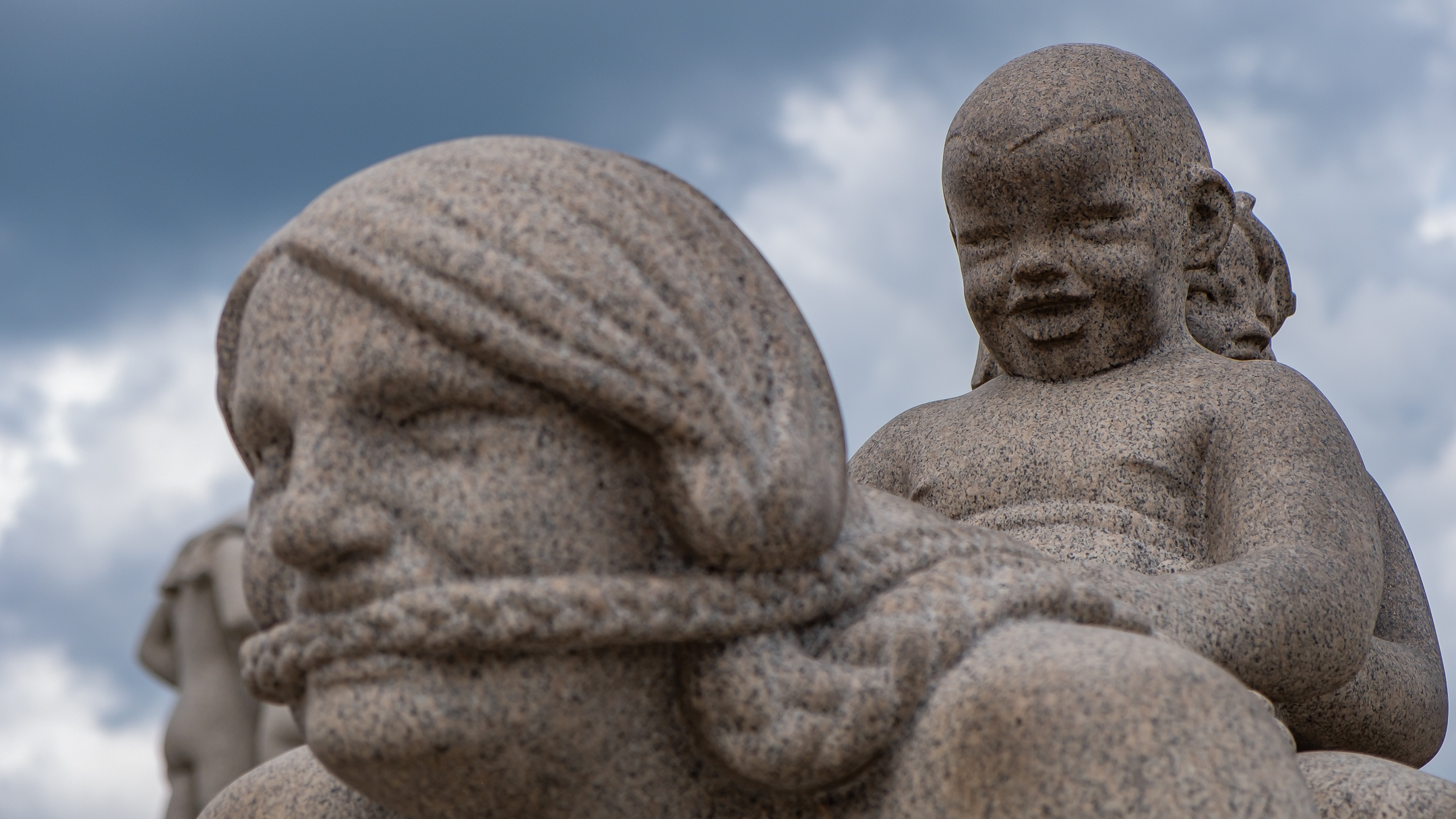
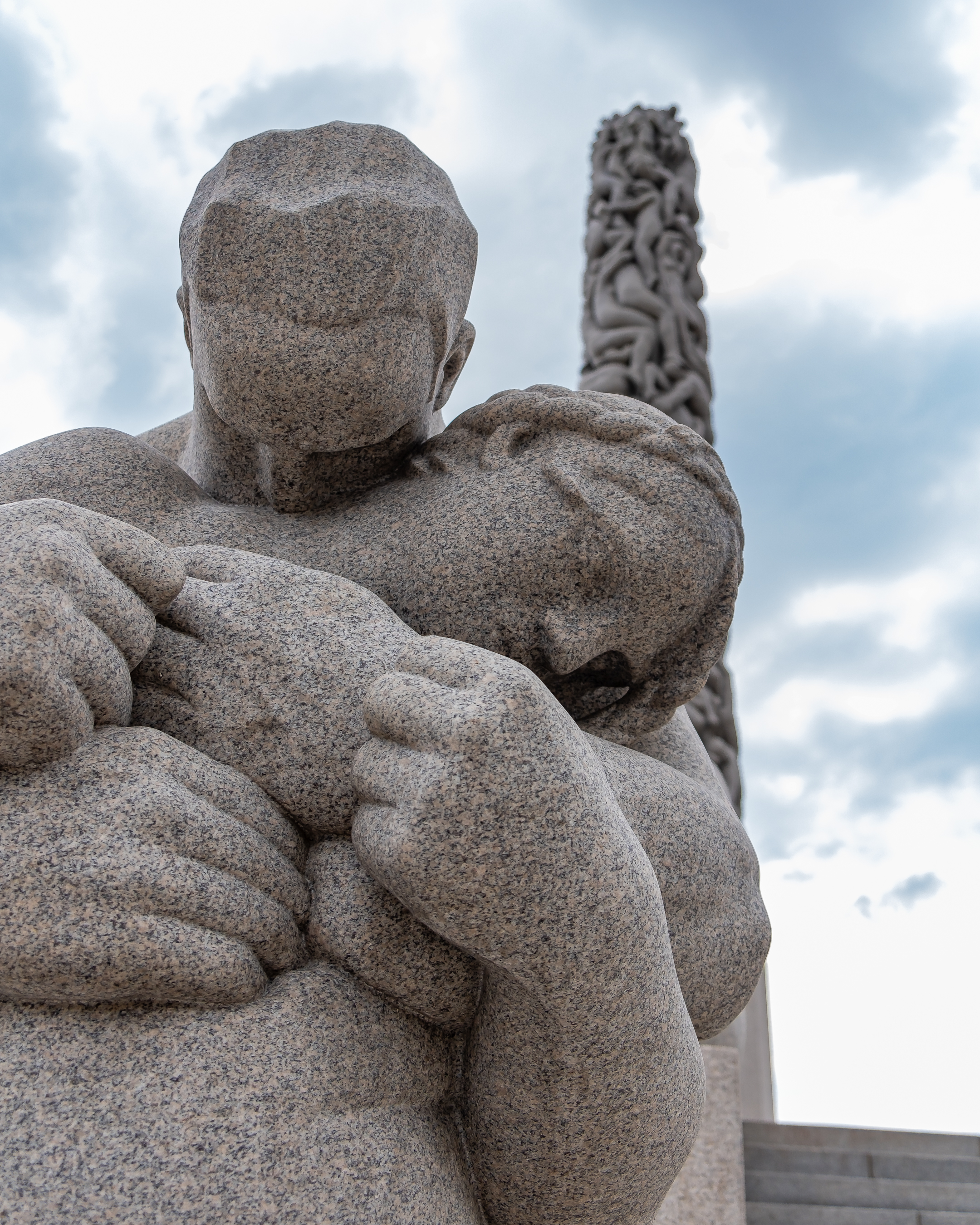
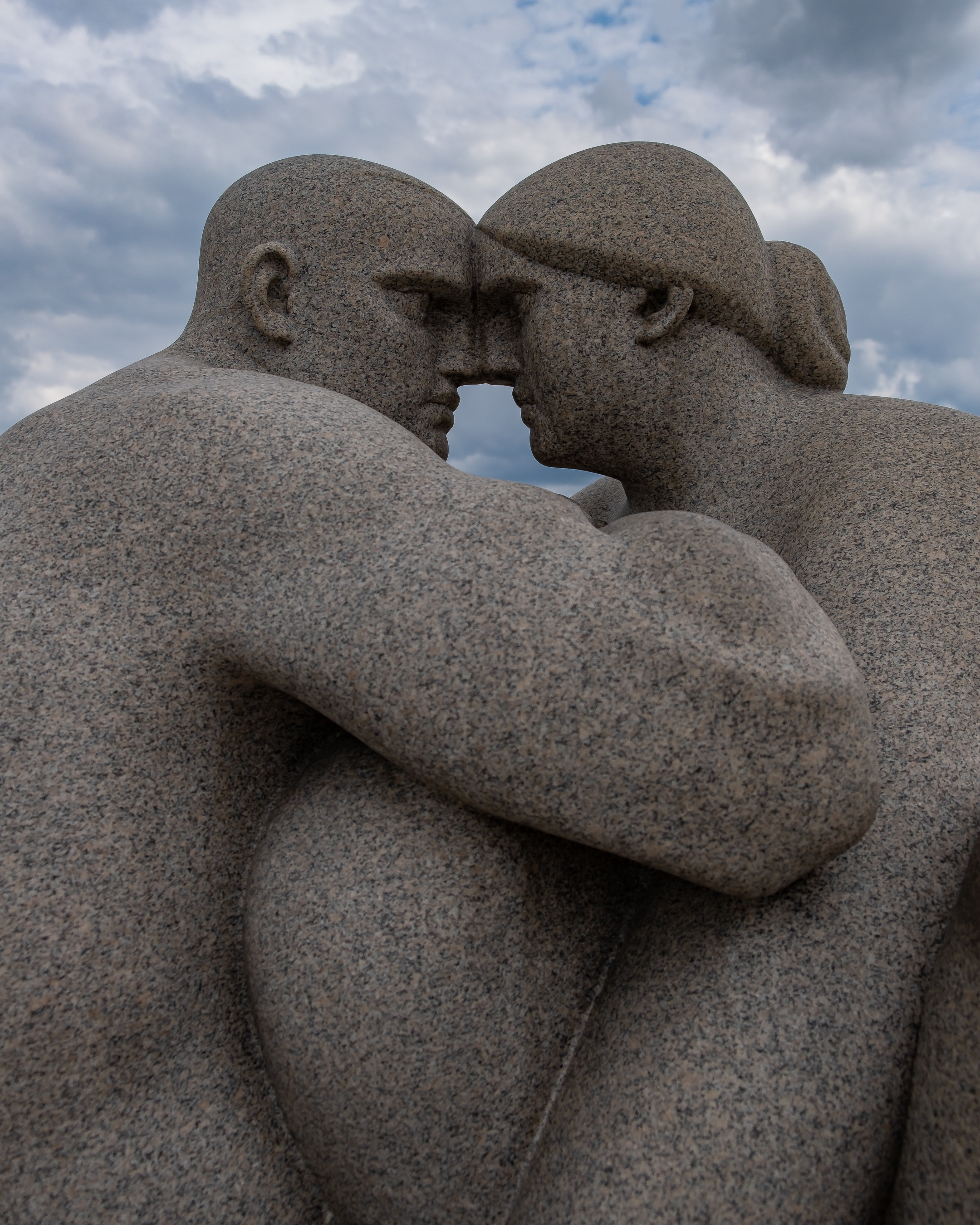
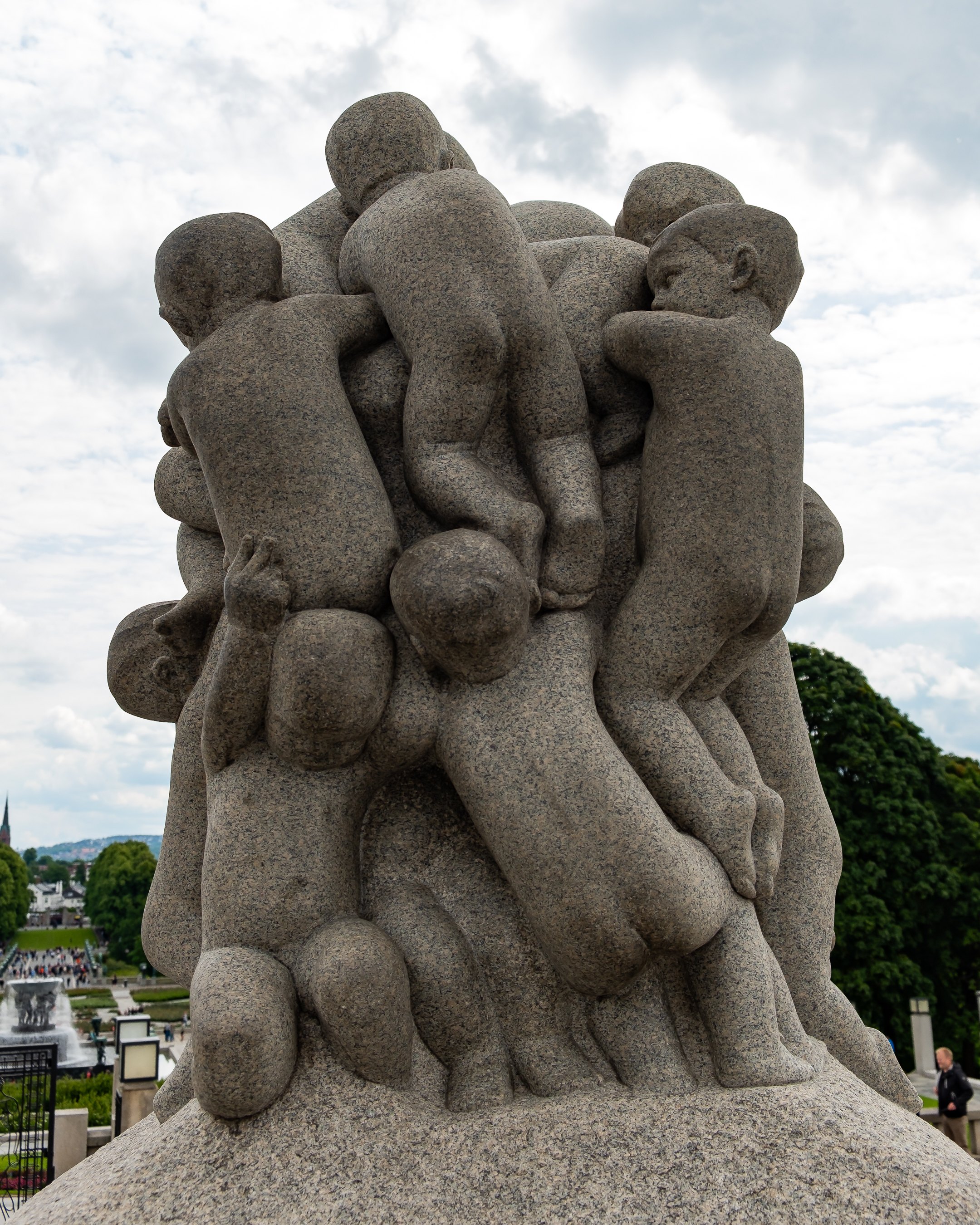
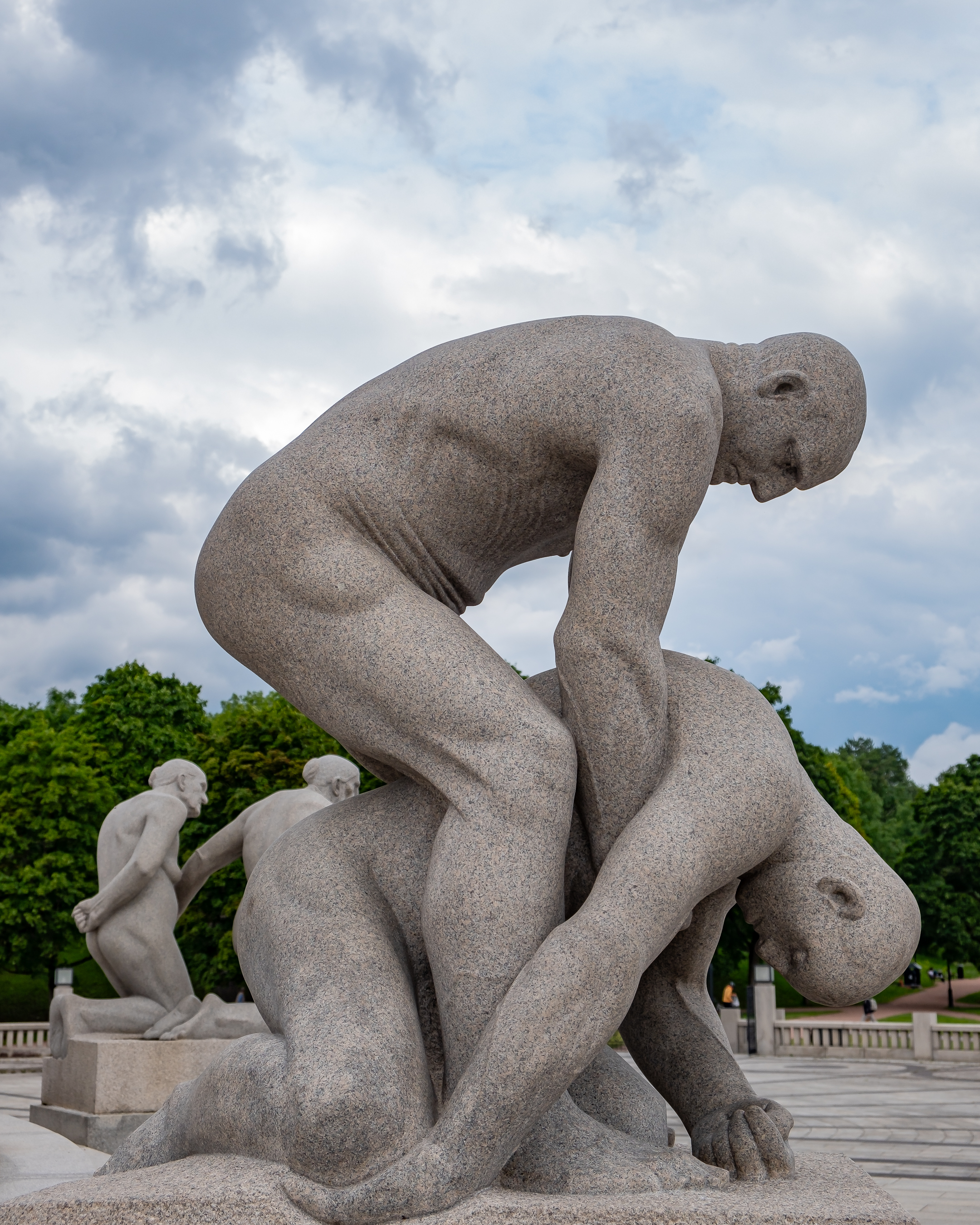
The highlight of Oslo, and possibly the whole trip was Vigeland Sculpture Park. It has merited its own post later on. Vigeland was a Norwegian sculpture who designed the 212 pieces in the park. I would say as individual works they would be OK, but as whole, they are wonderful. The facial expressions are just so wonderfully human and beautiful. My absolute favourite sculpture is the second one, with the two old people. Just stunning.

DSCF3060

DSCF3079

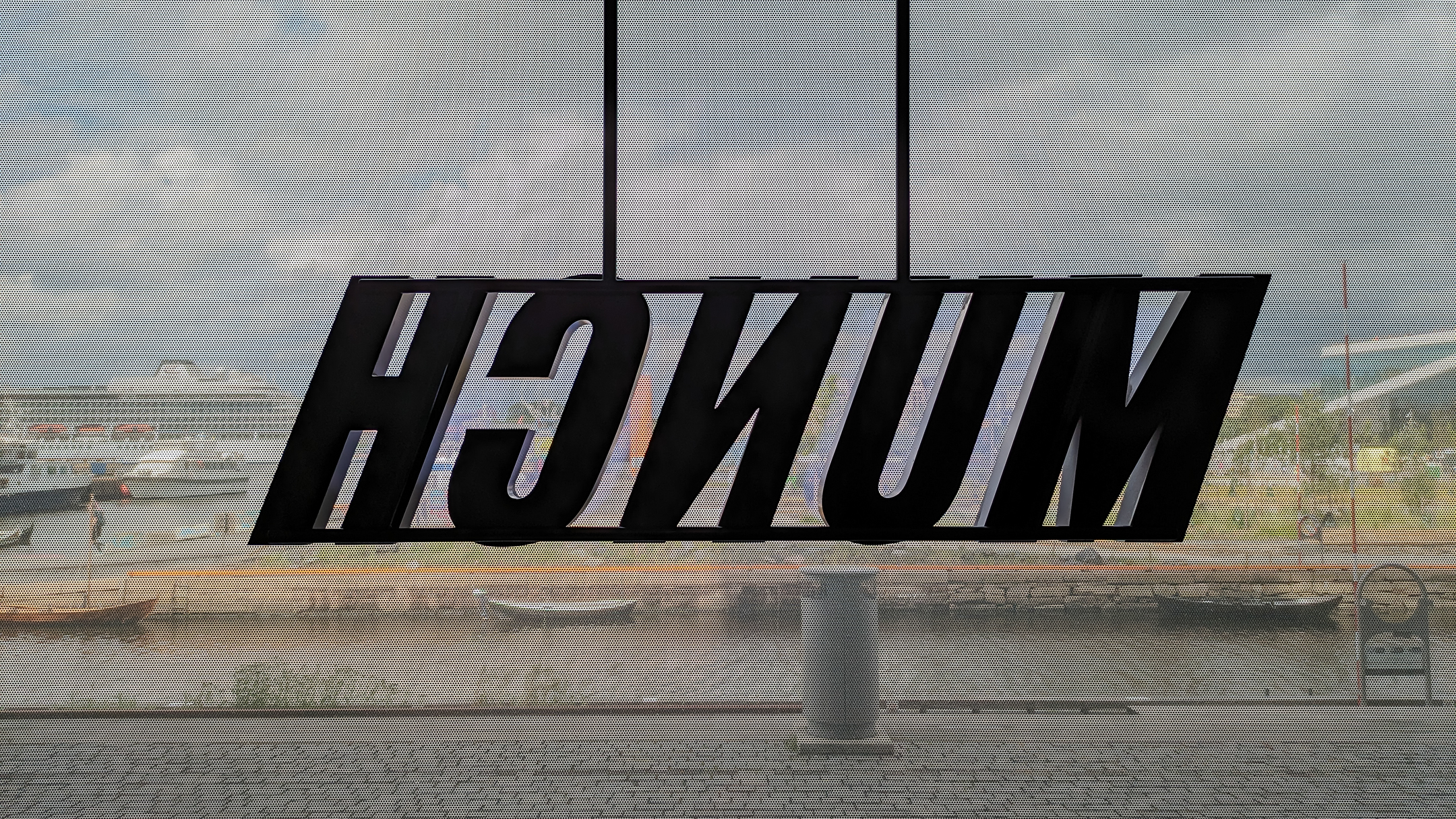
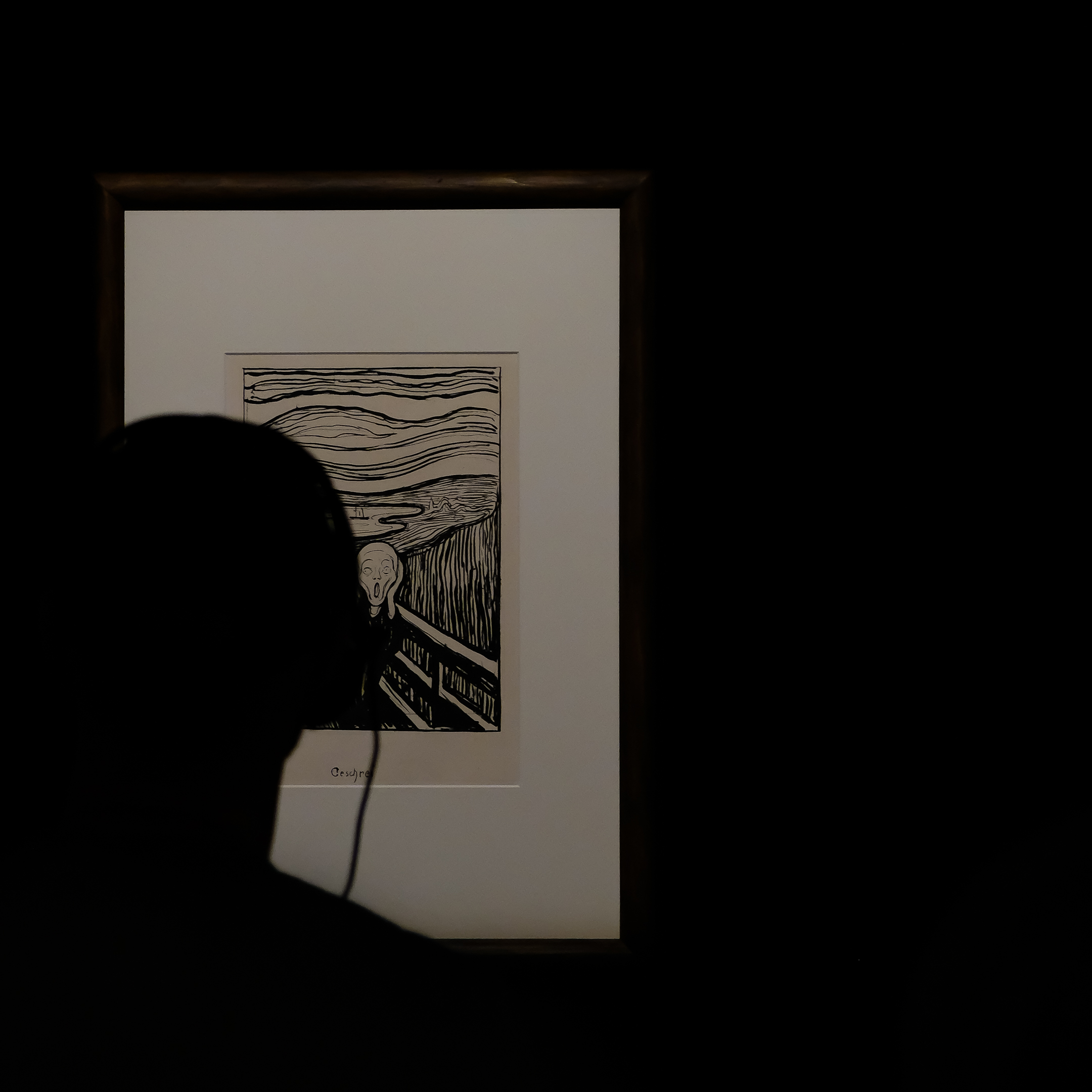
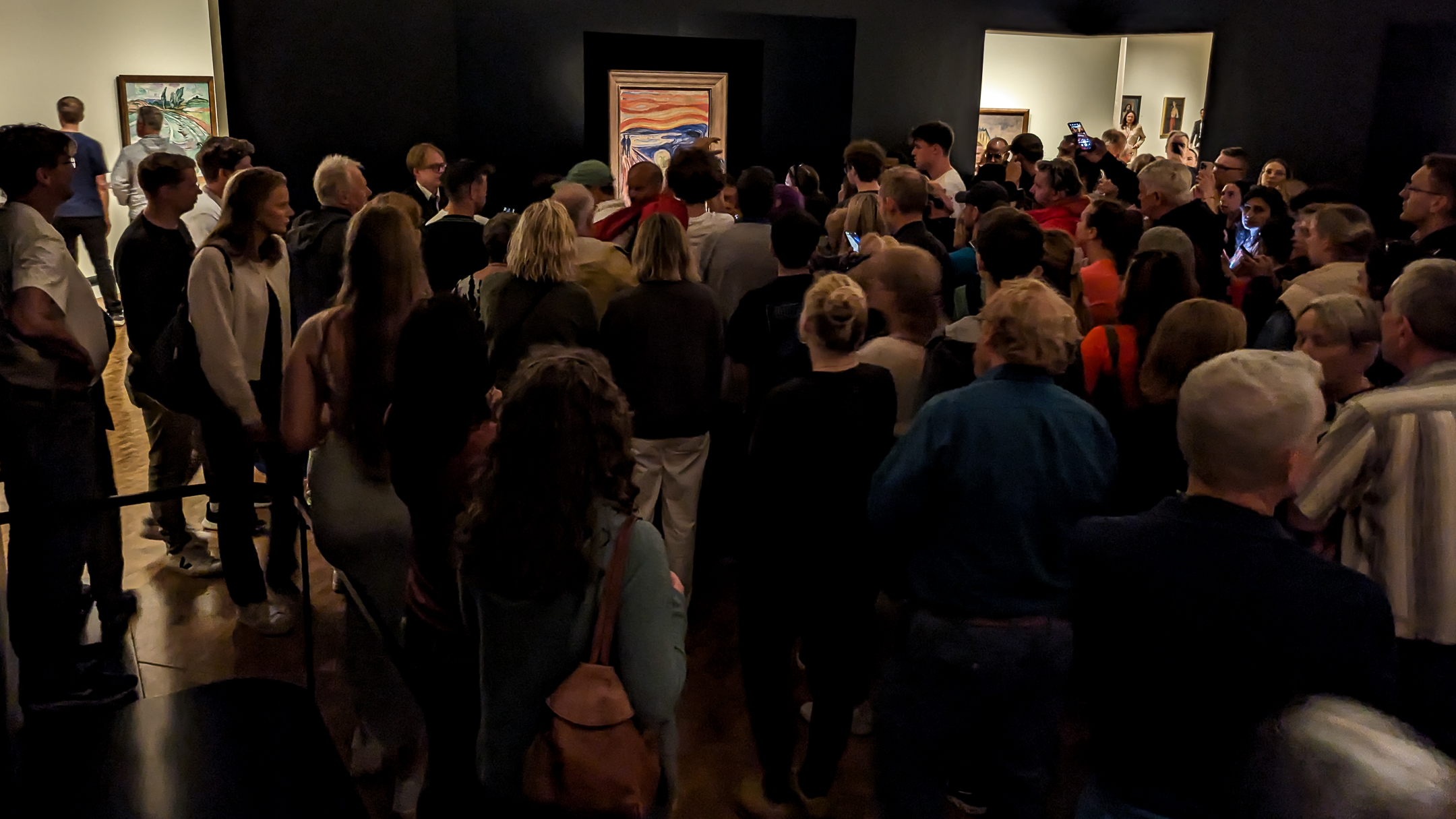
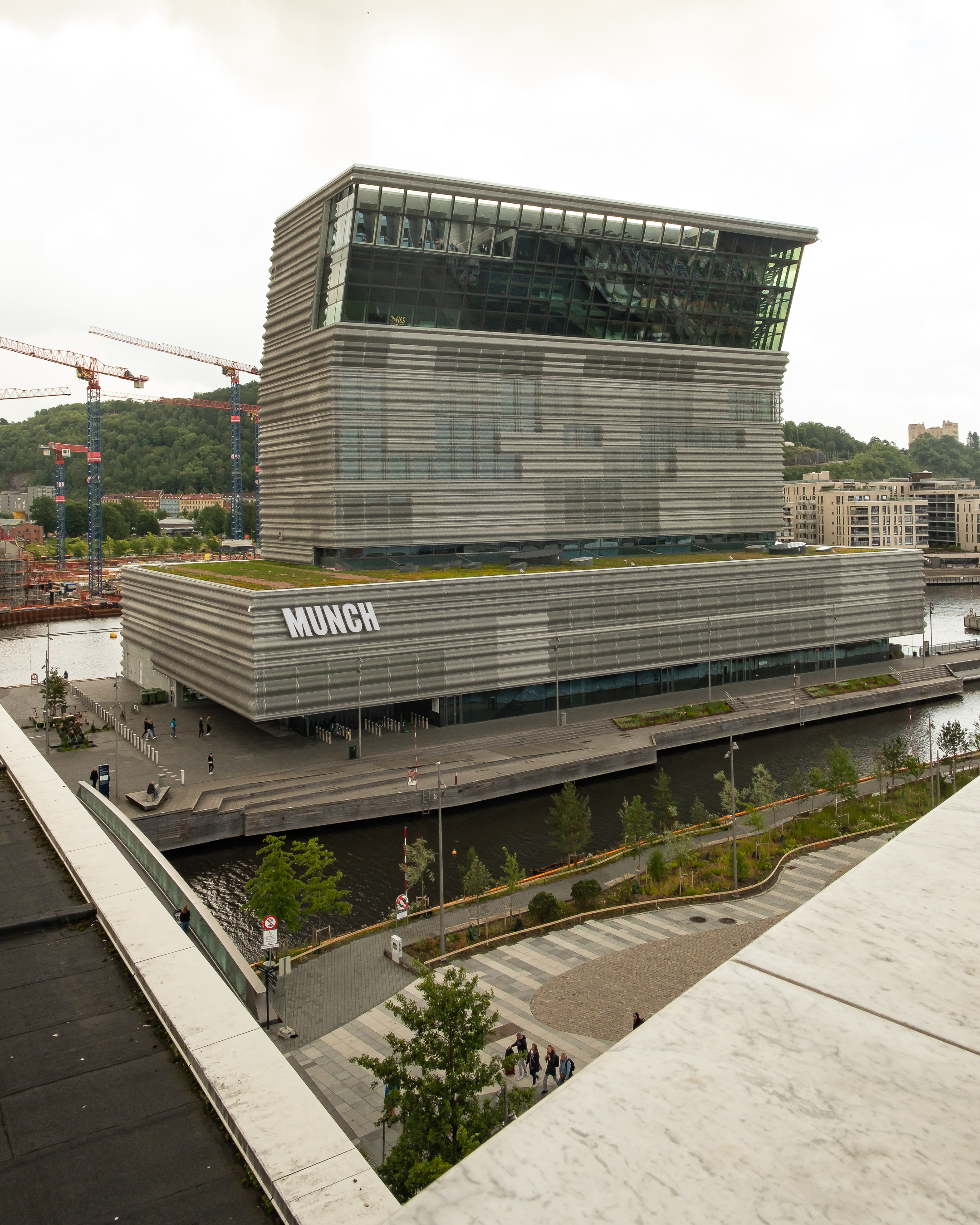
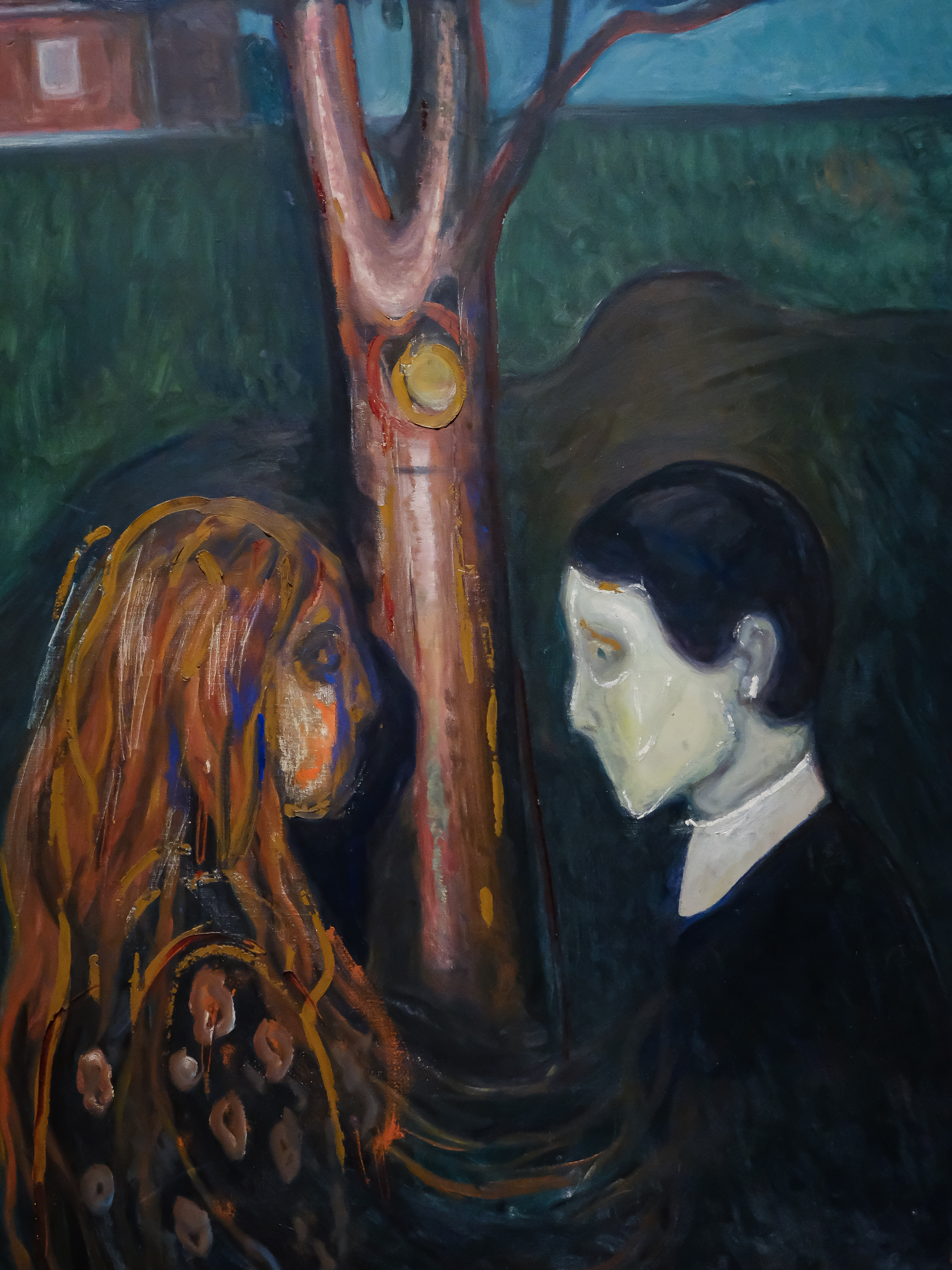
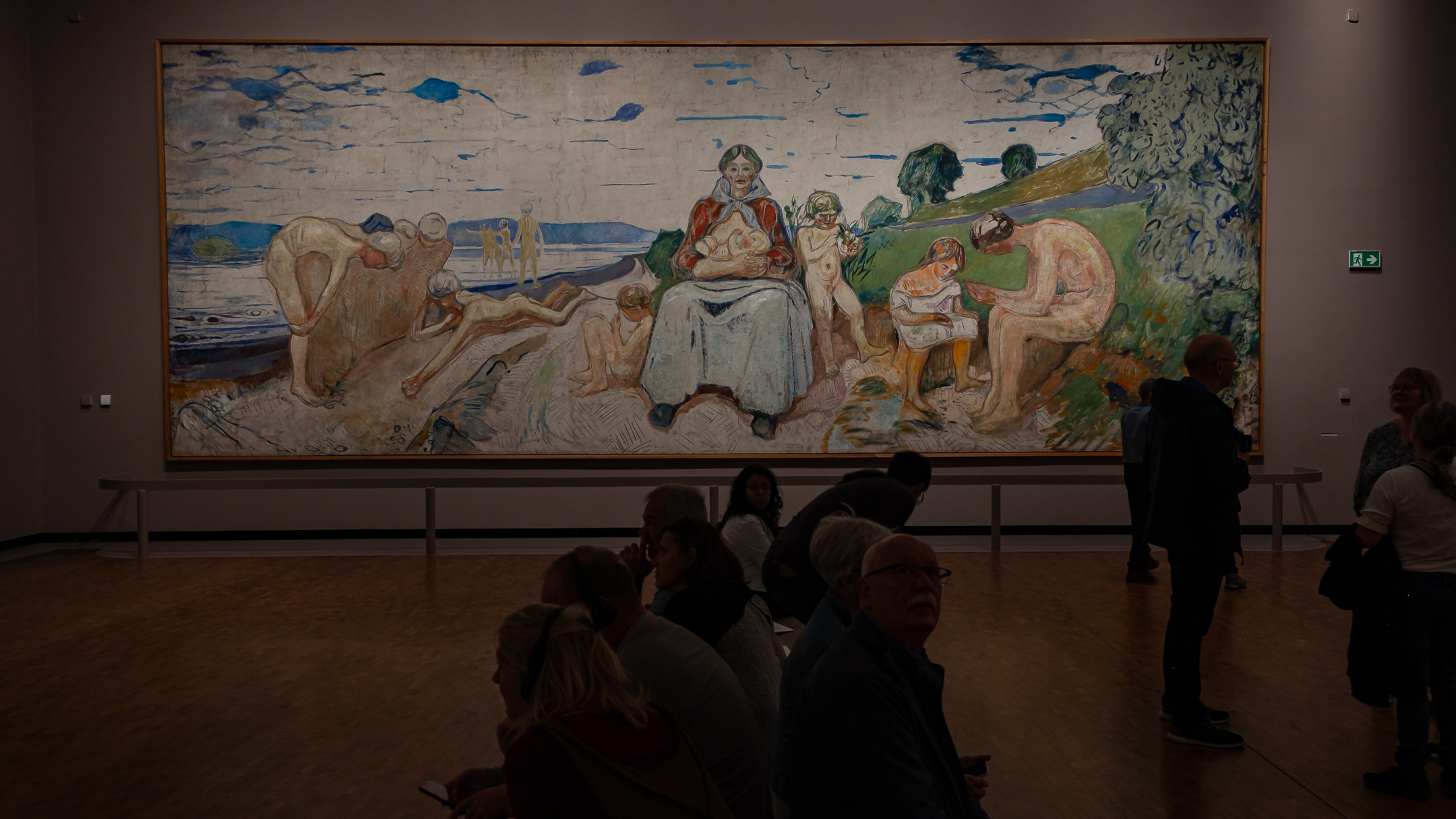
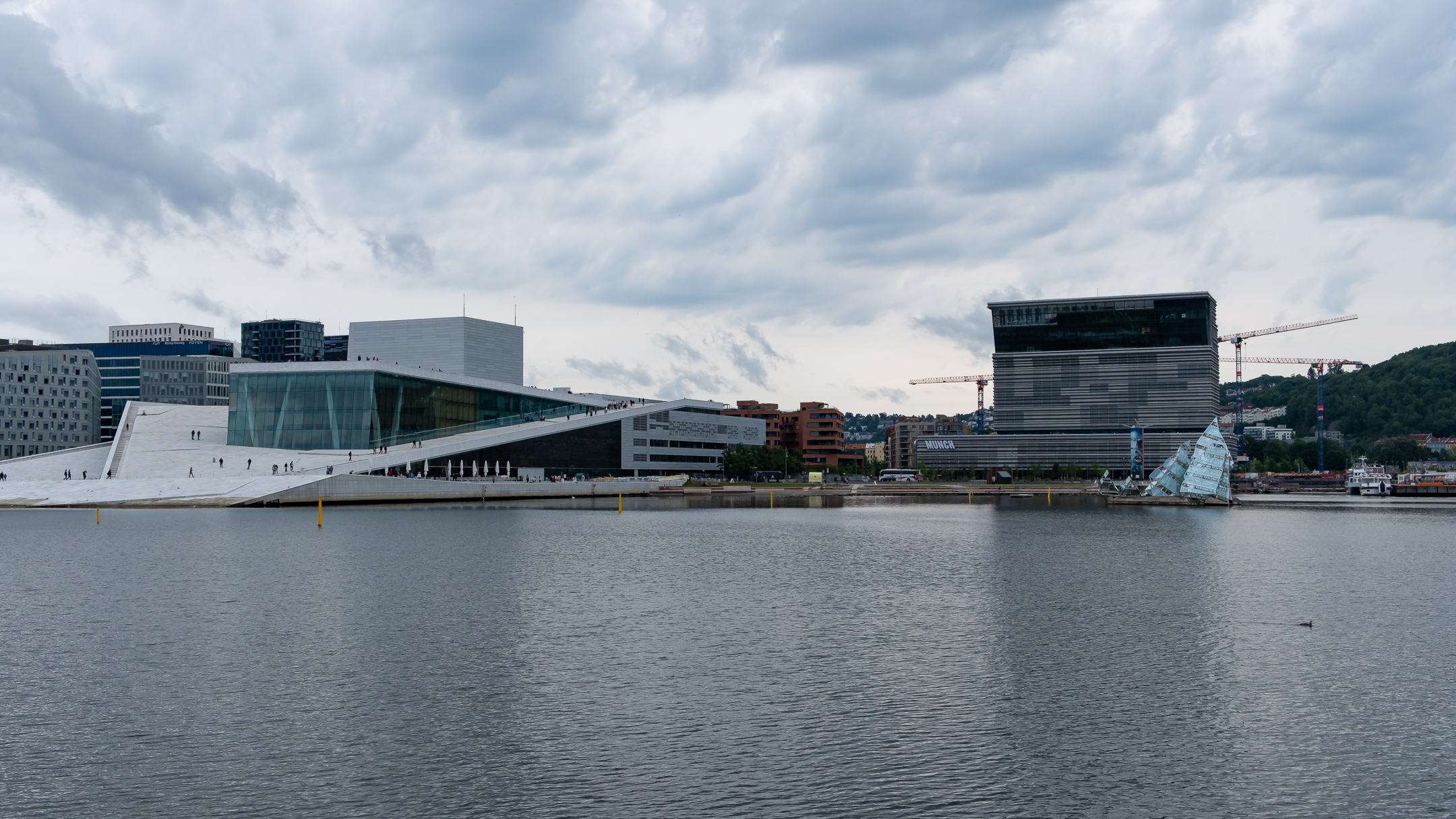
We also visited the Munch Museum, a gallery containing thousands of the works of Norway’s most well known artist – Edvard Munch. I didn’t get that close to ‘The Scream’, his most famous work, but really enjoyed the gallery.

PXL_20240616_113211505

The weather wasn’t great in Oslo, but we did get to walk a lot and on the Sunday night we walked to one of Oslo’s hip inner suburbs, Grunerlokka and ate in a large food hall. GrunerLokka is somewhere I would like to back to; there seems to be a decent music scene in Oslo as well which I would like to check out next time.

DSCF3108

All too soon it was time to head to the airport for the flight back to London and the end of 10 busy and fun days. I didn’t want it to end.

Tilbury walk.

Friday 25 May 2024 – Tilbury, Thurrock, Essex.

I have fairly strong feelings about this part of Essex, in fact I have the same feelings for pretty much all of Essex to be honest. They’re not positive feelings and they’re based on ‘vibes’ as the young folk say, rather than fully researched fact. Let’s just say I never thought I could live in Essex’s southern Thurrock region and after today’s walk that thought was made certain; mind you I did enjoy being out and about and it was a decent walk.

I’m trying to make proper use of my nine day fortnight so, with a seemingly rare Friday with no rain in the forecast I decided to catch the train to Tilbury Town, then walk past Tilbury Fort, along the side of the Thames Estuary to Coalhouse Fort then up to East Tilbury Station and back home. It’s not a huge walk, but I only had half a day and I felt like going somewhere different.

I arrived in Tilbury Town just before 13:00, crossing over the railway track via the over bridge with a full-on nasal assault from the rubbish dump that the road I’m going to follow for a bit runs alongside. I’d hoped to be able to pick up something to eat by the station but all the shops were closed. I only had a couple of hours of walking ahead of me and let’s face it a few hours sans food isn’t going to be a bad thing.

DSCF2686

I’d originally thought about catching the ferry across the Thames from Gravesend in Kent, but disappointingly the ferry had permanently closed in April. The ferry would’ve made for a nice round trip rather than the there and back  journey I did, plus it docked almost on the fort’s doorstep which meant I would’ve avoided the dump.

pxl_20240524_120835802

The walk to Tilbury Fort took about 30 minutes, with half of it down this hideous stretch of busy road mainly being used by large lorries scurrying to and from one of the ports. It was noisy, smelly and generally unpleasant. Welcome to Thurrock.

pxl_20240524_115439309

There were a few things I wanted to check out on the walk, one of which was the memorial to the Windrush generation on display at the building and wharf where the first migrants from the Caribbean arrived onto English soil in the 50s and 60s; naturally it was closed. I discovered when I got home that the memorial gallery closed at the same time as the ferry. 

DSCF2688

I chose not to go into the fort as there didn’t seem to be a lot to see inside and there was a charge to enter and I’m trying to keep my spending down (he says the day after buying a new pair of Doc Martens shoes). The English Coastal Path runs past the entrance and I was planning on following this for the four half kilometres to Coalhouse Fort, the next fort along; heading east towards the mouth of the river.

DSCF2689

Tilbury Fort is one of the finest surviving examples of 17th-century military engineering in England. Built on the site of a smaller Tudor fort, it was designed to defend the river Thames passage to London against enemy ships, though it was never tested in battle. The fort was decommissioned at the end of the First World War.

DSCF2696

DSCF2693

Forhe first half of the walk I was following the estuary wall, starting on the inside of the wall, then crossing over some steps to the water side a few hundred metres in.

DSCF2699

DSCF2700

DSCF2704

Luckily the tide was not in as there was a lot of rubbish and bits of drift wood on the wrong side of the path proving the messages at the start of the path that this area is subjected to a lot of water at high tide. I enjoyed the walk along the wall, preferring the rougher outside of the wall section with its graffiti and weeds and rubbish and feeling of isolation.

DSCF2703

DSCF2707

DSCF2702

I like these unloved edgeland places between the lived and unlived environments, especially those on the fringes of a big city like London. I like that they are most likely very safe places, but there is just that small hint of danger to keep the outsider on their toes, especially walking alone and on the wet side of a two metre high concrete wall. Every couple of hundred metres there were escape steps over the wall. I climbed up this set and peered over into a wet and weedy wasteland. I think my side was nicer.

DSCF2708

DSCF2698

Just before the end of the wall section I came across a young woman painting years on a blacked out section of wall. There were thousands of them. 5050 to be precise. The piece is titled ‘100 years of irretrievable losses’ and commemorates the birth and death years of a tiny number of those who have died in war over the last 100 years.

pxl_20240524_125222077

pxl_20240524_125229817

I saw three other walkers the entire time I was out, and other than the artist no other person between the forts.

For some reason the wall ended and the path made its way through an area of scrubland, I guess it had risen just enough to not be at risk of flooding, though there was nothing but weeds to flood. The path got quite narrow in some places and at times I was walking with my hands raised over my head to avoid my bare arms touching the reaching thorns and nettles. Warm as I was I was glad I was wearing long trousers.

DSCF2711

I got to thinking about the ‘rewilding movement’ and this mad view that if you let nature take over you will end up with fields of lovely wild flowers interspersed with small woods of oak, elm, beech and ghostly silver birch. That lovely postcard view of a world that only existsin the minds of fantasists. Reality shows that proper rewilded spaces are just a sea of weed and twisted ivy, bramble nettle, long grass and no chance of any tree self-seeding. Rewilded spaces are wild spaces. I’m not saying they’re not pretty in their own way, but no one is going to wildly romping through this stuff to find a site for a spring picnic or an off-piste ‘snuggle’

DSCF2715

I passed a site where they were either taking dirt from the land and dropping it into the river, perhaps to improve flood protection, or were taking silt from the river and dumping it in land. Impossible to tell as there was no-one about. I guess it could have been an extension of what looked to be a buried rubbish dump; though there was no smell to give that away.

DSCF2713

DSCF2714

For some reason the path took a turn inland and the concrete was replaced by a mown grass strip between a wasteland and a low-lying wetland. At the end of the wetland the path looped back again towards the river, passing wheat fields, one of which had a small number of red poppies growing in it.

DSCF2717

DSCF2721

Soon after I arrived at Coalhouse I asked a walker I’d nodded to earlier in the day if there was a route to the fort along the estuary and he said there was, weird. The inland route I took was the signposted one.  I had wondered how he had gotten there before me as last time I saw him he was going in the opposite direction.

Coalhouse Fort is sadly closed to the public, from the outside it looked a lot more interesting than Tilbury. It looked like a proper blockhouse made to withstand the heaviest barrage. Built in the 1860s as the last in a string of defensive forts protecting the Thames and London from river born attack, its construction was marred by the swampy ground it was being built on and by the time it was finished it had been made largely obsolete with the development of better artillery pieces.

DSCF2725

The fort was manned and used by the military until 1949 when it was decommissioned and fell into disrepair. The council bought it and in 1985 a volunteer group was formed to restore the fort, though lack of funding and interest saw the group disbanded in 2020. The grounds surrounding the fort are maintained as a park, and if the café is anything to go by it’s quite popular.

DSCF2727

There was a café in the grounds and to my surprise it was open at 3pm on Friday and it was quite busy. I got myself some lunch and more water, it was hot out and I was getting hungry. While eating lunch I checked the times of trains back to London from East Tilbury station and discovered it was a 36 minute walk to the station, there was a train in 39 minutes and the next was over 40 minutes after. I took a power walk around the outside of the fort and then even faster one to the station, making it with three minutes to spare.

DSCF2728

I enjoyed the walk to the fort, it had all the things I expected and the weather was really nice. The walk through East Tilbury to the station was not quite as enjoyable, it’s not a place I could live. An edgeland town; not of the city and not of the country.

I like edgeland places, but edgeland towns are not for me.

Berlin dreaming

Wednesday 15 May 2024 – Leytonstone, London.

11 years ago today I arrived back in London after a month in Sri Lanka, a few days on a yacht theoretically scuba diving off the east coast of Malaysia* and finally a couple of weeks ‘back home’ in New Zealand. I’d left New Zealand late in December 2011 with the intention of travelling the world for a maximum of two years. However, I met London native Eleanor in Jan 2013, and decided that my trip wasn’t going to be a one-way return to Auckland after all so I came back to London instead. I’m still happy here.

Anyway, this quick post is about Berlin, our next holiday destination, and I’m very excited about it, I guess I wouldn’t be writing about an event before it happens for the first time if I wasn’t. We’ve been talking about Berlin as a holiday destination for a while, and though it wasn’t in the final plan for our Covid aborted holiday in 2020, it was part of our original thinking. The June 2020 plan had us flying to Olso and making our way to Amsterdam via various train journeys where we would meet up with a group of London friends to celebrate Deborah turning 60. In three and a bit weeks time  we are flying to Berlin and then wending our way to Oslo via various train journeys, including a 16hour sleeper from Berlin to Stockholm. We are doing this with Deborah and her husband John, it sort of makes up for the much missed holiday from four years ago. I’m really looking forward to the sleeper, it will be the longest single journey I’ve done and I love trains.

I’ve been to Berlin once since I’ve been living in the UK and that was in 2016 for a work trip where I didn’t really see much of the city outside of the hotel the conference was in. It remains one of the cities I’m most fascinated by; primarily for its music and culture, none of which I experienced in 2016.

I spent a few days there in November 1987, back when the ‘wall’ was still up and the city was divided east from west and the western part was completely cut off from the rest of West Germany. We crossed over to East Berlin for the allowed day trip, crossing via the (in)famous Checkpoint Charlie.

Oct 1987 Border Crossing Berlin

We had to change 25 west marks (the German currency pre-euro) to east marks to cross the border, and we couldn’t change what we had left unspent back into west marks on our return. There was nothing much to spend money on in the east, so roadside wurst (sausage) sellers were a popular choice with western tourists, and I assume, East Berliners. I don’t recall if they were good or not, but I remember we ate a lot while ‘over there’ as it was cheaper than eating in the west, and we had money to use.

Oct 1987 Wurst seller East Berlin

I don’t have many photos left from those days, these images are scans of photos from an album I have from the 8 weeks I spent travelling around Europe. Selling and moving house and country means I have fewer possessions than I used to and photos and negatives are one of the many things that were ‘downsized’.

Oct 1987 The Wall and East Berlin

I enjoyed Berlin, it was one of the highlights of that trip, though we didn’t have much money and were sleeping in a tent on the outskirts of the city and someone did try to bottle me one night… Something I’m hoping will never be repeated.

This is a rare photo of me from those days and one I quite like. It’s pleasing to note that my primarily black based fashion choice hasn’t changed, unlike my hair colour.

Oct 1987 Tiergarten West Berlin

As I said earlier, I’m excited about the trip, I’m hoping my slightly romantic view of Berlin is not left lying faded in the dust. I’m expecting to see a city with an edge, and I will be disappointed if its blunted. I need to make sure I get out and walk around and check out some of the fringe parts of the city, like Teufelsberg, if I need to hunt some edge down.

I guess with three weeks to go it’s time to start planning some sightseeing.

A bittersweet walk in the forest

Saturday 27 April 2024 – Epping Forest.

Today was my first walk in Epping Forest proper since December 2022, and as I used to go at least monthly when I was living in Walthamstow prior to the 2019 move to St Leonards, that is quite a remarkable break. Yes, I’ve really gotten into much more urban walking and photography in the past couple of years, but I love(d) the forest so this still felt like a madly long break.

It was to be a bittersweet return…

The morning started well. The wait for the train from Leytonstone to Loughton was under a minute, I had allowed for 10-12, and it wasn’t raining as heavily as expected, but for almost May it was flipping cold. I picked up a coffee in Loughton for the walk from the town centre to the forest and it wasn’t as bad as the coffee I last bought from the same café.

The late spring forest is my next favourite to mid-autumn forest. I like that there is still some winter colour and that there is still plenty of air between the trees. It’s too busy in full summer for me. The low grey cloud provided the perfect flat light as well as dulling any sound. The light rain meant the forest was quiet. it was almost perfect.

DSCF2646

The plan was to walk from Loughton station to home in Leytonstone, walking almost entirely on unsealed paths and under the cover of trees through Epping Forest and the smaller subsidiary wooded areas through Chingford, Higham Park and Walthamstow. At the least the walk was just under 13kms in length, but I knew that once in forest I would be wandering all over the place and walking another 3 or 4 kms was more than likely.

DSCF2652

I was determined that this would be a walk and not a prolonged photography session, but yeah, who was I kidding. The camera first came out soon after I entered the forest at Earls Path Pond and it really only went back in my bag when the rain was too hard. Needless to say I was enjoying myself. I have taken loads of photos here and at Strawberry Pond in the past and will do so again in the future.

DSCF2633

DSCF2634

DSCF2633

I crossed over Epping Forest Road and spent some time bumbling about the Long Hills area of the forest, meandering down the smaller muddier tracks, taking photos here and there, changing direction when something caught my eye; though generally heading in the direction of the Hunting Lodge, where I was planning on stopping for (expensive) coffee and lunch.

DSCF2639

DSCF2641

I came across a spot where the forest pixies (volunteers) had been clearing bramble and holly and removing crowded saplings and dead and dying trees to allow clearer growth. I found a nice circle of blue bells amongst the stacked felled wood. While one can fantasize over wild forest and whether Epping should just be allowed to go feral and return to its ‘natural’ state without the interference of humans, I just don’t think it would work. This forest has been attended to by humans for centuries, it was protected royal hunting ground and animals foraged here, keeping the undergrowth down. It was also a source of wood for the communities that surrounded it and plenty of ancient pollarded trees remain. If it was let go it would just be a tangled mess of that bramble and holly and almost impenetrable.

DSCF2642

DSCF2643

The only place I don’t use my headphones when I’m alone is in the forest, and not for any personal safety thing, I want to enjoy the experience of being somewhere I’m not compelled to drown out the noise of the city. As I was walking I was thinking about how calm I was; I’m not one to overly promote the nature-bathing thing, and I won’t say I could feel life’s stresses leaving my body as I walked in relative peace, but it wasn’t far off that. When I go into the office I’m bombarded with noise from the moment I arrive at the station in the morning to when I leave it again and he end of the working day to walk the six minutes home. My day is surrounded by people who make a lot of noise, from those who talk loudly into their phone on the tube to drown out the rattle and screech of the trains to the constant (often inane) babble of people in the office. I have long realised I’m negatively affected by the constant noise. I need to walk in peace a lot more.

DSCF2655

DSCF2660

I was walking along feeling good, taking photos, enjoying feeling unstressed when I came to one of the many path intersections. Not being entirely sure where I was I reached into my pocket for my phone so I could find myself, and….. my phone wasn’t there. Queue much frantic searching of pockets and bag, then pockets and bag again and then the rapid realisation I had lost my phone somewhere ‘back there’, back where I had meandered aimlessly for at least 30 minutes. There was no point in going back and trying to find it. Luckily one of the few other walkers was nearby so I checked I was choosing the right path to get me back to Chingford, and the station, then home.

DSCF2659

Other than ruining what was an enjoyable time, the most annoying thing was my phone was only two months old and it was my cost to replace it. Which, as I had time left in my day due to the early start, I managed to do.

I will try the walk again in a few weeks.

The bluebells of Chalet Wood (2024 edition)

Friday 12 April 2024 – Wanstead Park, London.

After significant procrastination I finally bought myself a new camera. I say ‘new’ but what I really mean is I bought myself another camera.  I love the Canon 5d Mk2 and I’ve used Canon cameras since 1984 when I bought my first SLR; a Canon AE1. I’m comfortable with how they work and how they feel in my hands, but I’m tired of the size and weight of the 5d and want something smaller and lighter. I used Panasonic Lumix camera when I travelled in Asia and Sri Lanka all those years ago and still have a working GF1 and GX1, they’re both getting on now, but that isn’t why I don’t use them. I just don’t like how they feel.

After a ton of research and talking to people I trust I committed last weekend and bought a second hand Fujifilm TX2 and a 18-55 ‘kit’ lens, both online. Today was the first outing and I’m happy I made the right choice. Once I sell all the other camera gear I will buy a better lens, or maybe two, but then sell the kit lens. I’m trying to declutter a bit so getting rid of a load of camera stuff will be the bonus on top of hopefully paying for the XT2 with what I make.

In a burst of unusual timeliness we had the time and inclination to walk the 40 minutes to Chalet Wood in Wanstead Park while the bluebells were at peak bloom. Visiting is an annual event but we often only remember to go when we see photos on social media and by then the blooms are fading. While they are never disappointing they are not as beautiful as they could be if we went at the right time.

With Eleanor not working on Friday and me now doing a nine-day fortnight, being able to visit the bluebells on a less busy week day was a real bonus. It was a lovely walk and the bluebells were magnificent. The fields are not vast, but are so much bigger and better than what the camera reveals, so I absolutely recommend a visit, but maybe wait for peak bloom next year.

DSCF2448

DSCF2443

DSCF2459

Chalet Wood is one of a dwindling number of large scale bluebell fields anywhere near London. They only bloom for a few weeks in mid-spring and are only found in ancient forest sites; and there are not many of those left in the UK sadly.

DSCF2457

DSCF2455

DSCF2448-2