London – Saturday 7 June 2025
The Isokon has been on my to-visit list for a while now, ever since I passed it on a walk in July 2023, and my memory of that walk has it much further in the past than just two years; thankfully I wrote a blog! Time is dilating, or expanding. Something like that.

Anyway, I had time to kill today and with the first heavy and persistent rain forecast in what feels like weeks (it’s that time dilatey/expandy thing again) I procrastinated for a while before heading out the door with a raincoat in my bag and fingers crossed I could get there and back without getting too wet. With great fortune the rain arrived just as I walked up the path to my front door. It was proper heavy too.
The Isokon flats are in Hampstead, on the other side on North London to where we live in Leytonstone. If the weather had been better I had planned on doing a longer walk, but even the 14,000 steps I did had me half crippled an hour after I got home. My hips are giving me quite a bit of gip lately, I’m trying to stretch them out after walks and each evening, but not much is working. It’s a bit (lot) frustrating as I like walking.
The Isokon flats were completed in 1934, designed by Wells Coates as Britain’s first modernist apartment building. The concrete block looks almost brutalist now, but was revolutionary then – minimal living spaces with built-in furniture, shared facilities, communal kitchen. It was very European, in both design and its concept of communal living and stood out in what was still a very conservative London. It was the first building domestic building in the UK to be made out of reinforced concrete. There is a lovely little free museum that is open for a few hours each summer weekend.
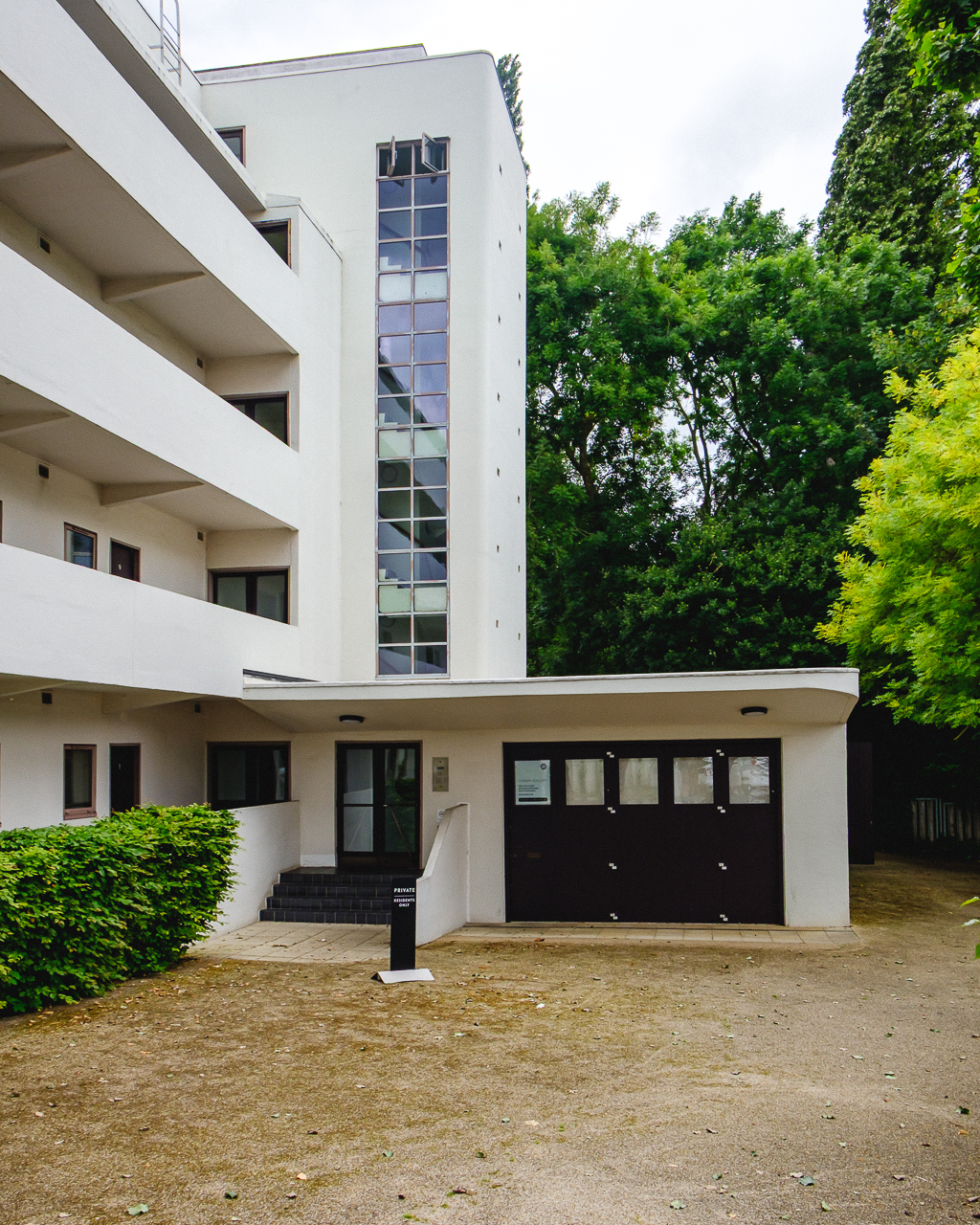
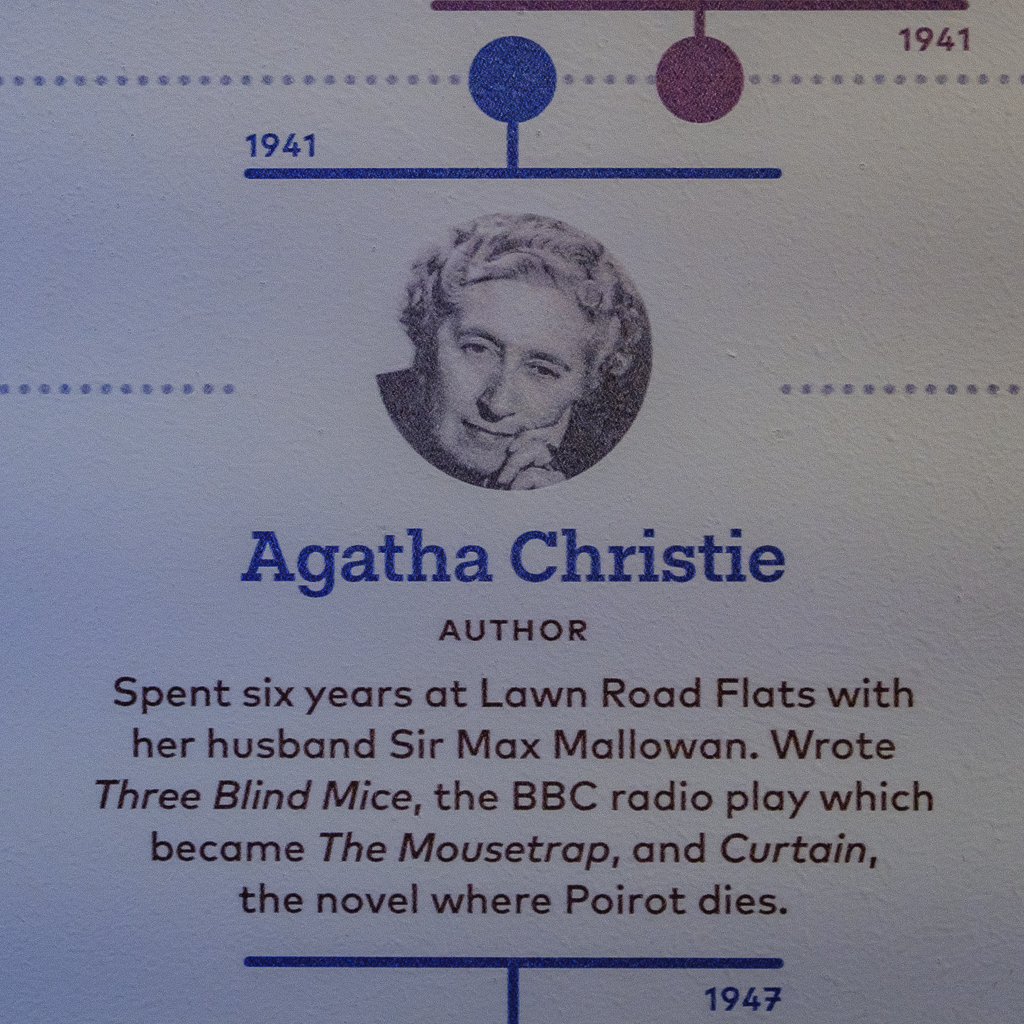
What makes it more fascinating though are the people who lived there. When the Nazis rose to power in Germany, the building became a refuge for fleeing intellectuals. Walter Gropius, founder of the Bauhaus school, lived there. So did Marcel Breuer, Henry Moore, and even Agatha Christie for a time.
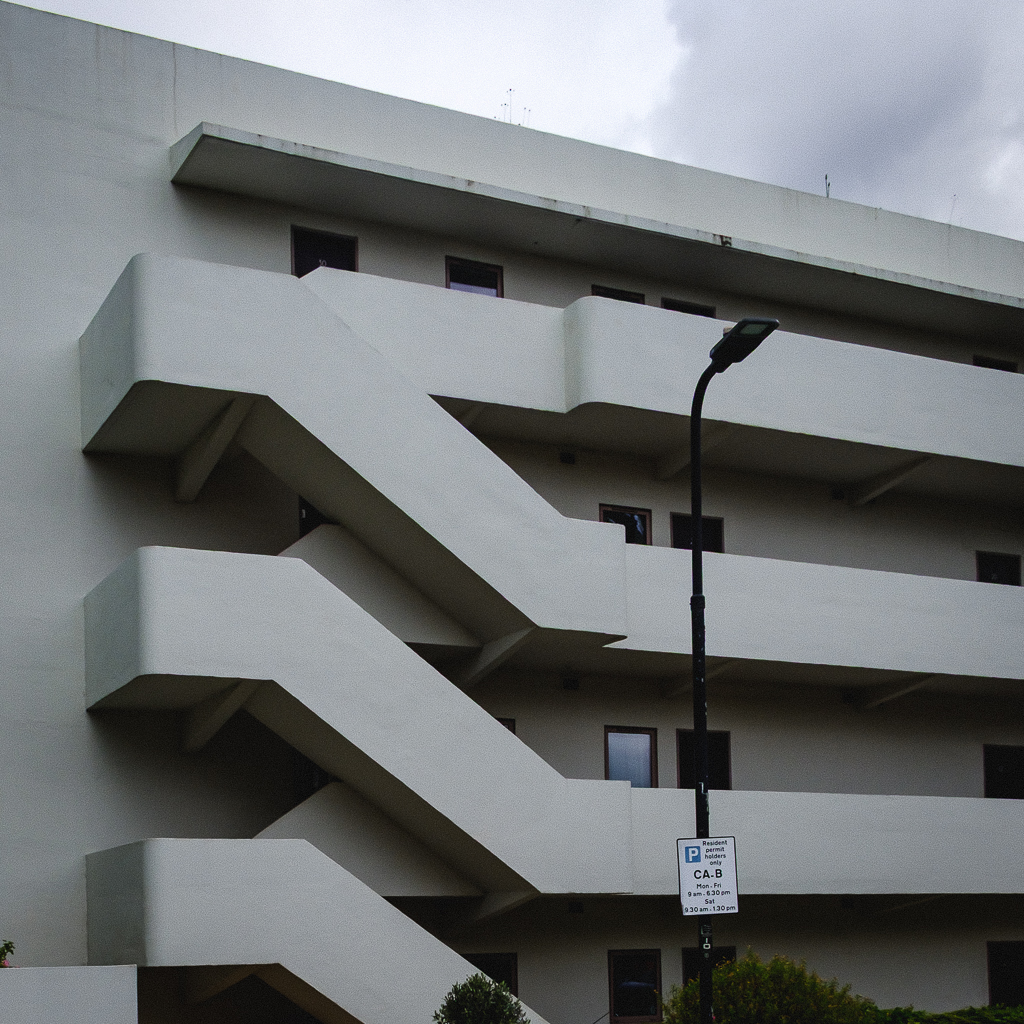
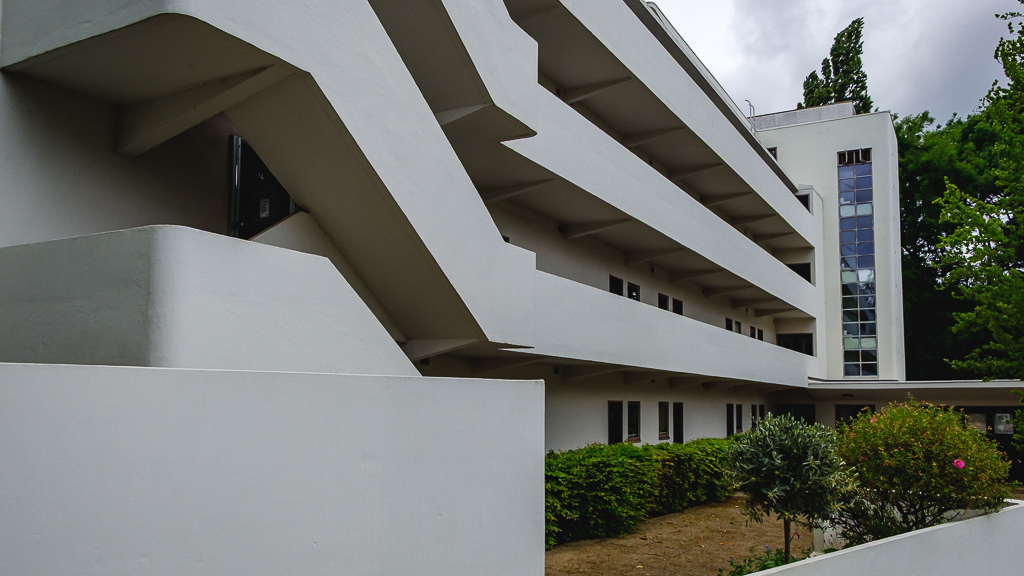
During the war it housed refugees and became a centre of anti-Nazi activity. The building declined post-war but was beautifully restored in the 2000s. It’s now Grade I listed, finally getting the recognition it deserves as one of Britain’s most important modernist buildings, and it’s beautiful. I love the steps 🙂
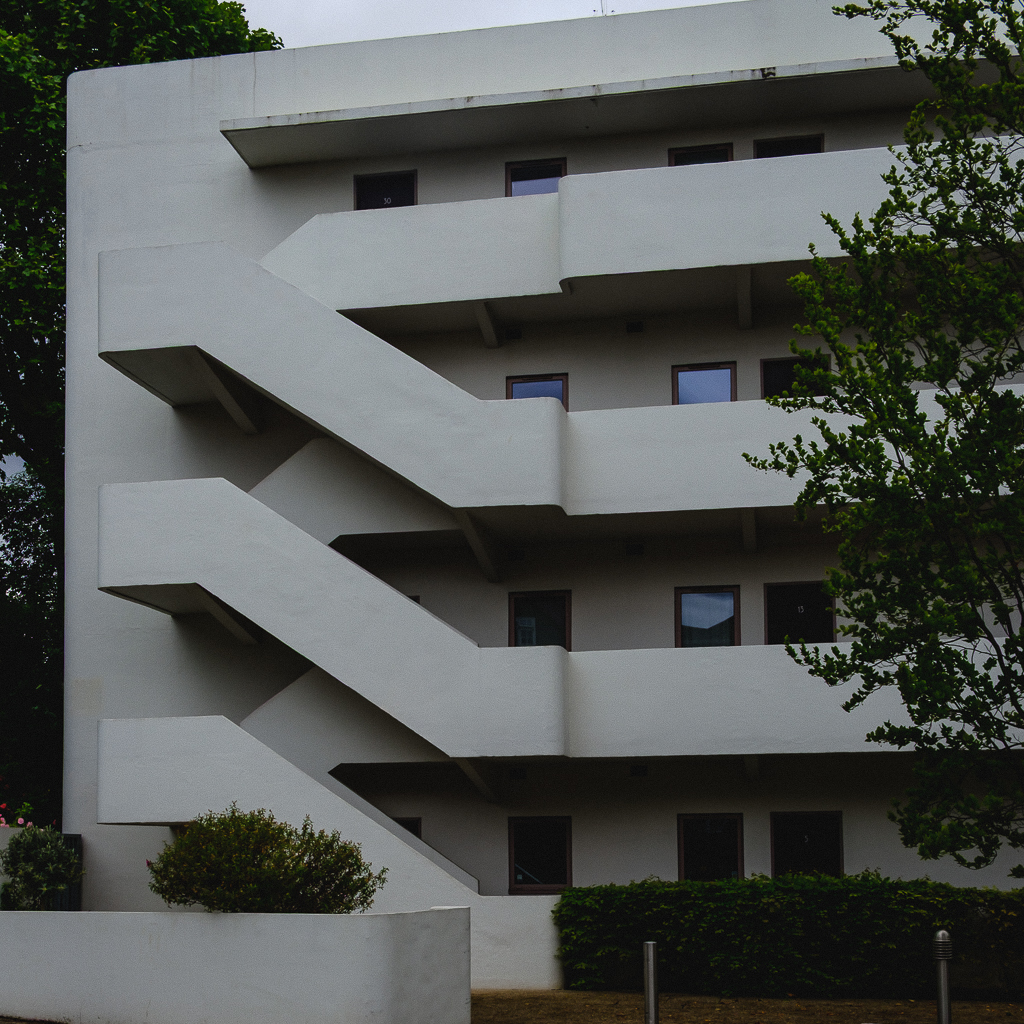
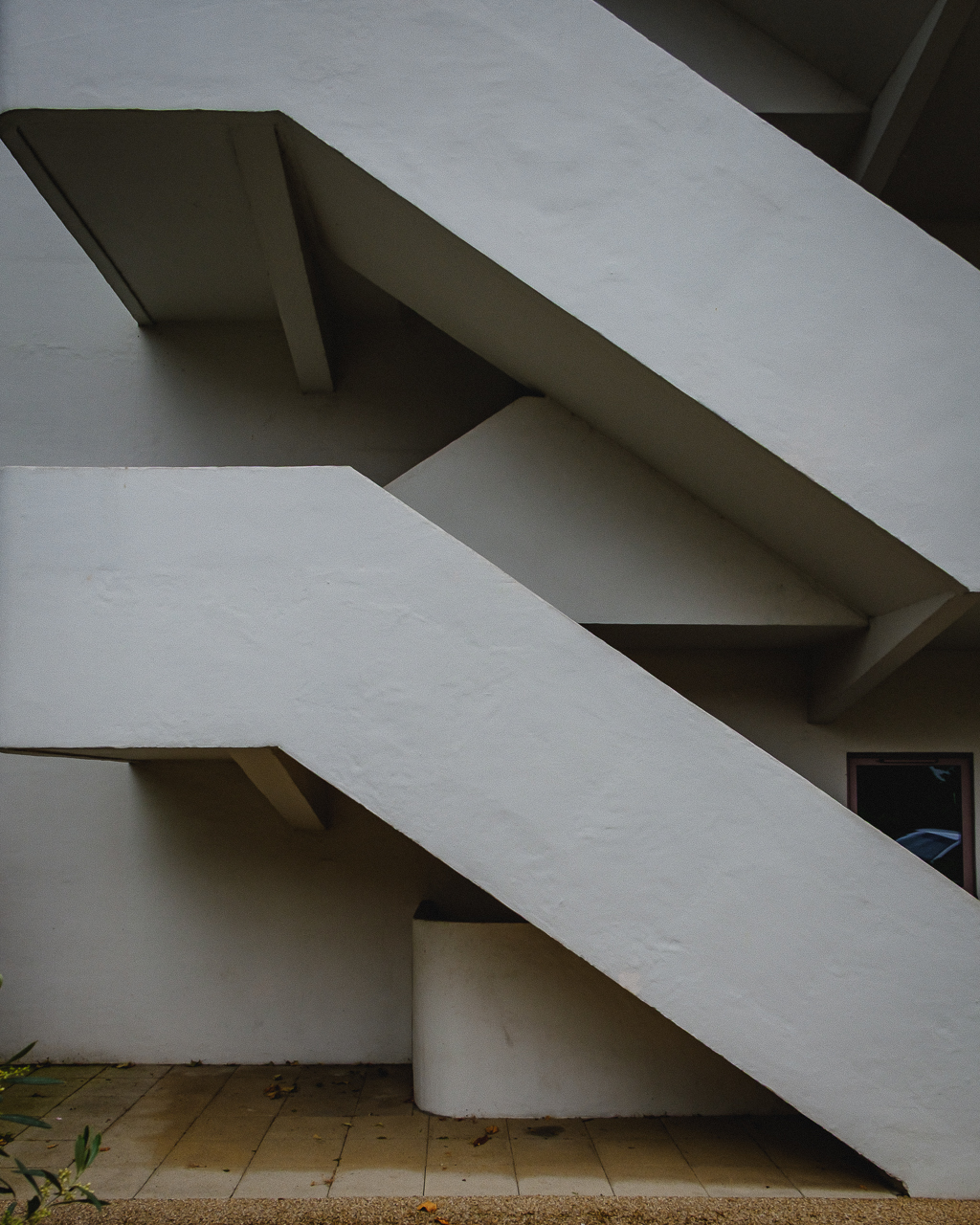
The ground floor restaurant, the Isobar, was extraordinary meeting place where refugee designers and architects mixed with British intellectuals. It was also a hub of socialist and communist activity with Austrian Arnold Deutsch once a resident. Deutsch was a key Russian spy who was in part responsible for recruiting the ‘Cambridge Five’- Philby, Blunt, Maclean, Burgess and Cairncross.
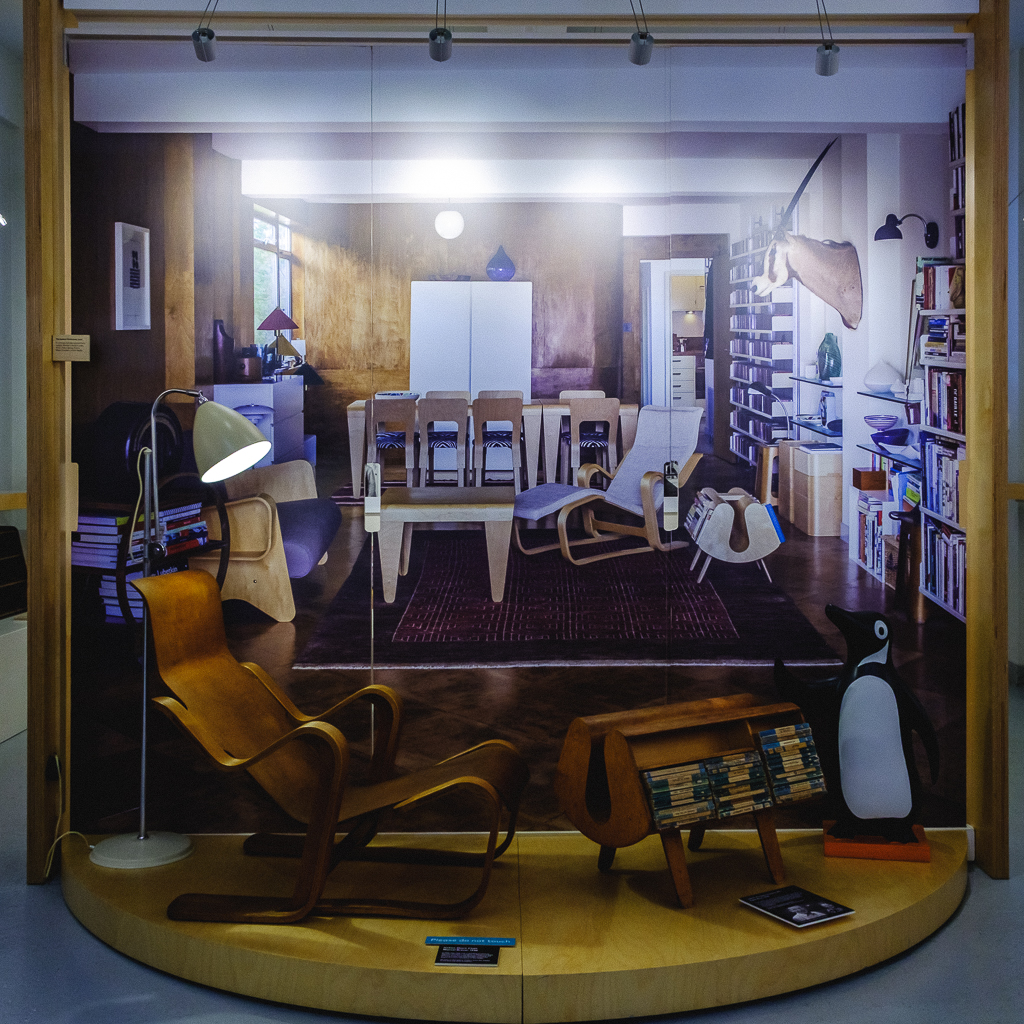
As well as work on the design of the building Jack Pritchard also designed the revolutionary furniture to fill the apartments. Made from very modern plywood these pieces are fantastic with the highlight for me the Bauhaus Movement’s Marcel Breuer designed ‘long chair’ and the ‘Penguin Donkey’, a storage unit for Penguin paperbacks.
The building reminds me a bit of Marine Court in St Leonards, marine Court was finished in 1938 and is considerably larger than the Isokon. I’m trying to sell my flat with an aim to buy a flat in Marine Court and go mortgage free.
The vision for a community in a building that drove the design of Isokon is one I would like to take with me to Marine Court; with regular shared meals ‘an eating club’ as it was in the Isokon, taken in a common area in the building. Who know what will happen when I don’t have to work anymore.
As I mentioned in the last post, the first one after I said I was taking a break, I had mostly written this before I decided to finish posting, so here it is almost two months after I visited.

 Where is Phil now?
You must be logged in to post a comment.