07 – 10 June 2024 – Berlin
I’ve a fascination with Berlin, and for a number of disconnected reasons it is one of my favourite cities. Its allure is a mystical combination of its 20th century history, spy novels, edgy music, graffiti, art and because I visited in 1987 when things were vastly different and have a happy memory of that time. No other city has all the things that Berlin has, though a lot of that allure is probably fantasy. I’m happy to say the fantasy remains unbroken and after spending three days there I love the city even more.
My view of Berlin is tainted by me being English and of a certain age. I was born in London in 1962, 17 years after the end of the Second World War and a year since ‘The Wall’ started to more formally divide East and West Berlin. In 1979, 17 years further on, my family had migrated to New Zealand and I was listening to punk rock and had a naïve teenage interest in politics. An interest that was primarily informed by the music I listened to and the views of those artists, views gleaned from the most famous of UK weekly music papers, the NME and Melody Maker; albeit three months after they were published in the UK.
Thanks to my parents I was, and remain, an avid reader and as a teen consumed loads of spy novels and non-fiction, so was well versed in the Cold War and the Berlin Wall and the privations forced on people by the Stasi, the secret police, of the German Democratic Republic (GDR) or as it was more widely known, East Germany.
In some ways I find it quite astounding that I lived through the collapse of the USSR and the democratisation of so many countries that were consumed by that distorted communist ideology. History is something that you read about in dusty old books or are taught in schools by teachers who probably have as much interest in the detail as the students. History is not something that happens around you, and yet it did. The Berlin Wall came down in 1989 and in 1990 East and West Germany unified to be become one country again. This was a monumental geopolitical event and Europe was made fundamentally different, and better for it. In some ways it feels like it has largely been forgotten and here in the UK we seem more interested in the war itself rather than what happened in the decades after.
In preparation for this holiday I read Stasiland: Stories from behind the Berlin Wall, by Anna Funder. It was published in 2002 and is a collection of interviews and discussions Anna, an Australian, had with people who lived in East Germany while she was living in Berlin in the 90s, not long after the wall came down. She interviewed both those who were subjected to the machinations of the state and by those who worked for the state’s secret police, the Stasi. It is an excellent modern history and comes highly recommended; especially now with the rise of the populist right across Europe and the rest of the world. There are lessons we shouldn’t allow to be forgotten.
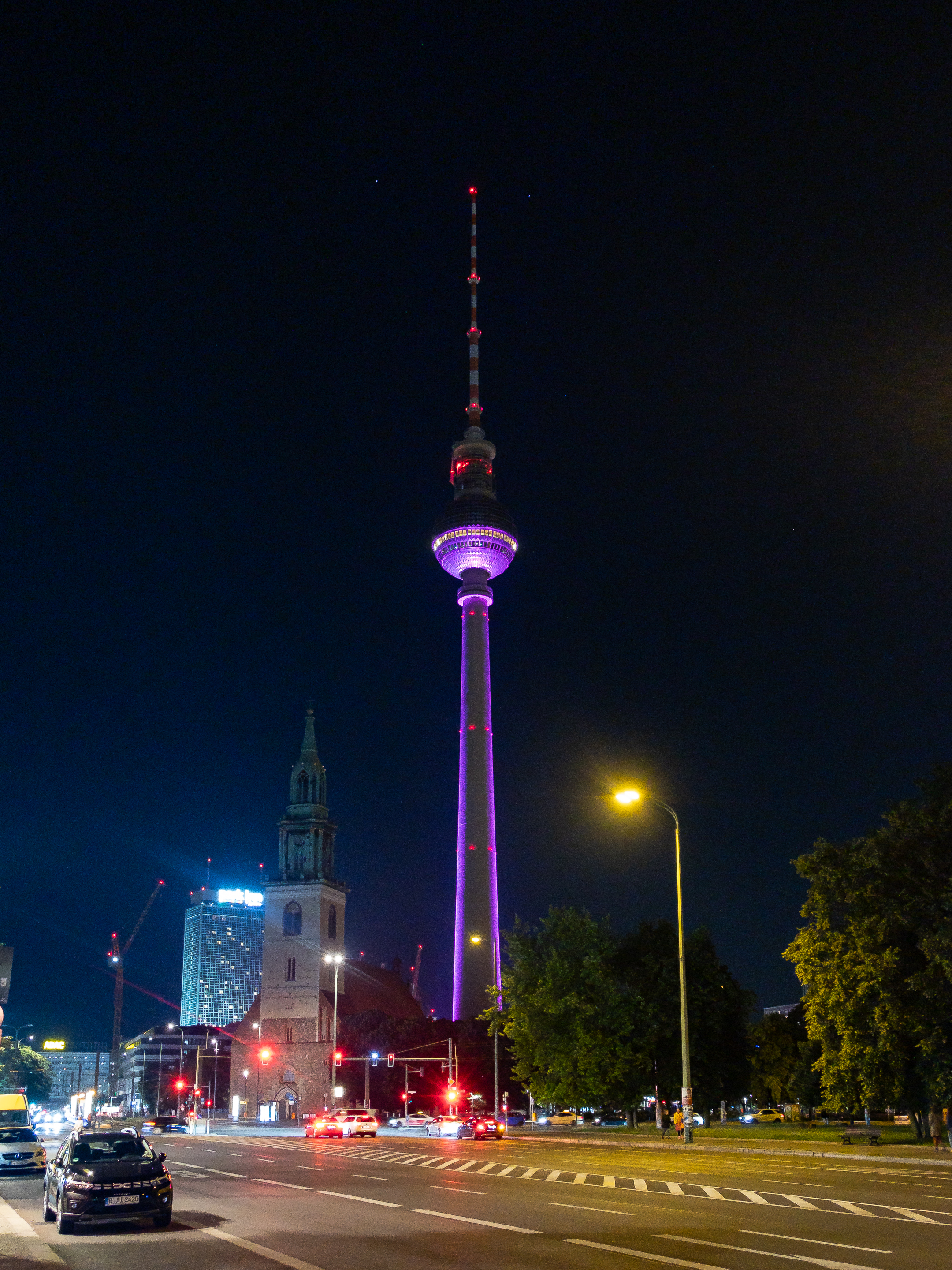
We are staying just off Alexanderplatz and prior to the collapse of the GDR our hotel was one of many Berlin offices of the Stasi. As a ‘secret’ location it wouldn’t have been shown on any street maps and it’s weird to think that this building that was built in the 19th century didn’t officially exist for 45 years of the 20th, and it was a key government building for a country that no longer exists. The magnificent Telecom Tower is in Alexanderplatz and was an easy reference point when trying to work out where we were as we wandered about.
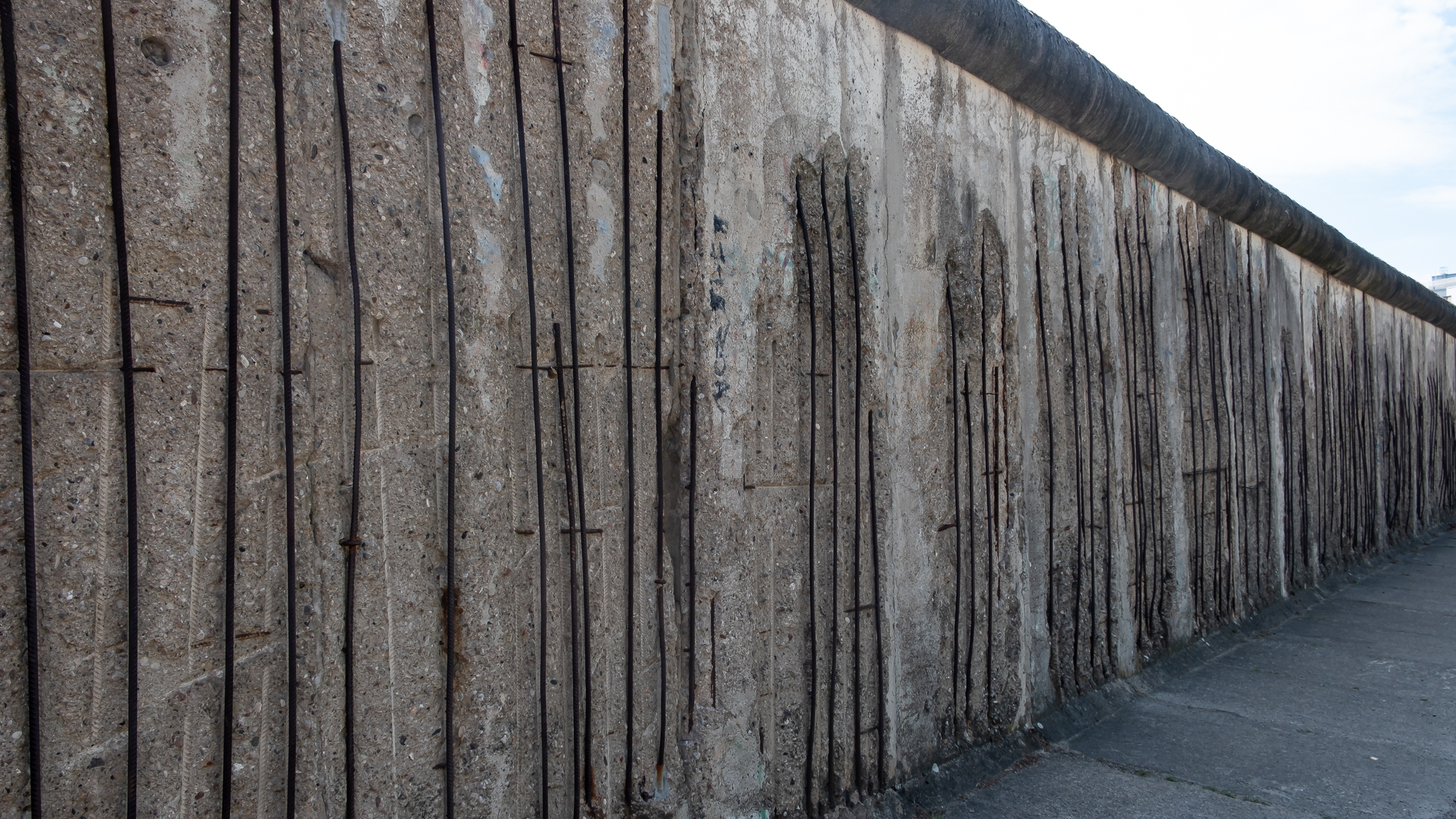
You can’t escape the Berlin Wall in the centre of Berlin and I was surprised how much of it remains, scattered in small pieces around the central city, some as formal memorials, and some I suspect are just there and serve no real purpose other than to attract tourists like me and remind everyone who comes in contact of what has been and what could come if people don’t stay informed and vigilant. You only have to go back four years to hear ‘Build the Wall’ cries from many in that supposed ‘home of democracy’, America.
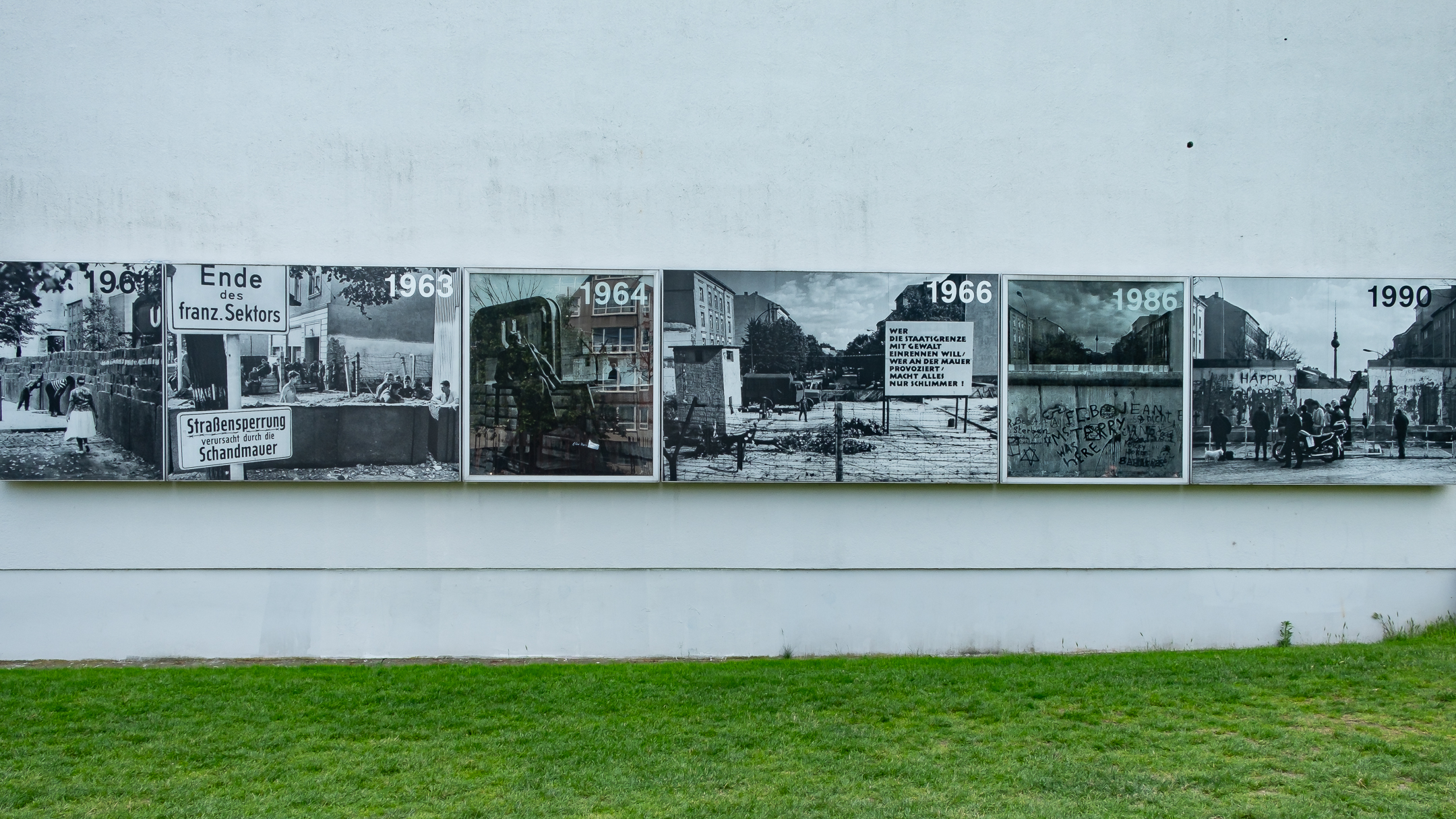
Germany was divided into two at the end of the Second World War by the allied nations; UK, USA, France and Russia. It was divided along internal state boundaries with the east under control of Russia and the western states shared between the others. As Berlin was the German capital, though solidly inside the east it was also divided in a similar fashion, but across local council boundaries. This lead to streets being cut in half and families separated. Until 1961 it was still possible to move between east and west to visit family or for some to go to work.
However, on the night of August 13 1961 the East German authorities, much to the surprise of the west, erected a barbed wire ring around West Berlin and the next day began the construction of a wall that cut the western half of city off from the east. The wall expanded over time and remained in place until November 9 1989. Many thousands of people succeeded in escaping the east to the west including some of the troops who were supposed to be preventing escape, like Konrad Schumann, captured in this stunning photo by Peter Leibing. Though Konrad managed to escape his story is tragic and he is as much a victim of this terrible thing as those who were tortured or killed for escaping by the Stasi.

On our first morning in Berlin we took an underground tour (no photos allowed) where our superb guide told us of the many ways that East Germans, particularly Berliners tried to escape the East. The tour was focused on the various underground approaches taken, via the underground train network, or the sewers and by self dug tunnels under the border.
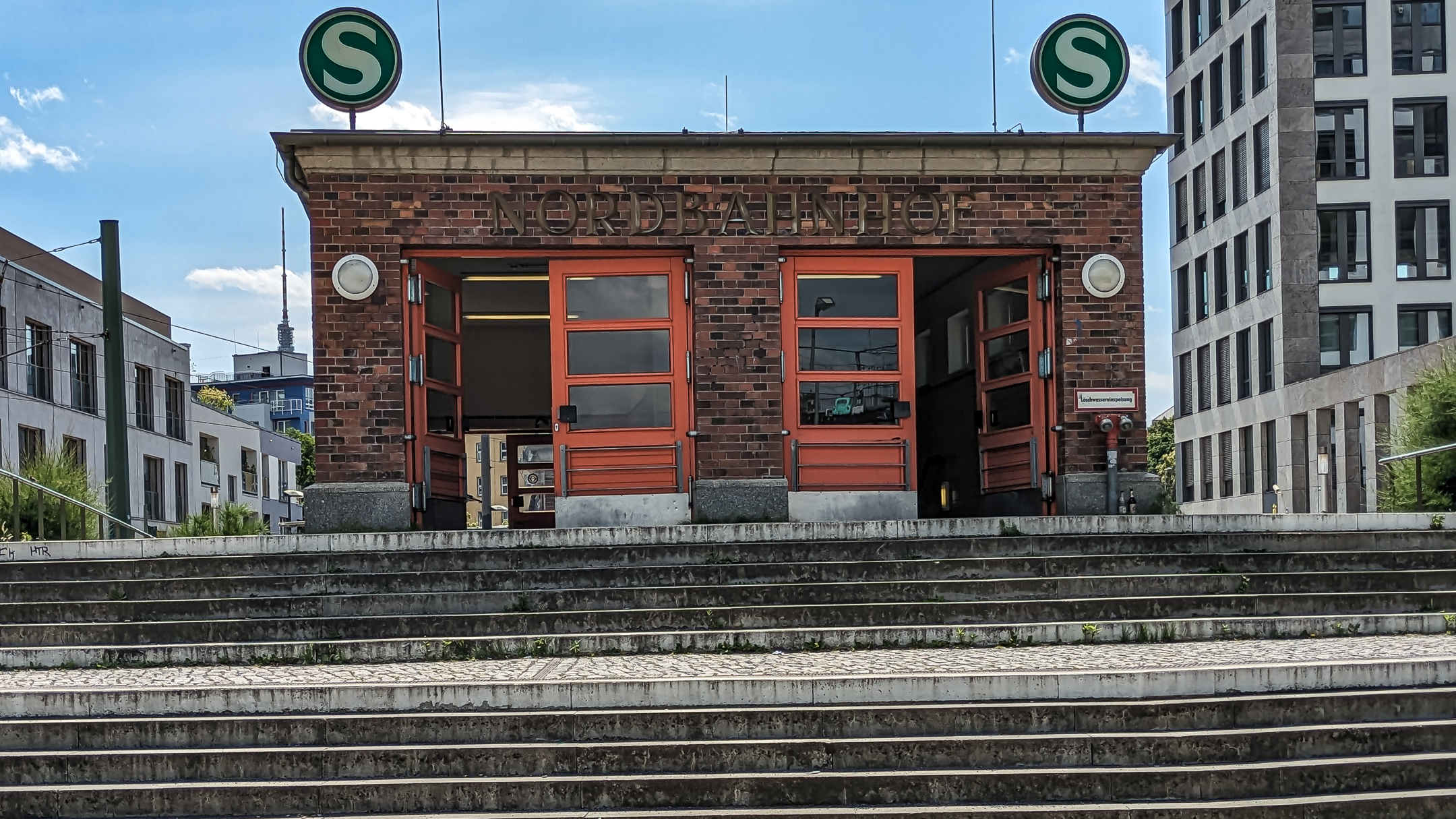
Prior to the war and the subsequent division of the city Berlin had extensive underground and over ground train system. When the city was divided the authorities re-routed some trains to avoid crossing borders, or where that was not possible, by closing stations and having the trains run through. These stations became known as ghost stations and dangerous as they were they were used for a short time to facilitate escape. Nord Bahnhoff was one of those stations, reopening again in 1990.

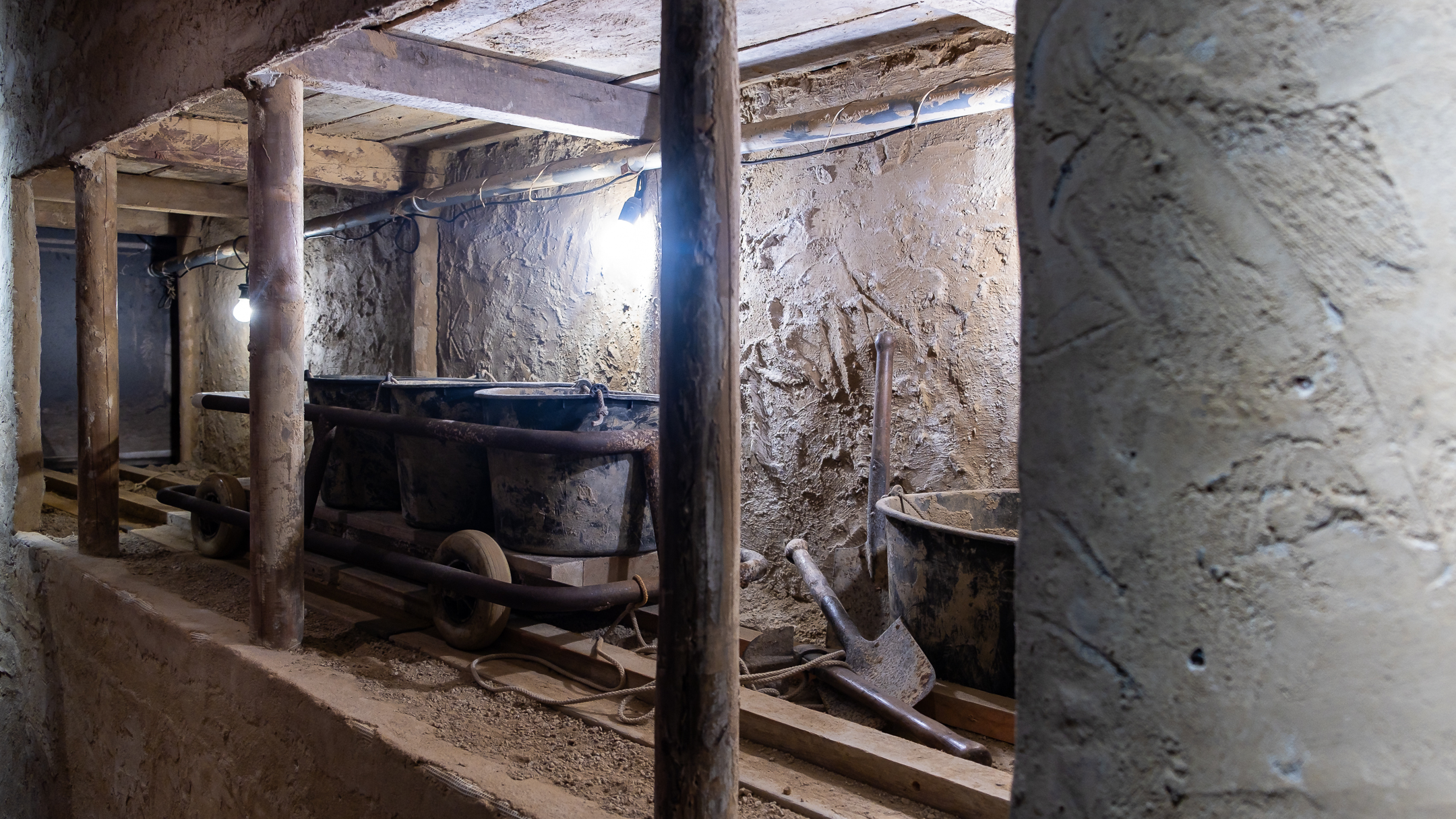
More than 70 attempts were made to hand dig tunnels under the wall, though only 19 were successful, many were given away to the Stasi by neighbours of friends of the tunnel diggers. The Stasi had a vast network of forced or unforced informers and it sounds like it was difficult to really trust anyone, even if you knew them well. Over 300 people managed to escape via those 19 tunnels before they were inevitably betrayed. This is a mock up of one of the tunnels; the construction and escape would have been terrifying.
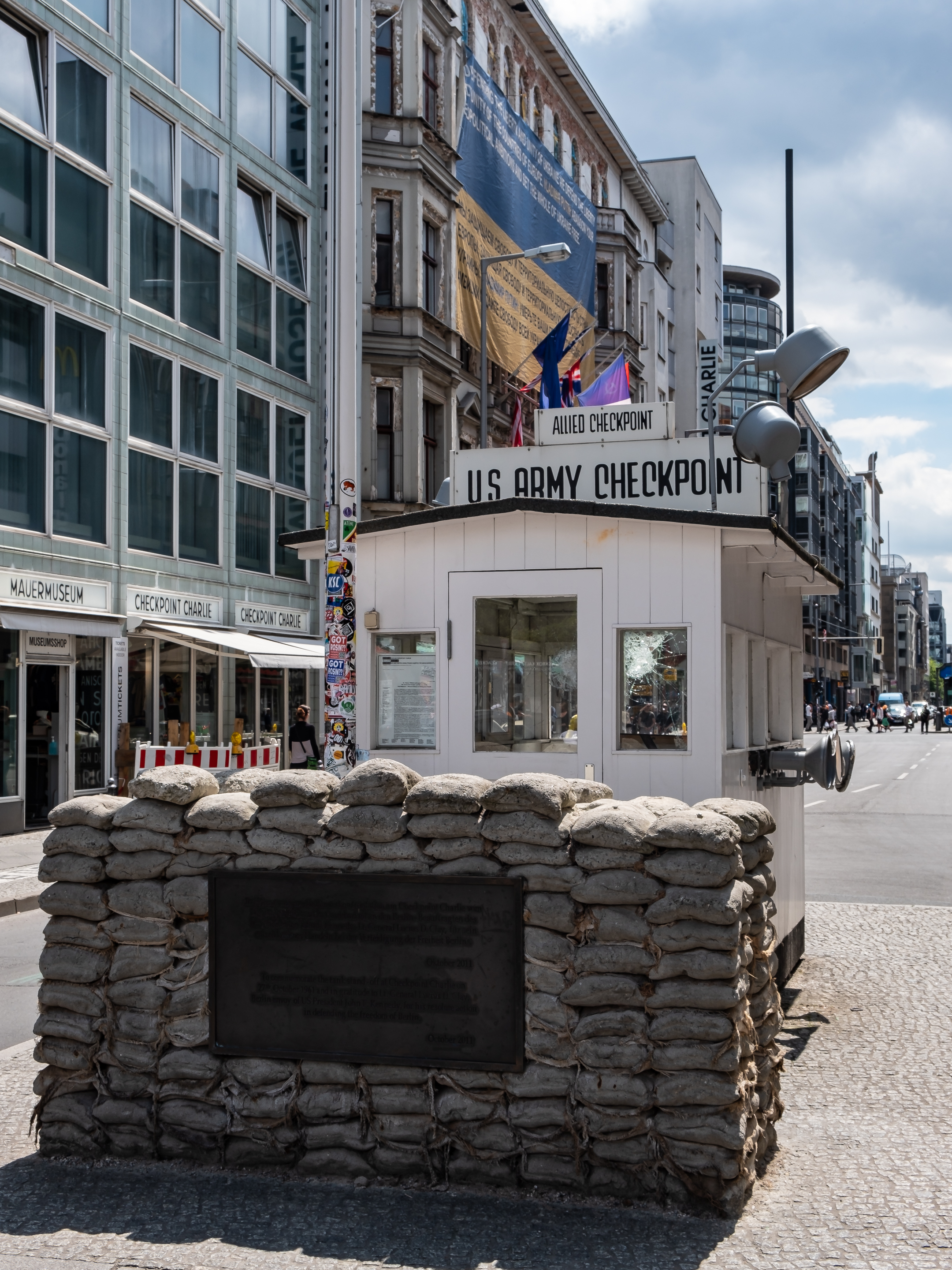
There were numerous legal crossing points from east to the west, though it was difficult for those who wanted to make that journey. It was easier to cross west to east and back again, which I did for a day in 1987, using the famous Checkpoint Charlie on Friedrichstrasse. Now a popular tourist attraction.

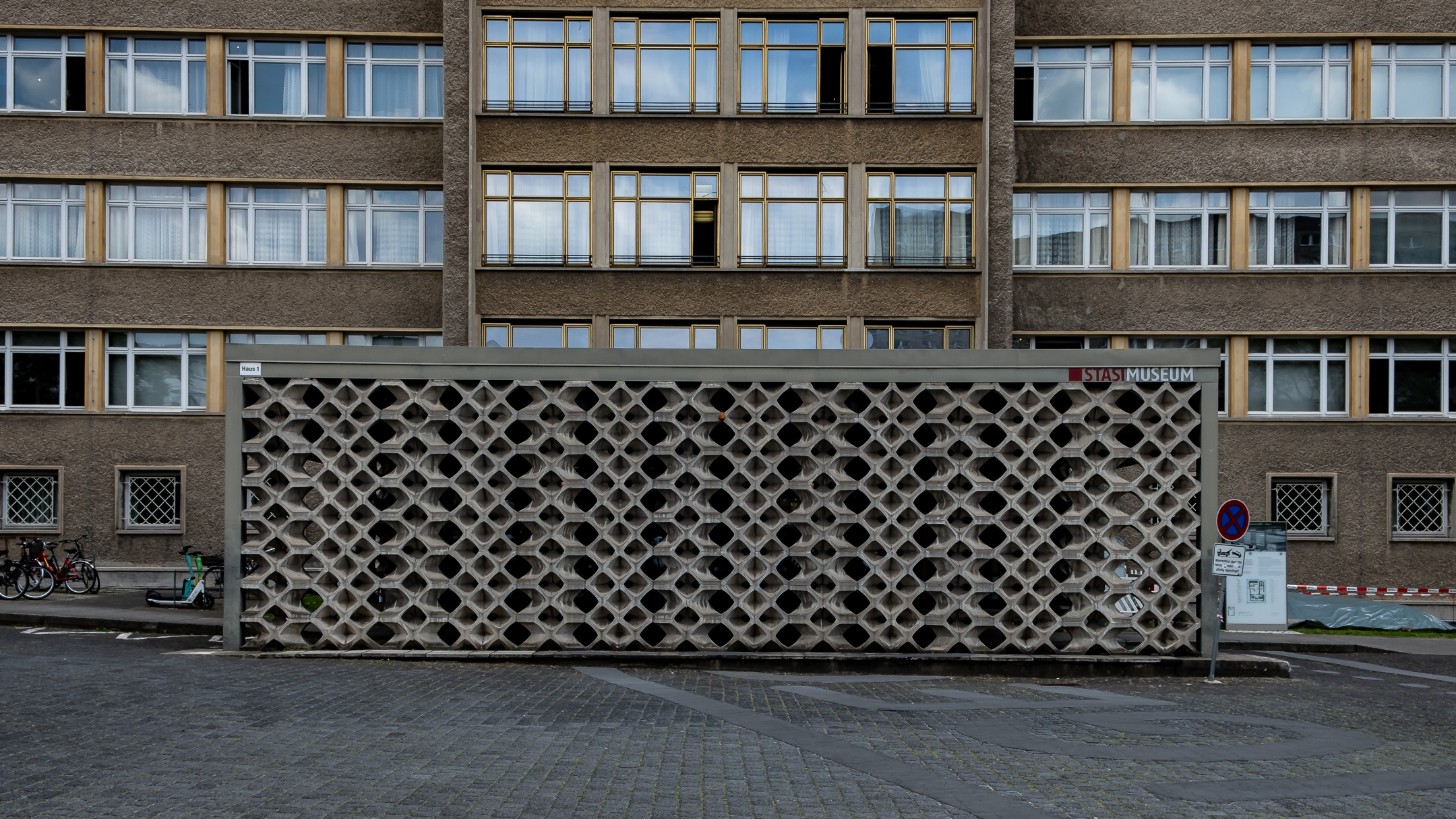
We also visited the Stasi Museum which is located in one of the buildings in a vast (and slightly brutalist) complex of buildings that made up the Stasi headquarters. As it became probable that the hard line communist state was on the verge of collapse East Berliners essentially stormed the Stasi headquarters, thankfully unopposed by the armed police inside, to ensure the huge collection of records of the organisation weren’t destroyed by the state. Records that detailed to a very intimate detail the lives of ordinary East German citizens.
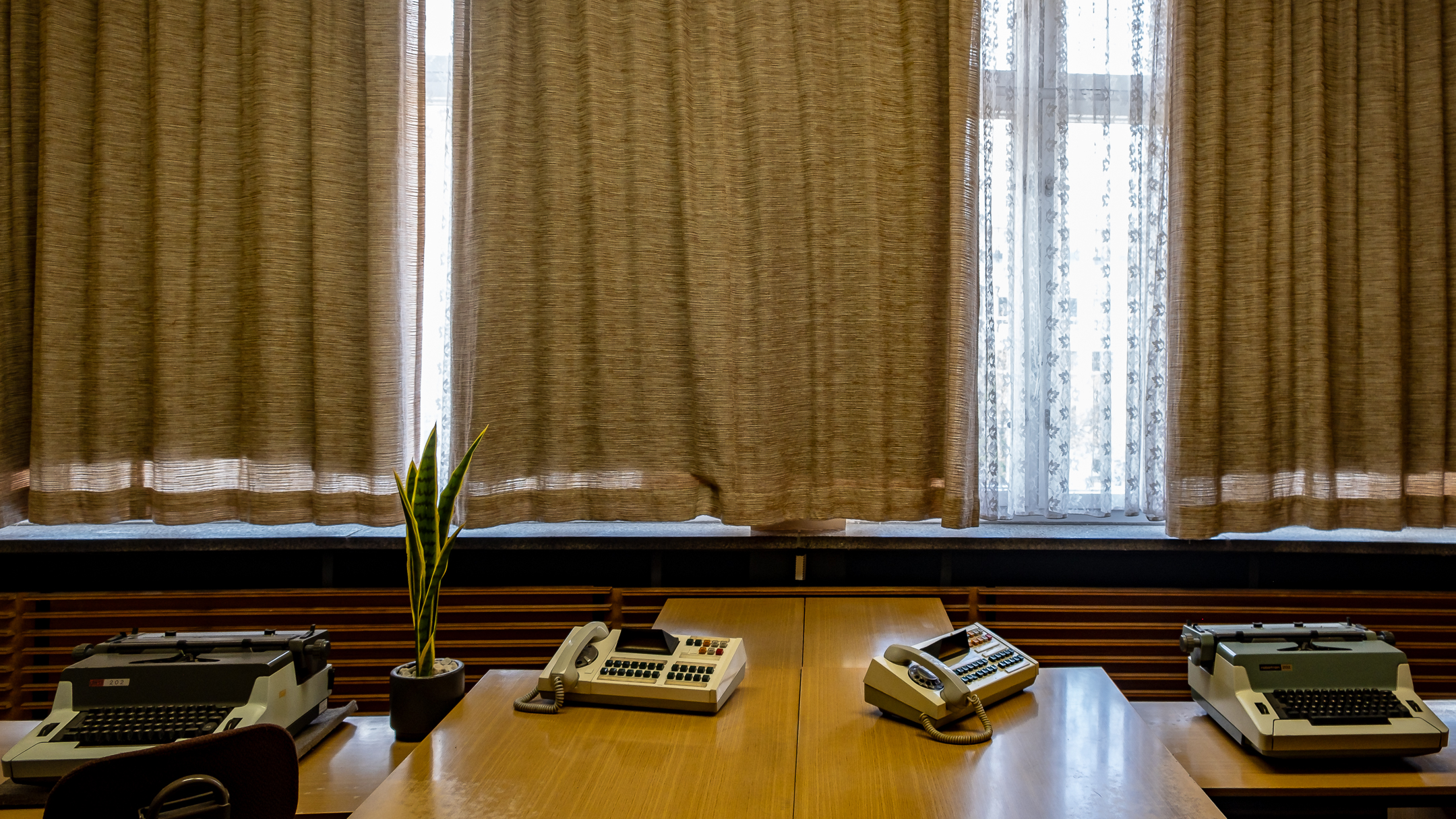
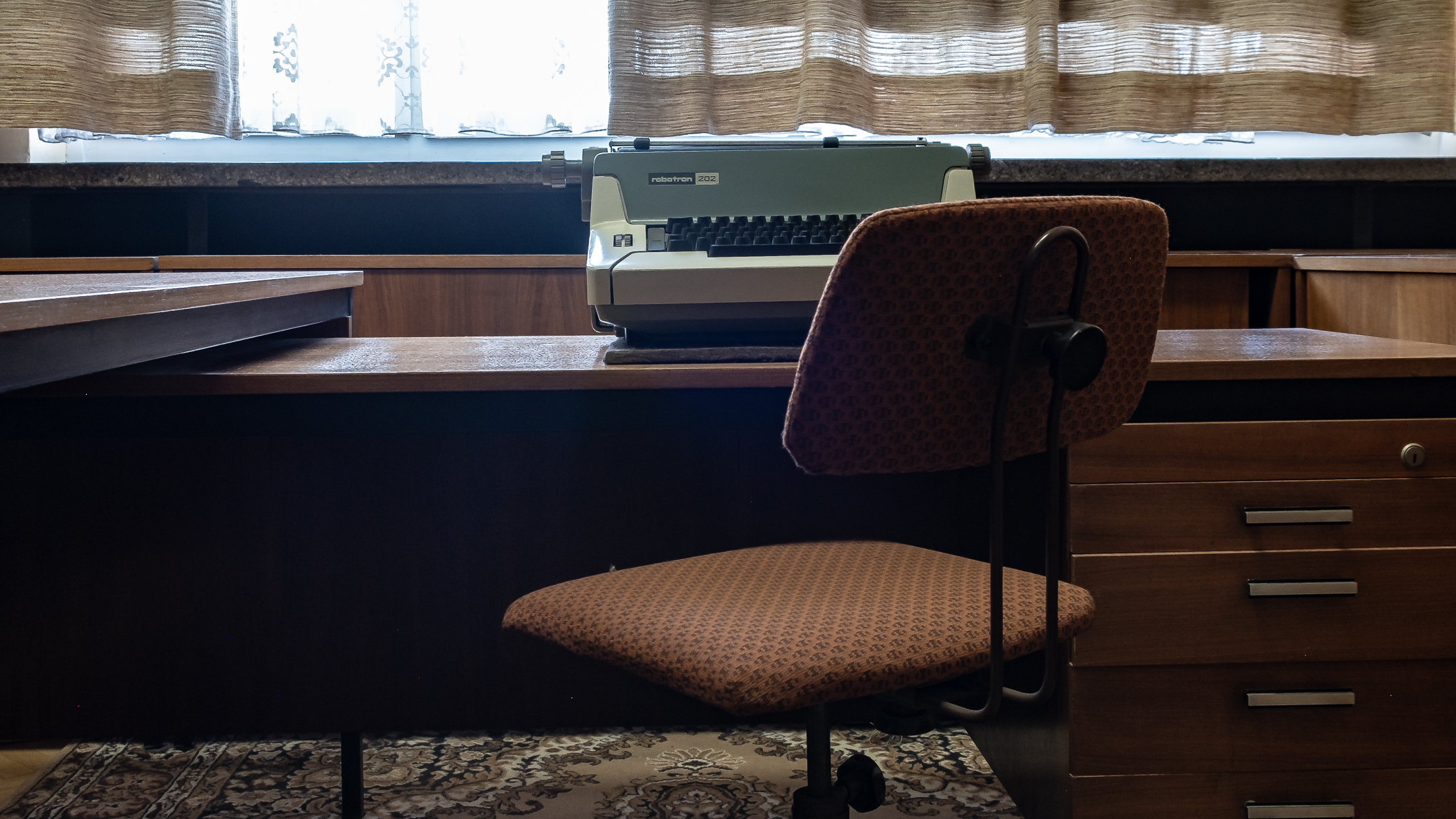
The museum was fascinating and the executive floor was left as it was found in 1990 – a homage to the classic brown and beige mid-70s design that has become quite fashionable again.



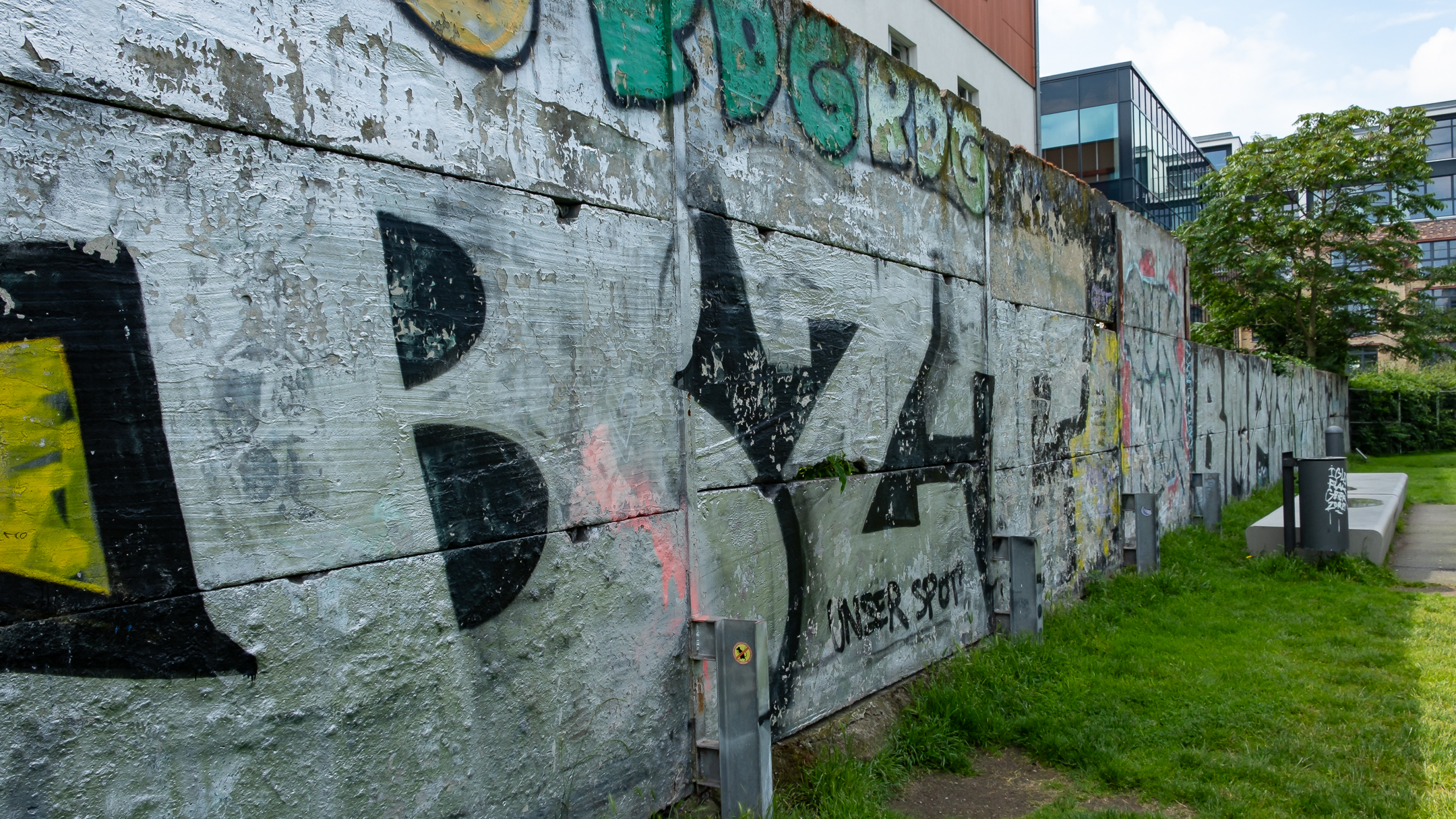
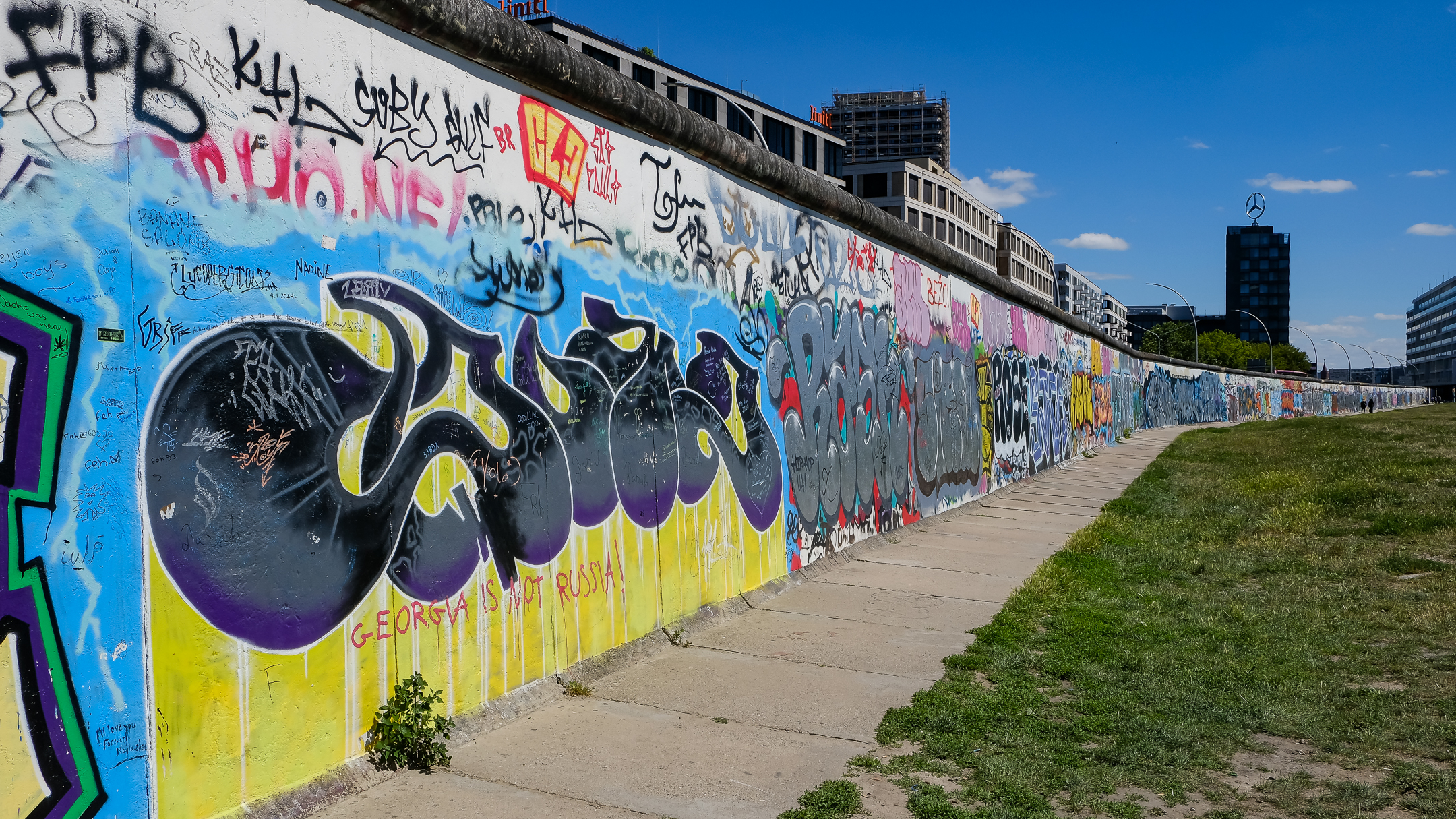
The images and film of the wall bring breached and climbed and hammered and partied on on that famous night in November 1989 will remain firmly fixed in history and in my mind and I enjoyed seeing the constant reminders of it throughout the small part of the city we explored. When I return I want to explore sections of the wall between West Berlin and the parts of East Germany that were not in East Berlin on the western side of the city. There is a walkway round the old west where the wall and the ‘death strip’ as our underground tour guide described the no-mans land between the west and east wall which sounds really interesting.
Vast sections of the west side of western wall is covered in graffiti, some of it still the original painting from the 80s.
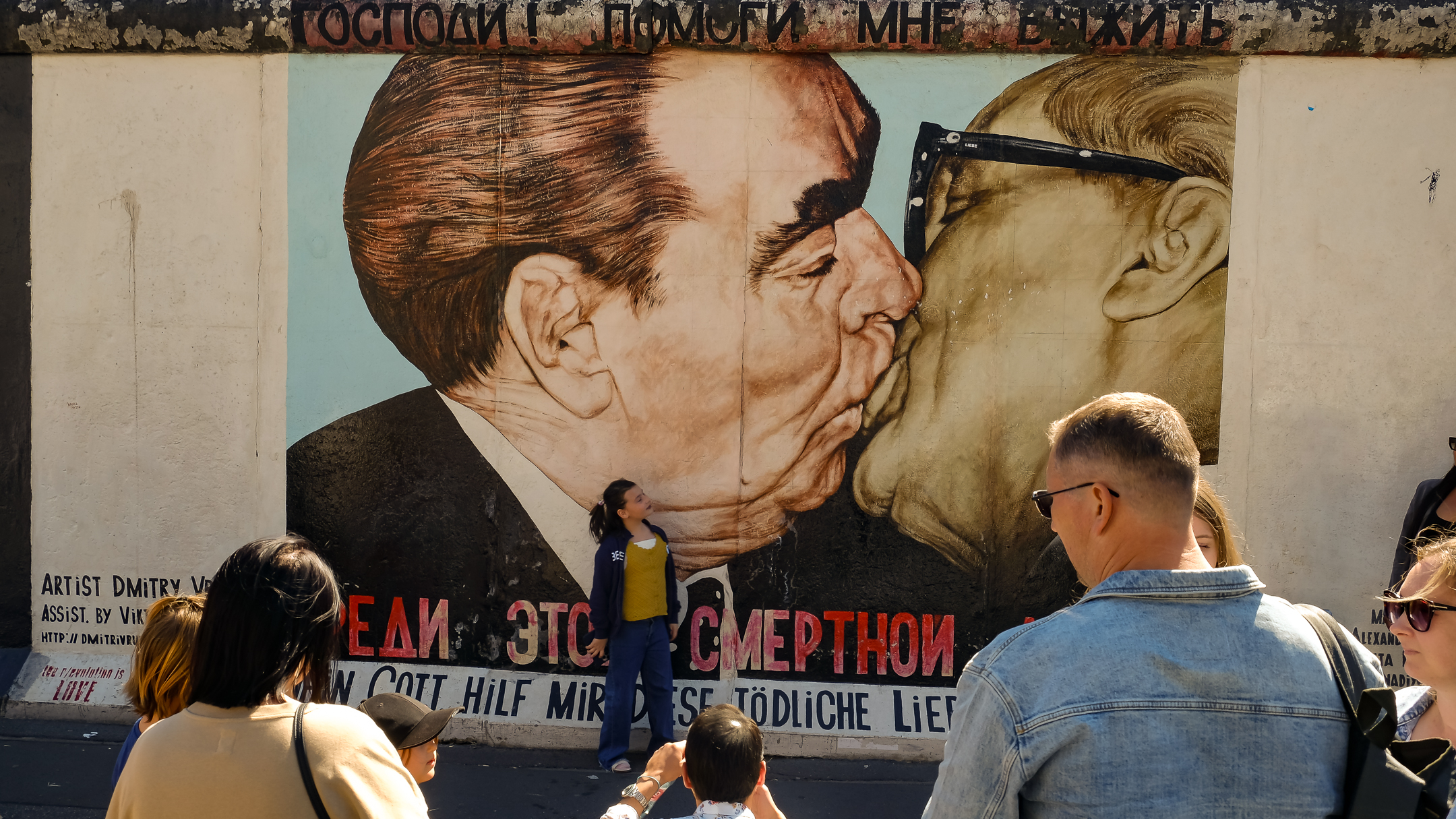
Dmitri Vrubels 1999 painting ‘My god, help me survive this deadly love’ is probably the most well known image, and difficult to photograph due to that popularity. It’s a satirical take on a photograph taken in 1979 of Leonid Brezhnev and Erich Honecker the leaders of Soviet Russia and East Germany.
There is more Berlin to come!

 Where is Phil now?
You must be logged in to post a comment.